REVIEW · CITY TOURS
Amsterdam: Queer City Walking Tour With Local Guide
Book on GetYourGuide →Operated by LGBTOUR_Amsterdam · Bookable on GetYourGuide
Dam Square turns into a queer memory lane. In this 2-hour Queer City walk, Sanne from LGBTOUR_Amsterdam uses personal stories to connect Amsterdam’s LGBTQI+ landmarks, pride, and protests into one moving route. I like how the tour keeps it human (love, fear, coming out, ordinary dating) while still guiding you to big public sites like the Homomonument and the old queer bar finish.
One possible drawback: the topics can get emotionally heavy and sometimes controversial, including AIDS-era context and Monument stories, so it’s not a purely light “see the sights” stroll. It also runs rain or shine, so wear shoes that can handle damp cobbles and a steady pace for two hours.
In This Review
- Key highlights to look for
- Dam Square to Homomonument: how this tour changes what you see
- Meet Sanne at the National Monument (and get ready to walk)
- Homomonument, the Monument story, and the lesson behind “public memory”
- Dam Square to the Royal Palace area: unicorns, gender, and pride-canals energy
- Condomerie and the Red Light District: queer survival you can walk through
- Zeedijk Street and Pride Clothing: how style becomes a signal
- Kokopelli and Dancing Houses: stories tucked into specific corners
- Finish at Café ’t Mandje: ending the walk like locals do
- Price and Logistics: is $59 worth it?
- Who should book this tour
- Should you book LGBTOUR_Amsterdam’s Queer City Walking Tour?
- FAQ
- Where does the tour meet?
- How long is the walking tour?
- What is the price per person?
- What languages are offered?
- Is the tour wheelchair accessible?
- Does the tour run rain or shine?
- What should I bring?
- What are some of the stops on the route?
- What is the tour’s main focus?
- Can I cancel for a refund?
Key highlights to look for
- Sanne’s personal lens: falling in love, being gay and single, and how everyday life intersects with public history
- A tight landmark route: Homomonument, the Condomerie, the Red Light District area, and an end at Café ’t Mandje
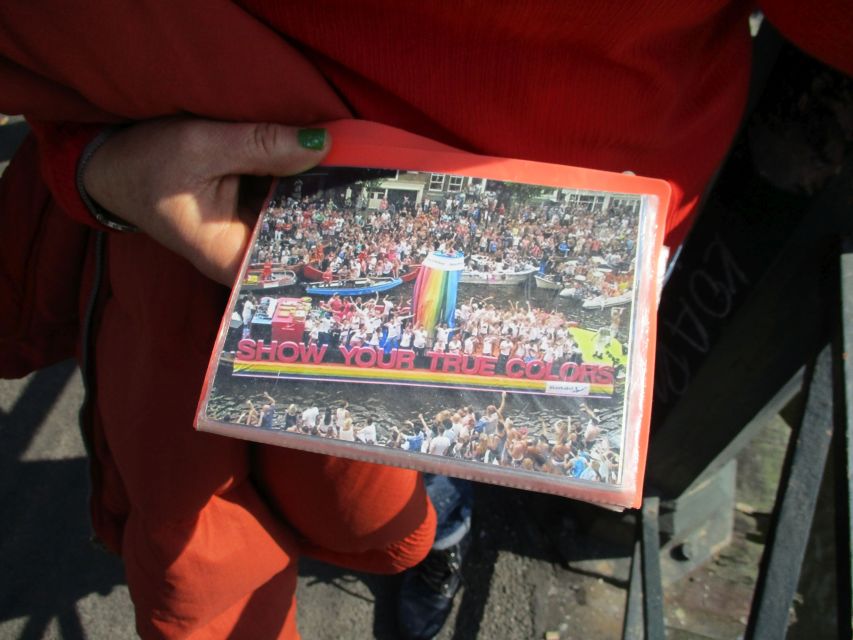
- Pride and protest on the route: how Pride connects to canals and public action
- AIDS-era necessity in plain language: the Condomerie story focuses on why it existed
- Controversy at the Monument: you get the less comfortable angle on what you’re seeing
- Community feel: you’ll meet queers and allies worldwide and share your own story if you want
Dam Square to Homomonument: how this tour changes what you see
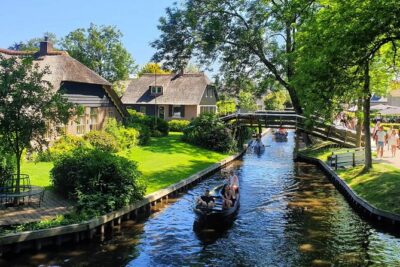
Amsterdam can look postcard-pretty. But when you start at Nationaal Monument at Dam Square and hear it through a queer lens, the place stops being “just a square.” Instead, it becomes a starting point for stories about visibility, silence, and public change.
This tour is built around the idea that the city’s queer story isn’t separate from its overall story. Sanne connects the dots between events and people in ways that feel personal, not like a textbook lecture. That matters in Amsterdam, where you can spot pride symbols and rainbow color pretty easily, but still miss the real human stakes behind them.
The walking pace is relaxed enough to take it in, but it’s long enough that you’ll feel like you’ve actually moved through the city’s old core. And because it’s small-group style, you’re less likely to vanish into the crowd while the guide speaks.
You can also read our reviews of more walking tours in Amsterdam

Meet Sanne at the National Monument (and get ready to walk)
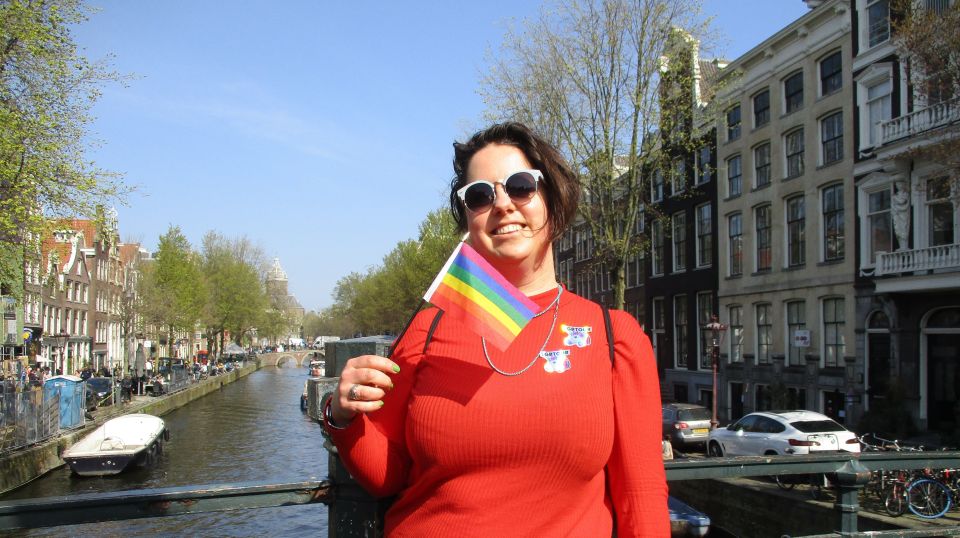
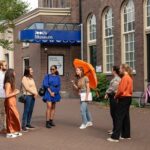
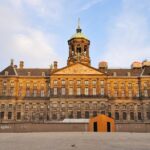
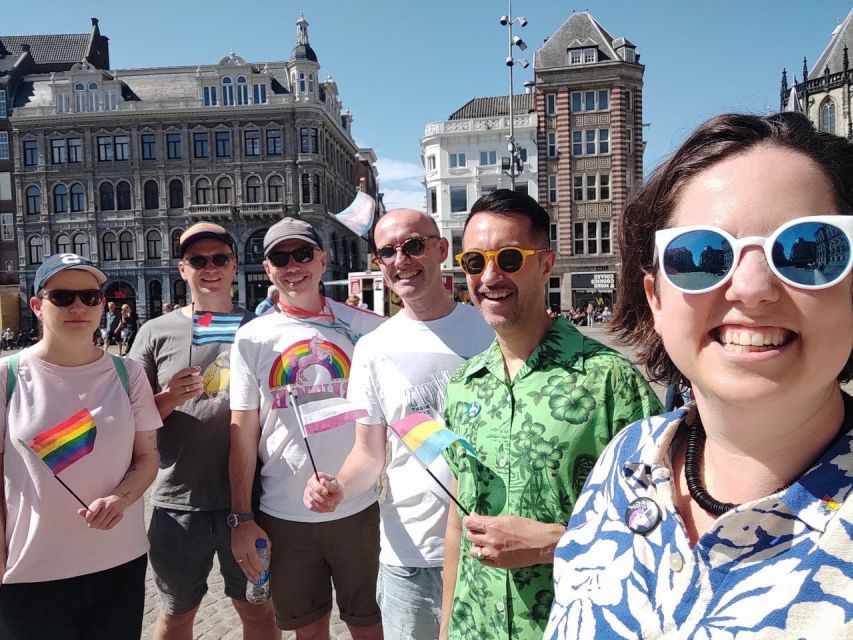
You meet at the National Monument at Dam Square. Sanne is easy to spot with a tiny rainbow flag, and the meeting spot matters: it sets a serious, historical tone right away, before the tour turns into street-level queer life.
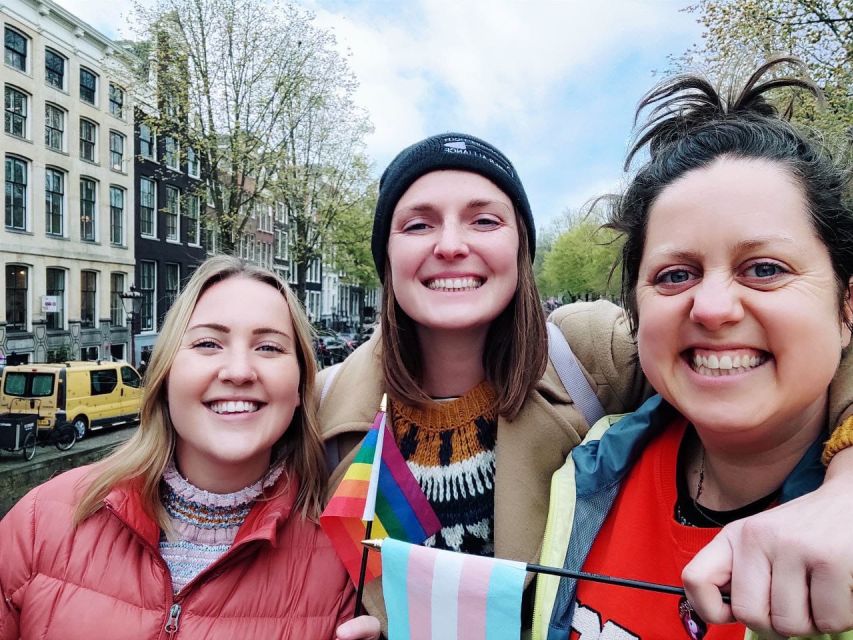
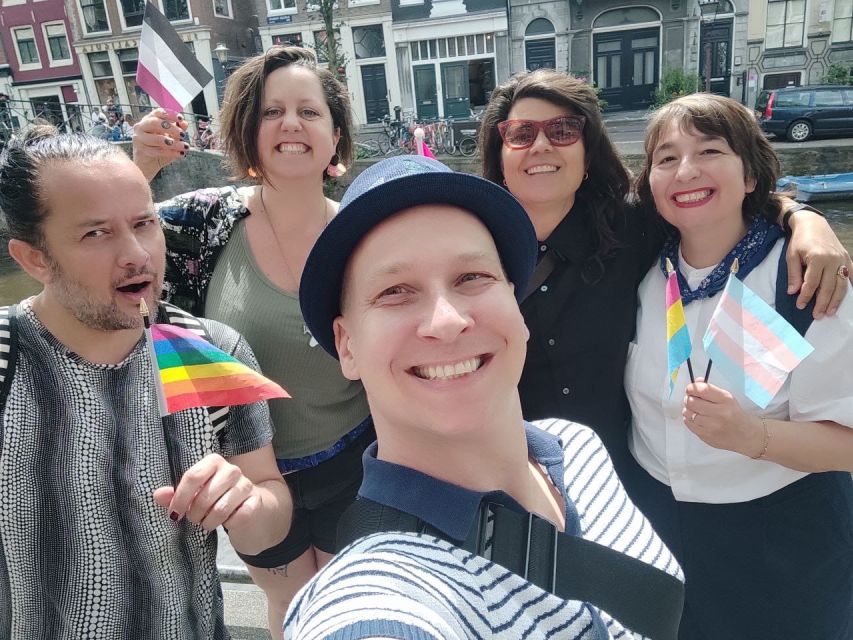
This is also where you should decide what kind of participant you want to be. The tour encourages connection with other queers and allies and invites you to share your story. If you’re chatty, you’ll likely have a good time trading experiences. If you’re private, you can still listen and learn without turning the walk into a personal spotlight.
Plan for a steady two-hour stroll. Bring comfortable shoes and expect walking on older city surfaces. The tour is rain or shine, so pack rain gear if the forecast looks even slightly suspicious. I’d also bring sunscreen and a sun hat in warmer months—Amsterdam weather can switch moods fast, and you don’t want to be caught without basics.
Homomonument, the Monument story, and the lesson behind “public memory”
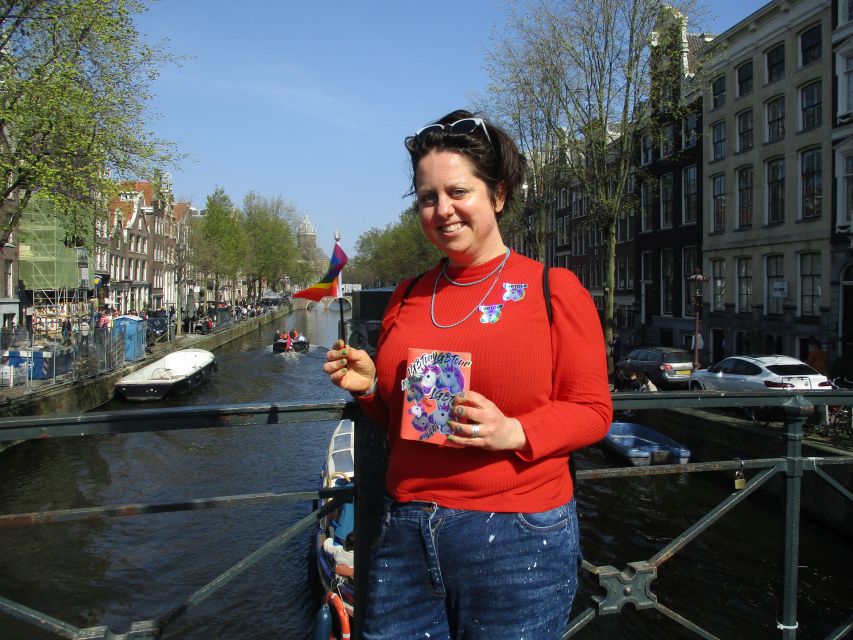
One of the first stops is the Homomonument, where you get about 20 minutes with the guide. The point isn’t just to look. It’s to understand what a monument is doing in public space: naming people, shaping memory, and saying what a society chooses to remember.
Then there’s the Monument component itself—specifically, hearing controversial stories about how it came to be. That’s a key part of why this walk works. Amsterdam has plenty of “nice” history. This tour doesn’t pretend history was tidy. It shows you how public symbols can be contested, how meaning can shift, and how queer communities have had to fight for recognition.
If you’re the type who likes looking at plaques and then moving on, you might be tempted to speed through. Don’t. Pause. The guide’s framing helps you see how queer history ties into power, law, and public space, not just nightlife and signage.
Dam Square to the Royal Palace area: unicorns, gender, and pride-canals energy
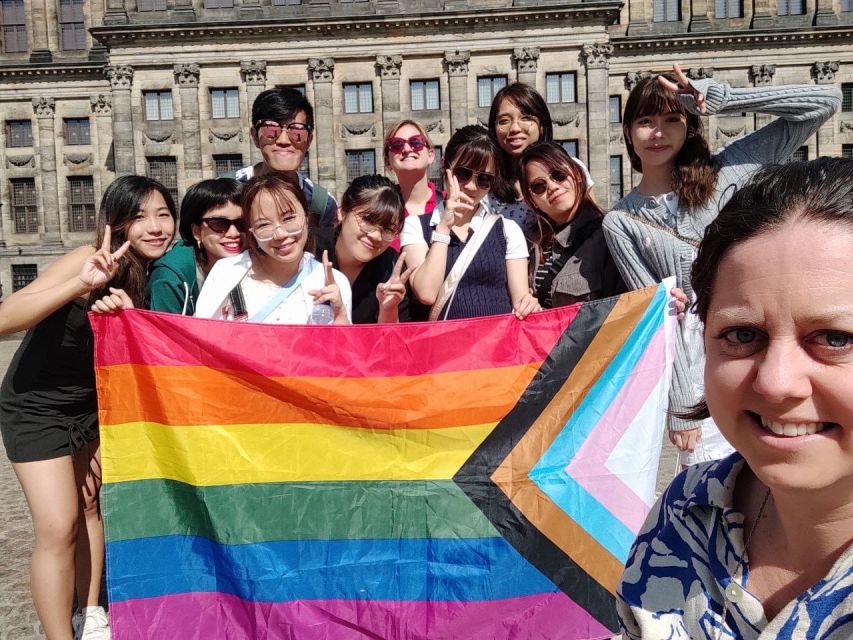
After the Monument moments, the itinerary moves to Belle for a 10-minute guided stop. This is one of the earlier segments where the guide uses visual details to talk about identity and symbolism. One featured theme is the “unicorns everywhere” story—looking at the Royal Palace and wondering what those unicorns are doing on a Queenish building.
That might sound playful at first, but it becomes useful as a way to get you thinking. Visual symbols are never accidental. In a city where queer history shows up in obvious places, this kind of guided attention teaches you to notice the not-so-obvious meanings, too.
The tour also keeps returning to Pride and protest—specifically, Pride as Amsterdam’s biggest event and the image of Pride happening on the canals. The practical value here is that you’ll understand pride as more than a party. You’ll see it as a public action with history behind it, shaped by people who demanded visibility and rights.
Condomerie and the Red Light District: queer survival you can walk through
Now you hit one of the most direct “history you can touch” stops: the Condomerie, with 10 minutes on the guided segment. The tour’s messaging here is clear. You learn about the first condom shop in the world, and how it was born out of necessity during the AIDS crisis.
That detail changes the emotional tone of the route. It connects queer life not only to romance and identity, but also to health, fear, and urgent community response. You don’t just hear words like activism and stigma—you hear why practical tools mattered, and how communities made space for each other in a crisis.
Right after, you visit the Amsterdam Red Light District area for about 15 minutes. The guide frames it as the oldest part of town, and you’ll get it from a queer perspective rather than the usual tourist “photo and move on” angle.
Potential drawback: the Red Light District can feel intense if you’re sensitive to adult themes. This tour doesn’t claim to sanitize it. If you’re expecting a PG story, you might feel uncomfortable. But if you want real history and real context—this is where it happens. You’ll learn to look past the immediate spectacle and understand how queer presence and regulation have shaped the neighborhood.
You can also read our reviews of more guided tours in Amsterdam




Zeedijk Street and Pride Clothing: how style becomes a signal
You walk along Zeedijk Street for about 15 minutes. This part is less about a single landmark and more about street rhythm: moving through the same kind of paths people have walked for decades, with the guide connecting what you see to queer life and public presence.
You also pass Eagle Amsterdam for around 5 minutes, and stop briefly at Pride Clothing for about 5 minutes. These short segments can feel quick in the schedule, but that’s part of the value. You’re being trained to read the city like a message board: businesses, signage, and fashion cues become part of the queer story.
If you love street photography, this section is where you’ll likely get that “now I see it” feeling. You’ll start noticing patterns—how visibility shows up in commerce, how communities express identity in everyday purchases, and how the city’s queer culture is both public and personal.
Kokopelli and Dancing Houses: stories tucked into specific corners
Next up is Kokopelli with a 10-minute guided stop. This is one of the moments where you get actual interpretation, not just passing by. You’ll hear the guide’s take on what makes the place matter within the broader queer Amsterdam narrative.
From there, you get a photo stop at Dancing Houses, Amsterdam for 10 minutes. This is another reminder that queer history isn’t only about famous monuments. It’s also about how the city’s physical shape—its architecture and quirky urban choices—gets reinterpreted by communities over time.
If you’re thinking, “I came for queer history, why the photo stop?” Here’s why it works. You’re walking a route that mixes emotional weight with normal city viewing. A photo stop gives your brain a reset, so the heavier stops land better afterward.
Finish at Café ’t Mandje: ending the walk like locals do
The tour ends at Café ’t Mandje. It’s about a proper landing spot: the guide frames it as the oldest queer bar. Finishing here is smart because it gives the walk an aftertaste. You can keep talking, decompress, and decide whether you want your night to continue in conversation or calm down with a drink.
This ending also fits the tone of the tour: it’s not just history as facts. It’s history as lived culture—places where people met, figured things out, and built community long before social media made visibility effortless.
Price and Logistics: is $59 worth it?
At $59 per person for about 2 hours, the best way to judge value is by what you get, not just the number. You’re paying for a guide-led, themed route with guided time at key stops: Homomonument, Condomerie, Kokopelli, and a structured walk through the city’s queer heart.
You also get bilingual service (English, Dutch) and a clear focus on the queer perspective on Amsterdam’s history—plus personal storytelling that turns landmarks into meaning. If you’re the kind of traveler who enjoys context (and not just taking pictures), this price feels fair.
If you’re on a tight budget and only want a quick self-guided route, you might skip it. But if you want the city interpreted—especially with topics like AIDS-era necessity and the controversial Monument angle—the guided format is the point.
Who should book this tour
I’d send you if you want more than a surface look at Amsterdam’s LGBTQI+ life. Book it if you like:
- Personal stories tied to real places
- Learning about Pride and protest as public action, not just an event
- Understanding queer history where it’s written into neighborhoods and storefronts
I’d also consider it if you’re traveling solo or in a small group and want something social that still feels respectful.
Should you book LGBTOUR_Amsterdam’s Queer City Walking Tour?
If you want queer Amsterdam as a connected story—from public memorials to practical survival tools to an ending at an old queer bar—yes, book it. The route is short enough to fit into a busy day, but meaningful enough that you’ll finish with a new way to read the city.
If you prefer a purely light, casual walk with no heavy topics, consider another Amsterdam tour. This one deals with real history, including controversy and crisis. You’ll be better off if you’re ready for that kind of honesty.
FAQ
Where does the tour meet?
You meet at the National Monument at Dam Square.
How long is the walking tour?
The tour lasts 2 hours.
What is the price per person?
It costs $59 per person.
What languages are offered?
The tour guide speaks English and Dutch.
Is the tour wheelchair accessible?
Yes, it’s listed as wheelchair accessible.
Does the tour run rain or shine?
Yes, it takes place rain or shine.
What should I bring?
Bring comfortable shoes, a sun hat, sunscreen, and rain gear, plus comfortable clothes.
What are some of the stops on the route?
The itinerary includes Homomonument, Belle, Condomerie, a visit to the Amsterdam Red Light District area, Zeedijk Street, Kokopelli, a photo stop at Dancing Houses, and it finishes at Café ’t Mandje. It also includes short pass-bys such as Eagle Amsterdam and Pride Clothing.
What is the tour’s main focus?
It’s a queer perspective walking tour of Amsterdam’s history, with personal stories and stops connected to LGBTQI+ life, pride, and protest.
Can I cancel for a refund?
Yes. Free cancellation is available up to 24 hours in advance for a full refund.