REVIEW · WALKING TOURS
Amsterdam: Guided Off-The-Beaten-Track Walking Tour
Book on GetYourGuide →Operated by Herzblut Amsterdam Stadtführungen · Bookable on GetYourGuide
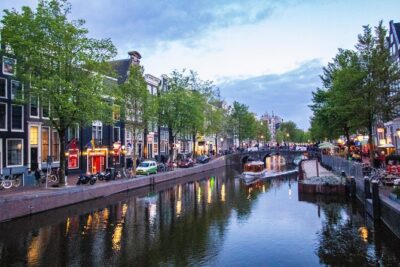
Canals tell Amsterdam’s story fast. This off-the-beaten-track walk blends the famous sights with quieter corners you’ll actually remember, like the canal belt and Noordermaarkt.
I especially loved the way the guide explains the city at ground level, not just postcard facts. Two standouts for me: small group size (so you can ask questions) and the focus on Amsterdam architecture and canal history, including details around the 17th-century canal houses. Guides from Herzblut Amsterdam Stadtführungen, such as Anna, Natascha, and Fred, are praised for being friendly and for turning landmarks into clear, easy stories you can connect.
One possible drawback: this is a German-language tour, and it’s a solid walking route in rain or shine. If you want lots of inside time or museum-style pacing, you might find 2.5 hours a bit tight for that goal.
In This Review
- Key points I’d plan around
- Starting at Beursplein: how the walk threads classic Amsterdam with quieter streets
- Dam Square and the Nieuwe Kerk: where power, faith, and monarchy meet
- Torensluis and the canal belt: learning the mechanics behind the famous water
- Western Islands and Westerdoks: old shipyards, houseboats, and a little permission to daydream
- Brouwersgracht and Prinsengracht: canal houses from the Golden Age, with the right kind of attention
- Jordaan, 9 Straatjes, and Noordermaarkt: a neighborhood taste test, not a formal food tour
- Anne Frank House and Westerkerk: famous sights with context and a human pace
- Price and pacing for a 2.5-hour guided Amsterdam walk
- Should you book this Amsterdam off-the-beaten-track tour
- FAQ
- FAQ
- Where is the meeting point for the tour?
- How long is the tour?
- What language is the tour guide?
- How big is the group?
- Is the tour wheelchair accessible?
- Does the tour run in bad weather?
- What should I bring?
- Is there anything I should not do during the tour?
- Will I pass major landmarks like Anne Frank House and Westerkerk?
Key points I’d plan around
- Dam Square context beyond the obvious: Royal Palace, National Monument, and Nieuwe Kerk set the political and architectural tone.
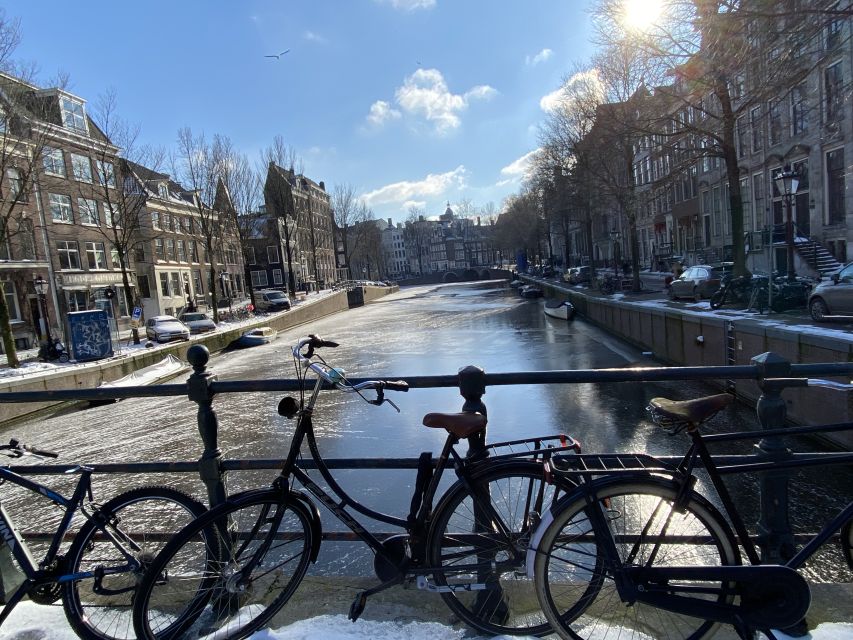
- Torensluis and the canal belt story: you see where the canal system’s planning links to everyday streets.
- Westerdoks and houseboats: a quick look at modern design next to old canal living.
- Jordaan + Prinsengracht: 17th-century canal houses plus the neighborhood feel that makes Amsterdam click.
- Noordermaarkt when it’s market day: short, flexible tasting energy like herring or ice cream, plus dessert and dinner tips.
- Famous spots, kinder pacing: Anne Frank House and Westerkerk are included without turning the walk into a scramble.
Starting at Beursplein: how the walk threads classic Amsterdam with quieter streets
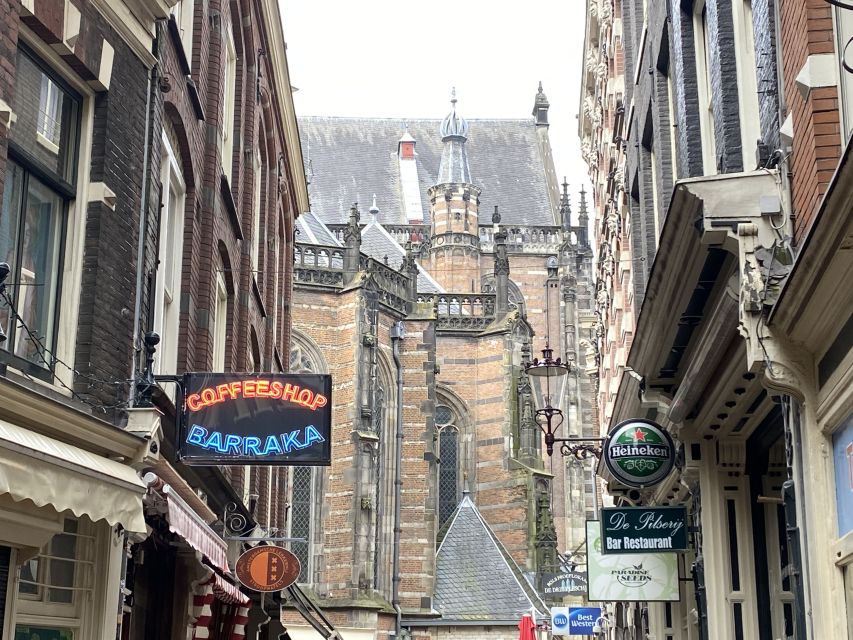
The tour starts at Beursplein / Damrak, about 350 meters from Amsterdam Centraal. That’s a smart choice. You begin right in the center, but the guide’s route quickly shifts you from the big “must-see” zone into streets and waterways that feel more like real daily Amsterdam.
Right away, you get a sense that this is not just a highlights list. You’re learning how Amsterdam grew into a trading power, and you’re doing it while walking through the places where that wealth left physical fingerprints—canal layout, grand facades, and neighborhood patterns. The group stays small (up to about 4–6 people, depending on the day), which makes the pace feel like conversation rather than a long line.
One practical note: you’ll want comfortable shoes. Even when you’re not on cobblestones all the time, the city is still designed for walking, and your feet will do the sightseeing. Also bring water and sunscreen. Weather changes fast, and the tour runs rain or shine, so you’ll be glad you’re prepared.
You can also read our reviews of more walking tours in Amsterdam


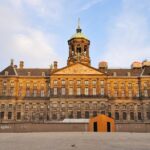
Dam Square and the Nieuwe Kerk: where power, faith, and monarchy meet
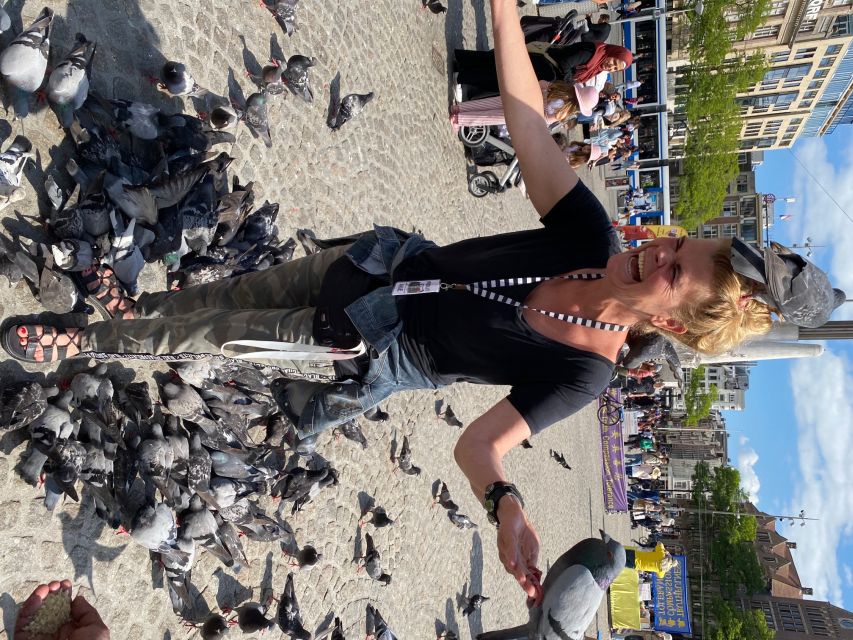
Dam Square is the obvious opening act—so the guide’s job is to make it more than a photo stop. You’ll talk about the big sights clustered here: the Royal Palace, the National Monument, and the Nieuwe Kerk.
Here’s what makes this part useful for you: Dam Square isn’t only central. It’s symbolic. The Royal Palace anchors the monarchy story, the National Monument ties into national identity, and the Nieuwe Kerk adds the church history layer. The guide explains how the city’s strength came from trade and how that translated into public architecture.
If the Nieuwe Kerk and the Palace are open for the day, the tour suggests taking a look inside. That inside time is a nice bonus, but don’t plan your entire day around it. The value is in understanding what you’re seeing outside: where the wealth shows up, and how Amsterdam brands itself through stone and ceremony.
If you’re the type who likes to understand what a place meant before you enjoy it, you’ll appreciate this early setup. It makes later canals and neighborhoods feel connected, not random.
Torensluis and the canal belt: learning the mechanics behind the famous water
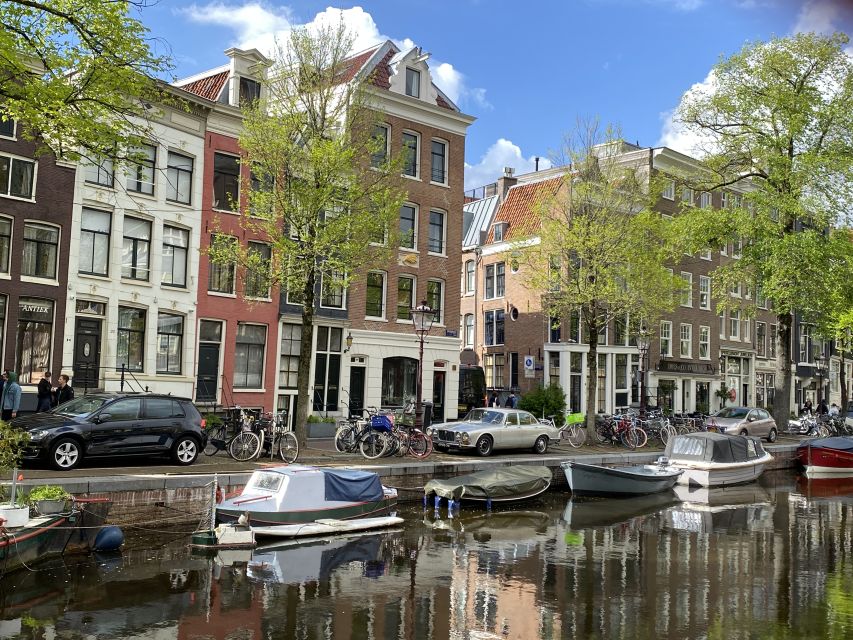
After Dam Square, the route moves into canal logic—where Amsterdam’s layout starts to feel like engineering and geography at the same time. You pass by Magna Plaza and then head toward Torensluis, described as the former Maut bridge.
This is one of my favorite “why it matters” stops on the itinerary. The guide connects Torensluis with information about the creation and development of the canal belt. Instead of treating canals like decoration, you see them as infrastructure: movement, taxation, trade, and how the city organized growth.
What I like about walking this stretch with a guide is that you can actually track the canal shape and the “direction” of the city. Even if you’ve visited Amsterdam before, this kind of explanation helps you notice details you probably ignored on your own—where the architecture faces, how the street-canal edges work, and how wealth concentrated along the best routes.
There’s also a practical side. Torensluis is a bridge point where you naturally slow down and take in the water structure. That’s good because later parts of the walk are more about comparing neighborhoods and building styles.
Western Islands and Westerdoks: old shipyards, houseboats, and a little permission to daydream
Next comes a shift that’s easy to miss if you only stick to the center: the direction of the Haarlemmer Buurt and the Western Islands. The tour describes former, small shipyards and the day-to-day feeling of Amsterdam living near the water.
You’ll also hear that you can swim if you want. That’s not a promise you should plan a swimsuit around, but it does signal what this section feels like: less museum, more lifestyle. You’re stepping into a part of Amsterdam where the water isn’t only for views; it’s part of how people experience the city.
Then you curve back past the newer Westerdoks, described as modern and newly designed, including houseboats. This contrast is the whole point. Amsterdam isn’t frozen in Golden Age postcards. It keeps evolving, and the guide shows you that change without ignoring the older canals.
This is also where the tour earns its off-the-beaten-track label. You’ll still see Amsterdam’s “wow,” but the route doesn’t just march through the most crowded lanes. It gives you space to look closely at architecture and the ways people inhabit waterfront spaces.
Brouwersgracht and Prinsengracht: canal houses from the Golden Age, with the right kind of attention
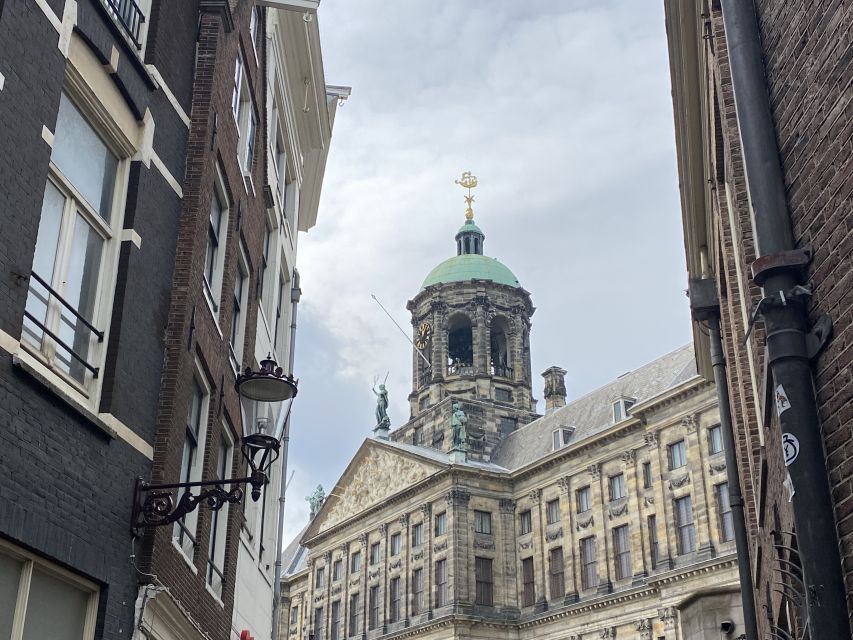
From the Western side, you move through Brouwersgracht with its converted warehouses, then continue toward the outermost canal: Prinsengracht and into the Jordaan area.
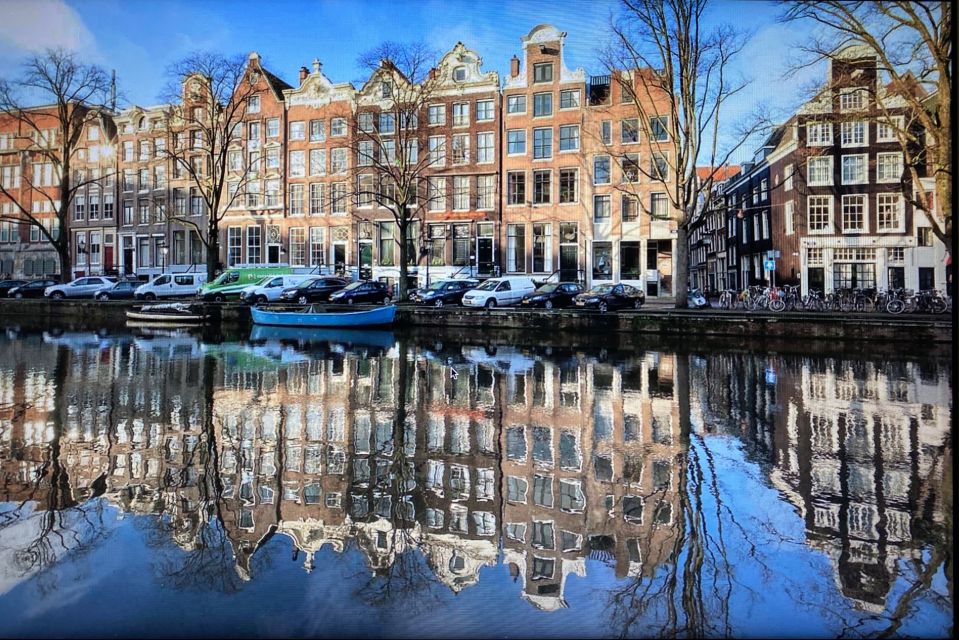
This stretch is where the 17th-century Amsterdam story becomes tangible. The tour is set up to help you focus on what makes the canal houses special: the design details, the way buildings meet the water, and the architecture choices that reflected wealth during the Golden Age. You’re not only looking at pretty facades. You’re learning what those facades meant.
If you’ve ever walked by canal houses feeling impressed but unsure why, this part helps. You get a framework for noticing: what’s ornamental versus functional, how buildings present themselves to the street and canal, and how the canal belt shaped where craftsmanship and money could show up.
There’s one more benefit for you: the route creates a natural rhythm. You don’t just hit “Top 10 Instagram Stops.” You compare one canal to the next, so the city starts to make visual sense instead of feeling like one long blur of gables and bridges.
You can also read our reviews of more guided tours in Amsterdam




Jordaan, 9 Straatjes, and Noordermaarkt: a neighborhood taste test, not a formal food tour
The itinerary includes Jordaan, which the tour describes as Amsterdam’s most lively and charming neighborhood. That sounds subjective, but the route supports it. After you’ve taken in canal history, you’re guided into the area’s street vibe—smaller canals, local energy, and the feeling that you’re moving through a real community.
You may get a short visit at Noordermaarkt if it’s market day. This is where the tour adds a playful local edge. The guide may walk past diverse stalls, and you can choose to taste things like haring or Amsterdam’s best ice cream. You’ll also get practical suggestions for appeltaart and dinner restaurants around the area, plus recommendations for tasty drinks.
This part is short by design. It keeps the walk moving while giving you just enough texture to feel connected to the neighborhood. It’s also flexible. If you don’t want food, you still get the market atmosphere and the sense of what locals grab day-to-day.
From Noordermaarkt, you can also continue on your own toward the 9 Straatjes (nine little shopping streets). Even with no big shopping plan, the area is a great place to slow down after the tour, browse, and reset your head after the history-heavy canal belt lessons.
Anne Frank House and Westerkerk: famous sights with context and a human pace
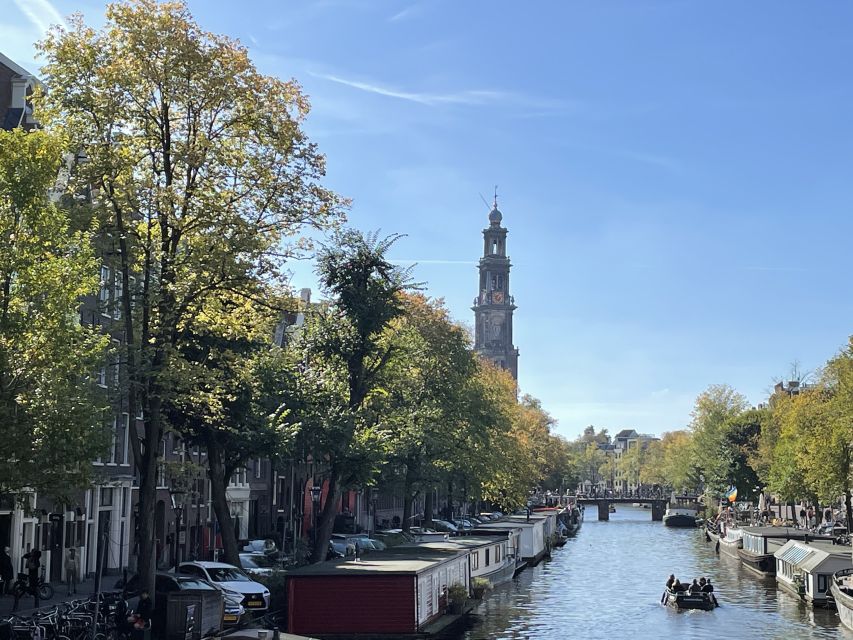
The tour brings you to the area around the Anne Frank House and the Westerkerk, including the tower. These are major, widely recognized landmarks, but the key here is pacing and context.
The guide helps you connect what you see to the city layout you’ve been learning throughout the walk: smaller canals in the Jordaan area, the way neighborhoods cluster, and how buildings sit within the urban fabric. That turns a famous stop into something more anchored.
The Westerkerk tower area also tends to feel like a moment of scale. You’ve been looking at house details and canal edges; now you look upward and see how different architectural statements coexist. It’s not just about the view. It’s about understanding why the city looks the way it does.
There’s also an option to receive accompaniment back toward the Beursplein after seeing the Homomonument. That matters if you don’t want to immediately re-navigate the city while your legs are already doing their job.
Price and pacing for a 2.5-hour guided Amsterdam walk
At $46 per person for about 2.5 hours, this tour sits in a middle range for guided walking in Amsterdam. Here’s why the value can make sense for you: you’re not only paying for a route. You’re paying for the explanations that help the route click—canal belt origins, Golden Age architecture cues, and neighborhood storytelling from a live German guide.
The time length is another part of the value equation. 2.5 hours is long enough to cover Dam Square, major canal segments, and Jordaan/market energy, yet short enough that you’re not trapped into a full-day plan. It also fits well as a first-day activity if you want help getting your bearings fast.
Group size is the practical quality lever. With a small group and a live guide, you’re more likely to get clear answers and adjust your pace if weather or crowds change. For a city like Amsterdam, that flexibility is worth real money.
The main trade-off is simply walking time and language. Since it’s German, it’s best if you’re comfortable following history and architecture explanations that way. If you’re not, you may miss parts of the canal and architecture storytelling that are the tour’s real strength.
Should you book this Amsterdam off-the-beaten-track tour
Book it if you want a small-group guided walk that mixes the iconic sights (Dam, canals, Anne Frank House area) with neighborhood texture (Jordaan, Noordermaarkt, 9 Straatjes area). This is a strong choice for you if you enjoy architecture details and you want to understand why Amsterdam’s canal belt exists, not just where it is.
Skip it if you need an English-only experience, or if your ideal day is mostly museum interiors and long indoor stops. With a 2.5-hour walk, the emphasis stays outside—streets, water, and viewpoints—while inside access depends on what’s open that day.
FAQ
FAQ
Where is the meeting point for the tour?
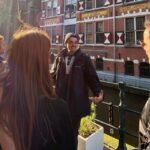
You meet at BEURSPLEIN / Damrak, about 350 meters from Amsterdam Central Station. The guide will be waiting with a black-white striped band around the neck.
How long is the tour?
The tour runs for 2.5 hours.
What language is the tour guide?
The live tour guide speaks German.
How big is the group?
It’s a small group, limited to up to 6 participants.
Is the tour wheelchair accessible?
Yes, the tour is listed as wheelchair accessible.
Does the tour run in bad weather?
Yes. The tour takes place rain or shine.
What should I bring?
Bring comfortable shoes, sunscreen, water, and comfortable clothes.
Is there anything I should not do during the tour?
Alcohol and drugs are not allowed, and intoxication is also listed as not allowed.
Will I pass major landmarks like Anne Frank House and Westerkerk?
Yes. The route includes the area around the Anne Frank House and Westerkerk (with its tower). It may also include a stop near Homomonument if you opt to be walked back.