REVIEW · CITY TOURS
Amsterdam: City walking experience with a local
Book on GetYourGuide →Operated by Guidance Travel · Bookable on GetYourGuide
Amsterdam makes more sense when you walk. This local-led route ties the UNESCO canal belt to modern Amsterdam attitudes, with stories about WWII, bikes, coffeeshops, and the Red Light area. I like how it hits the big sights early and then adds perspective you miss on your own.
I also like the simple, satisfying food moment: a Dutch stroopwafel mid-tour, plus a small souvenir to take home. One drawback to consider: you’ll see landmarks like the Royal Palace area from the outside, not go inside.
In This Review
- Key highlights worth your time
- Finding your way: Beursplein to start strong
- Dam Square and the Royal Palace area: Amsterdam’s public front door
- Spui Square: where city life shifts from monuments to everyday rhythm
- Begijnhof: the calm pocket that makes the city feel real
- Huis Aan De Drie Grachten: canal-belt clues you can actually notice
- Nieuwmarkt Square and Amsterdam Centraal: transit as a history lesson
- Bikes, WWII, coffeeshops, prostitution, and the Red Light area (with context)
- The stroopwafel break: a snack that also teaches
- Price and timing: why $28 can make sense for a first day
- Who this walking tour is best for
- Should you book this Amsterdam local walk?
- FAQ
- How long is the Amsterdam city walking experience?
- What does the tour cost?
- Where do I meet the guide?
- What’s included in the price?
- Does the tour include entering the Royal Palace?
- Is the tour wheelchair accessible?
- What languages is the guide available in?
- Can I cancel for a refund?
Key highlights worth your time
- Small-group feel with room for questions: Guides like Manouk are praised for keeping everyone involved and encouraging questions.
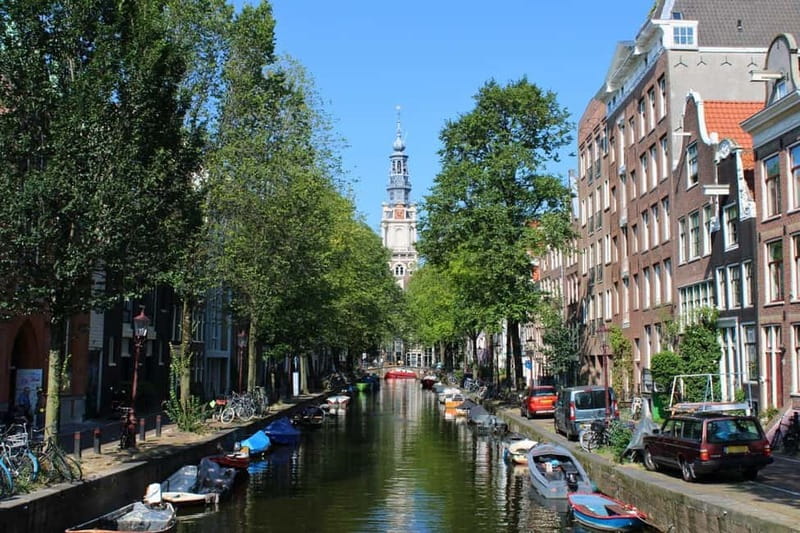
- Canals + UNESCO context: You get the real story behind why the canal belt matters, not just pretty views.
- A practical Amsterdam identity lesson: WWII impact, bike culture, coffeeshops, and prostitution are handled as part of the city’s evolution.
- Major squares and major photo stops: Dam Square, Spui Square, Begijnhof, Nieuwmarkt, and Centraal Station are all on the walk.
- Stroopwafel and a souvenir: A snack halfway through, then a small takeaway at the end.
Finding your way: Beursplein to start strong
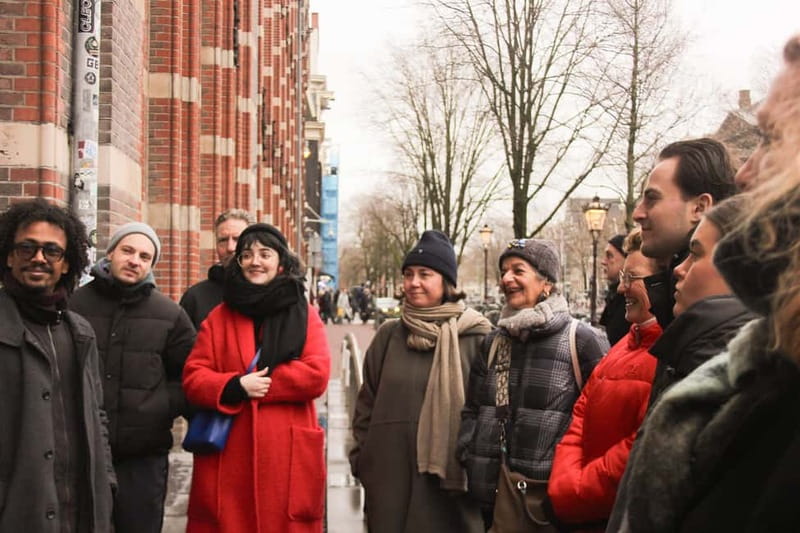
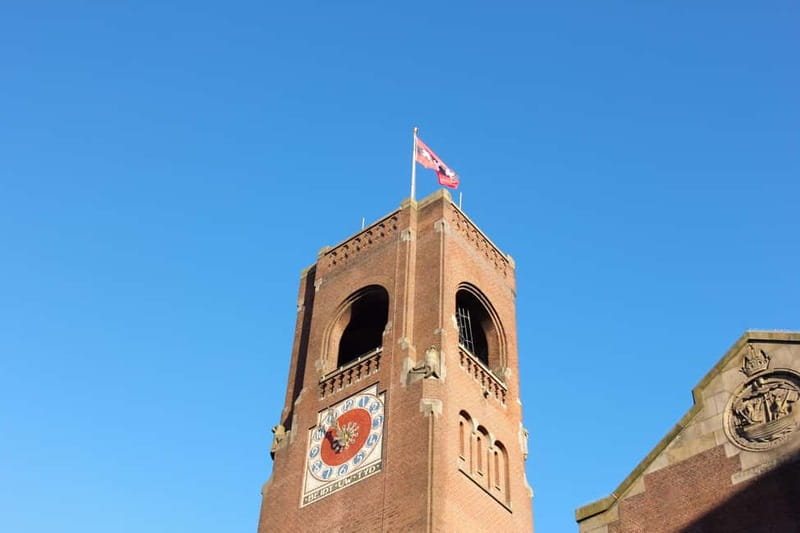
You’ll meet at Beursplein, right by the stairs of Bistro Berlage. Look for the large black lantern and a guide holding a sign that says Guidance. This matters more than it sounds. Amsterdam is easy to get lost in, and starting at a clear, central landmark means you waste less time and start learning faster.
The tour is 2 hours, and it’s designed to be walkable without turning into a marathon. Expect you’ll be on your feet for most of it. That’s part of the value: you’re seeing how streets, canals, and squares connect in real space.
Also check your expectations on pace and content. This is a culture-and-streets tour, not a museum day. You’ll get stops tied to Amsterdam’s story, plus practical recommendations from your guide (including coffee spots, restaurants, bookshops, and museums, based on feedback about guides like Manouk).
You can also read our reviews of more city tours in Amsterdam



Dam Square and the Royal Palace area: Amsterdam’s public front door
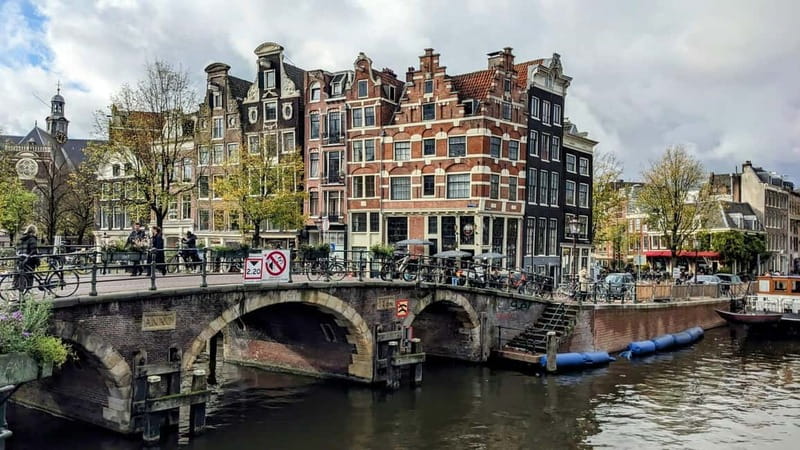
Your walk includes Dam Square and views connected with the Royal Palace. Dam Square is where Amsterdam feels like a single stage: public space, constant movement, and a lot of history compressed into one place.
What you get from a local guide here is the meaning behind the bricks. Instead of just snapping photos, you learn why this kind of central square shaped civic life—and how Amsterdam changed over time to match modern needs.
A practical note: Dam Square can be busy, so be ready for standing time and crowd flow. If you’re hoping for a timed, in-depth Royal Palace visit, this tour won’t be that. The palace entrance isn’t part of the experience. You’re there for context and street-level understanding.
Spui Square: where city life shifts from monuments to everyday rhythm
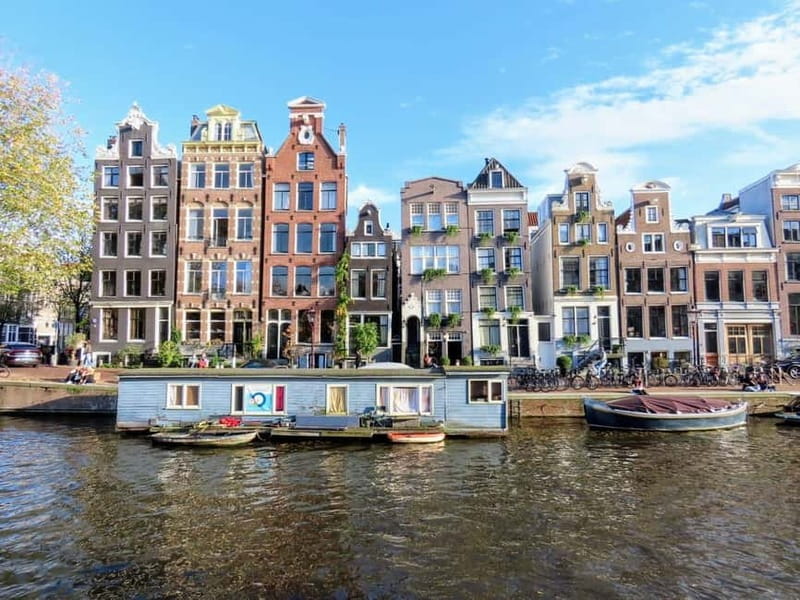
From Dam Square you’ll head toward Spui Square, another important node in central Amsterdam. Spui has that feel of a place where daily life keeps going even while tourists swirl around nearby.
This stop is a good reminder of something Amsterdam does well: it keeps the past in view without turning the city into a theme park. Your guide’s job is to connect what you’re seeing—squares, street patterns, and everyday routines—to bigger themes like modernization and how neighborhoods adapted.
You’ll also learn how Amsterdam became known for its tolerant attitude in ways that have historical roots. This isn’t just a slogan; you’ll hear how the city’s identity developed and why it shows up in everyday rules, public spaces, and even the social culture around you.
Begijnhof: the calm pocket that makes the city feel real
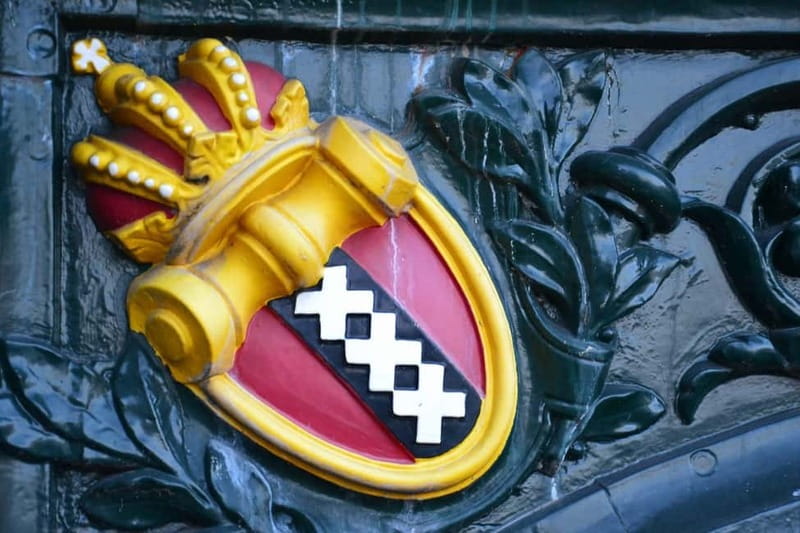
Next comes Begijnhof, a courtyard area that does something surprisingly rare in a major city: it gives you a break from the noise without leaving central Amsterdam.
Begijnhof is worth it because it changes the mood of the walk. You go from wide squares to a quieter, more intimate space, and that contrast helps the rest of the story land better. When your guide points out the significance of places like this, it’s usually about how Amsterdam’s community life used to work—and how those older patterns still influence what you see today.
Keep in mind: this is still a walk tour with set timing, so you may not get long, unstructured wandering time here. But you should get enough time to absorb the setting and grab photos from spots your guide points out.
Huis Aan De Drie Grachten: canal-belt clues you can actually notice
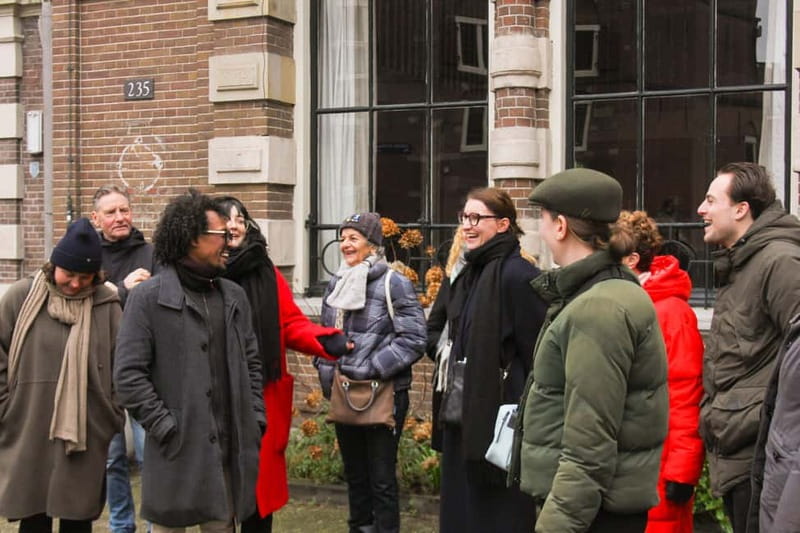
You’ll pass Huis Aan De Drie Grachten, a name that turns into a mental shortcut once you understand it. This is where the canals become more than scenery.
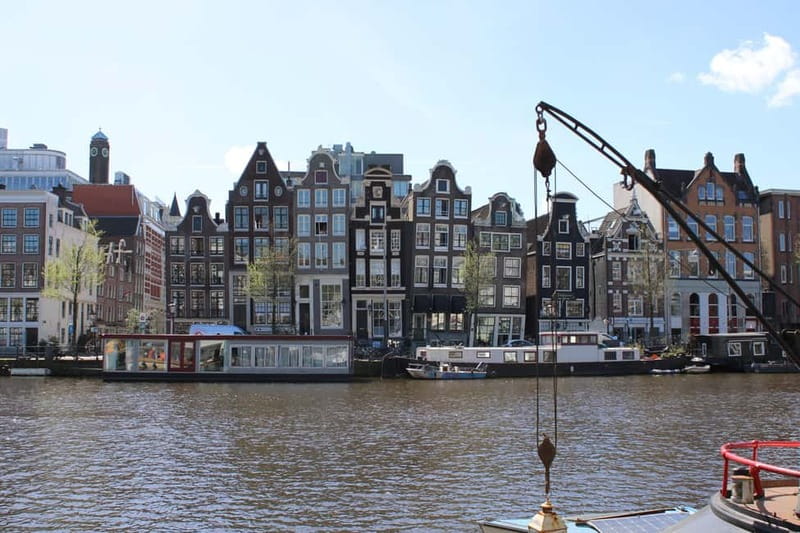
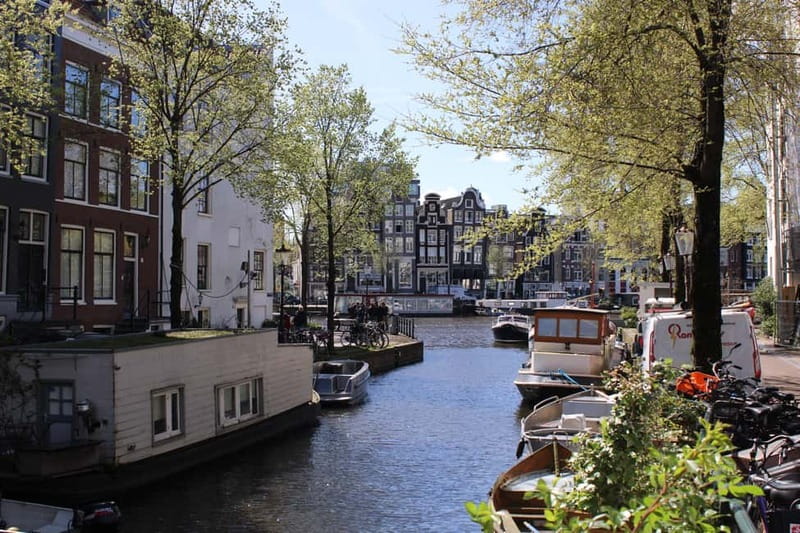
Your guide ties this area to the UNESCO-listed canal belt and helps you connect canal architecture and layout to how the city evolved. You’ll also hear about the city’s growth from a small medieval settlement into a modern hub. The point isn’t to memorize dates; it’s to learn how Amsterdam’s physical form reflects its changing priorities—trade, housing, defense, and later, modern living needs.
If you like photography, this is one of the best parts of the route. You’ll get photo spots along the way, and canal viewpoints often show you details you’d miss when you’re just walking fast from one landmark to another.





Nieuwmarkt Square and Amsterdam Centraal: transit as a history lesson
After the quiet, you’ll head toward Nieuwmarkt Square, then finish at Amsterdam Centraal Station before returning to Beursplein. This portion of the walk helps you understand Amsterdam as a city shaped by movement.
Nieuwmarkt Square is a great place to see how central Amsterdam keeps layers of the past while staying focused on daily life. Then Centraal Station brings it all together: it’s modern infrastructure, but it sits in the middle of older city logic.
This is also a good area to talk about bikes and modern Amsterdam habits. You’ll hear about the bike culture—why there are so many and what happens to the bikes that seem to disappear. Even without a dedicated bike museum, Amsterdam makes the bike story visible in the streets. A local guide helps you connect that practical reality to the larger social system around it.
Bikes, WWII, coffeeshops, prostitution, and the Red Light area (with context)
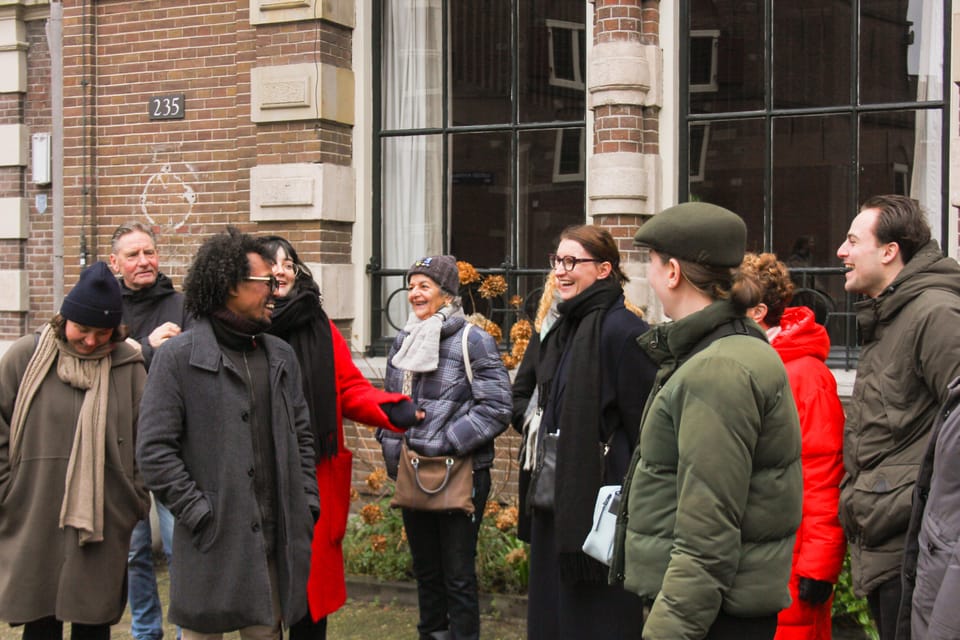
This is one of the strongest parts of the walk: your guide connects big themes to specific places. The tour covers WWII impact, Amsterdam’s role as a hub for coffeeshops and prostitution, and how the city’s modern tolerance sits on top of a longer story.
It can sound heavy on paper, but the way it’s presented is the point. Instead of sensational details, you’re shown how the city adapted and what that says about Amsterdam today. You’ll also learn about the 3 XXX’s—a themed thread your guide uses to connect modern life with older patterns.
And yes, you’ll talk about the Red Light area. The value here is context. Amsterdam is famous for this neighborhood, but street-level details don’t explain themselves. A guide can show you how it fits into the city’s evolution and what locals understand as normal in a place that outsiders often misunderstand.
One more practical consideration: if you’re uncomfortable with frank adult-history topics, this tour might not be for you. Alcohol and drugs aren’t allowed during the walk, which helps keep the tone respectful and focused.
The stroopwafel break: a snack that also teaches
No Amsterdam walk feels complete without a food stop, and this one gives you a proper Dutch hit: you’ll enjoy a stroopwafel midway through the tour. This is the kind of treat that’s easy to remember because it’s so specific—sweet, caramel-like, and made for dunking if you want the full experience.
This break is also useful timing. After a stretch of squares and canal talk, you get a reset. You can ask questions, regroup, and keep the story flowing without getting mentally tired.
At the end, you receive a small souvenir. Based on feedback about guides like Manouk, that souvenir has a way of feeling like more than a cheap add-on. It’s a small payoff that makes the tour feel like a full “experience,” not just a walk with facts.
Price and timing: why $28 can make sense for a first day
At $28 per person for a 2-hour walking tour, the value is really about what’s included. You’re paying for a local guide, a Dutch snack, and a small souvenir—and you’re getting a route that covers major landmarks without requiring ticket planning or museum schedules.
It can be a smart buy early in your trip. When you learn the city’s shape in two hours—canals, central squares, canal-belt context, and the adult-history neighborhood—you start choosing your own adventures with more confidence.
One clear “watch the fine print” detail: you do not enter the Royal Palace. If you’re set on an interior visit, plan that separately. Think of this tour as your orientation and story course, not your palace-ticket day.
Also, the tour isn’t aimed at small kids. It’s not suitable for children under 12. If you’re traveling with teens who can handle adult topics and sustained walking, it may still work, but the tour isn’t marketed as a family activity.
Who this walking tour is best for
This tour fits best if you:
- Want a quick, human-scale introduction to central Amsterdam without jumping between museums.
- Enjoy walking routes where the guide explains the “why,” not just the “what.”
- Like practical stories about modern life—bikes, coffeeshops, and the Red Light area—with context.
It’s less ideal if you:
- Only care about interiors and paid attractions, since there’s no Royal Palace entry.
- Need a very light, kid-friendly outing.
- Want a strictly sanitized version of Amsterdam’s adult history.
If you’re choosing between doing nothing but wandering and paying for a guided route, this is the middle path that tends to work. You get structure and local framing, then you can wander on your own with a sharper sense of what you’re seeing.
Should you book this Amsterdam local walk?
I’d book it if you want Amsterdam to make sense fast. The price is reasonable for what’s included, and the mix of major landmarks plus modern context helps you understand why locals move through the city the way they do. Guides like Manouk show up in feedback as especially strong at engagement and sharing practical recommendations.
Book it with two expectations straight:
- You’re looking at the Royal Palace area from outside, not touring the palace inside.
- You’ll hear adult-history context about the city’s coffeeshop and prostitution scene and the Red Light area, so keep that in mind for your comfort level.
If that sounds like your kind of Amsterdam, this two-hour walk is a solid way to start.
FAQ
How long is the Amsterdam city walking experience?
It lasts 2 hours.
What does the tour cost?
The price is $28 per person.
Where do I meet the guide?
Meet at Beursplein, waiting at the bottom of the stairs of Bistro Berlage. The guide will stand by a large black lantern holding a sign that says Guidance.
What’s included in the price?
You get a local guide, a Dutch snack (including a stroopwafel during the tour), and a small souvenir.
Does the tour include entering the Royal Palace?
No. The Royal Palace is not entered; you won’t visit the palace during the tour.
Is the tour wheelchair accessible?
Yes, it is wheelchair accessible.
What languages is the guide available in?
The live guide speaks English and Dutch.
Can I cancel for a refund?
Yes. You can cancel up to 24 hours in advance for a full refund.