REVIEW · CANAL CRUISES
Amsterdam: City Centre Canal Cruise
Book on GetYourGuide →Operated by Tours & Tickets · Bookable on GetYourGuide
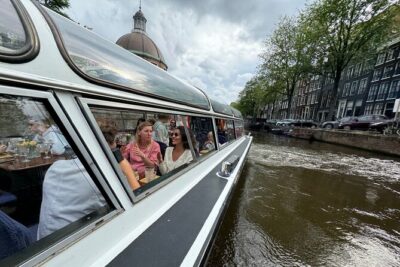
Canals in one hour can change your Amsterdam. You’ll glide through the UNESCO-listed canal district, spotting merchant houses, bridges, and churches as an audio guide keeps the story moving. If you time it right, the water views make the whole city feel instantly legible.
I especially love the 19-language audio guide. It lets you listen at your pace, and the headphones make the commentary clear without you craning your neck for a live guide’s voice. I also liked how the captain-style storytelling can add extra color on top of the recording, which keeps the cruise from feeling purely scripted.
One thing to consider: the narration is mostly recorded, and the in-ear setup may not fit every child comfortably. If you want constant live talk and Q&A, you might prefer a smaller, fully guided tour instead.
In This Review
- Key Things to Know Before You Go
- Why a 1-Hour Canal Cruise Works So Well
- Central Station to the Canal District: The Core Route
- Golden Age Merchant Houses and the Skinny Bridge Moment
- How the Audio Guide Keeps the Cruise Moving
- Captain Personality: Humor, Story Bits, and Extra Context
- Daytime vs Evening Cruise: Light Changes Everything
- Price and Value: What $18 Buys You
- Timing, Boarding, and How to Keep It Easy
- Practical Comfort Notes (Weather, Dogs, and Seats)
- Who This Cruise Is Best For
- Should You Book This Amsterdam Canal Cruise?
- FAQ
- How long is the Amsterdam city centre canal cruise?
- Where does the cruise depart from?
- Does it end back where it starts?
- What languages are available for the audio guide?
- Is the cruise wheelchair accessible?
- Are pets allowed on board?
- Is there an evening cruise option?
Key Things to Know Before You Go
- UNESCO canal district route that hits the city center sights fast
- Audio in 19 languages, so you’re not stuck with one option
- Magere Brug (Skinny Bridge) is a signature photo moment
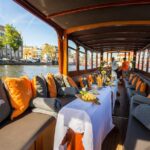
- Covered, cozy boat helps on rainy or chilly days
- Captain adds personality, with humor and extra remarks at breaks
- Day or night timing can completely change the look of the canals
Why a 1-Hour Canal Cruise Works So Well
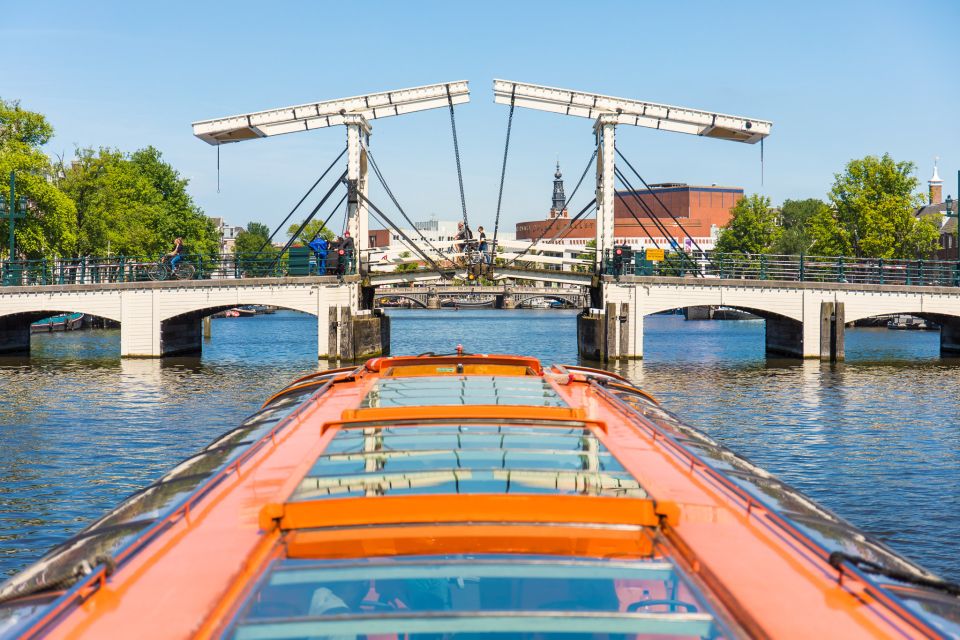
Amsterdam can feel like a lot when you’re on foot. Streets loop, canals branch, and it’s easy to spend half your day “wandering” instead of seeing the best angles. This cruise is a tidy fix: one hour on the water gives you a strong sense of where key sights sit, and it does it without tiring you out.
The format matters. You’re not just drifting past canal houses—you’re getting guided context through headphones while you watch the buildings slide by. That combination is why this feels like a great first-day activity. You come off the boat knowing what things are called, where they are, and why they’re famous, which makes your next walks through the center much more efficient.
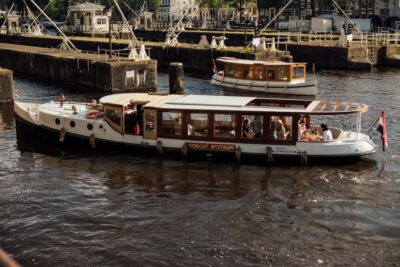
There’s also a practical comfort angle. The boat is covered, and several people note it stays warm even when the weather turns cold. That means you can keep your sightseeing streak alive during a drizzle, not just on perfect-sky days.
You can also read our reviews of more boat tours in Amsterdam

Central Station to the Canal District: The Core Route
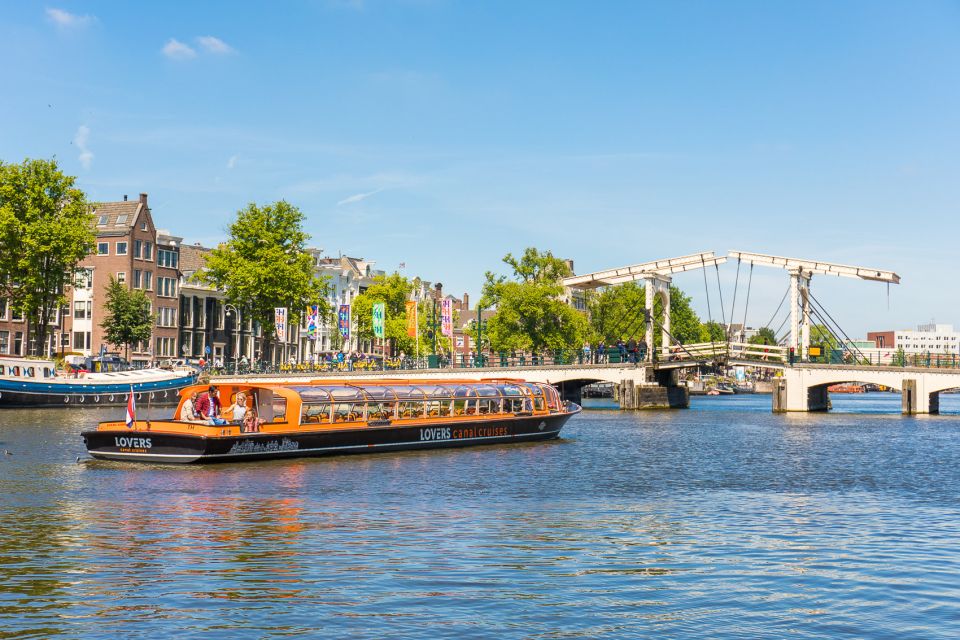
The cruise starts near Central Station and returns back to the same general meeting point. Depending on the exact departure option you pick, the precise meeting spot can vary, but the departure area is tied to Central Station.
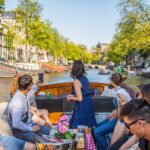
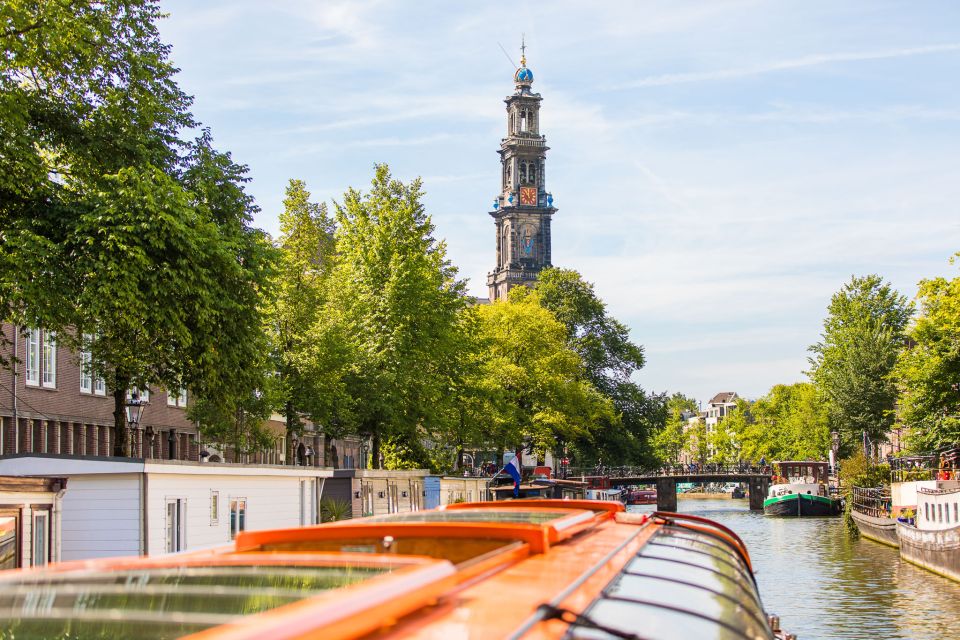
Once you’re aboard, the boat moves through the canal district that’s been recognized as a UNESCO World Heritage area. In plain terms: you get to see the “Amsterdam you see on postcards,” but from a viewpoint you just can’t replicate from street level.
As you travel, you’ll pass:
- Canal houses and houseboats that line the water
- Bridges that connect the canal sides in tight, clever ways
- Churches and landmark buildings that break up the long lines of facades
- The kinds of gables and front designs Amsterdam is known for
The route is designed for sight-seeing efficiency. You’re not hunting for things one-by-one; you’re watching them assemble into a clear picture in front of you. And because the commentary is tied to what you’re approaching, the cruise feels more like “guided sightseeing” than “watching water roll by.”
Golden Age Merchant Houses and the Skinny Bridge Moment
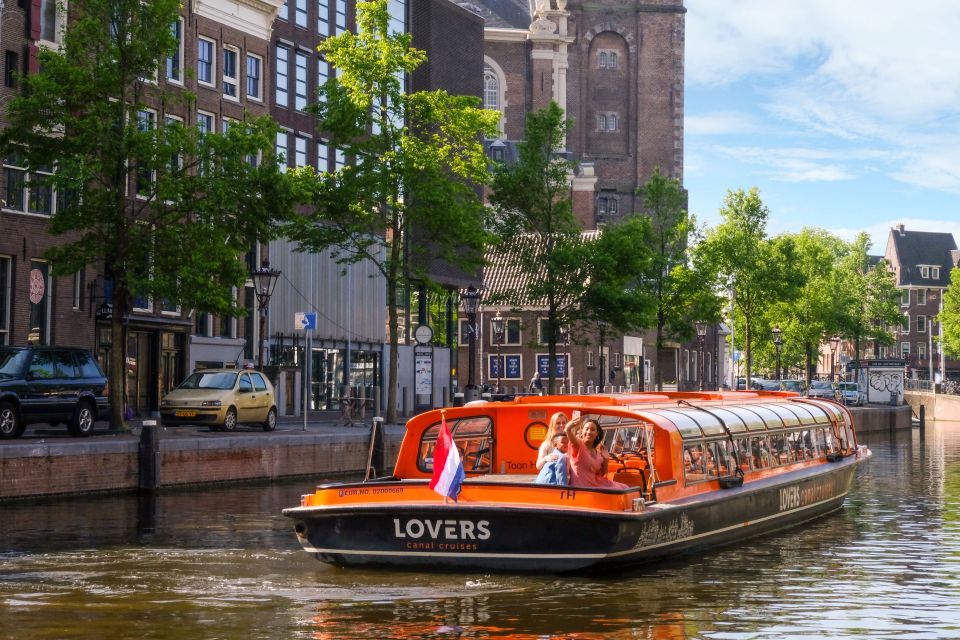
This cruise focuses heavily on the Dutch Golden Age look—especially the 16th and 17th century merchant buildings. Those facades weren’t decoration for decoration’s sake. They were statements: families wanted to show off wealth, trade connections, and social standing through elaborate stonework, tall narrow structures, and distinctive rooflines.
On the boat, you get time to actually notice these details. From a walkway, you often rush, or you only see one side of a building. From the canals, the houses face you—and you can take in patterns in the windows, the shapes of the gables, and the way the buildings sit right at the water’s edge.
Then comes the signature moment: Magere Brug (Skinny Bridge). This bridge is one of the most recognizable spots on the canal circuit, and it’s the kind of place you’ll want to photograph even if you usually hate posing. The bridge appears naturally as the boat lines up with the canal sightline, and it reads clearly from the water.
Along the way, you’ll also spot churches and other historic landmarks. Even if you’re not an architecture nerd, the cruise gives you enough context to understand why these buildings look the way they do and why they were built so prominently on major waterways.
How the Audio Guide Keeps the Cruise Moving
The audio guide is built in through headphones, with options for 19 languages. Included languages range from English and Dutch to German, French, Spanish, Italian, Portuguese, and more, plus speakers’ options such as Chinese, Arabic, Hebrew, Hindi, Japanese, Korean, Polish, Russian, Thai, Turkish, and Croatian, among others.
What I like about this setup is control. You don’t have to rely on hearing a guide over wind, boat engines, or distance. You can listen while still enjoying the scenery, which is the best use of a canal cruise—your eyes and your ears work together.
Another practical detail: the commentary isn’t always constant at full volume. People have noted that the recorded narration leaves room to enjoy the scenery, and the captain can add extra points when the audio takes breaks. That makes the cruise feel more human than you’d expect from “just an audio tour.”
That said, there’s one possible mismatch to be aware of. If you’re looking for highly specific scholarly topics or a deep dive on one philosopher or figure, the audio is still an audio script. One person felt a certain topic wasn’t covered. Translation: you’ll get strong general context, but it may not answer your niche question in the moment.
Captain Personality: Humor, Story Bits, and Extra Context
While the backbone is the audio recording, the human element comes through in the way captains handle the cruise. Several comments highlight captains who are friendly, entertaining, and active in pointing out extra details between segments.
Names you might hear (and that pop up in feedback) include Captain Simon and Captain Mo. The general theme is the same: the captain doesn’t just steer the boat; they bring personality. Humor is part of the vibe, and it helps the time pass quickly without feeling rushed.
For me, this matters because Amsterdam canal sightseeing can be repetitive if you’re just staring at facades. When a captain adds extra story notes, it gives your brain a reason to keep paying attention to each stretch of water.
Still, remember the style: the captain is enhancing, not replacing, the audio. If you prefer a full-time live narrator every minute, you might find this format is more “listen + watch” than “live lecture.”
You can also read our reviews of more city tours in Amsterdam


Daytime vs Evening Cruise: Light Changes Everything
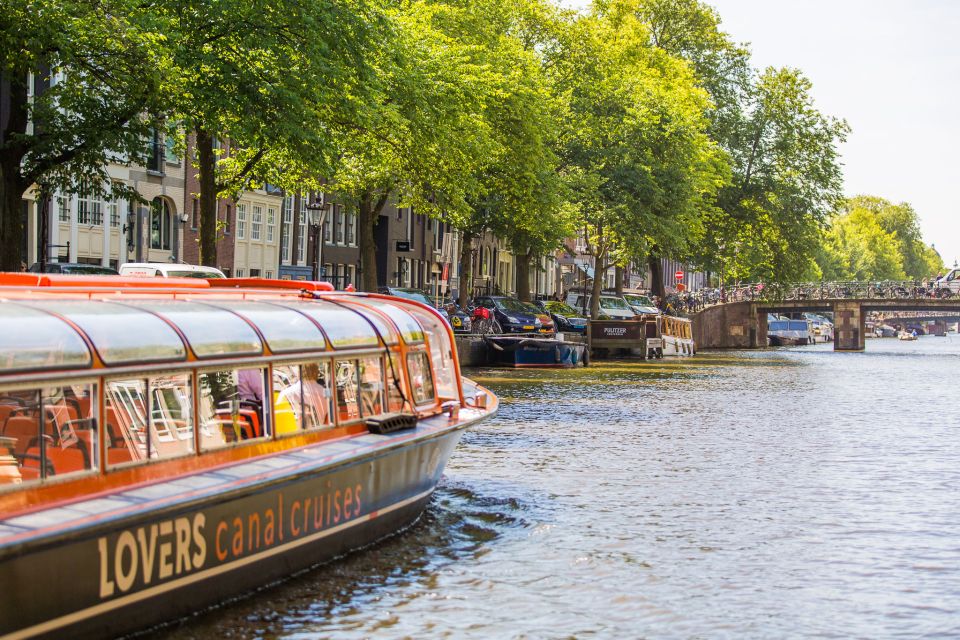
You don’t just pick a time slot—you pick a mood. This operator offers an optional evening cruise, and people consistently mention that night rides look magical, especially when lights reflect on the water.
In late afternoon and early evening, Amsterdam’s canal sides start to look softer. The buildings glow differently, the water darkens, and bridge silhouettes become easier to read. During winter, for example, the lights and reflections can make the canals feel like a different city.
If you’re doing this early in your trip, daytime often works best for orientation. You’ll spot more detail: gables, brickwork, and church shapes come through clearly when the light is still high.
If you’re trying to squeeze in a “wow” moment before dinner, the evening option is the move. It’s a relaxed way to end the day, and it gives you a chance to enjoy the city’s atmosphere without immediately jumping into another museum or long walking route.
Price and Value: What $18 Buys You
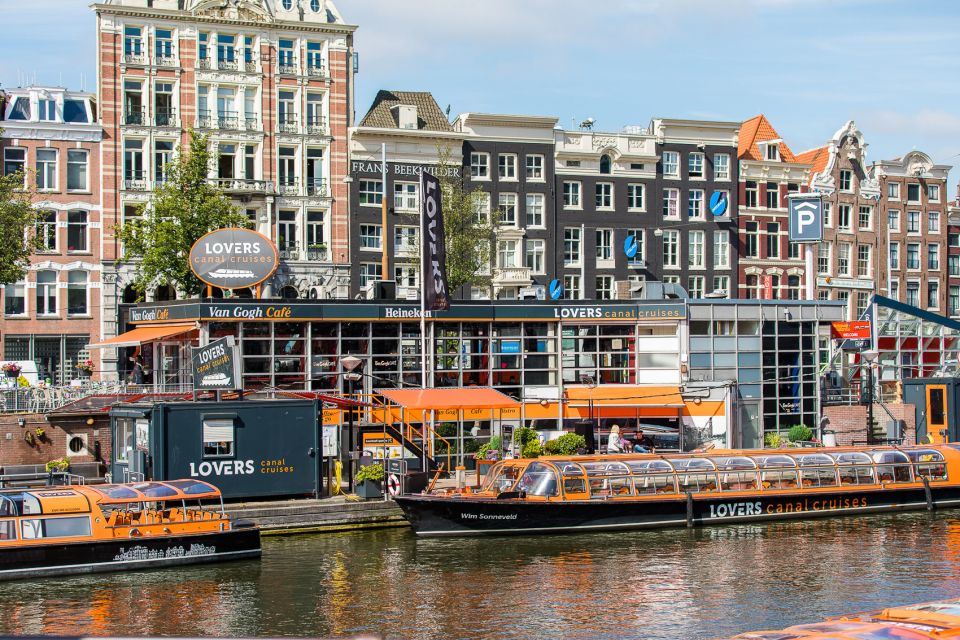
At around $18 per person for a 1-hour cruise, you’re paying for three things:
- A high-value viewpoint you can only get from the water
- Historic canal district sightseeing in one go
- Included audio with many language options
The value here is mostly about time and friction. Amsterdam has plenty to see, but it also has plenty of decision-making—how long to walk, which streets to cross, and whether you’ll get the angles you want. This cruise compresses a lot of that planning into a single ticket and a clear route.
Also, audio included in many languages is not a small deal. When you’re traveling with people who speak different languages, everyone can enjoy the same experience without trying to translate on the fly.
Could you spend more on smaller live-narrator cruises? Yes, and some of those can offer more hands-on narration. But if your priority is getting a guided overview without a heavy cost, this option is very easy to justify.
Timing, Boarding, and How to Keep It Easy
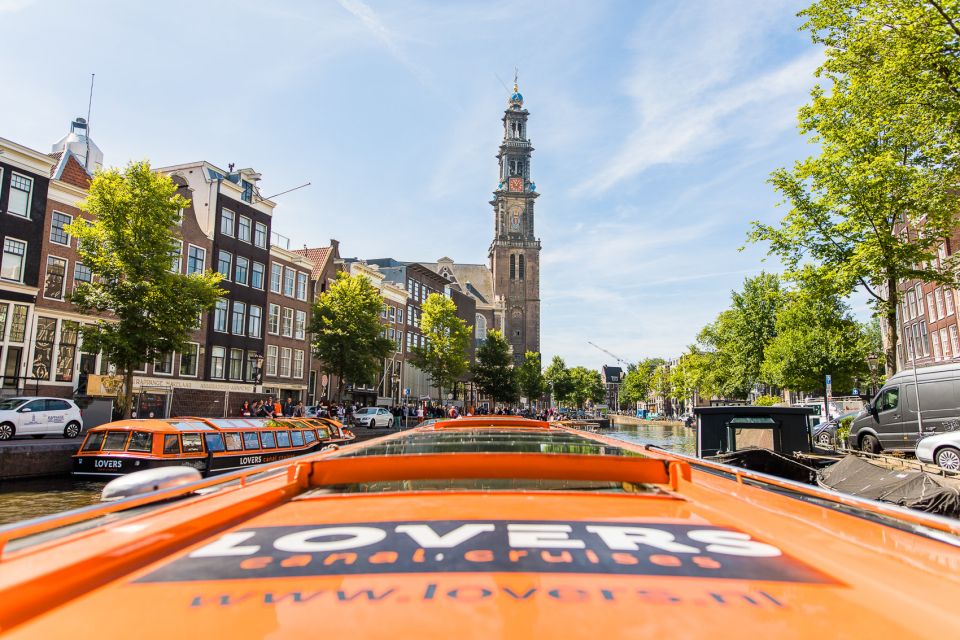
The cruise itself is about 1 hour, but plan for more total time. Boarding can add time, and in peak season it may stretch the overall experience to around up to 90 minutes. In practice, that means your schedule should treat it like a short half-block of time, not a strict one-hour window.
One tip that helps: arrive a bit early. Not for stress—just so you can settle in and get your headphones ready before departure. People also mention that the location near Central Station makes it easy to grab a coffee beforehand, which is a nice way to turn waiting time into useful time.
Also, bring the right mindset for a headphone tour. Put the volume where you can hear clearly without drowning out the world around you. You’re on a boat in motion; you want the audio to guide, not overwhelm.
If you’re traveling with kids, consider headphone fit. One note in feedback is that in-ear buds can be one size and may not fit smaller ears well. If you want your child to truly enjoy the narration, having the right headphone option can save you from fiddling mid-cruise.
Practical Comfort Notes (Weather, Dogs, and Seats)
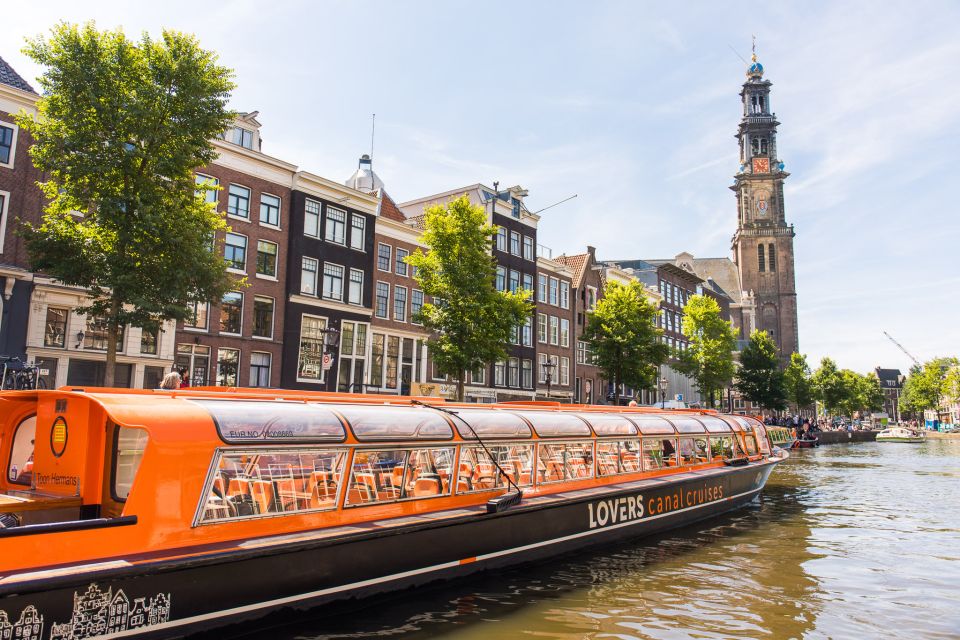
The boat is covered, and people mention it feels cozy even when weather is cold or rainy. That’s a real plus in a city where the forecast can change quickly.
On pets: pets aren’t allowed on the boat. Assistance dogs are allowed, as long as they’re identifiable as service dogs. Only service dogs are mentioned as allowed on board, so don’t count on taking any other animal.
Wheelchair access is a clear limitation: the cruise is not suitable for wheelchair users. If you or someone in your group needs wheelchair-friendly access, you’ll want to look for a different type of sightseeing option.
Kids are also handled specifically. Children under 4 can go free of charge if they don’t occupy their own seat. There’s a child ticket category for ages 4 to 13.
Who This Cruise Is Best For
This canal cruise is a strong fit if you want:
- An easy orientation to Amsterdam’s center
- A guided look at the canal houses and bridges without long walking
- Audio support in many languages
- A low-stress activity that still feels sightseeing-worthy
It’s also a good “in-between” option. You can do it as your first afternoon to connect names to landmarks, then spend the next day walking with a better sense of direction and context.
Where it may not be ideal:
- If you need step-free wheelchair access, it’s not suitable
- If you want a nonstop live guide and lots of interactive questions, the recorded audio format may feel limiting
- If you’re picky about headphone comfort for children, bring a backup solution
Should You Book This Amsterdam Canal Cruise?
Yes, with a simple rule: book it if you want a quick, guided snapshot of central Amsterdam from the water. The UNESCO canal district route, the focus on merchant-house architecture, and the Skinny Bridge moment make it a genuinely efficient use of time.
I’d especially say go for it if:
- You’re short on time and want a lot of context fast
- You like having your own language option through headphones
- You’re traveling in cooler or wetter weather and want a covered, cozy ride
Skip it (or look for an alternative) if:
- Wheelchair access matters
- You strongly prefer fully live narration all the way through
FAQ
How long is the Amsterdam city centre canal cruise?
The cruise lasts about 1 hour, but boarding can add time. In peak season, the total experience might take up to 90 minutes.
Where does the cruise depart from?
The cruise departs from the Central Station area. The exact meeting point can vary depending on the option booked.
Does it end back where it starts?
Yes. The activity ends back at the meeting point.
What languages are available for the audio guide?
The audio guide is included in many languages, covering 19 options such as English, Dutch, German, French, Spanish, Italian, Portuguese, Chinese, Arabic, Hebrew, Hindi, Indonesian, Japanese, Korean, Polish, Russian, Thai, Turkish, Croatian, and Czech.
Is the cruise wheelchair accessible?
No. It is not suitable for wheelchair users.
Are pets allowed on board?
Pets are not allowed. Assistance dogs are allowed if they are identifiable as service dogs.
Is there an evening cruise option?
Yes. There is an optional evening cruise in the canals of Amsterdam.