REVIEW · RIJKSMUSEUM TOURS
Rijksmuseum Guided Tour, private local Dutch guide
Book on Viator →Operated by Artsy Tours · Bookable on Viator
Two hours, zero Rijksmuseum stress. This private Rijksmuseum tour works because I loved the art-and-architecture explanations and the chance to enjoy the galleries with just your party, not a noisy crowd. One drawback to plan for: bottled water is not included, so you’ll want to bring your own.
You meet in central Amsterdam near Cobra Café, then you start outside, before you even step into the collections. From there, the guide builds a clear path through Dutch Renaissance painting and sculpture, plus historical objects tied to the Protestant Reformation and the Eighty Years War.
If you’re the type who gets frustrated when a museum guide rushes, this is a smarter format. The tour is designed to move at a pace that lets you actually look, and it has the option to tailor the route to your art interests.
In This Review
- Key highlights you’ll care about
- Why this 2-hour private Rijksmuseum tour feels different
- Meeting near Cobra Café and getting in without fuss
- Outside the Rijksmuseum: Pierre Cuypers before the paintings
- From cloakroom to a clear collection plan
- Dutch Renaissance, sculpture, and the story behind the objects
- Rembrandt focus: The Night Watch and its orbit
- Vermeer after Rembrandt: slow looking, small scenes
- The Great Hall and Cuypers’ craftsmanship vision
- Price, timing, and what you get for $150.18
- Who should book this Rijksmuseum private guided tour
- Should you book it? My take
- FAQ
- How long is the Rijksmuseum guided tour?
- Is museum admission included?
- Is the tour private or shared?
- What language is the tour offered in?
- What’s included besides the admission ticket?
- Is bottled water provided?
- Where does the tour start?
- Where does the tour end?
- Are there any guidance or limits for kids and mobility?
- FAQ
- When will I receive confirmation?
- Are service animals allowed?
- Can the tour be tailored to my interests?
- Is a mobile ticket used?
- Can I participate if I’m not an art expert?
- Is there free cancellation?
Key highlights you’ll care about
- Private-party touring means you control the feel of the visit without waiting in a long mob
- Local Dutch guide in excellent English keeps the story clear and easy to follow
- Art + history together, not just a checklist of famous paintings
- Rembrandt spotlight, including The Night Watch and several closely related works
- Vermeer contrast, with quieter scenes that benefit from slow looking
- Pierre Cuypers and the Great Hall, so you understand why the museum looks the way it does
Why this 2-hour private Rijksmuseum tour feels different
The Rijksmuseum can be a lot, even for people who love art. Too many rooms. Too many masterpieces. Too many voices. This experience solves the biggest problem by shrinking the visit into a focused two hours with a guide who adapts to your interests.
The biggest value is the mix of structure and freedom. You get a planned arc through the museum’s most meaningful themes, but you’re not stuck following a fixed script. If you care more about painting than sculpture (or the reverse), the tour can shift. That flexibility matters because your enjoyment depends on what you choose to notice.
I also like the “less rushing” style. One of the strongest notes you’ll see in how this tour is described is that the guide keeps a good pace and doesn’t treat the museum like a treadmill. In practice, that means you get time to stand, compare details, and let the meaning land.
You can also read our reviews of more guided tours in Amsterdam



Meeting near Cobra Café and getting in without fuss
You start at Cobra Café, Hobbemastraat 18, 1071 ZB Amsterdam. The tour wraps inside at the Rijksmuseum (Museumstraat 1, 1071 XX), with the end point described as the downstairs atrium area.
That matters because it anchors your plan. You’re not trying to guess which entrance to use or where the meeting point is while everyone else floods in. Also, the tour includes museum admission and the cloakroom, so you’re not juggling tickets while you’re trying to enjoy the opening moments.
Plan one simple thing for yourself: show up with enough time to settle. Amsterdam can be quick on your feet, but the Rijksmuseum can feel like a maze when it’s busy. You’ll have a smoother start if you arrive a bit early and keep your coat situation simple.
Outside the Rijksmuseum: Pierre Cuypers before the paintings
You begin with the museum building itself. That’s not a random warm-up. It’s a shortcut to understanding the whole experience.
The guide talks about the iconic architecture from the outside, including historical context and the vision of Pierre Cuypers, the architect behind the building’s look. If you’ve ever walked into a museum and felt like the walls were just background, you’ll appreciate doing the outside-to-inside sequence here. It helps you see the museum as part of the story, not just the container.
One practical plus: you’re not yet inside the crowds. You can listen, take a few photos, and get your bearings fast. Then you step into the museum with a mental framework already in place.
From cloakroom to a clear collection plan
Once you enter, you go straight into the museum flow: admission and cloakroom first, then an introduction to the Rijksmuseum collection and the tour itinerary.
That intro is where the guide earns the time you’re paying for. Instead of wandering, you get a roadmap. You learn what you’re about to see and why it connects to the wider themes of Dutch art.
The cloakroom detail is small, but it helps. If you’re carrying a day bag, you’ll want it out of the way before you start focusing on paintings and sculptures. You don’t want to be thinking about where your coat is while you’re looking at Rembrandt.
Also note: portable stools are available. If you use one, it can make a big difference when you’re standing for a while in galleries where seating is limited.
Dutch Renaissance, sculpture, and the story behind the objects
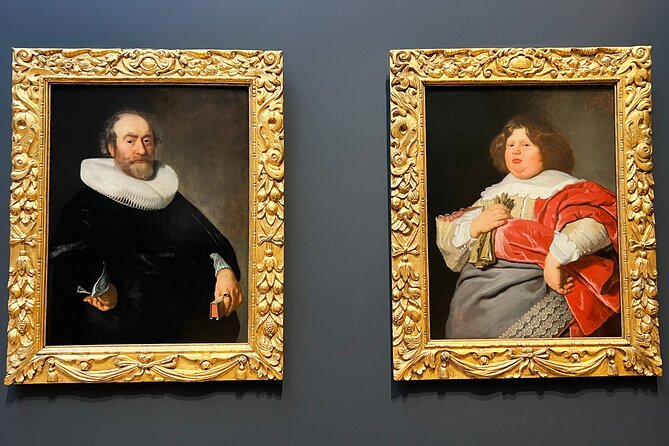
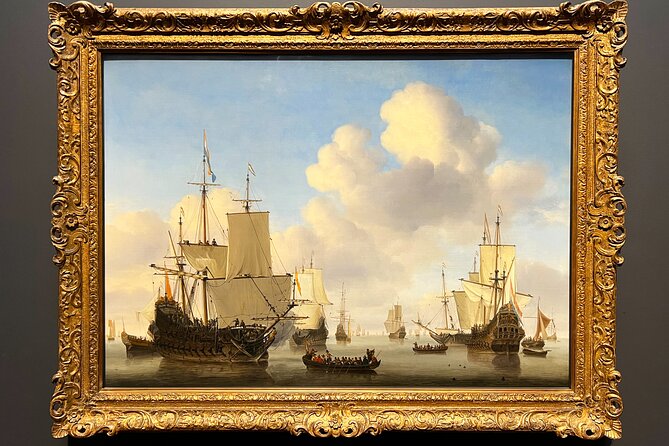
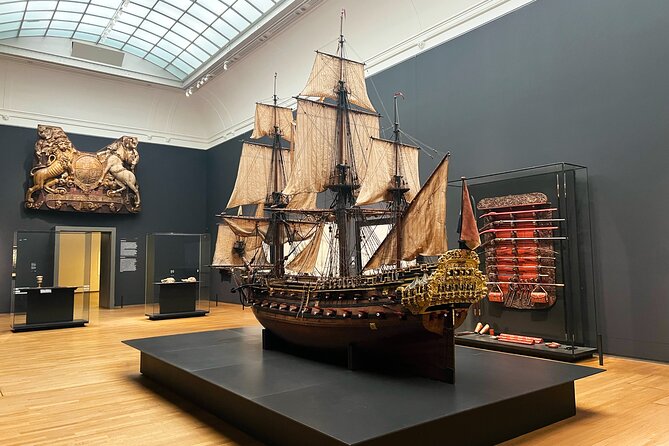
After the setup, the tour focuses on highlights of Dutch Renaissance painting and sculpture. This is not just about identifying artists. You’re guided toward how Dutch art reflects its world.
A key section is historical artifacts connected to the Protestant Reformation and the Eighty Years War. This is useful if you sometimes find it hard to connect famous paintings to the life that produced them. When you understand the pressure points of the period, you tend to see more in the artwork—symbols, choices of subject, even the tone of how people are depicted.
The downside of this kind of art-history framing is that you’ll have to stay mentally switched on for a bit. If you only want to look at paintings without any historical context, this portion may feel heavier than you expected. But if you enjoy context, you’ll likely find it turns the collections more meaningful.
You can also read our reviews of more private tours in Amsterdam



Rembrandt focus: The Night Watch and its orbit
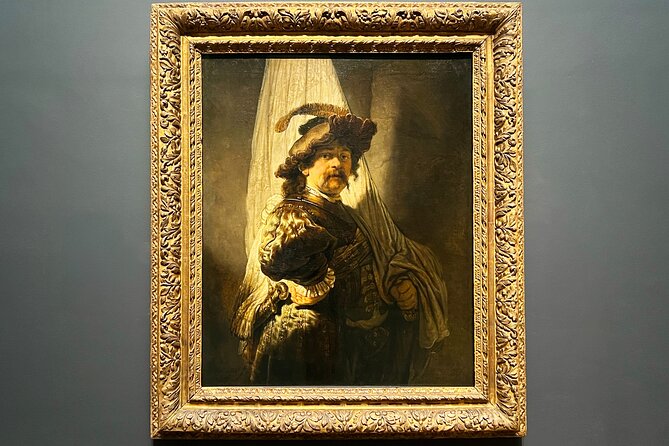
Rembrandt is the headline moment, but the tour doesn’t treat The Night Watch as a one-off stop. It builds toward it through the history tied to the painting and then brings you to related works.
You get time with Rembrandt’s The Night Watch plus other famous pieces, including:
- The Standard Bearer
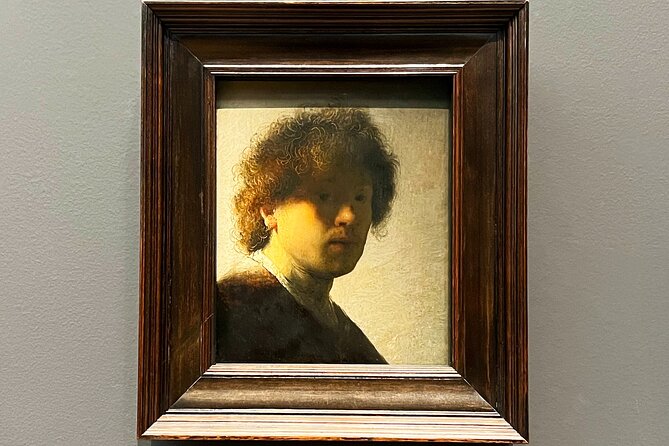
- Self-portrait as the Apostle Paul
- Syndics of the Draper’s Guild
- The Jewish Bride
This is a smart approach because it changes how you experience the Night Watch. You can look at it as a masterwork, sure. But you also start seeing it as part of a bigger set of ideas: identity, community, portraiture conventions, and how status and storytelling show up in paint.
One thing I like in this style of guiding is the way themes get tied together. In this case, the guide connects subjects and periods so you don’t feel like you’re just collecting isolated facts. It helps the museum feel less like a sprint.
And if you’re traveling with family, this part of the tour can work well because Rembrandt is usually compelling even for people who don’t know Dutch art history. One guide note you’ll see highlighted in the way the tour is described is humor and engagement that keeps different ages interested. If you bring teens or kids, expect the guide to keep things moving and understandable.
Vermeer after Rembrandt: slow looking, small scenes
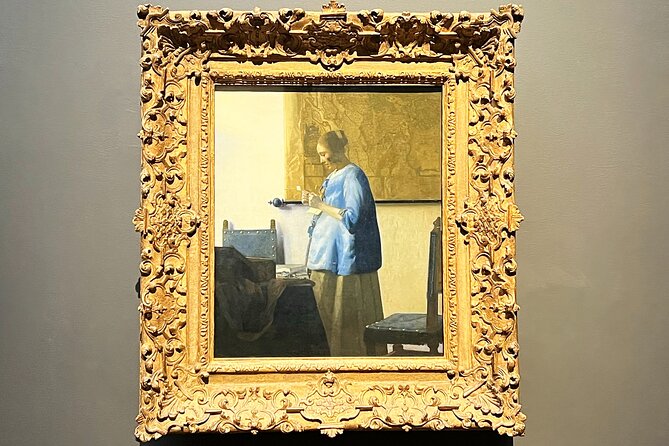
After Rembrandt’s drama and detail, the tour shifts into Vermeer’s quieter world. This contrast is a big reason the route feels satisfying instead of repetitive.
You’ll see Vermeer’s:
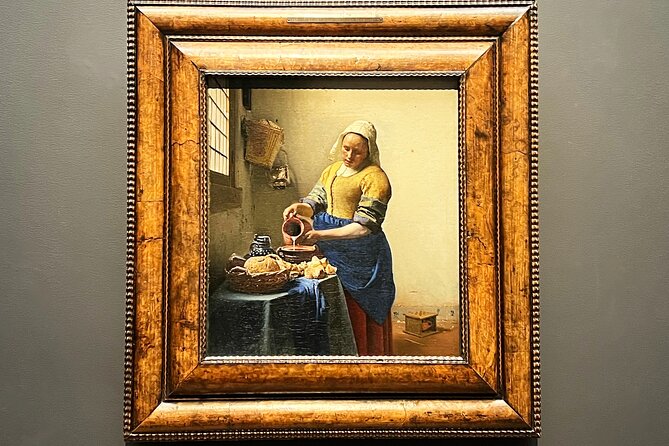
- The Milkmaid
- The Love Letter
- Woman Reading a Letter
- The Little Street
Vermeer is famous for scenes that reward attention. In a busy museum, people skim. With a private guide, you’re more likely to slow down. You can spend time on things most people miss: how light settles, how the objects in the room feel arranged, how expressions can look still but not empty.
Even if you think you only like “big famous paintings,” this Vermeer block often changes minds. The guide framing helps you understand why the calm scenes aren’t boring. They’re precise.
The Great Hall and Cuypers’ craftsmanship vision
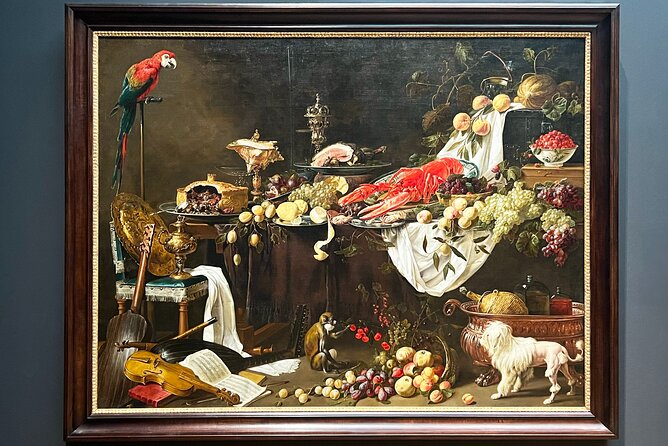
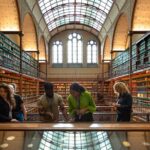
You end the tour with one of the most important architectural experiences in the museum: the Great Hall. The guide explains the architect’s vision and points out the craftsmanship of the artisans behind the hall.
This part matters because it reconnects you to the earlier talk about Pierre Cuypers. The museum stops being a set of rooms and becomes a designed experience. You start noticing how space shapes your attention.
If you’ve ever wondered why some museums feel like they were built for art instead of just housing it, this is the answer. The guide helps you see those choices as intentional.
Then the tour ends. You’ll leave with the feeling that you didn’t just see highlights—you understood how they fit together.
Price, timing, and what you get for $150.18
At $150.18 per person for about two hours, this isn’t the cheapest way to visit the Rijksmuseum. The question is value.
Here’s what you’re really buying:
- A private local guide who can match your pace and interests
- Included admission and cloakroom, which reduces hassle
- A tightly focused route built around Dutch Renaissance highlights and key masters
- Time saved in the sense that you’re not guessing what to prioritize
There’s also a planning angle. This kind of tour averages about 71 days booked in advance, which suggests demand is steady. If you have fixed dates, lock it in earlier rather than later.
If you and your group genuinely care about art context—and you dislike museum crowd chaos—this pricing can make sense. If your goal is simply to wander and take your own photos without a guide, you might prefer self-guided tickets. But if you want your visit to feel like it has a brain behind it, the guide format earns its keep.
Who should book this Rijksmuseum private guided tour
I’d book this if you:
- Love Dutch art and want Rembrandt and Vermeer with context
- Enjoy architecture talks and not just painting explanations
- Want a visit that feels tailored to your interests
- Prefer a calmer, private-party experience over managing a group
I’d think twice if you:
- Want a totally free-form museum stroll with no structure
- Plan to spend most of your time in other wings not covered in the two-hour focus
- Are extremely short on attention for historical framing like the Reformation and Eighty Years War topics
Families can also do well here, especially since the guide approach described is engaging across ages. For kids, a guide who keeps the pace right and uses humor can turn a museum into something they’ll remember.
Should you book it? My take
If your goal is a high-quality Rijksmuseum visit without the usual crowd-pressure, this private guided tour is a strong choice. You get enough structure to make the museum feel coherent, plus enough flexibility to tailor the focus to what you care about most.
The standout strength is that the guide doesn’t just point at masterpieces. The story connects architecture, Dutch Renaissance themes, historical objects, and the big artists you came to see. Add included admission and the cloakroom, and you remove two common sources of friction.
Book it if you want art history that lands in plain language and a museum experience that feels intentional, not rushed. Skip it only if you prefer to do everything on your own and you’re happy missing context that changes how you see what you’re looking at.
FAQ
How long is the Rijksmuseum guided tour?
It lasts about 2 hours.
Is museum admission included?
Yes. Museum tickets are included.
Is the tour private or shared?
It’s private. Only your group participates.
What language is the tour offered in?
The tour is offered in English.
What’s included besides the admission ticket?
Museum tickets and the cloakroom are included.
Is bottled water provided?
No. Bottled water is not included.
Where does the tour start?
The start is at Cobra Café, Hobbemastraat 18, 1071 ZB Amsterdam, Netherlands.
Where does the tour end?
The tour ends at the Rijksmuseum, Museumstraat 1, 1071 XX Amsterdam, with the meeting point described as the downstairs atrium of the museum.
Are there any guidance or limits for kids and mobility?
Portable stools are available. Young children must be seated in a stroller.
FAQ
When will I receive confirmation?
Confirmation is received at the time of booking.
Are service animals allowed?
Yes. Service animals are allowed.
Can the tour be tailored to my interests?
Yes. The tour is customizable based on your art history interests.
Is a mobile ticket used?
Yes. A mobile ticket is used.
Can I participate if I’m not an art expert?
Most travelers can participate, and anyone can participate.
Is there free cancellation?
The experience offers free cancellation up to 24 hours in advance of the start time for a full refund.