REVIEW · ANNE FRANK & WWII HISTORY TOURS
Amsterdam: Anne Frank and Jewish Quarter Walking Tour (TOP RATED)
Book on Viator →Operated by Trigger Tours · Bookable on Viator
Amsterdam tells its darkest story on foot. This small-group walk (up to 15 people) threads together Jewish life and wartime deportations across the streets linked to Anne Frank’s world. I especially like how the route keeps you outside, walking from one meaning-filled site to the next.
I also love the way the guide turns addresses and monuments into real context. People often rave about guides such as James and Aaron, but you’ll get the same basic idea: clear explanations, steady pacing, and a human tone even when the topic is heavy. It’s the kind of tour where you feel you learned more than just where things are.
One thing to plan for: the tour is mostly outdoors. If the day is chilly or wet, you’ll want warm layers and shoes that can handle damp cobblestones.
In This Review
- Key takeaways before you go
- A small-group walk through the Jewish Quarter’s WWII landmarks
- Price, timing, and how to fit it into your Amsterdam plan
- Stop 1: Portuguese Synagogue and the Sephardic story of Amsterdam
- Stop 2: Auschwitz Monument and how deportation memories are marked
- Stop 3: Verzetsmuseum Amsterdam and the role of resistance
- Stop 4: Hollandsche Schouwburg and the reality of deportation routes
- Stop 5: De Plantage and a sense of place beyond the memorials
- Stop 6: Spinoza Monument and Jewish thought in Amsterdam
- Dam Square, the Royal Palace area, and your walk into Nieuwmarkt
- What makes this tour feel real (not just informational)
- Should you bring your questions? Yes, and here’s what to ask
- Who this tour is best for
- The one big reality check: Anne Frank House is separate
- Should you book this Anne Frank and Jewish Quarter walking tour?
- FAQ
- How long is the Amsterdam Anne Frank and Jewish Quarter walking tour?
- What’s the group size limit?
- Where does the tour start and end?
- Is the tour offered in English?
- Does this tour include the Anne Frank House?
- Are admissions included for the stops?
- Can I get a mobile ticket?
- What if the weather is bad?
Key takeaways before you go

- Small group cap (15 travelers) keeps the tour feeling personal and question-friendly.
- A tight 2-hour format fits well into a first-time Amsterdam day without wrecking your schedule.
- Memorial-focused stops connect everyday life, persecution, and resistance without getting lost in textbook detail.
- Multiple guide styles, same standard of care shows up in the strong comments about guides like James, Guido, Maria, and Andrea.
- Mostly outdoors means you’ll move at street level most of the time, so dress for the weather.
- This is an Anne Frank House alternative, not a replacement—so plan that separately if you want to see the house itself.
A small-group walk through the Jewish Quarter’s WWII landmarks
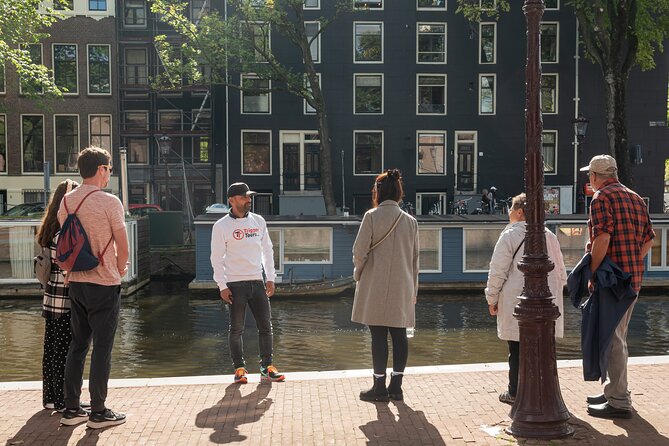
This is not a quick “look and move on” sightseeing loop. You’ll walk through central Amsterdam with a guide who ties together Jewish life before WWII and what happened to the community during the Nazi occupation.
The big practical win is the group size. With a max of 15 travelers, you’re not just watching from the back. You can actually hear the story, and your guide can adjust pacing if someone needs an extra moment at a monument.
And yes, you should expect emotion. You’re visiting memorials and deportation-related sites, so the tour isn’t light or casual. The best part is that you get context for why each stop matters, not just a list of names.
You can also read our reviews of more walking tours in Amsterdam



Price, timing, and how to fit it into your Amsterdam plan
The tour costs $33.26 per person and runs about 2 hours. That’s not trying to replace major museum time, so it works as a companion to other things you’ll see in Amsterdam—especially if you’re prioritizing the Anne Frank story and the Jewish Quarter.
Booking tends to happen ahead of time (on average 52 days in advance). If you’re traveling in peak season or on a busy weekend, you’ll do yourself a favor by reserving early.
A few logistics points that matter for your comfort:
- It’s offered in English.
- You get a mobile ticket.
- The meeting point is Amstel 51C, 1018 EJ Amsterdam, and the tour ends back at the same spot.
- A local guide may offer pickup from select city-center hotels, which can help if you’re keeping your mornings tight.
Also note the tour is tied to weather. If it’s canceled for poor conditions, you’ll get offered a different date or a full refund—so keep your schedule flexible around it.
Stop 1: Portuguese Synagogue and the Sephardic story of Amsterdam
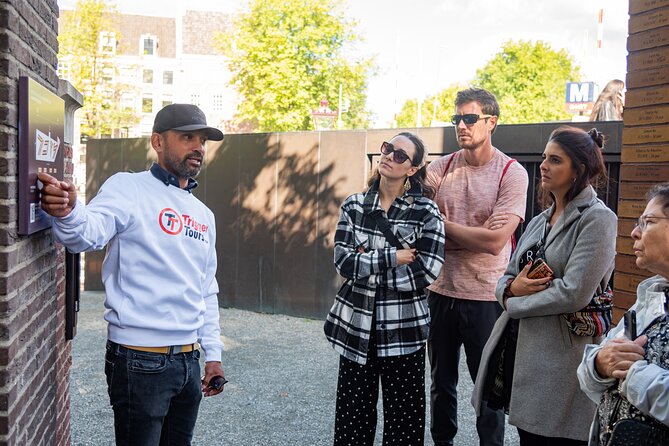
The tour starts with the Portuguese Synagogue, where you’ll hear about the history of Amsterdam’s Jewish community and the Sephardic branch in particular.
This isn’t just “old building, pretty architecture.” You’ll learn why the synagogue reflected the Sephardic community’s prominence during the Dutch Golden Age. The site remains an active place of worship and is also a popular attraction, which means you’ll be looking at a living religious community, not only a memorial.
Why this stop is worth your time:
- It anchors the story before WWII, so the later tragedy doesn’t feel sudden or disconnected.
- It gives you a framework for how Jewish communities could be rooted in a city—families, culture, daily life—before persecution tore everything apart.
Time is short here (about 10 minutes), so think of it as a strong opening act. If you want more depth, you can always follow up on your own after.
Stop 2: Auschwitz Monument and how deportation memories are marked
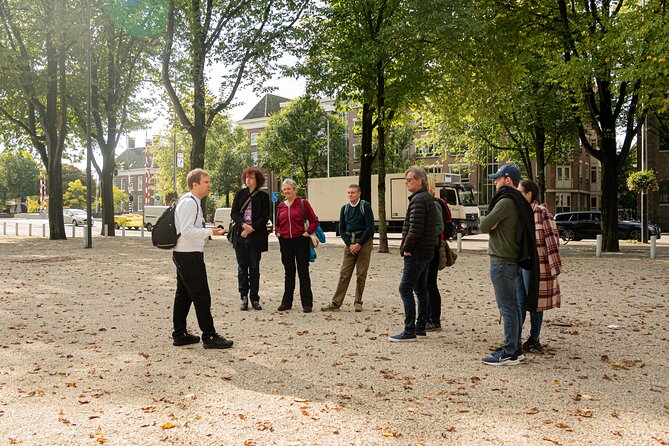
Next up is the Auschwitz Monument. This stop focuses on the Jewish deportations and the way Amsterdam remembers what was done to people from the city.
Memorials can sometimes feel abstract. The best guides prevent that by connecting the symbolism to what actually happened and why people were targeted. Here, you’re getting that direct link rather than staying general.
A heads-up: this is the kind of stop where you may want a second to stand quietly. Even with a guide moving the group along, you can still take in the names and the seriousness of the message.
Stop 3: Verzetsmuseum Amsterdam and the role of resistance
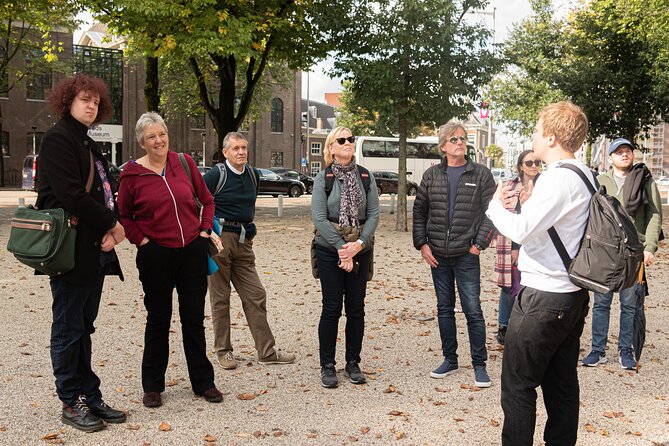
Then you’ll visit Verzetsmuseum Amsterdam, where the focus shifts to the Jewish resistance.
This matters because WWII stories often get told as only hiding or waiting. You’ll learn about resistance efforts and how people refused to accept the logic of extermination. It’s still grim, but it adds something crucial: agency.
This is another quick stop (about 10 minutes), so you won’t get every detail. But you will leave with a clearer mental map of how communities responded, not just what was done to them.






Stop 4: Hollandsche Schouwburg and the reality of deportation routes
At Hollandsche Schouwburg, the tour addresses deportation camps. This stop is one of the hardest on the route because it brings the process of deportation into sharper focus.
The value here is that you’re not hearing just about concentration camps far away. You’re learning how the machinery moved through Amsterdam—step by step—until families were torn apart.
The time is brief again (around 10 minutes), but you’ll leave this part with a stronger sense of how close events were to everyday streets.
Stop 5: De Plantage and a sense of place beyond the memorials
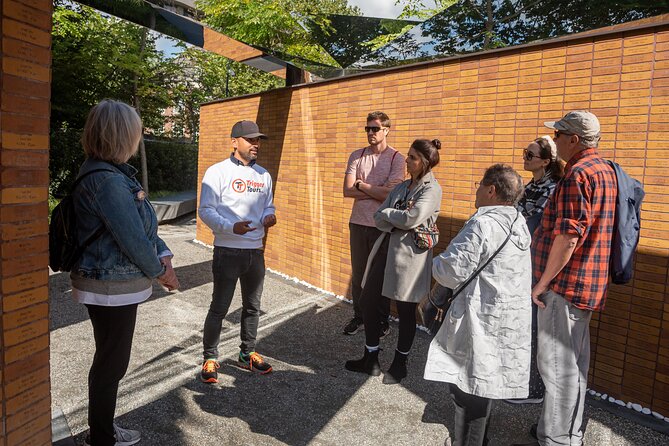
After the heavy memorial stops, you’ll move to De Plantage. Here the guide shows you the area and connects it back to the broader history of the Plantage neighborhood.
This stop helps you breathe a bit, but it’s not a reset button. It’s more like: the story wasn’t happening in a vacuum. People lived somewhere. Communities had geography, routines, and a sense of neighborhood.
For me, this is where the walking tour format shines. You can look at streets and corners and start to understand how daily life and catastrophe were intertwined.
Stop 6: Spinoza Monument and Jewish thought in Amsterdam
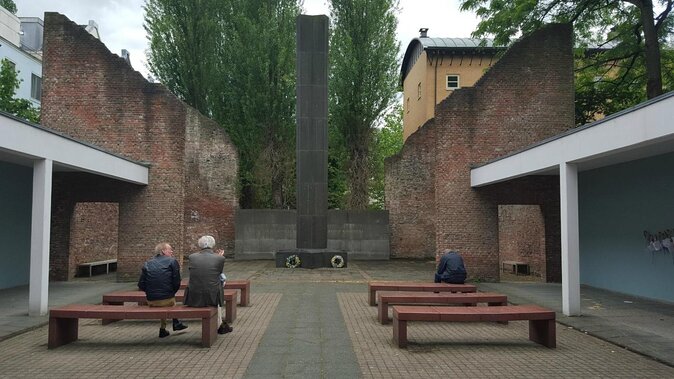
You’ll also visit the Spinoza Monument. This stop is a reminder that Jewish history in Amsterdam isn’t only WWII. You’re also looking at the intellectual and cultural legacy connected to Jewish life in the Netherlands.
The guide explains the monument and its meaning, giving you another angle on what shaped the community over time. It’s a good counterweight to the deportation focus, and it helps the tour feel less like a straight line from “before” to “after.”
Again, expect a short stop (about 10 minutes). The goal is orientation, not a full lecture.
Dam Square, the Royal Palace area, and your walk into Nieuwmarkt
From here, you’ll walk toward Dam Square and pass by the Royal Palace monument area. This section is less about a single Holocaust-related site and more about location—how the center of Amsterdam fits into the bigger story you just learned.
Then you finish at Nieuwmarkt. This is where the guide brings more context and ties the Anne Frank story into what you’ve seen during the walk. This final stretch is also short (about 10 minutes), which is why it helps to stay mentally tuned even when the route feels like it’s moving faster.
One note for planning: the segment at Nieuwmarkt lists an admission ticket not included. So if you’re hoping to enter a specific place there, keep that in mind and check ahead.
What makes this tour feel real (not just informational)
A lot of walking tours show you plaques and facts. This one tends to do something different: it connects the setting to people and choices.
That’s why guides like James and Aaron keep coming up in the feedback. Their style, as reflected in the comments you’ll read, centers on making the history feel human and properly framed. You’ll also notice that the tour is often praised for being moving and well organized, with a pace that’s manageable for most people.
One more practical detail: because so much of the route happens outdoors, you’ll feel more grounded in Amsterdam. You’re not sealed inside galleries. You’re in the streets, and the story has street-level weight.
If you’re the type who wants facts and dates, you’ll likely appreciate the direct way the guide covers deportation and resistance themes. If you’re more sensitive to emotion, you should know this isn’t a cheerful stroll. Bring your best attention span and give yourself a moment after if you need it.
Should you bring your questions? Yes, and here’s what to ask
Because this is a guided walk, you can use it like a live study session. If you arrive ready, you’ll get more out of the short stops.
Here are a few questions that fit what the tour covers:
- How did Amsterdam’s Jewish communities develop before WWII, and what changed first?
- What’s the most important thing to remember about the deportation process from Amsterdam?
- What did resistance look like in real life, not just in headlines?
- How does Spinoza’s legacy connect to the broader idea of Jewish life in Amsterdam?
If your guide is strong (and the tour has a good track record with guides like Guido, Maria, and Andrea mentioned in past experiences), you’ll come away with details you wouldn’t pick up just walking around.
Who this tour is best for
This works especially well if you:
- want a structured way to understand the Jewish Quarter and WWII Amsterdam without committing to a full museum day
- plan to visit the Anne Frank House but want the broader context first
- prefer walking through neighborhoods to reading plaques on your own
- appreciate a small-group format that makes it easier to hear your guide
It’s also a good choice if you want something heavier than a standard city tour, but still organized enough to feel efficient.
The one big reality check: Anne Frank House is separate
This tour is often described as an alternative to a visit to the Anne Frank House. That’s true in practice: you should not expect to see the Anne Frank House itself on this walking route.
If the house is on your must-do list, treat it as a separate booking and build this walking tour around it. I like pairing them this way: start with the neighborhood context, then go to the house for the specific story location.
Should you book this Anne Frank and Jewish Quarter walking tour?
Yes—if your goal is context, orientation, and a carefully guided walk through the places that shaped Anne Frank’s Amsterdam.
Book it when you want:
- a small group experience that stays human-sized
- multiple stops across themes: community life, deportations, resistance, and later remembrance
- a guide-driven story that helps you connect sites instead of treating them as isolated landmarks
Skip it or reconsider only if:
- you want a relaxed, purely scenic walk (this is emotional and memorial-centered)
- you need every stop to stay longer than about 10 minutes each
- you were hoping this would include the Anne Frank House visit
If you come prepared with layers, a respectful mindset, and curiosity about how the Jewish Quarter changed, this tour is a strong value use of about two hours in Amsterdam.
FAQ
How long is the Amsterdam Anne Frank and Jewish Quarter walking tour?
It runs for about 2 hours.
What’s the group size limit?
The tour caps at a maximum of 15 travelers.
Where does the tour start and end?
It starts at Amstel 51C, 1018 EJ Amsterdam, and it ends back at the same meeting point.
Is the tour offered in English?
Yes, the tour is offered in English.
Does this tour include the Anne Frank House?
It’s positioned as an alternative, but it does not go to the Anne Frank House itself.
Are admissions included for the stops?
Several stops are marked as free admission, while the Nieuwmarkt portion notes that admission is not included.
Can I get a mobile ticket?
Yes, you receive a mobile ticket.
What if the weather is bad?
This experience requires good weather. If canceled due to poor weather, you’ll be offered a different date or a full refund.