REVIEW · MUSEUMS
Van Gogh Museum Guided Tour •10 people• Face to Face with Vincent
Book on Viator →Operated by ScreenTours · Bookable on Viator
Van Gogh hits harder when explained well. This 10-person Face to Face tour turns the museum into a brushstroke-led story of technique, illness, and inspiration, all in about 2.5 hours. The one tradeoff: the time is tight, so you won’t get a long, solo wander-through of every corner.
I like how the guide focuses on the why behind the paintings, not just the what. You follow changes in his method, the influences that shaped him (including Japanese art), and the emotional swing of his last stage, when he produced more than 80 works in about 70 days.
If you want total freedom to set your own pace and linger for a long time, a guided format may feel a bit structured. But if you enjoy clear storytelling and the chance to ask questions, this style fits nicely.
In This Review
- Key things I’d watch for on this tour
- Paulus Potterstraat start: a small-group plan that makes time count
- Face to Face in the Van Gogh Museum: how technique becomes a story
- Paris streets, Japanese influence, and the trick of seeing contrast
- Illness, rejection, and the last 70 days of painting
- Theo and Jo van Gogh: why recognition didn’t come fast
- Is $52.06 worth it for a 2.5-hour guided visit?
- Should you book this Face to Face Van Gogh Museum tour?
- FAQ
- Where is the meeting point for the tour?
- What time does the tour begin?
- How long does the guided tour last?
- How many people are in the group?
- What does the tour cost?
- Is museum admission included?
- Do I receive a mobile ticket?
- Is the meeting point near public transportation?
- What is the cancellation policy?
Key things I’d watch for on this tour
- Max 10 people: easier back-and-forth and better attention than big-group tours
- Brushstrokes + technique focus: you learn how the paint changed over time
- Japanese influence and bold contrast: you get a way to “see” what you’re looking at
- Last-stage intensity: the guide connects a dramatic life period to the paintings
- Theo and Jo van Gogh context: it adds the family story behind later fame
- Admission included: you’re paying for a guided experience, not just a ticket
Paulus Potterstraat start: a small-group plan that makes time count
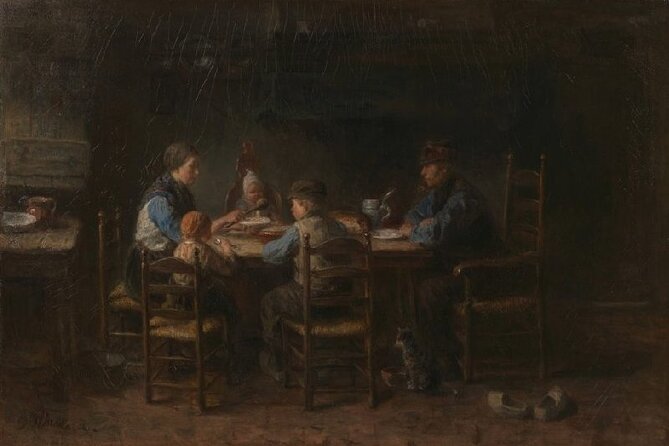
You start at Paulus Potterstraat 7 in Amsterdam (1071 CX). The tour is scheduled for 10:00 am, and it ends back at the same meeting point. The location is near public transportation, which matters because Amsterdam can be a test of patience when you’re arriving on time.
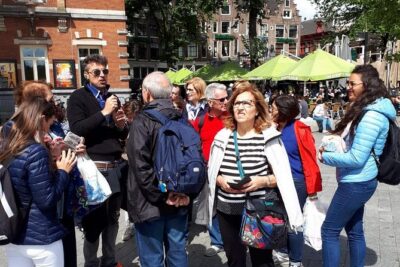
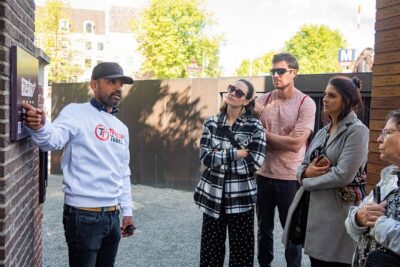
This is a small-group setup with a maximum of 10 people. That size is a big part of the value here. In a room like the Van Gogh Museum, it’s easy to feel like you’re watching from the back. With fewer people, you’re more likely to actually track what the guide is pointing out.
Also, you’ll use a mobile ticket, which simplifies the day. No paper ticket hunting. Just get your phone ready and arrive with enough time to find the meeting point calmly.
Finally, note the duration: about 2 hours 30 minutes. That’s a reasonable length for a tight, guided story, but it does mean you’ll need extra time on your own afterward if you want to slow-walk the museum at leisure.
You can also read our reviews of more guided tours in Amsterdam



Face to Face in the Van Gogh Museum: how technique becomes a story
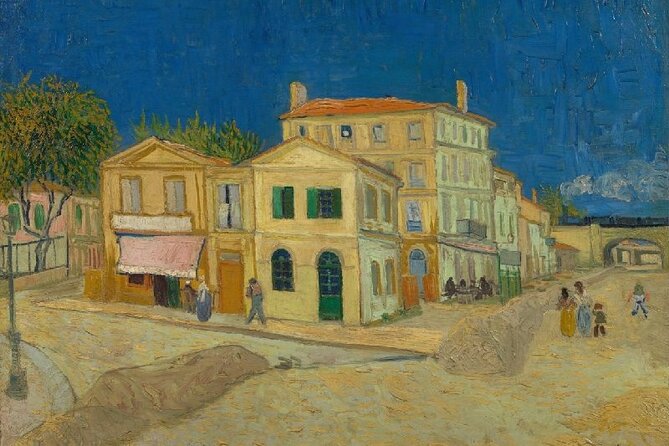
The core promise is Face to Face with Vincent, and that isn’t just marketing language. The guide uses Van Gogh’s life and mental state to explain the paintings in a way that makes the brushwork feel personal, not distant.
In the tour’s flow, you’re guided through how his technique evolved, and why those changes mattered. Instead of treating each work like a standalone poster, you get a timeline effect: you start recognizing patterns in how he built texture, how he used contrast, and how his style shifted as he grew.
This is also where the reviews’ praise really makes sense. People consistently highlight the guide’s ability to be both informative and genuinely passionate, with a didactic approach that helps you understand what you’re seeing. One theme that comes through clearly is that you’re not stuck listening silently. You can ask questions, and the guide is prepared to answer.
So what’s the practical payoff for you? When you leave the galleries, you’re not just carrying famous names. You’re carrying a set of visual tools. You start seeing the paintings as choices Van Gogh made—choices about light, shadows, and the way he pressed paint onto the canvas.
Paris streets, Japanese influence, and the trick of seeing contrast
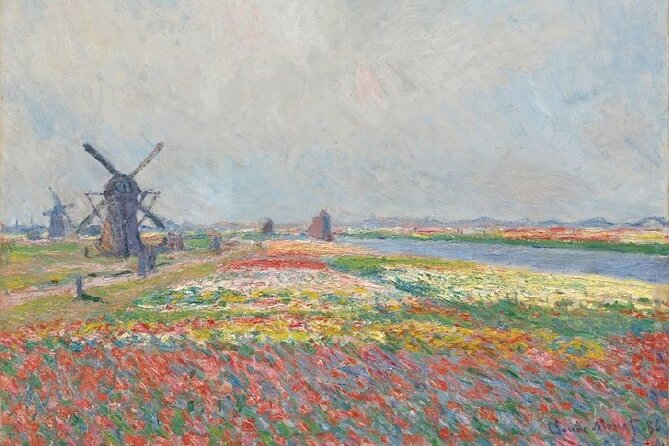
One of the most useful parts of this tour is how it connects influences to what you actually see on the walls. The guide points out how Japanese art shaped Van Gogh, and you learn to spot the resulting shifts in composition and feel. That’s a big deal because it turns “influence” from a vague concept into something you can recognize quickly.
You also get a Paris thread. The tour explains how the streets and atmosphere of Paris helped shape his color and mood. Even though you’re standing in Amsterdam, the guide makes that geography matter by linking artistic changes to what was happening around him.
There’s also a focus on shadows in contrast with light. That sounds basic until you watch it happen during the tour. Once you’re coached to look for the relationship between dark and bright areas, a painting starts to behave differently in your eyes. It’s no longer just a pretty image. It becomes a controlled emotional effect.
If you like art that rewards close looking, this section is where the tour starts clicking. The guide’s technique-first approach gives you a way to decode paintings faster, even if you’re not an art expert.
One consideration: because the tour is time-limited, the pace stays purposeful. You won’t get every last detail on every painting. But you’ll leave with a stronger baseline for what to notice during your own museum time.
Illness, rejection, and the last 70 days of painting
Van Gogh’s last stage is heavy material, but this tour handles it by connecting emotion to output. The story centers on how, in about 70 days, he painted more than 80 paintings—an astonishing burst that also reflects rejection and inner strain.
The key value for you is the cause-and-effect lens. The guide doesn’t just say his final period was difficult. It helps you understand how the paintings from that phase can feel sharper, more urgent, and more driven. When you walk between works in that sequence, you’re better equipped to notice how the mood and approach shift.
This is also where the tour’s “Face to Face” idea really lands. You’re not only looking at art. You’re learning to connect that art to a specific human situation—frustration, hope, pressure, and the reality of illness.
A gentle heads-up: if you’re sensitive to tragic stories or mental health themes, this part may hit harder than the lighter context sections. Still, it’s presented as an artistic explanation, not just a sob story. You come away understanding how the paintings fit the moment.
If you’re the kind of person who loves a clear narrative, this is the strongest arc of the tour. It gives the museum a storyline you can follow without getting lost.
Theo and Jo van Gogh: why recognition didn’t come fast
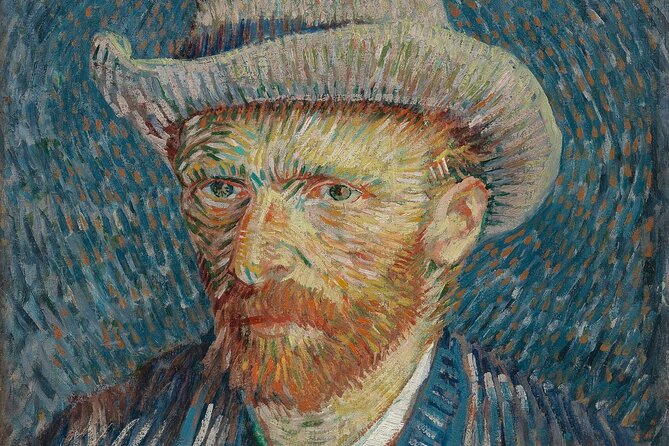
The tour doesn’t treat Van Gogh’s recognition like it just happened automatically. It brings in the family threads that mattered—especially Theo and Jo van Gogh (Theo’s daughter).
Here’s what I think is the practical takeaway: you understand that artistic fame is often delayed, and that support and advocacy can be as important as talent. The guide ties this family story to why the work later reached worldwide recognition.
This matters because museums can feel like final answers: paintings are hanging, labels are printed, history is fixed. But this tour nudges you to remember it wasn’t always like that. Van Gogh’s reception during his lifetime was not what you see today.
Even if you already know the headlines, this context can change how you interpret the last-stage works. It adds a second layer: not only what he was creating in real time, but also what the world took to understand later.
In short, you leave with a clearer picture of how art travels through time—through relationships, through publishing, and through the people who believed it deserved attention.
You can also read our reviews of more museum experiences in Amsterdam






Is $52.06 worth it for a 2.5-hour guided visit?
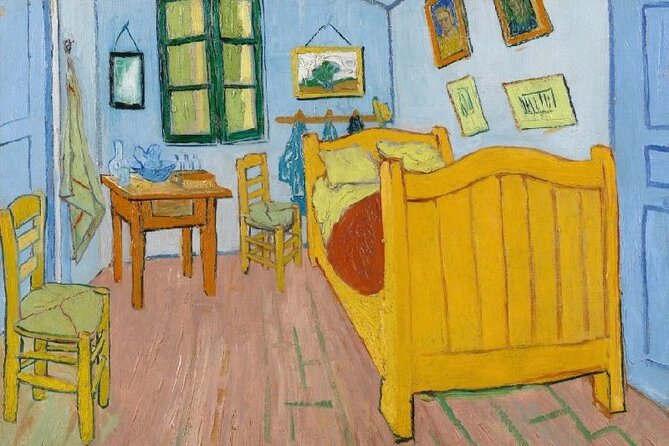
Let’s do the value math in plain terms. The price is listed at $52.06 per person, and the museum admission ticket is included (for the stop at the Van Gogh Museum). The total time is about 2 hours 30 minutes, and the group is kept to a maximum of 10.
That combination tends to work well if you care about explanation more than wandering. A guided tour that includes entry usually saves you a hassle step and lets you focus on the art conversation instead of juggling logistics.
The bigger value, though, is what you get for the attention span you’ve got. You’re paying for a structured interpretation: technique changes, influences like Japanese art, Paris color, and the final 70-day burst. If you’re the type who wants a map for looking, it’s money well spent.
Now the drawback angle again. If you’re the type who plans museum time like a checklist and wants to choose your own pace for each room, you might feel the tour compresses your time. For that style of visit, you might want to do the guided story first, then go back afterward and slow down.
A smart booking note: this tour is often booked about 68 days in advance on average. If your dates are fixed, booking earlier is a safe move.
Should you book this Face to Face Van Gogh Museum tour?
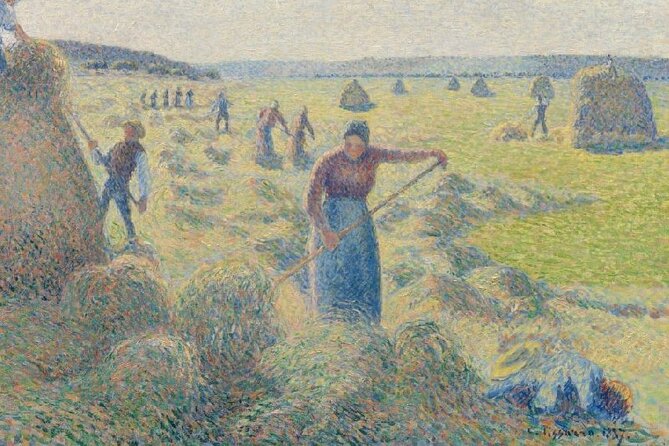
Book it if you want art that’s explained through brushstrokes, technique, and the emotional reasons behind the work. The small group size is a real plus, and the guided structure helps you see more than you’d catch on your own in the same amount of time.
Skip it if you’re looking for a long, flexible museum day where you can drift, sit, and re-read every label at your own pace for hours. In that case, you’d probably be happier with a self-guided museum plan.
If you’re torn, here’s my simple test: do you enjoy understanding what you’re looking at, even when the story turns serious? If yes, this tour is a strong fit.
FAQ
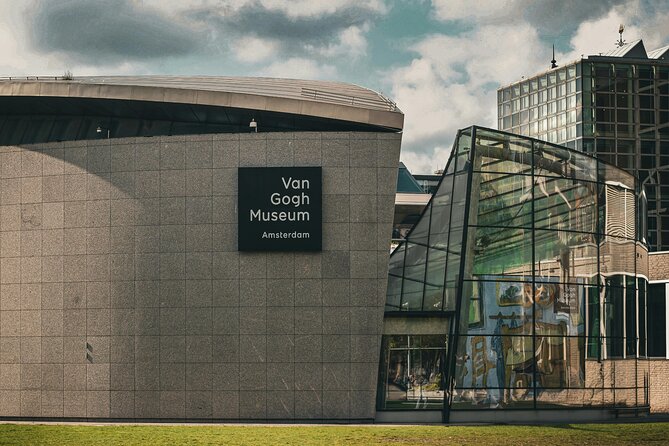
Where is the meeting point for the tour?
The tour starts at Paulus Potterstraat 7, 1071 CX Amsterdam, Netherlands.
What time does the tour begin?
The start time is 10:00 am.
How long does the guided tour last?
It lasts about 2 hours 30 minutes (approx.).
How many people are in the group?
The tour has a maximum of 10 travelers.
What does the tour cost?
The price is $52.06 per person.
Is museum admission included?
Yes. Admission ticket is included for the Van Gogh Museum stop.
Do I receive a mobile ticket?
Yes. The tour features a mobile ticket.
Is the meeting point near public transportation?
Yes. It’s near public transportation.
What is the cancellation policy?
You can cancel for a full refund if you cancel at least 24 hours in advance of the experience’s start time.