REVIEW · ANNE FRANK & WWII HISTORY TOURS
Liberal Amsterdam: Small-Group Walking Tour & Anne Frank VR
Book on GetYourGuide →Operated by EcoEcho tours · Bookable on GetYourGuide
A city can talk back when someone’s listening. On Liberal Amsterdam, Antonis turns WWII locations into real human stories, with humor and questions baked in. Two things I especially like: the small-group rhythm that makes it feel conversational, and the thoughtful ending with Anne Frank VR that you can treat as a moment, not a performance.
I also like that the tour covers everyday Amsterdam themes you won’t get from a standard sightseeing loop, like how the Dutch manage water, why houses lean, and how education shaped the country. One consideration: the VR is optional and shared using a single headset, so it’s more casual than a full ticketed experience.
Plan for a relaxed pace with a coffee pause mid-tour, where you can regroup and ask anything you’ve been wondering. Then you’ll finish with VR plus small surprises like a chocolate treat, a Polaroid photo, and a postcard that actually looks like something you’d mail home.
In This Review
- Key things to know before you go
- WWII sites and liberal Amsterdam at human speed
- Starting at Kattengat and finding your footing fast
- HIV/AIDS Monument to Amsterdam Centraal and the chocolate detour
- Bridges, secret spaces under water, and why houses lean
- Jewish Quarter and the National Holocaust Names Monument
- Zuiderkerk, Nieuwmarkt Square, and finishing at Waag
- Anne Frank House in VR: optional and low-pressure
- Coffee, water, chocolate, and the Polaroid-and-postcard keepsake
- Price and pacing: value for $33 with real add-ons
- Who should book Liberal Amsterdam and who should skip it
- Should you book this tour?
- FAQ
- What’s the duration of the Liberal Amsterdam tour?
- Is the Anne Frank VR part mandatory?
- How big is the group?
- What should I bring?
- Where does the tour start?
- Where does the tour end?
- What’s included in the price?
Key things to know before you go
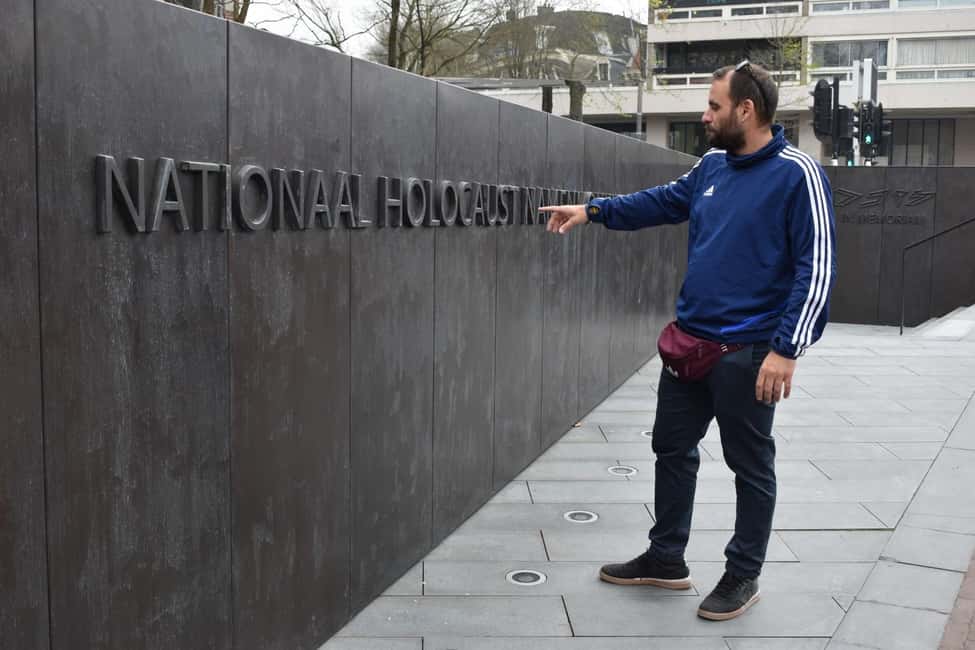
- Antonis storytelling style: books, chalk drawings, and real back-and-forth questions
- Small-group feel: limited to 6 participants, so you don’t get lost in a crowd
- WWII + liberal culture: resistance stories paired with how Amsterdam thinks and lives
- One-headset VR at the end: optional Anne Frank House VR, passed around informally
- Keepsakes included: mini Polaroid plus a postcard with a personalized handwritten message
- Practical guide tips: bar and restaurant suggestions you can use right away
WWII sites and liberal Amsterdam at human speed
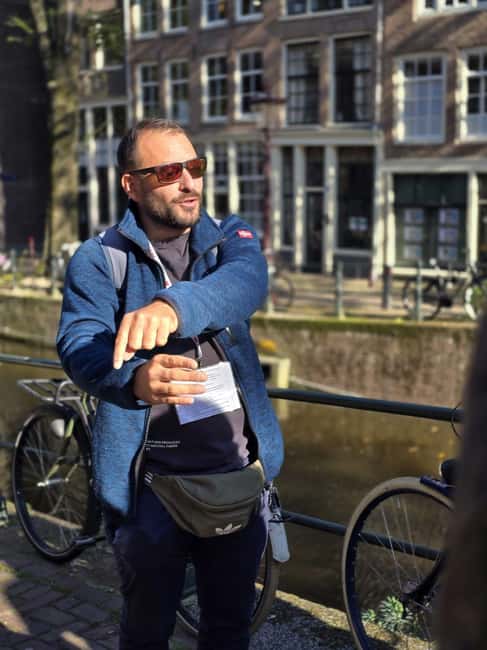
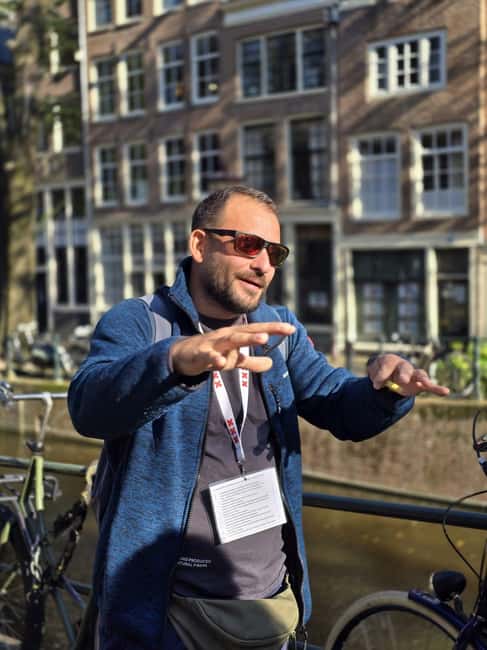
This tour is built like a conversation with a city you thought you already knew. Yes, you walk past major WWII-linked places, but it’s not a dry lecture. Antonis uses chalk drawings, real questions, and city quirks to keep your attention, including the kind of odd little details that make you think, Wait—how did I miss that?
What makes it feel “right” is the pacing. You get a guided walk through meaningful stops, then you slow down with a warm coffee and a sweet break. The goal isn’t just to collect facts. It’s to connect Amsterdam’s modern identity—its “liberal soul,” its compassion, its resistance history—to the streets you’re standing on.
And the tour doesn’t pretend the subject is easy. It asks you to reflect at Holocaust remembrance sites, then brings the story forward into today’s Amsterdam mindset.
You can also read our reviews of more walking tours in Amsterdam
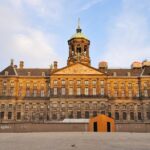
Starting at Kattengat and finding your footing fast
You begin at Kattengat 4-6, by the restaurant De Silveren Spiegel area. Early on, you’re pointed toward WWII-linked context, including the idea that Jewish families were hidden in the city. It’s a good opening because it frames what you’re about to see: not just architecture, but survival, concealment, and the cost of being human.
You also get a safety briefing and a quick orientation feel—short, clear, and the kind that helps you enjoy the walk instead of constantly checking your bearings. Bring comfortable shoes. The tour is relaxed, but you’re on your feet the whole time.
HIV/AIDS Monument to Amsterdam Centraal and the chocolate detour
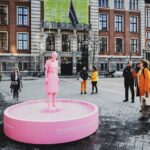
Next comes a photo stop at the HIV/AIDS monument. Even that early stop signals the broader theme: Amsterdam isn’t only a WWII story. It’s also a city that deals with history, public health, and memory in public space.
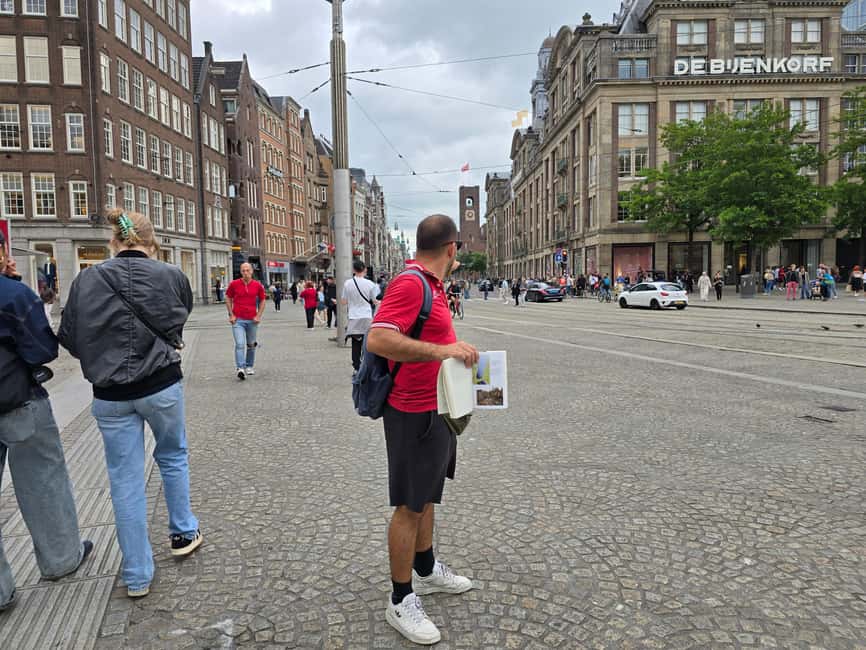
Then you move to Amsterdam Centraal Station for another guided photo stop. Centraal isn’t just scenery here. Antonis uses it to talk about the city’s rhythm—where people pass through, where stories gather, and how Amsterdam’s identity shows up in its public spaces.
A short detour follows to Tony’s Chocolonely Super Store. It’s brief on purpose. This isn’t a shopping trip; it’s a chance to break the heavier tone with something very Amsterdam and very modern. You get a guided look at the store, and it works as a palate-cleanser before the tour turns toward bridges and darker WWII threads again.
Bridges, secret spaces under water, and why houses lean
After Centraal, you start crossing into the city’s “reading between the lines” section. You hit the Aluminium Bridge (photo stop + guided sightseeing) and then the Staalmeestersbrug (another guided photo stop and sightseeing). These bridges matter because Antonis ties them to hidden, sometimes uncomfortable parts of the city’s past—quiet corridors, concealed movements, and the ways people used infrastructure to live or to hide.
This is also where the tour’s Amsterdam-meets-WWII themes become practical. You’ll learn about:
- Why Amsterdam’s water management is crucial, and how living with water shaped daily life
- Why houses lean, and what that says about building in a soft, watery city
- The charm—and realism—of living on a houseboat
You’ll also hear about “weird toilets” and other quirky cultural details. That might sound random until you realize what Antonis is doing: he’s using small everyday oddities to make you think about how Dutch life works—then contrasting that normality with the abnormal years of WWII.
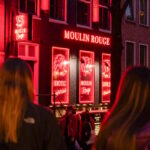
Between bridge stops, the tour also includes stories about resistance and hidden spaces, and you may pass through areas that connect to the WWII past near the Red Light District—especially its quiet corners, where the setting feels less like a show and more like street-level reality.
Jewish Quarter and the National Holocaust Names Monument
One of the most moving parts is the shift into the Jewish Quarter. You’ll get a guided segment there, shorter in time but heavy in meaning. Antonis sets the tone in a way that doesn’t turn people into subjects. You’re asked to take in what these streets symbolize and how a city remembers what it tried to protect.
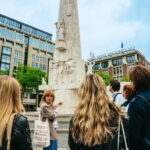
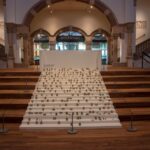
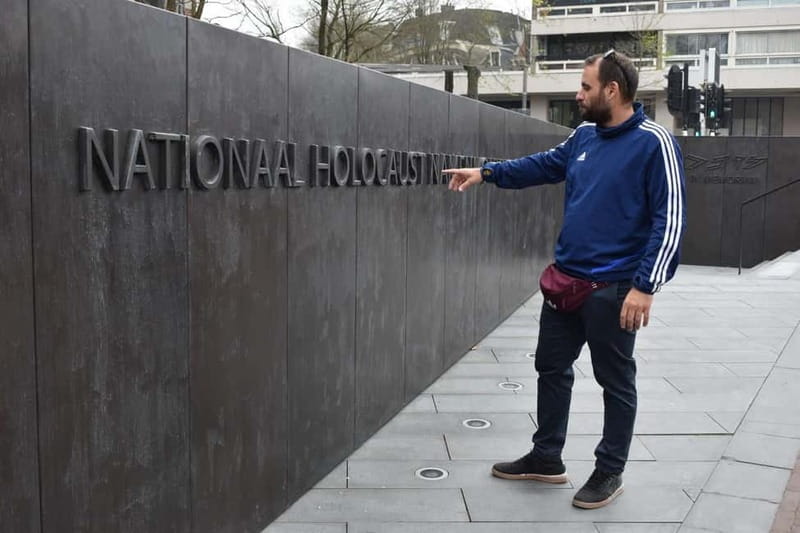
Then you reflect at the National Holocaust Names Monument with a guided visit. This is where the tour slows down—not just physically, but mentally. You’re not just told what happened. You’re guided to notice the weight of remembrance in place: names, loss, and the way modern cities build public space to hold grief.
The value here is balance. The tour doesn’t skip the hard part, but it also doesn’t leave you stuck there. After remembrance, you keep moving through Amsterdam’s living city scenes—churches, squares, and landmarks that show how the present continues.

Zuiderkerk, Nieuwmarkt Square, and finishing at Waag
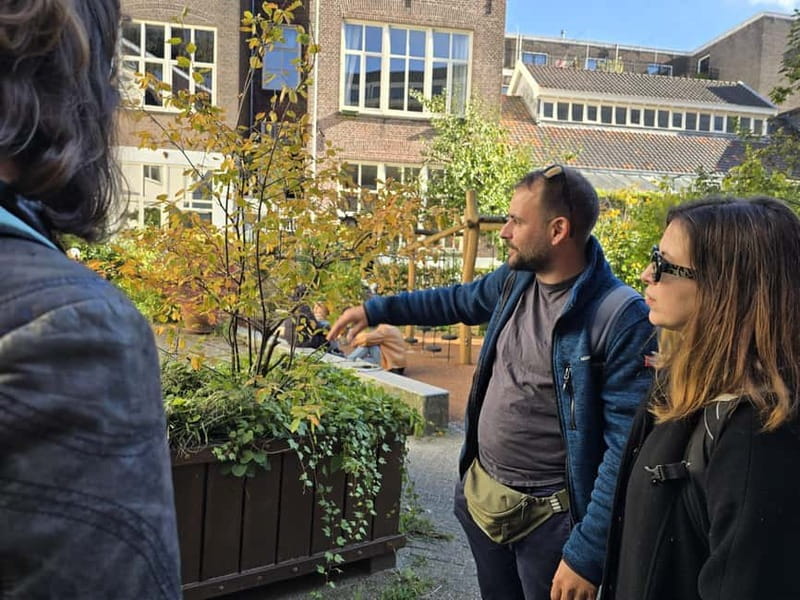
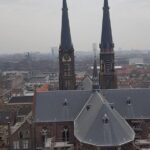
You continue with photo and guided stops that feel like a bridge between past and present: Blauwbrug Bridge, then Zuiderkerk, then Nieuwmarkt Square. Each stop is short, but Antonis uses them like punctuation marks, connecting architecture and public life to the bigger story.
Zuiderkerk is particularly useful for understanding Amsterdam as a society that built community institutions and social structures. The tour also ties in themes like how the Dutch educational system contributed to national progress—an idea that may sound abstract until you connect it to what you’re seeing: civic spaces that teach, shape, and organize society.
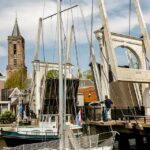
Finally, you finish at Waag. One note: the general activity info also says the experience ends back at the meeting point. Your exact end point can vary by how the guide routes the group. I’d follow your confirmation message closely, but either way, you’ll end after the city-walk portion with a clear wrap-up into the VR segment.
Anne Frank House in VR: optional and low-pressure
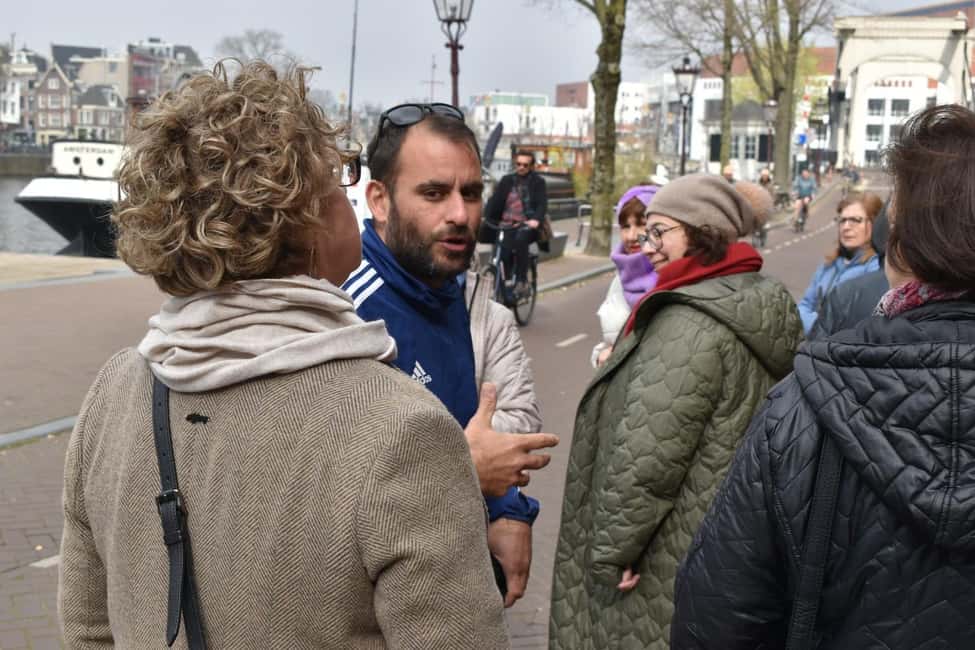
The final act is the Anne Frank House VR experience. The key detail is that it’s totally optional. There’s one headset, and the group simply passes it around. It’s not presented as a scripted performance. Instead, it’s a conversation starter—something you can try while you chat, reflect, and unwind.
This matters because it changes how you experience it:
- If you want the VR moment, you can choose it without feeling forced
- If you don’t, you can still stay with the group for the stories and closure
- Because there’s one headset, you don’t get a private tour vibe, but you also get a more social, shared pacing
When you’re ready to try it, you step virtually into the Secret Annex. That connection to a specific hiding place is often what people are missing when they only do external WWII walking tours. Here, you’re offered an extra layer—without requiring you to line up for a ticketed museum visit.
Coffee, water, chocolate, and the Polaroid-and-postcard keepsake
Halfway through the tour you hit the break: warm coffee (included) plus bottled water, then a local sweet surprise that can change daily—sometimes chocolate, sometimes Dutch cookies. This break is more than sugar and caffeine. It’s built for thinking time.
You also receive keepsakes:
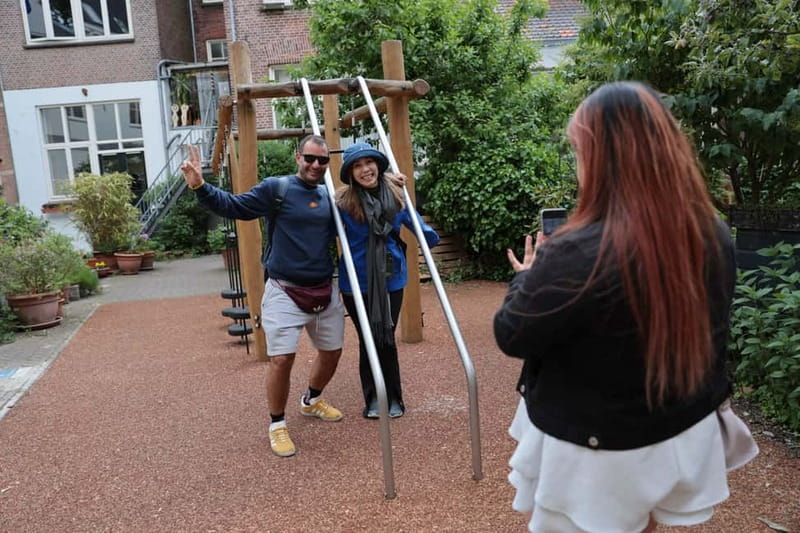
- A mini Polaroid photo taken during the tour
- A postcard with an official stamp and a personalized handwritten message
In a city where most souvenirs are mass-produced, this kind of keepsake feels worth carrying home. It also gives you something to reference later when you’re back in your room scrolling through photos and trying to remember what you learned.
On top of that, you get a list with recommendations from your guide—so you can turn the walk into your next evening plan.
Price and pacing: value for $33 with real add-ons
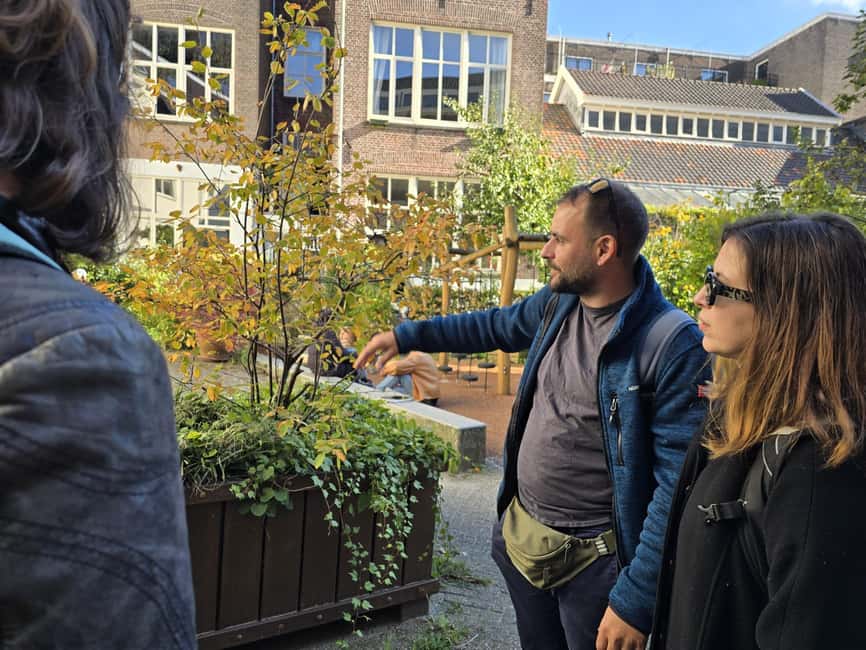
At about $33 per person for a total 3 hours, this tour is priced like a serious guided experience, not a quick walk. The value comes from the mix of things you’d otherwise pay separately:
- A live guide through meaningful WWII and liberal-culture sites
- Included coffee and water
- Chocolate or a local sweet
- A Polaroid and a stamped postcard
- Optional Anne Frank VR at the end
You’ll also want to match your expectations to the pacing: you get about 2 hours walking and 1 hour for coffee + VR. The walking pace is relaxed, with pauses for stories, questions, and laughter. With a max group size of 6, you’re more likely to get your question answered instead of being politely ignored while someone else gets a turn.
Who should book Liberal Amsterdam and who should skip it
This tour is a great fit if you want Amsterdam with context and emotion—not just angles for photos. It works especially well for:
- Solo travelers who like getting explanations and then following up with questions
- Couples who prefer meaning over checklist tourism
- People who want WWII history told through everyday city details
You might want to skip it if you need a fully structured, timed VR schedule and quiet museum-style pacing. The VR here is optional and casual by design.
Also note: it’s not suitable for wheelchair users, so if mobility is a concern, check with the operator before booking.
Should you book this tour?
Yes, if you’re looking for a small-group Amsterdam walk that treats WWII sites with care and adds modern liberal-culture context along the way. I’d book it when you want your guide—Antonis in this case—to connect the dots between bridges, neighborhoods, and human stories, not just point at landmarks.
If you’re the type who hates introspective pauses or needs the tour to be strictly sightseeing-only, the coffee reflection and Holocaust remembrance segments may feel intense. But if you’re open to that, this is one of the better ways to understand Amsterdam beyond postcards.
FAQ
What’s the duration of the Liberal Amsterdam tour?
The tour lasts about 3 hours total, with around 2 hours of walking and about 1 hour for the coffee break plus the VR portion.
Is the Anne Frank VR part mandatory?
No. The VR is totally optional. There’s one headset and it’s shared around the group only if people want to try it.
How big is the group?
The tour is listed as a small group limited to 6 participants.
What should I bring?
Wear comfortable shoes and bring water and weather-appropriate clothing. A camera can help for photo stops.
Where does the tour start?
The tour starts at Kattengat 4-6, at the meeting point outside the restaurant De Silveren Spiegel.
Where does the tour end?
The detailed itinerary finishes at Waag, while the general activity info says it ends back at the meeting point. Check your confirmation details for the exact end.
What’s included in the price?
You get a live English-speaking guide, a coffee break, bottled water, a local sweet surprise (like chocolate or Dutch cookies), plus a mini Polaroid photo and a unique postcard with a personalized handwritten message and official stamp. You also get a list of recommendations.