REVIEW · HISTORICAL TOURS
LGBTQI+ History Tour of Amsterdam
Book on Viator →Operated by Special Amsterdam Tours · Bookable on Viator
Amsterdam’s LGBTQI+ story starts at a monument.
This 2-hour, English-language walking tour threads political change through the city’s streets and squares, with stops that connect centuries of life to today’s activism, culture, and hard-won rights.
I like two things right away. First, the guide is Henk, and he lived through the early days of Amsterdam’s gay movement, so his stories feel personal, not textbook-only. Second, the small group (max 15) format means you actually get time to ask questions and get direct answers, and straight allies are warmly welcomed.
One possible drawback: it’s a walking tour, and the experience requires good weather. Bring rain cover and solid shoes, because you won’t have long indoor breaks to reset your legs.
In This Review
- Key points worth knowing before you go
- Entering Amsterdam’s LGBTQI+ past from a single, focused route
- Meet Henk: why the guide’s story changes the tone
- Westermarkt to the Gay Monument: where the tour sets its emotional compass
- Canal walk toward Dam Square: 17th-century planning with a modern lens
- Dam Square and the Royal Palace: seeing the meaning without adding museum time
- The red light district and the leather street: history told at street level
- Chinatown, the oldest gay bar, and Bet van Beeren on Zeedijk
- Price and value: what $42.33 buys you in real time
- What to bring and how to survive the walk comfortably
- Who should book this LGBTQI+ History Tour of Amsterdam?
- Should you book the LGBTQI+ History Tour of Amsterdam?
- FAQ
- How long is the LGBTQI+ History Tour of Amsterdam?
- What time does the tour start, and where is the meeting point?
- What is the group size limit?
- Is the tour available in English?
- Are admission tickets included?
- Where does the tour end?
- What should I bring?
- Is the tour friendly for straight allies?
- What happens if the weather is bad?
Key points worth knowing before you go
- Henk’s lived experience brings early Amsterdam activism into the conversation, not just dates and laws
- Max 15 people keeps it conversational and question-friendly
- Two admission tickets included (Gay Monument and Dam Square), while the Royal Palace stop is mostly an exterior/introduction
- Street-by-street storytelling links canal houses, Dam Square, the red light district, and Zeedijk nightlife
- A real endpoint at Bet van Beeren gives you a place to keep the conversation going
Entering Amsterdam’s LGBTQI+ past from a single, focused route
This tour is built like a straight line through central Amsterdam, not a scattershot grab-bag of random landmarks. You start at Westermarkt, then move toward Dam Square, and finally work your way to the Zeedijk. That order matters. It lets the guide connect how the city looked in earlier centuries to how LGBTQI+ life evolved as Amsterdam changed around it.
What I like about the approach is the balance: it’s not only celebratory, and it’s not only tragic. The first stop honors gay victims in the past, present, and future, and the tour keeps returning to the theme of how communities survive and organize. Then you see how public spaces like Dam Square and canal-side streets can carry meaning.
The guide also leans into human details—anecdotes, humor, and references to arts and politics—so you end up with more than a list of sites. You get a sense of how ideas moved from private life into public recognition.
If you want a quick but thoughtful way to get your bearings in Amsterdam and understand why the city’s reputation exists, this is the kind of tour that gives you context fast.
You can also read our reviews of more historical tours in Amsterdam



Meet Henk: why the guide’s story changes the tone
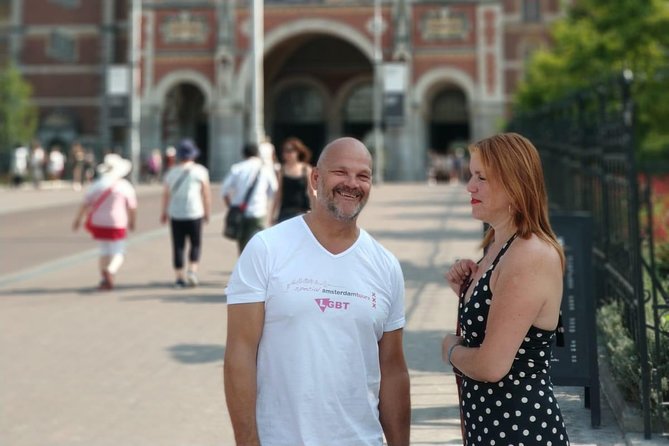
The headline advantage here is the guide himself. Henk is not presenting history from behind a podium. He’s lived through key phases of Amsterdam’s LGBTQI+ movement, and that comes through in the way the tour is paced and the way the stories land.
In a small group, that matters even more. When the group is capped at 15 travelers, you’re less likely to feel like you’re on a conveyor belt. Questions don’t just get asked at the end; you can ask as you walk. You’re also more likely to get the kind of follow-up that makes history feel connected to today.
Another plus for many people: the tour is explicitly friendly to straight allies. That doesn’t mean it turns into a generic “everyone is equal” speech. It means your curiosity is expected and respected, and the guide doesn’t treat you like an outsider for not living the history. For anyone who’s nervous about tone or subject matter, that welcome helps a lot.
From the reviews and tour framing, Henk also tends to mix personal perspective with education. One detail that stuck with people is his knack for empathy when the topic becomes heavy, including the losses tied to the AIDS crisis. You should expect the tour to be honest, not sanitized.
Westermarkt to the Gay Monument: where the tour sets its emotional compass
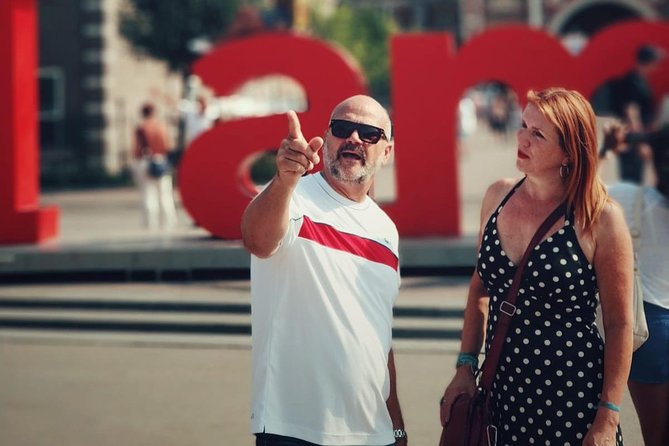
The tour begins at Westermarkt 2L, 1016 DW Amsterdam, with a start time of 11:00 am. From there, you head to the Gay Monument, where the tour spends about 30 minutes and includes an admission ticket.
This first stop does two jobs at once. It places the LGBTQI+ story inside the broader narrative of victims and remembrance, and it also sets up the Netherlands as an early adopter of public recognition—at least in the sense that Amsterdam chose to put these meanings into the cityscape with a real monument.
Practically, starting here is smart. It gives you a frame before the tour moves into neighborhoods and streets. You’re not walking past places thinking, I wonder what this is. You start with an anchor: why the city marks certain corners and what those markings are trying to teach.
The one thing to watch is emotional readiness. This isn’t a tour that only talks about progress in a celebratory way. It begins with loss and survival, which can be powerful if you’re open to that, and heavy if you prefer lighter sightseeing.
Canal walk toward Dam Square: 17th-century planning with a modern lens

After the monument, you walk along canals toward Dam Square. Along the way, you’ll look at 17th-century houses and hear how the area became known for city planning ideas. The guide uses these buildings as evidence: Amsterdam didn’t just grow randomly. It planned, built, and shaped public life over time.
This is where the tour becomes more than a rights-history lecture. Architecture and urban design affect who can gather, where people can be seen, and how communities can exist in public. Even if the guide doesn’t spell it out every minute, the connection shows up in the way you look at the street.
Dam Square is the next major setting, and the walk gets you there gradually. You’re not doing a marathon, but you are walking steadily. That’s also a good sign for pacing: the tour is short enough that you can stay engaged, but long enough that you’ll feel like you moved through real city sections—not just stood on one curb.
If you want a tour that helps you understand why Amsterdam feels like a patchwork of eras, this canal-to-square section is the bridge. It ties past city structure to later social structure.
Dam Square and the Royal Palace: seeing the meaning without adding museum time
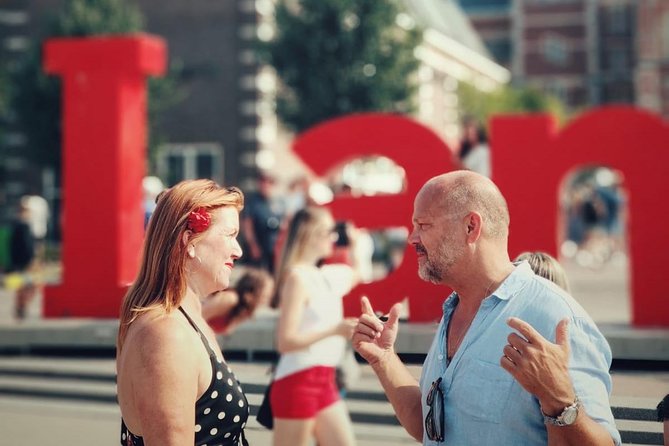
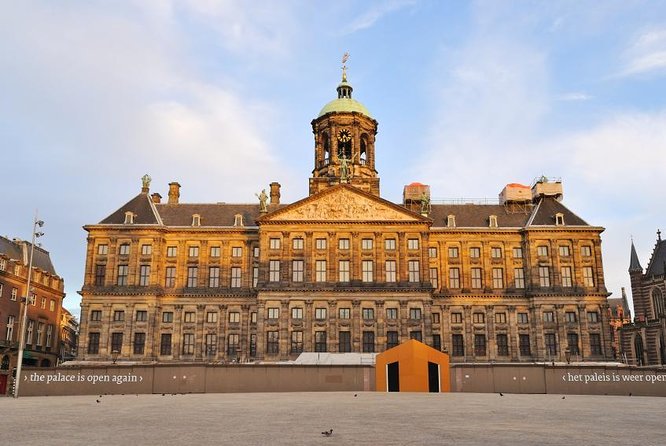
On Dam Square, the tour hits two connected themes: what Dam Square is, and how power shows up in LGBTQI+ stories.
You’ll spend about 10 minutes at Dam Square, with an admission ticket included. The guide explains the square’s longer history and focuses on what’s LGBTQI+ related there. Dam Square is one of the biggest public stages in Amsterdam. That makes it a perfect place to discuss visibility—who gets protected, who gets targeted, and how public life changes as laws and attitudes shift.
Then there’s the Royal Palace Amsterdam stop. You’ll see and hear the origins of the palace on Dam Square and how it connects to gay life in the 17th century. The key point: you don’t have time to visit the Palace interior. That’s not a flaw so much as a trade-off. The tour keeps moving to keep the narrative tight.
So here’s the practical advice: if you were hoping for a full palace visit, you’ll need to plan that separately. But if you’re doing this tour specifically for context, the “see it from the outside and learn why it matters” approach works well. You’re getting the meaning fast, without adding a whole extra ticket and time commitment.




The red light district and the leather street: history told at street level
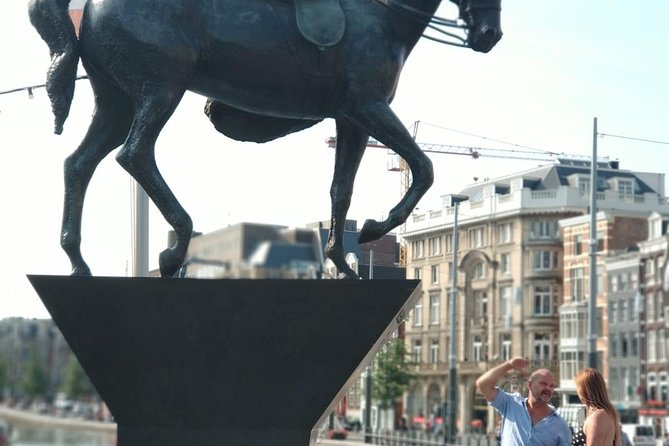
After Dam Square, the tour moves into the red light district area. You’ll walk and hear about what’s known there as the leather street of Amsterdam. The guide also invites questions during this stretch, especially if you want more detail about how the district developed and what it meant for different kinds of lives and identities.
This part of the route can be fascinating because it’s where history meets present-day tourism. The guide’s job is to keep you from reducing the area to stereotypes. Instead, you should come away with an understanding of how commerce, regulation, and community life shaped visibility.
A practical consideration: expect busy streets and lots of visual distractions. Even with a small group, this is the part where you’ll need to keep an eye on where you’re walking. Wear shoes that let you move comfortably and keep your focus on the guide’s explanations rather than the shops and windows.
If you’re uncomfortable with adult-themed sights, it might still be fine because the tour frames the area historically and socially. But it won’t be a soft-focus version of Amsterdam.
Chinatown, the oldest gay bar, and Bet van Beeren on Zeedijk
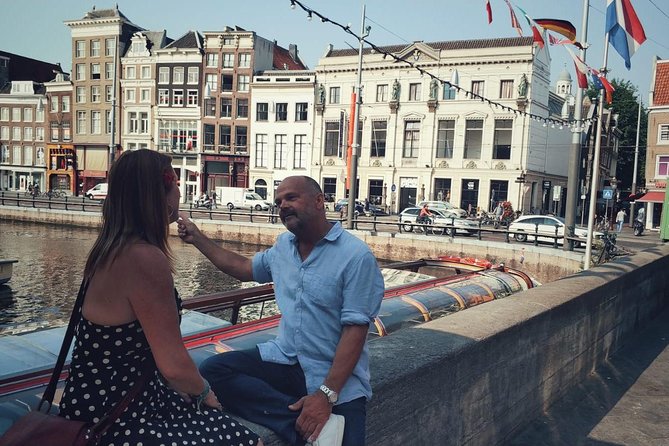
The last section shifts again. You’ll hear about a street once described as the roughest in Amsterdam, then connect it to LGBTQI+ life—including the oldest gay bar in Amsterdam. The tour also covers why German soldiers in WWII were not allowed in this part of the city, tying the local story to a specific wartime exclusion.
That WWII detail matters because it reframes the area as more than nightlife. It becomes part of resistance and protection narratives tied to place and community behavior.
The tour ends at the bar of Bet van Beeren, finishing at Café ’t Mandje, Zeedijk 63, 1012 AS Amsterdam. The location is close to Central Station, so it’s convenient for your next move—whether you want dinner, another walk, or just an easy transition back to your hotel.
I also think ending at a real bar is smart. It gives you a natural finish line, and it lets you keep the conversation going informally. You’re not forced to rush to a new meeting spot right after the tour ends.
Price and value: what $42.33 buys you in real time
The price is listed as $42.33 per person, with about 2 hours on the clock. The tour averages being booked around 26 days in advance, which is a clue that it tends to sell out during good planning windows.
Is it “cheap”? In Amsterdam, no walking tour is really cheap. But value here comes from three practical sources:
- A small group cap (max 15) that protects the attention you get from the guide
- Admission included at two points (Gay Monument and Dam Square)
- A guide with personal, lived perspective on Amsterdam’s early movement and what it took to reach today’s recognition
Also, the tour includes only the escort/host—so you’re not paying for a bunch of extra vehicle time or big venue entries that you don’t use. You’re paying for a guided story through the city.
If you’re the type who dislikes “standing in one spot for a long time,” the route’s structure works. You get movement, stops, and short segments that keep engagement up.
What to bring and how to survive the walk comfortably
This tour includes the guide, but you should bring your own water and walking shoes. That’s not optional advice—Amsterdam streets are made for walking, but they can also be slick with rain and crowded with tourists.
You should also plan for weather. The experience requires good weather, and if it’s canceled due to poor conditions, you’ll be offered a different date or a full refund. So even if you arrive hopeful, have a rain plan ready.
Mobile ticket is part of the experience, so keep your phone charged. It’s easier than juggling printed documents.
Good news if you’re worried about logistics: it’s near public transportation, and service animals are allowed. And most travelers can participate, since it’s a walking tour rather than something with lots of steps or special equipment requirements.
And if you’re thinking about timing: because it starts at 11:00 am, you can fit it early in your Amsterdam day without feeling like it steals your entire afternoon.
Who should book this LGBTQI+ History Tour of Amsterdam?
This is a strong fit if you’re doing Amsterdam for the first time and want to understand how the city got its reputation. It’s also a great choice if you’ve already seen the classic sights and feel ready for a more human, rights-based viewpoint.
It also makes sense if you’re traveling with friends of different backgrounds—LGBTQI+ history tours can sometimes feel like a “club event.” This one specifically signals that straight allies are welcome, which helps set expectations.
If you’re sensitive to heavier topics, read your comfort level carefully. The tour begins with remembrance for victims and may include difficult discussion, including AIDS-related loss. That honesty seems to be part of what people value most, but it’s not a background soundtrack. It’s a focus.
If you want a “museum visit” day, this may not satisfy your craving for indoor time. The Royal Palace stop is an intro without a visit, and the rest is outside.
So the sweet spot is: you want history, context, and a guided story that stays readable in just two hours.
Should you book the LGBTQI+ History Tour of Amsterdam?
Yes, if you want a guided walk that treats LGBTQI+ history as part of Amsterdam’s real streets and public life. The standout reason to book is Henk and the small-group format. You’ll get direct answers, a personal tone, and a route that moves you from remembrance to city planning to public squares to nightlife.
Skip it (or consider alternatives) if you want a long indoor itinerary, a strictly celebratory story, or a tour that avoids adult-themed areas. This one isn’t trying to be sterile. It’s trying to explain the city the way it actually is.
If you’re flexible on weather and show up with walking shoes and a bit of open-mindedness, it’s a high-value use of time in Amsterdam.
FAQ
How long is the LGBTQI+ History Tour of Amsterdam?
The tour runs about 2 hours.
What time does the tour start, and where is the meeting point?
It starts at 11:00 am at Westermarkt 2L, 1016 DW Amsterdam.
What is the group size limit?
The tour has a maximum of 15 travelers.
Is the tour available in English?
Yes, the tour is offered in English.
Are admission tickets included?
Admission tickets are included for the Gay Monument and Dam Square. The Royal Palace is not included.
Where does the tour end?
The tour ends at Café ’t Mandje, Zeedijk 63, 1012 AS Amsterdam, near Central Station.
What should I bring?
Bring your own water and walking shoes.
Is the tour friendly for straight allies?
Yes, straight allies are warmly welcomed for this walking tour.
What happens if the weather is bad?
This experience requires good weather. If it’s canceled due to poor weather, you’ll be offered a different date or a full refund. Free cancellation is also offered up to 24 hours in advance.