REVIEW · RED LIGHT DISTRICT TOURS
Red Light District tour in Amsterdam
Book on Viator →Operated by Guidance Travel · Bookable on Viator
A walk here teaches fast. You’ll get historical context and local street insight without racing through it. I like the small-group feel and the calm pace that makes hard topics easier to discuss, and I also like that you get a practical map for the area after the tour. One important consideration: since 2020, the city doesn’t allow guides to take groups into the Red Light District itself.
This is the kind of tour you can do early in your Amsterdam stay, so the neighborhood starts making sense when you come back on your own. You’ll cover stops like De Wallen, Dam Square, and Zeedijk, with plenty of time for questions, and a guide who keeps the tone respectful and human. It’s also a flat walk overall, and the group limit is 15 travelers, so it doesn’t feel like a moving crowd.
You’re paying about $31.44 for 1.5 hours of focused storytelling and direction, not for entry tickets into specific attractions. If you’re expecting a sightseeing sprint inside De Wallen during the tour, you’ll need to adjust—this walk is mostly around the edges.
In This Review
- Key Things You Should Know Before You Go
- Entering Amsterdam’s Red Light Story from the Outside
- Price and Why $31.44 Feels Reasonable
- Meeting Point and What the 90 Minutes Feel Like
- Stop-by-Stop Route: De Wallen to Your Post-Tour Map
- De Wallen (the Red Light District): Why Here, Why Then
- Dam Square: Where the Coffee Shop Idea Started
- Warmoesstraat: Old Street, New Entertainment Energy
- Zeedijk: Chinatown’s Rise, Fall, and Reinvention
- Nieuwmarkt: Legalization and the Real-World Challenges
- Kloveniersburgwal: Coffee Shops and Their Legal Status
- Paulusbroederssluis: Your Map to Explore On Your Terms
- Coffee Shops, Tolerance, and How the City’s Rules Shape What You See
- Chinatown, Warmoesstraat, and the Streets That Frame the District
- How the Guide Keeps It Respectful (and Really Discussable)
- Who This Tour Suits Best
- Should You Book This Red Light District Walk?
- FAQ
- How long is the Red Light District walking tour?
- How much does the tour cost?
- Is the tour offered in English?
- Where does the tour start and end?
- How many people are in the group?
- Will we enter the Red Light District during the tour?
- What is included in the price?
- Is admission required for the stops?
- Is there a mobile ticket, and is it near public transportation?
- Can I cancel for a full refund?
Key Things You Should Know Before You Go
You won’t walk through De Wallen during the tour because guided entry has been prohibited since 2020.
You get a map for after the walk, so you’re not left wondering where to go next.
It’s built around Amsterdam’s tolerance story, linking prostitution history and the coffee shop culture.
Group size is small (max 15), which helps with questions and a relaxed pace.
The tone is often funny and candid, with guides like Manouk, Carlos, Nadav, David, and Valeria praised for making topics feel manageable.
Entering Amsterdam’s Red Light Story from the Outside
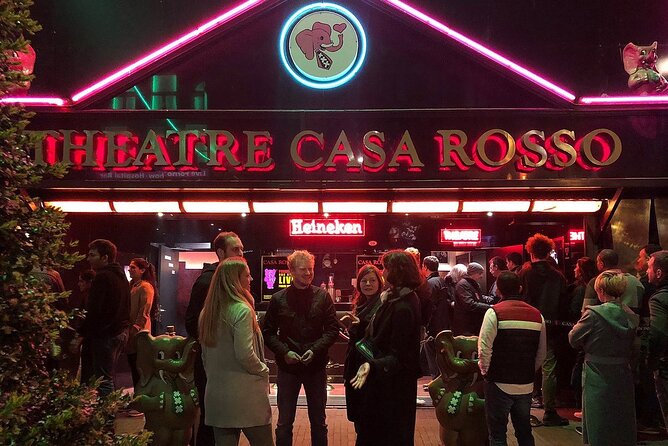
The biggest value of this tour is how it connects what you see on the street to why the city became what it is. You don’t just get a list of facts; you get the logic behind them—why sex workers settled in a particular area, why coffee shops appeared where they did, and how laws and public attitudes shaped the neighborhood over time.
I also like the “outer loop” approach. Instead of being stuck in one tight spot, you get a broader view of the district’s surroundings. That matters in Amsterdam because neighborhoods bleed into each other, and the edges tell the story too.
One more reason it works: it’s designed to be a calm 1.5 hours. The walk is moderate and Amsterdam is largely flat, so it’s usually doable even if you’re not a long-distance walker. The guide also keeps the pace manageable, with a couple of guides highlighted for being patient and funny when people ask awkward questions.
You can also read our reviews of more tours and experiences in Amsterdam.



Price and Why $31.44 Feels Reasonable
At $31.44 per person, you’re buying a guided explanation of one of Amsterdam’s most talked-about areas—plus a map and a small gift. Because every stop on the route is listed as admission ticket free, your money goes toward the guide’s time and the structure of the walk.
For value, the big question is: will you understand more than if you just walked around? Here, the answer tends to be yes. The tour’s focus stays tight: prostitution history, the coffee shop origin story, and how nearby streets like Warmoesstraat and Zeedijk changed over time. Even people who only want a base understanding tend to leave with clearer context.
Also, this tour books up. The average booking time is about 37 days in advance, so if you have a narrow travel window, you’ll save yourself stress by locking in early.
Meeting Point and What the 90 Minutes Feel Like
You’ll start at Bistro Berlage, Beursplein 1, 1012 JW Amsterdam, and the tour ends back at the same meeting point. It’s offered in English, and you’ll have a mobile ticket. The area is also near public transportation, so you can tie it into other plans without much fuss.
Timing-wise, plan for about 1 hour 30 minutes. Along the way, the group moves between short “story stops” and also walks through the surrounding streets while the guide talks. The total walking time isn’t extreme, but you are outside, so bring layers if the weather turns.
The group limit—15 travelers—isn’t just a number. It changes the vibe. Smaller groups make it easier to ask questions, and the guides praised in the feedback often answered everything from history to daily-life questions, without rushing people off the topic.
Stop-by-Stop Route: De Wallen to Your Post-Tour Map
This is a perimeter-style walk. You’ll learn the significance of the Red Light District without being taken into the center during the tour.
De Wallen (the Red Light District): Why Here, Why Then
Your first stop is De Wallen, the historic heart of the neighborhood. Expect a clear explanation of the area’s role in Amsterdam’s prostitution story—why sex workers chose to settle there and how the city developed a reputation for being more liberal about sex than many European places.
This is the part that sets the framework for everything else. Once you understand the “why here” piece, the later stops about laws, coffee culture, and street evolution feel less random.




Dam Square: Where the Coffee Shop Idea Started
Next up is Dam Square. This stop focuses on Amsterdam’s coffee shop reputation, including what was once central to the city’s tolerance and freedom—and how the coffee shop concept connects to that attitude.
Even if you don’t plan to visit coffee shops, this is useful. It explains why the idea is tied to civic identity, not just nightlife.
Warmoesstraat: Old Street, New Entertainment Energy
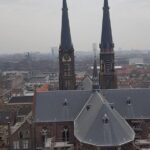
At Warmoesstraat, you’ll hear how one of Amsterdam’s oldest streets shifted into a modern entertainment zone. You also get a glimpse of the Old Church, which helps you remember this neighborhood isn’t just about tonight—it has deep roots.
This stop is good for your mental map. It shows you where the Red Light story sits inside a much larger Amsterdam story.
Zeedijk: Chinatown’s Rise, Fall, and Reinvention
At Zeedijk, the walk turns to nearby history. You’ll learn how this street relates to Chinatown, and how the area was once considered more dangerous in the 1970s. You’ll also hear how things changed and why the street became a favorite spot for many Amsterdammers.
This is a smart pivot. It keeps the tour from becoming a one-note lecture about one topic. The neighborhood changes because people and policies change.
Nieuwmarkt: Legalization and the Real-World Challenges
At Nieuwmarkt, the guide talks about the legalization of prostitution and the challenges sex workers face today. This is where the tour becomes more human and more grounded, connecting “law” to “lived life.”
If you care about nuance, this stop is a good check-in point. It keeps the story from turning into pure shock or pure myth.
Kloveniersburgwal: Coffee Shops and Their Legal Status
At Kloveniersburgwal, you’ll focus on coffee shops and their cultural significance, including what the city allows and how that shapes what you see.
This is useful because coffee shops are often misunderstood by first-time visitors. The guide helps you understand how the system works in practice, not just how it’s discussed online.
Paulusbroederssluis: Your Map to Explore On Your Terms
The last stop is Paulusbroederssluis, where you receive a map with information for the final stretch. You’ll use it to discover the famous area yourself afterward.
This is also where you’ll feel the tour’s “outside the district” reality clearly. It’s not a disappointment if you treat it as setup time: learn the context first, then decide how you want to explore afterward.
Coffee Shops, Tolerance, and How the City’s Rules Shape What You See
What I found most helpful is how the tour ties two things together that often get separated: prostitution history and the coffee shop culture. The guide explains how Amsterdam’s tolerance story isn’t only about one policy. It’s about an entire civic attitude that shows up in multiple corners of the city.
You’ll hear about coffee shops at Dam Square and again at Kloveniersburgwal, with an emphasis on their legal status. That matters because it changes the way you interpret the storefronts and the street behavior. You start looking at the neighborhood as a regulated system with real history behind it.
And since the tour doesn’t push you into the center, you can still keep your comfort level. You’re learning without feeling like you’re being pulled into a scene. That balance is part of why many guides are praised for making the tone respectful and safe.
Chinatown, Warmoesstraat, and the Streets That Frame the District
One of the smartest parts of this walk is that it includes streets that help you understand the neighborhood’s context. Warmoesstraat and Zeedijk don’t just sit nearby—they explain how the area evolved alongside other parts of Amsterdam.
At Zeedijk, the Chinatown connection helps you see that the Red Light District didn’t exist in a bubble. Social change, safety perceptions, and community reinvention all play roles. You’re not only learning about sex work; you’re learning about neighborhood transformation.
This framing also helps on a practical level. After the tour, you’re more likely to wander with purpose instead of just drifting. The map you get at Paulusbroederssluis becomes more useful because you already understand what you’re seeing and why it matters.
How the Guide Keeps It Respectful (and Really Discussable)
A lot rides on the guide, and the feedback here is consistently upbeat about style. Guides like Manouk, Carlos, Nadav, David, and Valeria are repeatedly praised for being friendly, funny, patient with questions, and able to answer things clearly.
What stands out is that the tone is often described as not overly sex-focused. Instead, it’s framed around history, culture, and real questions. If you’re worried the walk will feel awkward or too graphic, your best bet is to show up with the mindset of learning about policy, community, and how Amsterdam became Amsterdam.
There’s also a practical expectation you should hold. A couple of comments mention that sometimes the pace can feel quicker than the promised duration, so if you’re the type who asks lots of questions, go in ready to speak up early rather than waiting until the end.
Who This Tour Suits Best
This tour is great if you want:
- A focused explanation of why De Wallen became famous, not just what it looks like
- Context for Amsterdam’s tolerance story, including coffee shop culture
- A relaxed 1.5-hour walk with a guide you can question
It may be less ideal if you’re only looking for photos or if your dream is to walk straight through the center during the tour. City rules since 2020 prevent guided groups from entering the actual district, so you’re always doing a perimeter-style experience.
It also suits first-timers who want a foundation without booking multiple separate activities. And if you like “walk and talk,” the short story stops work well because you’re moving, not sitting.
Should You Book This Red Light District Walk?
If you want a smart, respectful orientation to Amsterdam’s most controversial neighborhood, I’d say yes. The structure is built for understanding: you’ll get clear stops, a small-group feel, and a map to help you explore independently after.
Book it if you:
- like history and street-level context
- want the coffee shop and legalization angles explained in plain language
- enjoy asking questions and hearing local perspective
Skip it if you:
- need guided access inside the Red Light District center during the tour
- just want a generic city walk and don’t care about the specific story threads
One last tip: dress for walking and set expectations. This isn’t a scandal parade. It’s a structured explanation of how laws, culture, and people shaped a neighborhood—and the guide’s job is to help you see it clearly.
FAQ
How long is the Red Light District walking tour?
It lasts about 1.5 hours, with stops and walking between them.
How much does the tour cost?
The price is $31.44 per person.
Is the tour offered in English?
Yes, the tour is offered in English.
Where does the tour start and end?
It starts at Bistro Berlage, Beursplein 1, 1012 JW Amsterdam, and it ends back at the same meeting point.
How many people are in the group?
The tour has a maximum of 15 travelers.
Will we enter the Red Light District during the tour?
No. Tours have been prohibited from entering the Red Light District since 2020, so this tour goes to the outskirts and you receive a map to explore afterward.
What is included in the price?
You get a 1.5-hour walking tour, a map with information for the last stretch, and a small gift guaranteed to bring a smile.
Is admission required for the stops?
The stops are listed as admission ticket free.
Is there a mobile ticket, and is it near public transportation?
You get a mobile ticket, and the meeting area is near public transportation.
Can I cancel for a full refund?
Yes. Free cancellation is available up to 24 hours in advance for a full refund.