REVIEW · CITY TOURS
CULTURE Cultural city tour
Book on Viator →Operated by Herzblut - Amsterdam Stadtführungen mit Herz & Seele! · Bookable on Viator
Amsterdam makes sense with the right guide. This 2.5-hour cultural city tour in Amsterdam’s historic core mixes canal life with stories about religion and monarchy, plus quick stops at standout squares and buildings. You don’t just get facts—you get the kind of cheerful context that makes the city feel human.
Two things I really like: the professional guide who keeps the pace lively with history tied to everyday details, and the stop choices that cover both the famous sights and the neighborhoods that give Amsterdam its personality. The route also includes entry/tickets for most stops, which is good value for a short time.
One consideration: it’s only about 2.5 hours, so if you’re craving lots of time inside buildings or a deeper, museum-style slow walk, this may feel a bit quick.
In This Review
- Key Highlights You’ll Feel on the Walk
- A 2.5-Hour Amsterdam Tour That Hits the City’s Real Themes
- Meeting at Beursplein: Simple Start, Easy Flow Back
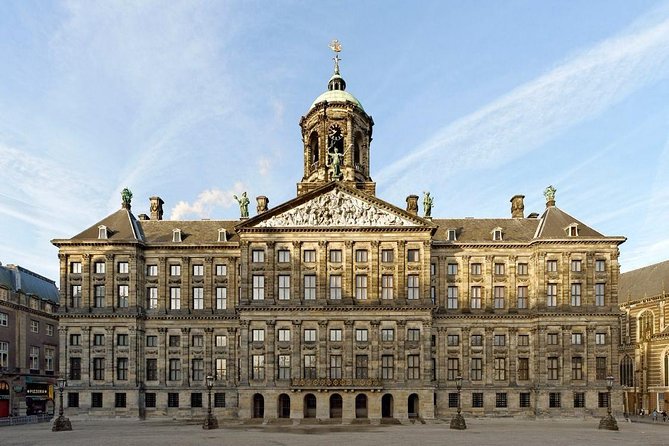
- Dam Square (45 Minutes): Power, Origins, and What You’re Looking At
- Magna Plaza (15 Minutes): Architecture You Can Actually Spot Fast
- Torensluis (30 Minutes): Canal Life, Colonial Threads, and Urban Change
- The Jordaan (20 Minutes): Atmosphere, Not Just Checklist Sightseeing
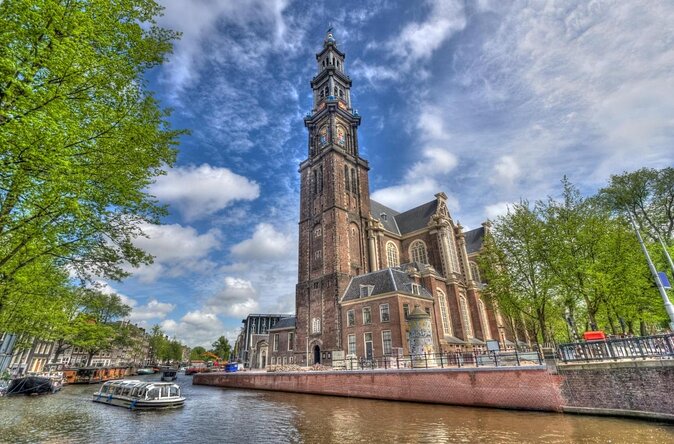
- Westerkerk (10 Minutes): Carillon Sounds and Church Stories
- How the Tour Connects Canals, Religion, Monarchy, and Culture
- Price and Value: What $30.86 Buys You in Amsterdam Time
- Best for First-Timers, Curious Walkers, and People Who Like Stories
- A Practical Tip Before You Go
- Should You Book This Amsterdam Cultural City Tour?
- FAQ
- How long is the cultural city tour in Amsterdam?
- Where does the tour start and end?
- How much does the tour cost?
- Are tickets for the stops included?
- What’s included in the tour price?
- How big is the group?
- What is the cancellation policy?
Key Highlights You’ll Feel on the Walk
- Small group cap (up to 8): easier questions, more personal explanations
- Canals, religion, monarchy: these themes get woven through multiple stops
- Dam Square focus (45 minutes): a solid grounding in power, origins, and daily life
- Westerkerk carillon stop: church sounds and stories, without turning it into a lecture
- Most entries included: you handle fewer ticket decisions on the spot
- Starts and ends at Beursplein: convenient, central meeting point
A 2.5-Hour Amsterdam Tour That Hits the City’s Real Themes
I like tours that help you read a city as you walk. This one does that by connecting Amsterdam’s “big topics” to visible places: how the city grew, how power worked, and why canals aren’t just scenery. You’ll spend enough time at the main points to form a mental map, then you get neighborhood atmosphere to make that map stick.
The tour also has a tone I appreciate: cheerful, story-driven, and specific. You’re not left with a blur of dates—you’re given little details that explain why certain buildings and squares feel the way they do today. That’s the kind of guidance that makes Amsterdam less overwhelming, especially if it’s your first visit.
You can also read our reviews of more city tours in Amsterdam



Meeting at Beursplein: Simple Start, Easy Flow Back
The tour meets at Beursplein (1012 Amsterdam) and returns there. That matters more than people think. In a city with lots of canals and side streets, being anchored at one central point reduces stress and helps you plan the rest of your day afterward.
You’ll use a mobile ticket, which keeps things friction-free. And because the group is capped at 8 people, the guide can keep momentum without losing everyone on a crowded sidewalk. If you’re hoping for interaction—asking a question, getting a quick orientation tip—that smaller size helps.
Dam Square (45 Minutes): Power, Origins, and What You’re Looking At
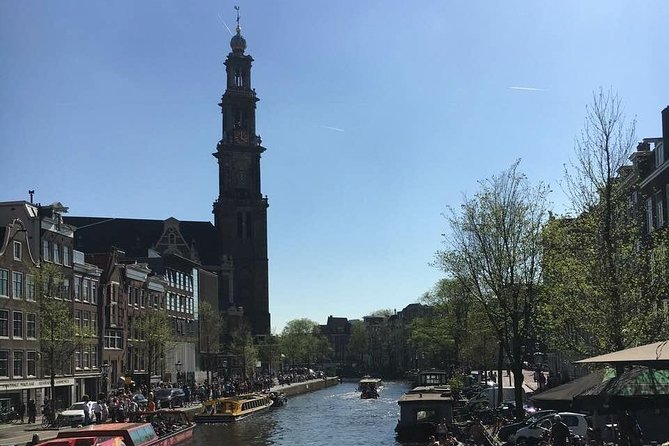
You start with Dam Square, which is smart. It’s the kind of place where lots of visitors “see the landmark,” but the real value is understanding why it mattered. You’ll get historically relevant buildings around the square explained in a way that connects government, monarchy, and daily life—then and now.
In this first stop, I’d think of it as your orientation checkpoint. The guide’s stories help you figure out what to notice when you look at the square’s surroundings: who held influence, how Amsterdam organized itself, and why the city’s central spaces look the way they do. This is especially useful if you’re planning to wander afterward, since you’ll recognize references in the streets nearby.
Practical note: the tour lists this stop as not including admission tickets, so don’t expect entry-based surprises here. Still, the time spent is generous enough to make the explanation feel earned.
Magna Plaza (15 Minutes): Architecture You Can Actually Spot Fast
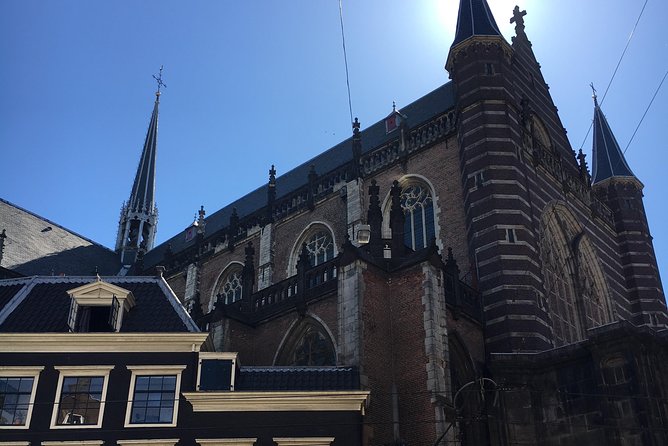
Next you’ll head to Magna Plaza for about 15 minutes. This is a quick architectural breather—short enough to keep you moving, long enough for the guide to point out what makes the building interesting.
What I like about this stop is the training effect. You’ll learn how to look at style, structure, and design choices without needing a full architectural tour. By the time you leave, you’ll be more aware of how Amsterdam blends usefulness with visual personality—especially in places that serve modern shopping and city life.
Because the tour indicates admission/ticket inclusion for this stop, it also breaks the “outside-only” feeling you can get on walking tours. You get a small taste of entering a notable space rather than just circling landmarks.
Torensluis (30 Minutes): Canal Life, Colonial Threads, and Urban Change
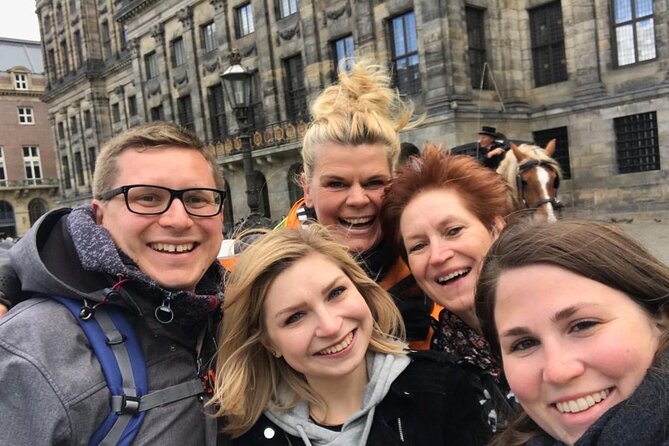
Then comes Torensluis, where the tour’s canal theme becomes more than a talking point. You’ll spend around 30 minutes learning about life on the water—what it meant to move through canals, how the city developed, and how architecture shaped daily routines.
This stop also brings in bigger historical context, including references connected to Holland’s colonial rule and historical figures. That might sound heavy for a sightseeing walk, but the point here is clarity: canals weren’t just pretty—they were part of Amsterdam’s economic engine, and that engine connected to global politics.
I find this a useful kind of storytelling because it changes how you read the water in front of you. Instead of seeing “boats and bridges,” you start noticing the role the canal system played in shaping neighborhoods, trade, and the city’s growth. Even if you already know Amsterdam was a merchant power, you’ll likely pick up a few angles you wouldn’t think to connect on your own.
The itinerary notes admission/ticket inclusion here too, so you’ll have a structured reason to stop for the canal explanation rather than turning it into a photo break alone.



The Jordaan (20 Minutes): Atmosphere, Not Just Checklist Sightseeing
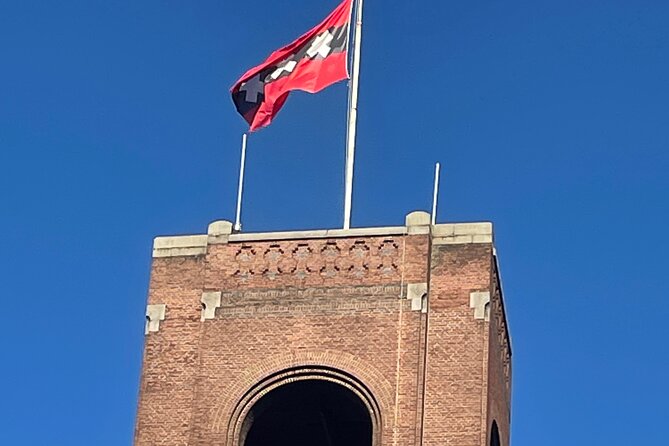
After Torensluis, you move into the Jordaan, about 20 minutes. This part is less about monuments and more about feeling the neighborhood. The tour keeps it simple: you’ll soak up the impressions and learn what makes the area’s atmosphere distinctive.
I like this pacing. It prevents the whole tour from turning into “history class with walking shoes.” The Jordaan works as a contrast: you get earlier city power explained, then you experience a neighborhood mood where you can imagine how people live outside the big central stage.
Because this stop lists admission/ticket inclusion, it’s not only a stroll with no purpose. The guide will help you connect what you’re seeing—street rhythm, building character, neighborhood feel—to the larger story of how Amsterdam developed. Even if you don’t remember every detail afterward, you’ll remember the vibe, and that’s what makes planning a later free wander easier.
Westerkerk (10 Minutes): Carillon Sounds and Church Stories
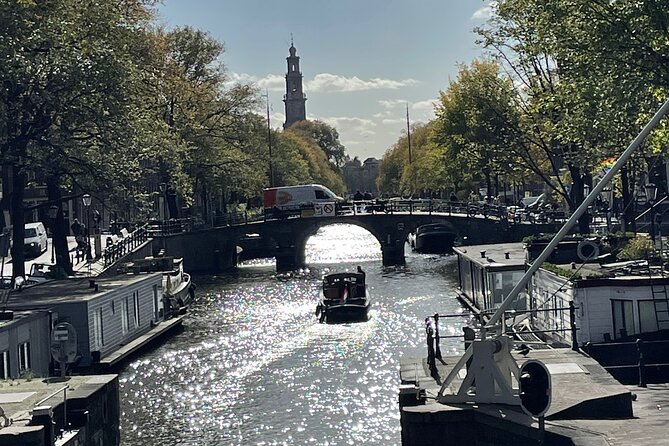
You finish at Westerkerk for about 10 minutes. This is a shorter stop, but it’s a good closer because it adds a sensory layer to the tour’s themes: the church and its carillon.
The guide provides information, stories, and carillon. That combination matters. In Amsterdam, religious architecture often shows up as impressive scenery. Here, you get context for why these buildings mattered socially and culturally, and you get a reminder that sound—bells, bells in a city full of waterways—was part of how people experienced time.
This is also where the tour’s theme work pays off: religion is not treated like an abstract topic. It’s part of how the city shaped communities, space, and identity.
Admission/ticket inclusion is listed for this stop, so expect it to feel like more than a quick exterior glance.
How the Tour Connects Canals, Religion, Monarchy, and Culture
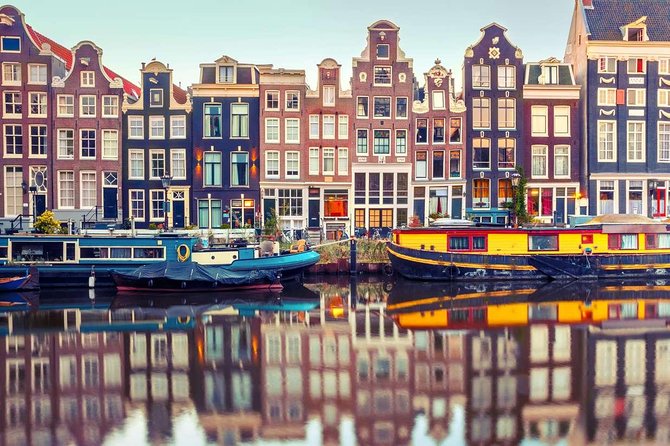
One reason I’d recommend this tour is that it doesn’t treat each stop as unrelated sightseeing. The tour explicitly returns to themes like canals—origin, architecture, special features, plus religion, monarchy, culture. You can feel those connections even if you don’t consciously track them.
Here’s how that plays out in real life:
- Canals become a “why” for city layout, not just a photo backdrop.
- Monarchy and religion stop being distant concepts and show up as forces shaping public space.
- Architecture becomes easier to read when you understand what the city needed at different points in its development.
And that helps you afterward. When you walk back through Amsterdam independently, you’ll likely spot the same details the guide trained your eyes to notice—bridges, canal edges, central squares, church prominence—without feeling lost.
Price and Value: What $30.86 Buys You in Amsterdam Time
At about $30.86 per person for roughly 2 hours 30 minutes, this is priced in the “short, high-impact” category. For me, the value is less about the dollar amount and more about what you get packed into that time.
You’re paying for:
- A professional guide
- Multiple meaningful stops across different parts of the historic center
- Tickets included for several stops, while Dam Square is specifically noted as not including admission
That combination can be worth it because Amsterdam’s center is easy to walk but harder to interpret. If you’re the type who likes understanding what you’re seeing, guided time usually beats trying to piece everything together from an app while you’re rushing to catch your next plan.
Also, the tour’s group size cap (up to 8) helps justify the price. It’s not “just another generic big group walk,” and you’ll feel that difference in how smoothly the explanation lands.
Best for First-Timers, Curious Walkers, and People Who Like Stories
This tour fits well if any of these are true:
- It’s your first time in Amsterdam and you want orientation without committing to a full-day plan.
- You like history told through real places—squares, churches, canals, and neighborhoods.
- You want a guided pace that’s active but not exhausting.
- You prefer a small group where it’s easier to ask questions.
If you’re an absolute expert on Dutch history and you’re looking for long, deep dives into one topic, you might find the time tight. But for most people—especially those who want the heart-and-soul feel—this is a strong format.
One small clue from earlier feedback: a guide named Anne was singled out for being a great guide. That lines up with the tour’s overall style: cheerful, detailed, and focused on making the city feel personal rather than academic.
A Practical Tip Before You Go
Come ready to walk more than you think. The tour is only about 2.5 hours, but those 5 main stops move through central Amsterdam where sidewalks can get busy. Wear comfortable shoes, and if you care about photos, keep your camera handy—you’ll pass plenty of canal and square views where the guide is pointing out what to look for.
Also, don’t try to “memorize everything.” The goal is to build a mental map. If you leave knowing the connections—canals to trade, monarchy to public space, church to community—you’ve basically gotten the real payoff.
Should You Book This Amsterdam Cultural City Tour?
I think this is a good booking if you want a friendly, organized way to understand Amsterdam quickly. The best reasons to book are the small group size, the story-driven guidance, and the fact that the route ties together canals, religion, monarchy, and culture rather than acting like disconnected sightseeing.
Skip it (or temper expectations) if you want long stops inside major sights or a slower pace focused on one building at a time. This is designed for efficiency and clarity, not for soaking in every corner.
If you’re trying to decide between going it alone and booking a guide, my advice is simple: if you want your first Amsterdam walk to feel meaningful, this is the kind of tour that makes the city click.
FAQ
How long is the cultural city tour in Amsterdam?
It lasts about 2 hours 30 minutes.
Where does the tour start and end?
It starts at Beursplein, 1012 Amsterdam and ends back at the same meeting point.
How much does the tour cost?
The price is $30.86 per person.
Are tickets for the stops included?
Tickets are not included for Dam Square, but admission/tickets are listed as included for Magna Plaza, Torensluis, the Jordaan, and Westerkerk.
What’s included in the tour price?
A professional guide is included.
How big is the group?
The tour has a maximum of 8 travelers.
What is the cancellation policy?
You can cancel for a full refund up to 24 hours in advance. If you cancel less than 24 hours before the start time, the amount paid is not refunded.