REVIEW · BIKE & E-BIKE TOURS
Bill’s Bike Tour Amsterdam – Culture, Liberalism & Tolerance
Book on Viator →Operated by Bill's Bike Tour · Bookable on Viator
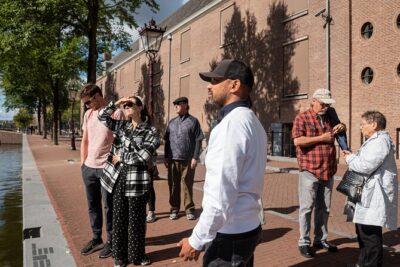
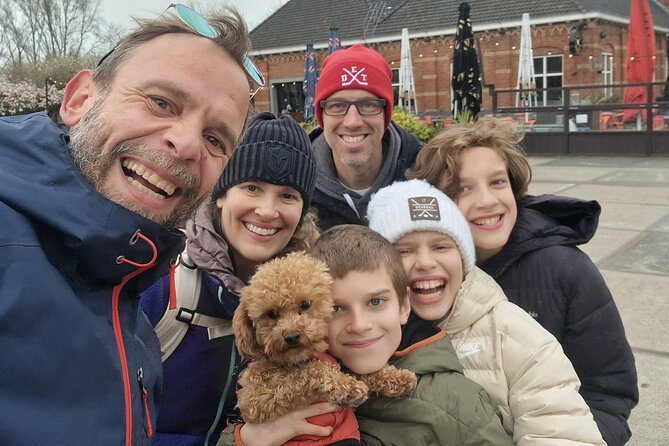
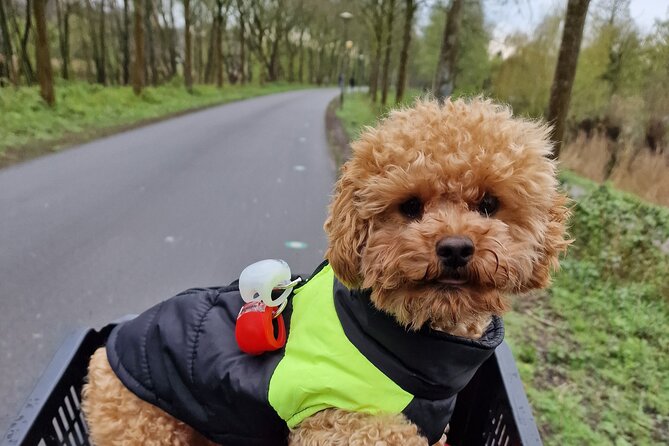
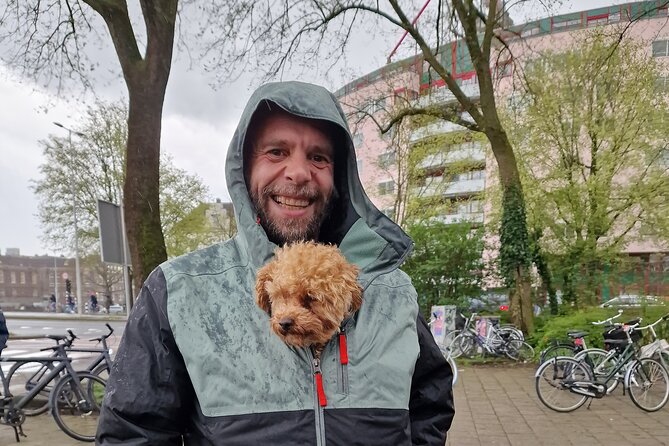
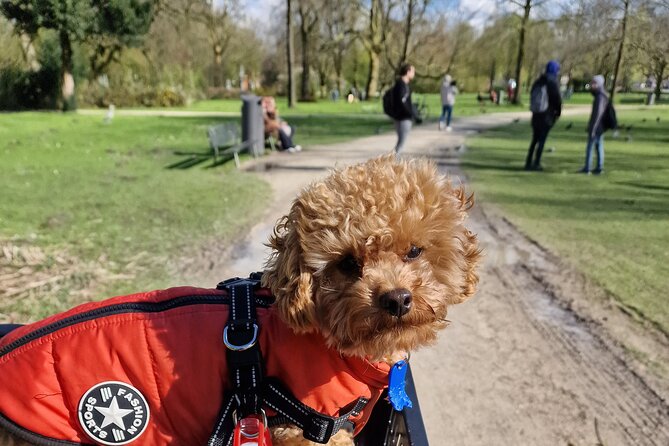
Amsterdam looks different at pedal speed. I love how you’re taken onto lesser-known streets away from the densest tourist center, and I love that the group stays tiny with max 12 so Bill (Pim) and his wingman puppy Herman can actually talk with you, not just at you. You also get a culture-forward route, not a checklist.
What really sells it for me is the mix of Amsterdam’s everyday life with offbeat stops—street art, wind and water engineering, reform-minded chocolate, and creative neighborhoods. The ride also includes a ferry transfer plus Bill takes photos and videos along the way, so you spend less time juggling your phone while you’re pedaling. One possible drawback: the tour needs good weather, and Amsterdam in the cold months can feel chilly even with breaks and snacks.
In This Review
- Key highlights you should actually care about
- Why this bike tour feels more like Amsterdam life
- Price and value: $79.79 for 3 hours that add up
- The practical stuff: where to meet and what you’ll carry
- Stop-by-stop: the route you’ll actually remember
- Hotel de Windketel: small spaces and big design energy
- Keith Haring mural: street art with major public presence
- Molen De Bloem: windmill talk that finally makes sense
- Tony’s Chocolonely superstore: chocolate with ethics baked in
- Gashouder: an old gas factory turned music space
- Prinseneiland: a secret-feeling canal district away from the crowds
- Haarlemmerpoort: a medieval entrance gate you’ll walk through in minutes
- Houthavens: reclaimed land and a working example of change
- Hotel Pontsteiger: a modern pier-side view over the River IJ
- Pllek: a container bar with a gravel-beach vibe
- NDSM Wharf: the ferry ride to graffiti, pop-up art, and creative energy
- The Veronica Ship: pirate radio, but make it physical
- Museum Het Schip: Amsterdam School architecture you can feel
- Realengracht: wooden draw bridges for your camera-and-your-eyes moment
- Pacific at Westergasfabriek: the last drink that turns a tour into a memory
- Who this tour suits best (and who should think twice)
- Should you book Bill’s Bike Tour Amsterdam?
- FAQ
- How long is Bill’s Bike Tour Amsterdam?
- How many people are on the tour?
- What’s included in the price?
- Is the ferry ride included?
- Where does the tour start and end?
- Is bottled water included?
- Is the ticket mobile?
- Who can participate?
- What weather conditions are required?
- Do the stops require paid admission?
Key highlights you should actually care about
- Small group pace (up to 12) keeps the ride relaxed and personal.
- Bike + ferry connects you to parts of Amsterdam most people skip.
- A culture-and-tolerance lens, not just pretty photos.
- Creative stops with real stories: from Keith Haring to Amsterdam School architecture.
- Comfort and convenience: bikes provided, plus photos/videos to share afterward.
Why this bike tour feels more like Amsterdam life
This tour is built around the idea that Amsterdam is best understood in motion. When you ride, you notice how neighborhoods connect—bridges, quays, side streets, and those canal edges that look photogenic but also feel functional. The guide, Pim (Bill) with Herman, frames what you see in terms of daily habits and social norms, which is where the tour’s liberalism and tolerance theme shows up in a natural way.
I also like that the stops aren’t all big monuments. You’ll pause for things that explain how the city works—how land gets reclaimed, how public space is used, and how creativity becomes part of the streets. Even the playful bits, like Herman stealing attention, never derail the flow.
You can also read our reviews of more cycling tours in Amsterdam
Price and value: $79.79 for 3 hours that add up
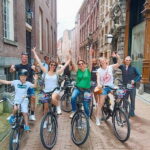
At $79.79 per person for about 3 hours, this is priced like a “proper activity,” not a budget filler. The value comes from the package feel: bike use is included, the ferry transfer is included, and you get snacks plus a small chocolate treat. On top of that, you get photos/videos from the ride, which is handy if you’d rather look at the city than manage your camera.
Another quiet value point is the short stop times. Many pauses are around 5–15 minutes. That keeps the pace moving while still giving you enough time to read what matters and ask questions.
The practical stuff: where to meet and what you’ll carry
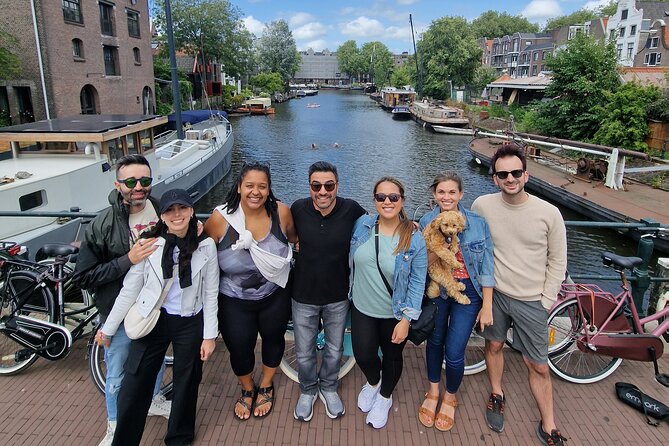
You start and end at Waterspiegelplein 10, 1051 PB Amsterdam. It’s set up as a loop, so you don’t spend your time figuring out how to get back.
The booking uses a mobile ticket, and the tour is designed so most people can participate. It also has a weather requirement, so if forecasts are grim, plan on a change to your schedule rather than forcing it. Bottled water isn’t included, so bring your own water and non-alcoholic drinks if you like to stay hydrated your way.
Finally, keep in mind the tour runs with a maximum of 12 travelers. That smaller cap is a big deal in Amsterdam, because it reduces the “all looking forward, no one talking” vibe you get on larger rides.
Stop-by-stop: the route you’ll actually remember
Below is what you can expect as you pedal through the city. Think of it as Amsterdam’s brain (engineering and design), Amsterdam’s values (tolerance and public life), and Amsterdam’s creativity (art, music venues, and modern neighborhoods).
Hotel de Windketel: small spaces and big design energy
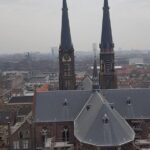
You begin at Hotel de Windketel, described as the smallest hotel in Europe of the 20th century. It’s a quick stop, but it sets a tone for the tour: Amsterdam often does more with less space, and form follows practical life. If you like architecture and city planning, this is an early win because it’s not just a pretty building—it’s a reminder that tight living is normal here.

Keith Haring mural: street art with major public presence
Next up is the Keith Haring mural, painted on the wall of the former depot of the Stedelijk Museum. The mural is described as the biggest piece on public display in Europe by the famous New York artist. Bill uses it as a springboard to talk about public art and how Amsterdam gives space to expression without needing permission from a traditional museum setting.
A nice part of this stop is that it feels accessible. You’re not waiting in lines. You just stop, look, and move on.
Molen De Bloem: windmill talk that finally makes sense
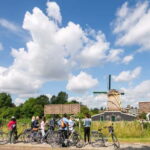
At Molen De Bloem, you’ll hear from Bill (Cornflower Bill) about draining the lands, land reclamation, and why about a quarter of the Netherlands is below sea level. This is the kind of topic that can sound dry until you’re standing in front of a windmill that made it practical.
If you want one takeaway from this tour, it’s this: Amsterdam’s famous canals aren’t only scenery. They’re part of a broader water-management system, and the city’s relationship with water is a daily reality.
Tony’s Chocolonely superstore: chocolate with ethics baked in
Then you’ll head to the Tony’s Chocolonely area for a chocolate tasting at the former location of the brand. The emphasis here is not just flavor. It’s a story about the company taking a stand that shook the global chocolate industry, pushing for slave-free chocolate made without child labor.
Even if you’re not a food-nerd, the tasting works because it’s short and you’re walking away with context. It’s a very Amsterdam kind of lesson: moral choices discussed in everyday life.
Gashouder: an old gas factory turned music space
At Gashouder, you’re looking at a former gas factory that later became a major nightlife venue. The tour frames it as one of the most exquisite night clubs in Amsterdam, and it points to famous DJs such as Armin van Buuren and Martin Garrix among those connected to the venue’s rise.
The practical angle for you: this isn’t just trivia. You’re learning how Amsterdam reuses industrial spaces instead of demolishing them. The city often treats its past like raw material, not something sealed away.
Prinseneiland: a secret-feeling canal district away from the crowds
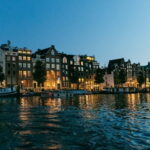
Now you get into Prinseneiland, where you experience Amsterdam’s canal system away from the dense tourist crush in the city center. This stop is all about atmosphere. You’ll see the canals as lived-in edges—quiet boats, brick and water textures, and streets that feel made for daily wandering.
This is also where the small-group format helps. You’re not constantly trying to squeeze past strangers. You can slow your attention down.
Haarlemmerpoort: a medieval entrance gate you’ll walk through in minutes
At Haarlemmerpoort, you’ll see a medieval entrance gate into Amsterdam from the direction of Haarlem. It’s a quick stop, but gates like this matter because they explain the city’s movement patterns—where people came from, where the city began, and how it evolved beyond walls and gates.
Even a short pause helps here, because it gives you scale. Amsterdam can feel timeless, but you’ll start noticing older layers.
Houthavens: reclaimed land and a working example of change
Then comes Houthavens, the former lumber port that’s been reclaimed for new housing development. The tour describes it as sustainable, dynamic, and beautiful—plus it’s a live example of land reclamation in progress.
This is a strong stop for two reasons. First, you connect it back to the windmill explanation about water control. Second, you see how engineering can lead to housing and neighborhood growth, not just infrastructure.
Hotel Pontsteiger: a modern pier-side view over the River IJ
At Hotel Pontsteiger, you’ll pause near Pontsteiger Pier with views over the River IJ. The building is described as a contemporary hotel in a square arch-shaped building, and it notes that it’s about 3 km from the Anne Frank House and 4 km from the Rijksmuseum.
Use this stop as your orientation moment. From here, you start seeing how Amsterdam’s “big sights” sit inside a bigger urban fabric, not floating on their own island of history.
Pllek: a container bar with a gravel-beach vibe
You’ll make a short snack-and-drink stop at Pllek. The tour describes it as the hippest bar in Amsterdam with a luxury container-bar setup and a gravel beach looking over the IJ river. This is where you recharge without fully stepping out of the day.
If you’re riding in colder weather, keep your expectations flexible. Past tours have included warm comfort breaks when the city turns chilly, and the vibe here makes sense as a reset point.
NDSM Wharf: the ferry ride to graffiti, pop-up art, and creative energy
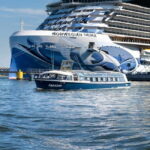
Then you cross by ferry to NDSM Wharf in Amsterdam North. The tour frames it as a best-kept secret you’ll only reach with that quick ride over the IJ. Here you’ll see graffiti and pop-up art from local artists.
This stop is worth your time because it’s a different side of Amsterdam than canals and museums. It shows how creative communities use space, sometimes in temporary ways, and how the city makes room for that activity.
The Veronica Ship: pirate radio, but make it physical
You’ll also see the Veronica Ship in Amsterdam North, described as the inspiration of the famous movie Pirate Radio. It’s one of those sights that works best when you already love pop culture, but even if you don’t, it’s a fun bridge between Amsterdam’s real-life creative scene and what cinema borrowed from it.
Museum Het Schip: Amsterdam School architecture you can feel
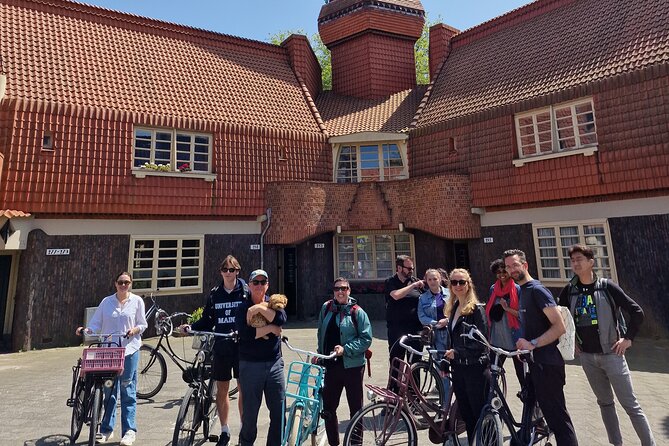
Next is Museum Het Schip, tied to the iconic 1923 apartment complex. The museum highlights Amsterdam School Architecture, which the tour notes inspired architect Antoni Gaudí.
This is where the tour shifts from streets to built form. You’ll probably leave with a clearer sense of what “Amsterdam style” means—brickwork, curves, and those design details that look decorative but also reflect how people wanted to live.
Realengracht: wooden draw bridges for your camera-and-your-eyes moment
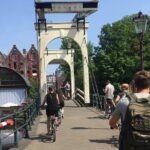
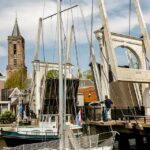
You’ll pass Realengracht, described as the most scenic wooden draw bridges in Amsterdam. This is a smaller stop, but it’s also one of those moments that makes bike tours feel worth it. Bridges are where Amsterdam changes pace, and you feel the city’s water rhythm in a visual way.
Pacific at Westergasfabriek: the last drink that turns a tour into a memory
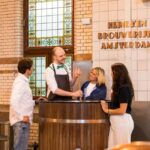
Finally, the tour concludes at café Pacific in the Westergasfabriek area, described as Bill’s favorite bar. You share a drink, stories, and—if the group has good energy—some easy friendly conversation.
This final part matters. It wraps up the day without rushing you to the next big stop. You leave with impressions you can actually talk about later, not just photos.
Who this tour suits best (and who should think twice)
This is a great fit if you want culture and social context alongside real-world street scenes. If you like art that lives in public spaces, if you enjoy architecture, or if you simply want to see Amsterdam beyond the central canal grid, this route makes a lot of sense.
It’s also a smart choice if you value comfort and safety while riding. The small group size and route choice keep the experience calmer than biking through the thickest crowds.
The main reason to hesitate is weather. The tour requires good weather, and it’s a bike ride. So if you’re traveling in a rainy week or hate cold weather, choose your date carefully.
Should you book Bill’s Bike Tour Amsterdam?
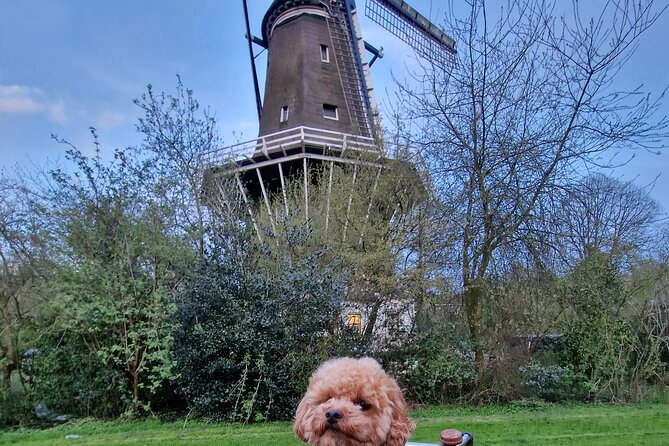
Yes, if you want a bike tour with substance. The combination of Bill’s storytelling, Herman’s charm, and the mix of engineering, ethics, and creative neighborhoods makes this more than a ride around canals.
If your goal is only the famous skyline photos, you might find this slower and more interpretive than expected. But if you want Amsterdam’s quieter streets, its water-management mindset, and its tolerance culture in plain, human terms, this is a strong pick—and at $79.79 for about 3 hours with ferry transfer and added extras, it’s also good value.
FAQ
How long is Bill’s Bike Tour Amsterdam?
It runs for about 3 hours.
How many people are on the tour?
The group has a maximum of 12 travelers.
What’s included in the price?
You get bicycle use, transfer by ferry, photos and videos of the tour, snacks, a small chocolate treat, and tips, tricks, and recommendations for your Amsterdam stay.
Is the ferry ride included?
Yes. Ferry transfer is included during the tour.
Where does the tour start and end?
It starts at Waterspiegelplein 10, 1051 PB Amsterdam, and it ends back at the meeting point.
Is bottled water included?
No. Bottled water is not included, so you may want to bring your own water and non-alcoholic drinks.
Is the ticket mobile?
Yes, this experience uses a mobile ticket.
Who can participate?
Most travelers can participate.
What weather conditions are required?
The tour requires good weather. If it’s canceled due to poor weather, you’ll be offered a different date or a full refund.
Do the stops require paid admission?
The tour information lists admission as free at the listed stops.