REVIEW · HISTORICAL TOURS
Amsterdam: Private World War Two History Walking Tour
Book on GetYourGuide →Operated by Slagveldreizen.nl · Bookable on GetYourGuide
WWII arrives fast when you look at the street. This private Amsterdam walk tracks the Nazi occupation through real corners, stark memorials, and stories that connect big events to individual lives. I like that it is guided by retired historians and that it keeps the pace human, with room for your questions.
Two things I really like: the small private group (up to 4) and the photo-and-name materials that turn deportations into people you can actually picture. One consideration: this tour is heavy, and it does not stop at major standalone sites like the Anne Frank House, the Resistance Museum, or the Hollandsche Schouwburg—so you may want those separately if they’re on your list.
In This Review
- Key Highlights at a Glance
- Why This Amsterdam WWII Walk Feels Personal in Only 3 Hours
- Meeting at Prinsengracht 263: Start Where the Story’s Hard to Ignore
- The First Big Moment: German Army Entry and Amsterdam’s Shock
- Resistance Monuments and Street-Level Memory
- Dam Square on May 7, 1945: One Place, Several Meanings
- The Winter of Hunger: Food Drops and the Cost of Waiting
- One Amsterdam Street, All Its Victims: Names Over Numbers
- The Auschwitz Violin Player Statue: A Symbol You Can Actually Notice
- Coffee Stop and Your Paper Take-Home
- Wheelchair-Friendly Pace Without Rushing You
- Guide Quality: Peter Schaapman and the Retired-Historian Style
- What’s Not on the Route (And Why That Can Be Good)
- Price and Value: $188 Per Group Up to 4
- Who Should Book This WWII Walking Tour
- Who Might Want a Different Option
- Should You Book It
- FAQ
- FAQ
- What is the duration of the Amsterdam private WWII walking tour?
- How many people are in a group?
- What time does the tour start and where do we meet?
- Is the tour guided in English?
- Is the tour wheelchair accessible?
- Does this tour include entry tickets to museums?
- Are refreshments included?
- What should I bring?
- Is there free cancellation?
Key Highlights at a Glance
- Private group, max 4 people for real conversation (no headset headset vibe).
- Retired historian guides, including Peter Schaapman as one of the standout guides.
- Dam Square, May 7, 1945, explained in the context of the final days of occupation.
- Winter of hunger food drops and how survival played out in the city.
- One Amsterdam street, all its Jewish residents, with a small book featuring photos and names.
- A statue tied to an Auschwitz violin player, used to focus your attention on deportation and loss.
Why This Amsterdam WWII Walk Feels Personal in Only 3 Hours
This tour is built for visitors who want Amsterdam beyond canals and bicycles. You’ll walk past occupation-era sites and monuments, but the focus stays on meaning: what happened here, why it mattered, and how Amsterdamers were affected.
The pacing is part of the value. There’s no audio system pulling you along, and the group walks at a pace you choose. That makes a big difference when the subject matter gets intense, because you’ll want time to take it in.
Also, the time format is honest: it’s about 3 hours, with the option it may run a bit longer. The halfway coffee/restroom stop helps you stay focused instead of rushing to the next stop.
You can also read our reviews of more walking tours in Amsterdam
Meeting at Prinsengracht 263: Start Where the Story’s Hard to Ignore
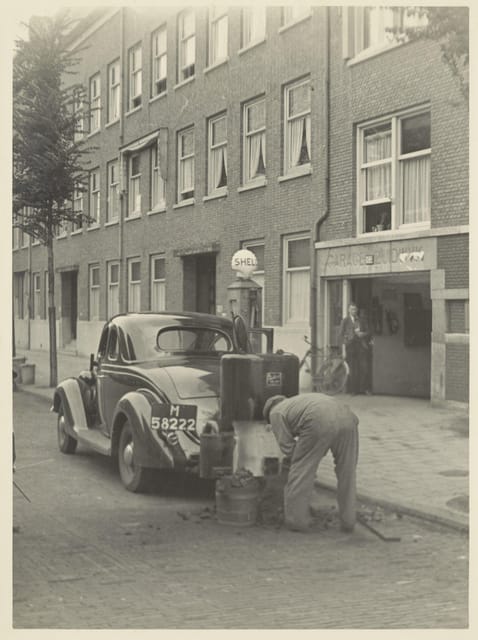
The tour starts at 9:30 A.M. in front of the old Anne Frank House at Prinsengracht 263. The guide will be holding a big notebook, and the spot is marked by the Anne Frank Huis plate—between the museum and a lunch café. There’s even a handy local-style trick: you’re in the right place if you can touch the number plate 263.
Starting here matters because it immediately frames the setting. Even though you won’t enter the Anne Frank House on this particular walk, you’re beginning in a neighborhood where occupation history is layered into the street plan.
Bring an umbrella. In Amsterdam, weather can change fast, and you’re outside for the whole experience.
The First Big Moment: German Army Entry and Amsterdam’s Shock
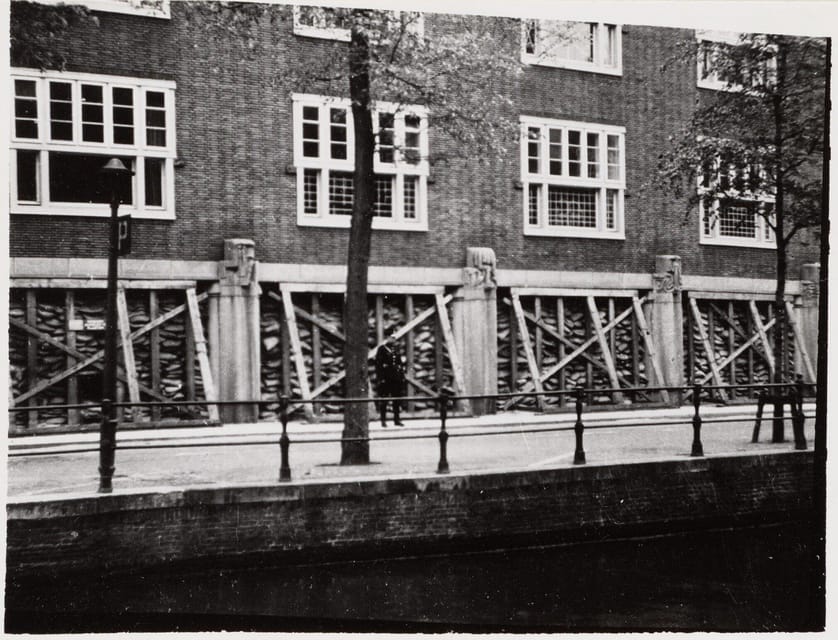
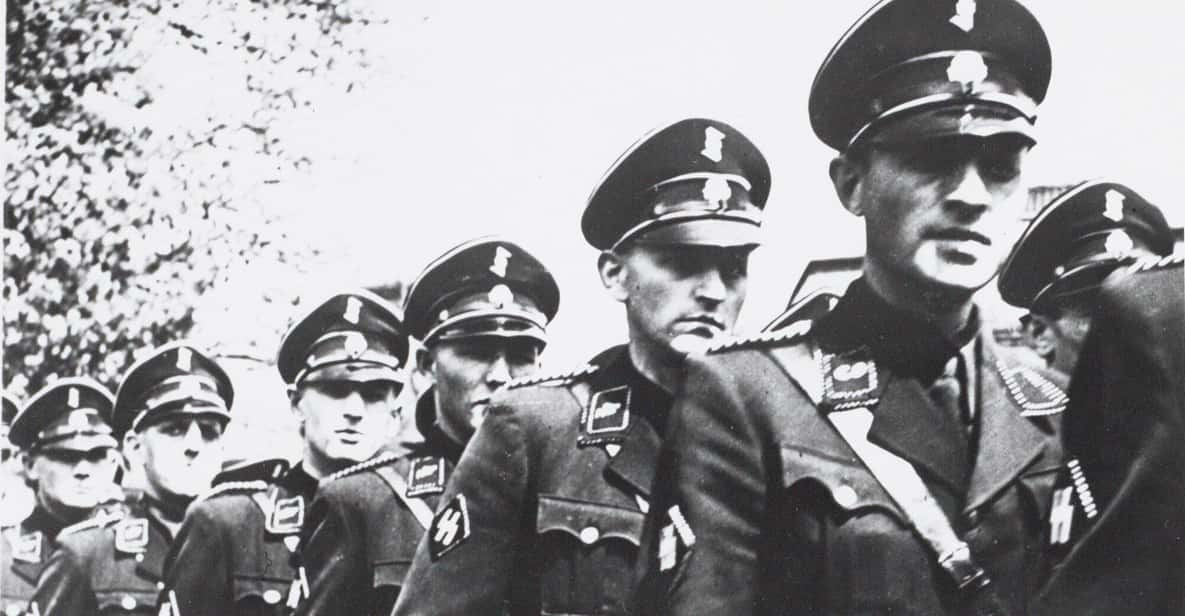
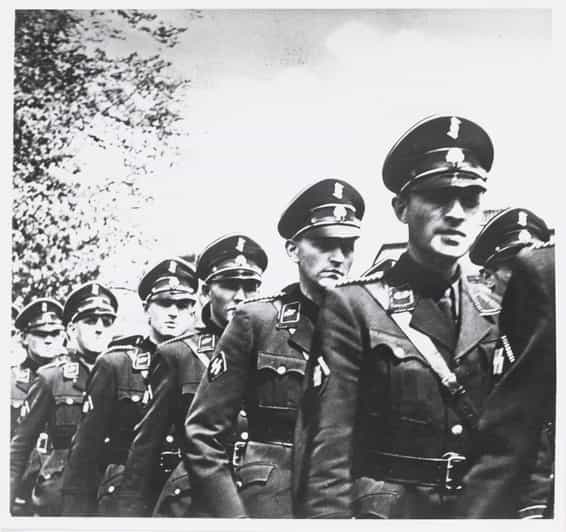
One of the earliest topics is the entry of the German army (the Wehrmacht). You don’t just get a one-sentence timeline; you get visual support through photos taken in the period. The guide uses those images to show what acceptance and intimidation could look like from street level.
You’ll also learn how power was displayed at key civic spaces. A major example is the former town hall area, now the Grand Hotel, where the German army was welcomed at one point—and later, the Canadian army was cheered. That kind of contrast hits hard, because it shows how quickly a city’s emotional weather can flip.
This part of the tour is valuable because it explains the psychological rhythm of occupation: public rituals, propaganda, and fear moving in step.
Resistance Monuments and Street-Level Memory
As you move through the center, you’ll reflect on resistance monuments and learn the story behind them. This is where the walk becomes more than sightseeing. The memorials act like a map of choices—who resisted, what they risked, and how communities tried to hold onto truth when survival left little room for it.
The guide approach matters here. With no audio system and a group of up to four, you can ask follow-up questions as you process what you’re seeing. It’s the kind of setup that helps the facts land, rather than bouncing off.
Also, you’ll see preserved photos taken by Dutch resistance fighters at locations tied to the moments shown. That creates a strong link between the past and where you’re standing now.
Dam Square on May 7, 1945: One Place, Several Meanings
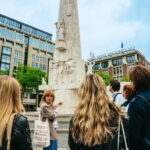
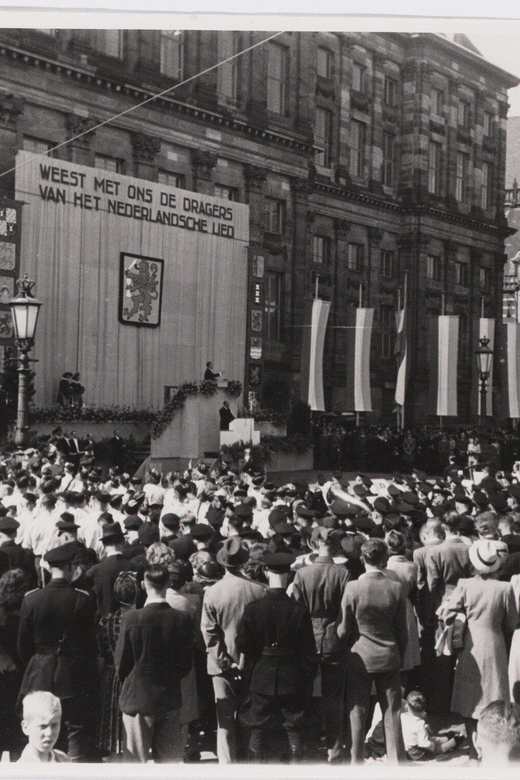
A key stop is the shooting incident on Dam Square on May 7, 1945. That date sits at the edge of liberation, so it carries extra emotional weight. The tour doesn’t treat it like a random violent headline; it places it into the messy transition from occupation toward freedom.
Walking to Dam Square with this context changes how the square reads. Even though the city looks like a postcard from some angles, the tour asks you to see the layers under the surface: what people were trying to secure, what they feared, and what violence could still erupt right at the finish line.
You’ll also notice how the guide uses photos and monuments to keep the story tied to place, not just dates.
You can also read our reviews of more private tours in Amsterdam




The Winter of Hunger: Food Drops and the Cost of Waiting
Another standout theme is the winter of hunger and the role of food dropping. The city’s wartime reality shows up not only in buildings and monuments, but also in basic survival problems.
This is one of those parts where the tour does a good job connecting policy and lived experience. When you understand why people were starving, you also understand why later acts—large and small—could feel life-giving. It gives the occupation story a human scale.
If you’ve read about famine before, you’ll still like this segment because you’ll see how the struggle played out in Amsterdam’s specific streets and rhythms.
One Amsterdam Street, All Its Victims: Names Over Numbers
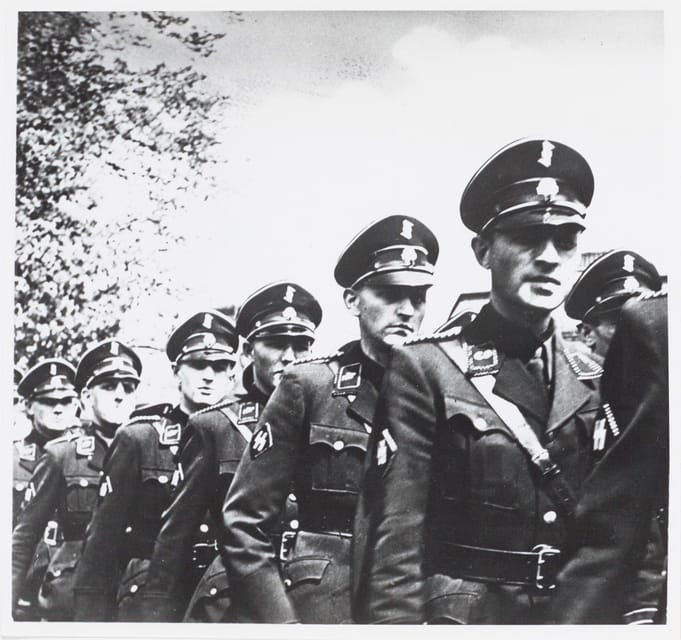
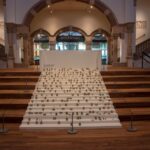
Here’s the segment that often stays with you. The tour selects one Amsterdam street and then walks you through the fate of all its Jewish residents. The guide shares a small book made for you, complete with photos and names, so deportation stops being an abstract mass statistic.
This is a powerful way to learn, because it forces you to think beyond category labels. You’re not only absorbing facts about deportations to Auschwitz and Sobibor; you’re seeing what those choices did to families and neighbors.
You’ll also learn how the Dutch resistance documented what was happening, and you’ll hear about how evidence survived even when it was dangerous to keep. That adds a layer of respect to the material: you’re not just learning tragedy, you’re learning how truth was preserved.
The Auschwitz Violin Player Statue: A Symbol You Can Actually Notice
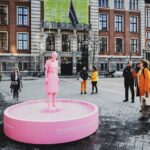
You’ll also see a statue connected to the famous Auschwitz violin player. This isn’t a random stop. The guide uses it as a prompt to talk about memory, persecution, and what survives when everything else is stolen.
A statue like this can feel almost too simple when you first spot it. The tour’s job is to help you read it correctly—so you understand what the symbol is meant to carry, and why it still matters in public space today.
Even if you’ve seen references to this story elsewhere, watching how the guide ties it to the broader deportation narrative helps the details click.
Coffee Stop and Your Paper Take-Home
Around halfway through, you get a short break for coffee and/or a restroom visit. The coffee itself isn’t included, but the pause is part of the tour design, not an afterthought.
You can also have something to eat during that stop, like a late breakfast. That small flexibility helps if you’re starting the morning and want to keep energy steady without turning the tour into a sprint.
During the walk, you’ll receive information on paper that you can keep. That’s useful on two levels: it reinforces what you hear, and it gives you something to study later when you’re back at your hotel sorting out names, dates, and locations.
Wheelchair-Friendly Pace Without Rushing You
The tour is wheelchair accessible, and the group can walk at a pace of your choosing. If you need accommodations—especially around the coffee stop and route—you should email in advance so the guide can take it into account.
I like this approach because it treats accessibility as part of planning, not a last-minute workaround. In a history-heavy walk, being stuck with an inflexible pace can make it harder to think clearly, and this tour tries to avoid that.
Guide Quality: Peter Schaapman and the Retired-Historian Style
This tour is guided by three retired historians who have a passion for the German occupation during World War II. That matters, because it changes how the story is told. You get explanations that connect the what with the why, and the guide can answer questions beyond the basic script.
In the feedback I’ve seen, Peter Schaapman comes up repeatedly for his excellent guidance and strong storytelling. People especially value how his extensive knowledge stays human—less lecture, more story with direction.
No headset also helps. With up to four people, you get personal attention without the awkwardness of trying to be heard through a group dynamic.
What’s Not on the Route (And Why That Can Be Good)
A quick heads-up: the tour does not visit the Anne Frank House, the Resistance Museum, or the Hollandsche Schouwburg (the deportation center). Tickets for those museums are not included, and drinks during the coffee stop are not included either.
This choice can actually be a positive for some visitors. You get a focused walking experience centered on occupation sites, monuments, and deportation context rather than splitting time across multiple separate attractions.
But if those specific locations are must-dos for you, plan to add them on another day. This tour is designed to complement, not replace, the major museum visits.
Price and Value: $188 Per Group Up to 4
The price is $188 per group (up to 4 people) for about 3 hours. If you split that between two or four people, it becomes more reasonable than you might expect for a private, historian-led walking tour.
The value isn’t only the price. It’s the structure: no audio system, a pace that follows you, and materials like a photo-and-name street book. That’s hard to replicate with self-guided reading, especially when you’re learning a painful chapter where accuracy and careful framing matter.
For solo visitors, it’s still an option if you want maximum attention. Just be sure you’re comfortable with the heavy subject matter and with the fact that you’re not going inside the big museums.
Who Should Book This WWII Walking Tour
Book it if you want:
- A private walk with room to ask questions
- Occupation history focused on streets, monuments, and deportation context
- Personal materials like a small book with photos and names
- A guide team of retired historians, with English-language storytelling
This is also a good fit if you prefer learning in small steps rather than big museum halls. The walk format helps you connect what you read later to what you saw in the city.
Who Might Want a Different Option
This tour is emotionally heavy. If you’re looking for a lighter historical overview, you might want a different kind of Amsterdam history walk.
And if your top priority is visiting the Anne Frank House, the Resistance Museum, or the Hollandsche Schouwburg during this same outing, you’ll need to plan those separately. This experience is intentionally routed around the occupation sites and street-level memorials rather than those interiors.
Should You Book It
I’d book this if you want WWII history that feels grounded—down to street names, photo evidence, and the fate of people you can meet through documentation. The combination of a small group, historian guides, and the “one street” approach makes it more memorable than a generic overview.
If you’re sensitive to trauma or you need a lighter schedule, think carefully and consider adding museum stops only if you truly want them. For most people who come to Amsterdam specifically to understand the occupation period, this tour is a strong, focused way to spend a morning.
FAQ
FAQ
What is the duration of the Amsterdam private WWII walking tour?
The tour lasts about 3 hours, and it may run a bit longer.
How many people are in a group?
The group size is never more than 4 people.
What time does the tour start and where do we meet?
It starts at 9:30 A.M. at Prinsengracht 263, in front of the old Anne Frank House, where the guide holds a big notebook.
Is the tour guided in English?
Yes, the live guide speaks English.
Is the tour wheelchair accessible?
Yes, it is wheelchair accessible. If you’re using a wheelchair, it’s advisable to email the provider so the coffee stop and route can be taken into account.
Does this tour include entry tickets to museums?
No. The tour does not visit the Anne Frank House, the Resistance Museum, or the Hollandsche Schouwburg, and tickets for those museums are not included.
Are refreshments included?
Coffee and/or a restroom break are included, but drinks during the coffee stop are not included.
What should I bring?
Bring an umbrella, since the tour is outdoors.
Is there free cancellation?
Yes. You can cancel up to 24 hours in advance for a full refund.