REVIEW · WALKING TOURS
Amsterdam Private Walking Tour of Famous Painters
Book on Viator →Operated by Snurk.Travel · Bookable on Viator
Paint, politics, and beer in 3 hours. On this private walking tour, Amsterdam’s Golden Age art story is told through the streets that helped shape it, with English or Russian guidance along the way. You’ll move from church power struggles to the Jewish neighborhood and back to the art scene, all while learning how painters fit into real life.
I especially like how the route connects big names to specific places you can stand in front of. You get a clear arc from Frans Hals and Jan Steen—woven into everyday culture and drinking traditions—to a dedicated look at Rembrandt and what helped him survive, adapt, and succeed. I also like the honest mix of art plus the messier context around it, including religious conflict and social penalties that show up in Golden Age themes.
One watch-out: at $231.52 per person for a 3-hour private walk, it’s best value when you have a small group that genuinely wants painter-focused history, not just generic Amsterdam sightseeing. If your goal is mostly museums and indoor masterpieces, you may find this feels more like story-driven walking than a gallery day.
In This Review
- Key takeaways before you go
- Entering Amsterdam’s “Golden Age” frame at Centraal Station
- St. Nicholas Basilica and the fight between Catholics and Protestants
- In ’t Aepjen: Dutch drinking culture through Jan Steen and Frans Hals
- Chinatown stop: a quick reset and a reminder about Amsterdam’s mixing
- Nieuwmarkt and De Waag: myths of witches, prisoners, and punishment
- Rembrandt House: the artist behind the paintings
- Portuguese Synagogue and Jewish neighborhood life
- English and Russian guidance, and why a private group changes the feel
- Value of $231.52 per person: when this price makes sense
- How the 3-hour pace works, plus what to plan for
- Should you book this Amsterdam painters walking tour?
- FAQ
- What languages is the tour offered in?
- How long is the Amsterdam Private Walking Tour of Famous Painters?
- Is this tour private?
- Where do we meet for the tour?
- Where does the tour end?
- What is included in the price?
- Are entrance fees included?
- Is there a mobile ticket?
- Are coffee, tea, or snacks included?
- What is the cancellation policy?
Key takeaways before you go
- Private, own-group pacing: Only your group joins you, so questions and detours feel easier to manage.
- Painter facts in real locations: Hals and Steen are tied to everyday Amsterdam culture, not just name-dropping.
- Golden Age context beyond art: You’ll connect painters to Catholics vs Protestants, the Eighty Years’ War, and social anxieties.
- A strong ending in the Jewish neighborhood: The Portuguese Synagogue area adds diaspora life, traditions, lifestyle, and rights to the mix.
- Some entry costs are on you: Most stops list free admission, but the Portuguese Synagogue entrance is not included.
Entering Amsterdam’s “Golden Age” frame at Centraal Station
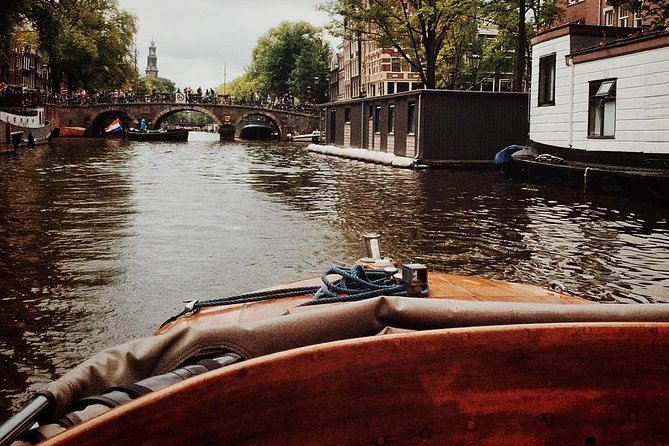
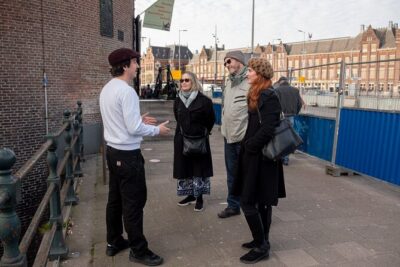
Your tour starts at Amsterdam Central Railway Station, at Stationsplein 13a. It’s a smart opening point because it forces you to think about how Amsterdam functioned as a crossroads, not just a postcard canal ring.
From there, the guide sets up the Netherlands during the Golden Age, using it as a storyline you’ll keep hearing at later stops. This matters because Dutch painting didn’t happen in a vacuum. Money, religion, trade, and civic pride shaped what artists painted—and what audiences expected to see.
You’ll also get a practical advantage: meeting at Central helps you time your day smoothly. It’s a hub where it’s easy to arrive via public transport, and you won’t waste your first 20 minutes trying to find a quiet side street with a vague description.
If you like “why this place matters,” this opening works well. If you’re hoping for a heavy museum-style timeline from the start, you might want a little patience—this tour builds momentum stop by stop.
You can also read our reviews of more walking tours in Amsterdam


St. Nicholas Basilica and the fight between Catholics and Protestants
Next up is St. Nicholas Cathedral (Basilica), where you’ll spend about 15 minutes. Even though this church was built after the Golden Age, it’s still a useful stop because it helps explain the deep divide between Catholics and Protestants and how the Eighty Years’ War left long-lasting consequences.
This is the kind of context that can change how you look at Dutch art later. Many Golden Age themes—allegory, moral messaging, civic identity—are easier to understand once you see how religious and political tensions played out in daily life.
The time here is short, so don’t expect a long lecture. Instead, think of it as a “set the table” stop: a quick primer you’ll carry with you when the tour shifts from churches to taverns, from civic myth to artist biography.
Also note: the stop lists free admission, so you’re not juggling extra ticket decisions mid-walk.
In ’t Aepjen: Dutch drinking culture through Jan Steen and Frans Hals
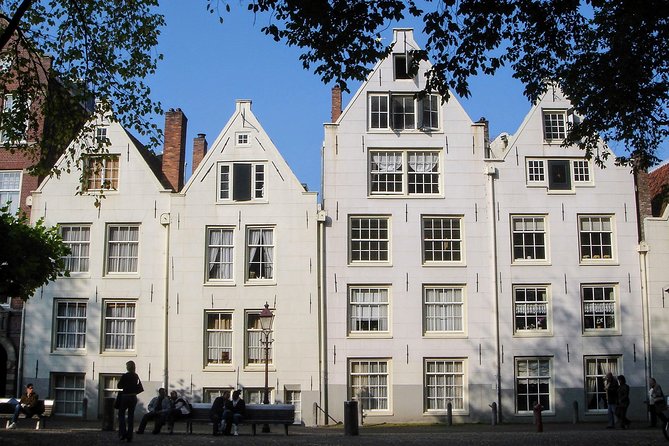
One of the most memorable moments is the visit to In ’t Aepjen, an authentic bar in what’s described as Amsterdam’s oldest wooden house. You’ll spend about 15 minutes here, and the atmosphere is the point. This isn’t “art talk from across the room.” It’s art talk rooted in how people actually gathered.
The guide uses Dutch favorite drinks and drinking traditions as a lens for national mentality. That’s a big deal in this kind of tour: Jan Steen and Frans Hals aren’t treated like distant historical icons. Instead, they’re tied to social life—games, celebrations, and the way humor and observation show up in Golden Age painting.
You’ll also hear about how the bar setting lets you connect paintings to real behavior. Steen is often associated with lively scenes and human comedy, and Hals with portrait energy and everyday presence. Even if you’re not a hardcore art historian, the stop gives you a strong “I get it now” feeling.
Drawback? If you’re not interested in drinking culture, you might find this portion less relevant than the Rembrandt and synagogue stops. But the tour is designed so every stop supports the larger story, not so the entire walk is only about one narrow theme.
Chinatown stop: a quick reset and a reminder about Amsterdam’s mixing
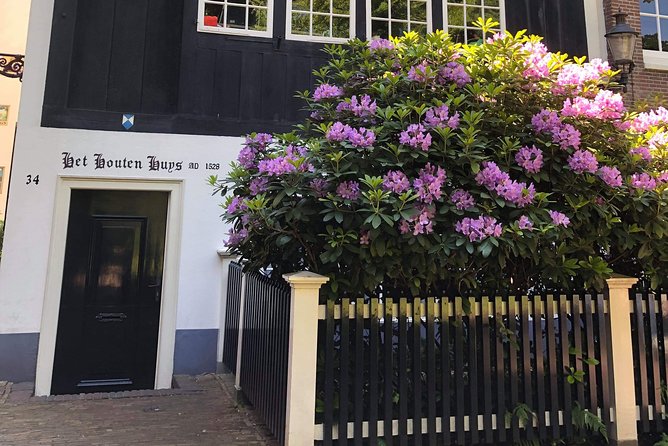
After the bar, you’ll move through a Chinatown stop for about 15 minutes. The details in the itinerary are brief here, but the value of a quick neighborhood stop is pacing: you get a change of scene before the tour turns darker.
Think of it as a visual reset between periods of war, art, and social rules. Amsterdam has always been shaped by migration and trade, and brief neighborhood stops help keep the walking flow from turning into one long lecture.
This part also keeps the tour rhythm efficient. Admission for this stop is listed as free, so it’s essentially a guided orientation moment rather than another ticket checkpoint.
If your group enjoys photo stops and street-level atmosphere, you’ll probably appreciate this interlude. If you want fewer “general city” moments and more painter-focused time, you may wish that one segment lasted longer—but the tour’s overall structure still leans heavily into painting and Golden Age themes.
Nieuwmarkt and De Waag: myths of witches, prisoners, and punishment
Now the tour turns sharper. At Nieuwmarkt and De Waag, you’ll spend about 30 minutes, and the itinerary frames this square as a place packed with mysterious secrets and myths. It’s also where families historically spent leisure time around the former anatomical theatre, which is a detail that immediately adds tension to what might otherwise feel like a normal square.
This is one of the tour’s best “story” stops because it ties the spooky side of the Golden Age to art you can recognize. You’ll hear about witches, prisoners, and punishments—heavy themes—while the guide connects them to paintings linked with Rembrandt.
Here’s why this matters for your understanding: if you’ve only ever heard that Dutch painters were technical geniuses, this kind of stop shows the other half. Their world included fear, law, spectacle, and moral judgment. Paintings weren’t just decoration. They were commentary, warning, entertainment, or social storytelling.
The stop lists free admission, so again you can focus on the guide’s narrative without handling extra entries.
One consideration: this portion is darker in tone. It’s not graphic as described here, but the theme of punishment and witches can feel intense if your group prefers lighter art stories.
You can also read our reviews of more private tours in Amsterdam





Rembrandt House: the artist behind the paintings
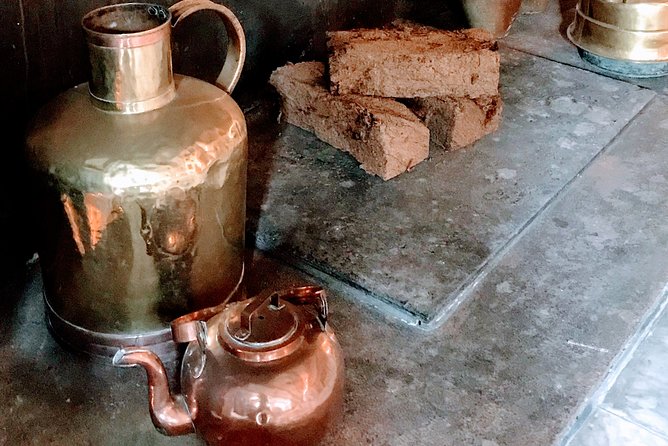
The walking tour gives special attention to Rembrandt House, with a focus on Rembrandt’s life, talent, and fate—and what mattered for a successful artist during the Golden Age. You’ll get this portion as its own meaningful stop rather than a quick photo moment.
This is where the tour earns its painter title. Earlier stops connect art to culture and conflict. Here, the guide zooms in on Rembrandt as a person navigating the era’s pressures. It’s also an effective way to lead you toward the bigger artworks you may want to see later in Amsterdam, because you’ll have a clearer sense of the artist’s stakes and survival skills.
Why this stop works: Rembrandt is famous, but fame can flatten people into a brand. A guided emphasis on life, fate, and what success required pulls him back into context—socially, economically, and artistically.
Also, the tour’s pacing suggests you’ll have enough time to absorb the story, then carry it forward into the final neighborhood shift.
If you’re already planning a separate museum day afterward, this stop sets you up well. You’ll have a clearer mental hook for what you’re going to see.
Portuguese Synagogue and Jewish neighborhood life

The tour ends in the Portuguese Synagogue of Amsterdam area in the Jewish neighborhood, specifically around Mr. Visserplein 3. You’ll spend about 20 minutes, and this part is described as a quieter district where you can see things like the Jewish Historical Museum, the Portuguese synagogue, and the famous flea market.
The focus here isn’t just architecture or dates. The guide explains Jewish diaspora life in the Netherlands—traditions, lifestyle, and rights. That theme complements the rest of the walk. Earlier you’ll have heard about Catholic-Protestant conflict; here you learn how another community lived through laws, protections, and cultural continuity.
One important detail: the admission ticket for this stop is not included. So if you want to go inside and see everything you might be expecting, plan for that extra cost and decision in your schedule. The guide’s time is short, so it may feel like a highlight stop rather than a long synagogue visit.
Still, even without a full deep-entry museum experience, this ending helps the tour avoid the trap of only talking about “art greats.” It places those painters in a city where different communities lived side by side, negotiated identity, and left traces you can still recognize.
English and Russian guidance, and why a private group changes the feel
This experience is offered in English and Russian, which matters if you’re traveling with someone who doesn’t want the “basic English facts only” version of a tour. It also helps if you want your questions answered in a language that feels natural.
The other big factor is that it’s private. The itinerary is designed as an own-group walk, so the guide can tailor the themes based on your interests. The tour description even mentions tailoring around topics like maritime trade routes or the development of women’s rights in Dutch society, using Rembrandt as a kind of connecting thread.
In practice, that’s the difference between passively receiving facts and actively shaping what you notice. If your group cares more about gender roles and social change, you’ll likely hear more of that. If you care more about commerce and the city’s economic engine, that becomes part of the story too.
Past reviews also highlight the guide’s ability to deliver a smooth intro to Amsterdam and connect different interests within one family. One review praised Sasha for showing many highlights, even with three daughters aged 17, 18, and 20 who had mixed interests in history, art, architecture, and social-media hotspots. Another review praised Diana for turning a repeat visit into real discovery.
That’s a good sign. It suggests the tour can handle different “entry points” for different people in your group.
Value of $231.52 per person: when this price makes sense
Let’s talk money. $231.52 per person sounds steep if you’re comparing it to a cheap group walking tour. But this is a private activity for your group, and the guide is the main included item.
So the value math is simple:
- If your group wants a guided narrative focused on famous painters, social history, and specific city locations, paying for a private walk can be worth it.
- If your group is fine wandering on its own and only needs a museum map, then the price will feel unnecessary.
This tour also lists mobile ticket and group discounts. The discounts aren’t quantified in the info you provided, but the key point is that the operator anticipates groups. If you’re traveling with friends or family, it’s worth checking whether there’s a better per-person deal as group size increases.
The included admissions are also a value lever. Multiple stops list free admission tickets, so you’re not constantly hit with extra entry fees on the way. The one clear exception in the plan is the Portuguese Synagogue, where admission is not included.
My practical take: if your group is art-curious and you want a guided “how Amsterdam shaped these artists” story, this price can make sense. If your idea of art tourism is mostly ticketed museum time, you may get more satisfaction by spending your money there instead.
How the 3-hour pace works, plus what to plan for
This is an approximately 3-hour walking tour, and it’s structured as a sequence of short stops: Centraal Station, St. Nicholas Basilica, In ’t Aepjen, Chinatown, Nieuwmarkt and De Waag, Rembrandt House, then the Portuguese Synagogue area. Most stops are around 15 minutes, with the longest focus at Nieuwmarkt/De Waag and Rembrandt House.
That stop design creates two advantages:
- You see a lot of locations without spending your whole day in one museum room.
- The guide can keep your attention by shifting themes—art techniques and painter stories, then religion and war context, then daily culture, then darker social myths, then community history.
The main practical downside is that short stops mean you won’t have time for long independent exploration at every point. You’re there to absorb the guided explanation. If you want to linger, you’ll need to do it on your own afterward.
Also, coffee and/or tea and snacks are not included, so if your day depends on a quick break, plan to grab something before or after the tour.
Finally, the tour is near public transportation, which helps if you’re juggling arrival times or connecting to other plans that day. One review specifically mentioned coordinating the start time with a mid-afternoon arrival, which suggests flexibility can matter when your schedule is tight.
Should you book this Amsterdam painters walking tour?
Book it if you want an Amsterdam day that connects famous painter names to the street-level world around them. This is especially a good fit if your group cares about Rembrandt, and also likes hearing how Golden Age art connects to religion, social rules, and everyday life like drinking traditions.
Skip or reconsider if your main goal is museum-heavy art viewing. This isn’t described as a museum ticket tour with long indoor time; it’s built around walking, stops, and story.
If your group has mixed interests, it’s a strong bet. The tour’s structure suggests it can flex between topics like maritime trade, social change, and women’s rights, while still keeping the painter thread in place.
FAQ
What languages is the tour offered in?
The tour is offered in English and Russian.
How long is the Amsterdam Private Walking Tour of Famous Painters?
The duration is about 3 hours.
Is this tour private?
Yes. It’s a private activity restricted to your own group.
Where do we meet for the tour?
You meet at Amsterdam Central Railway Station, Stationsplein 13a, 1012 AB Amsterdam.
Where does the tour end?
The tour ends at the Portuguese Synagogue of Amsterdam, Mr. Visserplein 3, 1011 RD Amsterdam.
What is included in the price?
The experience includes a guide.
Are entrance fees included?
Most stops list admission ticket free in the itinerary, but admission to the Portuguese Synagogue is not included.
Is there a mobile ticket?
Yes. A mobile ticket is part of the experience.
Are coffee, tea, or snacks included?
No. Coffee and/or tea and snacks are not included.
What is the cancellation policy?
You can cancel for a full refund up to 24 hours in advance. If you cancel less than 24 hours before the start time, the amount paid is not refunded.