REVIEW · ANNE FRANK & WWII HISTORY TOURS
Amsterdam: Jewish Quarter and History Guided Tour
Book on GetYourGuide →Operated by Trigger Tours · Bookable on GetYourGuide
WWII history hits different here. This 2-hour Jewish Quarter walk shows occupied Amsterdam through the eyes of Jewish residents, linking daily life to sites you’ve probably heard of, like Anne Frank’s House and the memorials at the waterfront. I like that it’s not just big names—it moves street by street, so the past feels close and specific in a working city.
Two things I really liked: the guide-led story tone, which stays sensitive and factual even when the subject turns grim, and the way the walk connects landmarks to what people were dealing with day to day. Guides such as James and Aaron were repeatedly praised for keeping the information clear, paced well, and answering personal questions without getting uncomfortable.
One thing to consider: the walk is short, so if you tend to linger at memorials, you may feel a bit of time pressure unless your group timing is very relaxed. Also, while the tour is described as finishing near Anne Frank’s House, some departures may end at the nearby Holocaust memorial area, so it’s worth checking your exact end point.
In This Review
- Key Things I’d Bet You’ll Notice
- A 2-Hour Walk That Turns Streets Into Evidence
- Where the Tour Begins: Amstel River and the Occupation Frame
- Portuguese Synagogue Area: Roots Before the Ruin
- Jewish Historical Museum Stop: A Shortcut to Deeper Meaning
- Headquarters of the Jewish Council: When Bureaucracy Gets Human
- The Waterfront Story: Dokwerker and the Meaning of Place
- Day-to-Day Life Under Occupation: What Changed, What It Cost
- Anne Frank’s House Area: Diary Context You’ll Appreciate
- Price and Value: Why This $23 Ticket Can Be a Smart Buy
- Who This Tour Fits Best (and Who Might Want a Different Style)
- Practical Tips to Make the Most of It
- Should You Book This Amsterdam Jewish Quarter Tour?
- FAQ
- How long is the Amsterdam Jewish Quarter and History guided tour?
- How much does it cost?
- Is the tour private or shared?
- What language is the guide?
- Where does the tour start and end?
- What landmarks will we see during the walk?
- What’s included in the price?
- What’s not included?
- Is free cancellation available?
- Is reserve and pay later available?
Key Things I’d Bet You’ll Notice
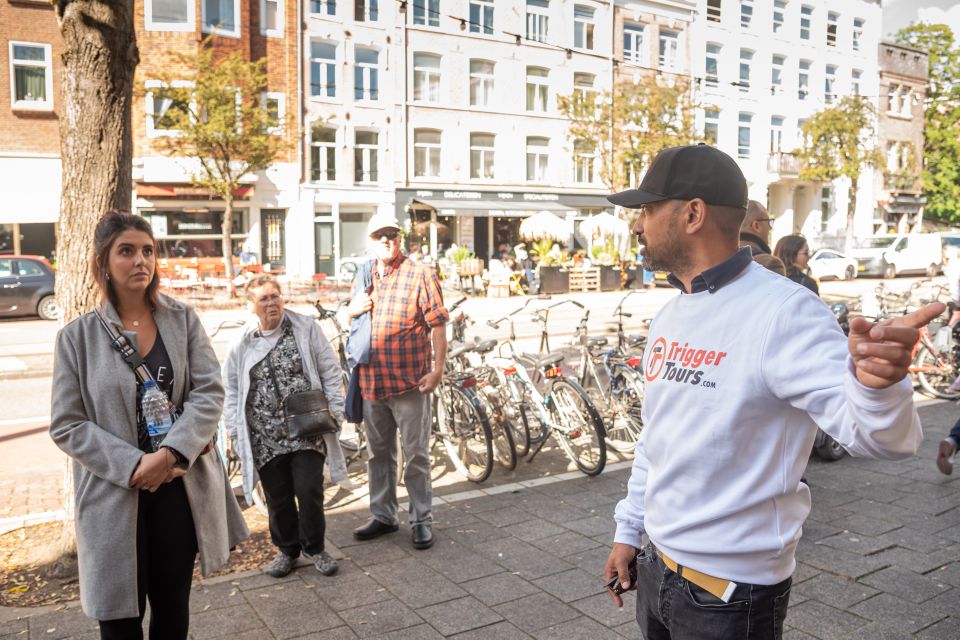
- Amstel River start that gives you an immediate sense of how the city functioned before the occupation
- Portuguese Synagogue area stops that show the community’s cultural roots, not just wartime events
- Nazi-occupation timeline (1940 to 1945) framed through real places and real decisions, not abstract dates
- Dokwerker and Auschwitz Monument that anchor the story in the physical geography of removal and remembrance
- Anne Frank’s House finish with context on the diary and how Otto Frank helped it reach the world
- Small-group or private options that make it easier to ask questions in a respectful way
A 2-Hour Walk That Turns Streets Into Evidence
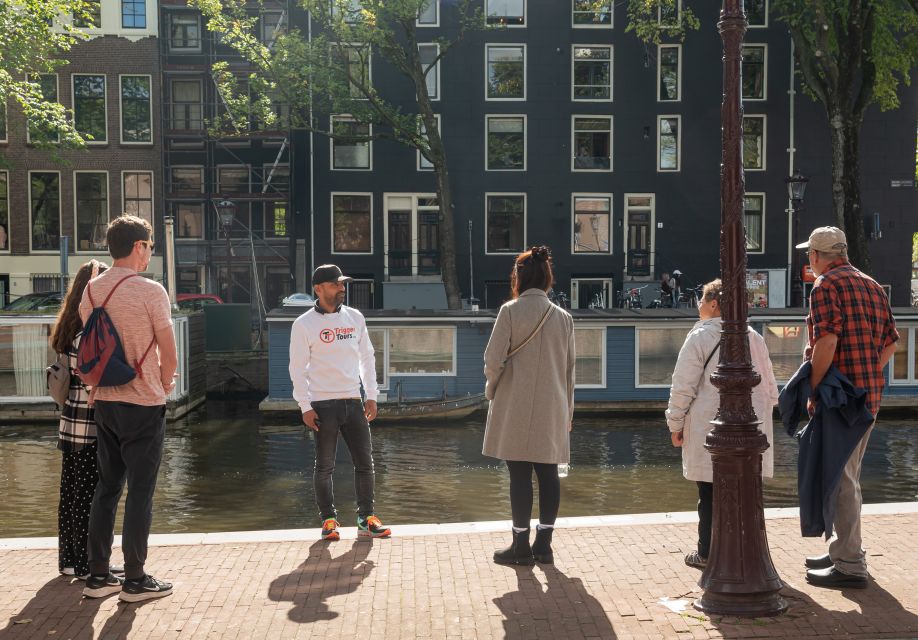
This tour works because it treats Amsterdam like a living archive. In just two hours, you cover a focused route through the historic Jewish Quarter, then leave with a clearer picture of what life was like before the Nazis took control, and what that control meant in practice.
You’ll start by the Amstel River, which helps you understand how the city’s waterways and neighborhoods mattered. From there, the guide connects the Nazi occupation of the Netherlands from 1940 until 1945 to the places where Jewish people lived, worked, and tried to survive.
The hardest part is also the most important part: retracing the darkest moments without turning them into a checklist. The best runs of this tour, like those led by guides such as James, Aaron, and Joshua, keep the tone measured—fact-first, human-centered, and built around respectful listening.
You can also read our reviews of more guided tours in Amsterdam



Where the Tour Begins: Amstel River and the Occupation Frame
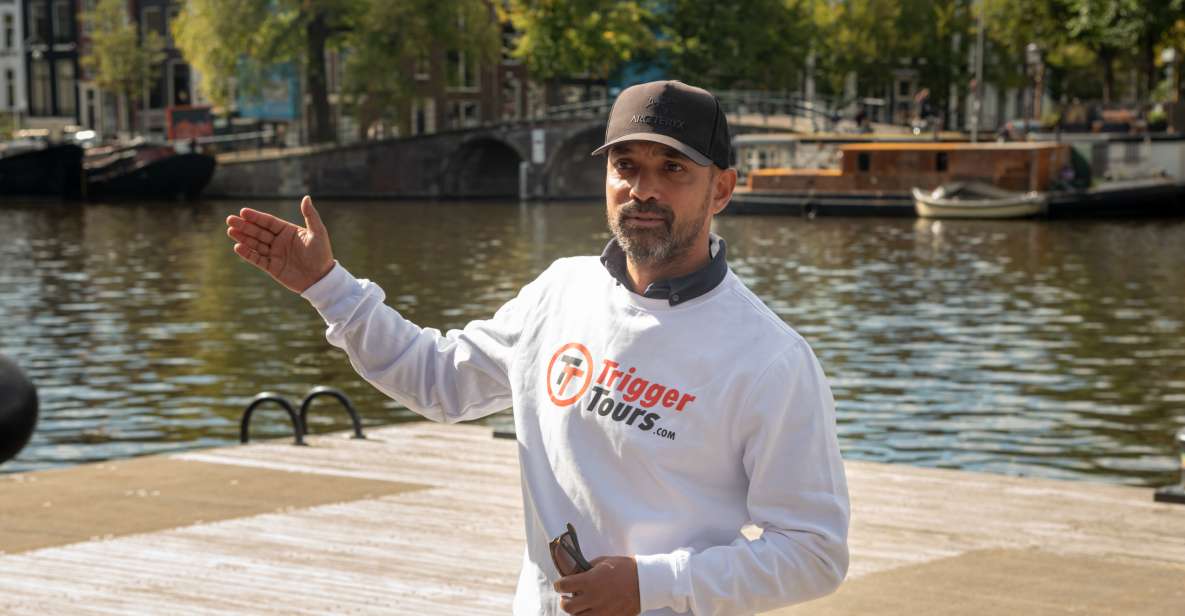
You don’t begin in a museum. You begin outdoors, with the city around you, which is the point. Starting near the Amstel River gives you an instant sense of how Amsterdam moved—social life, trade routes, and the daily rhythm that the occupation later disrupted.
Then the guide sets the framework: the Nazi occupation brought restrictions, persecution, and escalating violence across the capital. You’ll hear how those pressures landed especially hard on Amsterdam’s Jewish community, and you’ll get a sense that this wasn’t a single dramatic event—it was a widening net.
If you like your history with clear cause-and-effect, this is where the tour builds momentum. It also matters for pacing later on, because once you understand the timeline, the landmarks stop feeling like random stops and start acting like chapters.
Portuguese Synagogue Area: Roots Before the Ruin
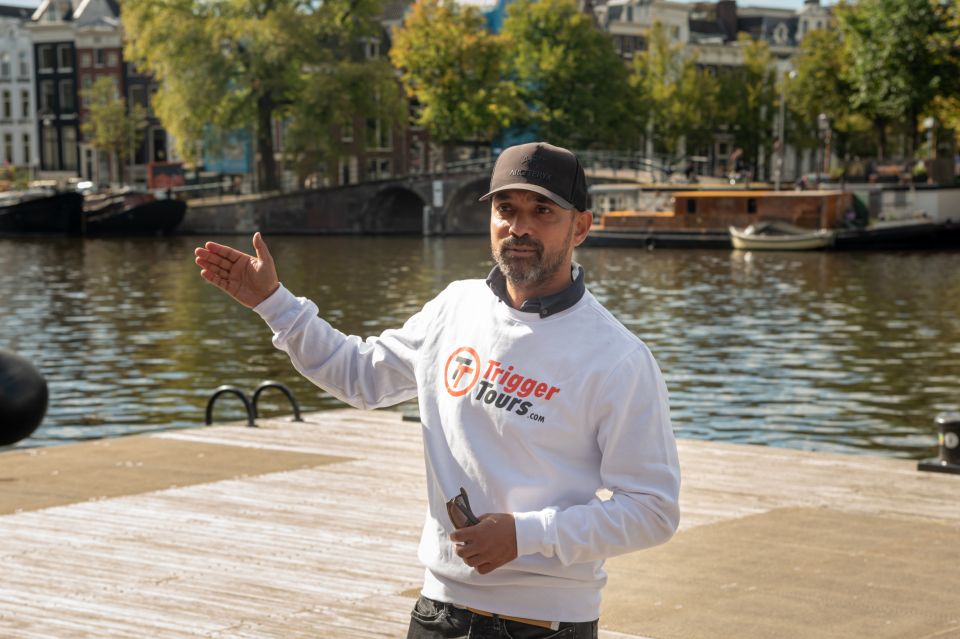
One of the most useful things about this walk is the order of operations: it doesn’t jump straight to the worst parts. You’ll pass key Jewish landmarks along the way, including the Portuguese Synagogue area, which helps you remember there was a thriving community long before WWII.
This kind of stop does two things for you as a visitor. First, it restores context—religious and cultural life weren’t simply backdrops, they shaped identity. Second, it makes the wartime story sharper, because you can better feel the loss.
A tour like this can’t give every detail in two hours, but it can do something else: point you toward the idea that history is layered. The guide’s job is to show you that layering without making it feel like a lecture.
Jewish Historical Museum Stop: A Shortcut to Deeper Meaning
You’ll also encounter the Jewish Historical Museum area. Even if you don’t go inside during the two-hour walk, the stop works like a bridge to what you’ll want later if you’re curious.
In practice, this stop helps you understand that Amsterdam’s Jewish story includes centuries, not just WWII. It gives the guide a chance to talk about community life and institutions—things that were targeted and reshaped under occupation.
I like this approach because it gives you options. If you want more afterward, you have a direction. If you’re just here for the WWII arc, you’re still grounded in the bigger picture.
Headquarters of the Jewish Council: When Bureaucracy Gets Human
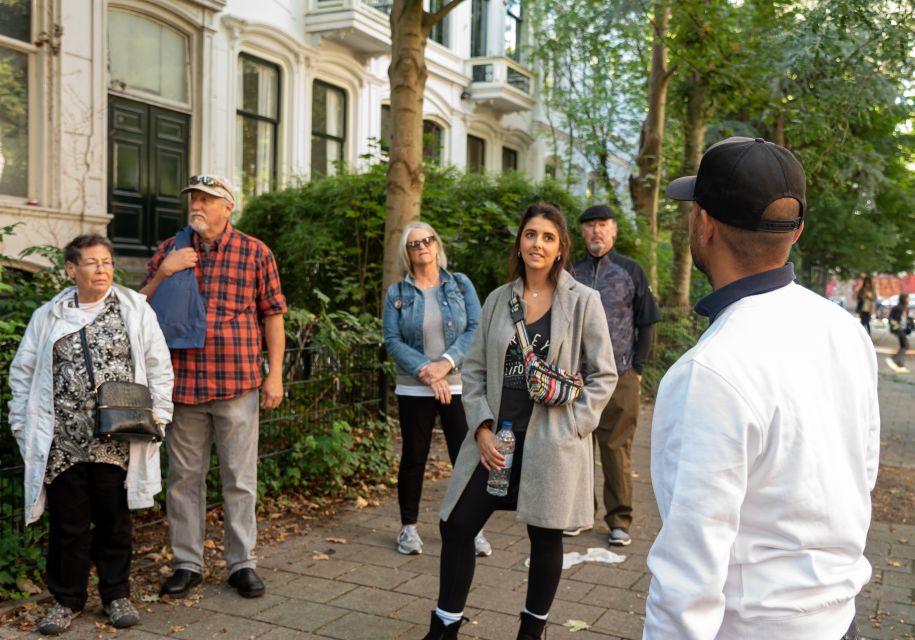
The walk includes the Headquarters of the Jewish Council. That matters because it puts a name and place to the uncomfortable reality that persecution also operated through paperwork, orders, and systems that affected everyday choices.
This stop helps you see something important: the occupation didn’t only happen through raids and violence. It also worked through control—who could move, who could work, what resources could be used, and who could be reached.
Guides who handle sensitive topics well—people like Masha and Jyry were praised for this—tend to keep this section clear without being cold. You come away with understanding rather than just emotion, which is what makes the rest of the route hit harder.
You can also read our reviews of more historical tours in Amsterdam






The Waterfront Story: Dokwerker and the Meaning of Place
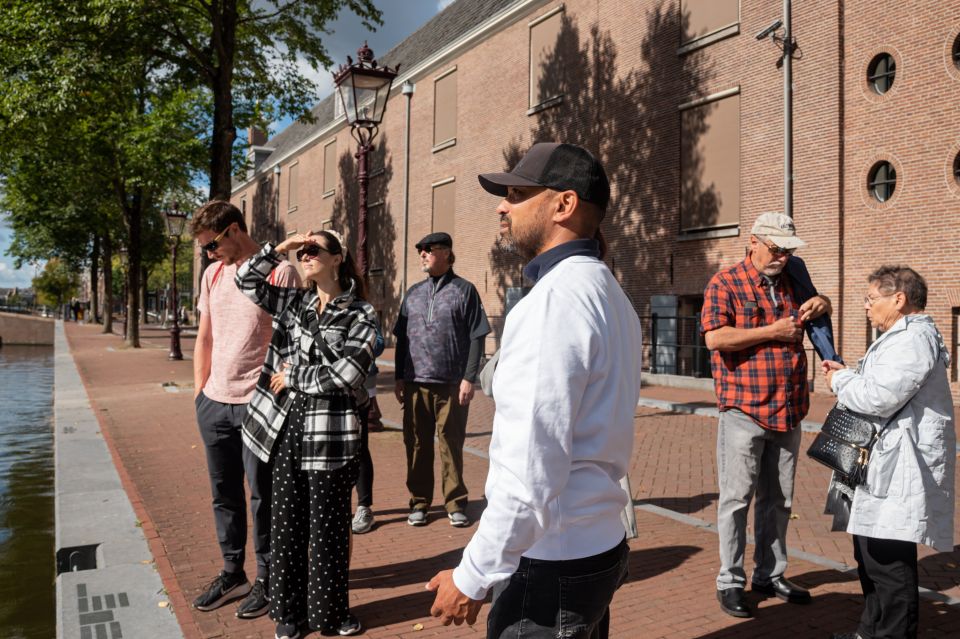
The tour specifically calls out Dokwerker, and that’s where the geography becomes heavy. The guide uses the waterfront location and nearby memorial references to explain what happened as persecution escalated and deportations became part of the machinery of occupation.
This section is powerful because it’s not a theoretical lesson. You’re standing in the real city, seeing how a place can function as a turning point in people’s lives. Even if you know the general story from books, the setting gives you a different kind of clarity.
Then you’ll connect to the Auschwitz Monument. The guide gives meaning to these monuments, which is crucial. Memorials can feel distant if you don’t have the context, but with a guide, they become more than sculpted forms—you learn what they point to and why they’re positioned where they are.
Day-to-Day Life Under Occupation: What Changed, What It Cost

One of the best parts of this walk is the focus on daily life. The guide talks about what Jewish residents experienced during occupation—how restrictions shaped routines and how fear and uncertainty became part of the background noise.
Expect the story to touch on the uncomfortable role of the Nazi occupation and also the question of Dutch behavior toward Jewish people. That topic can be handled well or badly, and this tour’s strongest guides keep it balanced and fact-centered, so you don’t leave with a simplistic view.
If you like history that respects nuance, this is where you’ll feel it. Many guides—especially those praised for handling personal questions—seem to understand that you might be carrying your own family stories, learning goals, or prior knowledge.
Also, since the tour is guided, you’re not left trying to decode emotions or symbolism alone. You get a steer that keeps your attention on what’s important.
Anne Frank’s House Area: Diary Context You’ll Appreciate
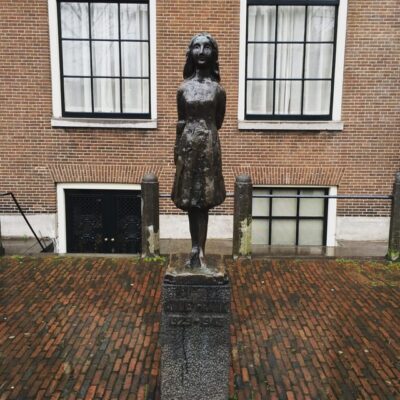
You end the walk near Anne Frank’s House, and the guide uses that time to explain the diary’s worldwide significance. You’ll hear about how the diary became known and the role of Otto Frank in its publication.
This ending is designed to do more than point at a famous site. It ties a global story to a local place and the broader conditions that surrounded it. Even if you’ve seen photos of the house from afar, having the wartime context first changes how you interpret what you’re looking at.
One practical note from the reality of short tours: if you’re hoping for a long, quiet moment right at the end point, you may need to plan your own follow-up time. The tour is structured for a two-hour window, so the guide will keep the flow moving.
Price and Value: Why This $23 Ticket Can Be a Smart Buy

At $23 per person for a two-hour guided walking tour, the value is mostly in what you don’t have to do on your own. You’re paying for a person to connect the dots between buildings, memorials, and a timeline that would be easy to get wrong if you’re piecing it together yourself.
This is also one of those “cost-per-understanding” deals that travel budgets like. A two-hour history guide can save you from wandering around the Jewish Quarter like it’s just pretty streets. Instead, you get a narrative spine.
And because the activity includes a live guide and offers private or small groups, the price can feel even more reasonable if you want conversation time. If you’re traveling with someone who asks questions (or you’re the one who always does), you’ll likely appreciate the extra attention.
Who This Tour Fits Best (and Who Might Want a Different Style)
This is a great match if you want:
- A guided walk rather than self-guided browsing
- Clear connections between WWII events and specific locations
- A respectful handling of a difficult topic, with space for questions
- A short, focused introduction that helps you understand what you’ll see later
It’s also a good choice if you’re the type who likes to return on your own afterward. The walk is designed to give you names, places, and story anchors, so you can revisit with better context.
If you’re sensitive to heavy themes, take a moment to set expectations. This is not a light city stroll. The route deals with persecution and removal, and the emotional weight is part of the learning.
And if you struggle with time pressure at memorials, plan a little extra buffer afterward. The two-hour format can feel fast if you prefer long pauses.
Practical Tips to Make the Most of It
This tour is built for walking, and the stops can carry emotional intensity. I’d recommend you:
- Wear comfortable shoes for a city walk in North Holland weather
- Bring a bottle of water since food and drinks aren’t included
- Go in with at least a basic idea of WWII in the Netherlands, so the guide can build on it
- If you want extra reflection time, plan to linger on your own after the tour ends
If you have flexibility, mornings can help. One itinerary pattern that came up in the tour’s feedback is that Sunday morning may feel less crowded, which can make a memorial stop easier to absorb.
Should You Book This Amsterdam Jewish Quarter Tour?
Yes—if you want a guided, place-based WWII story that respects the subject and doesn’t treat the sites like a scavenger hunt. At $23 for two hours, it’s also a practical way to get context without spending a whole day.
Book it especially if you care about how the story connects: Amstel River to community landmarks, then to the waterfront memorial references, and finally to Anne Frank’s diary context with Otto Frank. That structure is what makes the route worth your time.
I’d skip it only if you’re looking for a casual, light “see and move on” kind of tour. This one asks you to pay attention. When you do, you’ll come away with a clearer, more human understanding of Amsterdam under occupation.
FAQ
How long is the Amsterdam Jewish Quarter and History guided tour?
It lasts 2 hours.
How much does it cost?
The price is listed as $23 per person.
Is the tour private or shared?
It can be booked as a private or shared walking tour, with private or small group options available.
What language is the guide?
The live tour guide is offered in English and Spanish.
Where does the tour start and end?
You start near the Amstel River, and the tour is described as finishing in front of Anne Frank House. Meeting point and exact end point may vary by the option booked.
What landmarks will we see during the walk?
You’ll pass key Jewish sites and WWII-related memorials, including Anne Frank’s House, Dokwerker, the Auschwitz Monument, the Portuguese Synagogue, the Jewish Historical Museum, and the Headquarters of the Jewish Council.
What’s included in the price?
The walking tour and a guide are included.
What’s not included?
Food and drinks are not included.
Is free cancellation available?
Yes, free cancellation is available up to 24 hours in advance for a full refund.
Is reserve and pay later available?
Yes, you can reserve now and pay later.