REVIEW · WALKING TOURS
Rembrandt House & Neighborhood Exclusive Guided Walking Tour
Book on Viator →Operated by Babylon Tours Amsterdam · Bookable on Viator
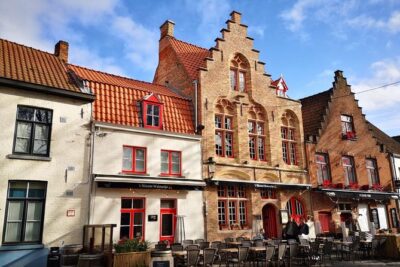
Rembrandt House plus the streets around it. This tour ties Rembrandt’s life to Amsterdam’s canals, markets, and neighborhoods, with a private, guided walk paced for people who want context. I like that it starts with orientation, then earns its way to the museum instead of feeling like a checklist.
Two things I really love: the personal guide attention (and the calm way it moves) and the chance to see how the neighborhood shapes Rembrandt’s story. When I joined with guide Haas, the explanations felt practical and grounded in what you could actually see on the walk.
The one drawback to flag: a few stops have optional entries not included (like Museum Van Loon and Stopera-related access), and you’ll still follow museum security rules (think small bags only) once you reach Rembrandt House.
In This Review
- Key Things Worth Knowing
- From Cobra Café to Rembrandt’s World: How the Tour Works
- Getting Oriented in Spiegelkwartier: Canals as Your Navigation Tool
- Keizersgracht (Emperor’s Canal): The Middle Canal With the Widest Feel
- Museum Van Loon: A Useful Detour Linked to Rembrandt’s Circle
- Bloemenmarkt and the Munttoren: Market Energy Meets Medieval Architecture
- Rembrandtplein and the Night Watch Monument: A Fast Hit of Iconic Art
- The Amstel River Bridges: Skinny Bridge, Blue Bridge, and the River’s Story
- Stopera and Jodenbuurt: City Hall Meets Opera, Then a Preserved Quarter
- Museum Het Rembrandthuis: Where the Tour Finally Gets Quiet
- Price and Value: Is $159.21 a Good Deal?
- Who This Tour Fits Best (and Who Might Skip It)
- Should You Book Babylon Tours Amsterdam?
- FAQ
- How long is the Rembrandt House & Neighborhood Exclusive Guided Walking Tour?
- Is the tour private?
- What language is the tour offered in?
- Where do I meet and where does the tour end?
- What’s included in the price?
- Are there any extra admissions I might need to pay for?
- What should I bring for museum security and bag rules?
- What if Rembrandt House closes unexpectedly?
- What’s the cancellation window for a full refund?
Key Things Worth Knowing
- Private pacing: It’s just your group, so you get to ask questions and linger when something grabs your attention.
- Canal-first approach: You’ll walk the canal belt and key waterways before stepping into Rembrandt’s house.
- All the “big name” sights are close together: Keizersgracht, Rembrandtplein, the Amstel bridges area, and the Jodenbuurt walk form a tight circuit.
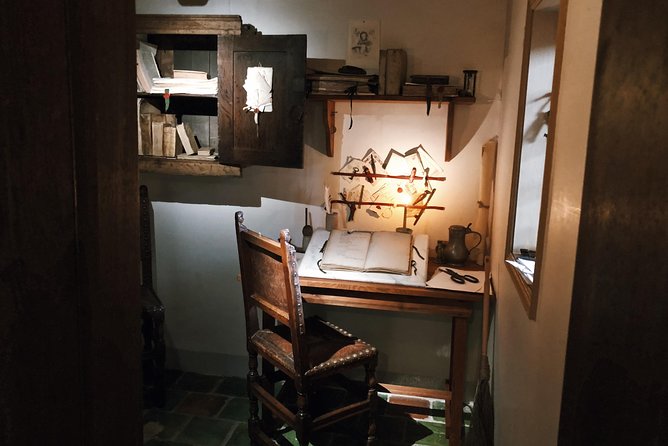
- Rembrandt House time is the payoff: The museum entrance is included, and the visit is built around what Rembrandt lived through (1639–1656).
- Security and quiet-room rules matter: Some rooms can restrict speaking, and you’ll need to travel light with your bag.
From Cobra Café to Rembrandt’s World: How the Tour Works
This tour is built like a story you can walk through. You start at Cobra Café (Hobbemastraat 18, 1071 ZB) and you end at Rembrandt House Museum (Jodenbreestraat 4, 1011 NK). The start time is 1:30 pm, and it runs rain or shine, so you’re not stuck “waiting for sunshine” to start seeing things.
It’s a 2.5-hour experience in English with a mobile ticket. You’ll want moderate fitness mainly because it’s a real walking route through central Amsterdam, not a stop-and-start tram tour. One practical point: they ask for your mobile phone number (with country code) so they can coordinate day-of updates.
This is also not a “hop on hop off” tour. The value is in the sequence—canals and local landmarks first, then the house and personal art items—so your brain maps what you’re seeing to what you’re learning.
You can also read our reviews of more walking tours in Amsterdam



Getting Oriented in Spiegelkwartier: Canals as Your Navigation Tool
You begin in the Spiegelkwartier area and head toward the Singelgracht—the canal that historically formed outer city defenses around Amsterdam’s center. Even if you don’t nerd out on city walls, it helps you understand the shape of the old city: water wasn’t decoration here. It was structure.
From there you move to the Spiegelgracht, part of the UNESCO-listed Canals of Amsterdam. What I like about this stop is that it’s not just “look at the canal.” It’s also where you pass through the atmosphere of galleries and antiques, so the walk immediately feels like you’re entering a lived-in art district rather than an empty museum zone.
Expect this to be a short segment (about 10 minutes), but it sets the tone. You’ll be better at reading Amsterdam after this—especially the way the canal lines guide where people built, worked, and shopped.
Keizersgracht (Emperor’s Canal): The Middle Canal With the Widest Feel
Next is the Emperor’s Canal, also called Keizersgracht. It’s the middle of the three main canals in Amsterdam, and it’s named after Emperor Maximillian of Austria. One detail I found useful: it’s also the widest of the inner-city trio, which gives you a sense of how different stretches of the city functioned.
This stop is quick (about 10 minutes), but it matters because you’re not just moving from one photo spot to another. You’re building a mental map of the canal system as you go, so when Rembrandt’s life gets discussed later, it feels more anchored than abstract.
Museum Van Loon: A Useful Detour Linked to Rembrandt’s Circle
At around 10 minutes, the tour takes you to Museum Van Loon, located in a canal-side house on the Keizersgracht. This is where the connection to Rembrandt’s world gets sharper: Museum Van Loon is known as the house of Ferdinad Bol, Rembrandt’s favorite pupil.
Here’s the practical part: the ticket isn’t included for this stop. That means you can still enjoy the outside approach and the guide’s context, but if you want to go inside, you’ll pay separately. If you’re trying to keep costs controlled, you may simply treat this as a meaningful “look and learn” moment unless you’re especially drawn to Bol or the building itself.
If you do have the budget and curiosity, adding Museum Van Loon can make the Rembrandt story feel less like a single genius in a vacuum and more like a workshop with students, styles, and influence moving around.
Bloemenmarkt and the Munttoren: Market Energy Meets Medieval Architecture
Then you head to Bloemenmarkt, the flower market area. This is a good stretch for your senses: you’re moving through a real market environment rather than a staged “tour-only” street. The market stop is listed as free, so you’re paying for guidance, not entry.
In the same area you’ll see the Munttoren (often nicknamed the Mind Tower). The key historical note: it was originally part of one of Amsterdam’s medieval city gates. That’s the kind of fact I love during walking tours—because it changes how you read the space. A tower like this stops being a prop and becomes a clue about how people once controlled movement into and out of the city.
One caution: the Munttoren is noted as not included for admission. Since the data doesn’t specify what’s ticketed versus what’s just viewed from outside, your safest assumption is that any paid entry (if available) is on you.
You can also read our reviews of more guided tours in Amsterdam





Rembrandtplein and the Night Watch Monument: A Fast Hit of Iconic Art
Next comes Rembrandtplein, one of the city’s busiest squares by foot traffic. This is where you see the bronze-cast representation of Rembrandt’s most famous work, The Night Watch, created for the celebration of the artist’s 400th birthday in 2006.
This segment is short (about 10 minutes), but it’s a clever bridge. You’re in an everyday square with everyday movement, and then the guide grounds what you’re seeing in Rembrandt’s actual impact. If your museum visit ever feels like it’s happening in a different century, this kind of street-level anchor helps.
The Amstel River Bridges: Skinny Bridge, Blue Bridge, and the River’s Story
From Rembrandtplein the walk continues toward the Amstel River. This part is visually rewarding because you get a sense of Amsterdam as a city of crossing points—bridges that shape how neighborhoods connect.
You’ll see two bridges: the Skinny Bridge (often considered Amsterdam’s most famous bridge) and the Blue Bridge. The Blue Bridge name is a bit of a joke—it’s not actually blue today. It’s named after a wooden blue bridge that existed in the 17th century. The point here is how names preserve older versions of places even when the physical details change.
This stop is again listed as about 10 minutes and free. It works well right before the “cultural institutions” segment, because you’re still in real-world Amsterdam, not an instant shift into formal buildings.
Stopera and Jodenbuurt: City Hall Meets Opera, Then a Preserved Quarter
Next you’ll reach Stopera, the building complex that houses the city hall and the Dutch National Opera and Ballet. The construction is described as taking at least 60 years, which is a good reminder that major civic projects in Amsterdam often take time and politics to shape.
Admission here is listed as not included, so treat it as a guided look unless you decide you also want to pay for any ticketed access. The benefit of this moment is perspective: Amsterdam’s art life isn’t only museums. It’s also opera houses and city institutions sharing physical space.
After that the tour heads into Jodenbuurt, the former Jewish neighborhood. This area contains historically important buildings that are currently preserved and managed by the Jewish Cultural Quarter. This is one of the more emotionally grounded parts of the walk, because you’re not just watching culture happen—you’re passing through a place tied to history that still shapes the city’s identity.
Museum Het Rembrandthuis: Where the Tour Finally Gets Quiet
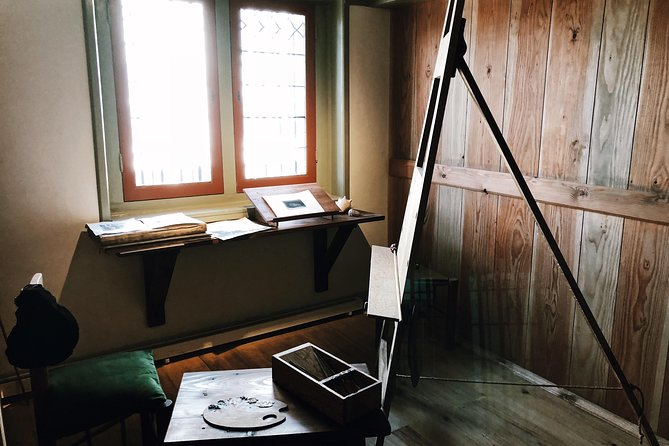
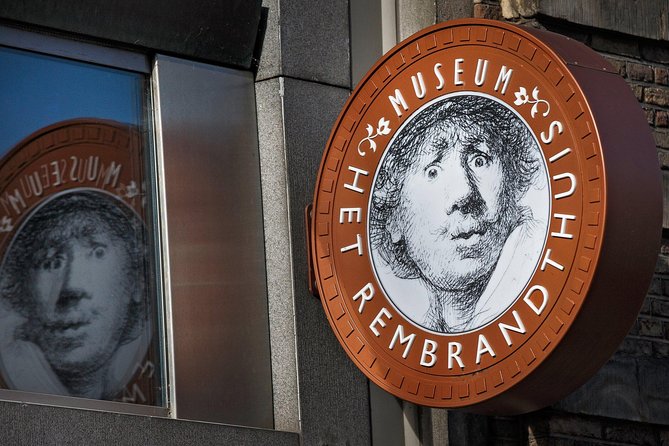
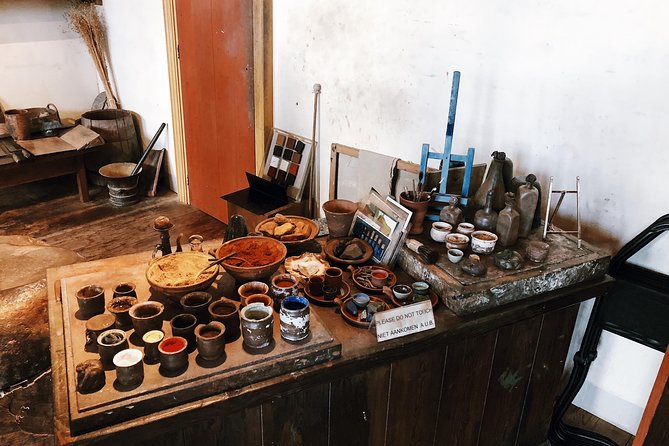
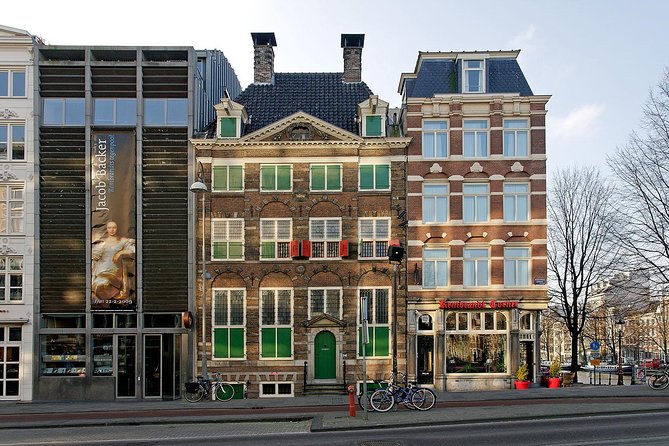
The big finish is Rembrandt House Museum (Het Rembrandthuis), and this is the part that makes the whole tour feel worth it. The museum entrance is included, and the visit centers on the fact that Rembrandt lived and worked here between 1639 and 1656.
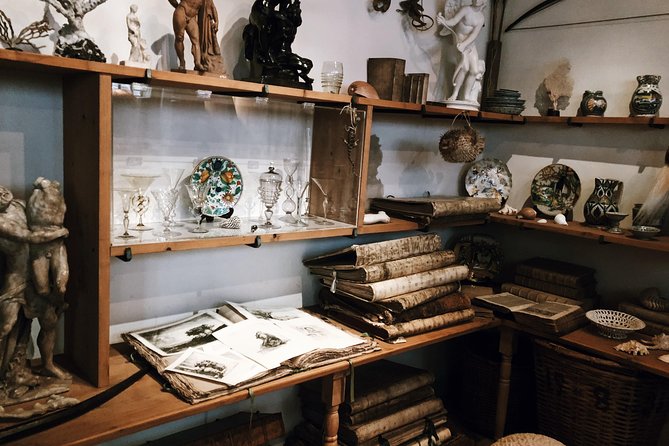
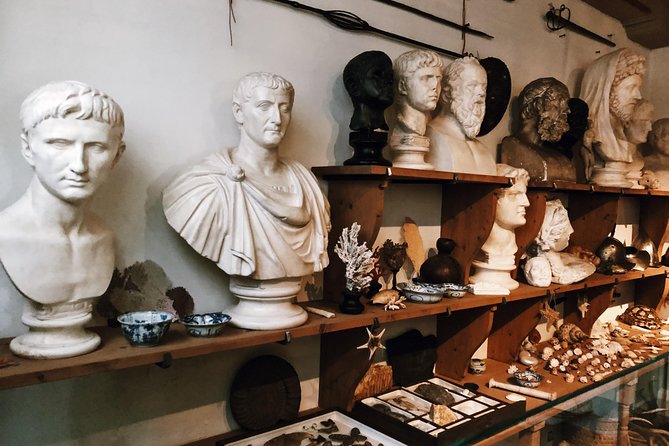
Inside, the collection includes Rembrandt’s etchings and paintings of his contemporaries, which helps you see Rembrandt as more than a single iconic painting-maker. It’s also a well-preserved house setting, so the museum doesn’t feel like an art storage room. You’re looking at a real domestic framework where art and daily life overlap.
A few rules you should plan for:
- Dress may be required for entry into some sites on the tour.
- No large bags or suitcases are allowed inside. Only handbags or small thin bag packs go through security.
- Some rooms may be very quiet or have restricted speaking. Your guide will explain where this applies before you enter.
If you want a smooth experience, pack like you’re going to a small museum: minimal items, no bulky bag, and take a light layer for cooler indoor rooms.
Price and Value: Is $159.21 a Good Deal?
At $159.21 per person, this isn’t the cheapest walking tour in Amsterdam. But it isn’t trying to be either. The value comes from three things that matter in a city like this: you get a private guide, you get two and a half hours of structured time, and you get entrance included for Rembrandt House—one of the stronger “time-on-site” museums for this theme.
You also save yourself from the mental load of stitching together canal landmarks, neighborhood context, and museum timing. Even the short stops add up because the guide is connecting dots between places instead of just announcing streets.
One more value point: this experience is typically booked about 38 days in advance, so if you’re traveling in peak season or you have a specific day in mind, don’t wait for the last-minute deal.
If you’re trying to stretch your budget, the optional-entry stops (like Museum Van Loon and any paid access at Stopera or Munttoren) are the places to decide what you want to pay extra for.
Who This Tour Fits Best (and Who Might Skip It)
This is a great fit if you like art stories that connect to real streets. If you want the Rembrandt House visit to come with context—canals, neighborhood names, landmarks, and the way buildings line up—this tour gives you that structure without making you run between distant spots.
It’s also ideal if you prefer a private pace. If group tours feel too rushed or you want to ask questions without feeling like you’re holding up a crowd, the “just your group” format is a real advantage.
You might not love it as much if you expect every stop to include a museum-level interior visit. A couple of stops are not included for admission, so part of the experience is guided viewing and explanation, not constant ticketed access.
Should You Book Babylon Tours Amsterdam?
I’d book it if Rembrandt is a priority for you and you want to pair the house with the neighborhood around it. The tour’s best feature is how the walk does more than get you to a museum—it helps you understand why Rembrandt’s Amsterdam worked the way it did, using canals, city gates, squares, and preserved districts as evidence.
If you’re short on time and only want the museum, you could do Rembrandt House on its own. But if you want the “why” behind the “what,” this private guided route is a strong way to spend your afternoon—especially with a guide like Haas bringing the story down to earth.
FAQ
How long is the Rembrandt House & Neighborhood Exclusive Guided Walking Tour?
The tour is listed at about 2 hours 30 minutes.
Is the tour private?
Yes. It’s described as a private tour/activity, with only your group participating.
What language is the tour offered in?
It’s offered in English.
Where do I meet and where does the tour end?
You meet at Cobra Café, Hobbemastraat 18, 1071 ZB Amsterdam and the tour ends at Rembrandt House Museum, Jodenbreestraat 4, 1011 NK Amsterdam.
What’s included in the price?
The tour includes the guided museum tour and walking tour, your guide exclusively for you (unless you choose a semi-private option), entrance fees, and the tour will run rain or shine. Rembrandt House Museum admission is included on this experience.
Are there any extra admissions I might need to pay for?
Some stops are marked as admission not included, such as Museum Van Loon and the Stopera area, and any paid access related to Munttoren is not included either. The Rembrandt House Museum entrance is included.
What should I bring for museum security and bag rules?
The information says no large bags or suitcases are allowed inside Rembrandt House. Only handbags or small thin bag packs are allowed through security.
What if Rembrandt House closes unexpectedly?
The note says Rembrandt’s House may have occasional closures without warning. If the museum opening time is delayed more than 1 hour from the tour start time, an alternative will be provided, but refunds or discounts are not offered in these cases.
What’s the cancellation window for a full refund?
You can cancel for free up to 24 hours in advance for a full refund. If you cancel less than 24 hours before the start time, the amount paid isn’t refunded.