REVIEW · ANNE FRANK & WWII HISTORY TOURS
Amsterdam: The Life of Anne Frank Walking Tour
Book on GetYourGuide →Operated by Tour Company · Bookable on GetYourGuide
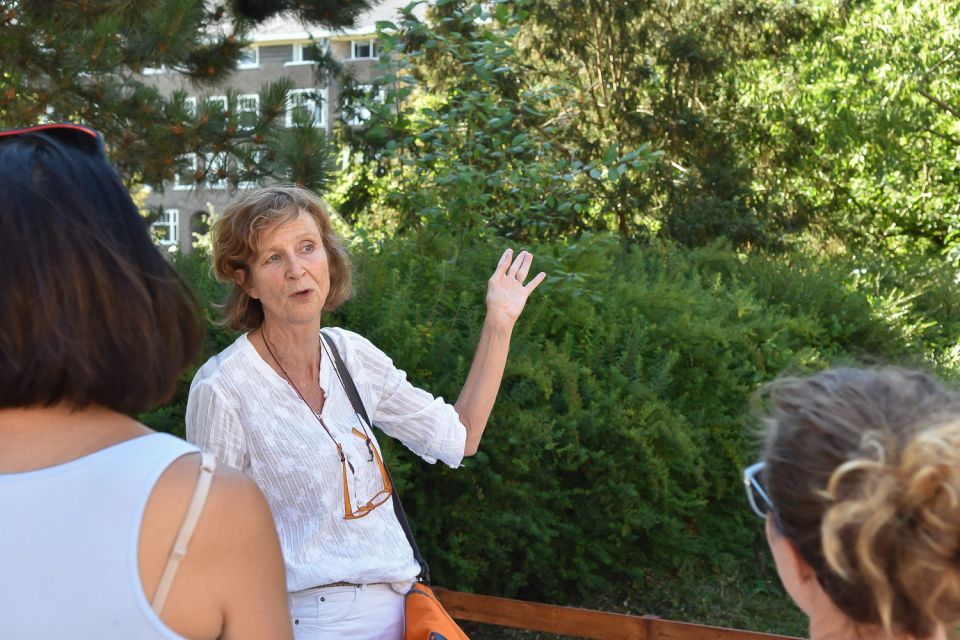
Anne Frank’s Amsterdam is right here. I love how this walk turns the diary from a book into a map of real schools and streets, and I also like seeing the bookshop connection to how her diary story took shape. The only real catch: it shows the areas around the Secret Annex era, but it does not include entry to the Anne Frank House.
You’ll meet in Amsterdam Zuid and spend 1.5 hours walking with an English-speaking guide who keeps things clear and question-friendly. At $18 per person, it’s a sensible way to focus on context instead of trying to cram every Anne Frank stop into a single day.
In This Review
- Key Things You’ll Notice on This Anne Frank Walking Tour
- Why Anne’s Early-Life Neighborhoods Matter More Than You Think
- Merwedeplein 61: Starting in the Square Where Her Life Connects to the Present
- Amsterdam-Zuid on Foot: Schools, Play Streets, and the Shape of Daily Life
- The Bookshop Stop: Where a Diary Begins With a Simple Purchase
- Miep Gies’s Home Area: Seeing the Helper’s Story in Place, Not Only in Text
- Amsterdam Zuid’s 1920s and 1930s Planning: A Different Kind of Historical Lens
- Price and Timing: Is $18 Worth It for 1.5 Hours?
- What You Should Bring (And What to Skip)
- Who This Tour Fits Best
- Should You Book This Anne Frank Walking Tour?
- FAQ
- How long is the Amsterdam: The Life of Anne Frank Walking Tour?
- Where do I meet the guide?
- How much does the tour cost?
- Is this tour in English?
- Does the tour include entry to the Anne Frank House?
- What should I bring?
- Are pets allowed?
- Is the tour suitable for wheelchair users or people with mobility impairments?
- Can I cancel for a refund?
Key Things You’ll Notice on This Anne Frank Walking Tour
- Anne Frank’s pre-hiding life: schools and neighborhoods where she spent her childhood
- The diary bookshop stop: the place tied to Otto Frank buying the diary
- Miep Gies’s home area: a tangible location connected to one of the family’s helpers
- Amsterdam Zuid beyond the center: a quieter area many visitors skip
- Architecture and housing context: built in the 1920s and 1930s with planning and social housing ideas you can actually see
Why Anne’s Early-Life Neighborhoods Matter More Than You Think
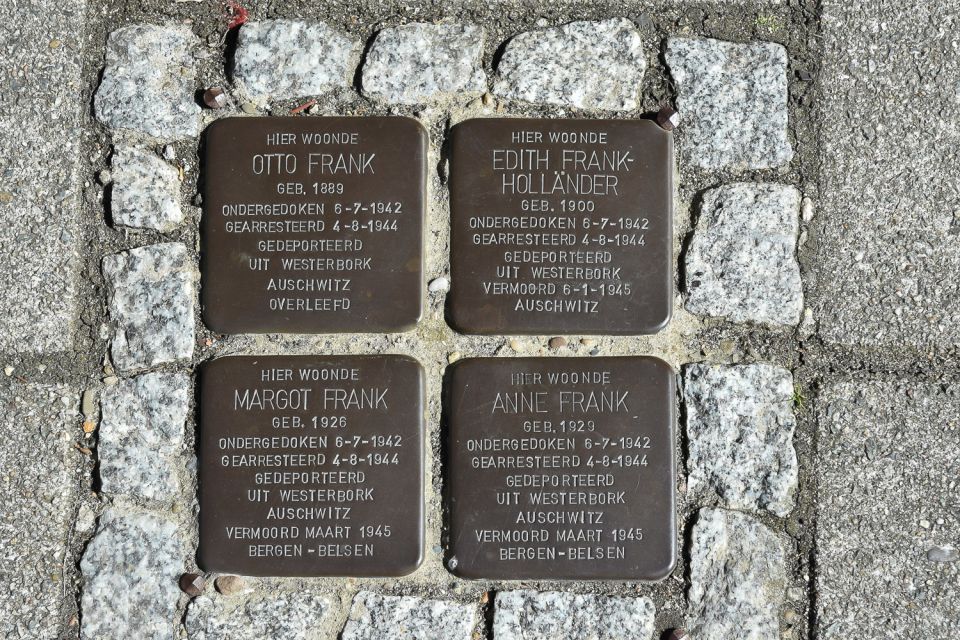
Most Anne Frank experiences start with the famous hiding story. This tour takes you earlier, when she’s a young girl growing up in Amsterdam, before the world narrows to one building. It’s the difference between reading about someone and understanding the environment that shaped her.
You’ll learn the basics of her timeline while you’re on the move: Anne was born June 12, 1929, in Frankfurt am Main, and moved to Amsterdam in 1933 because Otto Frank was looking for safety as antisemitism rose in Germany. That “before” matters. It helps you see Anne as a real kid with a normal routine, not only as an emblem.
And since the diary became one of the world’s most widely read books after her death, it’s tempting to treat it like pure literature. Seeing the places connected to her daily life adds weight. You start thinking in details: where you studied, where you bought something, where friends were nearby. That’s what makes this kind of walk stick.
You can also read our reviews of more walking tours in Amsterdam



Merwedeplein 61: Starting in the Square Where Her Life Connects to the Present
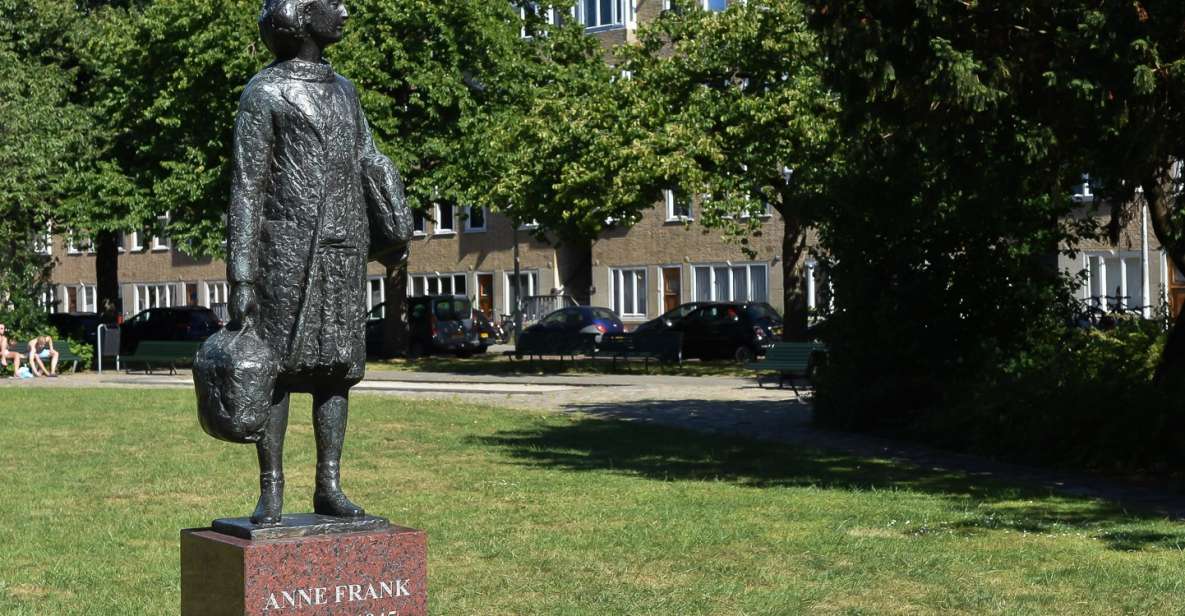
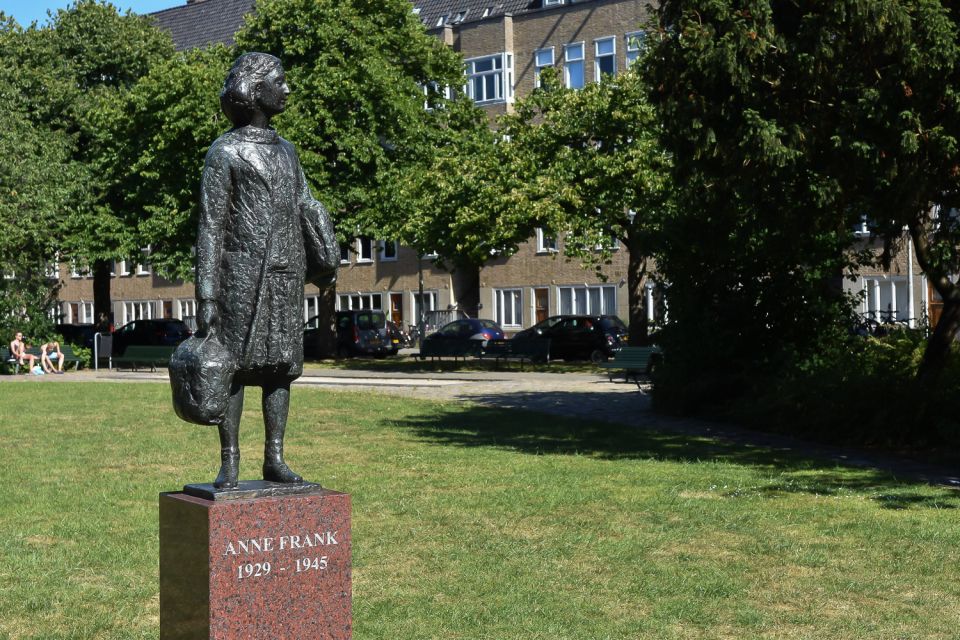
The tour meeting point is Merwedeplein 61, in Amsterdam Zuid, in front of the statue of Anne on Square Merwedeplein. I like meeting in a real public square, because it helps you picture the scale of her neighborhood. You’re not searching alleys or guessing directions. You’re standing in the kind of place where a family might actually live and walk.
From the start, the guide frames what you’re about to see: this is Amsterdam Zuid, an area many visitors don’t spend much time in. That sets the tone. Instead of rushing through the historic center, you get to slow down and recognize street life and buildings that belong to everyday Amsterdam.
Also, the timing is tight enough to stay focused. You’re out for about 1.5 hours, with a small amount of walking along the way. So come ready to move, but don’t expect a long haul. Comfortable shoes help, and yes, you’ll want an umbrella when the weather turns.
Amsterdam-Zuid on Foot: Schools, Play Streets, and the Shape of Daily Life
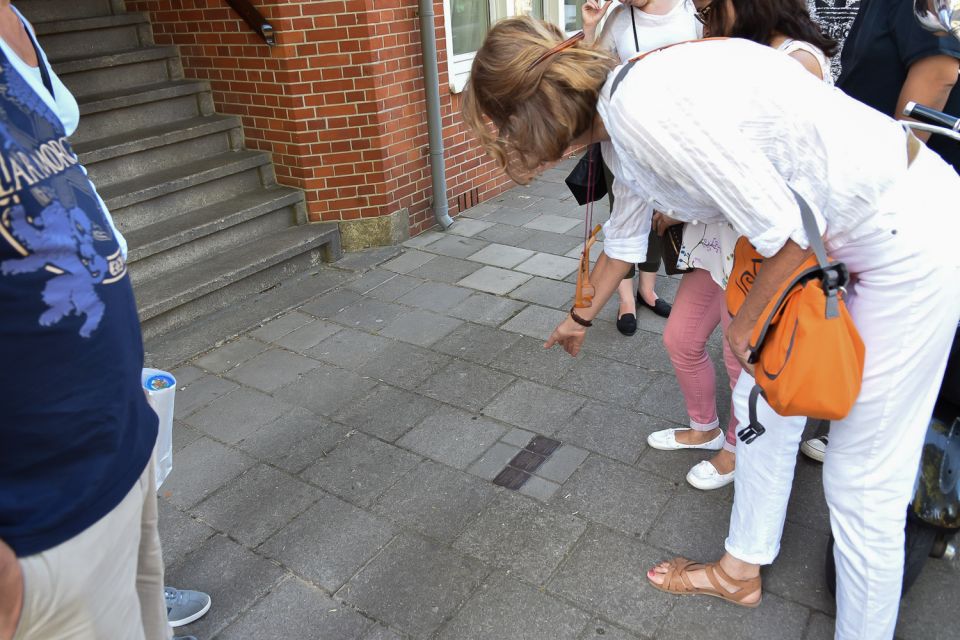
The route is designed around childhood locations—schools and neighborhoods tied to where Anne grew up. As you walk, you’re not just collecting sights. You’re building an understanding of her routine and surroundings, which can feel surprisingly human.
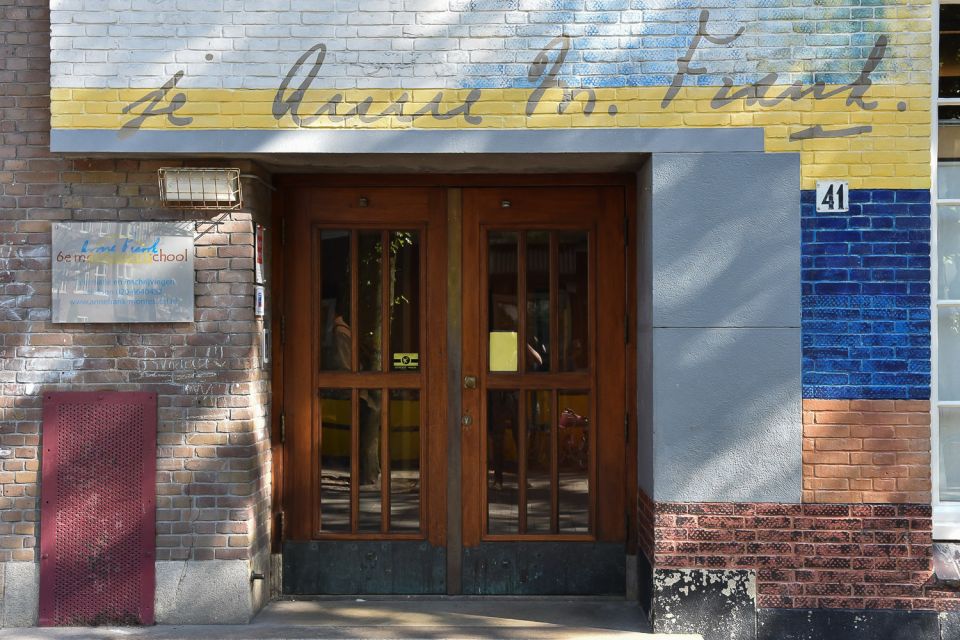
The school stop is one of the highlights because it gives you something concrete to picture. You’re seeing the type of environment she would have known: the route to class, the building she learned in, and the idea of growing up with peers. This is the part that turns a name into a daily experience.
You’ll also pass through areas connected to where she played with friends. That matters because friendship and everyday hangouts are where a childhood really happens. Even though the story is heavy, the tour’s approach helps you remember that her life began with normal moments.
A practical note: this is a walking tour, and it’s not aimed at people who use wheelchairs or who have mobility impairments. If that includes you, you’ll probably want to choose a different format for this topic.
The Bookshop Stop: Where a Diary Begins With a Simple Purchase
One of the most memorable pieces is the stop at the bookstore connected to Otto Frank buying Anne’s diary. This is the kind of detail that can sound small until you stand near the place and connect it to the bigger story.
You’ll learn how the diary became world-famous after Anne’s death, eventually selling more than 30 million copies. But on the tour, the emphasis is on the starting point: a diary, a young writer, and the early days when she’s still living a regular life in Amsterdam.
I like how this shifts your thinking. You stop treating the diary as a sudden miracle and start seeing it as something created in ordinary circumstances. That’s powerful for readers and a reminder for anyone who thinks history only happens in dramatic moments.
If you care about accuracy and context, this stop also helps you anchor the timeline. You’re connecting personal history to a physical location instead of trying to hold everything in your head.
Miep Gies’s Home Area: Seeing the Helper’s Story in Place, Not Only in Text
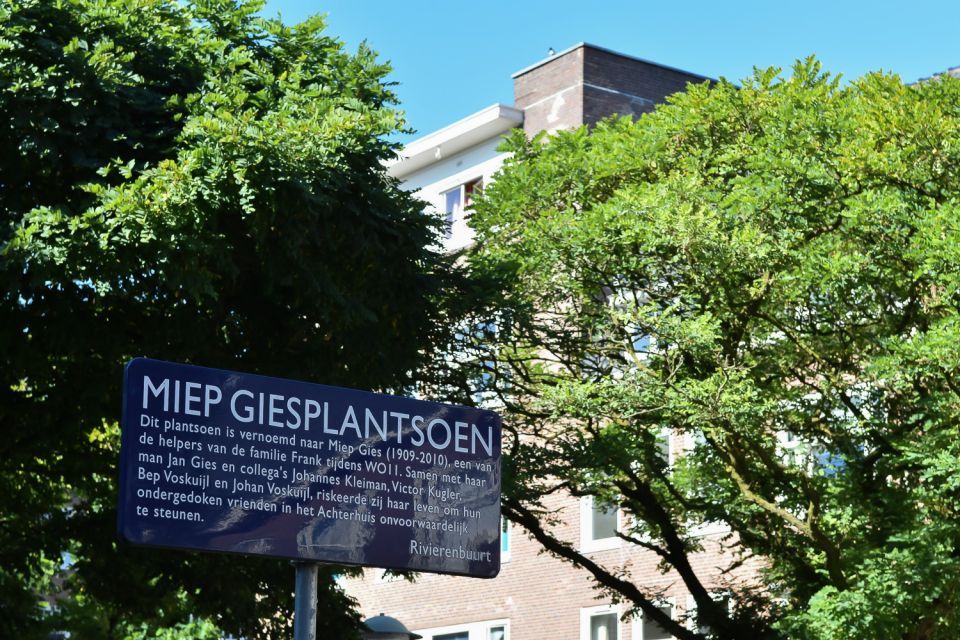
Another highlight is the area connected to Miep Gies, one of the courageous helpers. She served as Otto Frank’s secretary, helped protect the family, and later saved Anne’s diary after the arrest. On a tour like this, you don’t just memorize names—you connect them to geography.
Passing by the home area helps you understand how support networks work in real neighborhoods. It’s not a single heroic act in a vacuum. It’s people living their lives while making choices that became lifesaving.
That’s the part I find most meaningful on this kind of walk. You’re not only looking at the moments people remember. You’re also seeing the framework around them: where helpers might have been, and how a community’s courage can show up in everyday places.






Amsterdam Zuid’s 1920s and 1930s Planning: A Different Kind of Historical Lens
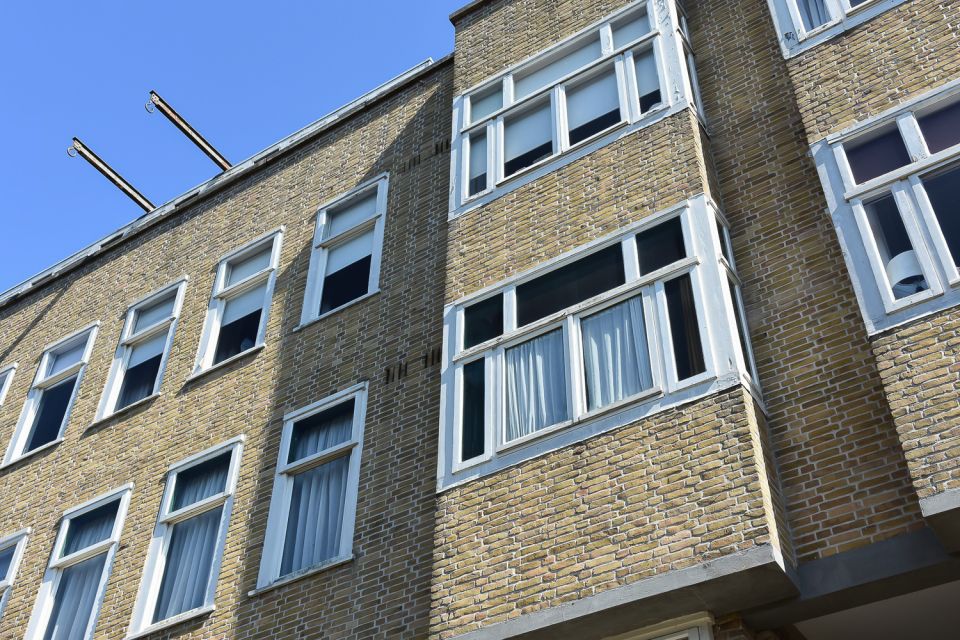
This tour takes place in Amsterdam Zuid, and that choice is more than a scheduling quirk. Built in the 1920s and 1930s, the neighborhood reflects ideas in urban planning, architecture, and social housing. You can actually sense that through the streets and buildings you pass.
I like that this expands the story beyond World War II. It gives you an Amsterdam that existed before the hiding story fully took over. When you understand the city’s physical layout and housing approach, you understand more about how families lived, found stability, and navigated daily life.
This is also where you get a quieter experience compared with the most overcrowded parts of central Amsterdam. You’re not just chasing famous landmarks. You’re learning how the city works and why it felt like home to millions, including Anne during her childhood years.
Price and Timing: Is $18 Worth It for 1.5 Hours?
At $18 per person for a 1.5-hour guided walk, the value is pretty strong for two reasons. First, you’re paying for an organized story. You get a structured sequence of places—schools, neighborhood streets, the diary bookshop connection, and the Miep Gies home area. Second, you’re not spending time hunting down these points on your own in a part of Amsterdam that many visitors skip.
The tour also keeps your expectations honest. It does not grant access to the Anne Frank House. So if your goal is to go inside and see the Secret Annex itself, you’ll need a different ticket and timing. But if your goal is to understand where Anne’s life started before the hiding story, this tour earns its price.
The strong overall rating—4.7 with 53 reviews—suggests many people find the guide’s delivery and the selection of stops a good match for what they want from the Anne Frank story. You’re also in English for the live guide, which makes a difference if you want questions answered clearly.
What You Should Bring (And What to Skip)

The essentials are simple. Bring comfortable shoes because you’ll cover a small amount of walking. A camera is a good idea because the tour is about seeing real street-level context.
An umbrella is recommended for rainy days. Amsterdam weather can change quickly, and you don’t want soggy shoes cutting your attention to the story.
Also, pets aren’t allowed. So if you’re traveling with a furry sidekick, plan accordingly.
For comfort and respect, consider wearing layers. It’s a city walk, not a museum sprint.
Who This Tour Fits Best
This tour works best if you want the human scale of Anne Frank’s life—her childhood locations, not just the famous end chapter. If you like guided storytelling that stays grounded in place, you’ll probably enjoy the route through Amsterdam Zuid.
It’s also a good fit for first-timers who want something meaningful without fighting through the busiest crowds. And if you’re the type who likes asking questions, you’ll appreciate that the guide is set up to answer them with detail.
It’s not ideal if you need wheelchair access or have mobility limitations. The walking portion and the tour’s format make that a mismatch based on the tour’s stated suitability.
Should You Book This Anne Frank Walking Tour?
I’d book this if you want to understand Anne Frank as more than the Secret Annex. The focus on schools, neighborhoods, and the diary bookshop connection makes the story feel specific and real. Add in the Amsterdam Zuid angle—1920s and 1930s planning, architecture, and social housing—and you get a side of the city that many people miss.
Skip it or plan differently if you mainly want to enter the Anne Frank House. This walk is designed to show where she grew up and how the story connects to everyday Amsterdam, not to replace the house ticket.
If you want a thoughtful 1.5-hour experience that you can pair with other Anne Frank visits later, this one is a solid choice.
FAQ
How long is the Amsterdam: The Life of Anne Frank Walking Tour?
The tour lasts 1.5 hours.
Where do I meet the guide?
You meet at Merwedeplein 61, at Square Merwedeplein in Amsterdam Zuid, in front of the statue of Anne.
How much does the tour cost?
The price is $18 per person.
Is this tour in English?
Yes, the live tour guide speaks English.
Does the tour include entry to the Anne Frank House?
No. The tour shows the areas where Anne grew up, but it does not grant access or allow you to enter the Anne Frank House.
What should I bring?
Bring comfortable shoes, an umbrella, and a camera.
Are pets allowed?
No, pets are not allowed.
Is the tour suitable for wheelchair users or people with mobility impairments?
No. It is not suitable for people with mobility impairments or wheelchair users.
Can I cancel for a refund?
Yes. You can cancel up to 24 hours in advance for a full refund.