
REVIEW · MUSEUMS
Amsterdam: The Kattenkabinet Cat Museum Entry Ticket
Book on GetYourGuide →Operated by Museum Het Kattenkabinet · Bookable on GetYourGuide
Cats meet big-name art in Amsterdam. The Kattenkabinet is a cat-only museum housed in a canal-house setting, with artwork and objects that follow feline culture through centuries. I love how the collection mixes famous names like Picasso and Rembrandt with lighter, quirky cat creations, and I like that the museum’s story is tied to Bob Meijer and his original cat inspiration.
The main consideration is size: it’s a compact visit. Many people finish quickly, and seating in the garden can be limited depending on what areas are open, so it helps to set your expectations for a focused, short stop rather than a half-day museum marathon.
In This Review
- Key things to know before you go
- Kattenkabinet on the Herengracht canal: a canal-house cat obsession
- The cat art that stretches from old masters to posters and photos
- Resident cats, plus the photo-shrine that turns art into a conversation
- What the visit really feels like: short, packed, and family-friendly
- Garden time on the edge of the art rooms
- Tickets and value: does $15 make sense for a small museum?
- Rules that matter: no food, no smoking in the garden
- Who should book Kattenkabinet, and who should skip it?
- Should you book this Kattenkabinet ticket?
- FAQ
- How long does the Kattenkabinet visit take?
- What kind of art and objects will I see?
- Are there live cats in the museum?
- Who is the museum associated with?
- Can I leave a photo of my cat at the museum?
- Is food or drink allowed inside?
- Is there outdoor space or a garden?
- How much does the ticket cost?
- Is it suitable for kids?
Key things to know before you go
- Cat-only collection: art and objects entirely centered on cats, from posters to sculptures
- Big artists, small rooms: you’ll see names like Rembrandt and Picasso in a tight, walkable layout
- Resident cats on site: cats may be wandering around and can sometimes be petted
- Leave-your-own-cat tribute: there’s a shrine where you can add photos or notes for future visitors
- Canal-house setting: the museum sits on the Herengracht canal, in a building with standout ceiling art
Kattenkabinet on the Herengracht canal: a canal-house cat obsession
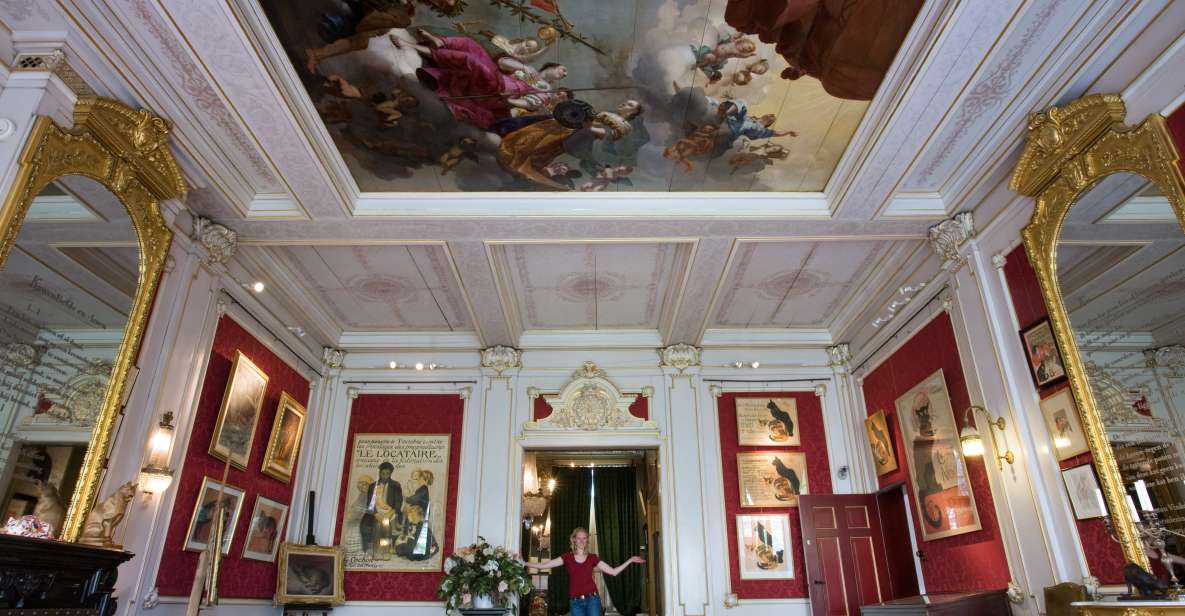
Amsterdam has grand museums. This one does not try to compete on size, which is exactly why it works. Kattenkabinet is built around one charming, very specific idea: cats deserve their own museum, and their presence in art deserves attention across styles and eras.
You enter and immediately get the sense that you’re stepping into a curated home-meets-gallery space. The museum is located on the Herengracht canal, and the setting feels like part of the experience, not just a backdrop. In at least one room, you can also spot a ceiling painting dating to the 17th-century style world—credited to the school of De Lairesse—and it shows the Amsterdam City Virgin. There’s a feel-good note here too: that ceiling artwork emerged after renovations done in the 1980s, so it’s part of the museum’s modern revival as well.
If you like places that feel slightly eccentric—in a good way—this is your kind of stop. It’s also a calm option for families and solo travelers who don’t want to fight crowds across multiple floors of unrelated exhibits.
You can also read our reviews of more tours and experiences in Amsterdam



The cat art that stretches from old masters to posters and photos
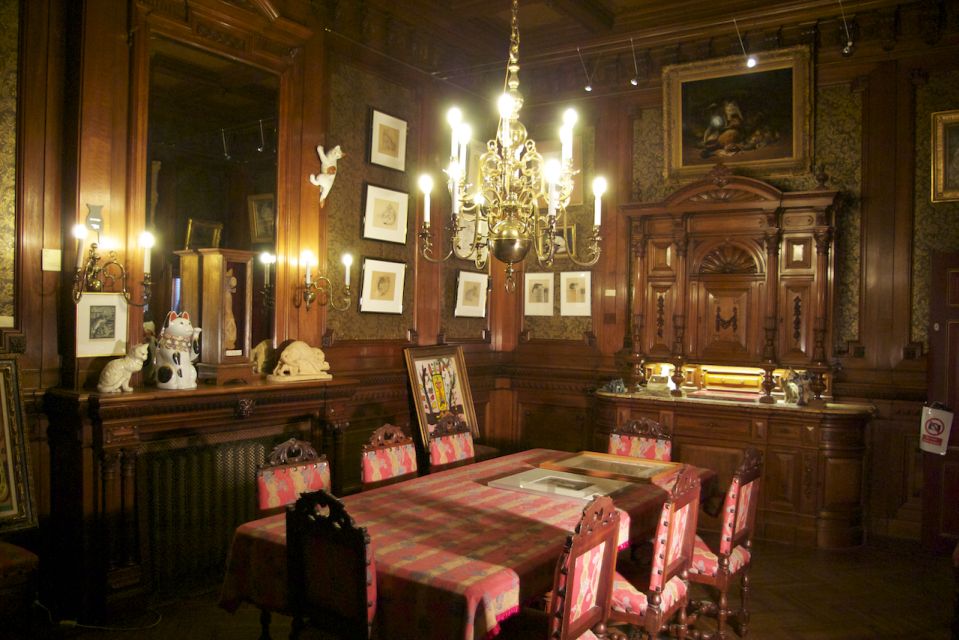
What surprised me most is how broad the collection feels, even though the museum itself is small. You’re not just looking at cat paintings. You’re seeing cats represented through multiple mediums, including photos, lithographs, drawings, and more. That variety matters because it shows how cat imagery shifts depending on technology and taste.
The highlights are the big art-museum names mixed into a cat-focused lens. The collection includes works by artists such as Rembrandt, Picasso, and Toulouse-Lautrec. It also lists other creators like Corneille and Jože Ciuha, which helps confirm this isn’t only “cute cat decor.” It’s a serious art collection with a playful subject.
And then there’s the fun stuff. There are plenty of works by lesser-known artists too, and that adds texture. You might find whimsical cat posters and smaller works that feel like they’re from someone’s private obsession rather than a corporate display.
One of the most memorable categories, especially for history buffs, is the presence of very old cat-related material. A review mentions a mummified cat from 200 BC, which is the kind of object that instantly reframes your idea of what a cat museum can be. Even if you don’t go in expecting archaeology or museum-grade artifacts, you’ll still leave feeling like cats have a long visual history—far beyond modern pet culture.
Resident cats, plus the photo-shrine that turns art into a conversation
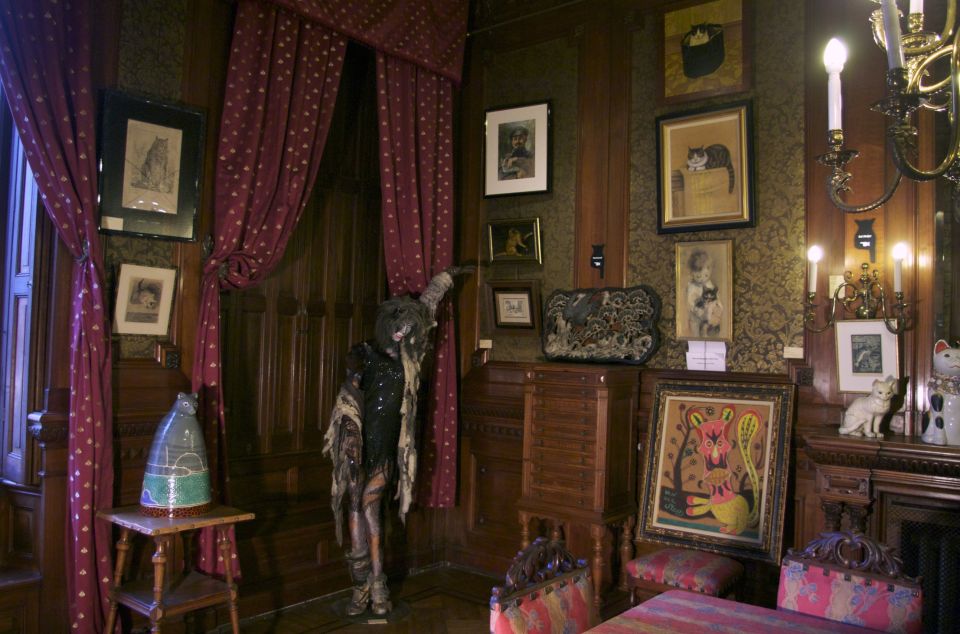
A normal museum keeps animals out. Kattenkabinet does the opposite. The resident cats are genuinely part of the experience, wandering around the museum and showing up in quiet, everyday ways—sometimes posing, sometimes lounging, sometimes looking like they own the place (which, in spirit, they do).
This is where the experience becomes a little more interactive than you’d expect. Reviews mention cats being friendly and sometimes letting people pet them. If you’re a cat person, this is the moment that turns a museum visit into a story you’ll retell: walking through art, then suddenly you’re face-to-face with a real cat in the middle of the collection.
The museum also gives you a way to add your own chapter. There’s a shrine where you can leave photos or notes of your cats. It’s a small detail, but it changes the mood. You’re not only viewing a curated history of cat art—you’re also participating in a community ritual that connects cat owners across time.
In the same spirit, reviews name resident cats such as Nala and Oscar, which tells you the cats aren’t random decorations. They’re living residents, and their presence can vary from day to day. That unpredictability is part of the charm—sometimes you’ll catch a cat out and about right away, and sometimes you’ll get a quieter encounter.
What the visit really feels like: short, packed, and family-friendly
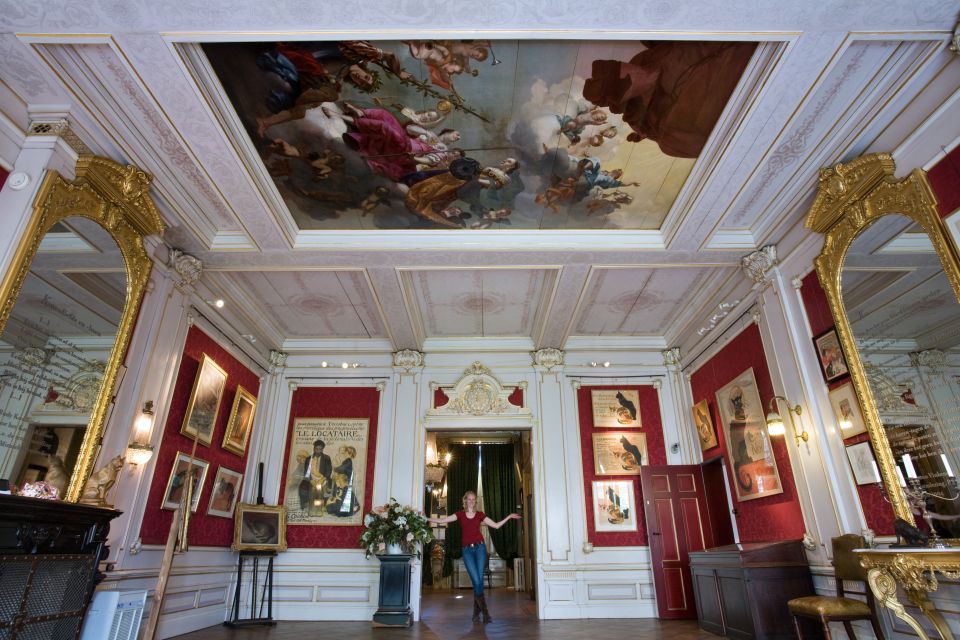
Kattenkabinet has a reputation for being short, and that’s accurate in the practical sense. The museum is laid out in a small number of rooms across about one or two levels, and people frequently mention finishing in under an hour. Some visits are reported as quick—around 20 minutes—while others last closer to two hours, especially when you slow down to look, then chat with staff, then pause for resident cats.
So here’s the best way to plan it: don’t schedule Kattenkabinet as a filler. Treat it as a focused 60–90 minute stop unless you’re moving fast and you’re mostly there for the cats. If you want time to read labels, take photos, and enjoy the atmosphere, build in a little buffer.
For families, this place can work better than you’d think. A review mentions keeping children (ages 9 and 13) engaged for a solid stretch. The cat focus naturally helps kids stay interested, and the resident cats give you a built-in “activity,” not just a viewing experience.
Space is limited, though. Several comments point out that the museum doesn’t have much seating, and that the garden area might have limited seating or might not be fully available in certain seasons. If your ideal museum day includes long breaks, you may want to plan a nearby pause elsewhere.
Garden time on the edge of the art rooms
The museum has outdoor space, and when it’s accessible, it adds a nice breathing zone. Reviews mention a garden area that’s pleasant to sit in, and that can be a welcome change after you’ve been indoors with walls full of cat art.
Just note that outdoor access can be seasonal or affected by opening schedules. One review says an area was closed off until summer, which is a reminder to keep your expectations flexible. Even when the outdoor part is limited, the interior still delivers the main idea—cat art in a canal-house setting, plus those roaming residents inside.
Also pay attention to the house rules. Food and drinks aren’t allowed inside the museum, and smoking in the garden isn’t permitted. It’s a small rule set, but it matters because it affects comfort and pacing once you’re there.
You can also read our reviews of more museum experiences in Amsterdam






Tickets and value: does $15 make sense for a small museum?
At about $15 per person, Kattenkabinet isn’t “cheap,” but it doesn’t feel overpriced if you’re the right kind of visitor. The value comes from a specific combo: cat art across styles, a surprisingly recognizable list of artists, and the added factor of resident cats.
If you’re only casually curious about cat-themed culture, the compact size can feel like the ticket cost doesn’t stretch that far. Many people describe it as short, and that’s the most honest consideration. If what you want is a large museum experience with hours of content, you’ll likely feel ready to move on quickly.
But if you’re a cat lover, or you enjoy oddball collections that merge art history with everyday whimsy, the $15 can make sense. A small museum that’s stuffed with references—paintings, posters, sculptures, and even oddly historic material—can be a better value than a bigger museum where half the galleries are irrelevant to you.
One extra value point: the gift shop has a strong reputation, with cat-themed items like posters and bags. If you like turning souvenirs into real keepsakes, you may find something that fits the museum’s tone without needing to chase “standard Amsterdam” merch.
Rules that matter: no food, no smoking in the garden
Kattenkabinet keeps the space tidy and museum-like. You can’t bring food and/or drinks into the museum, and smoking in the garden isn’t allowed.
This is more than a technical note. It helps keep the galleries pleasant for everyone, especially when resident cats are part of the scene. If you’re planning a longer outing, eat before you arrive or plan a nearby break after—don’t count on snacking inside to stretch the visit.
Who should book Kattenkabinet, and who should skip it?
Book Kattenkabinet if you want a cat-focused art stop that feels personal, quirky, and very easy to fit into a day in Amsterdam. It’s ideal for families who want something age-friendly, and it’s also ideal for adults who enjoy specific themes—cats, pets, and the way animals show up in visual culture.
Skip it if you need a large-scale museum day, or if you’re sensitive to short visits where you finish quickly. This isn’t a “wander for half a day” museum. It’s a concentrated experience, and part of the fun is that the museum doesn’t pretend to be anything else.
My practical advice: pair it with a canal walk on the same day. The location on the Herengracht makes it natural to tack on a stroll before or after, so you don’t feel like the ticket is floating in an otherwise empty schedule.
Should you book this Kattenkabinet ticket?
If you love cats, and you also enjoy art (even if only in a casual way), I’d book it. The combination of themed cat art, a canal-house setting, and resident cats makes it feel like more than just a “theme museum.” At $15, it’s a fair price for a focused visit—especially when you plan your time around a 1–2 hour experience.
If you’re on the fence, think about what you’re really seeking in Amsterdam: do you want “a lot of museum floors,” or do you want a small, memorable, oddly charming experience built around one subject? Kattenkabinet is built for the second answer.
FAQ
How long does the Kattenkabinet visit take?
Most people describe it as a short visit. Many finish in about an hour or less, though some extend it closer to two hours, especially if you slow down to read, look closely, and watch the resident cats.
What kind of art and objects will I see?
You’ll see a cat-themed collection that includes paintings, drawings, posters, sculptures, lithographs, and photos, along with a mix of famous artists and lesser-known work. The collection also includes some surprisingly historic cat-related material.
Are there live cats in the museum?
Yes. There are resident cats in the museum area, and reviews mention them wandering around and sometimes being friendly enough to pet.
Who is the museum associated with?
The museum collection is tied to Bob Meijer, the museum owner and cat lover who established the collection.
Can I leave a photo of my cat at the museum?
Yes. There’s a shrine where you can leave photos or notes about your cats for future visitors to see.
Is food or drink allowed inside?
No. Food and/or drinks aren’t allowed in the museum.
Is there outdoor space or a garden?
There is a garden area. Access can vary, and some parts may be closed at certain times, but the outdoor space is part of the overall experience when it’s open.
How much does the ticket cost?
The ticket price is listed as $15 per person.
Is it suitable for kids?
It can be a good choice for children. Reviews mention kids staying engaged for a couple of hours, and the resident cats add a fun, watchable element alongside the art.