REVIEW · BIKE & E-BIKE TOURS
Amsterdam: Guided City Bike Tour in French
Book on GetYourGuide →Operated by Amsterdam Velo - Tours en Francais · Bookable on GetYourGuide
Cycling Amsterdam is the fastest reality check. You’ll glide through canals and neighborhoods with a French guide, with stops that make big sights feel understandable instead of overwhelming.
I especially like the small-group feel, capped at 12 people per guide, so you’re not just another body in a crowd. One thing to consider: this is still biking for about 2.5 hours, and the roads can be slippery in rain, so plan for that and wear closed-toe shoes.
In This Review
- Why IJdok 47 Bike Tours Feel More Like Local Time
- Getting Started at Amsterdam Vélo (IJdok 47) and Bike Basics
- Western Islands to De Negen Straatjes: Amsterdam’s Smaller Scale
- Grachtengordel Canals and Magere Brug: The Photo Stops That Teach You
- Jordaan Time: The Neighborhood That Feels Like a Shortcut to Knowing Amsterdam
- Anne Frank House Area and Westerkerk: Major Sights, Human Context
- Jewish Quarter and the Stories That Make the Streets Meaningful
- Vondelpark Without the Random Walk Feeling
- Museum Quarter Break Near Rijksmuseum and Van Gogh Museum
- Value for $41: When “Bike + Guide” Adds Up
- How to Plan for Weather, Safety, and Comfort
- Luggage, Discounts, and What Happens After You Ride
- Who This Tour Fits Best (and Who Should Skip It)
- Should You Book This Amsterdam Velo French Bike Tour?
- FAQ
- How long is the Amsterdam French guided bike tour?
- Where do I check in for the tour?
- What language is the guide?
- Is the bike included in the price?
- Are baby seats available for small children?
- What ages can bikes accommodate?
- What should I wear or bring?
- Are alcohol or drugs allowed during the tour?
- What areas and sights are included in the route?
- What do I get after the tour?
Why IJdok 47 Bike Tours Feel More Like Local Time
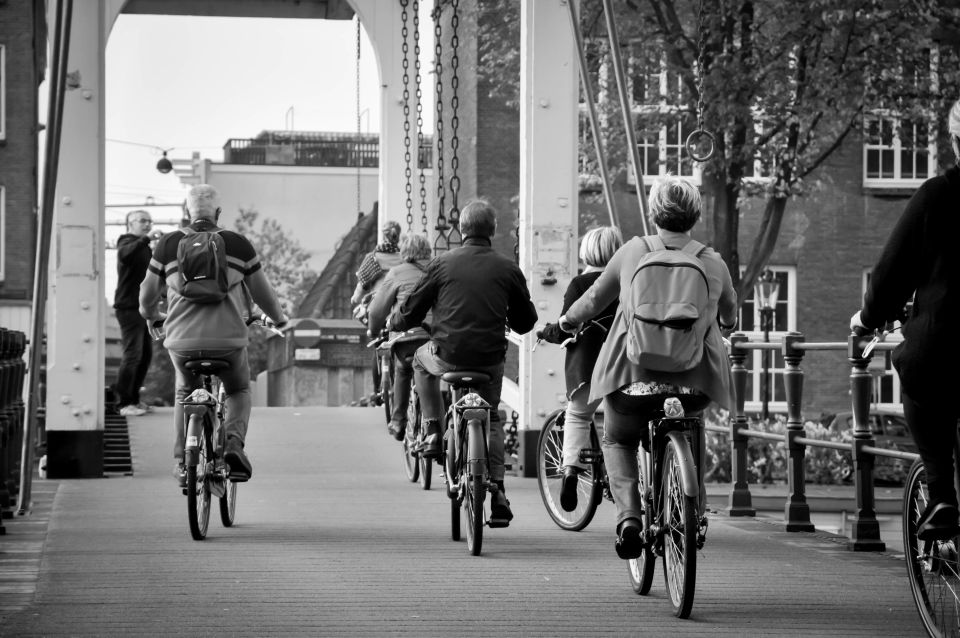
This isn’t a seat-and-museum tour. It’s a pedal-paced city orientation, built around Amsterdam’s signature stuff: canal belts, tight historic streets, and neighborhoods that look like they grew organically (because they did).
The French guides, including Pierre, Marcel, George, Marie, and Paul, keep the pace friendly and the stories practical. And in the real world, you can tell the guide quality matters—some tours are described as funny, lively, and good at adjusting to the group.
For you, the win is simple: you get context while you’re actually moving through the city. That’s how Amsterdam clicks.
Getting Started at Amsterdam Vélo (IJdok 47) and Bike Basics
You meet at Amsterdam Vélo office for check-in, at IJdok 47. From there, the tour settles into a loop that covers the center without feeling like a marathon.
Before you set off, confirm your fit and comfort. The bikes include hand brakes and no foot brakes, so make sure you’re confident using the brakes with your hands. All bike sizes are available from 8 years old, and there are baby seats if needed for smaller kids.
You should also plan your footwear. Closed-toe shoes are required. That’s not just a rule—Amsterdam bike pedals and shoes are a safety combo.
You can also read our reviews of more cycling tours in Amsterdam
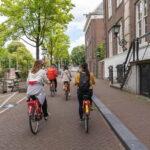
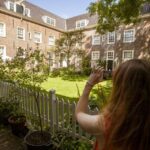
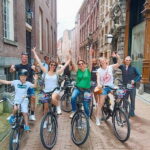
Western Islands to De Negen Straatjes: Amsterdam’s Smaller Scale
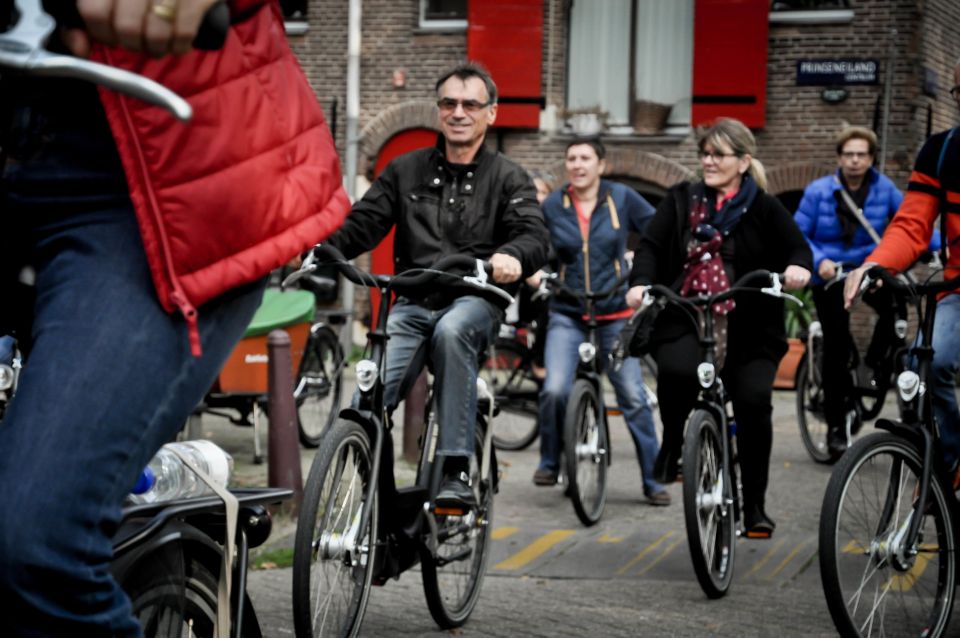
The early part of the ride takes you through the Western Islands, which helps you understand the city’s geography before you hit the classic canal core. It’s a good mental warm-up: you start to see how waterways, blocks, and bridges connect.
Then comes De Negen Straatjes (the Nine Streets). This area is all about small lanes and a neighborhood vibe. Even if you think you know Amsterdam, this kind of street texture is hard to catch if you’re only walking from landmark to landmark.
The guide pacing here matters. The tour includes short guided moments, then room to look and take photos. That blend helps you avoid the feeling of being rushed through narrow streets.
Grachtengordel Canals and Magere Brug: The Photo Stops That Teach You
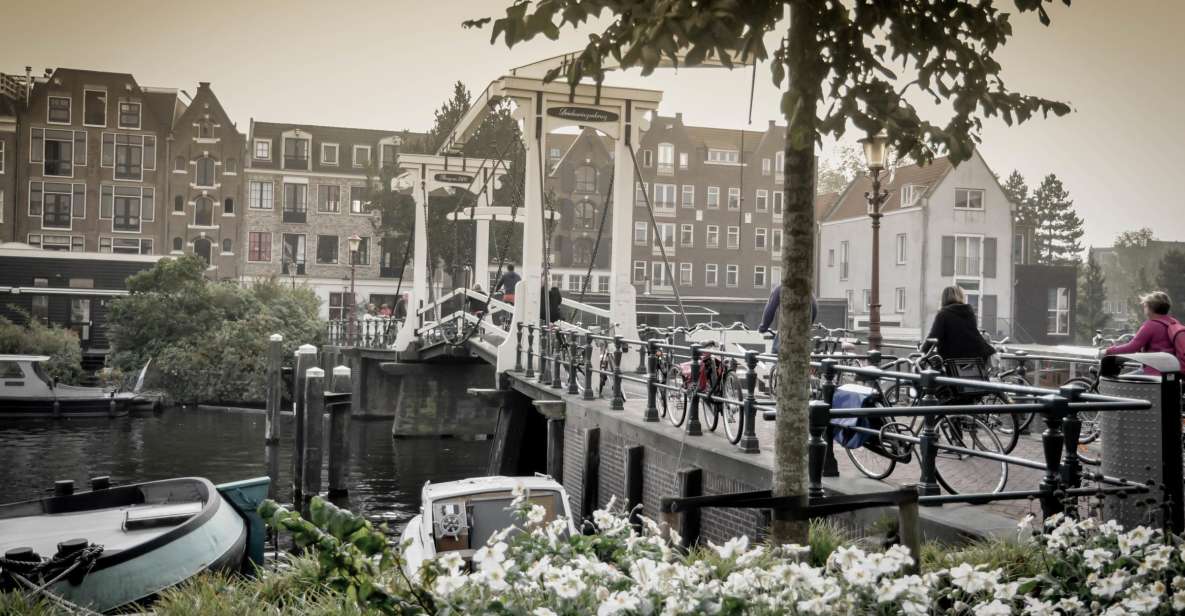
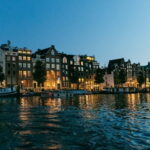
Once you’re on the Grachtengordel canal belt, you’re in the “this is why Amsterdam is Amsterdam” zone. The canal layout, the architecture, and the rhythm of bridges start to make sense as you ride along.
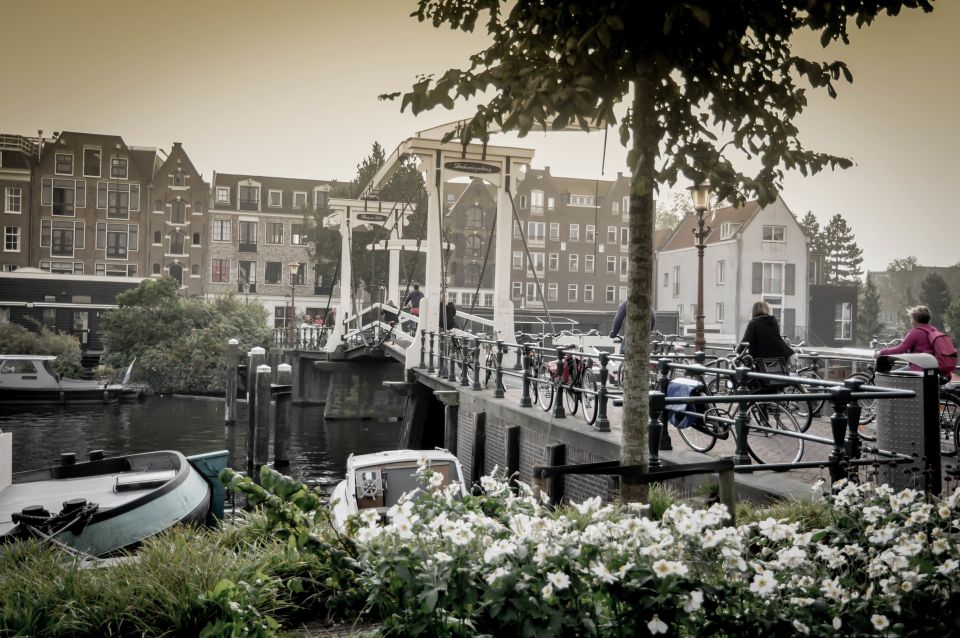
A highlight is Magere Brug. It’s one of those spots people recognize, but the tour approach gives you more than a quick snapshot. You get the story behind the architecture and why these waterways shaped life here.
The tour also includes a pretty canal stretch along the Amstel, with a guided stop time built in. The practical value: you see where the city feels open and where it feels tight, so later, when you walk on your own, you’ll navigate better.
Jordaan Time: The Neighborhood That Feels Like a Shortcut to Knowing Amsterdam
The Jordaan is where the tour starts feeling personal. This is the part that helps you move from famous sights to everyday Amsterdam.
You get a dedicated stop with photo time, sightseeing, and a bike segment. The guide uses these pauses to explain Dutch lifestyle and architecture differences in a way that doesn’t require reading a book first.
This neighborhood is also where you’ll likely notice the “small details” you’d miss on foot: how the street widths funnel you, how canals sit beside housing, and how the building lines create constant visual rhythm.
I like the way the guide frames it. Instead of treating buildings like scenery, you’re encouraged to see how people lived with light, water, and space.
Anne Frank House Area and Westerkerk: Major Sights, Human Context
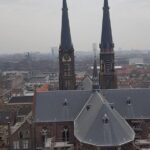
You’ll pass by Anne Frank House and also stop at Westerkerk. The key here is not rushing past a landmark. The tour format includes guided context and a short stop for photos and viewing.
Because you’re biking and the stop is timed, don’t expect long museum-style time. What you will get is a clearer understanding of why these places matter, plus architectural and neighborhood context that helps you place them on the map of Amsterdam.
If you’re the kind of person who likes history but hates the heavy lectures, this is a good middle ground. The guide’s goal is to help you connect dots while you’re still in the street-level world.
You can also read our reviews of more guided tours in Amsterdam




Jewish Quarter and the Stories That Make the Streets Meaningful
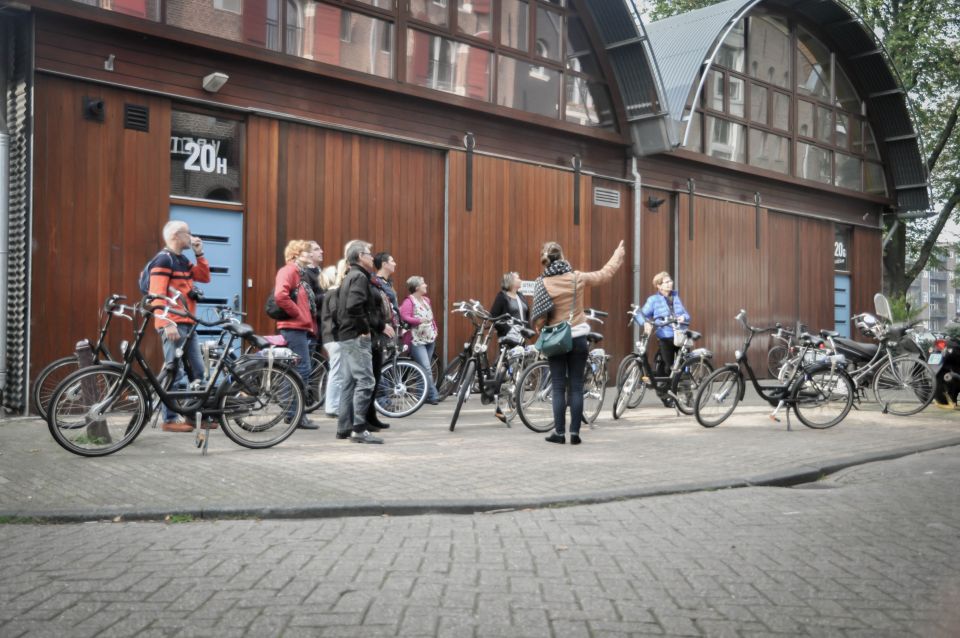
Next up is the Jewish Quarter, with a guided segment focused on history and neighborhood character. This part of the route makes it easier to understand how Amsterdam’s different districts evolved and how daily life shaped architecture and culture.
You’ll also notice the tour includes time at Jewish Quarter before heading into green space. That order helps: you get the human context first, then you can breathe and reset.
Even for first-time visitors, this sequence usually clicks. It turns the ride into a story arc, not a list of stops.
Vondelpark Without the Random Walk Feeling
After the more historical areas, you reach Vondelpark. This is one of the best “you’re actually in Amsterdam now” transitions. A guided stop here is short, but it still helps you orient: where the park sits, how it connects to surrounding streets, and what it feels like as a local escape.
Then you’re back on the bike for more urban detail, including Entrepotdok and stops toward Plantage. This keeps the tour from becoming one-note. You’re seeing city life in different modes: waterways, residential lanes, history, and then a major green space.
And yes, parks in Amsterdam are part of the culture, not just decoration.
Museum Quarter Break Near Rijksmuseum and Van Gogh Museum
The tour includes a break time in the Museumkwartier area, plus photo stops and some free time. This is a smart setup. You get a breather mid-tour, and it also gives you a chance to grab water or just stand still for a minute.
After that, the ride continues past major museum territory:
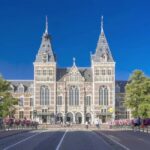
- Rijksmuseum (short guided look)
- Van Gogh Museum (short guided look)
These are timed for viewing and orientation, not full museum visits. What makes it worthwhile is the way the guide connects the museum square area to the canal-city logic around it.
If you plan to come back later for museum tickets, this section helps you choose your route and avoid decision fatigue on your first day.
Value for $41: When “Bike + Guide” Adds Up
For $41 per person and about 2.5 hours, the value is mainly in the combo:
- you get a bike included
- you get a live French guide
- you cover multiple districts without wasting time figuring out route logistics
Bike tours can be hit-or-miss if the guide just recites trivia. Here, the guide approach is repeatedly described as funny, informed, and able to adapt to different groups. Even better, the group size limit of 12 per guide improves your experience. You can actually hear explanations without playing audio roulette.
Also, the tour doesn’t stop at the ride. After the tour, you receive recommendations for Dutch local restaurants, cafés, local bars, and neighborhoods to visit on foot, plus maps. That’s practical value on day one, when you still don’t know where the good corners are.
How to Plan for Weather, Safety, and Comfort
One review highlights that even with rain on a holiday, the tour was still enjoyable. That’s a useful signal: this company doesn’t treat weather like a reason to cancel at the first sign of wet roads.
So here’s what you should do:
- bring a layer you can handle if the weather flips
- wear closed-toe shoes
- keep your grip ready—because these bikes are hand-brake bikes
- be prepared for short photo stops even when conditions aren’t perfect
Also note: alcohol and drugs are not allowed. This is important for a bike tour. It keeps things safer and smoother for everyone.
Luggage, Discounts, and What Happens After You Ride
You can leave your luggage while you do the bike tour, which is a big help if you’re traveling light but not carrying all your bags with you.
After the ride, you’ll get local guidance for walking routes, plus maps. And if you want to keep biking after the tour, the provider offers a 10% discount for bike rental after the tour. There’s also a 10% discount on another French guide tour by boat or windmill, if you want to build a second day around different Amsterdam vibes.
It’s a nice structure: you get your orientation first, then you choose deeper experiences.
Who This Tour Fits Best (and Who Should Skip It)
This tour is a great fit if you want:
- an efficient first look at central Amsterdam and canal districts
- French-language guiding with plenty of context stops
- a route that includes Jordaan, Vondelpark, and major neighborhood landmarks
It’s also family-friendly in the practical sense: bikes are available from 8 years old, and baby seats exist for younger kids if needed.
The one clear no is age. It’s not suitable for people over 95 years. Beyond that, your main decision is comfort: if you’re comfortable on a bike for a couple hours and you’re okay with city biking conditions, you’ll likely enjoy this.
Should You Book This Amsterdam Velo French Bike Tour?
If you’re visiting Amsterdam for the first time, or you want a clean way to understand the city’s structure fast, I’d book this. The combination of canal routes, Jordaan street time, Vondelpark, and short museum-quarter orientation covers a lot of ground without turning into a frantic checklist.
I’d especially lean toward it if you value a guide who can keep things moving with humor and clarity, and if you like the idea of a group capped at 12.
Skip it only if you don’t want biking for about 2.5 hours, or if weather conditions would make you uncomfortable riding. Otherwise, this is one of the most direct ways to see Amsterdam the way locals experience it: by staying in motion.
FAQ
How long is the Amsterdam French guided bike tour?
It lasts 2.5 hours.
Where do I check in for the tour?
You check in at the Amsterdam Vélo office, located at IJdok 47.
What language is the guide?
The live tour guide speaks French.
Is the bike included in the price?
Yes. The bikes are included in the tour price.
Are baby seats available for small children?
Yes. Baby seats are available if needed.
What ages can bikes accommodate?
All bike sizes are available for children from 8 years old.
What should I wear or bring?
Wear closed-toe shoes.
Are alcohol or drugs allowed during the tour?
No. Alcohol and drugs are not allowed.
What areas and sights are included in the route?
You’ll visit areas including the Westerdok, Jordaan, Museumsquare and the Rijksmuseum area, the Jewish District, Vondelpark, Amsterdam canals and architectural monuments, plus stops around Anne Frank House, Westerkerk, Entrepotdok, and Plantage.
What do I get after the tour?
After the tour, you receive recommendations for Dutch local restaurants, braun cafés, local bars, and neighborhoods to visit on foot, with maps available.