REVIEW · ANNE FRANK & WWII HISTORY TOURS
Jordaan, Anne Frank and Leidseplein tour in English
Book on GetYourGuide →Operated by Camaleon Tours · Bookable on GetYourGuide
Amsterdam’s stories start at the canals. In this 3-hour English tour, you’ll get a guided walk that ties together the Canal Ring (17th-century, World Heritage-listed) with the places connected to Anne Frank and WWII.
I also like how it balances big, emotional context with street-level details: you’ll move through the Jordaan’s character, learn what happened around the Prinsengracht area, and finish with a stroll through Vondelpark. The one catch: the Anne Frank House ticket isn’t included, so you’re doing a guided visit around the site history rather than guaranteed entry.
Key points to know before you go
- Canal Ring orientation fast: you’ll see the 17th-century canal-world, including highlights like houseboats and the narrowest house.
- Anne Frank context on Prinsengracht: the WWII story is explained where it matters, near the museum area.
- Jordaan street life: you’ll pass the bohemian-feeling neighborhood and its famous brown cafés vibe.
- Vondelpark at walking pace: you’ll get a real park break, with Museumplein right nearby for follow-on sights.
- Mostly on foot in tight spaces: Amsterdam cyclists appear fast, and streets can be narrow—watch your step.
In This Review
- Meeting at Central Station: How the tour starts on time (and why it matters)
- The 17th-century Canal Ring: Your fast lesson in Amsterdam’s design
- Jordaan in real life: Brown cafés, tight streets, and local atmosphere
- Anne Frank’s house area and Prinsengracht: WWII explained where it happened
- Westerkerk: A diary-linked church stop you can actually see
- Leidse Square to Vondelpark and Museumplein: Ending with options
- Price and value: What $29 buys you (and what it doesn’t)
- Pacing, walking, and small-group feel: The practical side
- Should you book the Jordaan, Anne Frank and Leidseplein tour in English?
- FAQ
- How long is the tour?
- Where do I meet the guide?
- Do I need to buy an Anne Frank House ticket in advance?
- Is the tour offered in English?
- What neighborhoods and sights does the tour cover?
- What time should I arrive at the meeting point?
- Is there free cancellation?
- Can I reserve without paying right away?
Meeting at Central Station: How the tour starts on time (and why it matters)
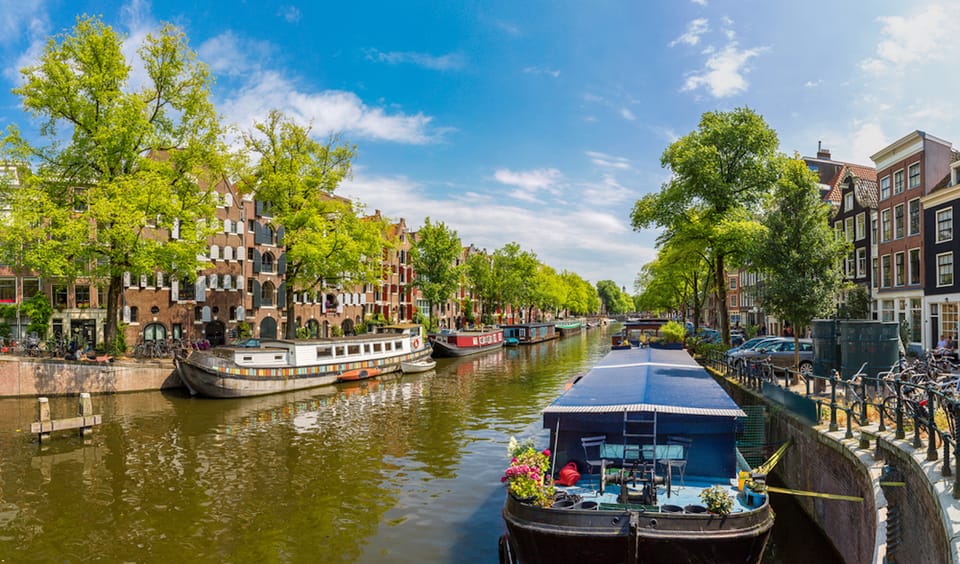
You’ll meet at Stationsplein 10, right in front of Amsterdam Centraal, and the guide carries a green umbrella. Plan to arrive 15 minutes early. That early buffer isn’t just polite—it helps you avoid the classic Amsterdam hassle of figuring out where your group is while trams and bikes keep flowing.
From there, the tour moves on foot through Amsterdam-Centrum and toward the canal area. This first stretch is useful because it gets you oriented quickly. Amsterdam can feel like a maze until you see how the canals and streets connect. The tour’s structure is designed to do that early so the rest of the walking makes sense.
A practical tip: bring something small for the weather. Even when the forecast looks fine, rain can hit quickly in Amsterdam. One trip detail stands out: a rainy day changes how comfortable the cobblestones feel, and it’s nice to have a light layer and a compact umbrella.
The 17th-century Canal Ring: Your fast lesson in Amsterdam’s design
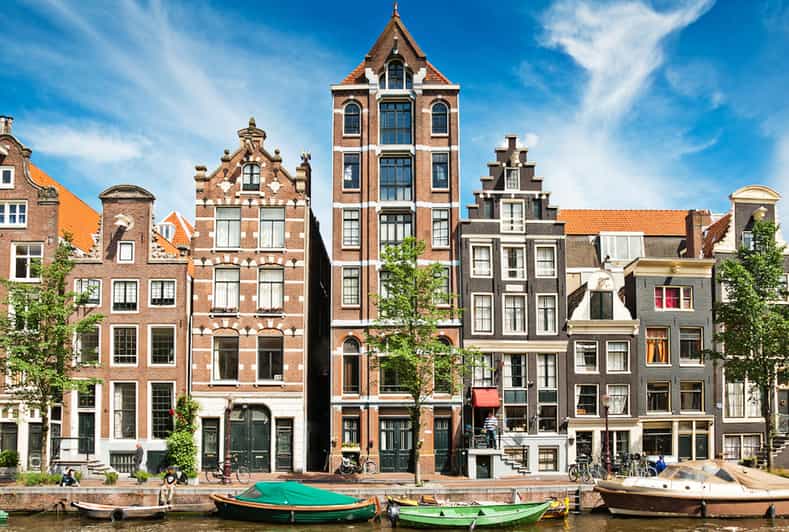
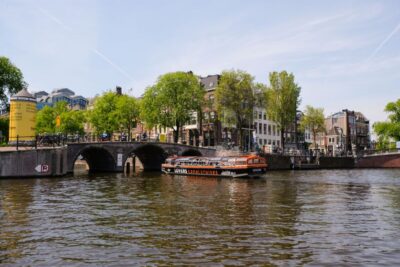
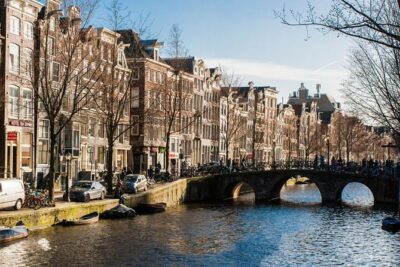
The heart of the tour begins with the Canal Ring, built in the 1600s and now protected as a World Heritage Site. Here’s what I like about this segment: it’s not just photos and facts. The guide’s job is to help you read what you’re seeing—why these canals exist, why these buildings look the way they do, and what daily life would’ve felt like in a canal-based city.
Expect to spot a mix of big visual ideas and specific details, including:
- wealthy merchants’ palaces along the canals
- the narrowest house in Amsterdam (one of those “wow, how does anyone live there?” moments)
- iconic houseboats, which show how water and living space are intertwined here
You’ll also hear how the canal world shaped the city. Even if you’ve seen Amsterdam canals before, this part helps you slow down and notice things you usually rush past—building widths, canal bends, and the way bridges and streets funnel movement.
Drawback to consider: this is a walking tour, and the Canal Ring highlights are spread across short distances that add up. If you’re not used to cobblestones or your feet get sore quickly, it’s worth thinking about supportive shoes. The tour runs about 3 hours, so there isn’t time to “take it slow” all day.
You can also read our reviews of more tours and experiences in Amsterdam.

Jordaan in real life: Brown cafés, tight streets, and local atmosphere
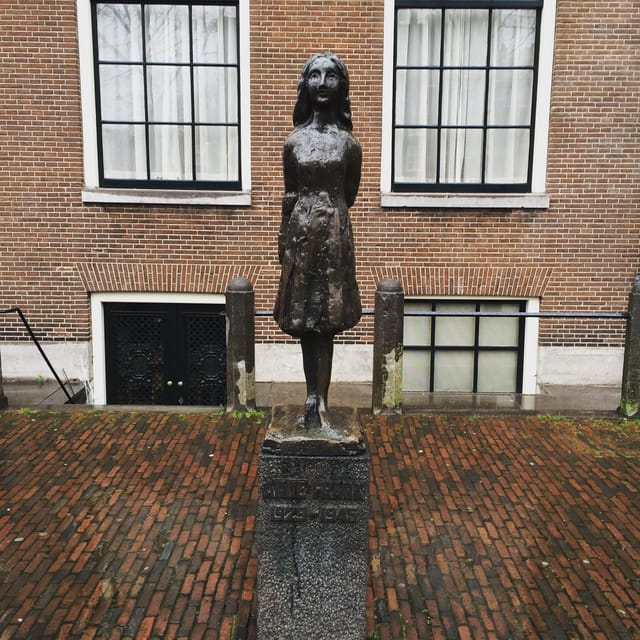
Next comes the Jordaan, a neighborhood known for its bohemian energy and the sense that locals actually live there. You’ll spend about a half hour walking with the guide here, and the tour doesn’t treat it like a theme park.
One reason this stop works is the vibe shift. After the grandeur of canal-era wealth, the Jordaan feels more human-scale—narrower streets, smaller storefronts, and that “this is where you’d wander without a plan” atmosphere. The tour also points out the famous brown cafés, which are more than just places to grab a drink. They’re part of how Amsterdam social life has traditionally worked: intimate, wood-lined, and built for conversation.
You may not get a long sit-down break in the neighborhood, but the guide’s explanation helps you understand what you’re seeing as you move through it. If you’re the kind of visitor who likes neighborhoods more than monuments, this segment is a strong match.
Practical note: Amsterdam streets are often designed for pedestrians and bikes at the same time. That means cyclists can appear quickly, sometimes as groups. Keep your eyes up as you walk, and don’t assume you’ve heard every bike approaching.
Anne Frank’s house area and Prinsengracht: WWII explained where it happened
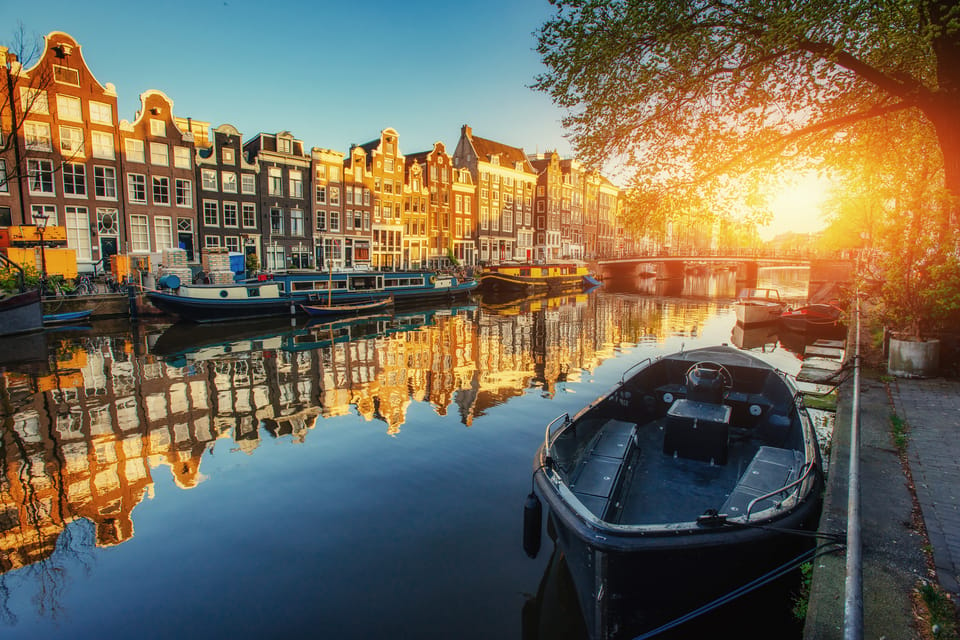
This is the emotional core of the tour. You’ll move from the Jordaan toward Prinsengracht, and you’ll reach the Anne Frank area—described around the house and the museum square nearby. The guide spends time giving history in detail so you understand what WWII meant for people living in Amsterdam, not just as a headline from a textbook.
A key point for planning: the Anne Frank House ticket is not included. That means you should expect orientation and guided storytelling around the site rather than a timed entry inside the house. If you want to go in, you’ll need your own ticket.
What’s valuable here is the framing. The tour doesn’t just say what happened. It connects the geography—canals, streets, hiding places, and the reality of living under danger—to Anne Frank’s experience. It’s easier to understand the diary and the time period when you’re looking at the neighborhood that shaped it.
Timing note: this portion includes short guided walks. It’s close enough to feel immediate, but it’s not a full museum-day schedule. If your main goal is long time inside the Anne Frank House, you’ll likely want to plan that separately.
Westerkerk: A diary-linked church stop you can actually see
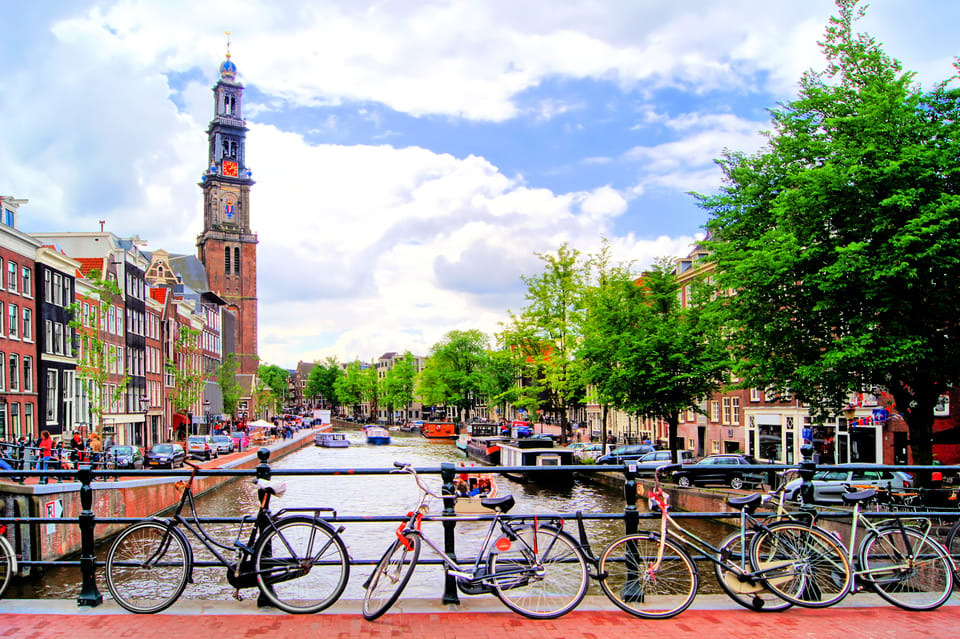
After Prinsengracht, you’ll walk toward the Westerkerk. This isn’t a random church stop. It’s included because Anne Frank mentioned it many times in her diary, which gives the building a specific personal meaning rather than treating it as generic architecture.
For me, this works because it turns a “look at the building” moment into “understand why it mattered.” When your guide points out diary references and location context, you start noticing the bigger picture—how people in hiding still looked at their world, still measured time, and still navigated daily sounds and sights.
This stop is only around 10 minutes on foot, so it won’t satisfy if you’re expecting a deep architectural lecture. But it’s the right length for a history-focused tour: you get the connection, see the place, and move on with the story still intact.
Leidse Square to Vondelpark and Museumplein: Ending with options
The last stretch heads toward Leidse Square and then finishes at Museumplein (1071 DJ Amsterdam). Along the way, you’ll take a walk through Vondelpark, Amsterdam’s largest park. This is a helpful pacing reset. After canal streets and history-heavy stops, you get open space, greenery, and a slower-feeling walk.
One important consideration: the park is big. Even though the tour includes a Vondelpark walk, your exact portion may depend on time and group pace. On some days, it’s possible you won’t get the full park experience because the schedule is designed to keep the overall tour within those 3 hours.
Good to know for your next move: Museumplein is right near two major museums, the Van Gogh Museum and the Rijksmuseum. So your tour ending location is practical. If you’re museum-minded, you can roll right into your next ticketed stop without needing more transport or complicated planning.
If you’re food-minded instead, Leidse area is also a handy place to continue the evening. The tour’s route basically sets you up to choose your own pace after the guide finishes.




Price and value: What $29 buys you (and what it doesn’t)
At $29 per person for about 3 hours, you’re paying mainly for a professional English-speaking guide and a route that covers several top Amsterdam areas: canal highlights, the Jordaan, the Anne Frank/Prinsengracht area, Westerkerk, and Vondelpark.
Here’s the real value math:
- You’re getting multiple “anchor sights” in one morning/afternoon without having to plan connections yourself.
- The guide adds the explanations—especially for Anne Frank and WWII—so you’re not just sightseeing in silence.
- You end near Museumplein, which keeps your next decisions easy.
What you don’t get is the Anne Frank House ticket. That matters because it can change your total cost if you plan to go inside. If Anne Frank House entry is a must-do for your trip, budget for the ticket separately and don’t treat this tour as a replacement.
Who this price works best for: people who want structure and context but don’t want to lock themselves into a full-day program. It’s also a decent option if you want a high-quality intro route—then later you can return on your own for deeper museum time.
Pacing, walking, and small-group feel: The practical side
This tour is built around walking time and short guided stops. That means:
- you’ll see a lot of places quickly
- you’ll want comfortable shoes
- you’ll need to keep an eye on bikes in tight streets
A small but meaningful detail from the experience: on some bookings, the group can feel small—almost like a more personal walk. That can make the guide’s explanations feel more tailored, and it often means you can ask questions without feeling rushed.
Still, you should have a realistic expectation. It’s not a slow neighborhood stroll for hours. It’s a “get your bearings fast, then learn what you’re looking at” kind of tour. If you like your sightseeing at a relaxed pace with long breaks, you may feel the time pressure as the walk continues.
And yes, weather changes comfort. Rain can make the streets slick and make outdoor walking less fun. If you show up prepared (light rain gear, quick-dry layers), you’ll enjoy it more.
Should you book the Jordaan, Anne Frank and Leidseplein tour in English?
I think this tour is a smart booking if you want a focused Amsterdam intro that includes the emotionally important Anne Frank/WWII context—without spending a whole day on logistics.
Book it if:
- you like guided context, especially around Anne Frank and WWII
- you want to connect the dots between canals, Jordaan streets, and the museum area
- you’d enjoy a short Vondelpark break and finishing near Museumplein
Skip or plan differently if:
- Anne Frank House entry inside is your top priority (because the ticket isn’t included)
- you need a very slow, low-walking experience
- you’re sensitive to weather and cobblestones (bring proper gear either way)
If you’re aiming for value and clarity—three hours that help you understand Amsterdam fast—this one fits. Just show up on time at Stationsplein with the green-umbrella guide, wear comfy shoes, and you’ll walk away with a city you can read.
FAQ
How long is the tour?
The tour lasts 3 hours.
Where do I meet the guide?
You meet at Stationsplein 10, in front of Amsterdam Centraal Station. The guide carries a green umbrella.
Do I need to buy an Anne Frank House ticket in advance?
The Anne Frank House ticket is not included. You’ll need to arrange your own ticket if you want to enter.
Is the tour offered in English?
Yes. The tour is in English with a live, professional guide.
What neighborhoods and sights does the tour cover?
It covers the Canal Ring, Jordaan, the Anne Frank House area on/near Prinsengracht, Westerkerk, Leidse Square, and a walk through Vondelpark, finishing at Museumplein.
What time should I arrive at the meeting point?
You should be at the meeting point 15 minutes before departure.
Is there free cancellation?
Yes, you can cancel up to 24 hours in advance for a full refund.
Can I reserve without paying right away?
Yes, it offers Reserve now & pay later.
If you tell me your travel dates and whether you want to enter the Anne Frank House, I can suggest the best way to pair this tour with museum time on the same day.