REVIEW · RED LIGHT DISTRICT TOURS
Amsterdam: Red Light District Tour
Book on GetYourGuide →Operated by Guidance Travel · Bookable on GetYourGuide
Amsterdam’s Red Light District has a way of surprising you. It’s not just neon, it’s policy, protest, and everyday life packed into old city streets. This is a 90-minute walk around the outskirts of De Wallen, told by a long-time local resident, so you get context before you form opinions.
I especially love how the tour focuses on why Amsterdam is so liberal about sex work and drugs, not just what people associate with the area. I also like the steady, respectful approach and the way guide Manouk (friendly, funny, and very chatty about history) answers questions without making it awkward. One drawback to plan for: because guided tours inside De Wallen are prohibited, you won’t go through the core alleys with a guide—you’ll finish with a map for your last stretch on your own.
In This Review
- Key things you’ll get from this walk
- Red Light District, Minus the Shock Factor
- Where You Meet and How to Start With Zero Stress
- Beursplein: The Orientation Moment (and Why It Sets the Tone)
- Dam Square: Big City Energy Meets Small Street Realities
- Warmoesstraat: Street-Level Culture and the Art of Not Being Judgmental
- Zeedijk Street: A Photo Stop That Teaches You How to Look
- Nieuwmarkt Square: Where You Pause, Then Keep Going
- Finishing Near De Wallen: The Map-and-Treat Exit Plan
- Coffee Shops and Liberal Policy: What You’ll Actually Understand
- Sex Work Today: Legalization, Stigma, and Real Pressures
- Timing, Group Size, and Why the 1.5 Hours Feels Right
- Respect, Rules, and How to Dress for a City-Walk
- Who This Tour Suits Best
- Price and Value: Does $25 Make Sense?
- Practical Tips for Your Walk (So It Lands Better)
- Should You Book This Red Light District Tour?
- FAQ
- How long is the Amsterdam Red Light District walking tour?
- Where do I meet the guide?
- Can I join if I want the tour in English?
- Will the tour go inside the Red Light District?
- What’s included at the end of the tour?
- Is the tour wheelchair accessible?
- Is alcohol or drugs allowed during the tour?
Key things you’ll get from this walk
- A locals-first explanation of Amsterdam’s tolerance laws, not a touristy script
- Coffee shop culture context, tied to the city’s broader drug policy
- Manouk’s history storytelling, with lots of room for questions
- A respectful, on-foot overview of current sex-worker challenges and stigma
- A map and small Red Light District treat to guide your next steps
Red Light District, Minus the Shock Factor
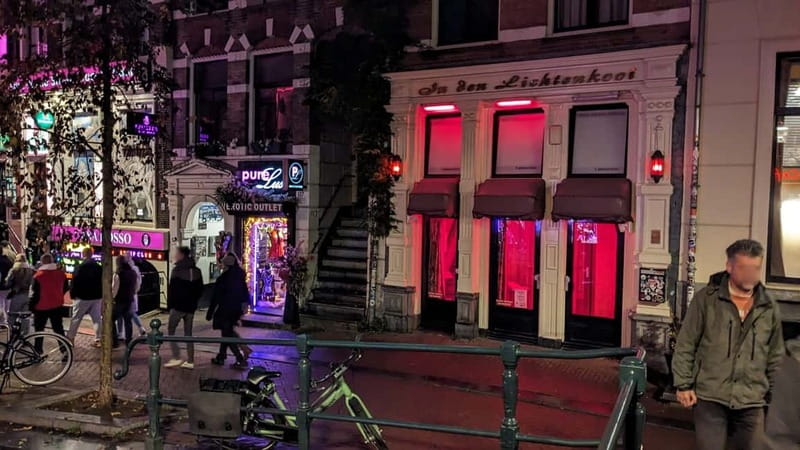
Let’s be honest: the Red Light District is one of those places people think they already understand. They’ve seen photos. They’ve heard jokes. Then they arrive and realize it’s more complicated than a headline.
This tour works because it treats the neighborhood like a real part of the city, with rules, politics, and human stakes. You’re walking past ordinary buildings while your guide connects dots: how legalization changed the conversation, why Amsterdam took a different path from other places, and how the current sex-work situation still comes with real pressures.
It’s also a “start smart” tour. Amsterdam is a maze, and De Wallen is the sort of area where first-time visitors can miss the bigger picture. With a guide like Manouk—warm, approachable, and clearly passionate about destigmatizing sex work—you’re better prepared to notice what matters.
You can also read our reviews of more tours and experiences in Amsterdam.



Where You Meet and How to Start With Zero Stress
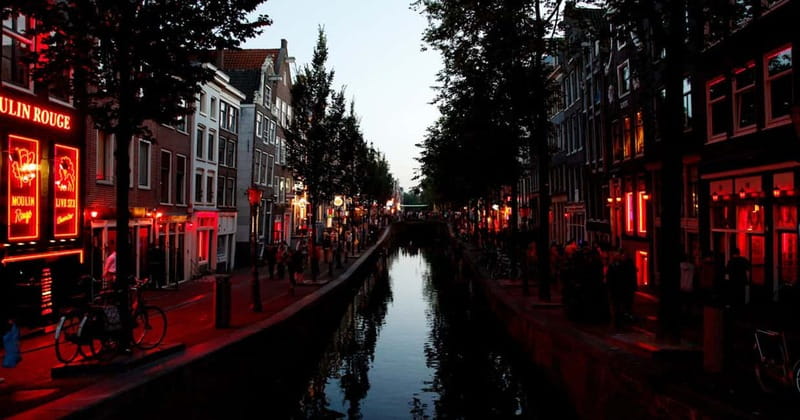
Your start point is Beursplein, by the bottom of the stairs of Bistro Berlage. Look for a large black lantern and your guide holding a sign that says Guidance.
This matters more than it sounds. Beursplein is busy, and if you show up late or wander around, you’ll lose time and get flustered before the walk even begins. Do yourself a favor: arrive a bit early, wear comfortable shoes, and keep your phone charged. This tour is mostly walking, and you’ll want to move easily from stop to stop.
The pace feels designed for orientation. It’s not sprinting through alleys for a quick photo. You get short segments of guided explanation, then a chance to look around.
Beursplein: The Orientation Moment (and Why It Sets the Tone)
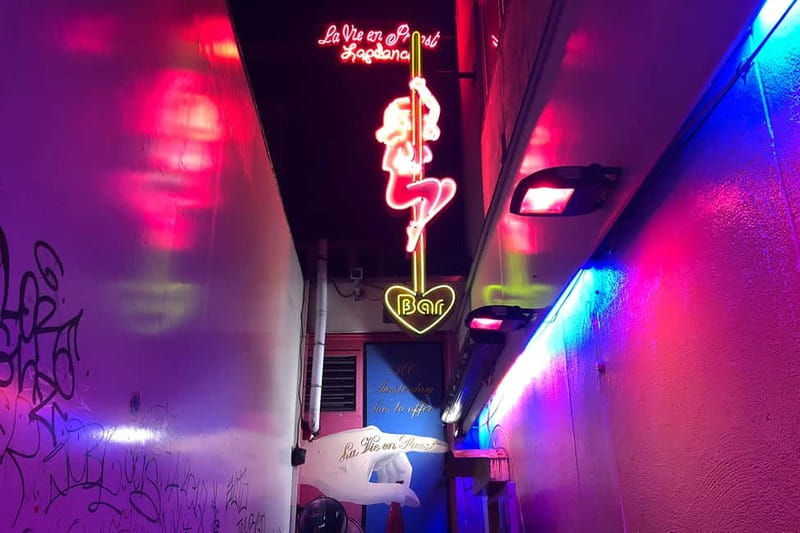
Stop one is Beursplein. Expect a quick orientation—about 10 minutes of guided sightseeing—before you move into the older core of the city.
This is where you’ll learn what the guide wants you to pay attention to. You’re not just sightseeing. You’re building a framework: Amsterdam’s famous tolerance didn’t appear by accident, and the neighborhood’s reputation didn’t erase the real-world complexity.
Also, this start helps you calibrate your expectations. You go in knowing this isn’t a “try to spot everything” tour. It’s a “understand why this place works the way it does” tour.
Dam Square: Big City Energy Meets Small Street Realities
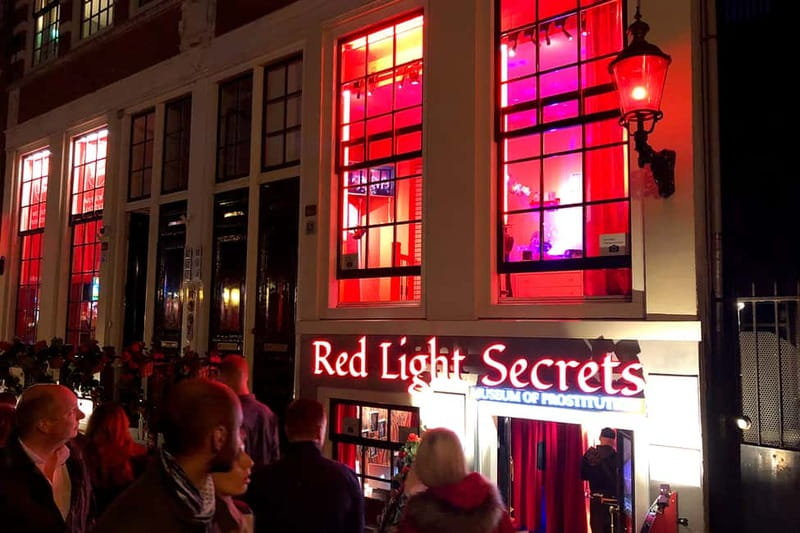
Next up is Dam Square for about 15 minutes. Dam Square is a high-visibility hub, so it’s a good place to talk about history and public debate. Think of it as a “context checkpoint.”
From here, the tour shifts you toward the streets where you’ll actually feel the neighborhood’s daily rhythm. You’ll hear about how prostitution became legalized in the Netherlands, and how that legalization is tied to broader drug policy. The guide also frames current controversies in a way that helps you understand what people argue about today—without turning it into a rant.
If you like explanations that connect law, culture, and street life, this is one of the more satisfying stops. You’re not only learning facts; you’re learning how to interpret what you’re seeing.
Warmoesstraat: Street-Level Culture and the Art of Not Being Judgmental
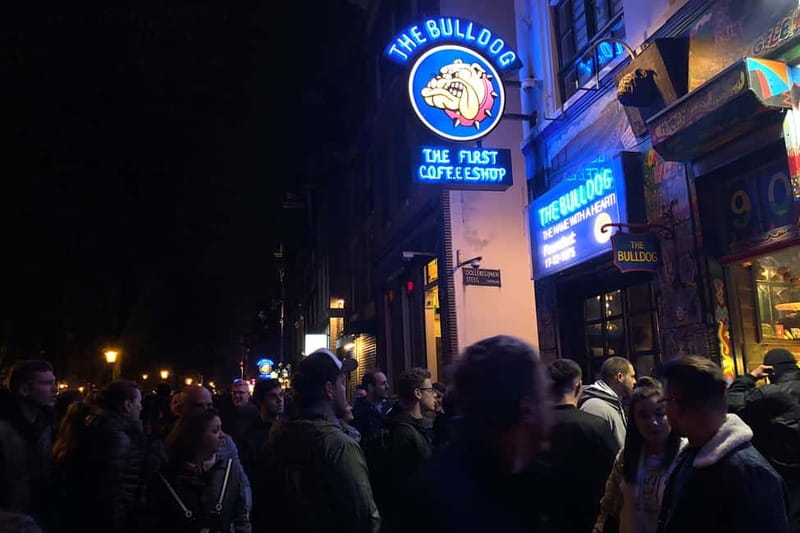
Warmoesstraat is a shorter stop (about 10 minutes), but it’s a key one. This street gives the tour a more human, street-level feel. It’s where Amsterdam’s contradictions show up in plain sight: tourism, commerce, and the tension of a neighborhood that everyone talks about.
You’ll pick up why Amsterdam’s reputation for tolerance matters here—not as a slogan, but as something that shapes rules, public attitudes, and the everyday pressures around sex work.
One practical tip: listen closely here. This is where your guide tends to highlight what people often get wrong. The goal isn’t to change your mind with drama. It’s to give you context so you can form a fairer opinion after you’ve seen the place.




Zeedijk Street: A Photo Stop That Teaches You How to Look
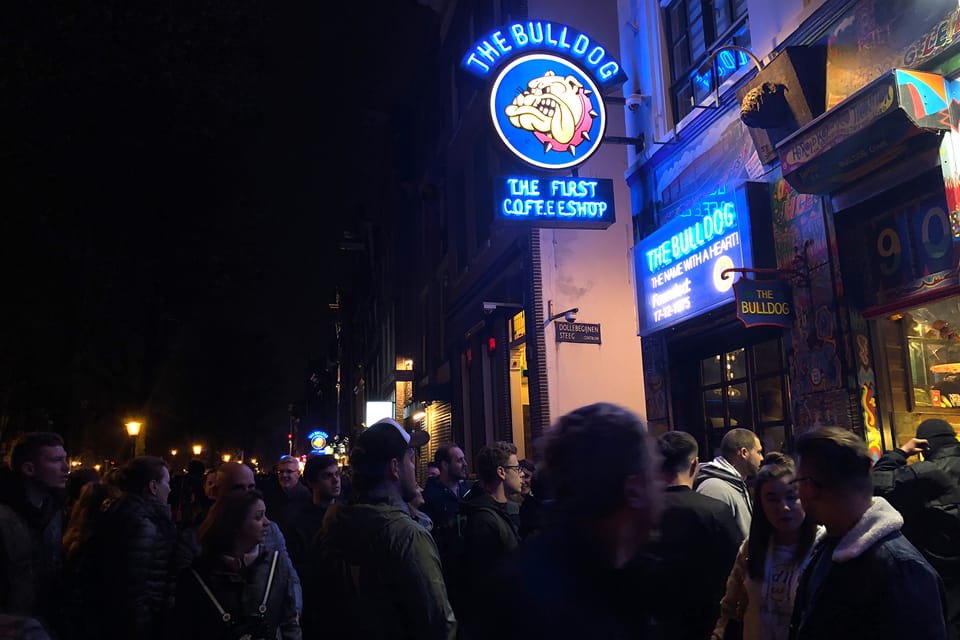
At Zeedijk Street, you get about 15 minutes with a photo stop plus sightseeing. This is less about taking one perfect picture and more about using your eyes well.
Zeedijk sits near the city’s movement paths—so you’ll understand how the neighborhood is not isolated. It connects to the flow of Amsterdam life. That helps you avoid the common mistake of thinking De Wallen is a bubble.
Also, because you’re learning about sex work and drugs policy, your guide’s commentary can change how you interpret the storefronts and street activity you notice. You start seeing patterns instead of stereotypes.
If you’re the kind of traveler who enjoys photography with context—frames that tell a story instead of just capturing neon—this stop is worth your attention.
Nieuwmarkt Square: Where You Pause, Then Keep Going
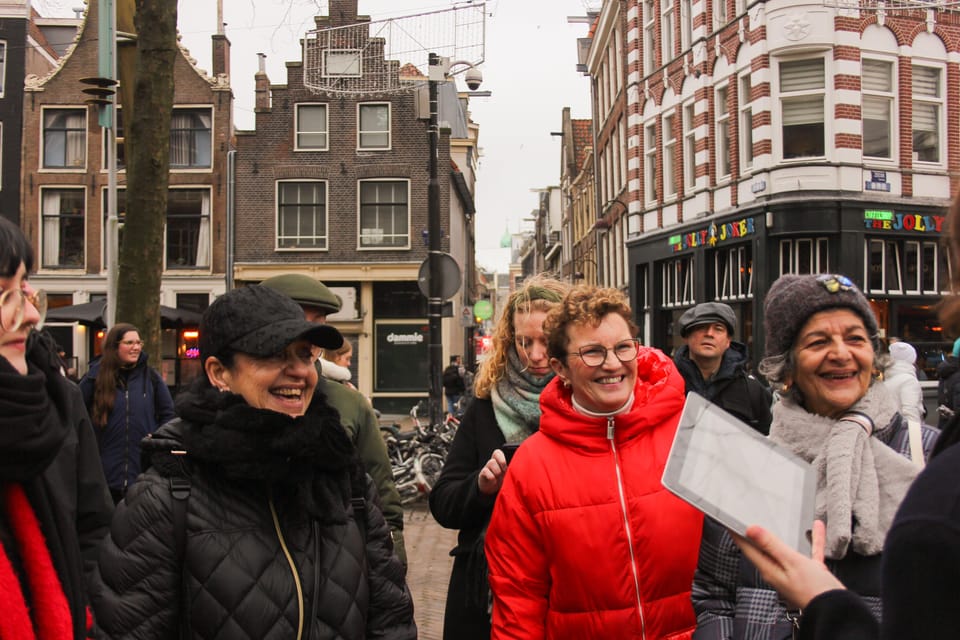
Nieuwmarkt Square is another longer pause (about 15 minutes), again with a photo stop and guided sightseeing. This is a useful break in the middle of the walk. You get to re-center, take a few photos, and absorb what you’ve learned so far.
By this point, you’ll likely notice the tour’s rhythm: it keeps moving, but it doesn’t rush. You’ll hear about the centuries-old profession, then you’ll get modern-day realities—especially the challenges and controversies that keep coming up.
It’s also a place where you can ask questions without feeling like you’re interrupting a fast-moving line. If you’ve had a topic that’s nagged you—how legalization plays out, or how drug policy intersects with the neighborhood—this is usually where your guide can help you pin it down.
Finishing Near De Wallen: The Map-and-Treat Exit Plan
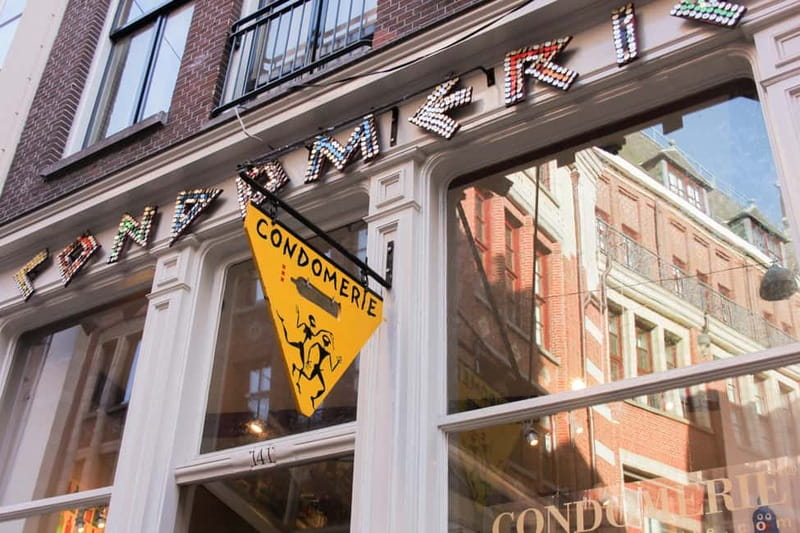
The walk ends at De Wallen. This is where you get the “you can keep exploring” finish: a map with information for the last stretch, plus a small gift designed to bring a smile.
Here’s the key detail that affects your expectations: guided tours inside De Wallen are prohibited since 2020. So you won’t have a guide leading you through the core lanes as part of this program. Instead, you learn the surrounding area, then your map helps you explore the final portion on your own after the tour.
This actually makes sense. It keeps the experience respectful and less performative. It also means you control your distance and comfort level. If the intensity of the core makes you uneasy, you still get the big picture and a route for your next step.
And yes, the tour ending treat is real—a small Red Light District moment to lighten the mood after serious context.
Coffee Shops and Liberal Policy: What You’ll Actually Understand
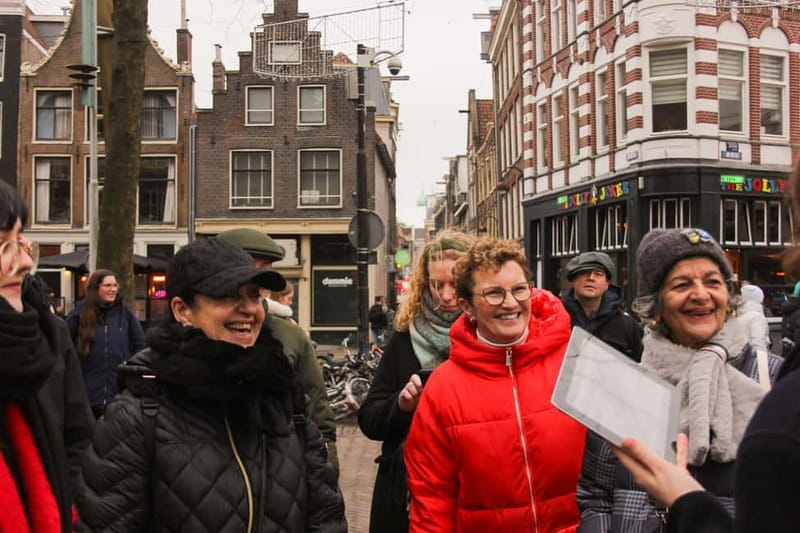
One of the advertised highlights is the tour’s focus on coffee shops and their cultural significance. You won’t get a legal textbook. You will get something better: a practical explanation of how Amsterdam’s tolerant approach became part of daily life.
You’ll learn the reasons behind the city’s liberal attitude on sex and drugs, and how policies are connected rather than treated like separate issues. The guide ties it to why the Netherlands chose decriminalization/legalization approaches that many other places didn’t.
The result is that coffee shops stop feeling like a weird tourist detail and start feeling like a piece of the broader social strategy Amsterdam is known for.
Sex Work Today: Legalization, Stigma, and Real Pressures
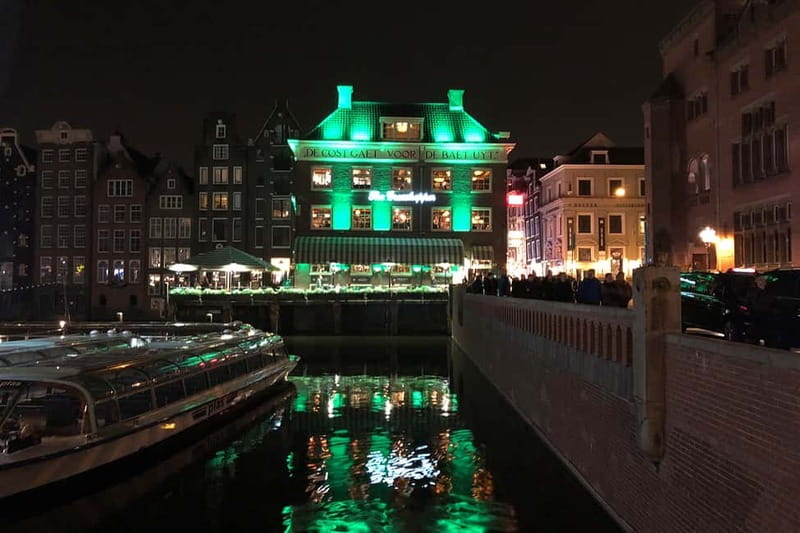
The tour also focuses on sex worker challenges now. It’s not “look at this like a show.” It’s closer to “understand what changed, and what didn’t.”
You’ll learn about the legalization of prostitution and how that intersects with stigma. Even where something is legal, stigma can stick. And in a neighborhood that attracts visitors, local pressures can increase—misunderstanding, sensational coverage, and the constant tension between residents and foot traffic.
The guide’s tone is important. Manouk’s style—friendly, approachable, and open to questions—helps keep the conversation grounded in reality rather than spectacle. That’s what turns the walk from edgy curiosity into something that feels genuinely human.
Timing, Group Size, and Why the 1.5 Hours Feels Right
This walk runs about 1.5 hours, and you can check starting times when you book.
That duration is a sweet spot. It’s long enough to cover multiple streets and explain policy context. It’s short enough that you don’t feel trapped in a single topic for half a day. You finish still able to enjoy Amsterdam afterward—without needing to process the whole thing alone in the evening.
You also have the option for a private group. If you’re traveling with friends, your questions might be more personal. A private format can keep the conversation comfortable.
Respect, Rules, and How to Dress for a City-Walk
The tour is a walking experience, so wear comfortable shoes. You’ll be on your feet for the whole 90-minute window.
There’s also a clear rule: no alcohol and no drugs during the tour. This isn’t about policing morality. It’s about keeping the walk safe, respectful, and focused on discussion rather than distractions.
One more practical note: this tour is wheelchair accessible. That’s good to know if you’re planning a path through older areas that aren’t always easy for mobility.
Who This Tour Suits Best
This is a strong choice if you want your Amsterdam stories to be more than postcards. I think it fits especially well for:
- First-time visitors who want context before seeing the headlines
- Travelers who prefer local guides who can explain policy and culture in plain language
- People who care about destigmatization and asking thoughtful questions
- Anyone doing Amsterdam on a tight schedule who still wants one high-impact neighborhood experience
If you want an “only photos, no explanations” tour, you may feel it’s too conversational. This walk is built for understanding.
Price and Value: Does $25 Make Sense?
At $25 per person for about 1.5 hours, the value comes from what you’re buying: time with a local guide who can connect Amsterdam’s tolerance policies to the neighborhood you’re walking through.
If you try to do this solo, you’d end up piecing together history from online sources, then guessing what you’re seeing. Here, you get the story line in real time while you’re surrounded by the streets that story is about.
You also receive a map for the last stretch and a small gift, so you’re not only consuming information—you’re leaving with a way to continue exploring responsibly on your own.
Practical Tips for Your Walk (So It Lands Better)
A few habits can make this experience much smoother:
- Keep your questions ready. The guide’s style makes it easy to ask and get real answers.
- Stick with the tour’s pacing. Short stops are intentional for explanation and reflection.
- Be mindful with your expectations about entry. Since you can’t do guided inside-the-core walking, plan to use the map afterward.
- Treat it like a neighborhood. Even if you’re there for a famous landmark, act like a guest in a real city area.
Should You Book This Red Light District Tour?
If you want Amsterdam context that doesn’t rely on myths, I’d book it. This walk is one of the better ways to understand De Wallen without turning it into either a shock show or a moral lecture.
It’s especially worth it if:
- You’re visiting for the first time and want guidance on what matters
- You appreciate respectful, local explanations from someone like Manouk
- You want a map and a gentle on-your-own next step since guided entry inside is off the table
Skip it only if you’re looking for a purely visual experience or you don’t want to hear about legalization, stigma, and current sex-worker challenges at all.
Either way, go in with an open mind and good shoes. The best payoff here is not a photo. It’s understanding why this corner of Amsterdam became what it is.
FAQ
How long is the Amsterdam Red Light District walking tour?
The tour lasts about 1.5 hours.
Where do I meet the guide?
Meet at Beursplein, at the bottom of the stairs of Bistro Berlage. Wait by the large black lantern with a sign that says Guidance.
Can I join if I want the tour in English?
Yes. The tour guide speaks English (and also Dutch).
Will the tour go inside the Red Light District?
No. Guided tours inside the Red Light District are prohibited since 2020, so this tour explores the outskirts and then gives you a map for the last stretch to explore on your own.
What’s included at the end of the tour?
You’ll receive a map with information for continuing your walk through the last stretch, plus a small gift.
Is the tour wheelchair accessible?
Yes, it is wheelchair accessible.
Is alcohol or drugs allowed during the tour?
No. Alcohol and drugs are not allowed.