REVIEW · AMSTERDAM
Amsterdam: Playhood Entry Ticket
Book on GetYourGuide →Operated by Playhood · Bookable on GetYourGuide
When kids step inside, grown-ups get a break too. Playhood Amsterdam is an indoor roleplay play zone built around little houses, props, and story-driven pretend play, with a café attached so you can stay close. I like that the experience is designed for kids and adults, so you are not just hovering in the corner. I also like the structure: you get 1h45 together, starting and finishing in sync, which keeps the chaos manageable.
One catch to think about: tickets cover play time, but food and drinks are not included, and the session length is 1h45 (some families wish it ran a bit longer).
In This Review
- Quick Take: What You’ll Notice Fast
- Why Playhood Amsterdam Works for Families
- First Stop: Socks, Coats, and the Shoe-Free Zone
- The Connected Café: Coffee and Toasties While Kids Play
- Twelve Themed Houses: What Roleplay Really Looks Like
- What to expect when you enter the play space
- Your 1h45 Session: How It Fits Into a Day
- Price and Value: Is $10 a Good Deal?
- Practical Notes: Parking, Timing, and Getting There
- Helpful approach for parents
- Who This Is Best For (and Who Might Skip It)
- Should You Book Playhood Amsterdam?
- FAQ
- How long is the Playhood Amsterdam entry valid?
- Is food included with the ticket?
- Can my child wear shoes?
- What should we bring?
- Is Playhood Amsterdam wheelchair accessible?
- Are there options to cancel for a refund?
- Can I reserve now and pay later?
Quick Take: What You’ll Notice Fast
- Shoe-free play area: no shoes inside; bring socks (or borrow/buy them there)
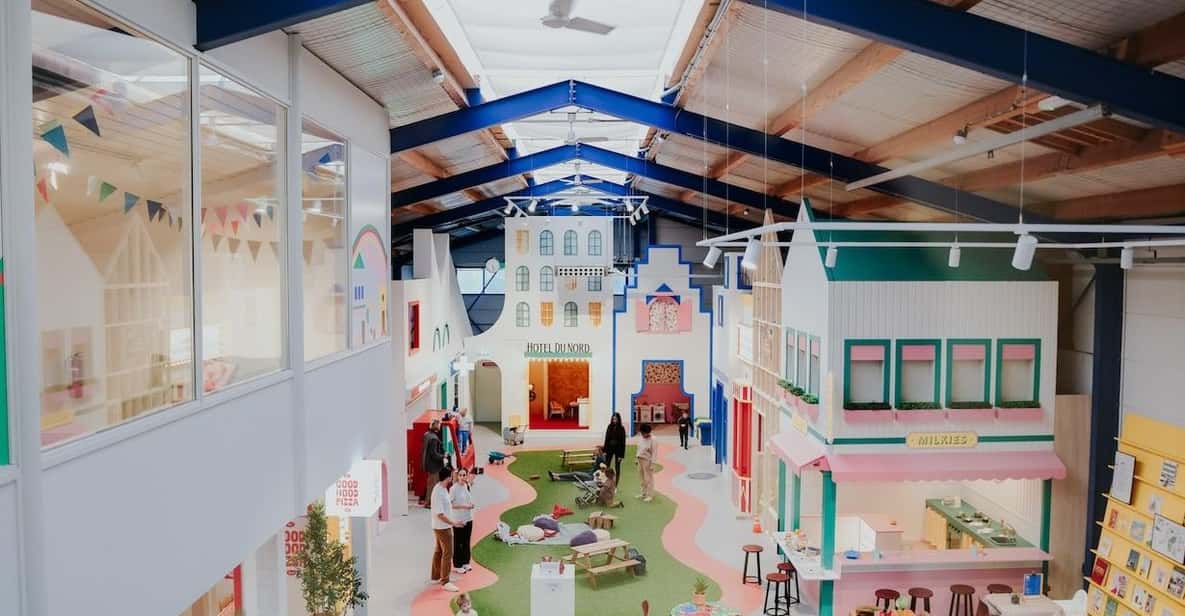
- Twelve themed houses: each house has its own story and props
- Café + play are connected: you can grab coffee while kids play
- Roleplay for social and emotional growth: pretend scenarios built into the houses
- Short, well-timed visit: valid for 1h45, so plan around that
Why Playhood Amsterdam Works for Families
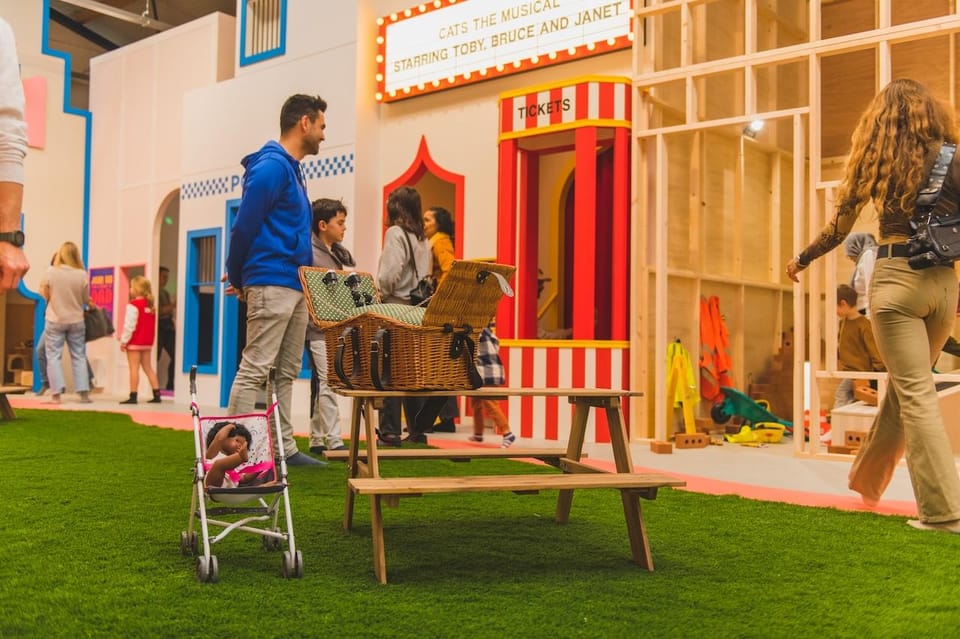
Playhood Amsterdam is a smart choice when you want something indoor that feels like more than an expensive playroom. The big idea is roleplay in themed houses. Instead of one big open area, your child moves through different mini neighborhoods with different setups, which naturally spreads kids out and gives each moment a new prompt.
For you, the real value is convenience and closeness. The play space connects to the café, so you can take a breather without leaving the kids far behind. And since the setup is also meant for adults, you can join in the pretend energy without feeling like you are doing it wrong. One review called it very chill, which matches the vibe you will likely want on a rainy day or during a busy trip window.
At about $10 per person with a set session length, it also lands in the category of predictable, family-friendly spending. You are not guessing how much you will pay once you arrive for extras. The ticket is the entry to the main experience; the rest is optional.
You can also read our reviews of more tours and experiences in Amsterdam


First Stop: Socks, Coats, and the Shoe-Free Zone

Before anything fun happens, you will deal with the rule that keeps the whole place cleaner and safer for little feet: shoes are not allowed in the play area. You’ll be asked to take off shoes (and coats) and then settle into the welcoming lounge area first. That small transition matters. It helps everyone reset into play mode quickly, and it keeps the space consistent from family to family.
So what should you bring? Socks. The good news is you’re not stuck if you forget. The venue says you can borrow or buy socks there if needed. If you have kids, that’s a big practical relief. It is also a reminder to pack a spare pair, since sock emergencies happen at the worst times.
The shoe-free setup is one of those details you might think is minor until you’re inside. Then you realize it is a huge part of the comfort level. It makes the floor part of the play experience instead of something you are constantly watching your child avoid.
The Connected Café: Coffee and Toasties While Kids Play
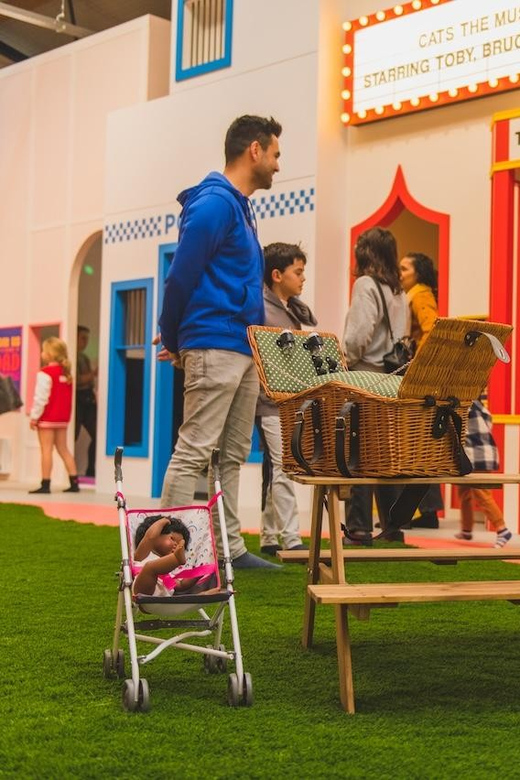
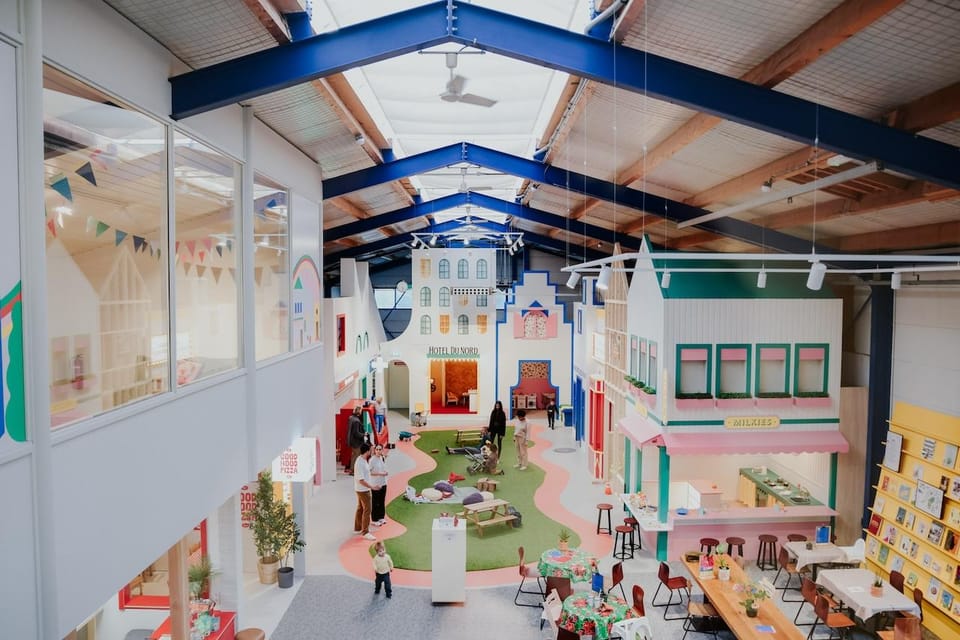
One of the best design choices here is simple: the café and the play area are connected. That means you can stay in the loop while your child is busy exploring. The café is where you can order coffee and the famous Dutch toasties, plus there are options like pastries such as croissants.
You will also see a family-friendly food idea linked to play: in the children’s restaurant area, there is a setup for making pizza together with your little one (Good Hood Pizza). The key point: food and drinks aren’t included with the ticket, so treat meals and snacks as add-ons rather than part of the admission price.
What I like about this arrangement is that it supports two different travel styles at once:
- If you want to relax, you can sit and sip coffee while keeping a clear view of the connected space.
- If you want to participate, you can move between the café area and the play area without turning it into a separate mission.
It’s a small thing, but it saves energy. In a city like Amsterdam, that matters.
Twelve Themed Houses: What Roleplay Really Looks Like
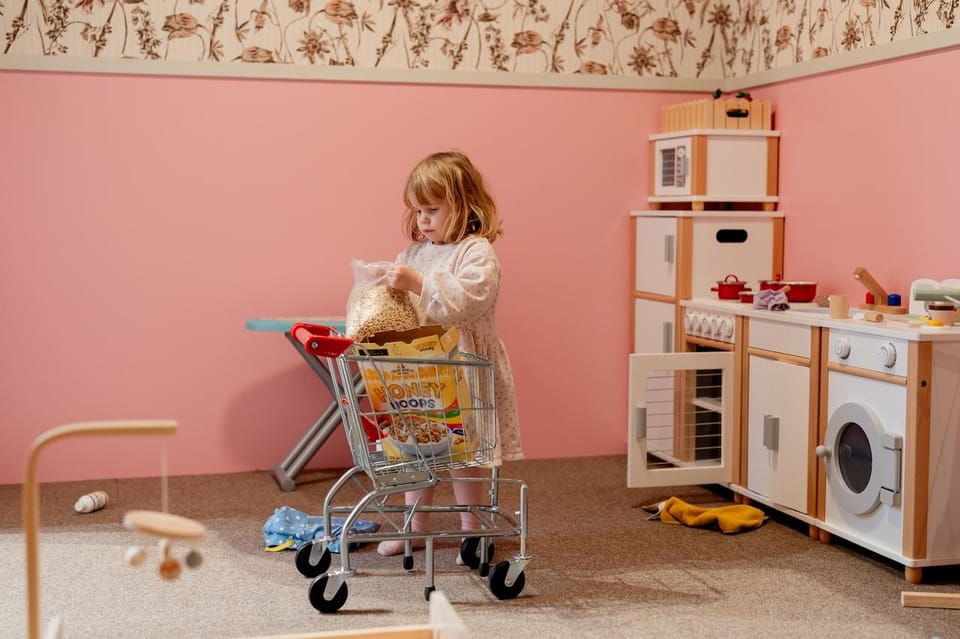
Inside the play space, the highlight is 12 different themed houses, each with its own story to tell. These houses are packed with props and toys that fit the theme, so kids are not just free-play wandering. They’re given a setting that naturally encourages pretend actions—caring, building, hosting, cooking, transporting, or whatever the house scenario suggests.
This is where the experience becomes educational in a way that doesn’t feel like a classroom. Roleplay supports personal, social, and emotional growth, and you’ll see that built into the structure. Kids practice sorting feelings, taking turns, negotiating space, and switching from one imaginative task to another. Adults aren’t excluded from that growth, either. Many people find it easier to connect when you can step into a child’s story for a moment.
Also, splitting the play environment into houses can help with kid energy levels. Instead of one giant crowd zone, there are distinct areas. If your child gets overwhelmed by too much stimulation, the house-by-house layout can give them more manageable choices.
What to expect when you enter the play space
Your play session starts and ends together. Once the session begins, you move into the café/play area connection and then into the houses. Expect a flow where families move at their own pace but within the same 1h45 window. This structure is good for avoiding that awkward late-arrival problem where everyone feels behind.




Your 1h45 Session: How It Fits Into a Day
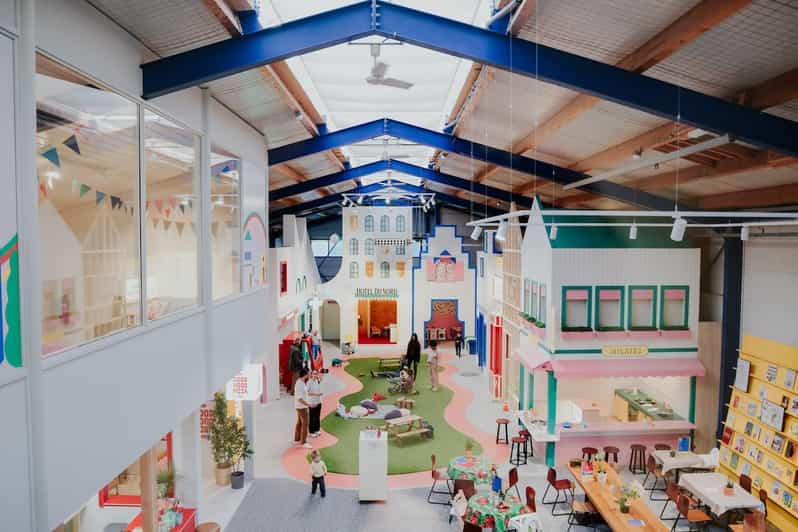
Your ticket is valid for 1.5 hours (1h45). You can’t think of it as an all-day activity, and that is actually part of the value. The session window is long enough for real exploration, but short enough that the place stays lively without dragging into burnout.
Some families do wish the slots were closer to 2 hours. If your child tends to get super attached to one activity or one house, you might feel the time boundary. The practical fix is to walk in with a mindset of movement: try a couple of houses early, then circle back if something captures their attention.
Timing also matters if you’re building a half-day around it. The session windows depend on availability, so you’ll want to check starting times when you book. Once you lock in a slot, you can plan your Amsterdam day around a predictable indoor reset.
Price and Value: Is $10 a Good Deal?
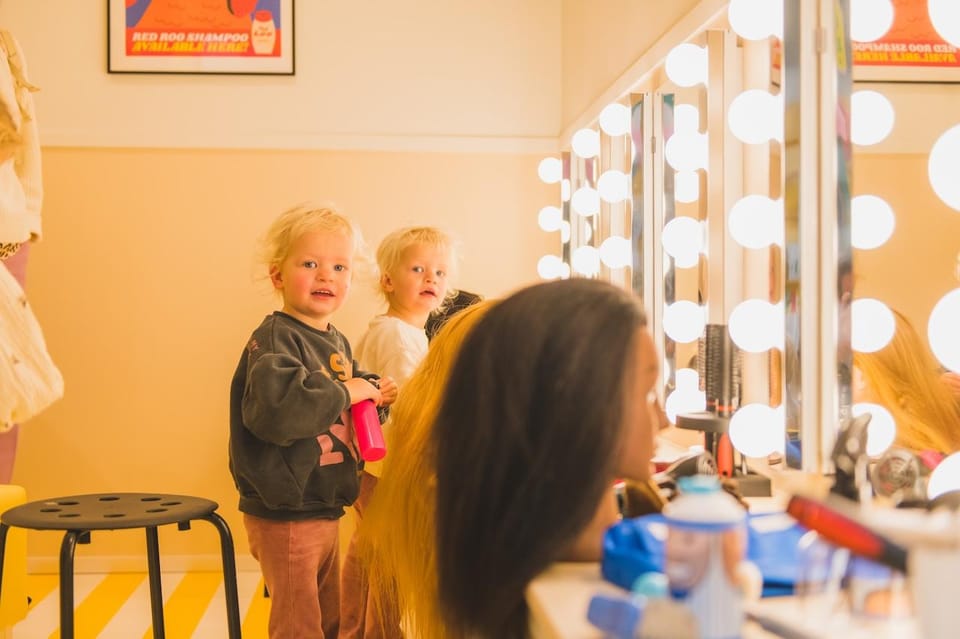
At $10 per person, Playhood can feel like a bargain or a stretch depending on your family. Here’s the balanced way to think about it:
Good value if:
- You want a focused indoor activity that uses imagination and roleplay, not just open climbing or generic play.
- You need something that works for multiple energy levels in one place: kids play, you can sit nearby.
- You’re visiting in weather that makes outdoor plans unpredictable.
Less value if:
- You were hoping the ticket price covers snacks or full meals. Food and drinks are not included, and kids can easily create extra spending with coffee, toasties, pastries, or pizza add-ons.
- Your child is the type who needs a longer uninterrupted session to fully settle in.
I like the clear boundary: you pay for access to the experience and the play time, then you choose whether to add café treats. That keeps the overall cost more controllable than activities where food is mandatory or where extra fees pop up constantly.
Practical Notes: Parking, Timing, and Getting There
A few real-world details can shape your experience more than you’d think. One review mentioned there is no dedicated parking at the venue, so you will likely be dealing with street parking. That’s not a dealbreaker, but it’s worth factoring in when you’re planning your arrival time. If you hate parking stress, aim for a time when you’re not rushing.
Also, plan around the shoe-free rule. If your socks are thin or you arrive unprepared, you might find yourself adjusting plans mid-visit just to get the right footwear setup.
Helpful approach for parents
- Bring extra socks if you can.
- Keep your child’s energy level in mind: the place is designed for play, so arrive when they are ready to transition.
- Use the connected café as your reset point, not just a waiting zone. A coffee break can prevent crankiness and help you stay present for the main activity.
Who This Is Best For (and Who Might Skip It)
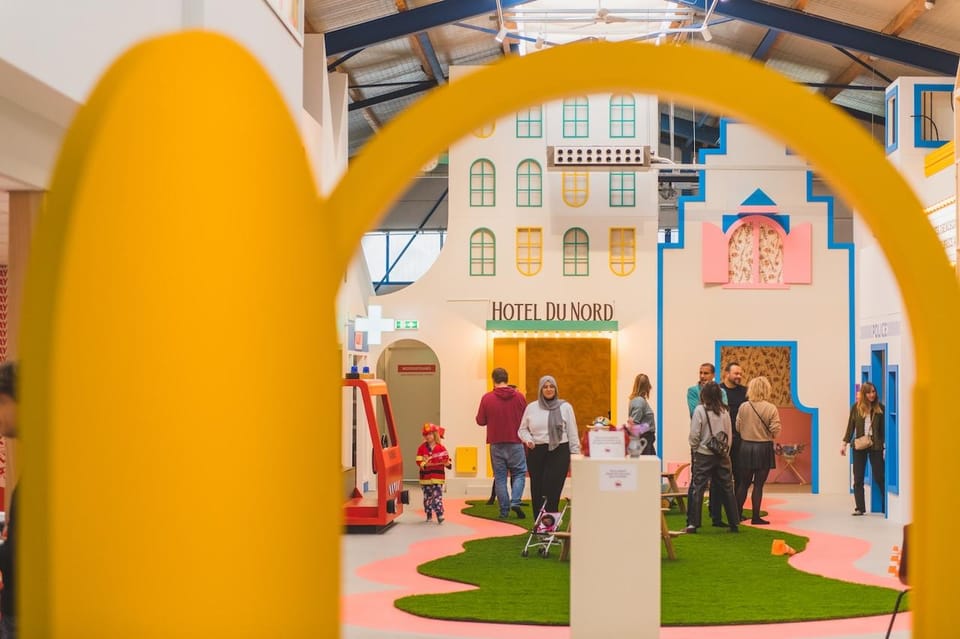
Playhood Amsterdam is best for families who like imaginative play and want an indoor option that feels like a mini world rather than a single area. It is a good fit for children who enjoy roleplay scenarios and responding to themed spaces. One review highlighted a child around age 4 enjoying it, described as chill rather than chaotic.
It’s also a smart choice for adults who don’t want the whole outing to be you “watching from the sidelines.” Since the play sessions are described as suitable for children and adults, you can jump into the stories too.
That said, if your child only likes one style of activity—like only ball play, only climbing, or only screen-based entertainment—this might not hit the way you want. The entire center is built around houses, props, and pretend scenarios, so it’s roleplay-first.
Should You Book Playhood Amsterdam?
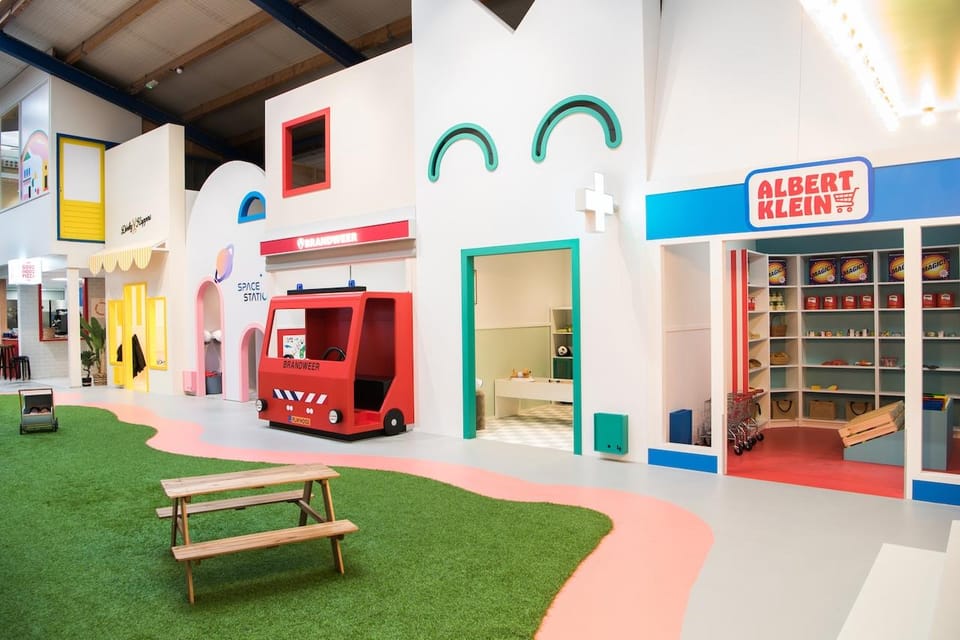
I’d book Playhood Amsterdam if you want a dependable indoor family activity that mixes structure with imagination. The 12 themed houses plus the connected café makes it easier to manage your day: kids get a focused play mission, and you get a nearby place to rest and refuel. With a ticket cost around $10 and a set 1h45 session, it’s the kind of plan that fits into a busy Amsterdam itinerary without swallowing your whole afternoon.
Skip it (or reconsider your timing) if you’re hoping the ticket covers food, or if your child regularly needs closer to 2 hours to warm up fully. In that case, you might feel the clock watching you.
If your goal is a calmer, creative stop—especially on a rainy or crowded day—this is a practical choice. Grab socks, choose your time slot, and let the themed houses do the heavy lifting.
FAQ
How long is the Playhood Amsterdam entry valid?
Your entry ticket is valid for 1.5 hours (1h45). Check availability to see the starting times.
Is food included with the ticket?
No. Food and drinks are not included. There is a café on site where you can buy coffee and Dutch toasties, and there is also a children’s restaurant area for pizza activities, but you would pay separately.
Can my child wear shoes?
No. This is a shoe-free zone. Shoes are not allowed in the play area.
What should we bring?
Bring socks. If you forget, you can borrow or buy socks on site.
Is Playhood Amsterdam wheelchair accessible?
Yes. The venue is wheelchair accessible.
Are there options to cancel for a refund?
Yes. You can cancel up to 24 hours in advance for a full refund.
Can I reserve now and pay later?
Yes. You can reserve now and pay later to keep your plans flexible.
If you want, tell me your kids’ ages and what day/time you’re considering in Amsterdam. I’ll help you pick the most sensible slot length and build a quick half-day plan around Playhood.