
REVIEW · HISTORICAL TOURS
Amsterdam: Historic Tram Ride on Heritage Line to Amstelveen
Book on GetYourGuide →Operated by Electrische Museumtramlijn Amsterdam · Bookable on GetYourGuide
In This Review
- Historic Trams, Real Conductors
- Key Points That Matter
- A 100-Year-Old Ride on Amsterdam’s Lijn 30
- Price and Timing: How $9 Fits Real Value
- Getting In: Haarlemmermeerstation and the Tramshop Ticket Exchange
- Onboard Details You’ll Actually Notice: Punches, Whistles, Bells
- The Route to Amstelveen: Parks and Suburban Calm
- Amstelveen Stops: Where You Can Jump Off and Walk
- Olympic Stadion Area
- Amsterdam Forest
- Lake Bosbaan
- Heemtuinen Wildlife Garden
- Old Village Redbrick Streets
- At the Terminus: Vehicle Changes and the Return Setup
- What This Feels Like Day-to-Day: Who Will Love It
- Reviews Score, Minus the Noise: A 4.4 Rating You Can Trust
- Should You Book This Historic Tram Ride?
- FAQ
- Where do I exchange my ticket before boarding?
- How long is the ride?
- What does the price include?
- Is food or drink included?
- What’s not allowed on the tram?
- Is the guide or host available in English?
- Can I get off during the trip?
- Is cancellation possible?
Historic Trams, Real Conductors
There’s something oddly satisfying about a ticket punch. This heritage tram ride brings back the feel of old Amsterdam transit on the Lijn 30 line, with a fully restored tram car, authentic on-board signaling, and a route over 100 years old.
What I like most is the hands-on old-school theater: the conductor blows a whistle, rings the bell, and punches your ticket right in front of you. I also like that you’re not stuck in a seat the whole time, since you can get off in Amstelveen to see the Amsterdam Forest, lake Bosbaan, Heemtuinen wildlife garden, and the Old Village area.
One thing to consider: the tram ride is more about the tram experience than nonstop big city sights, so if you want constant landmark drama, you may find the route a bit quieter.
Key Points That Matter
- Your ticket is punched by a conductor, just like the good old days
- Whistle and bell signals set the rhythm and make departures fun to watch
- You can hop off at several Amstelveen stops for parks, gardens, and village streets
- Red flags at crossings add a real, period-correct safety detail
- A roundtrip ride keeps things simple: Haarlemmermeerstation out to Amstelveen and back
You can also read our reviews of more historical tours in Amsterdam



A 100-Year-Old Ride on Amsterdam’s Lijn 30
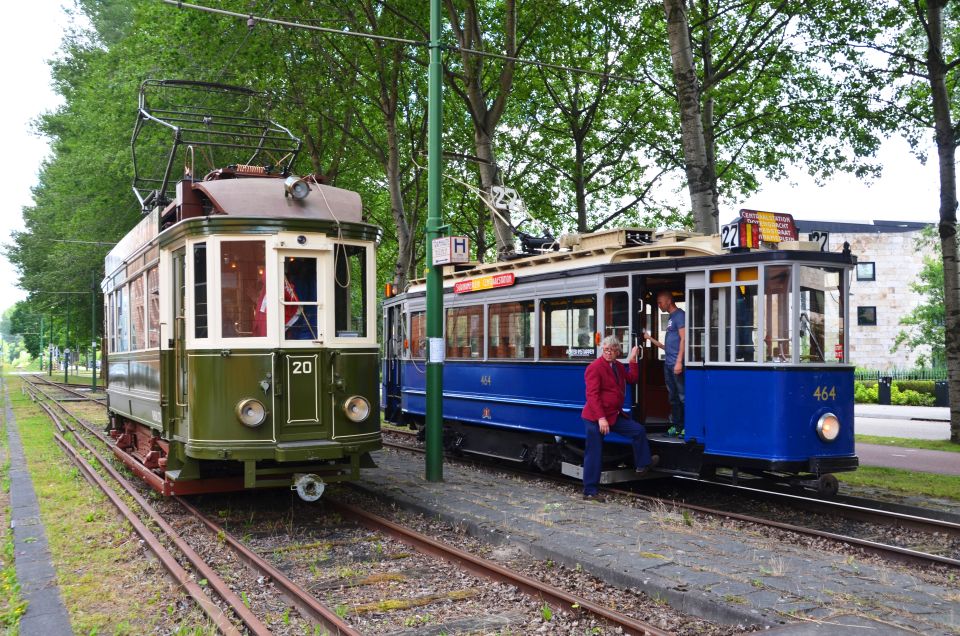
This is a classic way to see Amsterdam without doing the usual museum shuffle. You board a historic Lijn 30 tram for a return trip from Haarlemmermeerstation to Amstelveen, then ride back the same line. The tram and the track are built to feel like the past, including a route that’s over a century old.
The best part is the vibe is not just decorative. The conductor-led system matters. When you hear the whistle and bell, you understand this isn’t a video reenactment. It’s a working-style experience designed to mimic the way tram service used to run.
And yes, it’s worth paying attention to the details. The repeated calls at stops and the way departures happen make you feel like you’re traveling with a crew, not just sitting on a bus.
Price and Timing: How $9 Fits Real Value
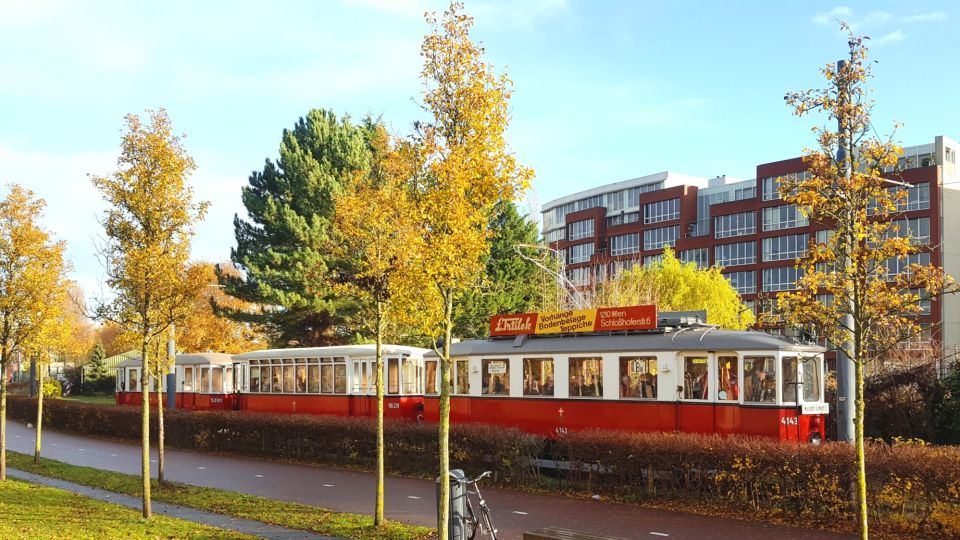
At $9 per person for about 1 hour (check starting times), this is one of those “small price, big personality” Amsterdam activities. You’re paying for an authentic transit moment, not a staged attraction in a single room.
Think about what you actually get for that cost:
- A return tram ticket (roundtrip to Amstelveen and back)
- A restored tram car and historic line experience
- A conductor-run process with a ticket punch and onboard departure cues
If your day already includes canal walks and big sights, this is a great low-effort add-on. If you’re trying to keep costs down, it’s also easy to justify. It doesn’t require a long commitment, and it gives you a different kind of Amsterdam flavor.
Getting In: Haarlemmermeerstation and the Tramshop Ticket Exchange
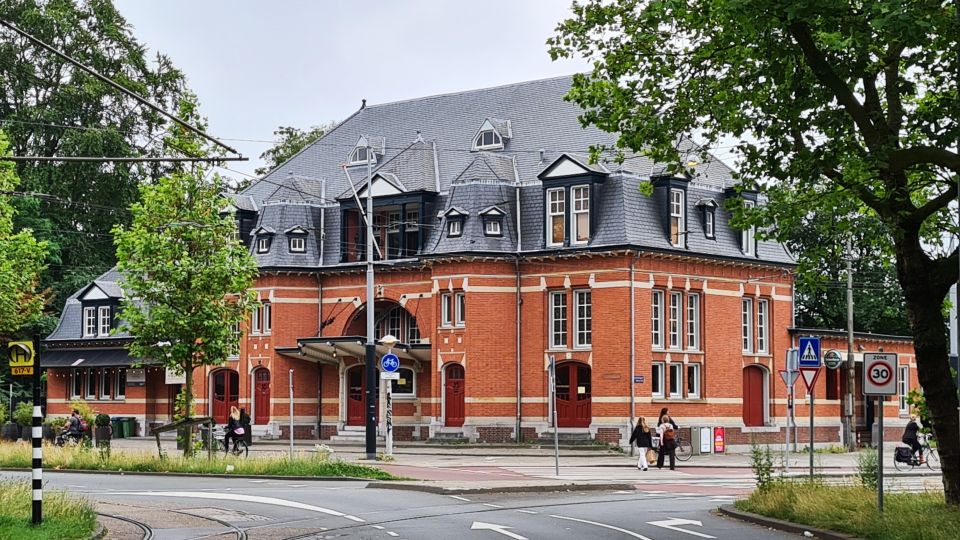
Your trip starts at Haarlemmermeerstation. Before you step onto the tram, you’ll exchange your ticket at the Tramshop in the station. From there, you’ll be guided to the tram platform area so you can board smoothly.
It’s a good idea to arrive with a little buffer. You’re dealing with a meet point, a quick exchange step, and then the boarding process on a vintage tram where everything can feel a bit more old-school than modern transit.
The good news: the experience ends back at the meeting point. That keeps your plan clean. You’re not left figuring out how to get back across town.
Onboard Details You’ll Actually Notice: Punches, Whistles, Bells
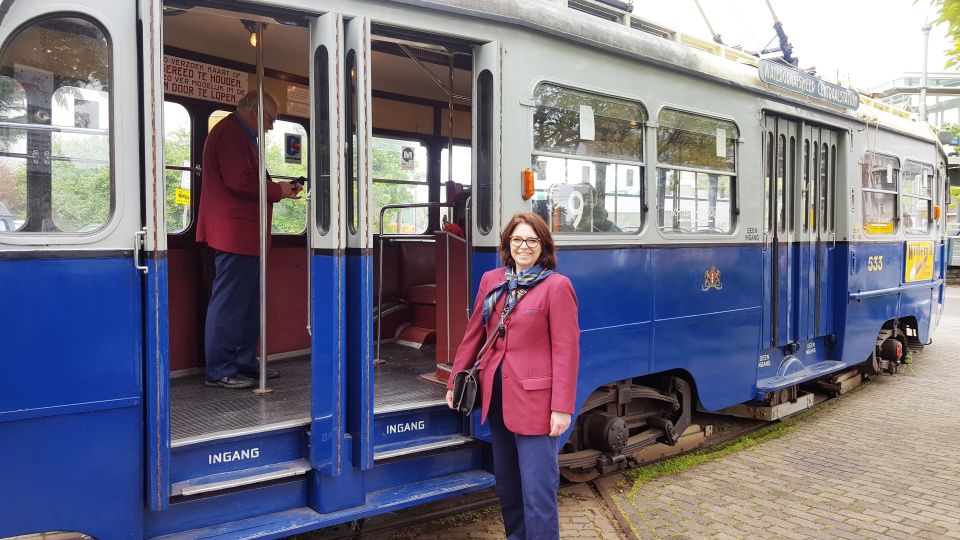
This ride leans hard into the senses. You’ll hear the whistle and the ring of the bell. Those sounds aren’t just ambiance; they’re part of the departure rhythm and the conductor’s signaling to the driver.
And then there’s the ticket punch. Having your ticket punched by the conductor is the kind of small ritual that instantly makes the whole thing feel real. It’s also easy to enjoy because you don’t have to guess what’s happening. Someone handles the process, and you just get to participate.
You’ll also see period-style crossing safety behavior. The route uses red flags at crossings, which adds a practical detail you might not expect on a themed ride. Even if you’re not a transit nerd, you’ll probably find yourself watching the crossings like a kid watching trains.
Finally, stops are called out, and you can decide whether to stay aboard or get off. That choice turns a one-hour experience into something more flexible.






The Route to Amstelveen: Parks and Suburban Calm
Let’s be honest: this isn’t the tram version of a nonstop museum circuit. The route is more about moving through parts of Amsterdam and beyond into Amstelveen’s calmer areas than it is about passing a chain of headline monuments.
What you can expect instead:
- A change from busy central streets to greener, quieter surroundings
- A ride that feels like transit, not a parade
- Views that can be better for slow attention than for fast photos
So if you’re hoping for constant “wow, look at that” moments from the windows, you might feel a bit underwhelmed. If you’re there for the tram itself and the simple pleasure of old-style travel, you’ll likely love it more than you expect.
A nice upside: because the route isn’t overwhelming, you can focus on the onboard experience—sounds, ticket process, and how the conductor runs things.
Amstelveen Stops: Where You Can Jump Off and Walk
The ride gives you options in Amstelveen. At several stops, you can get off to stretch your legs and explore specific areas. These are the stops that matter most for planning your time.
Olympic Stadion Area
One stop includes the Olympic Stadion area. If you like architecture or just want a break for photos and a walk, this can be a useful option. It’s also a good pick when you want to get off and leave the tram behind for a short spell.
Amsterdam Forest
You’ll also have access to the Amsterdam Forest. This is where the vibe shifts from city-to-park. Expect paths and open space you can enjoy without turning it into a big hike.
If you’re traveling with kids or you simply want a less crowded feel, forest time is often the easiest win. You’ll get the “I’m in the city, but not in the chaos” effect.
Lake Bosbaan
Another notable stop is lake Bosbaan. Lakeside time is a solid choice when you want a calm break from urban sightseeing. Even if you only step off briefly, it’s the kind of place where you can reset.
Heemtuinen Wildlife Garden
The Heemtuinen wildlife garden stop is great if you like small nature breaks. It’s a straightforward add-on to the tram experience: hop off, walk around, and then return to the tram when you’re ready.
This is one of the better options if you want the day to feel balanced—transit charm plus some outdoor breathing space.
Old Village Redbrick Streets
You can also stop near the Old Village area, including redbrick buildings. This is the spot for strolling with an eye for old-style neighborhood details rather than dramatic landmarks.
If your Amsterdam day already includes canals and bridges, the Old Village stop gives you a different kind of texture—more village-like and less water-focused.
At the Terminus: Vehicle Changes and the Return Setup
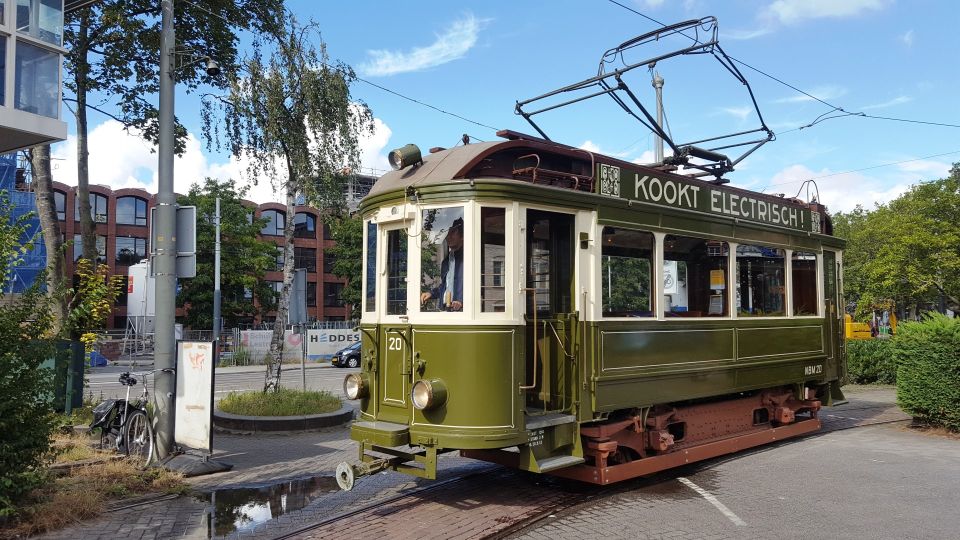
When you reach the terminus in Amstelveen, the experience doesn’t just end. You’ll see how the tram is prepared for the return journey, which adds a nice “how transit works” layer.
Also, plan for a small bit of realism. At the terminus, you might need to temporarily exit the vehicle, or you might have to change vehicles all together. That’s not unusual for heritage lines, and it’s one reason you should avoid banking on every minute being perfectly one-track continuous.
When you’re thinking about your schedule, treat this as a flexible one-hour tour experience, not a precision timed city hop.
What This Feels Like Day-to-Day: Who Will Love It
This is a great match if you want an authentic-feeling transit moment. You’ll especially enjoy it if you like:
- vintage transport details
- hands-on rituals like ticket punching
- hearing conductors call stops
- pairing a short tram ride with short walking breaks
It’s also ideal for people who want something different from the typical Amsterdam checklist. This isn’t just another canal cruise or a packed museum day.
If you’re sensitive to motion sickness, keep that in mind. And if you need mobility support, note that it’s not suitable for people with motion impairments and not suitable for wheelchair users (and non-folding strollers are also not allowed). So it’s best for travelers who can comfortably board and exit as needed.
And if you want constant landmark action, the tram ride itself may feel more calm than thrilling. Still, the onboard experience can carry the day.
Reviews Score, Minus the Noise: A 4.4 Rating You Can Trust
This activity has a 4.4 rating from 20 reviews, which suggests the tram experience itself lands well for most people. The one caution you should take seriously is that the line can feel less visually dramatic than other sightseeing routes.
So here’s the practical takeaway: judge this as an old-tram experience first, scenery second. If you show up for ticket punching, whistles, and the heritage line feel, you’re set.
Should You Book This Historic Tram Ride?
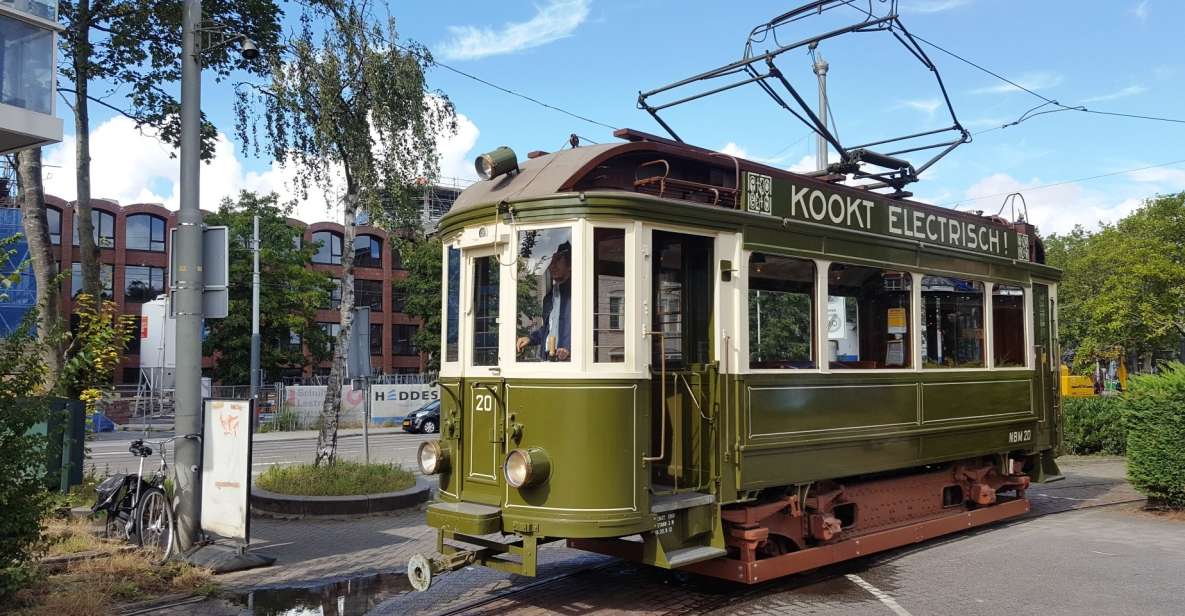
Book it if you want a low-cost, high-character activity that feels like stepping into a working piece of transit history. It’s short, easy to fit into a schedule, and gives you multiple opportunities to explore Amstelveen’s park and village-style areas.
Consider skipping or swapping plans if you’re only interested in big scenery every minute. The route is calmer and more about the tram and the ride rituals than nonstop landmark viewing.
If you want a simple plan that works, pair it with a short park walk after your stop choice. You’ll get the full payoff: the heritage tram fun plus a real place to stretch your legs.
FAQ
Where do I exchange my ticket before boarding?
You exchange your ticket in the Tramshop in Haarlemmermeerstation, and you’ll be guided from there to the trams.
How long is the ride?
The duration is about 1 hour. Starting times vary, so you’ll need to check availability for your preferred departure.
What does the price include?
The price includes a return ticket from Haarlemmermeerstation (Amsterdam) to Amstelveen.
Is food or drink included?
No. Food and drinks are not included.
What’s not allowed on the tram?
Smoking, drinks in the vehicle, non-folding strollers, food in the vehicle, and alcohol or drugs are not allowed. Non-folding wheelchairs and electric wheelchairs are also not allowed.
Is the guide or host available in English?
Yes. The host or greeter is available in Dutch and English.
Can I get off during the trip?
Yes. The tram stops in Amstelveen include options such as the Olympic Stadion, Amsterdam Forest, lake Bosbaan, Heemtuinen wildlife garden, and the Old Village area.
Is cancellation possible?
Yes. There is free cancellation up to 24 hours in advance for a full refund.