REVIEW · COFFEE EXPERIENCES
Amsterdam: Coffee Shops Walking Tour
Book on GetYourGuide →Operated by Trigger Tours · Bookable on GetYourGuide
One walk explains Amsterdam’s rules on drugs. You start in the Red Light District area and follow a local guide into the city’s coffee shop world, with history and street-level context you can’t get from a brochure.
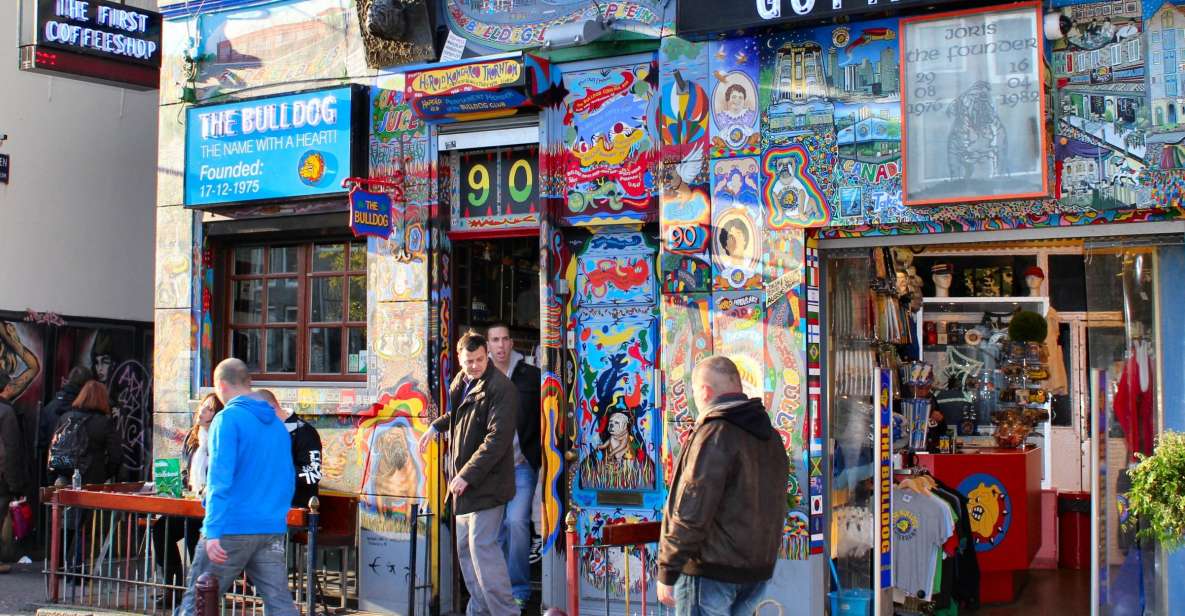
I love the way the tour connects cannabis culture to Dutch politics and legalization, so it feels grounded instead of just party talk. I also love the set pieces: visiting Prix d’Ami (often described as the biggest coffee shop in the world) and walking down Amsterdam’s smallest alley.
This is a walking route through narrow streets and older parts of town, so it’s not suitable for people with mobility impairments.
In This Review
- Key things you’ll notice on this Amsterdam coffee shops tour
- Where the tour starts: the Red Light District, without the chaos
- Cannabis culture explained through Dutch laws, not myths
- Prix d’Ami: the biggest coffee shop stop you’ll remember
- Finding Amsterdam’s smallest alley: the city gets close
- The world’s first coffee shop stop, and why it matters
- Along the way: canals, street art, landmarks, and local markets
- How the guide shapes the experience (Maurice, Gavin, and the Q&A style)
- Timing, language, and practical differences that affect your day
- Price and value: what $106 per person buys you
- Practical tips for a smooth 2-hour walk
- Should you book this Amsterdam coffee shops walking tour?
- FAQ
- How long is the Amsterdam Coffee Shops walking tour?
- Where do I meet the guide?
- What languages are available?
- What does the tour cost?
- Are food and drinks included?
- Is this a private tour or a group tour?
- Is the tour suitable for people with mobility impairments?
- Can I cancel for a refund or pay later?
Key things you’ll notice on this Amsterdam coffee shops tour
- Start at Barbizon Palace Hotel NH Collection for an easy rendezvous point in the Red Light District area
- Red Light District context that explains prostitution legalization and the real-world pressures sex workers face today
- Prix d’Ami visit and the chance to see why it’s famous for scale
- Amsterdam’s smallest alley plus the kind of tight streets that make the city feel like a puzzle
- Cannabis policy in plain language: the history of soft-drug legalization and how Dutch drug laws work today
- Guides like Maurice and Gavin are praised for answering questions and keeping a smooth pace even in rain
Where the tour starts: the Red Light District, without the chaos
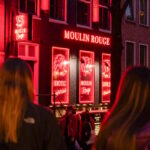
The tour begins at the front of the Barbizon Palace Hotel NH Collection. From there, you walk into the Amsterdam area people associate with red-lit windows and strict rules, but the guide frames it with context: why the Netherlands took its approach to sex work, what legalization changed, and what challenges still exist in the system.
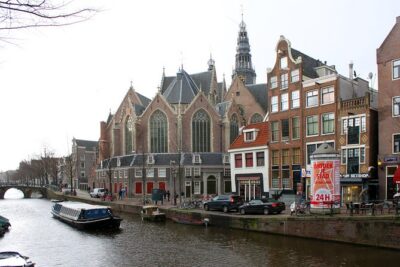
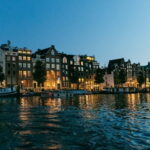
You’ll also get that classic Amsterdam visual mix—canals, alleys, and architecture—while your guide explains how the area’s politics shaped what you see on the street today. The goal isn’t shock; it’s understanding. And when you know the why, the walk stops feeling random.
You can also read our reviews of more walking tours in Amsterdam
Cannabis culture explained through Dutch laws, not myths
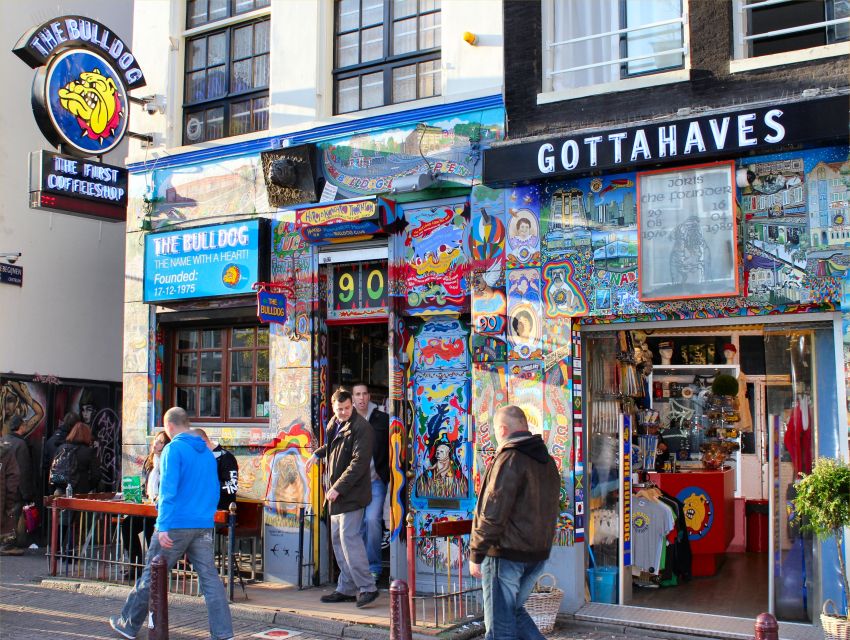
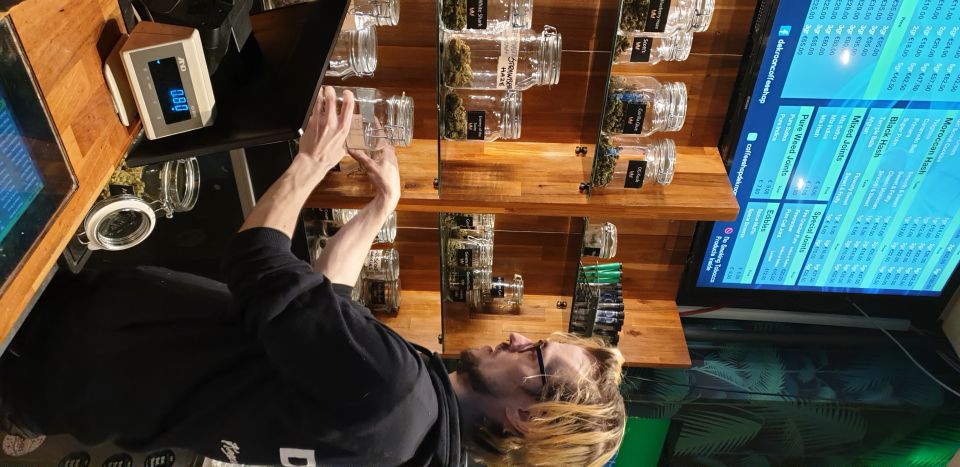
This is the core value of the Amsterdam coffee shops walking tour: the guide talks about cannabis culture in the context of Dutch legalization and day-to-day policy. You’re not just hearing stories about coffee shops. You’re learning how the Netherlands approached soft drugs historically, and what people mean when they say the laws are strange.
That matters, because a lot of cannabis talk online is either oversimplified or sensational. On this tour, the discussion stays anchored to Amsterdam’s real-world system. You’ll hear how cultural attitudes and policy decisions overlap—why Amsterdam became a magnet for visitors and why that comes with complications too.
And yes, expect the tour to cover both sex and drugs as part of Amsterdam’s famously liberal reputation. The guide’s framing helps you keep it factual, even if parts of the topic feel uncomfortable.
Prix d’Ami: the biggest coffee shop stop you’ll remember
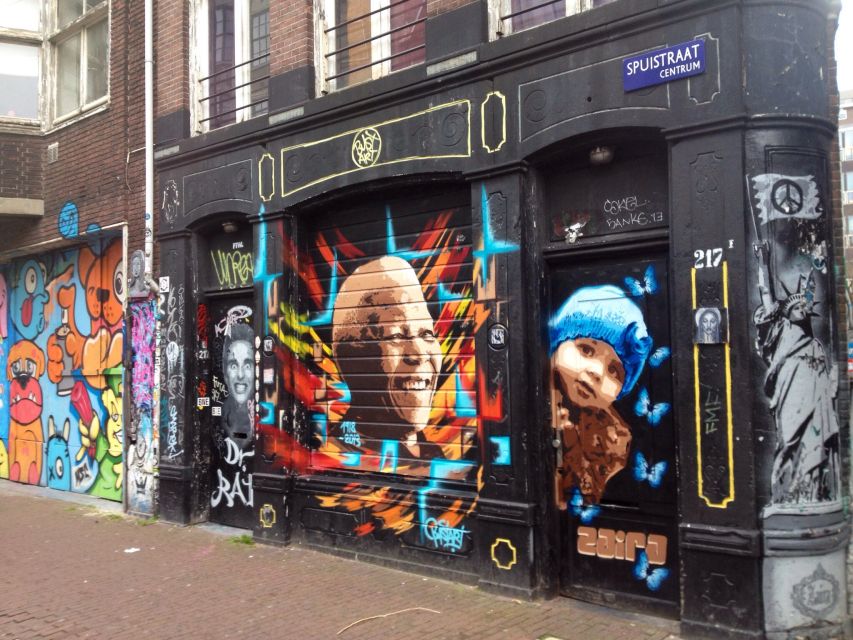
At some point, you’ll visit Prix d’Ami, highlighted as the world’s biggest coffee shop. Even if you’re not the type who plans coffeeshop photos, this is one of those stops that gives you perspective fast. Scale changes your expectations, and it helps you see coffee shops as a cultural institution—not just a storefront.
What I like about this stop is that it lands in a bigger lesson. You aren’t only learning “where to go.” You’re learning why these places exist in this city and how Amsterdam’s approach to soft drugs shaped the coffee shop scene.
Also, it’s a practical mental checkpoint. After you’ve walked canals and narrow streets and heard about policy, seeing a huge, well-known coffeeshop makes the whole discussion feel real.
Finding Amsterdam’s smallest alley: the city gets close
You’ll also walk down Amsterdam’s smallest alleyway. This isn’t just a cute photo moment. Tight streets change your experience of the city. They slow you down. They make you notice details—brickwork, building height, how people move through the space.
Your guide uses these kinds of streets to help you “read” Amsterdam. When you understand how the city is laid out, you stop feeling lost so quickly later on your trip. This tour becomes more than a history lesson; it helps you get bearings fast in a complicated street grid.
If you’re the type who likes street-level travel—architecture, small details, how cities shape behavior—this portion will feel like the tour’s secret sauce.
The world’s first coffee shop stop, and why it matters
Another highlight is seeing the world’s first coffee shop. The point here isn’t to act like you’re in a museum. It’s to understand that Amsterdam’s coffee shop story didn’t start as a trend—it started as a local response to a policy environment that kept evolving.
On a walking tour, you can connect the dots. Your guide’s earlier talk about the history of soft-drug legalization sets up the stop, then the “first coffee shop” experience gives the lesson a physical anchor in the city.
If you enjoy timelines—who changed what, when, and why—this part tends to click. You’ll also appreciate it more if you’re curious how cultural habits form around law and enforcement.
You can also read our reviews of more shopping tours in Amsterdam
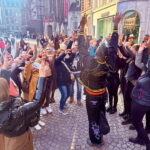


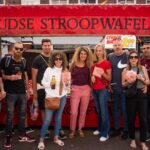

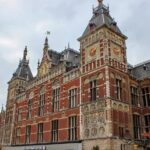
Along the way: canals, street art, landmarks, and local markets
The route includes more than coffee shops and alleys. You’ll make stops at less-obvious parts of the area: historic landmarks, street art, and local markets.
This is important for two reasons. First, it turns the tour into Amsterdam, not just policy talk. Second, it gives you visual variety in a short 2-hour window. You’re not stuck in one neighborhood corner with the same view over and over.
Local markets (when you pass them) help too. They show the normal, everyday side of the city that sits right beside the nightlife image Amsterdam is known for. It’s a good reminder that the city’s identity isn’t one thing—it’s many things at once.
How the guide shapes the experience (Maurice, Gavin, and the Q&A style)
The tour is led by a local guide. From the way the tour is described, the guide doesn’t just narrate. They also answer questions and keep things moving through the day’s context—especially around history and current laws, which are the parts that people usually have lots of doubts about.
In particular, guides such as Maurice and Gavin are mentioned for being strong with questions and for maintaining a fun, informative pace even when the weather turns. If you’re the kind of person who asks, Do we actually have to follow these rules? or What does legalization mean in practice?—you’ll probably like this format.
If you’re nervous about tough topics, that’s not a problem. You can treat the tour like a class: ask for clarification, keep it respectful, and let the guide do the heavy lifting.
Timing, language, and practical differences that affect your day
The tour lasts 2 hours. That short window is a plus if you want a focused dose of context without losing half a day, but it also means comfortable shoes matter. You’ll be walking through older city streets and tight passages, so plan for steady pace time.
Language availability is another detail that can affect your schedule:
- Tours run in English, German, and Dutch
- On Mondays and Tuesdays, German-language tours are not available
So if you planned for German, check the day carefully before booking. It’s a small note, but it can save you from disappointment.
Price and value: what $106 per person buys you
At $106 per person for a 2-hour guided walk, you’re paying for three things: a local guide, a curated route, and context you’d otherwise have to piece together yourself with a lot of reading.
If you were to “DIY” Amsterdam’s coffee shop and policy story, you’d run into two problems. One: you’d have to connect the Red Light District context to cannabis legalization on your own. Two: you’d likely miss the small street-level moments that make the history feel real, like the smallest alley and the big coffee shop stop.
That’s why this price can feel fair for the right traveler. If you like guided explanations and want an efficient way to understand Amsterdam’s reputation, it’s strong value. If you already know the basics and mostly want photos, you might feel the cost more sharply—because the tour’s purpose is interpretation, not sightseeing alone.
Practical tips for a smooth 2-hour walk
Here are the small things that help you get more out of the experience:
- Wear shoes that handle uneven streets and narrow turns. The route is not designed for leisurely stroller pacing.
- Bring a light rain layer. One guide-style success point mentioned is that the tour stays interesting even in rain.
- Since food and drinks aren’t included, plan a snack or meal before or after the tour. You’ll stay focused better when your stomach is handled.
- Think of your questions ahead of time. If you’re curious about the connection between legalization and daily life, write a couple down so you don’t forget mid-walk.
Also, the meeting point is straightforward: in front of the Barbizon Palace Hotel NH Collection entrance. Go a little early so you can check what entrance you’re using and settle your group before the guide starts.
Should you book this Amsterdam coffee shops walking tour?
Book it if you want Amsterdam with context. This tour is built for people who care about how laws shape culture—especially around cannabis coffee shops and the Red Light District area. It’s also a great choice if you like short, efficient tours that still give you street-level moments (small alley, canal-side atmosphere, and the major Prix d’Ami stop).
Skip it if mobility is a concern, since it’s explicitly not suitable for people with mobility impairments. Also, if sex-work and drug-policy topics make you uncomfortable no matter how the guide frames them, you might prefer a different Amsterdam theme.
FAQ
How long is the Amsterdam Coffee Shops walking tour?
It runs for 2 hours.
Where do I meet the guide?
Meet the guide in front of the Barbizon Palace Hotel NH Collection entrance.
What languages are available?
The tour is offered in Dutch, English, and German. On Mondays and Tuesdays, German-language tours are not available.
What does the tour cost?
The price is $106 per person.
Are food and drinks included?
No. Food and drinks aren’t included.
Is this a private tour or a group tour?
It’s offered as a private group tour (with a local guide).
Is the tour suitable for people with mobility impairments?
No. It is not suitable for people with mobility impairments.
Can I cancel for a refund or pay later?
Yes. You can cancel up to 24 hours in advance for a full refund. You can also reserve now and pay later.