REVIEW · BIKE & E-BIKE TOURS
Amsterdam bike tour with a French-speaking guide local!
Book on GetYourGuide →Operated by Amsterdam Velo - Tours en Francais · Bookable on GetYourGuide
One thing you notice fast in Amsterdam: bikes rule. This French-guided ride gives you a local, neighborhood-by-neighborhood overview, and I really like how the guide ties the stories to what you’re actually passing. Plus, you get small-group attention (max 12), not a big herd. The one consideration: on bridges and busy canal streets, 12 people can still feel a bit tight for slow photos and extra questions.
I also like the practical bike setup. The tour bikes are Batavus with hand brakes under the handlebars, so the ride feels predictable (and you’re not guessing with foot brakes). And right after the tour, you’ll have a ready-made list of places to eat and wander on foot—useful when you don’t yet know which streets are worth your time.
If you’re expecting an electric-assist cruise or long stops at every landmark, this tour may feel a bit “move along, learn fast.” It’s built for good flow, covering multiple neighborhoods in about 2.5 hours with a French guide.
In This Review
- Key highlights worth your attention
- Starting at IJdok 47: easy meet point, fast get-on-bike
- Bike comfort and safety: hand brakes, Batavus bikes, and real-world practicality
- Museumkwartier: the “first wow” without the chaos
- Dam Square: history + modern city energy at cycling speed
- Westerkerk: a neighborhood landmark you can feel, not just see
- De Negen Straatjes: the streets you’ll want to walk after
- Haarlemmerbuurt: where the city turns from sights to everyday
- Anne Frank House area: respectful context while staying outside the ticket lines
- Grachtengordel: canal belt views you’ll finally connect
- The Jordaan: classic Amsterdam vibe with local storytelling
- Group size and guide style: why max 12 feels different
- Your value for $40: what you actually get
- Where your tour ends: quick next steps for your own Amsterdam day
- Quick FAQ for planning your ride
- FAQ
- How long is the Amsterdam bike tour?
- What time does the tour start?
- What language is the tour in?
- Is the bike rental included in the price?
- What bikes do you use?
- What is the minimum age for the bikes?
- Can I leave luggage during the tour?
- What’s the group size like?
- Are electric bikes included?
- Should you book this French Amsterdam bike tour?
Key highlights worth your attention
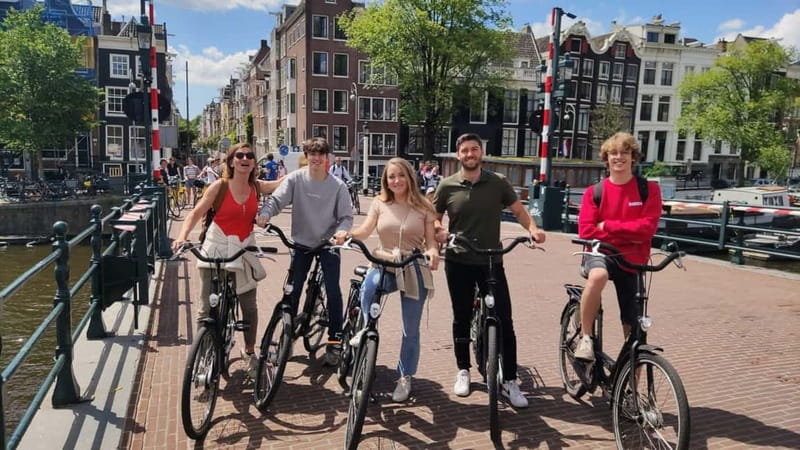
- Small groups up to 12 so you can actually hear the guide and get help
- French tour with a local focus on daily life, history, and cultural differences
- Batavus bikes with hand brakes plus helmets if needed
- Neighborhood coverage beyond the usual postcard route (Westerdok, Jordaan, De Negen Straatjes)
- Built-in tips for after the ride: brown cafés, restaurants, maps, and walking areas
Starting at IJdok 47: easy meet point, fast get-on-bike
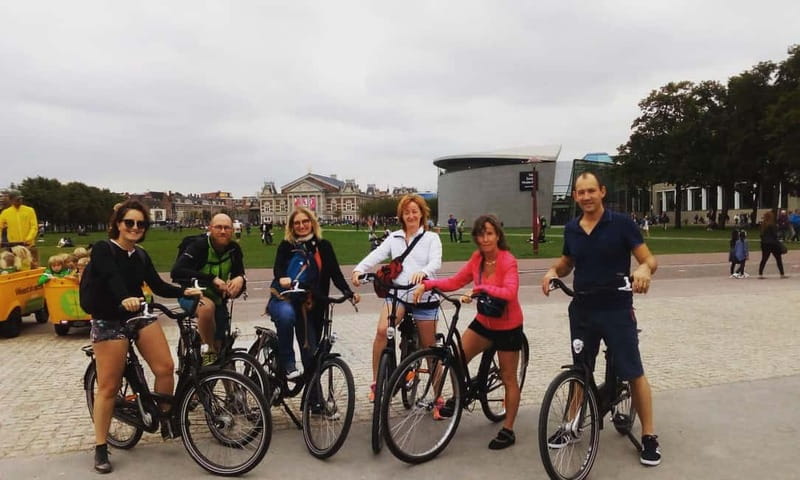
Most Amsterdam tours start somewhere central and vague. This one is clearer: you meet at IJdok 47, near Central Station (Centraal Station Amsterdam). That matters, because when you’re arriving in a new city, you don’t want a scavenger hunt before you even start riding.
The first minutes set the tone. You’ll get on the bike with the right setup for your size, and you’ll learn how the bikes behave. I appreciate that the tour emphasizes the basics of biking rules—because in Amsterdam, knowing what cyclists expect from each other is half the fun.
Also handy: the team says it’s possible to leave luggage (suitcases) while you cycle around. If you’ve just arrived and you’re carrying too much, this can save a lot of stress for the afternoon.
You can also read our reviews of more cycling tours in Amsterdam

Bike comfort and safety: hand brakes, Batavus bikes, and real-world practicality
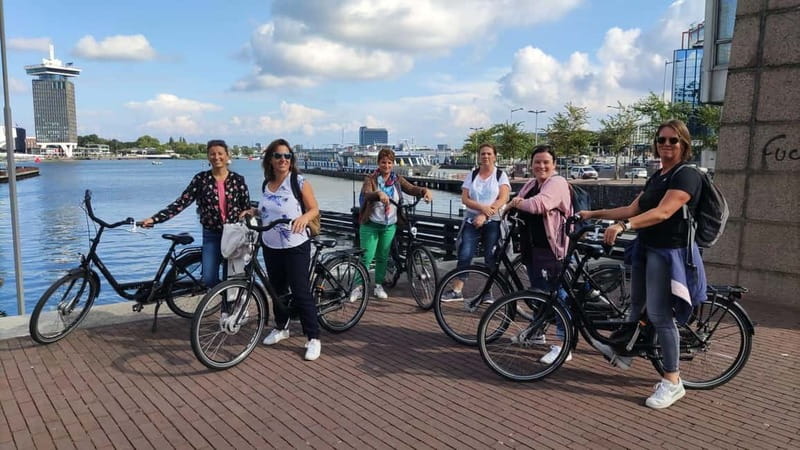
Let’s talk bikes, because that’s your main “comfort control” in a city like Amsterdam.
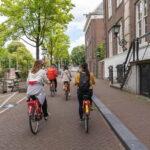
You’ll ride a Dutch brand Batavus bike, with brakes under the handlebars (they’re not foot brakes). That’s great for riders who want one consistent braking action. If you’ve only biked with foot brakes before, you’ll just need a short moment of adjustment at the start.
A few more practical points the tour covers:
- Helmets are included if necessary
- Bike sizes start from age 8
- Baby seats are available for small and big children (so families aren’t automatically out)
- Bikes come with luggage racks, plus what they call out for carrying essentials like a water bottle and small bags
And yes, this is not an electric bike tour. The info specifically notes electric bikes are not included, so plan for your own pedaling energy.
Museumkwartier: the “first wow” without the chaos
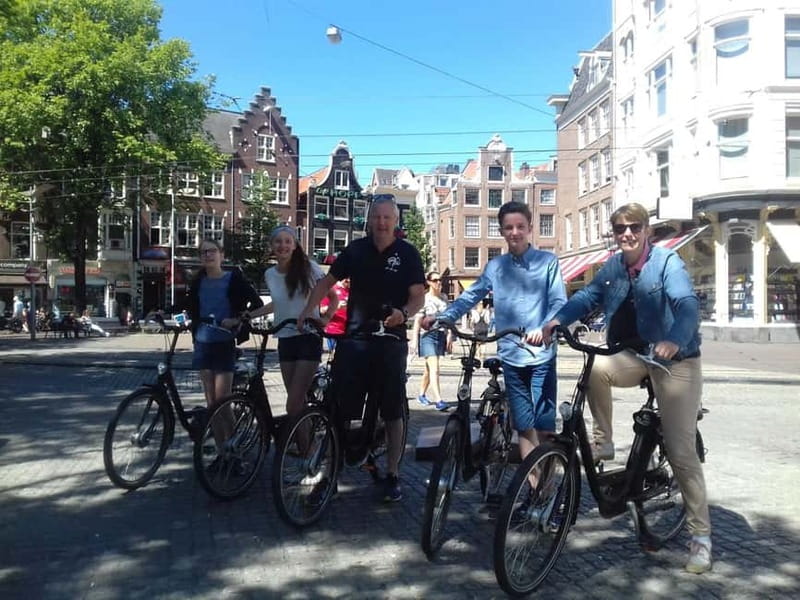
After you get rolling, the ride moves into the Museum Quarter (Museumkwartier). This is where Amsterdam starts looking like a postcard—but from a bike seat, you get a fuller sense of the city’s rhythm.
What I like about starting here is pacing. You’re not thrown immediately into the tightest, most complicated streets. Instead, you get a guided layer of context—how Amsterdam thinks and moves—before you bounce toward more iconic corners.
If you’re a first-time visitor, the guide’s job here is to help you read the city. You’ll pick up on how canals, streets, and buildings connect to daily life, not just sightseeing.
Possible drawback: if you’re the type who wants long photo stops, the quick flow might feel brisk in the early part. Still, that briskness is what makes the tour efficient.
Dam Square: history + modern city energy at cycling speed
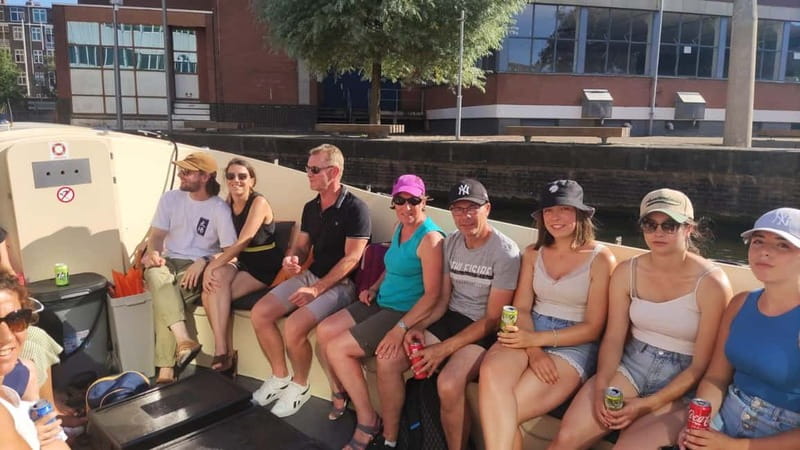
Then you roll into Dam Square. This is one of those places where people think they know what they’ll find. The value of a guided bike tour is that you don’t just stand in one spot and look around—you learn how the area fits into Amsterdam’s bigger story.
Dam Square also works well on a bike route because you can see the flow of streets feeding in and out. You get a sense of how the city gathers people and how Amsterdam’s layout supports movement.
The tour format matters here: a French-speaking guide keeps it focused, and you’re moving while you listen. It’s not silent sightseeing; it’s active learning.
Westerkerk: a neighborhood landmark you can feel, not just see
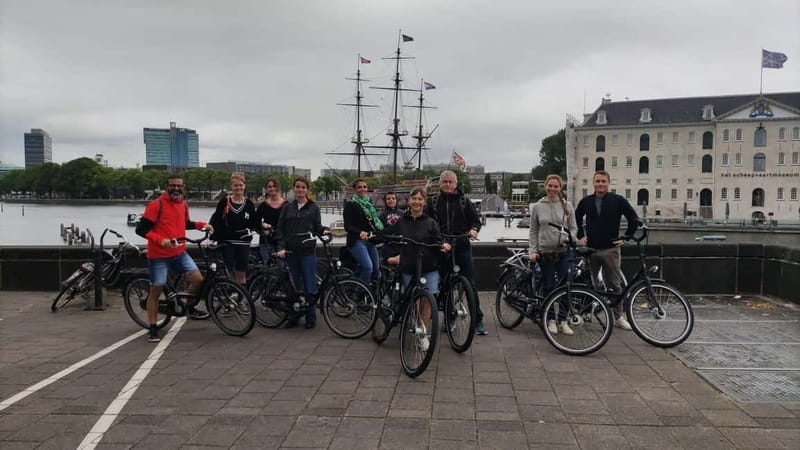
Next up is Westerkerk (the church area). This part of the tour helps you move from the big squares to a more grounded neighborhood feel.
Why it’s a good stop: you’re not only taking in the architecture, you’re also learning what makes this area tick day to day. The guide’s focus on daily life and cultural differences becomes easier to understand when you’re passing through areas that look and feel lived-in.
Bike tours also make it easier to notice small contrasts—street scale, building styles, and how people actually use the sidewalks and bridges.
You can also read our reviews of more guided tours in Amsterdam





De Negen Straatjes: the streets you’ll want to walk after
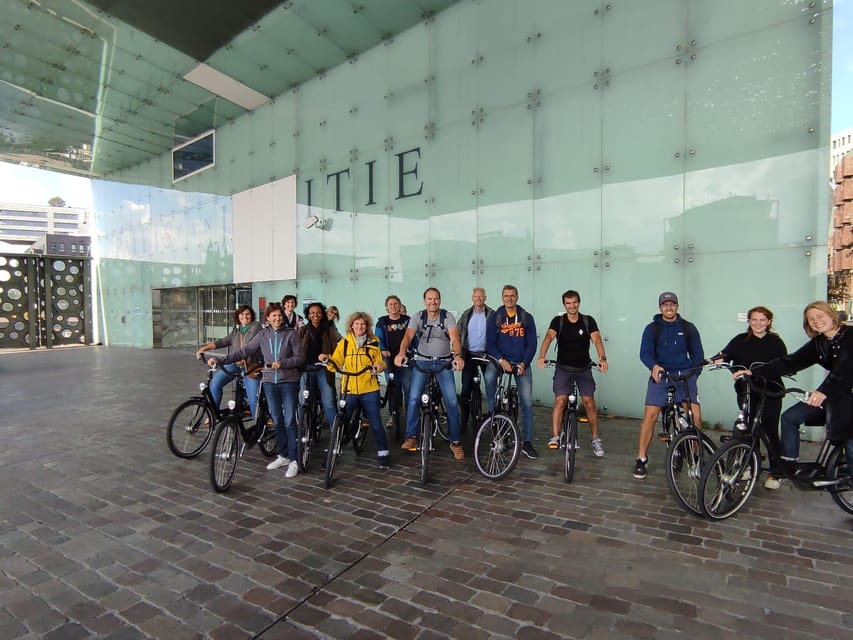
Then comes De Negen Straatjes—the famous nine streets area. By bike, you get the overview fast. You’ll understand where the streets sit relative to canals and larger routes, and you’ll get context that makes the place feel more than just shops.
What I’d do if I were planning your day: treat this part as a “prime walking preview.” Even if you don’t have time to explore every lane during the ride, you’ll leave with a clear mental map.
One caution: this is exactly the kind of area where crowds can build. If you’re hoping for easy rolling with tons of space, you may feel a slowdown. That’s normal here—just don’t expect empty streets.
Haarlemmerbuurt: where the city turns from sights to everyday
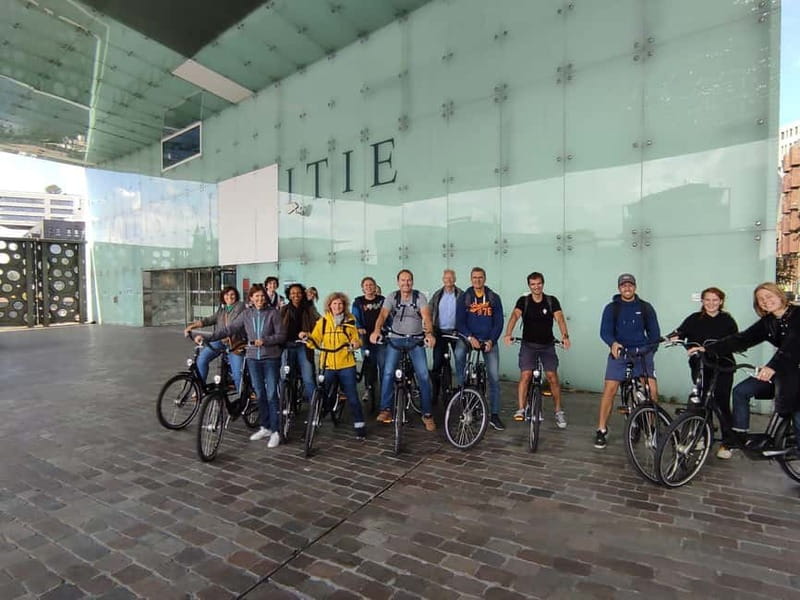
After the shopping streets, the route moves into Haarlemmerbuurt. This is the kind of neighborhood stop that helps the tour feel genuinely local.
The reason it matters: Amsterdam isn’t only canals and monuments. It’s also neighborhoods where people commute, shop, and socialize. When the guide talks about cultural differences and daily life, this is where it starts to click.
If you like “what it feels like to live here” over “look at that landmark,” you’ll likely enjoy this portion the most.
Anne Frank House area: respectful context while staying outside the ticket lines
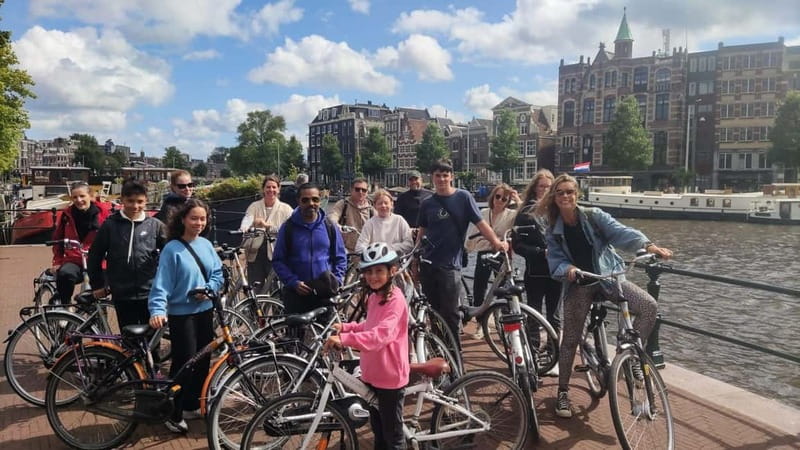
You’ll also visit the Anne Frank House area. I can’t promise an inside visit from the information you provided, but this stop is still meaningful as a guided bike experience.
How to think about it: a bike tour is good for perspective, pacing, and orientation. You’ll learn how the place fits into the city and its historical narrative, without turning the whole tour into a long queue experience.
Practical note: keep expectations realistic. If you want to go inside, you’ll need separate planning. But as part of this overview tour, it helps you understand why Amsterdam’s history is so present in the streets.
Grachtengordel: canal belt views you’ll finally connect
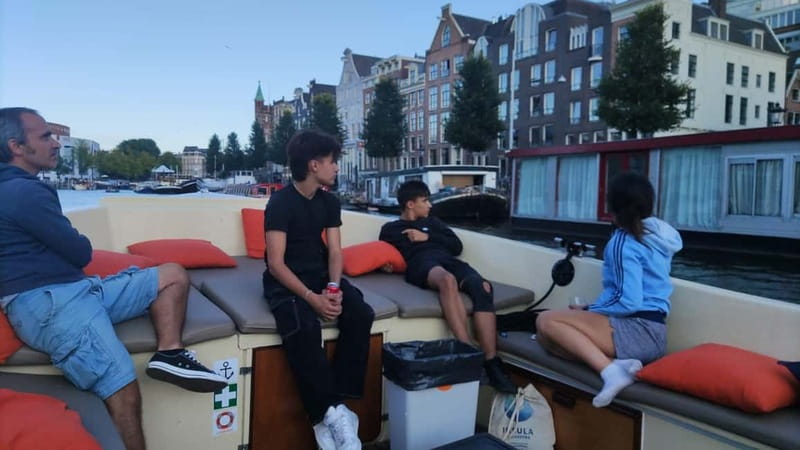
Then the tour heads toward the Grachtengordel, the canal belt. This is where biking pays off. From a slow stroll, you see canals. From a bike tour, you feel the canal system as part of the city’s movement.
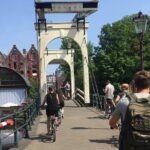
The guide’s focus on Dutch architecture secrets and “how Amsterdam works” becomes more tangible as you pass the canal-side buildings and bridges. You start noticing what locals notice: angles, façades, and the way the water links neighborhoods together.
Drawback to consider: canal areas can be busy, and bridge segments can be tight. That’s true for most bike tours in Amsterdam, especially with a group. Still, the tour’s structure helps you keep moving while learning.
The Jordaan: classic Amsterdam vibe with local storytelling
Finally, the route includes The Jordaan. This neighborhood is often described in travel guides, but what makes it better with a guide is the texture—how the streets relate to one another, where the energy sits, and what shaped the area.
The Jordaan also pairs nicely with what the tour promises: you’re learning about history and culture while staying in the kind of streets you’ll naturally want to explore afterward on foot.
If you’re wondering whether a bike tour will make you want more walking, this is the part that usually delivers.
Group size and guide style: why max 12 feels different
The tour’s group size is strictly limited to a maximum of 12 people per guide. That’s a big deal in Amsterdam, because spacing matters. Narrow sidewalks, bridges, and canal-side routes don’t forgive sloppy pacing.
I also like that the bike tour is led by a local French-speaking team. One guide named Marcel is mentioned as tying the tour to Amsterdam history while also going over bike riding rules at the start. That blend—story + practical safety—usually creates a smoother, more confident ride.
Even with a small group, 12 can still feel like “many” when you’re trying to stop and ask questions. But compared to the larger operators you might encounter elsewhere, this is the more humane version.
Your value for $40: what you actually get
At $40 per person for about 2.5 hours, the value comes from how much “orientation” you gain.
You get:
- A bike included (rental is in the price)
- A local French guide
- A route that hits multiple neighborhoods and key areas (Museum Quarter, Dam Square, Westerkerk, De Negen Straatjes, Jordaan, plus the canal belt)
- A practical bike setup (Batavus, hand brakes, luggage racks)
- A post-tour help packet: recommendations for restaurants, brown cafés, bars, and walking neighborhoods, plus maps
This isn’t just sightseeing. It’s a structured way to learn how Amsterdam neighborhoods connect, so your remaining days don’t feel like guesswork.
Price note: the tour isn’t offering electric bikes or specialty rentals here. So if you want to reduce effort and you’re comfortable paying more for an e-bike, you may prefer other formats. But if you like biking and want a smarter first day, $40 feels like a fair deal for what it covers.
Where your tour ends: quick next steps for your own Amsterdam day
The tour ends back at IJdok 47. That’s helpful because you’re near Central Station again, so you’re not stuck far from transit.
After you finish, the team recommends Dutch restaurants, brown cafés, bars, and neighborhoods to explore on foot. They also mention maps available with good deals. In practical terms, that means you’re less likely to blow time wandering in the wrong direction.
Quick FAQ for planning your ride
FAQ
How long is the Amsterdam bike tour?
The tour duration is 2.5 hours.
What time does the tour start?
They mention two departures per day at 10:30 a.m. and 1:30 p.m. You should check availability to see the exact starting times for your date.
What language is the tour in?
The live guide speaks French.
Is the bike rental included in the price?
Yes. The price includes bike rental, and the bike is included in the price.
What bikes do you use?
The bikes are Batavus bikes. They are equipped with hand brakes under the handlebars (not foot brakes), and they come in all sizes. Helmets are included if necessary.
What is the minimum age for the bikes?
Bike sizes are available for riders from 8 years old. Baby seats are available for children if needed.
Can I leave luggage during the tour?
Yes. It’s possible to leave your suitcases upon your arrival or departure, and you can cycle around afterward.
What’s the group size like?
Groups are strictly limited to a maximum of 12 people per guide.
Are electric bikes included?
No. Electric bikes are not included.
Should you book this French Amsterdam bike tour?
Book it if you want a first-day advantage: you’ll get a guided overview in French, learn the biking basics, and cover several areas you’d struggle to connect on your own. The small-group cap and the hand-brake Batavus bikes make it feel more controlled than typical big tours.
Skip it or think twice if you’re looking for lots of long stops, an electric-bike ride, or a tour that functions like a series of indoor museum visits. This one is built for moving, listening, and getting your bearings fast—so you can spend the rest of your time choosing where you want to linger.