REVIEW · ANNE FRANK & WWII HISTORY TOURS
Amsterdam: Anne Frank and Jewish Quarter Tour
Book on GetYourGuide →Operated by Trigger Tours · Bookable on GetYourGuide
The Jewish Quarter hits hard fast. This 2-hour walk through Amsterdam’s WWII sites connects the German occupation era to the aftermath that shaped the city’s Jewish community, including the well-known story of Anne Frank. I especially like how the stops include the Portuguese Synagogue and the Jewish Historical Museum, not just Anne Frank references, so you get context for what life was like before and during the Holocaust. Guides named James and Aaron (among others) also keep the mood respectful while still making the story move and feel human.
My second favorite part is the way the tour uses the street-level markers—places tied to deportations and remembrance—to answer the big questions you’ll have while walking. One possible drawback: Anne Frank House entry isn’t included, so if that’s your only goal, you’ll need a separate timed ticket.
In This Review
- Key Things That Make This Tour Worth Your Time
- Walking the Jewish Quarter With WWII Context
- Price and Value: What $24 Buys in Amsterdam
- The 2-Hour Timing and How Much You’ll Walk
- Starting Points Near Amsterdam Boat Adventures: Easy to Find, But Watch the Details
- From WWII Occupation Sites to the Auschwitz Monument
- Portuguese Synagogue and Jewish Historical Museum: More Than Background
- Hollandsche Schouwburg Memorial: Where Deportation History Becomes Personal
- Jewish Quarter Streets, Plantage Feel, and the Grachtengordel Ending
- What You’ll Actually Understand After 2 Hours
- Guides Matter: What to Expect From the People Running the Walk
- Who This Tour Fits Best (And Who Might Want a Different Plan)
- Should You Book This Tour?
- FAQ
- How long is the Amsterdam: Anne Frank and Jewish Quarter Tour?
- How much does it cost?
- Does the tour include entrance to the Anne Frank House?
- What language is the tour offered in?
- What major stops are included on the walk?
- Do I need tickets for anything else?
Key Things That Make This Tour Worth Your Time
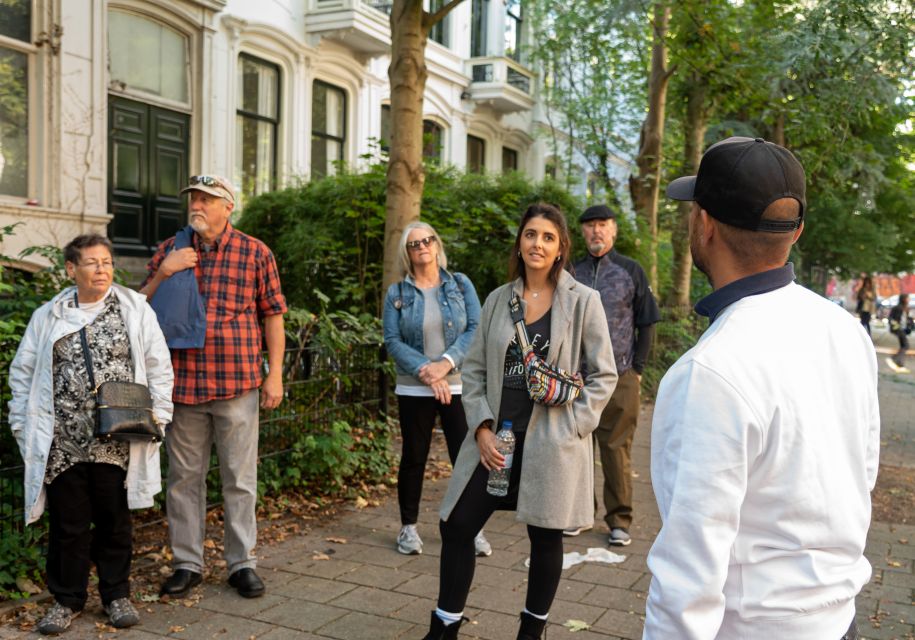
- A WWII route built around real Amsterdam places tied to occupation, deportation, and remembrance
- Portuguese Synagogue and the Jewish Historical Museum help you understand centuries of community life
- Multiple Holocaust memorial stops, including Hollandsche Schouwburg and the Auschwitz Monument
- A focused 2-hour format that still fits in a lot of meaning (and a fair amount of walking)
- Guides who handle heavy material with care, while staying conversational and question-friendly
Walking the Jewish Quarter With WWII Context

Amsterdam’s Jewish Quarter isn’t just a set of photo stops. It’s a living neighborhood where layers of history sit close together—narrow streets, old buildings, and memorials you’d miss if you just wandered.
This tour gives you a way to read the area. You start learning how Amsterdam worked under Nazi rule in the early 1940s, then you track the human consequences through the city’s specific sites. And yes, you’ll hear the story of Anne Frank and her family—but the point is bigger than one family.
The tone matters here. Lots of the feedback I saw praised guides for balancing sensitivity with engagement. You want facts, but you also want the guide to treat the subject like it deserves respect.
You can also read our reviews of more tours and experiences in Amsterdam.


Price and Value: What $24 Buys in Amsterdam
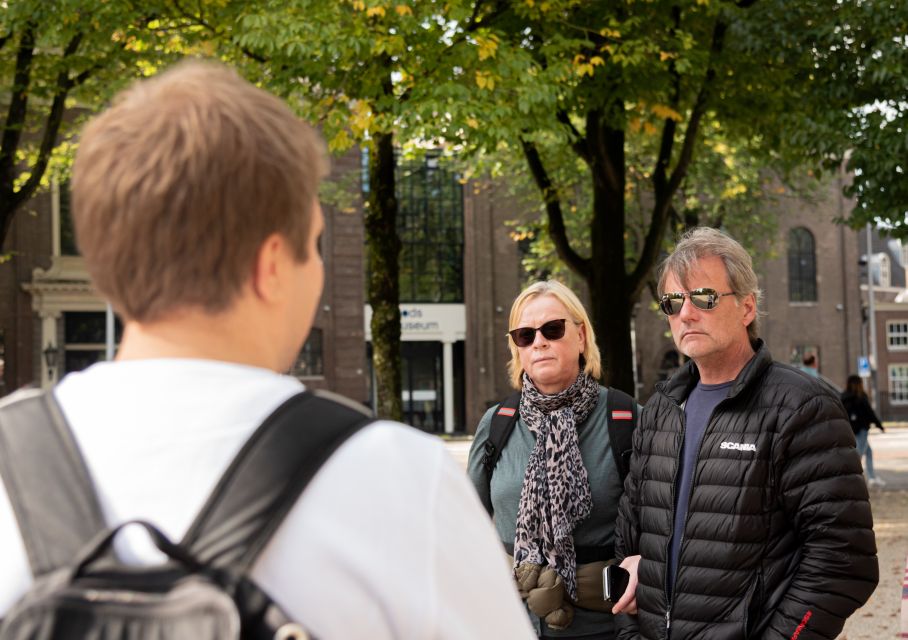
At about $24 per person for a 2-hour walking tour, this is strong value if your goal is understanding. You’re paying for a local guide who can turn a list of buildings into a clear story of occupation, resistance, and remembrance.
Also, the tour packs in several meaningful stops rather than only “Anne Frank spots.” You hit places connected to Amsterdam’s Jewish life and to Holocaust-era history, including memorials and institutions. That’s the kind of payoff you feel right away because it shapes how you’ll see the neighborhood afterward.
If you’re budget-minded, this works better than trying to piece together the WWII story by yourself from museum walls and scattered plaques. If you’re planning to visit the Anne Frank House later, this tour still helps you get the background first—without duplicating the same ticketed experience.
The 2-Hour Timing and How Much You’ll Walk
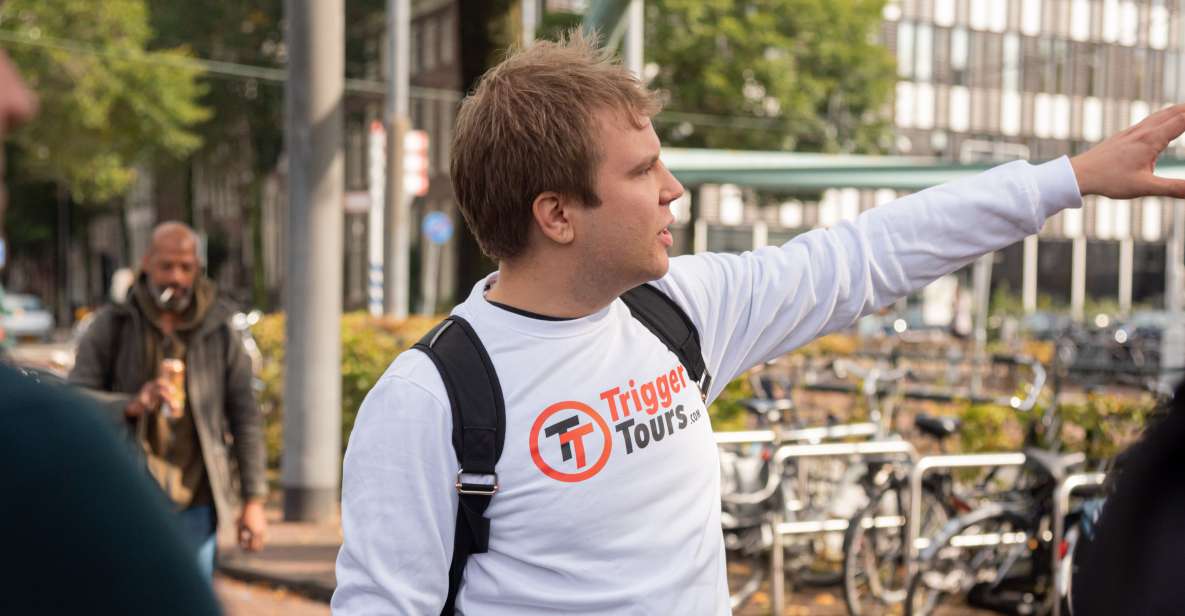
This tour is short on paper: 2 hours. In practice, it’s long enough to cover several stops on foot, and at least one review called out that it involves a fair amount of walking.
That’s important for planning. Wear comfortable shoes, and don’t schedule a second “must-see” immediately after unless it’s nearby. Amsterdam sidewalks can be uneven, and the Jewish Quarter streets are narrow—great for atmosphere, but not always great for quick detours.
The pace also affects what you take in. A good chunk of the value comes from the guide explaining each location before you move on. If you show up late or rush, you’ll feel like you’re sprinting through history. Aim to arrive a bit early and settle in.
Starting Points Near Amsterdam Boat Adventures: Easy to Find, But Watch the Details
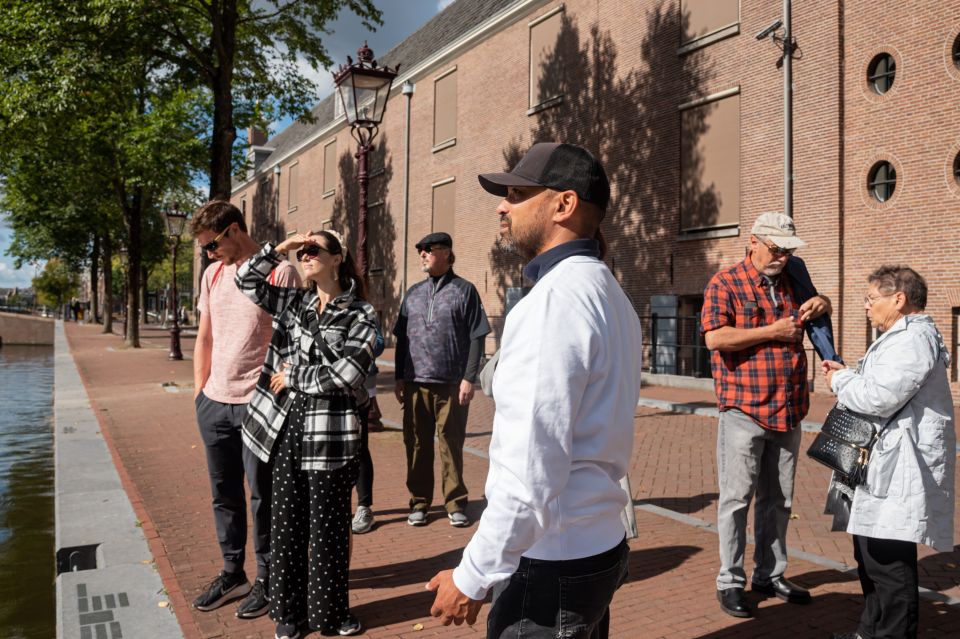
Your meeting point can vary depending on the option booked. One clear starting area is connected to Amsterdam Boat Adventures (open boat tours), and that same company name shows up again as a possible drop-off location.
Drop-off options include Hermitage Amsterdam as well as Amsterdam Boat Adventures. That’s useful if you’re building a day around museums and waterways—after the walk, you can slide into something lighter.
Because meeting points vary, treat it like this: confirm the exact spot when you book, then give yourself extra time to locate it. In a city like Amsterdam, the difference between “around the corner” and “across the canal” can cost you precious minutes.
From WWII Occupation Sites to the Auschwitz Monument
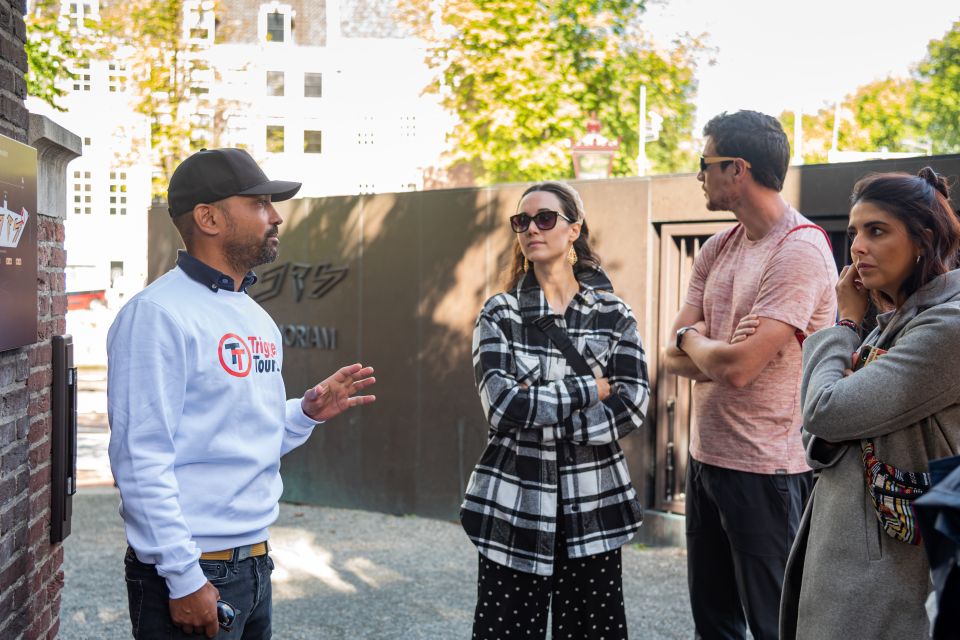
Early in the walk, you’ll move from explanation to place-based history. Stops like the Auschwitz Monument and the Dokwerker are part of how the tour shows the machinery of terror across Amsterdam, not just the better-known stories.
What makes these stops effective is that they’re not generic. The guide ties them to what happened in Amsterdam during the Nazi occupation, including the way the city experienced major events and hardship in the early 1940s.
You’ll also hear about the broader conditions that shaped survival—how people endured the February Strike and the hunger winter. Those details matter because they shift your perspective from “history happened” to “this is what daily life turned into.”
One caution: this is a Holocaust-focused tour. If you prefer gentle sightseeing, this won’t feel like that. But if you want the meaning behind the memorials, these locations are exactly where you should be.





Portuguese Synagogue and Jewish Historical Museum: More Than Background

The tour’s most “you can actually see it” payoff comes when you reach the Portuguese Synagogue and the Jewish Historical Museum.
These stops help you understand something that Anne Frank House alone can’t: Jewish life in Amsterdam didn’t start in 1940. It had centuries of community structure, culture, and institutions. The tour explains how the neighborhood formed and evolved over time, so the WWII story lands in a fuller historical setting.
The Portuguese Synagogue is a standout because it’s both specific and symbolic. The building itself signals long-term Jewish presence, and the guide uses that to connect what you’re seeing to what was at stake.
The Jewish Historical Museum adds another layer. Even if you don’t go inside a museum during this exact experience, the stop still frames what you’d want to know later. It points you toward the larger story of the community and why Amsterdam became so important in Jewish history.
In short: you’re not just walking through sadness. You’re learning how a community lived—then how that life was targeted.
Hollandsche Schouwburg Memorial: Where Deportation History Becomes Personal
Another major stop is the Hollandsche Schouwburg National Holocaust Memorial. This is the kind of place where the guide’s voice and pacing matter.
From what you’ll learn on the walk, this location sits inside the reality of deportations and the cruel administrative process that turned neighbors into victims. The tour frames it within Amsterdam’s WWII timeline and the community’s suffering during the Holocaust.
The best guides manage to do two things at once. They respect the weight of the topic, and they still keep you oriented so you understand what each site represents in the story. Multiple reviews praised guides for that balance—sad subject matter, handled carefully, but still clear and engaging.
If you’ve visited memorials in other cities, this will likely feel different because it’s embedded in Amsterdam’s neighborhood fabric rather than isolated in a museum campus.
Jewish Quarter Streets, Plantage Feel, and the Grachtengordel Ending
The middle and later part of the walk focuses on the Jewish Quarter, including the historic area’s narrow streets and the connection to the Plantage district. You’ll also hear how the neighborhood evolved over centuries and what it meant for Jewish culture and heritage in Amsterdam.
The guide uses the streetscape to point out notable landmarks, such as the headquarters of the Jewish Council and other markers you might otherwise walk right past. This is where the tour becomes practical: it teaches you what you’re looking at, and it helps you recognize which buildings and corners carry meaning.
Then you’ll move toward the Grachtengordel area, with the walk expanding from “small streets and alleys” to broader Amsterdam structure. That shift helps you breathe for a moment—still within a historical frame, but with a visual change that keeps the session from feeling one-note.
Finally, the tour ends with drop-off options near Hermitage Amsterdam or Amsterdam Boat Adventures. If you like pairing history with views, this is a good setup: you can keep the city’s atmosphere going right after the heavy part.
What You’ll Actually Understand After 2 Hours
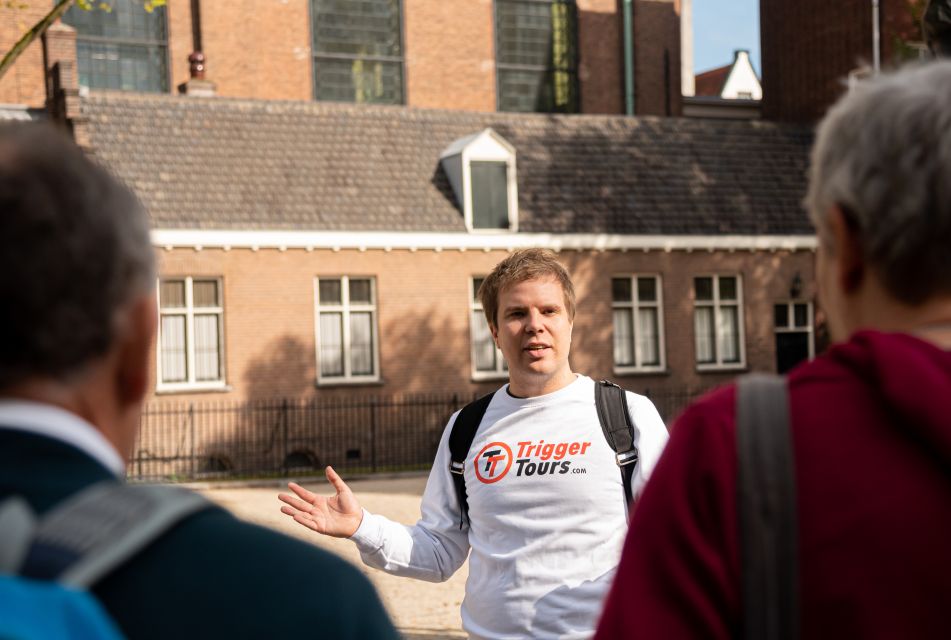
A good walking tour doesn’t just give facts. It gives you a mental map, so Amsterdam makes sense when you’re back on your own.
By the end of this experience, you should understand:
- Amsterdam’s struggles during Nazi occupation, and how hardship shaped the city
- How major events in the early 1940s fit into a wider pattern
- Why Anne Frank’s story is part of a larger Amsterdam tragedy, not a standalone tale
- How Jewish community life developed over centuries, then was shattered in the Holocaust
- How the city remembers now, through memorials and institutional landmarks
Also, you’ll likely leave with better questions. That matters, because it improves what you notice next—whether you’re reading plaques, choosing where to spend extra time, or planning a museum visit afterward.
Guides Matter: What to Expect From the People Running the Walk
This tour is led by a live guide in English or Spanish, and reviews consistently highlight that the guides are engaging and respectful with the subject.
Names you may see in recent experiences include James, Aaron, Pilar, Polar, Masha, and Juri/Yuri. While you can’t pick the guide in advance from the details you provided, the pattern in feedback is clear: the stories land well, the pace works, and the guide answers questions without rushing.
That’s a big deal on a topic like this. If you’re carrying personal questions—about the Jewish Quarter, deportations, or what happened after the war—you’ll want a guide who can handle follow-ups calmly.
Who This Tour Fits Best (And Who Might Want a Different Plan)
This is a great choice if you:
- Want a focused overview of Holocaust-era Amsterdam beyond the most famous reference points
- Plan to visit additional WWII-related sites and want the context first
- Prefer walking and street-level history over a purely museum-based route
- Like tours where you can ask questions and get real answers
It might not be your best fit if you:
- Only want Anne Frank House specifically. This tour does not include tickets or entry to Anne Frank House.
- Get uncomfortable with dark history in close proximity. This is a respectful but serious walk.
If you want the best strategy, pair this with a separate Anne Frank House visit later (after you’ve learned the larger background).
Should You Book This Tour?
Yes—if your goal is understanding Amsterdam’s Jewish Quarter in the WWII context. For $24 and 2 hours, you get a well-paced walking route with multiple memorial stops and key Jewish landmarks like the Portuguese Synagogue and the Jewish Historical Museum.
My advice: book this tour before you spend time wandering on your own through the neighborhood. You’ll read the streets better afterward, and the story will make more sense when you hit plaques and buildings independently.
If Anne Frank House is your single priority, then book that separately. This tour is built to explain the world around the story, not to replace it.
FAQ
How long is the Amsterdam: Anne Frank and Jewish Quarter Tour?
It lasts 2 hours.
How much does it cost?
The price is $24 per person.
Does the tour include entrance to the Anne Frank House?
No. The tour does not include tickets or entrance to the Anne Frank House.
What language is the tour offered in?
The live guide offers the tour in English and Spanish.
What major stops are included on the walk?
You’ll visit key Jewish Quarter and WWII-related locations such as the Portuguese Synagogue, Jewish Historical Museum, Hollandsche Schouwburg National Holocaust Memorial, Auschwitz Monument, and the Dokwerker, plus time in the Jewish Quarter area.
Do I need tickets for anything else?
The only specific ticket/entry detail provided is that the tour does not include Anne Frank House entrance. Entrance fees for other sites are not listed in the provided information.