REVIEW · ROTTERDAM, DELFT & THE HAGUE TOURS
Visit the Girl with the Pearl Earring, The Hague & Delft
Book on GetYourGuide →Operated by Private Day Tours Amsterdam · Bookable on GetYourGuide
Two cities. One tight, art-focused plan.
If you like your sightseeing with clear stories and good pacing, this private Mauritshuis plus Delft day hits the sweet spot: big names in one world-famous museum, then calm canal-and-church wandering outside the crowds. You also get a real human guide who can explain what you’re seeing, not just where to stand.
I especially like two things about this tour. First, you get guided time with Vermeer’s Girl with a Pearl Earring in the Mauritshuis, plus context around other Dutch and Flemish masters like Rembrandt, Rubens, Frans Hals, and Ruisdael. Second, Delft is handled as a walk-with-meaning experience, with time around canals, historic churches, and the final resting place connected to William of Orange.
One consideration: at $347 per person for 5 hours, it’s not a budget play. You’re paying for the private guide and car, so it’s best if you want quality guidance more than maximum ticket count.
In This Review
- Key takeaways before you go
- From Amsterdam to The Hague: why the private van matters
- Mauritshuis in The Hague: Vermeer and friends, with real context
- The Hague city walk: Binnenhof and the royal machine
- Delft on foot: canals, churches, and William of Orange
- Delftware time: porcelain, hand painting, and what you actually learn
- Optional scenic add-ons: Volendam and Marken (when routing allows)
- Price and logistics: is $347 per person good value?
- Who this tour suits best (and who should skip it)
- Tips to get the most from your 5 hours
- Should you book this The Hague and Delft day?
- FAQ
- How long is the tour?
- Where does the tour start and end?
- What’s included in the price?
- Do I get lunch or drinks?
- Which main sights are visited?
- Is ticket entry included for the museum?
- What languages are available for the guide?
- Is the tour wheelchair accessible?
Key takeaways before you go
- Mauritshuis guided viewing of Vermeer, Rembrandt, Rubens, and other Dutch/Flemish favorites
- Skip the ticket line so your museum time stays focused
- The Hague walking route that includes Binnenhof and the Houses of Parliament area
- Delft on foot with canals, churches, and William of Orange connections
- Delftware pottery time to understand porcelain and hand-painted decoration
- Flexible pacing that does not feel like a speed-walk marathon
From Amsterdam to The Hague: why the private van matters
This is a private day built around comfort and control. You start in Amsterdam, and the tour uses an air-conditioned Chrysler minivan for the drive. That matters here because the Netherlands can feel fast and easy on paper, but traffic can still swing your timing. With a driver handling routing and parking, you avoid the usual stress of hopping between transit and tickets.
Also, the ride window is limited: pickup and drop-off are within 150 kilometers. If you’re staying farther out, you’ll want to confirm you’re inside that range. The upside is that the itinerary stays streamlined and avoids long, tiring transfers.
In practice, the best part of the private setup is how it affects museum time. A guided stop works when you’re not constantly calculating lines, entrances, and meeting points. You show up, you walk in, and you get a coherent story from first painting to the last street corner.
You can also read our reviews of more tours and experiences in Amsterdam.



Mauritshuis in The Hague: Vermeer and friends, with real context
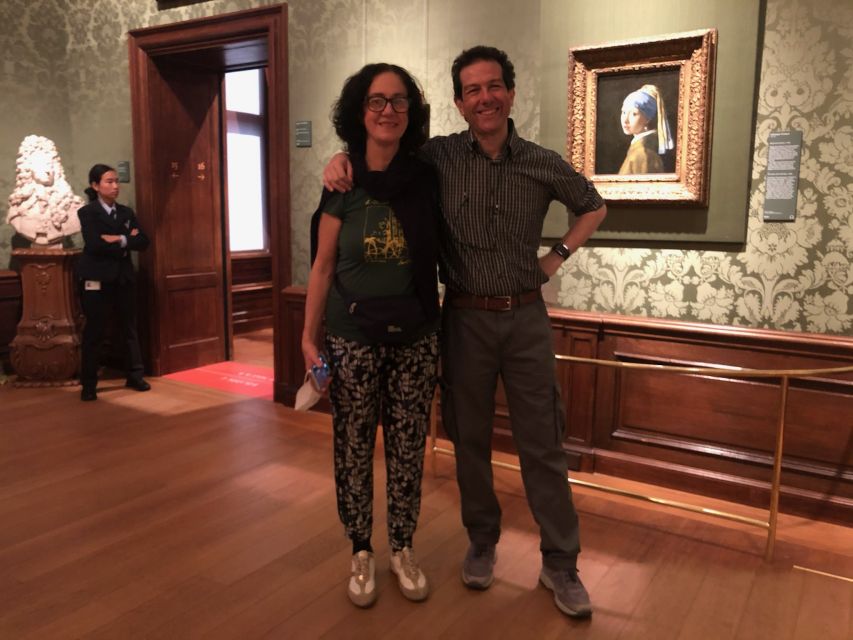
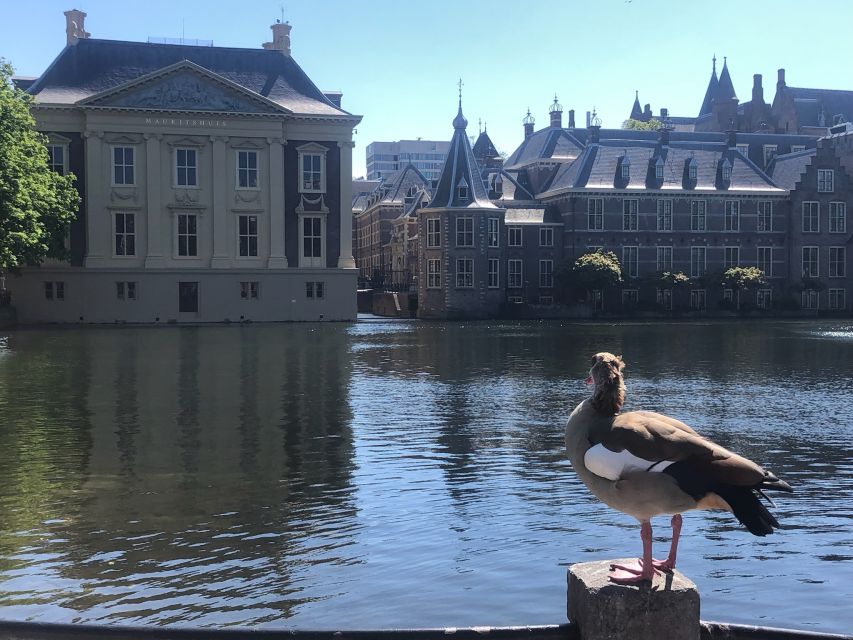
The Mauritshuis is the reason most people choose this tour, and it’s a smart choice. This is a compact, high-impact museum where world-class works are close enough to actually study. The guide’s job is to do what audio guides can’t: connect the painting details to history, technique, and why these artists still matter.
Your visit centers on masterpieces, including Vermeer’s iconic Girl with a Pearl Earring. You’ll also see celebrated works by Rembrandt, Rubens, Frans Hals, and Ruisdael. The guide doesn’t just name them. The value is in how you learn to look. For example, you’ll likely be guided toward what to notice first: facial expression, lighting, clothing details, and how the composition carries the mood. That turns the visit from a checklist into a set of visual conversations.
One practical win: you skip the ticket line. It’s a small line-item that can make a big difference. Museums can eat time fast, and that’s exactly what you don’t want when the whole day is only 5 hours.
The vibe inside Mauritshuis tends to be quietly intense, because the art is the star. With a guide, you get permission to slow down. You can still move at your pace, and because this is private, you’re not stuck waiting for the slowest group or getting shoved along by the fastest.
The Hague city walk: Binnenhof and the royal machine
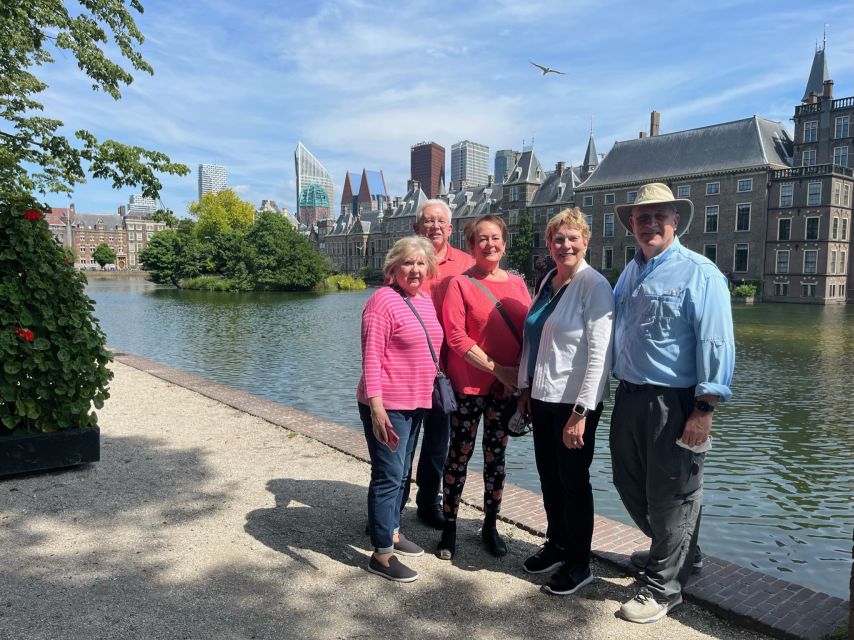
After the museum, you shift from indoors to the city. The Hague’s historic core has a different feel than Amsterdam. It’s less about canals-with-houseboats and more about government and institutions.
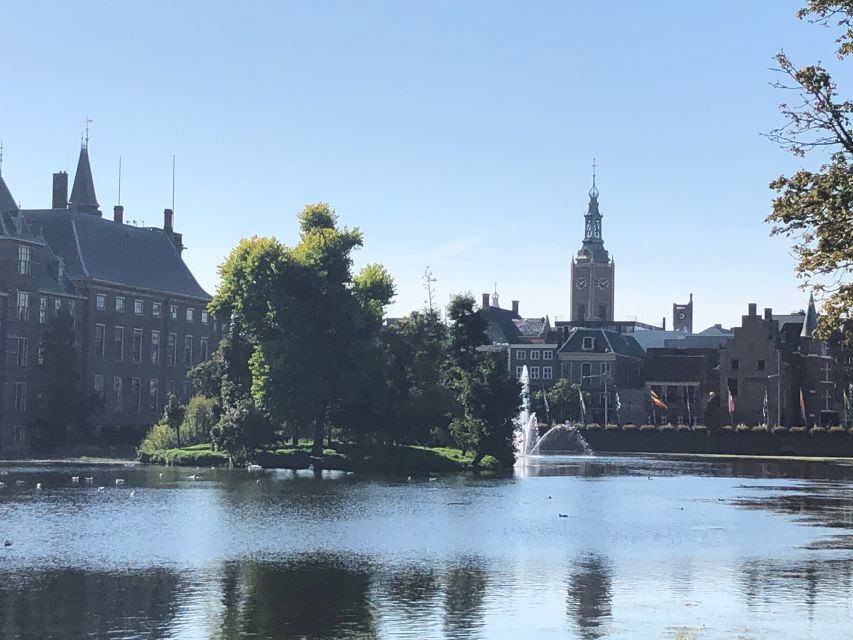
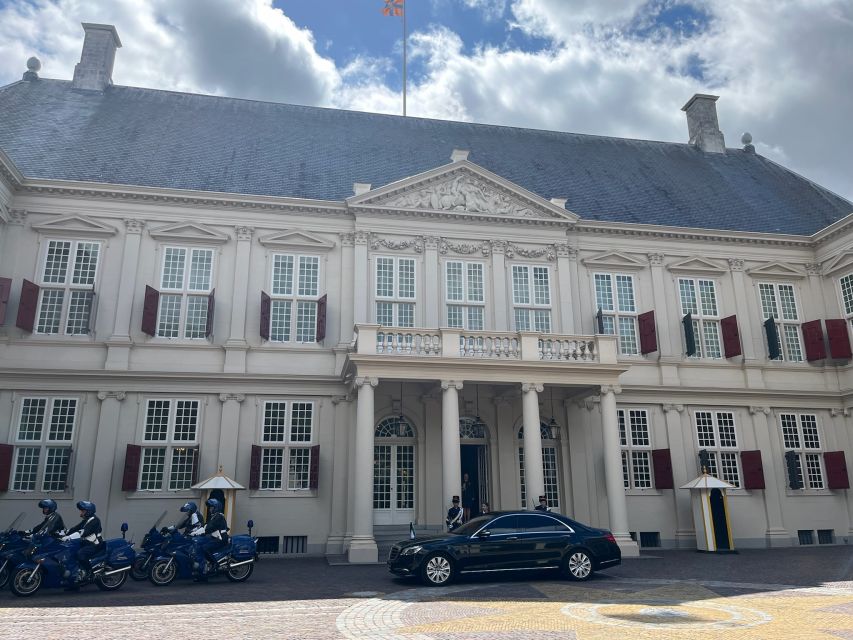
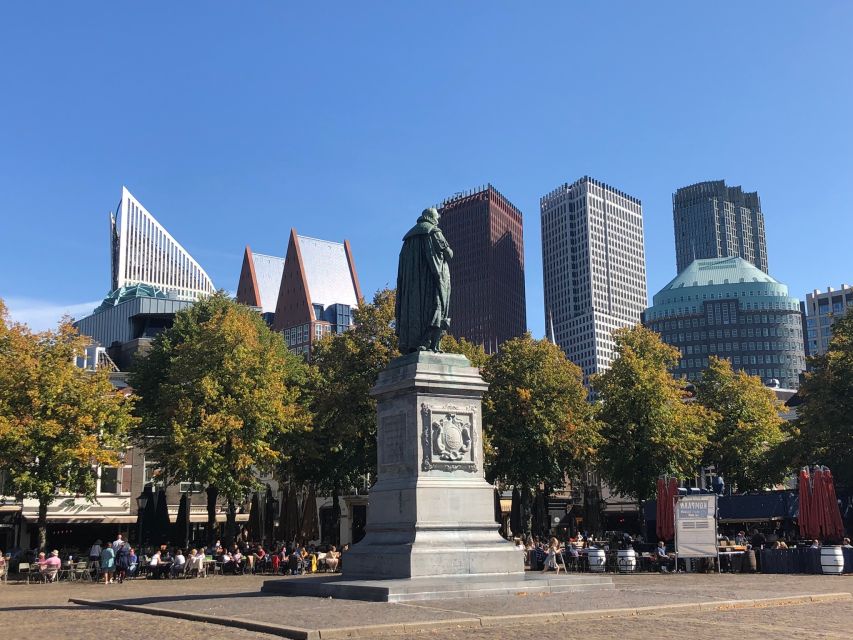
Your guided walking time is built around landmarks like the Binnenhof (Inner Court), the area of the Houses of Parliament, and the working palace of the Dutch king. Even if you don’t go inside every building, the point is understanding what these places do in the national story. You’re seeing civic power and royal presence in the same geographic frame.
What I like about this part is that it turns the country’s art into something you can place. Museums give you names and dates. Street-level context makes it stick. You start to notice patterns: the way public life sits beside old architecture, and how the city’s seriousness shows up in the space itself.
Also, this is a walk you can manage. Cobblestones and steps may be involved, so it helps to wear comfortable shoes. If you’re the type who likes photos, this walk is also where you’ll get them, because the streets are designed for slow wandering.
Delft on foot: canals, churches, and William of Orange
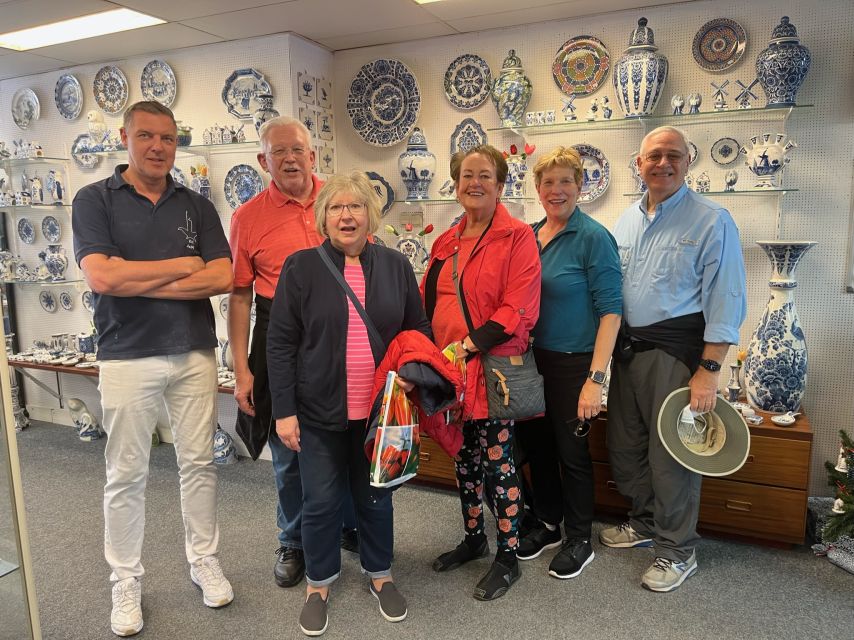
Then you’re off to Delft, and the city shift is real. Delft feels smaller and more human-scaled. You’ll wander scenic canals, see quaint historic houses, and visit older church areas that give the city its long memory.
Delft’s focus on art and royal connections comes through as you walk. The tour includes time around the final resting place connected to William of Orange, which gives you a clear anchor for why people keep returning to Delft in Dutch history. From there, the guide can connect the city to the broader story of the Royal House of Orange and the artistic world that swirled around these institutions.
You’ll also get an important thread tied to Johannes Vermeer. You don’t need to be a Vermeer superfan to appreciate this. It’s more about seeing how the “great artist” label makes sense once you understand where the cultural gravity lived. Delft is one of those places where art and place names start to feel connected, not random.
One practical note: you’re doing a lot of walking in a limited window. The good news is the itinerary is flexible, and the goal is not to rush you. Still, if you know you struggle with cobblestones or stairs, bring shoes with grip and consider taking short breaks when you need them.
Delftware time: porcelain, hand painting, and what you actually learn

One of the most standout moments on this tour is the stop for Delftware. In real-world experience, it can include time at a Delftware pottery shop where you learn the process behind porcelain pieces and the hand painting steps that happen before firing.
This is valuable because it changes how you see Delft Blue. Without this kind of explanation, you can treat the blue-and-white look as just a style. With the craft process in front of you, you start noticing how decoration and materials work together. You get a sense of why the designs repeat, why certain patterns appear across generations, and why Delft Blue became a recognizable cultural product rather than just pretty ceramics.
And yes, this is also where you can shop. Even if you don’t buy, the shop stop helps you leave with a working understanding. You’ll be able to look at ceramics later and know what part of the process you’re seeing, instead of guessing.





Optional scenic add-ons: Volendam and Marken (when routing allows)

The “highlights” list for this experience includes Volendam and the historic island of Marken. Depending on timing and routing, this is the kind of tour that can layer in those classic Dutch scenes rather than only doing a straight line between The Hague and Delft.
If you do get this extra scenery, you’ll see how Dutch coastal identity looks when it’s presented in colorful, postcard-like form. Volendam is often known for its bright houses and harbor mood. Marken adds a different texture: the feeling of an older island community and a geography that shaped daily life.
Here’s the honest angle: because the tour has a 5-hour total and traffic can cause delays, you can’t treat these as guaranteed extras in the way you’d treat the museum. But they’re included as potential “wow” stops that match what people usually want from a South Holland day beyond museum walls.
Price and logistics: is $347 per person good value?
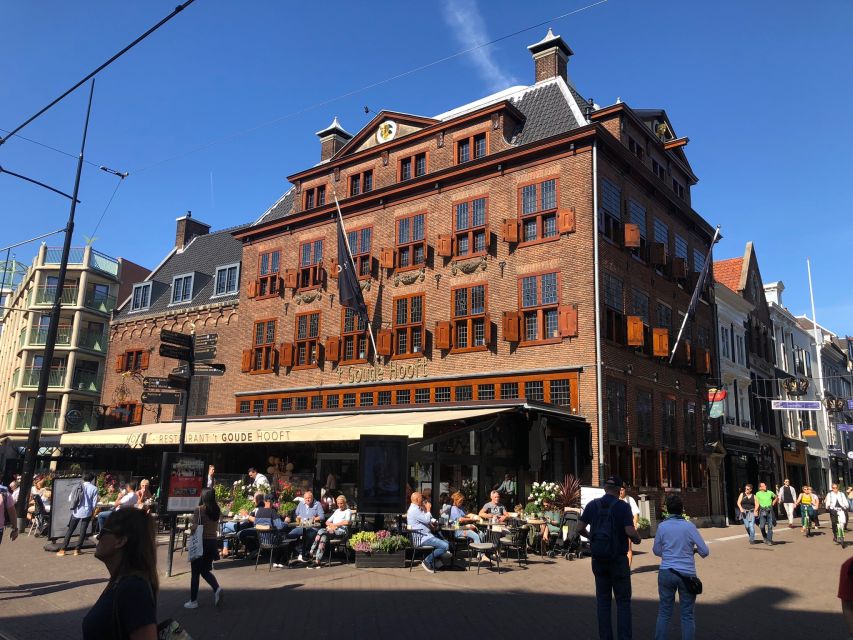
Let’s talk money plainly. $347 per person for a 5-hour private tour is not cheap, especially compared with group tours. But the price usually covers the stuff that costs time and friction:
- Private certified guide for both museum time and walking time
- Admission fees to the museum
- Parking fees
- Pickup and drop-off (within 150 km)
- A driver and an air-conditioned minivan
That’s the value equation. You’re paying for fewer wasted minutes, better flow, and a guide who can tailor how fast you move. In reviews, guides named Steve and Stephen are praised for being professional, on time, and highly knowledgeable in art and history. That matters. If the guide is strong, you don’t just see places. You learn how to interpret them.
If you’re the kind of traveler who wants to “do it yourself” with a museum audio app and a walking map, you might find this expensive. But if you want a guided day that turns famous works and historic streets into a connected story, the cost starts to make sense.
Who this tour suits best (and who should skip it)
This fits best if you meet a few conditions:
- You want guided museum viewing, not just museum entry
- You like walking but don’t want to plan every transport step
- You care about art details and historical context
- You’d rather pay for quality guidance than spend time figuring logistics
It might not be your best match if you have a very flexible budget but want maximum stops. The day is short. It’s designed to do fewer things well, not to squeeze in everything you can.
Also, if you’re traveling with mobility limits, the tour is wheelchair accessible, but the walking areas still may involve cobblestones and steps. You’ll want to ask how much walking is expected on your specific day and where the most step-heavy segments are.
Tips to get the most from your 5 hours
This is a “time-respecting” day, so small choices matter:
- Dress in layers and bring a jacket. Dutch weather can change fast.
- Wear shoes for cobblestones. Grip helps more than you think.
- If you plan to buy Delftware, keep a little bag space.
- Use the guide’s expertise early. Ask questions in the museum before you get “museum tired.”
- Bottled water is available, but skip take-away beverages in the car as requested.
And if traffic slows things down, that’s not a failure. It’s normal. The best part of having a private team is that they can adjust within the flexible pace rather than forcing a rigid script.
Should you book this The Hague and Delft day?
If you want a guided day that treats Mauritshuis and Delft as serious experiences, book it. The combination of Skip the ticket line, guided art context (including Girl with a Pearl Earring), and a paced walk through historic civic and royal spaces makes this tour feel efficient without feeling rushed.
I’d especially recommend it for couples, small families, and anyone who likes art but also wants the story to connect to Dutch history and city life. If you’re on a strict schedule and you’d rather avoid planning, the private format helps a lot.
If you’re a budget traveler who’s happy with self-guided museum time and independent walking, this may feel pricey for 5 hours. In that case, you might choose cheaper transport and plan your own museum order.
In short: the money buys clarity, flow, and a guide who can turn famous paintings and old streets into something you actually remember.
FAQ
How long is the tour?
It runs for 5 hours.
Where does the tour start and end?
All tours begin and end in Amsterdam at your holiday accommodation.
What’s included in the price?
Pickup and drop-off (limited to 150 kilometers), parking fees, admission fees, and a professional guided museum and walking tour.
Do I get lunch or drinks?
Lunch, dinner, and beverages are not included.
Which main sights are visited?
The tour includes a visit to the Mauritshuis Museum in The Hague and guided walking time in The Hague and Delft, with time around Delft’s historic churches and the final resting place connected to William of Orange.
Is ticket entry included for the museum?
Yes, admission fees are included, and the tour also notes that you can skip the ticket line.
What languages are available for the guide?
The live tour guide is available in Dutch, English, and German.
Is the tour wheelchair accessible?
Yes, the tour is wheelchair accessible.