REVIEW · RED LIGHT DISTRICT TOURS
Amsterdam: After Dark Red Light District Tour
Book on GetYourGuide →Operated by The Oranje Umbrella Company · Bookable on GetYourGuide
Night in De Wallen has a different rhythm. This after-dark walk uses landmarks like Oude Kerk and real street-level context to explain what you’re seeing and why it matters.
I really liked two things right away: the local guide-led stories (the kind that help you spot the difference between myth and daily reality), and the built-in break where you get Dutch snacks plus shots. It feels structured, not just wandering.
One thing to think about first: the district’s subject matter is adult-focused, and the tour also has a strict no-cameras rule, so it’s more about listening and looking than capturing photos.
In This Review
- Key things to know before you go
- Why Amsterdam’s Red Light District feels different after dark
- Meeting at Frisco Inn and the rules that shape the experience
- Oude Kerk: how Amsterdam’s oldest building sets the tone
- From De Wallen’s red lights to the real stories behind them
- Bulldog The First Coffeeshop and the rules of Amsterdam’s coffee culture
- Hidden gem viewpoint moments: cobblestones, micro-stops, and a torture chamber detour
- Route 66 Smoke And Drink: where the snacks and shots make the tour easier
- The main De Wallen walk: looking with context, not with guesswork
- De Waag Restaurant: the final viewpoint and the next-step vibe
- Price and value: what $57 buys in 1.5 hours
- Who this tour suits (and who might want a different plan)
- Final call: should you book this after-dark Red Light District walk?
- FAQ
- How long is the Amsterdam After Dark Red Light District tour?
- How much does the tour cost?
- Where do I meet the guide?
- What languages are available for the live guide?
- What’s included in the price?
- Are cameras allowed during the tour?
- What should I bring?
- Is the tour wheelchair accessible?
- Can I cancel and get a full refund?
Key things to know before you go
- Oude Kerk first, twice: Amsterdam’s oldest building sets the tone before you head into De Wallen.
- Bulldog The First Coffeeshop stop: you’ll see the city’s coffeeshop culture through a guided lens.
- Route 66 Smoke And Drink break: included snack samples and shots give you a calmer mid-tour reset.
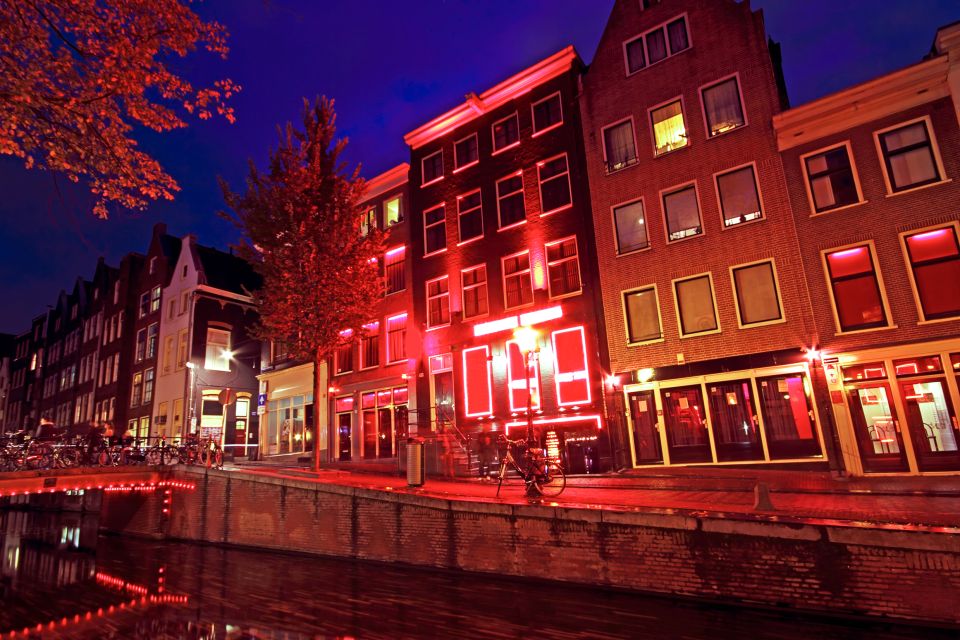
- A real street explanation of De Wallen: learn the history behind the red lights and what the industry looks like now.
- Torture chamber stop: you’ll get a darker historical detour before returning to modern-day debates.
- Cameras are not allowed: plan to experience this with your senses, not your camera roll.
Why Amsterdam’s Red Light District feels different after dark
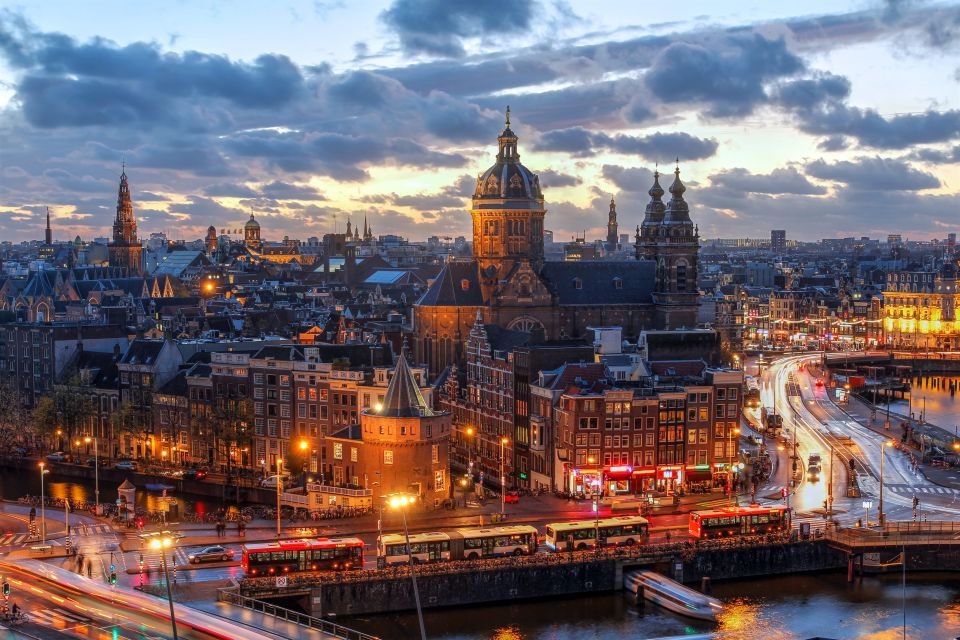
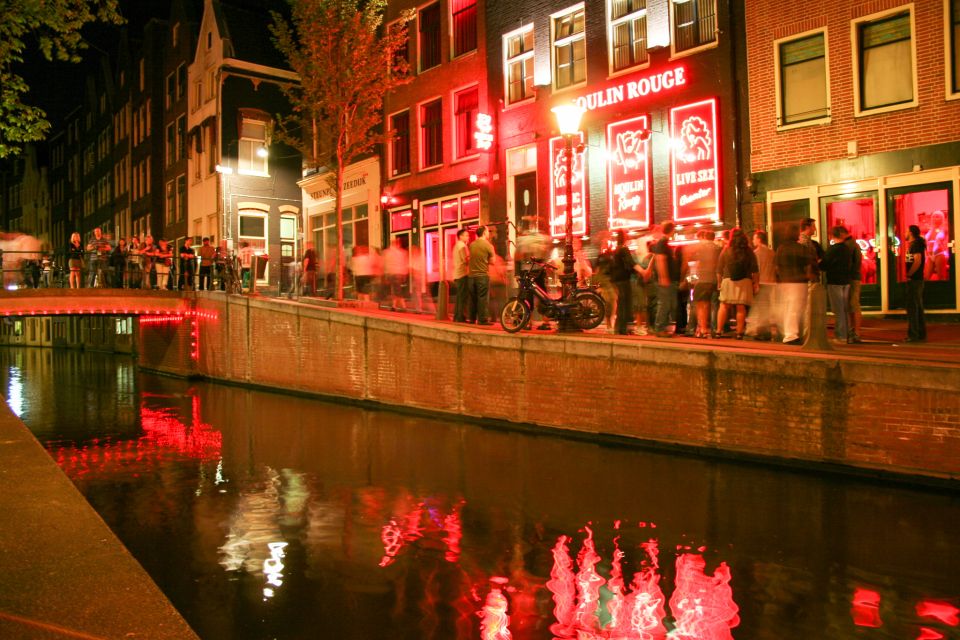
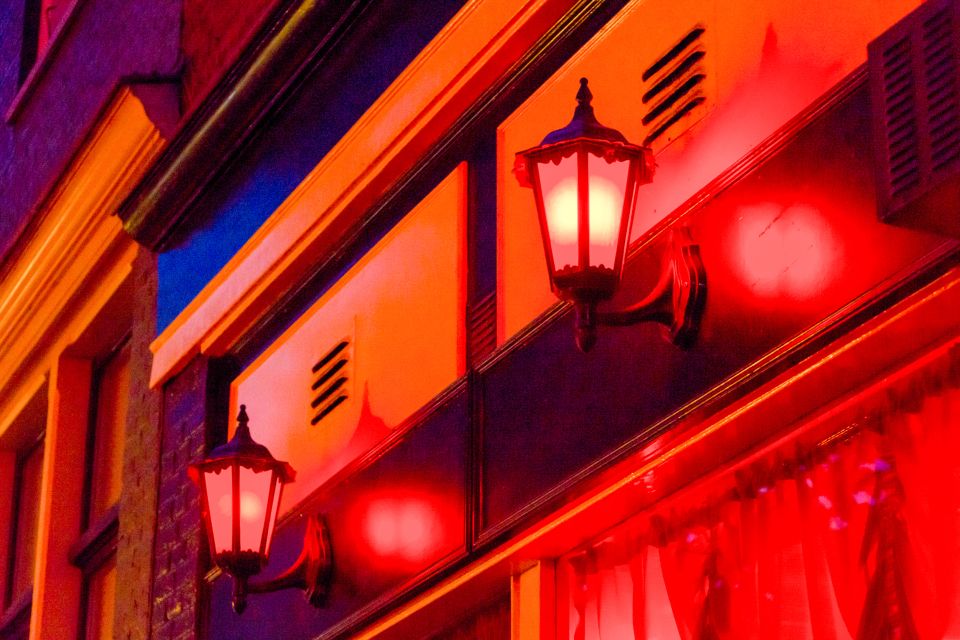
Daytime can make De Wallen look like a theme park: lights, crowds, and quick glances. At night, it shifts. The streets feel tighter. Conversations carry differently. And the whole area makes more sense when you hear the “why” behind what you’re seeing.
This tour is built for that change in atmosphere. You start in a landmark tied to Amsterdam’s earliest story, then you move toward the neighborhood people associate with red lights, coffeeshops, and nightlife. Instead of treating it like a spectacle, you’re guided through it as a working district with history and ongoing debate—exactly the kind of context you need if you’re trying to understand the city, not just photograph it.
You can also read our reviews of more tours and experiences in Amsterdam.
Meeting at Frisco Inn and the rules that shape the experience
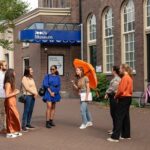
You meet your guide outside the Frisco Inn cafe. From there, the route is a guided walk through key points, with the tour ending back around the meeting area. You should expect a mostly on-foot experience, designed for short stops and clear direction.
Before you go, read the “small” rules carefully because they affect the feel of the tour:
- Cameras are not allowed. That means “photo stops” are for viewing and listening, not filming and shooting.
- Bring your passport or ID, and wear comfortable shoes. Cobblestones and nighttime footing are real.
- The guide is available in English and Dutch, which matters if you want to ask follow-up questions in plain language.
If you’re hoping to snap lots of pictures, adjust your expectations now. If you’re here to understand the place and ask questions, this format works.
Oude Kerk: how Amsterdam’s oldest building sets the tone
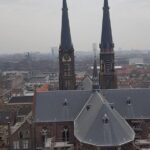
The first stop is Oude Kerk, one of the city’s oldest buildings. You get about 10 minutes here, and it’s not random. Starting at an old church pulls the story out of stereotypes and roots it in the real age of the neighborhood.
Oude Kerk works like a mental reset. Before you enter the modern nightlife layer, you’re reminded that Amsterdam didn’t spring up overnight. You’re walking through a district that has been reshaped again and again—religious, commercial, and later, more controversial uses all layered over time.
What I like about this kind of opener is that it helps you listen better. When the guide later explains De Wallen’s history and the evolution around the red-light windows, the whole thing lands with more weight.
And yes, you return to Oude Kerk again later for additional photo/view time (another short stop). That repetition gives you a sense of movement through time, not just points on a map.
From De Wallen’s red lights to the real stories behind them
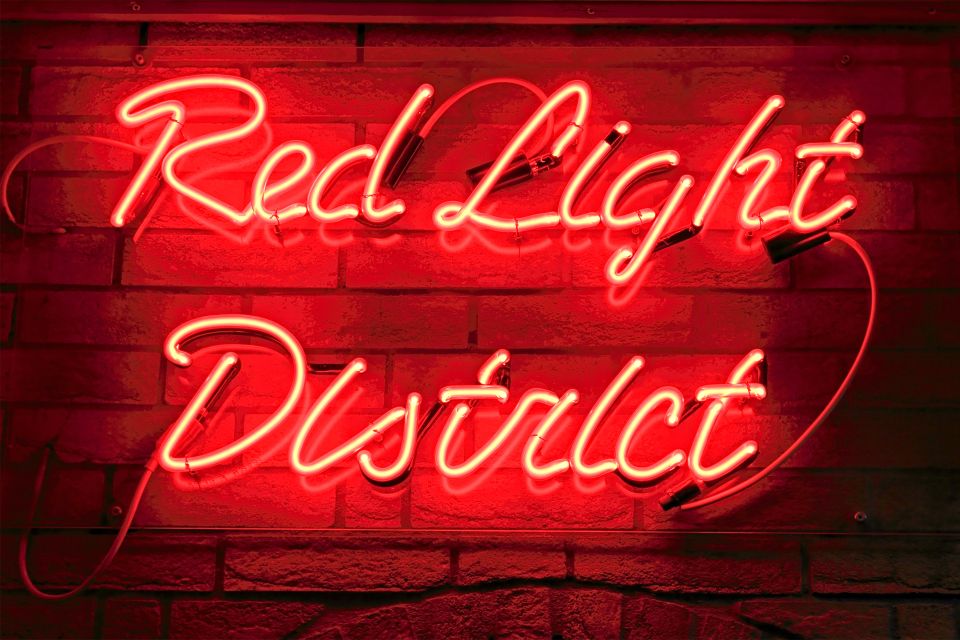
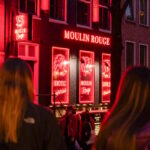
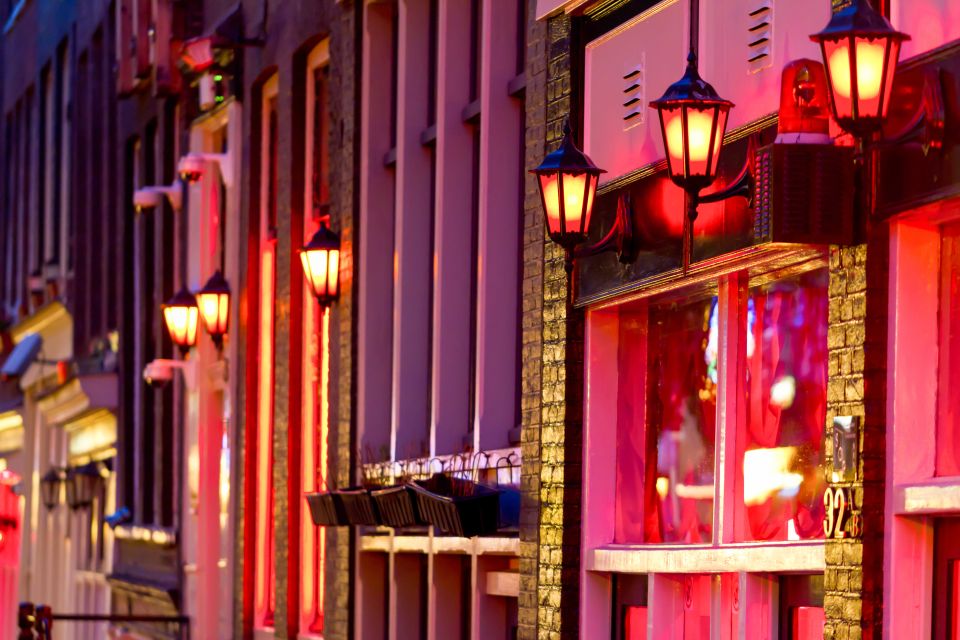
Once you’re in the district proper, the tour’s value is in how it frames what you’re seeing. You don’t just walk past iconic storefronts—you learn the history behind the area and the ongoing questions about its future.
The guide points out the stories behind the red lights and discusses the industry tied to De Wallen. You’ll also hear about the people connected to the district—described as diverse in background and experience—so it doesn’t stay at the level of headlines.
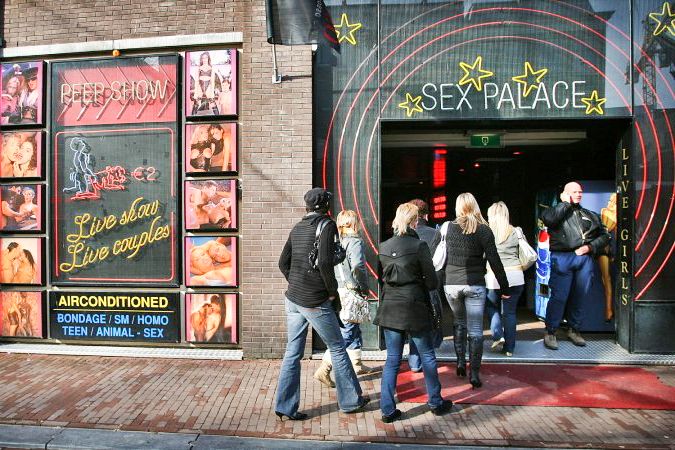
This is also where the tour does something practical: it encourages you to look without being shocked. The street-level reality is more complex than the internet version. You’re offered a local perspective that helps you understand boundaries, behavior, and why the district remains such a debated part of Amsterdam.
If you’re open-minded and want straight answers, this portion can feel surprisingly educational. If you’re uncomfortable with adult topics, it may feel like too much in one night—so think about your comfort level before booking.
Bulldog The First Coffeeshop and the rules of Amsterdam’s coffee culture
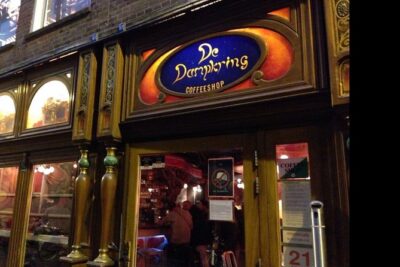
A key stop is The Bulldog The First Coffeeshop. The tour includes a 10-minute photo stop and visit here, and the point isn’t to sell you anything—it’s to show how coffeeshop culture fits into Amsterdam’s legal and social framework.
It also ties into what you’ll experience later in the evening. After hearing about the district and seeing the coffeeshop layer up close, you’re better prepared for the humor and rules around the “smoke-and-drink” atmosphere.
One detail worth planning for: the tour says you can bring your own marijuana to smoke, should you choose, at the related stop later in the walk. That doesn’t mean you should show up unprepared. It means the tour is acknowledging that coffeeshop culture and nightlife overlap here—and your guide will set expectations.


Hidden gem viewpoint moments: cobblestones, micro-stops, and a torture chamber detour
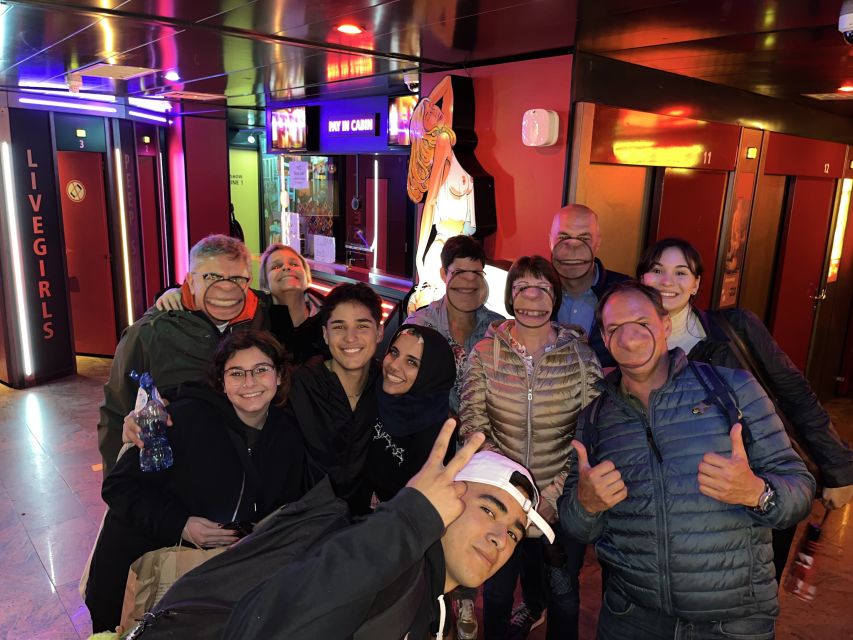
Between the coffeeshop and the deeper red-light walking section, there’s time for a short hidden spot stop—brief enough to keep you moving, but long enough to look around.
A standout element in this middle stretch is the torture chamber visit. It’s part of the area’s older, darker reputation. Amsterdam isn’t only canals and museums. Neighborhoods like this carry layers of justice, punishment, and fear that predate the modern nightlife industry by a long stretch of time.
This contrast is useful. It keeps the tour from becoming one-note. You go from adult nightlife to grim historical imagery, then back to the modern street debate. That rhythm is one reason the tour feels more like a guided story than a checklist.
Route 66 Smoke And Drink: where the snacks and shots make the tour easier
The biggest “pause” in the experience is at Route 66 Smoke And Drink, with about 30 minutes for a break. This is more than a stop for consumption. It’s the moment where the tour shifts from walking-and-listening into “catch your breath.”
You get local snacks and free snack samples, plus shots included in the tour price. It’s also the place where the tour framework connects to cannabis: you can bring your own marijuana to smoke if you want.
Why I like this structure for a 1.5-hour experience: it prevents the tour from feeling rushed. Without a real break, discussions about a complex neighborhood can feel like information overload. With the break, you can digest what you heard, ask a question you’ve been saving, and decide how you want to handle the remaining walk.
Also, since drinks are not included, you’ll want to plan for what you personally want to spend beyond the shots and snacks provided.
The main De Wallen walk: looking with context, not with guesswork
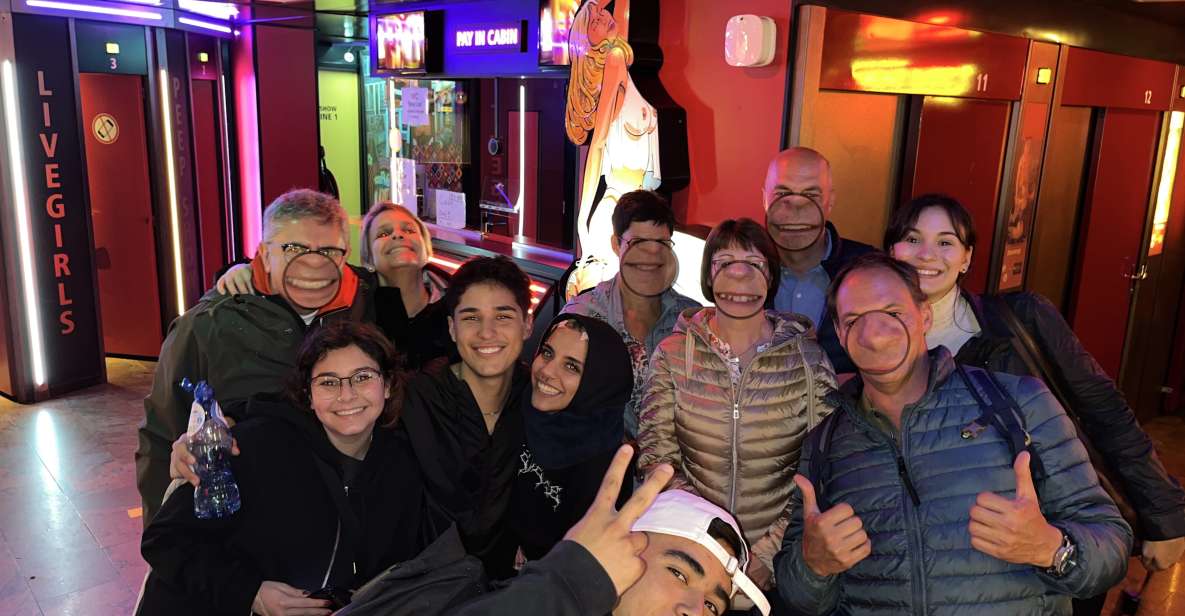
The heart of the tour is the time spent in the Amsterdam Red Light District itself, about 20 minutes. This is where you’re led through the streets while learning how the district works and how its identity formed.
A big part of what makes this section worth booking is that your guide helps you interpret the area as a local reality, not just a novelty:
- You learn the history behind De Wallen and the red-light windows.
- You get pointed explanations for what you’re noticing as you walk.
- You hear about the debates surrounding the district’s future.
You’ll also have short, controlled moments to get close to what people associate with the windows. The tone stays guided and respectful, but it’s still direct—this is not a “fade to black” tour.
If you’re visiting Amsterdam for the first time, this portion can be a cheat code. It tells you what is allowed, what’s sensitive, and what your best approach is if you want to stay comfortable while seeing something many people only talk about.
De Waag Restaurant: the final viewpoint and the next-step vibe
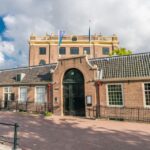
To close, you hit De Waag Restaurant for another brief photo stop and sightseeing moment (about 10 minutes). De Waag sits in the area around Nieuwmarkt, and it’s a natural way to end because it gives you an easy landing point for the rest of your evening.
You also get a sense of the geography that connects the old parts of Amsterdam to the modern nighttime district. Even if you don’t stay long in that exact spot, it helps you understand how the area fits together.
The tour ends back at the meeting area, with listed drop-off locations also around the Waag/Nieuwmarkt area. So you’re not left crossing the city alone at midnight with your only directions being vibes.
Price and value: what $57 buys in 1.5 hours
At $57 per person for about 1.5 hours, you’re paying for three main things:
- A live local guide (English or Dutch).
- Free snack samples and shots.
- Time-saving structure so you hit the key landmarks without guessing where to stand and what to ask.
If you were to do this on your own, you might spend money anyway—maybe on drinks, maybe on a later guided add-on, maybe on snacks while you hunt for where the good stops are. Here, the included items remove that friction.
One caution: drinks are not included, and personal spending like purchases is on you. Also, no cameras means this is less about paid experiences that double as photo shoots, and more about guided understanding.
In short, the value makes sense if you want explanation and context, not just a nighttime walk through a famous neighborhood.
Who this tour suits (and who might want a different plan)
This after-dark Red Light District tour is best for you if:
- You want a guided, local perspective instead of only media stereotypes.
- You’re comfortable with adult topics and want straightforward explanations.
- You like city storytelling that mixes modern life with older landmarks like Oude Kerk.
It might be a poor match if:
- You’re not comfortable with the district’s subject matter.
- You want a camera-heavy experience (because cameras are not allowed).
Also, the guide-led format and the pace matter for first-timers. Several guide names get praised for being friendly and approachable, including Erik and Felix; people also call out guides like Luca and Pascal/Pascale for keeping the experience informative and easy to follow. That matters because the success of a tour like this is mostly about tone—and good guides keep the night from turning into awkwardness.
Final call: should you book this after-dark Red Light District walk?
Yes—book it if your goal is to understand Amsterdam’s De Wallen story from the street, with an expert guide, and you’re okay with adult-focused content. The mix of Oude Kerk, coffeeshop culture at The Bulldog The First, a structured break at Route 66 Smoke And Drink, and the return to key landmarks makes the 1.5 hours feel like more than a “look and leave” experience.
Skip it if you want lots of photos, or if you know you’ll be uncomfortable with the topic. This isn’t about judging you—it’s about making sure the evening matches your comfort level.
FAQ
How long is the Amsterdam After Dark Red Light District tour?
It runs for about 1.5 hours.
How much does the tour cost?
The price is $57 per person.
Where do I meet the guide?
You meet the guide outside of the Frisco Inn cafe.
What languages are available for the live guide?
The tour offers live guiding in English and Dutch.
What’s included in the price?
The tour includes a local guide, free snack samples, and shots.
Are cameras allowed during the tour?
No. Cameras are not allowed.
What should I bring?
Bring your passport or ID card and wear comfortable shoes.
Is the tour wheelchair accessible?
Yes, it is listed as wheelchair accessible.
Can I cancel and get a full refund?
Yes. You can cancel up to 24 hours in advance for a full refund.