REVIEW · FOOD
Secret Food Tours Amsterdam
Book on GetYourGuide →Operated by Essor · Bookable on GetYourGuide
Food and canals make Amsterdam click fast. This Secret Food Tours Amsterdam walk connects Jordaan streets with 17th-century influences you can taste—French-leaning pastries, maritime flavors, and Dutch pride in cod and herring. I especially love the tight small-group feel (max 12) and the guide focus on story as you eat, not just a lineup of bites. One thing to consider: you’ll be doing a fair bit of walking through narrow streets, and seafood shows up early, so go in with a plan if that’s not your thing.
You’ll meet in front of the Anne Frank statue near Westerkerk church. Your guide carries an orange umbrella, and that’s your easiest landmark. The rest of the tour stays anchored in the Jordaan area—pretty canals outside, still-authentic neighborhoods inside.
In This Review
- Key things to know before you go
- Jordaan canals and 17th-century food stories
- Price and what $115 actually covers
- Meeting at Anne Frank statue and walking the Jordaan
- Stop 1: Poffertjes to start your Dutch food rhythm
- Market sweet: fresh stroopwafel for a quick culture hit
- Cheese tasting: Dutch dairy as a city identity
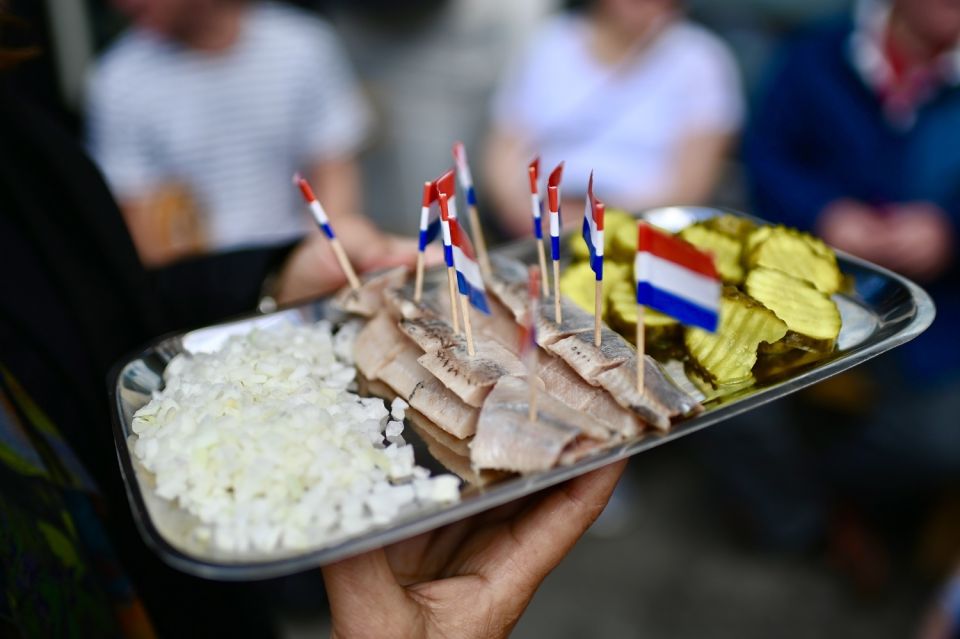
- Fishmonger moment: kibbeling and fresh herring
- Stamppot and winter stew stories: comfort food with history
- The hidden courtyard pause and the secret dish payoff
- Drinks included: coffee, beer, Jenever, and water
- How guides shape the tour (Holly, Judith, and what to look for)
- Drawbacks to consider before you book
- Who this is best for in Amsterdam
- Quick decision: should you book Secret Food Tours Amsterdam?
- FAQ
- How long is the Secret Food Tours Amsterdam experience?
- Where do you meet for the tour?
- What food and drinks are included?
- How many tasting stops are there?
- Are there dietary accommodations?
- What group size is this tour?
- Can I cancel or change my booking plans?
Key things to know before you go
- Small group, big attention: maximum 12 people means you can ask questions and get thoughtful answers.
- 6 tasting stops over 3–3.5 hours: you’re not just grazing; you get a real food sequence.
- Poffertjes kick things off: a traditional Dutch batter treat sets the tone right away.
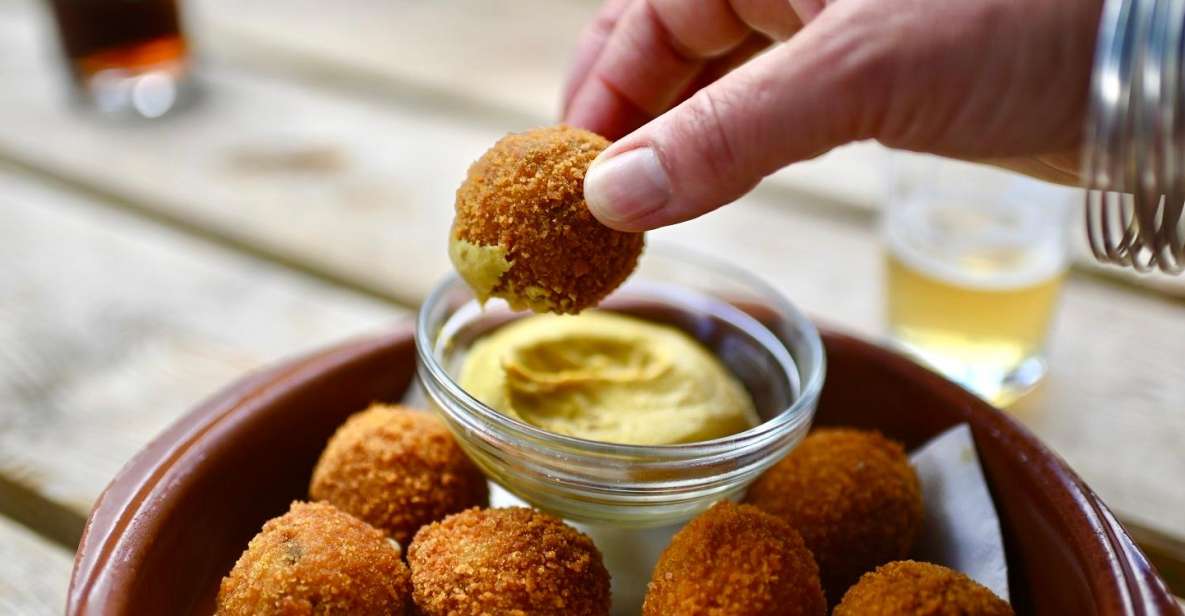
- Seafood stops are real (and guided): you’ll visit a fishmonger and try kibbeling and fresh herring.
- Cheese and Jenever are part of the story: you’ll taste both, with context from your guide.
Jordaan canals and 17th-century food stories
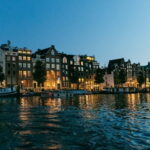
The best part of this tour is that it uses food as your map. Amsterdam can be overwhelming if you’re just wandering. Here, you follow a route through the Jordaan—canals on one side, narrow streets on the other—and your guide ties what you’re eating to how the city developed.
You’ll hear how early French immigration left a mark on Dutch pastries, and you’ll also get the maritime angle: Dutch cooking isn’t just about comfort. It also carries history—especially in winter dishes tied to life at sea. And because Amsterdam has always been a trading city, the flavors feel less random and more connected.
This isn’t a museum lecture. It’s more like walking through the city with someone who helps you read the menu like a chapter of history.
You can also read our reviews of more food & drink experiences in Amsterdam

Price and what $115 actually covers
At about $115 per person (for roughly 3 hours, sometimes up to 3.5), this tour isn’t the cheapest way to eat in Amsterdam. But it is priced like a proper guided tasting experience.
Here’s what you’re really paying for:
- A local English-speaking guide leading you for 3–3.5 hours
- 6 tasting stops with food and drinks included
- A small group size (max 12), which usually means less waiting and more conversation
- Context for what you’re tasting—how Dutch food reflects the city’s history
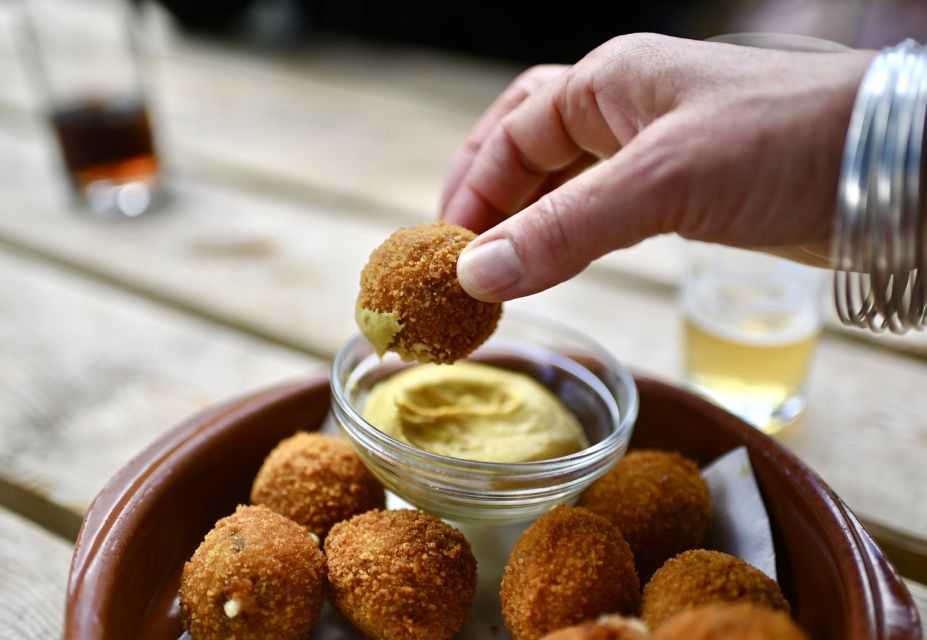
Most “grab a snack” tours don’t include as many stops or as much drink. This one builds a mini-food day: coffee or tea, a glass of local beer (with non-alcoholic options), Jenever (Dutch gin), plus water. Add in multiple tastings—poffertjes, fresh stroopwafel, Dutch cheeses, kibbeling, fresh herring, stamppot, and a mystery secret dish—and the value starts to make sense.
If you want to sample widely (sweet, savory, fish, dairy, and the warming Dutch comfort foods) while also learning, this is a solid deal. If you only want one or two foods and you hate group pacing, you might be happier building your own route.
Meeting at Anne Frank statue and walking the Jordaan
The tour starts at a very specific point: in front of the Anne Frank statue near Westerkerk church. Your guide welcomes you with an orange umbrella—easy to spot, and no complicated meeting puzzle.
From there, you’ll move on foot through the Jordaan area, which is known for its narrow streets and canal-side scenes. You’re near the Anne Frank House area, but the walking stretches beyond the immediate tourist cluster so you get a more neighborhood feel.
Logistically, this is a walking tour. Transportation isn’t included, and you don’t get pickup or drop-off. Wear comfortable shoes and keep a light layer ready. Amsterdam weather can change quickly, and you’ll want to move easily.
One more practical detail: since the route stays in one area, it’s a good option if you don’t want to bounce across the entire city.
Stop 1: Poffertjes to start your Dutch food rhythm
You kick things off with poffertjes, a traditional Dutch pancake treat. This is a smart first move because it gives you something distinctly Dutch right at the beginning—sweet, warm, and classic.
Why I like this opening: it immediately sets your palate for the tour. You’ll taste something local and comfort-food adjacent before the tour goes into richer savory items like cheese and fish. It also helps you settle into the pace of the walk. You’re not waiting around with an empty stomach while your guide gives context.
If you’re sensitive to gluten, note that the tour asks you to advise of dietary requirements when booking. In at least one case, the guide handled celiac needs so the guest could still enjoy the experience. That’s a strong sign that you should communicate early and clearly.
Market sweet: fresh stroopwafel for a quick culture hit
Next up is fresh stroopwafel from the market. This is another classic Dutch bite—sticky-sweet, aromatic, and built for on-the-go snacking.
What makes it more than just dessert is the way it anchors you in everyday Dutch food culture. Stroopwafel is the kind of treat you see across the country, but your guide’s storytelling connects it to how Dutch food traditions show up in daily life—not only in fancy restaurants.
This stop also acts like a reset. After the sweet start and your early walking, the stroopwafel gives you a simple, satisfying energy boost before the dairy and fish chapters.
You can also read our reviews of more tours and experiences in Amsterdam



Cheese tasting: Dutch dairy as a city identity
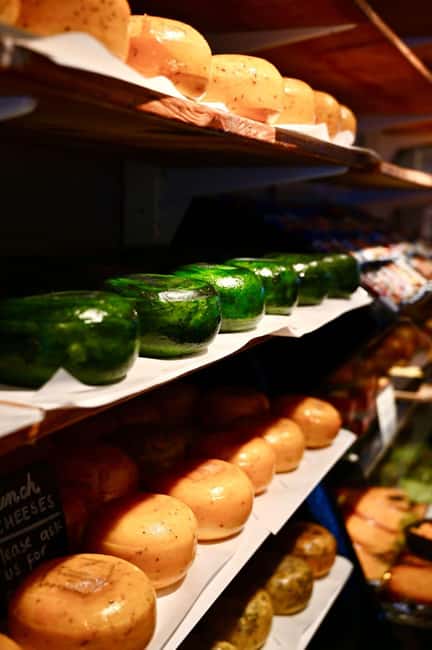
One of the highlights is the cheese assortment. Dutch cheese isn’t just a product; it’s part of the national food identity, and this tour treats it that way.
You’ll get to sample multiple cheeses, and your guide ties the tasting to Amsterdam and Dutch food habits. It’s a nice change of pace from sweet treats. Cheese also bridges the tour’s themes—trade routes, agriculture, and what people relied on to build hearty meals.
Practical tip: if you have lactose intolerance or specific dairy restrictions, mention it when booking. The tour does encourage dietary requirement communication, and you’ll want the guide to plan tastings that fit.
Fishmonger moment: kibbeling and fresh herring
Now for the part many people remember: you visit a local fishmonger and dine on herring and kibbeling—battered chunks of fish.
This is where the tour earns its reputation as more than a “short food walk.” You’re not eating fish somewhere convenient and anonymous. You’re seeing the real local setting where fish culture happens, and your guide connects the flavors to Dutch pride in cod and herring dishes.
Two useful realities to know:
- Seafood flavor and smell are part of the experience. If you’re sensitive, plan accordingly.
- This stop shows the tour’s balance. You’re getting the Dutch classics, and the guide provides context so it feels intentional, not random.
If you love trying new textures, kibbeling is the crunchy, satisfying contrast to the softer, briny character of herring. If you’re unsure about herring, take it one bite at a time—your guide’s explanations can make it easier to enjoy.
Stamppot and winter stew stories: comfort food with history
Stamppot comes next. This is one of those Dutch favorites that feels like comfort food with a backbone—something made to satisfy, especially in cooler seasons.
What I like here is the historical framing: your guide explains how maritime history influenced Dutch winter stew. That connection matters because it turns a meal into a story about environment, available ingredients, and how people adapted.
Stamppot also makes the tour feel complete. After sweets and fish, you get a more grounded, hearty dish. It’s the kind of food that would keep you going after a day of walking through narrow streets and canals.
The hidden courtyard pause and the secret dish payoff
You’ll also experience a beautiful, hidden garden courtyard. It’s one of those Amsterdam moments where the city noise seems to fade and you get a breath of calm in the middle of the tasting route.
Then comes the tour’s signature twist: a delicious Secret Dish. You don’t start the tour knowing what it will be, and that’s part of the fun. It also keeps you flexible as a eater. You’ve already had enough sweet and savory items that the mystery dish becomes the “closing chapter” instead of just another stop.
Practical advice: pace yourself. You’re likely to feel full near the end if you try everything with no breaks. But if you keep room, the secret dish lands like a finale.
Drinks included: coffee, beer, Jenever, and water
This tour does more than hand you food. Drinks are part of the experience:
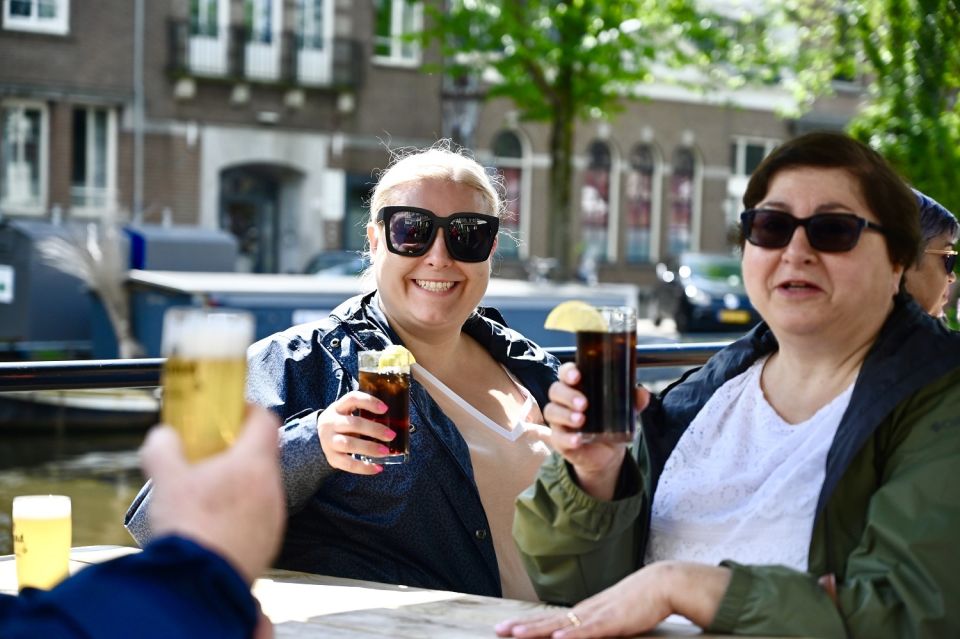
- Coffee or tea
- A glass of local beer (with non-alcoholic options)
- Jenever (Dutch gin)
- Water
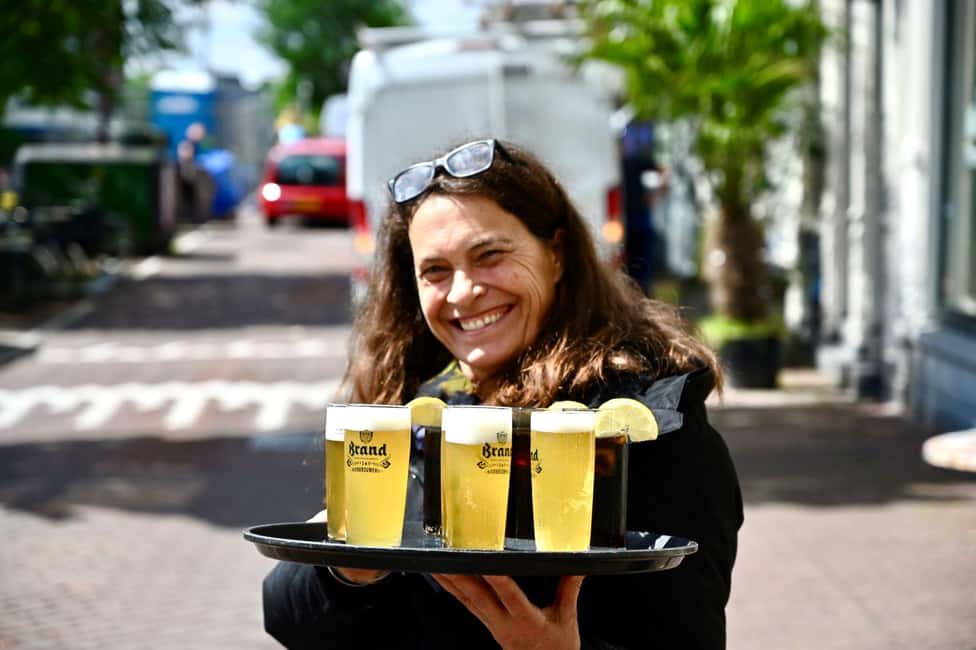
I like this setup because it gives you both the warm and the spirited sides of Dutch eating. Coffee or tea helps with the morning-to-afternoon energy shift. Beer adds a classic pairing vibe. Jenever brings something distinctly local, and it fits the tour’s focus on Dutch culture rather than generic tourism drinking.
If you’d rather not drink alcohol, the tour offers non-alcoholic options for at least the beer. If you’re avoiding alcohol entirely, mention it when booking so the guide can plan what’s included for you.
How guides shape the tour (Holly, Judith, and what to look for)
A major reason this tour scores well is the human side. You’ll be with a passionate local English-speaking guide, and the tone is friendly, informative, and grounded in real food.
In particular, names like Holly and Judith come up for their friendliness and strong connection to Amsterdam—one guide described as a native and another who went above and beyond for dietary restrictions. That’s the kind of care you want on a tasting tour, especially when you’re dealing with allergies or restrictions.
When you’re booking, remember this: the tour asks you to advise of dietary requirements. The guide can’t magic away restrictions unless they know ahead of time what you need.
Drawbacks to consider before you book
This tour has a few honest trade-offs.
- Walking pace: it’s a walking route through narrow streets in the Jordaan. Comfortable shoes matter.
- Seafood-forward menu: kibbeling and fresh herring are included. If you dislike fish, you’ll want to decide in advance how you’ll handle those tastings.
- The mystery dish is still a surprise: if you dislike certain food categories, this is the one part you don’t control. You can reduce the risk by telling your guide what you won’t eat when you meet.
None of these are deal-breakers for most people. They’re just things to align with your food comfort zone.
Who this is best for in Amsterdam
This tour fits best if you like:
- Food that comes with context
- A guided route instead of “figure it out yourself”
- Trying multiple categories (sweet, cheese, fish, comfort food, and a surprise dish)
- Small-group energy (max 12 means less crowd stress)
It’s also a good pick if you want to focus on one area. The tour stays mainly in the Jordaan and around the Anne Frank area, so you get a coherent “Amsterdam in one neighborhood” feel.
If you’re traveling solo, it’s easy to participate because you’re not being left out. If you’re with a small group, the format still feels personal. And if you have dietary restrictions, this is the kind of tour where communicating ahead can make a big difference.
Quick decision: should you book Secret Food Tours Amsterdam?
I’d book this tour if you want an efficient, story-driven way to taste Dutch classics in the Jordaan—and you’re excited about poffertjes, cheese, and at least some seafood. The pricing makes sense for what you get: 6 tasting stops, multiple drinks, and a small-group guide who ties food to Amsterdam’s history.
Skip it—or at least reconsider—if fish is a hard no for you, or if you prefer a self-guided tasting crawl where you control every bite. The walking route and the mystery final dish mean this is more structured than casual wandering.
FAQ
How long is the Secret Food Tours Amsterdam experience?
It’s about 3 hours, and it can run up to about 3.5 hours.
Where do you meet for the tour?
You meet in front of the Anne Frank statue near Westerkerk church. Your guide will have an orange umbrella.
What food and drinks are included?
You’ll sample poffertjes, fresh stroopwafel, an assortment of Dutch cheeses, kibbeling (fried codfish), fresh herring, stamppot, and a mystery secret dish. Drinks include coffee or tea, a glass of local beer (or non-alcoholic options), Jenever, and water.
How many tasting stops are there?
There are 6 stops for food and drinks.
Are there dietary accommodations?
You should advise of any dietary requirements when booking. The tour data notes that dietary requirements should be shared in advance.
What group size is this tour?
It’s small and intimate, with a maximum of 12 people.
Can I cancel or change my booking plans?
Yes—free cancellation is available up to 24 hours in advance for a full refund, and you can reserve and pay later.
If you want, tell me your dates (and whether you eat fish or have dietary needs). I can help you judge how well this tour fits your style and schedule.