
REVIEW · AMSTERDAM
Rembrandt Tour
Book on Viator →Operated by Historical Amsterdam Tours · Bookable on Viator
Rembrandt’s world is still written into Amsterdam streets. This private 3-hour walk links his life to places you can actually stand in, and I love the hands-on start at Museum Het Rembrandthuis. The main catch is simple: it’s a walking tour, so plan for a steady pace and moderate fitness.
You’ll move from the Rembrandt House Museum area toward Dam Square, using a mobile ticket and following your guide through classic and lesser-seen street corners. I also like that the story isn’t stuck in a museum room; it connects Amsterdam’s role in Dutch art as you go. One possible drawback to weigh is that the tour is short, so if you want deep time in a single building, this one may feel like an efficient overview rather than a long study session.
In This Review
- Key points before you go
- A Private Rembrandt Walk Through Amsterdam’s Turning Points
- Start at Museum Het Rembrandthuis: Where Rembrandt’s Career Peaks
- Amstel River Views and the Questions at Rembrandtplein
- The First Big Commission and the Amsterdam Art Scene Shift
- Women in Rembrandt’s Life and the Oude Kerk Connection
- How the Guide Turns Streets Into Stories
- Price and Value for a 3-Hour Private Group
- Timing, Walking Pace, and Where It Leaves You
- Who Should Book This Rembrandt Tour
- Should you book this Rembrandt Tour?
- FAQ
- How long is the Rembrandt Tour?
- Is it a private tour and how large is a group?
- What does the ticket include at Museum Het Rembrandthuis?
- What’s the price?
- Is the tour offered in English?
- Where does the tour start and end?
- Is there free cancellation?
Key points before you go
- Private, fully flexible format for up to 6 people in your group
- A strong start at Museum Het Rembrandthuis, including an etching workshop-style insight (admission included)
- Quick, story-driven stops like Rembrandtplein, where a 3D Night Watch version raises smart questions
- Street-to-street connections, from Amstel river viewpoints to landmarks tied to his life
- English guide option, with a mobile ticket and an easy-to-reach starting area
- Ends near Dam Square, so you can roll straight into the rest of your day
A Private Rembrandt Walk Through Amsterdam’s Turning Points
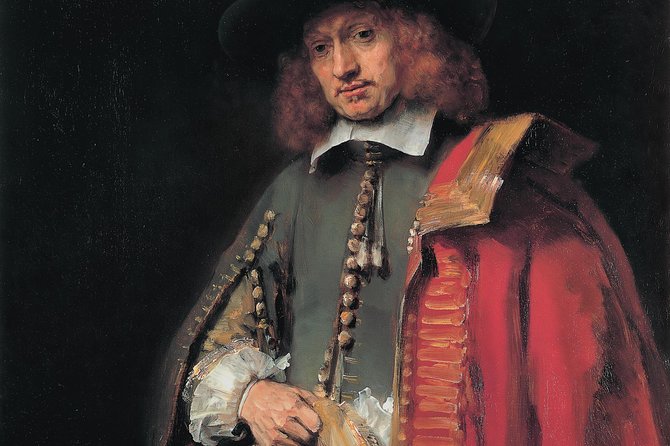
This is the kind of tour that makes Rembrandt feel less like a museum label and more like a man walking the city. You’ll follow a guide from the Rembrandt House Museum area and connect what you see in Amsterdam to what shaped Dutch art in the 1600s.
Because it’s private (only your group), you get a pace that fits you. If you want extra time for photos at a bridge or you’d rather move briskly between stops, your guide can adjust. That flexibility is also why this format works for small questions, like how Amsterdam fueled the rise of Dutch painting.
The best part is that the story doesn’t just list paintings. It points you to streets and spots tied to Rembrandt’s life: his working hours, his big breaks, and the city connections behind his art.
You can also read our reviews of more tours and experiences in Amsterdam.



Start at Museum Het Rembrandthuis: Where Rembrandt’s Career Peaks
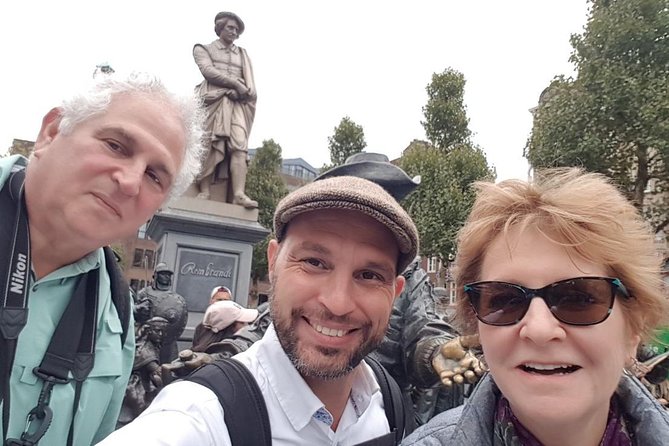
Your tour begins at Rembrandt House Museum, Jodenbreestraat 4. The first stop is Museum Het Rembrandthuis, the house where Rembrandt lived during the peak of his career. This matters because it frames the rest of the walk: you’re starting with the environment behind the work, not just the finished product.
You’ll spend about 45 minutes here, and admission is included. The standout is the workshop-style moment focused on Rembrandt’s famous etching techniques. You don’t need to be an art expert to get something out of it. The goal is to help you see printmaking as a process, with choices you can picture when you later look at Rembrandt’s images.
Practical note: expect this to set the tone for the rest of the tour. If you’re the type who likes context first, you’ll appreciate how the guide introduces Rembrandt before the streets take over the story.
What could be a drawback? If you prefer tours that spend lots of time inside major collections, this stop is intentionally time-boxed. It’s enough to sharpen your understanding, but not enough to replace a full museum day.
Amstel River Views and the Questions at Rembrandtplein
After the house, the route turns outward, toward the city Rembrandt would have known. One of the most memorable moments is the look toward the Amstel river from a bridge viewpoint. The tour prompts a simple, human question: what did Rembrandt see while standing on that forerunner of a bridge, looking over the water?
It’s a small detail, but it’s a powerful way to anchor the story. Amsterdam is flat only on the surface; when you stand where someone once stood, the city starts to make sense in layers—water, movement, and the daily texture of life.
Then you reach Rembrandtplein. This square wasn’t always named after him, and that sparks a theme the guide keeps returning to: how fame and place get connected over time. The stop is short—about 10 minutes—and admission there is free, so it functions as a fast, high-impact story beat rather than a long sightseeing detour.
The tour also highlights a 3D version of the famous Night Watch, which creates a neat modern contrast. It nudges you to think about how Rembrandt’s work is remembered, re-staged, and interpreted long after his lifetime. And if you’re the kind of person who likes a good historical what-if, you’ll enjoy the way the guide asks whether Rembrandt ever visited this square in the first place.
The First Big Commission and the Amsterdam Art Scene Shift
The walk then pivots to the moment Rembrandt helped shake up the Amsterdam art scene with his first big commission. This is where the tour starts to feel less like a portrait of a single artist and more like a map of why Dutch art surged when it did.
What I like about this segment is the cause-and-effect storytelling. You don’t just hear that Rembrandt succeeded; you learn what success changed. It reframes his career as part of a wider cultural shift happening in Amsterdam, not as an isolated genius story.
You also get help making sense of the city’s art momentum. Rembrandt’s breakthroughs connect to how Amsterdam supported artists, customers, and the public interest in painting and printmaking. Even with only a few stops left, you’ll leave with a clearer idea of why the Dutch Golden Age grew the way it did.
Women in Rembrandt’s Life and the Oude Kerk Connection
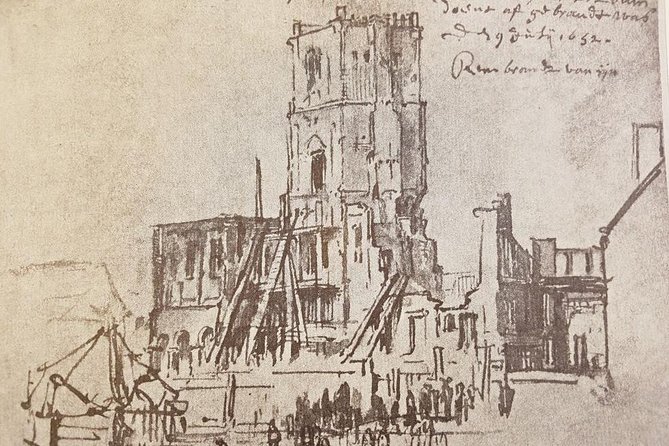
One of the tour’s more reflective threads is about the women in Rembrandt’s life and how his personal story intersected with his public one. The tour doesn’t treat biography as gossip. It treats it as a lens for understanding how life events can shape an artist’s choices.
You’ll also tackle a specific relationship between his life and the Oude Kerk. The guiding questions are direct: why Rembrandt never re-married after the death of his wife, and how the Oude Kerk fits into the broader story. These are the kinds of questions that work well on a walking route because they invite you to connect names and places in your head, not just listen to facts in a lecture format.
Because this portion is built around questions and connections, it tends to stick. You’re walking, looking around, and listening while the city itself keeps you anchored. For me, that’s where the tour feels most different from a typical museum circuit.





How the Guide Turns Streets Into Stories
This tour’s value isn’t just the route. It’s the way the guide connects the route to art. In the best versions of this experience, the guide explains the Dutch Master angle and also puts it into the bigger Amsterdam picture—how the city shaped the progression of Dutch art over time.
From the guides associated with this experience, I’ve seen a consistent style: clear explanations, lots of historical connecting threads, and a voice that stays engaging. Names you may hear include Tijs de Boer and Edgar Foley, both of whom have a reputation for turning art history into something you can understand without needing to study for it.
You’ll also feel how the tour is tailored to small curiosity. On a private walk, questions like why a square carries a new name or what an etching technique changes can get addressed in real time. That’s harder in group tours where the pace is fixed and the guide can’t slow down.
Price and Value for a 3-Hour Private Group
The price is $390.52 per group, up to 6 people, for about 3 hours. That sounds pricey until you do the math in your head. If you’re a party of four or five, the cost per person drops fast compared to per-person pricing formats.
This is also one of those tours where the private setup can actually save you money indirectly. If you would otherwise spend time hopping between sites without a plan, a guided route helps you use your hours better. And since the first stop includes admission at Museum Het Rembrandthuis, you’re not starting from zero.
Here’s the most important value point: the tour is designed to connect dots. You’re not just visiting one famous building. You’re learning how Rembrandt’s work fits into Amsterdam’s story, and you’re doing it while walking through recognizable city settings. For art lovers, that can feel like a high return on time, not just on money.
Timing, Walking Pace, and Where It Leaves You
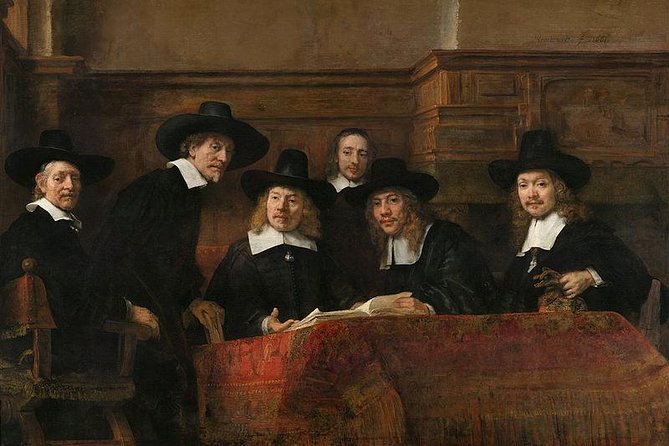
The tour lasts about 3 hours and runs as a walking route with short stops. Your fitness requirement is listed as moderate, which usually means you should expect steady walking and standing in public spaces. If you want this to be comfortable, wear supportive shoes and keep water handy.
The meeting point is Rembrandt House Museum, and the tour ends close to where it started out in a bigger way: near Dam Square. That ending is practical. Dam Square is central, so you can pivot easily to canals, museums, or dinner plans without having to think too hard about transit.
It’s also noted as near public transportation, which is useful if you’re mixing this into a busy Amsterdam day.
Who Should Book This Rembrandt Tour
This tour fits best if you want more than quick photo stops. You’ll enjoy it if you like art history that links directly to what you can see on the street—houses, squares, bridges over the Amstel, and landmarks like the Oude Kerk.
It’s also a good choice if you’re traveling with a small group of up to 6 and you want flexibility. Private touring tends to work well for couples, small families with older kids, or friends who prefer a guided plan with room to adjust.
If you want a full day in museums with lots of indoor time, you might feel this is too short. In that case, use it as your art-history connector, then spend the rest of your day in deeper museum spaces.
Should you book this Rembrandt Tour?
I think it’s a strong yes if you’re in Amsterdam specifically to understand Rembrandt’s place in the city and in Dutch art history. The mix of Museum Het Rembrandthuis plus street-level connections keeps the story moving, and the private format helps the guide follow your questions.
I’d skip it or consider another option if you hate walking or want maximum time inside buildings. This experience is built for a flowing route across the city, not for long sits at a single attraction.
If you’re aiming for a smart, story-driven afternoon with real context you can remember when you see Rembrandt’s work later, book it.
FAQ
How long is the Rembrandt Tour?
The tour is about 3 hours.
Is it a private tour and how large is a group?
Yes, it’s private. Only your group participates, and it can be up to 6 people.
What does the ticket include at Museum Het Rembrandthuis?
Admission is included for Museum Het Rembrandthuis, and you’ll have an insight workshop on Rembrandt’s etching techniques.
What’s the price?
It’s $390.52 per group (up to 6 people).
Is the tour offered in English?
Yes, it is offered in English.
Where does the tour start and end?
It starts at Rembrandt House Museum, Jodenbreestraat 4, 1011 NK Amsterdam and ends close to Dam Square.
Is there free cancellation?
Yes. You can cancel for free up to 24 hours in advance for a full refund.