REVIEW · ZAANSE SCHANS & WINDMILL TOURS
Private Off-the-beaten-path Countryside Windmill Tour
Book on Viator →Operated by Windmillgirl Tours · Bookable on Viator
Windmills without the crowds. This private countryside route from Amsterdam trades city traffic for polder history and real small-town Dutch life. You’ll also be guided by Esther, a local who grew up around windmills, so the day has context, not just photos.
I especially liked two things: the chance to visit the Museummolen Schermer and see how the mill works up close, and the way the trip layers in villages that most typical tours skip. Instead of spending all day in the same postcard spots, you get a smoother flow through windmill country, cheese country, and North Holland towns.
One thing to consider: it’s a packed 6 hours. You’ll get a lot of variety, but you should expect short visits and mostly driving between stops, not long lingering time in any single place.
In This Review
- Key points to know before you go
- Door-to-door Amsterdam pickup that actually saves your day
- What I’d do to get the most out of this
- Museummolen Schermer: a museum windmill with the full “how it works” story
- A practical timing note
- Dikes and small villages: seeing the polder from the road
- The drawback of a drive-heavy segment
- De Rijp: a former fishing village now surrounded by land
- Why this stop feels good
- Beemster UNESCO: planned polders with roads, plots, farms, canals
- If you love maps, you’ll enjoy this more
- Katwoude at Henri Willig: Gouda and Edam plus a wooden shoe demo
- How I’d plan your taste
- Volendam lunch choice, then Edam and Broek in Waterland
- A balanced read: classic towns, but with meaning
- Price and value: why $473.17 per person can make sense
- Who feels the best value
- Practical advice so the day runs smoothly
- Should you book Windmillgirl Tours for this route?
- FAQ
- How long is the private countryside windmill tour?
- What time does the tour start in Amsterdam?
- Is hotel pickup and drop-off included?
- Is this tour private?
- What language is the tour offered in?
- What’s included in the price?
- Is lunch included?
- Can I cancel for free?
- Does the tour use a mobile ticket?
- Which towns and sites are visited?
Key points to know before you go
- Private group, private pacing: this is just your group, so you can move at a human speed
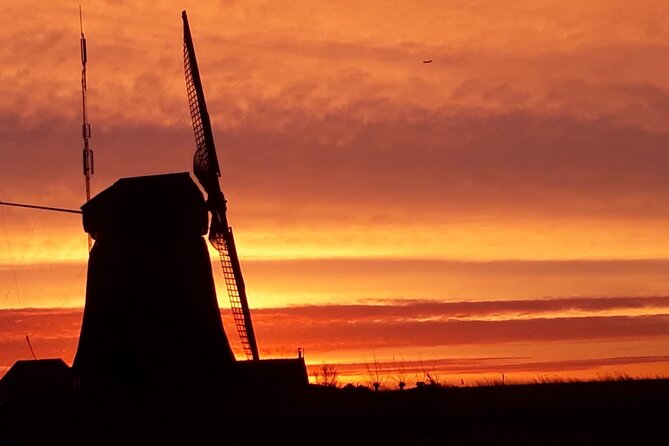
- Museum windmill access: the Schermer museum mill lets you understand how people lived and worked in a windmill
- Polders explained with real geography: Schermerpolder and Beemster are about land reclaimed and carefully planned
- Esther’s local windmill connection: you’ll even pass her family windmill while traveling the dikes
- Cheese tasting with hands-on Dutch craft: Gouda and Edam at Henri Willig in Katwoude, plus wooden shoe craft demo
- Lunch choice in Volendam: you pick where to eat, and the guide arranges based on preferences
Door-to-door Amsterdam pickup that actually saves your day
The best part starts before you even leave Amsterdam: the tour picks you up from your hotel and brings you back afterward. That matters here, because the itinerary jumps across the region. With door-to-door transfers, you’re not wasting your morning figuring out trains, buses, or parking.
The day runs for about 6 hours starting at 9:30 am, and it’s in English. It’s set up as a private activity, so it’s ideal if you hate the awkward “wait for everyone” rhythm that comes with group tours. You can also travel as a couple, a family, or a small group without feeling like you’re squeezed into someone else’s schedule.
One more quiet plus: bottled water and parking fees are included. That’s the kind of detail that keeps small delays from turning into a mood-killer later.
You can also read our reviews of more private tours in Amsterdam


What I’d do to get the most out of this
Wear shoes you can walk in for short village strolls. This isn’t a hike-heavy day, but you’ll move through towns like Broek in Waterland on foot, plus a bit around the cheese farm and museum areas. And since the day is outdoors in spots, bring a light layer. Dutch weather can change quickly.
Museummolen Schermer: a museum windmill with the full “how it works” story
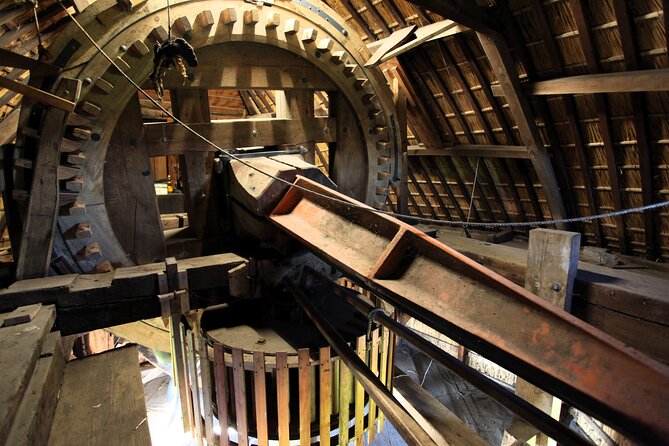
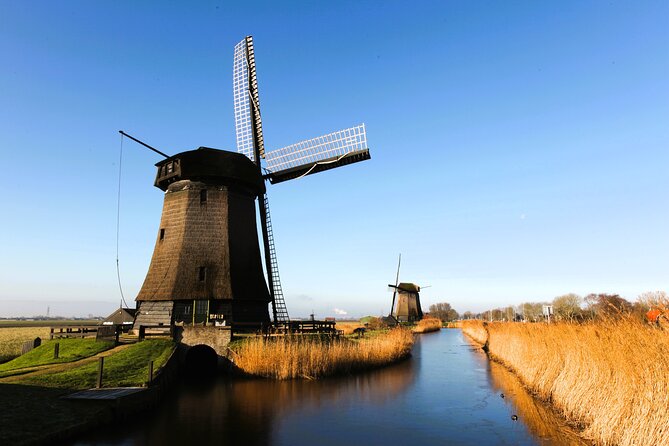
The heart of the trip is the Museummolen Schermer stop. You get about 30 minutes here, with the museum mill entrance included. This isn’t just a quick look at a pretty structure; it’s built around understanding the windmill as machinery and as home.
The Schermer story is tied to one of Holland’s big themes: reclaiming land from water. In the 17th century, the lake Schermeer was drained by 52 mills, and that effort created the Schermerpolder. You’ll hear and see how water management shaped daily life, not just landscapes.
At the museum mill, you can see it from top to bottom. That vertical walk-through is important. Windmills aren’t all blades and romance—they’re working systems. When you understand where different parts fit together, the whole building stops being a background object and becomes the main lesson.
A practical timing note
Because you’re only there for about half an hour, you’ll want to come in ready to absorb. If you’re the type who loves reading every sign, you might feel a little rushed. If you like guided interpretation and quick structure, this stop is well matched to the time.
Dikes and small villages: seeing the polder from the road
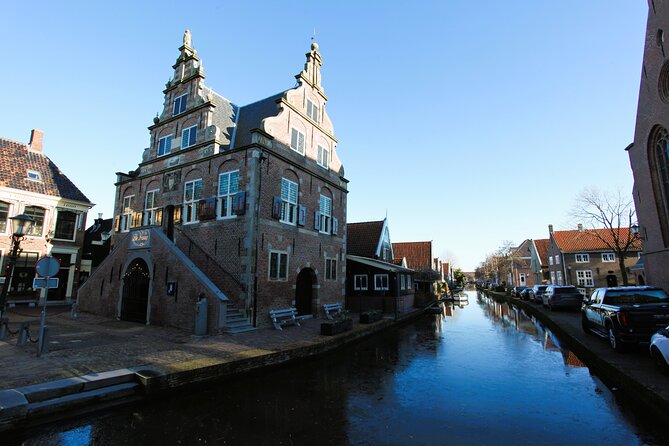
After the museum mill, you’ll travel through regained land of the Schermerpolder, including a drive on the dikes. The stop here is shorter—about 15 minutes—but the payoff is how the scenery reads when you’re higher up on the dike and watching water-control lines spread across the land.
This stretch also includes a personal connection: you pass Esther’s family windmill and the surrounding small villages. That kind of detail changes your perspective. Instead of treating windmills as museum objects, you see them as landmarks that locals still live beside and think about daily.
The region is full of narrow roads, low horizons, and carefully shaped farm plots. Even without getting out every few minutes, you get the “polder logic” of the landscape: straight lines, planned edges, and water channels that make the land usable.



The drawback of a drive-heavy segment
A dike drive is great for views, but you’ll be sitting. If you’re prone to feeling restless during transfers, mentally plan to use the time. Take in the patterns outside. Look for how the villages sit relative to the polder edges. It’s the kind of landscape that rewards attention even at road speed.
De Rijp: a former fishing village now surrounded by land
You’ll also visit De Rijp, about 15 minutes with no extra admission cost noted. This is one of those towns where the past is written into the geography.
Historically, De Rijp was known as a busy fishing village with a herring fleet and whalers. Later, when the surrounding sea got drained, the town ended up encircled by land. That shift is the same Dutch water-management story you’re learning elsewhere, but it lands differently here because it reshaped the town’s whole relationship to trade, work, and movement.
De Rijp also ties into engineering history. Jan Adriaanzoon Leeghwater, a famous hydraulic engineer, was born here. That’s a nice link back to why mills and polders matter: they weren’t just for scenery. People engineered solutions so communities could survive and grow.
Why this stop feels good
De Rijp is described as a place you visit with less mass tourism pressure. Even if you don’t care about crowds, that usually means better energy for walking and chatting with a guide—less noise, fewer photo bottlenecks, and more time to understand what you’re seeing.
Beemster UNESCO: planned polders with roads, plots, farms, canals
Between villages, your route includes a drive through the Beemster UNESCO World Heritage site, known for regained land called polders. You won’t spend hours parked here, but you’ll pass through the designed layout, and that makes this segment worth it.
The key idea: after the Beemster Lake was drained, the polder was not just “reclaimed.” It was planned. The area is known for a carefully designed system of roads, plots, farms, and canals. So instead of seeing only the results of drainage, you see the blueprint for how the land was organized for productive life.
Look out for the way the fields and farmhouses align. The whole place reads like geometry. That’s the point. Beemster is famous for showing how Dutch planning shaped a workable, livable countryside—long before modern zoning words existed.
If you love maps, you’ll enjoy this more
You don’t get a long walk here, but the driving views do a good job. If you like noticing patterns and spatial logic, you’ll leave with your mental map more “connected” than you would from a simple scenic stop.
Katwoude at Henri Willig: Gouda and Edam plus a wooden shoe demo
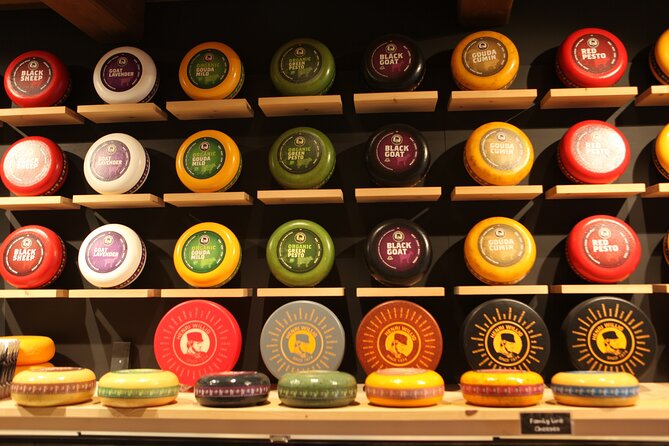
Next comes a change of pace: Jacobs Hoeve Cheese Farm by Henri Willig in Katwoude. You’ll have about 40 minutes here, with cheese tasting included.
You’ll taste Gouda and Edam. The cheese-maker behind it, Henry Willig, is described as being among the top 10 world cheesemakers, and the farm offers 30 flavors. Even if you don’t go deep into food theory, this is an enjoyable, low-pressure way to taste what “Dutch cheese” actually means beyond the one wedge you might buy at home.
There’s also a cultural craft element. You can join a wooden shoe craft demonstration, and yes—you can try or buy wooden shoes if you want. For me, the demo is the difference between “food stop” and “Dutch life stop.” It gives the day a hands-on element without needing extra time.
How I’d plan your taste
Take a breath before you start sampling. Gouda and Edam can taste similar at first glance, but the differences become clearer as you focus. If you want to buy something, don’t wait until the end of your visit—ask what’s easiest to pack and what will keep best for your trip.
And since lunch is later, this tasting can be satisfying without turning you into a nap-on-a-bench person.
Volendam lunch choice, then Edam and Broek in Waterland
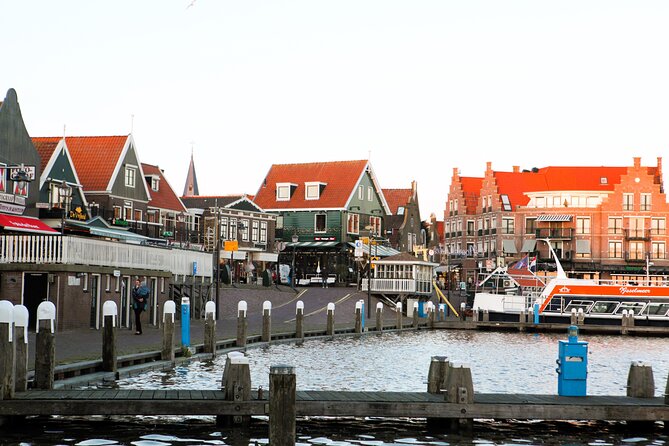
After cheese, the tour shifts toward classic North Holland towns with a more human pace. In Volendam, you’ll get about 1 hour for lunch. The guide doesn’t lock you into one place—you choose what you like, and they arrange options based on your preferences, whether that’s a local fish restaurant or a Dutch pancake restaurant.
That flexibility is a real value add. Food stops are where some tours waste time and force choices you don’t care about. Here, you get control and a local assist.
From there, you’ll head to Edam for about 30 minutes. Edam is presented as beautifully preserved and known for Edam cheese, with a blend of history and Dutch authenticity. It’s not marketed as a giant museum day. It’s more about walking around and absorbing the town’s preserved character.
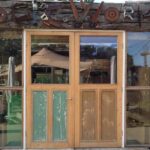
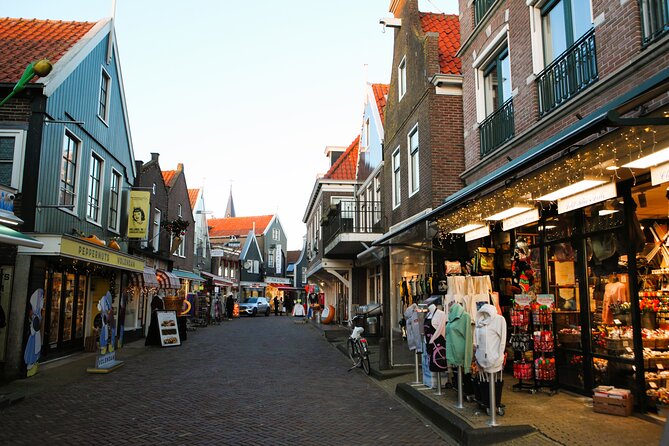
Then comes Broek in Waterland, around 20 minutes. This is one of those villages people compare to Giethoorn. The difference is that Broek is its own thing, with water around it and old wooden houses. You’ll stroll past details like ceremonial doors and carved lintels, plus a restored 16th-century church. The floor is paved with tombstones of formerly rich inhabitants, which is a striking detail that makes the place feel lived-in rather than staged.
A balanced read: classic towns, but with meaning
Volendam and Edam are famous for a reason. The trick is to see them as part of a bigger story rather than as an isolated postcard stop. Because this day is built around water management and polder life, even towns you might already know feel more connected when you’ve learned why the land and the towns ended up the way they did.
Price and value: why $473.17 per person can make sense
This tour costs $473.17 per person and runs about 6 hours. On paper, that’s not a bargain. But private tours are different math than group tours.
Here’s what you’re paying for, in concrete terms:
- Private transportation with parking fees included
- Bottled water (small, but it reduces friction)
- Entrance fee to a historic windmill (the museum mill)
- Cheese tasting at Henri Willig
So you’re not just paying for someone to point at buildings. You’re paying for a full-day private route with stops, admissions, and food included in the form of tasting.
Also, the itinerary includes door-to-door pickup and return, which often costs real money and time when you’re trying to DIY it. In Amsterdam, that convenience can be a big part of value.
Who feels the best value
If you’re a couple, a family with kids (who usually enjoy windmills and cheese), or two friends who want a private pace, this can feel like a good spend. If you’re solo and happy with public transport, you’ll find cheaper options. But you’ll also spend more energy coordinating.
Practical advice so the day runs smoothly
A few small habits help this kind of route go well.
First, treat it like a “great hits” day. You’ll get short, focused stops, so don’t plan to do a second tour right after. Save your late afternoon for a walk where you’re not rushing.
Second, bring a payment method if you want to buy wooden shoes or cheese. Tastings are included, purchases are optional.
Third, if you’re sensitive to tight timing, prioritize the stops you care about most. The day is designed to cover windmills, polders, and towns efficiently, so you’ll need to accept that you can’t slow down everywhere.
Should you book Windmillgirl Tours for this route?
I’d book it if you want a windmill and polder day that feels local, not generic. Esther’s background matters here. One of the strongest impressions is that she’s not just reading information—she’s connecting the dots between land reclamation, mill life, and where the towns sit now. That personal knowledge is exactly what makes a private countryside tour worth paying for.
I’d skip it if your dream day is slow and sprawling. This is a fast-moving circuit with lots of stops and transfers. It’s designed to maximize variety in a limited time, not to give you long, unhurried hours in one place.
If you like structured sightseeing with a human guide, this is an excellent fit. It’s also a smart choice when you want to see more than just Amsterdam’s best-known streets. You’ll leave with windmill context, polder geography in your head, and some cheese (and maybe wooden shoes) that make the day tangible.
FAQ
How long is the private countryside windmill tour?
It runs for about 6 hours (approximately).
What time does the tour start in Amsterdam?
The start time is 9:30 am.
Is hotel pickup and drop-off included?
Yes. Pickup is offered from your hotel in Amsterdam, and the tour returns you to your hotel.
Is this tour private?
Yes. It’s a private tour/activity, and only your group participates.
What language is the tour offered in?
The tour is offered in English.
What’s included in the price?
Private transportation, parking fees, bottled water, entrance fee to a historic windmill (Museummolen Schermer), and cheese tasting are included.
Is lunch included?
Lunch is not included. You’ll have time for lunch in Volendam and can choose where you want to eat.
Can I cancel for free?
Yes. Free cancellation is available, with a full refund if you cancel up to 24 hours in advance of the experience’s start time.
Does the tour use a mobile ticket?
Yes. A mobile ticket is offered.
Which towns and sites are visited?
You’ll visit areas including Museummolen Schermer, De Rijp, the Beemster UNESCO polder area, the Henri Willig cheese farm in Katwoude, Volendam, Edam, and Broek in Waterland.