REVIEW · FOOD
Private Amsterdam Food Tour & Dutch Pancake Class with a Local
Book on Viator →Operated by Traveling Spoon · Bookable on Viator
Amsterdam tastes better with a local guide. This private experience blends a guided walk through Albert Cuyp Market with a hands-on Dutch pancake class in a canal-house home overlooking the Amstel river, run by Fusina. You get Dutch comfort-food staples up close, plus the kind of small, personal details that feel more like being hosted than being processed.
I especially like the way the tour is built around food tastings at multiple market stops, so you can sample several iconic Dutch flavors without guessing what’s worth trying. I also love the finale: you don’t just watch pancakes happen—you help make, bake, and flip pannenkoeken, sweet and savory, in a real home kitchen with a toast and Dutch white wine.
One thing to consider: this is not a “leave stuffed” meal. The food is tasty and well-paced, but if you arrive hungry and expect a big lunch on the spot, you may want to plan a follow-up bite after the tour.
In This Review
- Key things you’ll enjoy most
- Getting Oriented Fast at Albert Cuyp Market
- Tasting Dutch Classics at 4–5 Market Stops
- Shopping Like a Local: Apples and Smoked Bacon
- The Canal-House Finale by the Amstel River
- Sweet vs Savory Pannenkoeken: What You’ll Make
- Food Quality vs Amount: Plan Your Meal Expectations
- Price and Value for a Private 2h50–3h Experience
- Who This Amsterdam Food Tour Is Best For
- Should You Book This Private Amsterdam Food Tour and Pancake Class?
- FAQ
- How long is the Amsterdam private food tour and pancake class?
- Where does the tour start and end?
- Is this tour private or shared?
- What foods will I try?
- Do you make pancakes, or is it just a tasting?
- Is the tour offered in English?
- What if someone in my group has allergies or dietary restrictions?
Key things you’ll enjoy most
- Meet Fusina in central Amsterdam for an easy start and a private pace
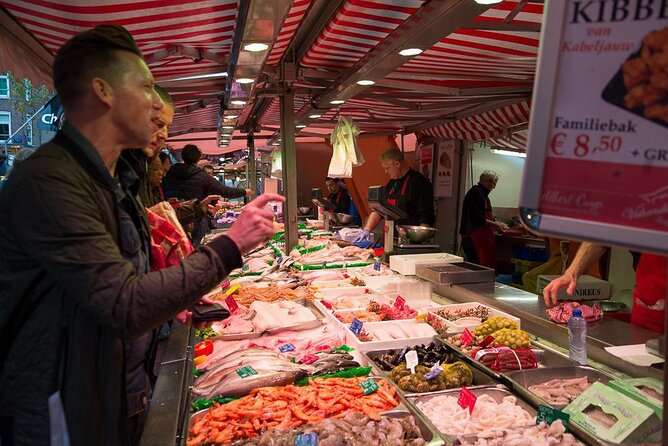
- 4–5 tasting stops at the Albert Cuyp Market for classic Dutch bites
- Hands-on ingredient shopping: pick apples and buy smoked bacon from a local butcher
- A canal-house kitchen finale overlooking the Amstel river
- Sweet and savory pancake practice with Dutch white wine served in vintage crystal glasses
- Seasonal menu flexibility with the same overall Dutch focus
Getting Oriented Fast at Albert Cuyp Market
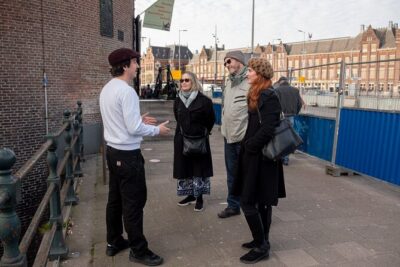
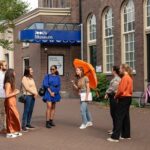
The biggest advantage of this tour is how quickly you get into the Amsterdam rhythm. You meet right at Albert Cuyp Markt (Albert Cuypstraat 101, 1072 VV), in a spot that’s central and easy to reach using public transit. You don’t spend the first part hunting for your guide or wandering “maybe it’s over there.” Fusina is set up to make the start smooth.
Because it’s private, you get a guided tempo instead of the usual group shuffle. That matters at a busy open-air market, where the difference between a good experience and a frustrating one is often how well your guide keeps you moving and focused. Here, the focus stays on food and simple explanations—what you’re tasting, why it matters, and what to look for.
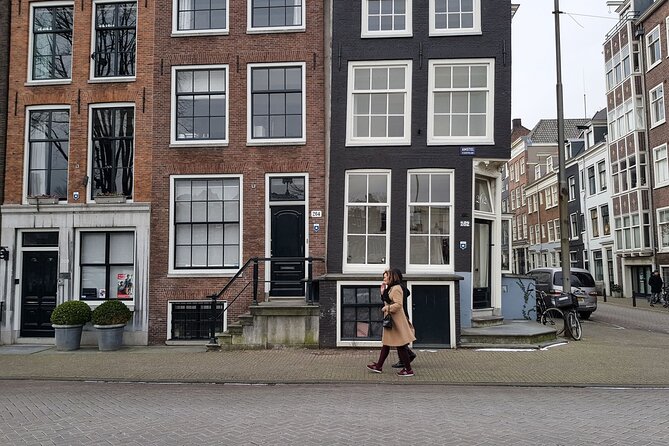
Also, the end point is at a home location near the Amstel river (Amstel 264, 1018 GX). That means the tour’s “story” doesn’t just stop at the market stalls. It continues into a kitchen setting, which is the main reason this feels like a genuine local experience rather than a checklist.
You can also read our reviews of more food & drink experiences in Amsterdam
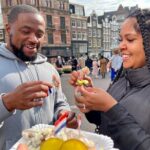


Tasting Dutch Classics at 4–5 Market Stops
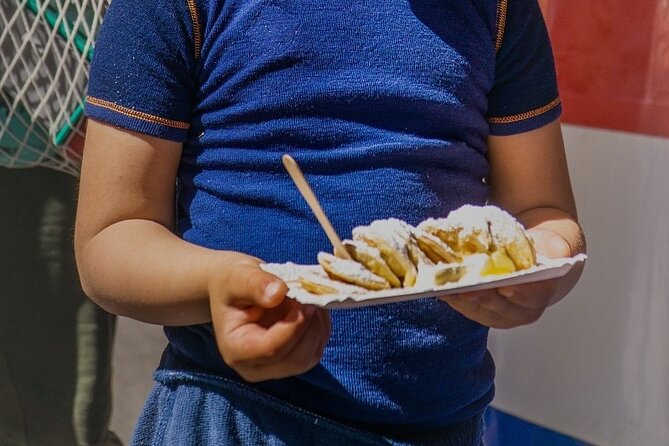
Your main food time happens in and around Albert Cuyp Market, and the structure is practical: you move through tastings at about 4–5 stops. That gives you variety without turning the tour into a marathon.
Here’s what you can expect to try, based on what’s described for the experience:
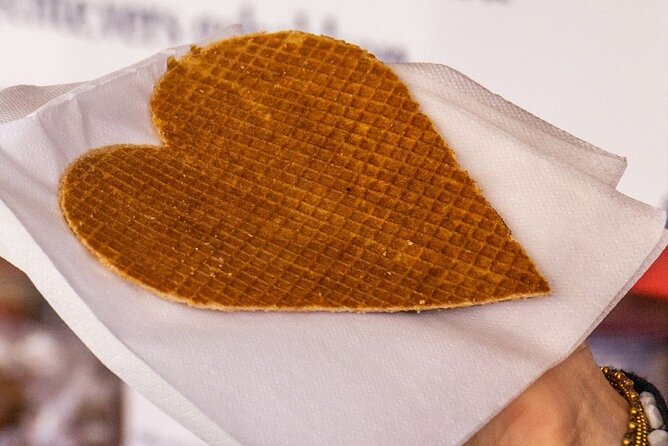
- Stroopwafels (the caramel syrup waffles Holland is famous for)
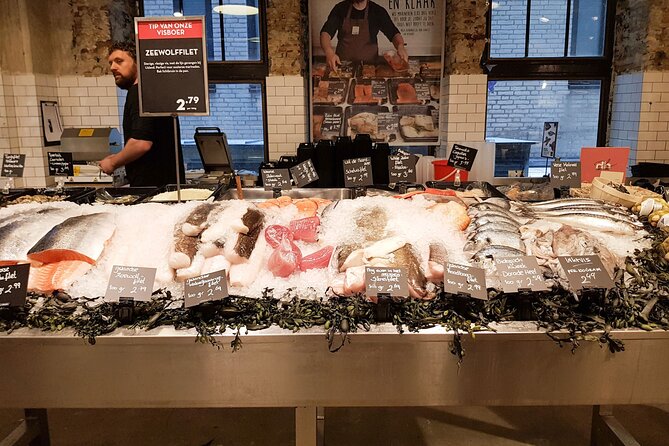
- Dutch herring sashimi with pickles (a bold flavor for first-timers)
- Artisanal cheeses
- Appleschnitt and bitterballen (classic Dutch comfort foods)
The nice thing about tastings like these is that they teach your palate fast. For example, stroopwafels aren’t just a sweet snack; the tour context helps you understand why they’re such a default Dutch treat. Same with cheese—when you taste more than one type, you start noticing the differences that locals talk about casually.
One more smart detail: the tour is flexible by season, so the exact mix can shift. If you’re visiting in a shoulder season or your timing is odd, you’re less likely to feel like you got stuck with the same cookie-cutter menu every day.
Shopping Like a Local: Apples and Smoked Bacon
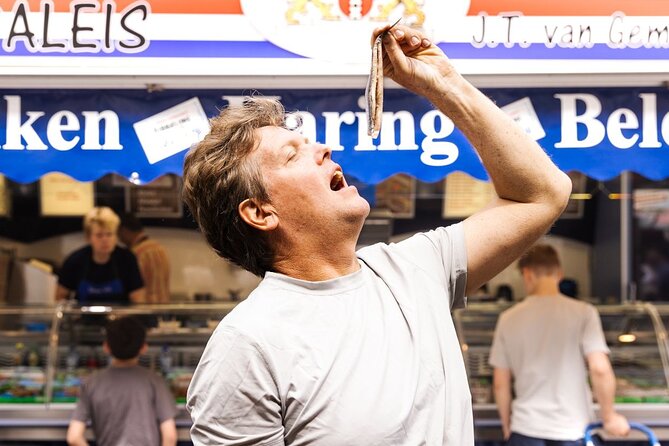
A big part of the value here is that the tour doesn’t stay purely at the tasting level. You also help choose ingredients. In the market section, Fusina guides you to pick apples—your choices feed directly into the sweet pancake style later.
Then you head to buy smoked bacon at a local butcher. That’s not random theater. It’s the difference between pancakes that taste like general “bacon,” and pancakes that taste like a Dutch ingredient story: cured, smoked, and chosen for flavor.
If you’re picky about food, this is where you’ll want to be proactive. The tour data says menu may vary by season and that you should advise Fusina about allergies or dietary restrictions when booking. If your main concern is fish (herring shows up in tastings), or if you avoid pork, message ahead so your guide can steer you toward what’s workable for your group.
The Canal-House Finale by the Amstel River
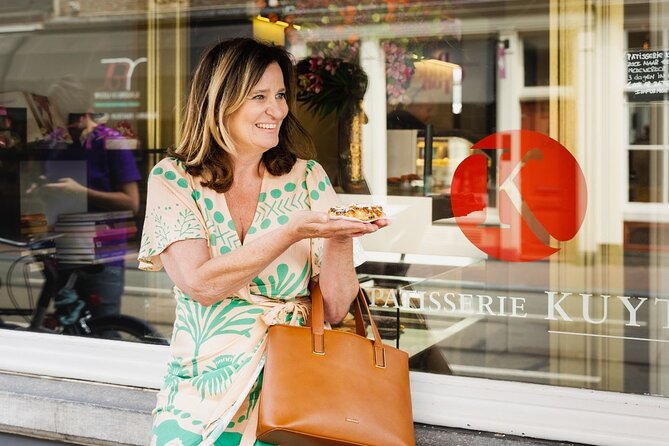
After the market segment, the experience transitions into Fusina’s home base, where the pace shifts from street-level scanning to kitchen-level focus. The setting is described as a canal-house apartment with views of the Amstel river, and that matters more than it sounds.
When you cook in a home with a river view, the afternoon feels like part of Amsterdam—not just a scheduled activity. You’re not standing around waiting for someone to explain. You’re in the working space where locals actually live and eat.
There’s also a “host” feeling that makes the time move faster: you’ll be guided through the pancake process, then you cook and enjoy the food together. Fusina also serves a glass of Dutch white wine, and the presentation includes vintage crystal glasses that have been passed down from her grandmother. Small touches like that are exactly why private experiences often cost more—they’re investing in atmosphere, not just information.
Sweet vs Savory Pannenkoeken: What You’ll Make
This is the core reason you book. The pancake class focuses on two styles:
- A sweet pancake, traditionally with apples
- A savory pancake, using bacon prepared by a local butcher
You’ll learn to prepare both, then cook and enjoy them. The guiding style is hands-on: you’ll be making, baking, and flipping your pancakes. That “flip” part is where it stops being a demo and becomes an activity you’ll remember.
A couple practical things I think you should keep in mind:
- Expect a real cooking rhythm, not just tasting batter. Even if you’ve cooked before, this is new technique for a Dutch classic.
- The bacon ingredient matters because it’s described as coming from southern Dutch pigs and being cured and smoked locally. That means flavor is layered, and the savory pancake doesn’t feel like a plain shortcut.
You finish with a special toast with Fusina, which gives the session a clear ending point and a friendly closure. It’s also a good moment to ask questions you didn’t get time for during the market walk—how to order Dutch food, what’s worth trying next, or what locals reach for on busy days.
You can also read our reviews of more tours and experiences in Amsterdam



Food Quality vs Amount: Plan Your Meal Expectations
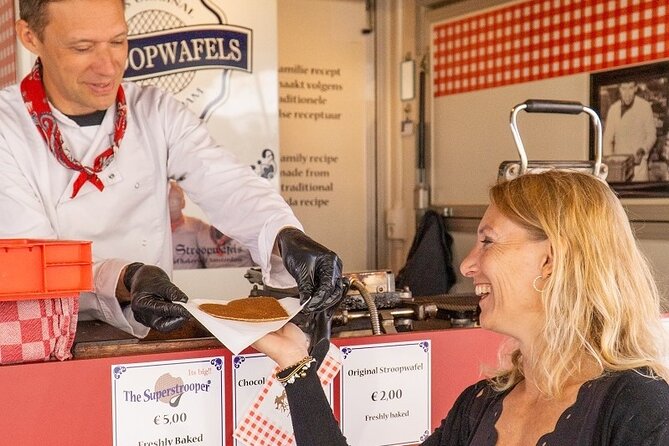
The best part of the food side is the overall quality of what you’re trying. The tastings hit recognizable Dutch favorites, and the market stops do a good job of showing variety without sending you into a sugar-and-snack spiral.
That said, there’s a key expectation to set: this tour is designed for tasting plus a cooking finale, not for a full, heavy meal. So even though you’ll try several items during the market portion and then eat pancakes at the end, the experience can still leave you wanting something more if you normally eat large portions.
If you’re the type who needs a big lunch, I’d plan for a light snack after the tour—maybe something simple like a coffee and pastry nearby—so you don’t feel like your day got cut short on calories. If you’re more interested in food variety and the cooking experience, you’ll likely feel satisfied.
Price and Value for a Private 2h50–3h Experience
At $139 per person, this is not an ultra-budget activity, but the price makes sense when you break it down.
You’re paying for:
- A private guide (so your group isn’t squeezed into a larger group pace)
- Tastings at 4–5 market stops with iconic Dutch items
- Ingredient shopping, including apples and smoked bacon
- A full hands-on pancake session in the host’s home
- Dutch white wine as part of the finish, plus the special toast
- Time spent in a canal-house setting near the Amstel river
In other words, you’re not just paying for “someone to walk with you.” You’re paying for market access with a host who explains what you’re eating and a cooking class that ends with food you made yourself.
Also, this tour appears to be booked well in advance on average (often weeks to months ahead). That’s usually a sign of steady demand, so if your dates are firm, don’t wait until the last minute.
Who This Amsterdam Food Tour Is Best For
This experience fits best if you like Dutch food but also like context. The market portion isn’t just sampling; it helps you understand what people actually reach for—sweet waffles, savory bites, cheese, and yes, herring.
You’ll probably enjoy it most if:
- You want a private experience in a place that can otherwise feel crowded and confusing
- You’re curious about Dutch pancake culture and want real practice flipping instead of a quick demo
- Your travel style likes food stops and short explanations over long museum-style sessions
- Your group enjoys both sweet and savory
If you’re traveling with kids, it can work well because you’re cooking and tasting, but confirm details with the provider if any dietary restrictions or allergies apply. If your group strongly dislikes fish, remember that herring is part of the tasting list—plan to mention preferences when booking so Fusina can guide you accordingly.
Should You Book This Private Amsterdam Food Tour and Pancake Class?
Book it if you want two things in one outing: a focused market tasting with a local guide, plus a real Dutch pancake-making class in a home setting. The canal-house finale and the hands-on cooking element are the standout combination, and the tour format keeps things organized without feeling rushed.
Skip or rethink it if you’re chasing a big, filling meal above all else. This is more about flavors, ingredient choices, and the pancake session than about leaving with a full stomach. Also, if your group has strict dietary needs, message ahead so the menu can match your constraints.
My rule for making the call: if you’d enjoy learning how Dutch pancakes differ when you make them sweet with apples and savory with smoked bacon, this tour is an easy yes.
FAQ
How long is the Amsterdam private food tour and pancake class?
It lasts about 2 hours 50 minutes to 3 hours.
Where does the tour start and end?
You start at Albert Cuyp Markt, Albert Cuypstraat 101, 1072 VV Amsterdam. The tour ends at Amstel 264, 1018 GX Amsterdam, at your host’s home.
Is this tour private or shared?
It’s private. Only your group participates.
What foods will I try?
You’ll sample several Dutch favorites, including stroopwafels, Dutch herring sashimi with pickles, artisanal cheeses, and iconic items such as appleschnitt and bitterballen. The exact menu can vary by season.
Do you make pancakes, or is it just a tasting?
You make, bake, and flip Dutch pancakes in the host’s home, and you’ll learn both sweet and savory styles.
Is the tour offered in English?
Yes, it’s offered in English.
What if someone in my group has allergies or dietary restrictions?
You should advise the provider at time of booking so Fusina can adjust when possible. The experience notes that you should share allergies, restrictions, and preferences ahead of time.