REVIEW · CHEESE
Cheese making workshop next to De Hallen, heart of Amsterdam
Book on Viator →Operated by De Kaasserie · Bookable on Viator
Cheese starts with curiosity. This 3-hour small-group workshop in Amsterdam teaches hands-on fresh cheesemaking near De Hallen, with two different methods and a take-home payoff. I like the calm, patient pace, and I like that you leave with real results, not just a bite or two. One consideration: it’s not a bargain price, so it’s best if you want the craft experience, not only a food stop.
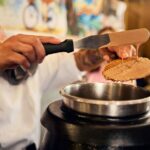
In the studio at De Kaasserie, you make one fresh cheese coagulated with rennet and another coagulated with acid. When you reach the acid-curd cheese, you can experiment with herbs and even colors, so your beginner project turns into something personal.
The session ends with a tasting of homemade cheeses plus a drink, then you pack up what you made. You also get basic tools and recipes by email, which is the part that helps you keep going after the class is over.
In This Review
- Key things I’d circle before you book
- De Kaasserie and the De Hallen area: a food-focused Amsterdam meetup
- Price and what you truly get for $144.49
- From De Hallen to Ten Katemarkt: why those neighborhood stops help
- Rennet-coagulated fresh cheese: learning the first method
- Acid-coagulated fresh cheese: your chance to play with herbs and colors
- The tasting with cheeses you made (plus a drink)
- Taking your cheese home: tools, recipes, and the fun part (practice)
- Who this workshop fits best (and who might want to skip it)
- Booking smart: timing, expectations, and how to get the most
- Should you book this cheese-making workshop?
- FAQ
- Where do I meet for the cheese-making workshop?
- How long is the experience?
- What does it cost?
- Is the class small, and is it in English?
- What types of cheese will I make?
- Can I add herbs or colors to the cheese?
- Are ingredients and materials included, and can I take anything home?
- What happens at the end?
- What’s the cancellation policy?
Key things I’d circle before you book
- Two fresh-cheese styles in one session: rennet-coagulated and acid-coagulated
- Herbs and color experiments: built into the acid-cheese step
- Max 8 people: small enough for real attention and a relaxed vibe
- You take home two cheeses: plus basic tools to keep practicing
- Finish with a guided tasting and drink: so you can compare what you made
- English instruction at De Kaasserie: in a food design studio setting near De Hallen
De Kaasserie and the De Hallen area: a food-focused Amsterdam meetup
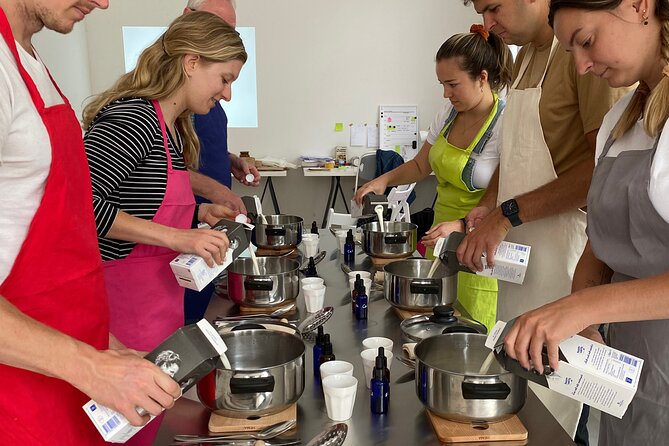
This workshop is centered on De Kaasserie, right in the Amsterdam food-and-design orbit, with De Hallen as a nearby landmark (and Ten Katemarkt as the second stop in the flow). That matters because it makes the experience feel local. You’re not hopping from one tourist site to another; you’re spending your time in the same neighborhood where people go for food, snacks, and quick browsing.
The start point is clearly set at De Kaasserie, Bellamystraat 8 (1053 BL). The activity ends back at the same meeting point, so you’re not left figuring out a new destination after the class.
And because it runs about 3 hours, it fits well as a half-day plan. You can pair it with an easy evening walk after, without needing to race the clock.
You can also read our reviews of more tours and experiences in Amsterdam


Price and what you truly get for $144.49
At $144.49 per person for roughly 3 hours, this isn’t a budget activity. But the value comes from the output: you make two fresh cheeses with included ingredients and materials, you sit down for a tasting with cheeses made in the class, and you get a drink to finish.
Most importantly, you don’t leave empty-handed. You can take home both cheeses plus the basic tools, and you receive recipes via email so you can keep experimenting later.
That turns the price from something like a guided snack into something closer to a practical workshop. If you’ve ever bought a cheese board and wished you could make the flavors yourself, this is the straight line to that.
One thing to factor in: it’s also a small class (maximum 8), so you’re paying for time, instruction, and attention—not just being in a room. If that sounds like your kind of travel, the cost makes more sense.
Also note that it tends to book ahead: on average, it’s reserved about 58 days in advance. If you’re traveling during a popular period, plan early so you don’t end up hunting for last-minute alternatives.
From De Hallen to Ten Katemarkt: why those neighborhood stops help
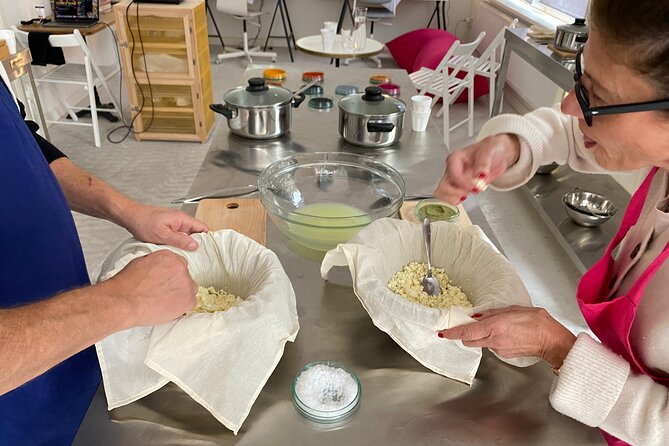
You’ll see De Hallen Amsterdam as the first stop, then Ten Katemarkt next, before you settle into the cheesemaking part of the day. Even though these stops aren’t described as a full market tour, they set the mood: this experience is tied to Amsterdam’s food culture right around you.
I like this kind of pacing. It gives you a sense of place, without dragging out the day. You’re not “on” for hours. You’re in the neighborhood, then you get hands-on where it counts.
If you’re the type who enjoys planning a day with both food energy and a practical skill at the end, these stops support that. If you’re only looking for a quiet, uninterrupted indoor class, you might still enjoy the short walk—but just know the early part includes these area stops.
Rennet-coagulated fresh cheese: learning the first method
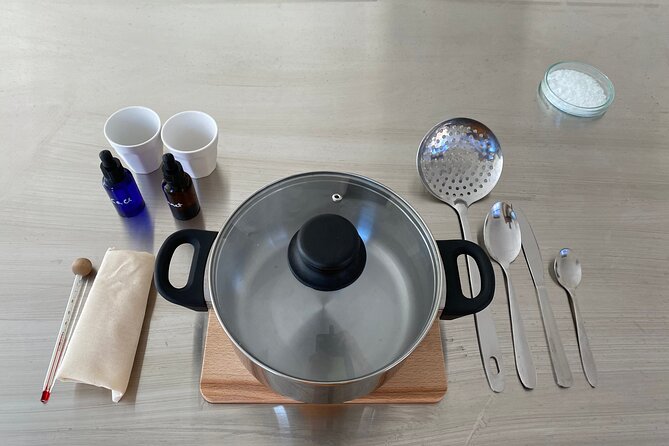
The workshop teaches you to make two types of fresh cheese in the studio. The first is coagulated with rennet.
This is the method many people hear about first when they think of cheese. In plain terms, rennet helps the milk set and separate in a controlled way so you can form a fresh cheese. In a beginner class, the win is that you’re not left staring at instructions and guessing.
You’ll be guided through the process in an intimate setting, and you’ll be making an actual cheese you can later taste. That hands-on part is one of the most praised aspects of the experience: people consistently highlight how informative the teaching feels while still staying friendly and relaxed.
Practical tip for your experience: pay attention to how your instructor explains the moment the mixture changes. Fresh cheese-making is very sensitive to the “right stage,” and understanding what to look for will make the second method easier when you switch to acid.
Acid-coagulated fresh cheese: your chance to play with herbs and colors
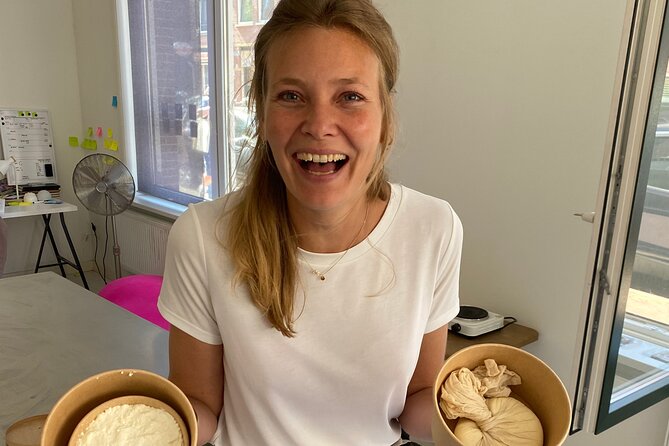
The second cheese is coagulated with acid—and this is where the workshop becomes especially creative. When you finish the acid-curd cheese, you’re encouraged to experiment with herbs and colors.
That’s a big deal for beginners. Most classes stop at making something that tastes good. Here, the format invites you to make something that looks and flavors the way you want. It turns cheesemaking from a science task into a small craft project.
I also like that the class doesn’t treat experimentation like a separate activity you have to figure out. It’s built into the workflow. If you want a cheese with dried herbs, you can aim for that. If you want a more colorful, playful twist, you can do that too.
A small consideration: if you’re very focused on strict, traditional results, the color-herb part may feel like creative freedom rather than a strict method drill. But that creative step is also exactly what makes this class fun for many people.
You can also read our reviews of more tours and experiences in Amsterdam

The tasting with cheeses you made (plus a drink)
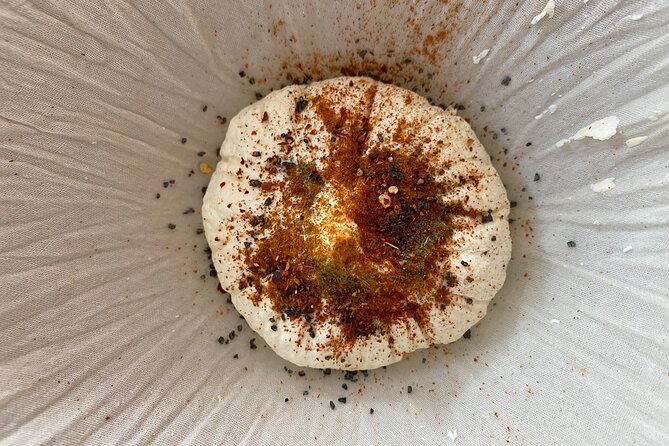
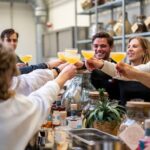
At the end, there’s a tasting of homemade cheeses, finished with a drink. Importantly, you’re not just sampling someone else’s work—you’re tasting cheeses made by you.
This is where the class clicks into place. Two cheeses, two methods, and now you get to compare the results with your own hands still in mind. You’ll likely notice differences in texture and flavor between rennet-coagulated and acid-coagulated fresh cheeses, and you’ll have a clearer idea of what you liked and what you’d adjust next time.
The drink at the end also helps keep the mood social and relaxed. It’s a simple add-on, but it makes the finish feel like an actual shared moment instead of a rushed wrap-up.
Taking your cheese home: tools, recipes, and the fun part (practice)
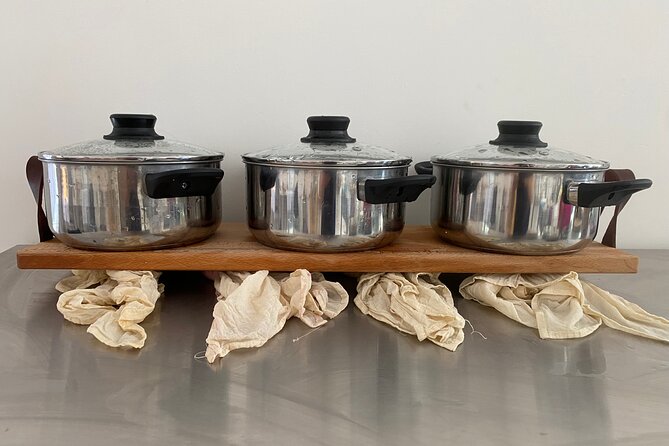
You can take with you two cheeses from the workshop. You also get basic tools and recipes via email, designed so you can continue experimenting at home.
This is the part that I consider the real value driver. Lots of food experiences are a one-time event. Here, the email recipes help you repeat the process—at least at a basic level—so you aren’t dependent on future classes to get started.
Also, taking the cheeses home adds a natural “taste now, learn later” rhythm. You can eat them soon and use the recipes to troubleshoot or tweak the next batch. If you’re the kind of traveler who likes to bring home more than a magnet, this is one of the better “take-home” formats.
Logistics-wise, the workshop uses a mobile ticket system, and it’s near public transportation. That matters because you’ll likely want an easy route before and after a 3-hour kitchen-style session.
Who this workshop fits best (and who might want to skip it)
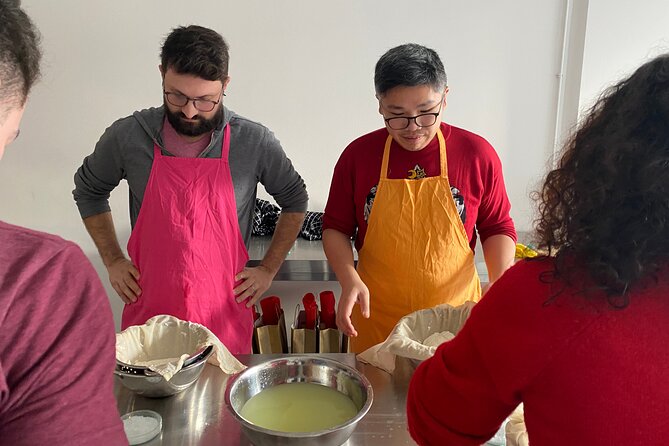
This class works especially well for:
- food lovers who enjoy practical skills, not just guided descriptions
- visiting cooks and beginners who want a clear starting point
- people who like small-group settings where you can ask questions without feeling rushed
It also has a calm, peaceful feel based on what people consistently praise. When a teacher is patient, the learning sticks. And when it stays light and social, you’re more likely to enjoy the messy parts of hands-on cooking.
Who might want to skip it:
- if you want a low-cost activity or a big sightseeing day instead of a craft session
- if you strongly prefer not to experiment with herbs and colors (since that’s encouraged in the acid-cheese step)
- if you don’t eat dairy at all (the class centers on making and tasting cheese)
Booking smart: timing, expectations, and how to get the most
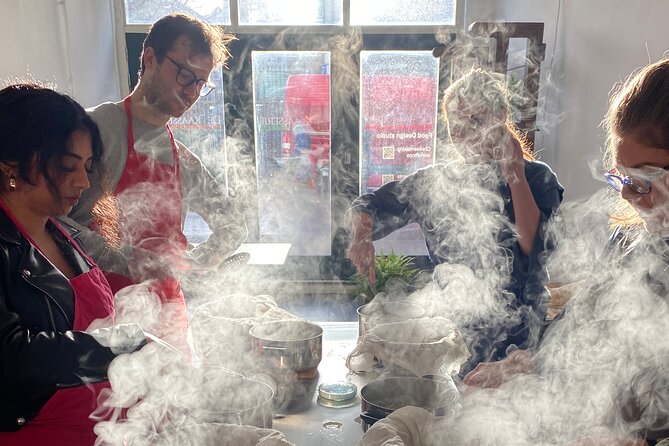
Because it averages around 58 days booked in advance, I’d treat it like a popular workshop. If you have firm travel dates, reserve earlier rather than waiting for spontaneity.
Before you go, set your expectations as “skill + cheese + fun,” not “museum tour.” The best results come from being ready to learn a method, then test it immediately—especially when you’re comparing two techniques in the same session.
And bring a mindset that welcomes small experiments. The herbs and color step is part of the experience, and it turns what could be a purely technical workshop into something more memorable.
Should you book this cheese-making workshop?
If you want a hands-on food skill in Amsterdam, and you like the idea of making two fresh cheeses by learning two methods, then yes, book it. The strongest reason is simple: you leave with cheese, tools, and recipes—not just a story.
If you only want a quick snack or you’re price sensitive, look for cheaper food tours. But if you’re the type who enjoys learning how things are made and taking a repeatable skill home, this is exactly the kind of craft class that makes travel feel useful.
FAQ
Where do I meet for the cheese-making workshop?
You start at De Kaasserie, Bellamystraat 8, 1053 BL Amsterdam, Netherlands. The activity ends back at the same meeting point.
How long is the experience?
It lasts about 3 hours.
What does it cost?
The price is $144.49 per person.
Is the class small, and is it in English?
Yes. The class has a maximum of 8 travelers, and it’s offered in English.
What types of cheese will I make?
You’ll make two fresh cheeses: one coagulated with rennet and one coagulated with acid.
Can I add herbs or colors to the cheese?
Yes. After finishing the acid-coagulated cheese, participants are encouraged to experiment with herbs and colors.
Are ingredients and materials included, and can I take anything home?
Yes. All ingredients and materials are included. You can take home the two cheeses and basic tools, and you receive recipes via email to keep experimenting.
What happens at the end?
There’s a tasting with the cheeses made at home during the session, plus a drink.
What’s the cancellation policy?
You can cancel for free up to 24 hours in advance for a full refund. If you cancel less than 24 hours before the start time, the amount paid is not refunded.
You Might Also Enjoy

More Workshops & Classes in Amsterdam

More Cheese in Amsterdam
- Zaanse Schans Windmills, Clogs and Dutch Cheese Small-Group Tour from Amsterdam
★ 4.5 · 2,369 reviews