REVIEW · RED LIGHT DISTRICT TOURS
Amsterdam: Red Light District and Coffeeshop tour
Book on GetYourGuide →Operated by Your Amsterdam's Red Light District guide · Bookable on GetYourGuide
Expect a history lesson with streetlight glare. This 2-hour walk threads together Amsterdam’s Red Light District and coffeeshop culture while an English guide puts the whole area into context. You’ll see famous sights like the red windows, canal-side streets, and Chinatown on Zeedijk, plus stops tied to marijuana policy and local rules.
I especially like how the tour tackles the neighborhood’s adult side with human context instead of just shock value. I also like that you get specific coffeeshop references such as Bulldogg and the Condomerie, so the conversation stays grounded in places you can actually point to.
One consideration: the topic is controversial and the streets are adult-themed, so it’s not for everyone if you want a strictly family-friendly walk.
In This Review
- Key takeaways before you go
- Walking into the Red Light District with context (and not just curiosity)
- The red windows: how policy, practice, and the streets connect
- Built-in Amsterdam charm: canals, wooden houses, and the old-city feel
- Chinatown on Zeedijk: a very different Amsterdam neighborhood
- Coffeeshop culture: laws, regulations, and what happens behind the scenes
- Narrow streets and the practical realities of the area
- Who this tour is best for (and who should skip it)
- Price and value: is $40 worth it?
- Should you book this Amsterdam Red Light District and coffeeshop tour?
- FAQ
- How long is the Amsterdam Red Light District and coffeeshop tour?
- What language is the tour in?
- What is included in the price?
- Is food or drinks included?
- Where does the tour start and end?
- How much does it cost?
- What topics will the guide cover?
- What is the cancellation policy?
Key takeaways before you go
- Red windows explained, not just shown: you’ll learn how the area works and how policy fits in.
- Coffeeshop rules and culture: you get a clear rundown of laws/regulations and even the production process basics.
- Chinatown stop on Zeedijk Street: learn the history of this older pocket of Amsterdam, including long-running pub culture.
- You’ll cover old Amsterdam sights: canals and wooden houses show up along the route, not as a separate detour.
- A real guide makes it click: one guide named Aarre stands out for being friendly, engaging, and ready for questions.
Walking into the Red Light District with context (and not just curiosity)
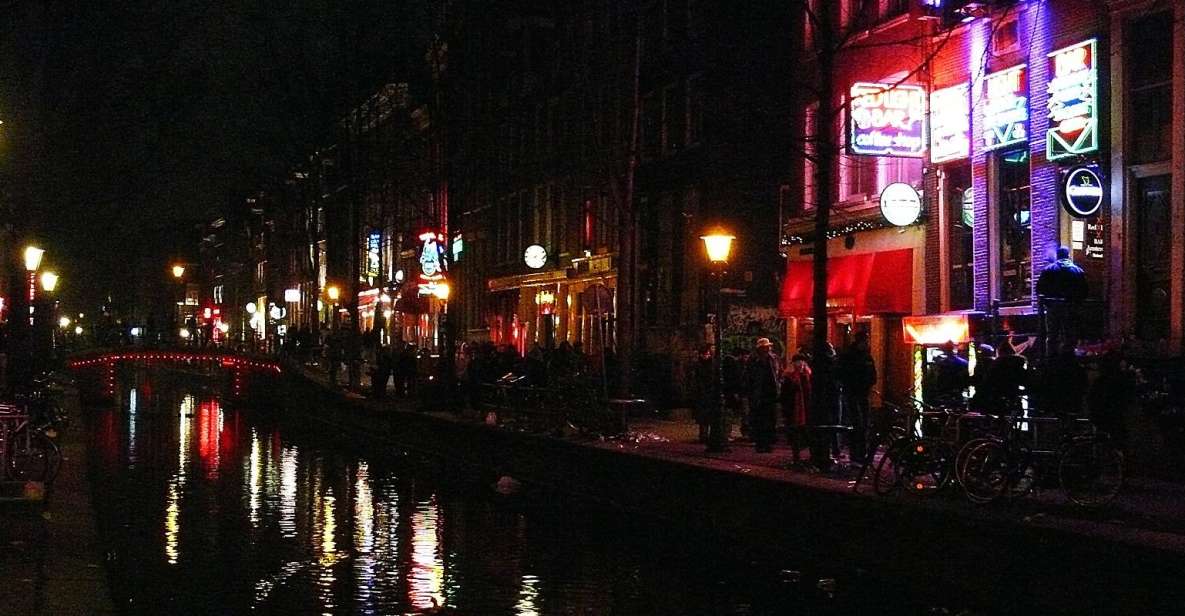
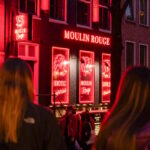
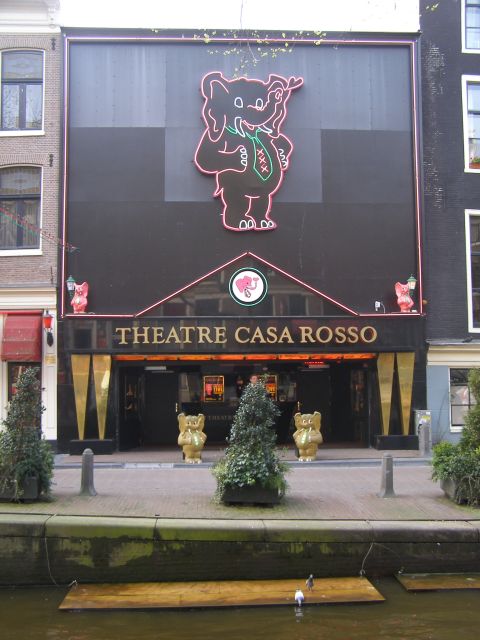
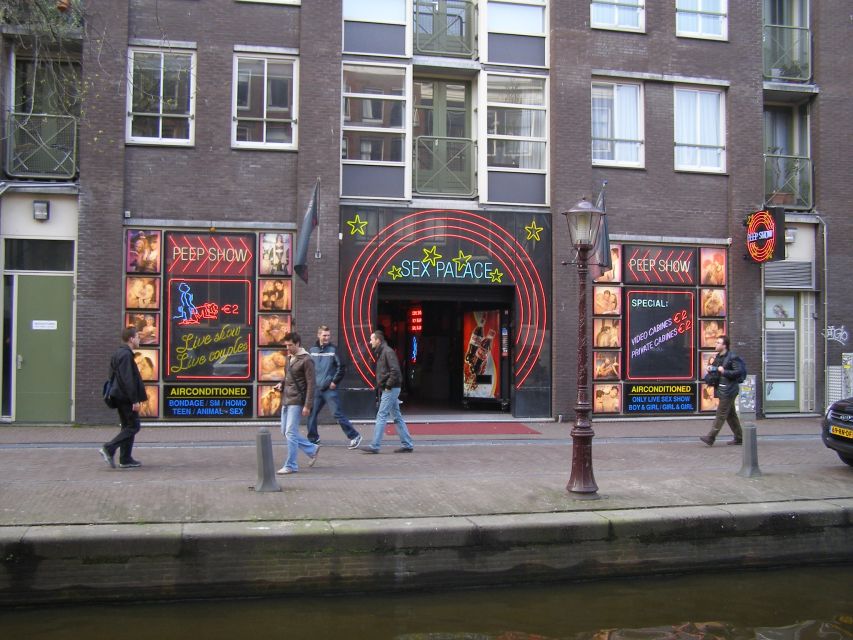
Amsterdam’s Red Light District is one of those places that instantly changes your posture. It’s busy, it’s theatrical, and the streets can feel intense. This tour helps you understand what you’re seeing and why the city has let this district evolve the way it has, with rules and policies shaping daily life.
You’re not just wandering past storefronts. You’ll hear how Amsterdam’s progressive attitudes helped form its reputation around prostitution and drug policy, and you’ll also get the bigger timeline: the area is among the city’s older parts. That matters because it stops the conversation from staying purely sensational.
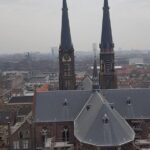
The route also gives you a sense of place. Along the way, you’ll spot historic elements like canals and older wooden houses. You’ll even catch sights tied to some of Amsterdam’s oldest structures, so the district isn’t presented as a blank stage set. It’s part of the city’s long story.
You can also read our reviews of more tours and experiences in Amsterdam.


The red windows: how policy, practice, and the streets connect
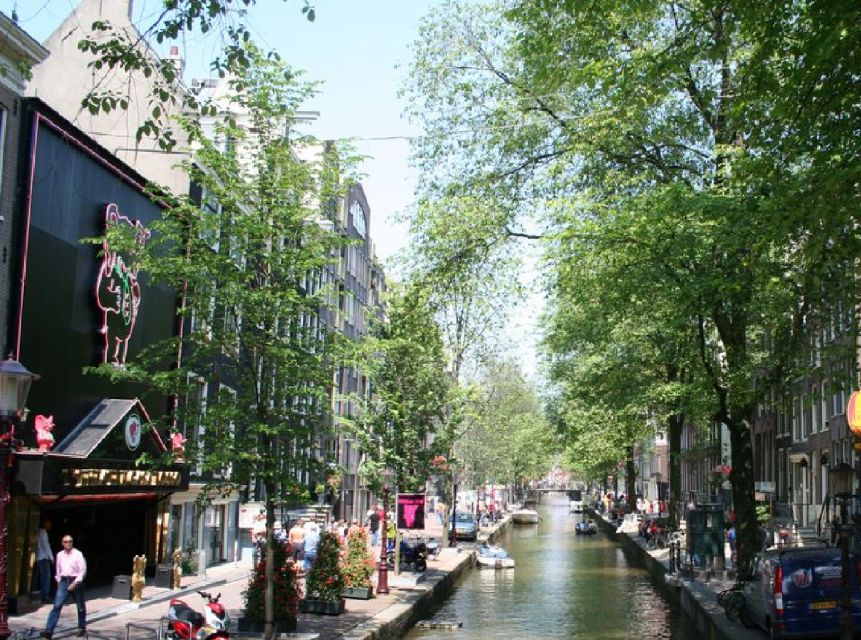
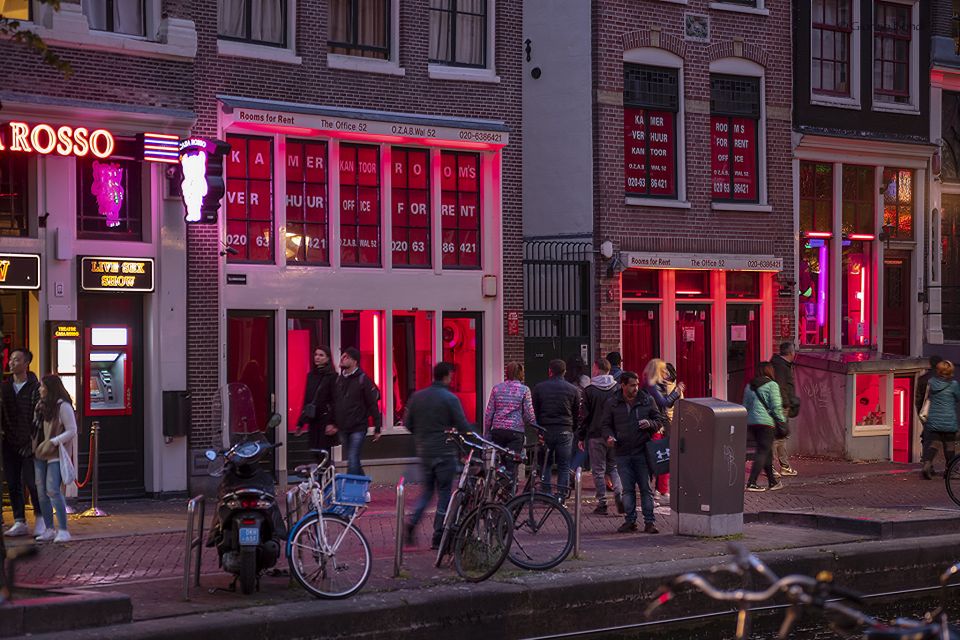
The red windows are the headline, but the tour’s real value is the explanation behind them. You’ll learn about laws and policies related to the red windows, and how Amsterdam approaches this neighborhood with regulation instead of denial.
This is where a good guide earns their pay. A guide named Aarre is singled out for being friendly and engaging, and for answering questions in a way that keeps things human. That style matters, because the district can feel like a blur if you’re only looking at the lights and the doorways.
When the tour frames sex work as part of a regulated system, you start seeing patterns: street layout, storefront design, and the flow of people through the area. You’ll also hear about the current situation of the district, which helps you separate what you may have heard in the abstract from what’s actually happening on the ground.
Practical note: keep your tone respectful. The best way to enjoy this part is to treat it like a cultural history stop, not a photo scavenger hunt.
Built-in Amsterdam charm: canals, wooden houses, and the old-city feel
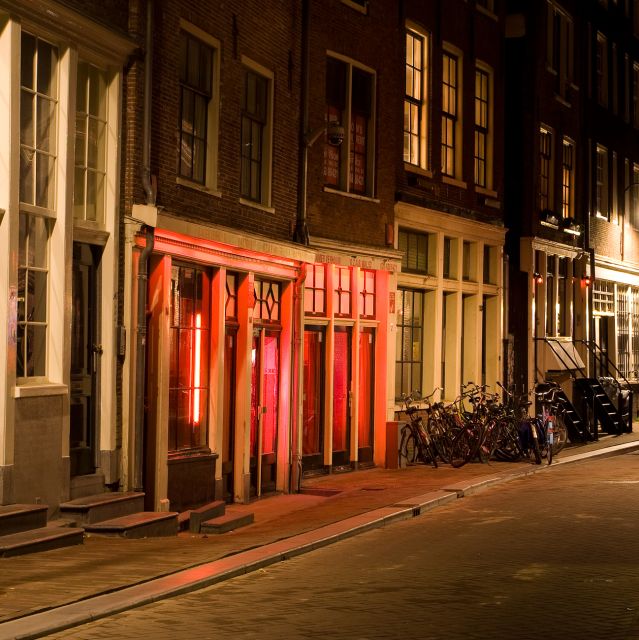
A lot of Red Light District tours focus only on the controversial stuff. This one keeps reminding you that you’re still in Amsterdam, not a theme park outside the city.
As you walk, you’ll see classic canal scenery and older wooden houses. You’ll also encounter notable historical sights, including references to the oldest building in Amsterdam. Even if you don’t go deep into architecture on every block, those moments help you anchor the district in real urban texture.
Why I think this matters for you: it makes the experience easier to process. When adult-themed streets are paired with recognizable older Amsterdam details, you get a fuller picture of how the city layered itself over centuries. It also makes the walk more interesting for people in your group who might feel awkward at the subject matter but still want to understand Amsterdam.
Chinatown on Zeedijk: a very different Amsterdam neighborhood
One of the clever twists here is the stop for Chinatown. You’ll visit Amsterdam’s Chinatown and learn about its history, specifically connected to Zeedijk street.
This part of the tour shifts the mood. You’re still in the center of the city, but you’re no longer focused on windows and policy debates. Instead, you’re learning about long-standing community culture, including the history of Chinatown’s older pubs.
If you’re the type who wants variety during a short tour, this works well. It also prevents the walk from feeling one-note. Chinatown adds context to the neighborhood story of Amsterdam’s central streets, showing how different cultures shaped the city in parallel.
Coffeeshop culture: laws, regulations, and what happens behind the scenes
The coffeeshop section is one of the most useful parts of the tour because it goes beyond casual impressions. You’ll learn about coffeeshop culture and how laws and regulations affect what you’ll see. The tour also talks about the production process, so you get a basic understanding of the full chain, not just the storefront vibe.
You’ll see specific names along the way, including Bulldogg coffeeshop. You’ll also encounter sexshops and smartshops, which helps explain the broader commercial ecosystem around the cannabis conversation. This matters because it shows you the district isn’t just one thing. It’s a mix of retail, nightlife, and rule-based culture that the city manages.
One more stop tied to the adult-neighborhood theme is the Condomerie. It’s the kind of place that sounds like a joke until you realize it’s a real business with a real location in the district’s history and identity. In other words, it helps you see the area’s sense of humor and branding as part of the story.
For value: at $40 for two hours, you’re paying for a guide to translate complicated policy into something you can actually understand while you’re standing in the street. That’s hard to get on your own, especially if you’re trying to sort facts from myths.




Narrow streets and the practical realities of the area
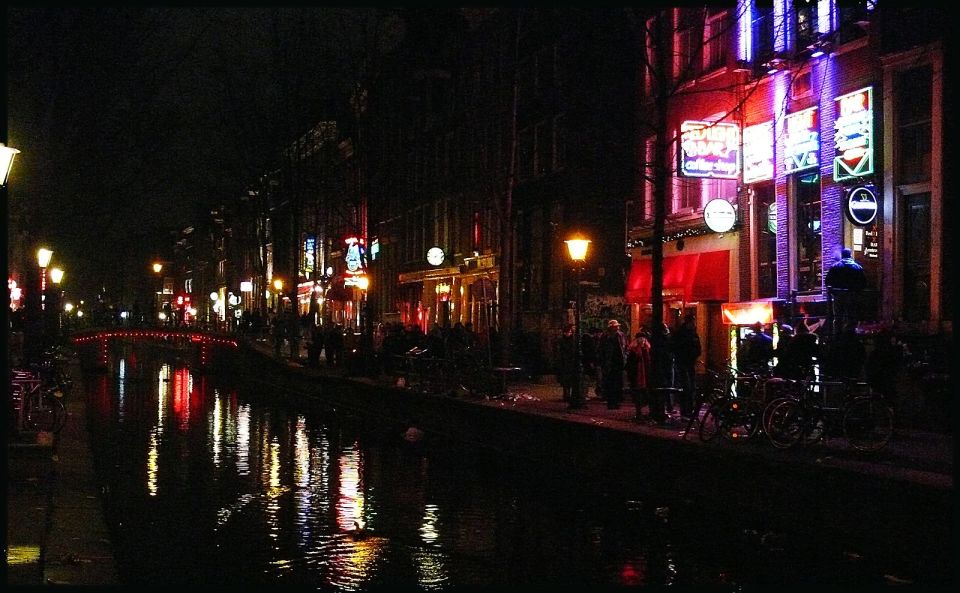
Amsterdam’s streets can be tight, and this tour includes sights that highlight that. You’ll visit places linked to the narrowest street of Amsterdam as you move through the district.
That might sound like a “look, it’s small” moment, but it changes how the area works. Narrow streets affect crowding, foot traffic, and how businesses present themselves. They also make the experience feel closer and more immediate than a big boulevarded stroll.
You’ll also get plenty of chances to ask questions, and that’s important in a place where the rules can sound confusing from afar. Clear answers beat secondhand assumptions.
Who this tour is best for (and who should skip it)
This walking tour is a solid fit if you:
- want a short, structured way to understand the Red Light District’s culture and policy
- care about how Amsterdam’s drug laws connect to the coffeeshop scene
- like history and context more than just nightlife sightseeing
It’s a tougher fit if you:
- prefer a purely light, low-controversy city walk
- get uncomfortable with adult-themed environments and the district’s controversial reputation
- want a food-focused experience, since no food or drinks are included
If you’re traveling with friends who are split on interest, the Chinatown + old-city sights help balance things out. You get more than one kind of Amsterdam in the same two hours.
Price and value: is $40 worth it?
At $40 per person for about two hours, this is priced like a guided city experience, not a casual self-guided wander. The value comes from the guide doing the translation work: laws and policies, how coffeeshop regulation functions, and what the district is today.
If you’re the type who hates vague explanations, you’ll likely appreciate the structure. You’re also getting a professional live guide and a local guide, which usually means fewer awkward gaps when questions come up.
You’re not paying for a meal, so you’ll want to plan your eating separately. But for $40, you’re buying clarity and context—exactly what makes this neighborhood intelligible instead of just overwhelming.
Should you book this Amsterdam Red Light District and coffeeshop tour?
I’d book it if you want a guided walk that’s respectful but honest, and if your goal is understanding Amsterdam’s approach to prostitution and drug policy in the real setting where it happens. The two big wins are the clear focus on laws/policies and the mix of district sights plus Chinatown history on Zeedijk.
Skip it if you’re looking for a quiet, family-friendly stroll or if the adult-theme setting will spoil your mood. In that case, you might be happier choosing a different Amsterdam neighborhood tour where the subject matter doesn’t hit so directly.
FAQ
How long is the Amsterdam Red Light District and coffeeshop tour?
It lasts about 2 hours.
What language is the tour in?
The live tour guide speaks English.
What is included in the price?
You get a guided tour of the Red Light District with a professional guide and a local guide.
Is food or drinks included?
No. Food and drinks are not included.
Where does the tour start and end?
The meeting point can vary based on the option booked, and the tour ends back at the meeting point.
How much does it cost?
The price is listed as $40 per person.
What topics will the guide cover?
You’ll learn about the culture and history of the Red Light District, laws and policies regarding the red windows, and coffeeshop culture including laws/regulations and the production process. You’ll also see places like Bulldogg coffeeshop, the Condomerie, and sexshops/smartshops.
What is the cancellation policy?
You can cancel up to 24 hours in advance for a full refund.