REVIEW · ANNE FRANK & WWII HISTORY TOURS
Amsterdam: Private Anne Frank and Jewish Quarter Tour
Book on GetYourGuide →Operated by Trigger Tours · Bookable on GetYourGuide
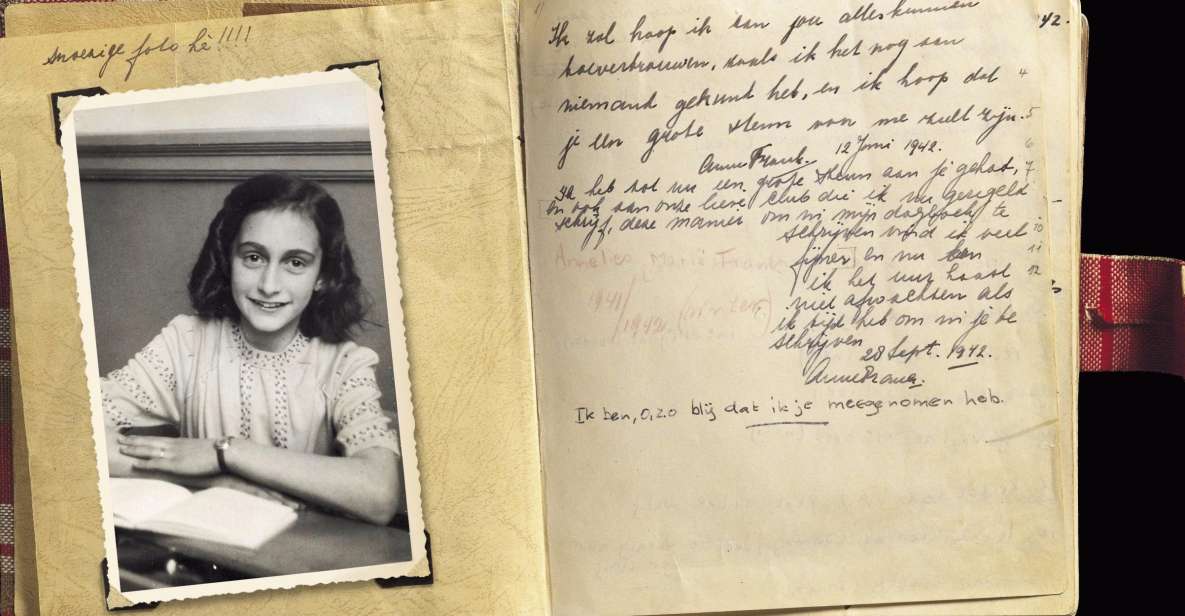
Anne Frank’s streets feel close up. This 2-hour private walk through Amsterdam’s Jewish Quarter connects the streets to the diary story—her move from Germany, the years in hiding, and how her father helped bring her words to the world. I love the way the guide makes each stop feel part of one storyline centered on Anne Frank.
I also love the mix of landmark sightseeing and serious remembrance. Memorials like the Auschwitz Monument and the National Holocaust Names Monument are treated with care, and the guides leading this tour—people like Aaron and James—are praised for handling a heavy topic with respect, clarity, and just enough human warmth to keep you from feeling lost in facts.
One consideration: the Anne Frank House visit at the end is not the full ticketed entry. You’ll finish near the house, but you’ll want to plan separately if you want to go inside.
In This Review
- Key highlights you should know
- Why this Jewish Quarter walk hits harder than a museum day
- Starting at the Hermitage Pier: the route gets you oriented fast
- Nieuwmarkt and Lastage: where neighborhood evolution shows up in plain sight
- Auschwitz Monument: remembering without spectacle
- Portuguese Synagogue area: architecture that signals community life
- Zuiderkerk: seeing how the city’s maps overlap
- Joods Historisch Museum: turning street-level stories into real artifacts
- The Dokwerker: public art as a remembrance anchor
- National Holocaust Names Monument: the story becomes personal
- Ending at the Anne Frank House: what you’ll see, and what you’ll need next
- The value question: is $25 per person a good deal?
- Who this tour suits best (and who might want a different format)
- Guide style matters here: names you may hear
- Should you book the Anne Frank and Jewish Quarter private tour?
- FAQ
- FAQ
- How long is the private Anne Frank and Jewish Quarter tour?
- Where do I meet the guide?
- What’s the price?
- Is the Anne Frank House entrance included?
- What languages is the tour offered in?
- What’s the cancellation and payment flexibility?
Key highlights you should know
- A true private feel for a 2-hour walk: small group pacing and room for questions
- Anne Frank’s story in timeline form: her family, hiding, and her father’s post-war role in publishing
- Landmarks you’d miss on your own: Portuguese Synagogue area, Jewish Historical Museum, and more
- Memorial stops are built into the route: including the Auschwitz Monument and the National Holocaust Names Monument
- Guides with strong presentation: Aaron and James come up often for thoughtful delivery and Q&A
- End point at the Anne Frank House: you can decide what to do next without feeling rushed
Why this Jewish Quarter walk hits harder than a museum day
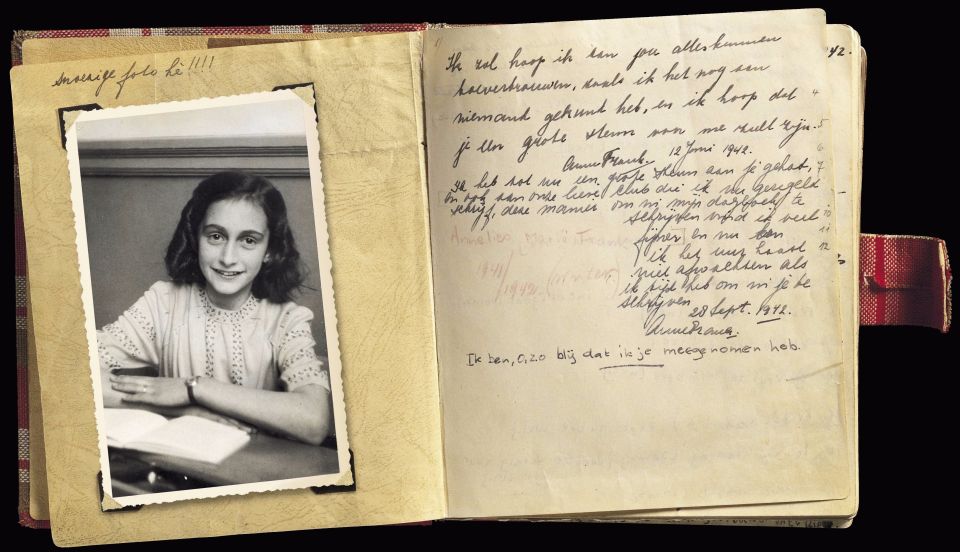
Amsterdam can be postcard-pretty, then suddenly it’s not. This tour takes you into a neighborhood where layers of community life, religious architecture, and Holocaust memory all sit side by side. In two hours, the story moves from everyday life in Amsterdam to the reality of persecution—and then forward again to the diary’s worldwide impact.
What makes it work is the pacing. You’re not stuck with only indoor interpretation. You walk, you look, you listen, and you get a chance to ask questions along the way. And since this is a private or small-group format, the guide can slow down when something needs explaining, instead of rushing you to the next photo spot.
If you want a single afternoon experience that connects the city’s Jewish Quarter to the Anne Frank story, this is a strong way to do it.
You can also read our reviews of more private tours in Amsterdam


Starting at the Hermitage Pier: the route gets you oriented fast
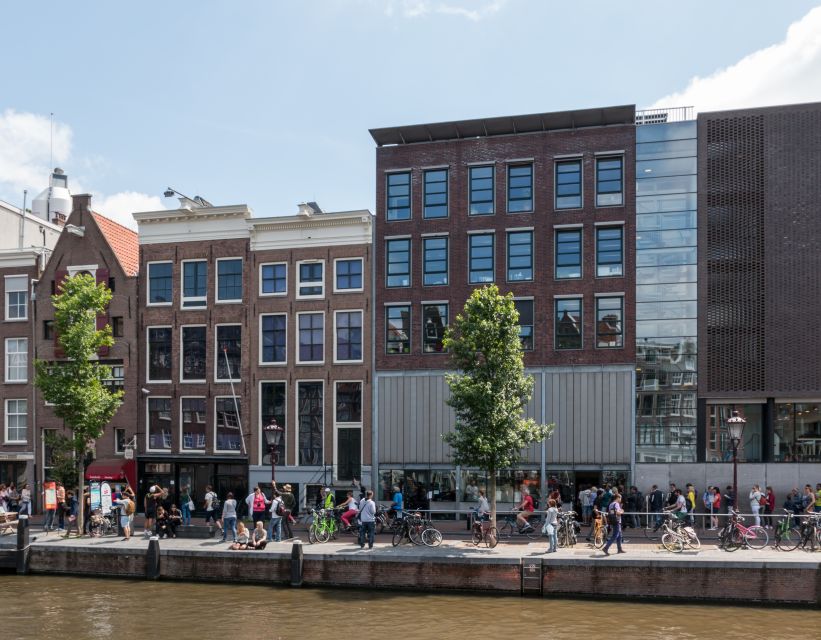
The tour meets at the Hermitage Pier, right by the main entrance of the H’ART Museum next to the Amstel River. That’s a practical starting point: you can arrive by foot or by transit without getting turned around before you even begin.
From there, you’ll start with a neighborhood introduction before you hit the heavier memorial stops. This matters because Amsterdam’s streets don’t come with labels in big letters saying what used to be here. A good guide helps you read what you’re seeing—what’s remained, what changed, and why the area’s identity evolved over the centuries.
Tip I’d follow: wear comfortable shoes. This is a walking tour built around multiple stops with short guided segments, so you’ll want your legs to feel good from the first block.
Nieuwmarkt and Lastage: where neighborhood evolution shows up in plain sight
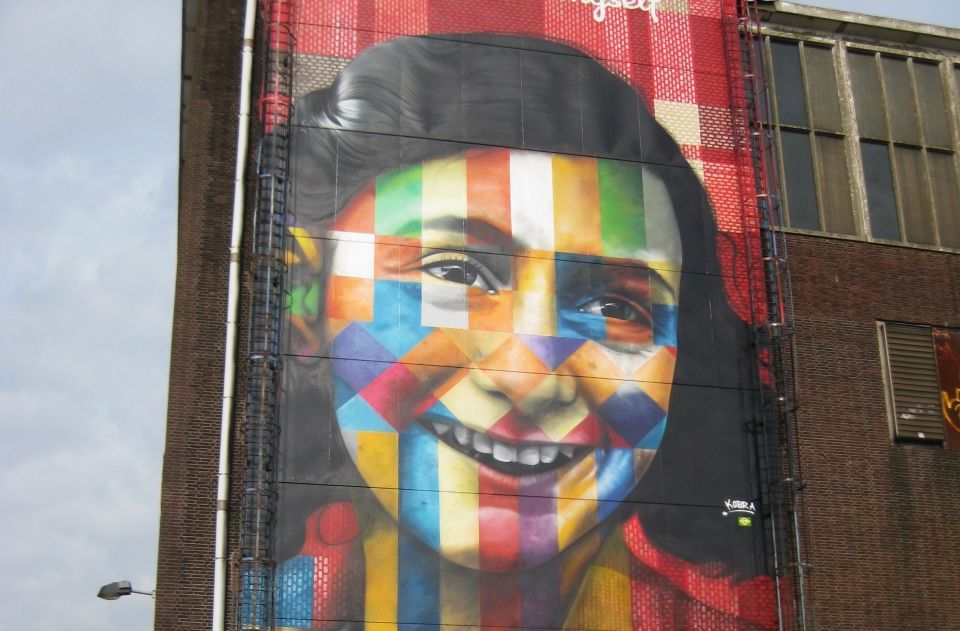
One of your early stops is the Nieuwmarkt and Lastage area. This is where the guide’s job turns from “history talk” into “city reading.”
You’ll get background on how the original Jewish Quarter took shape and how it changed over time. Even if you’ve read about Anne Frank before, you’ll likely find this section helpful because it puts her story inside a larger community story, not just a tragic ending. It also helps you understand why later memorials don’t feel random. They connect to a real geography of life, institutions, and people.
If you enjoy context—the why behind the what—this is a good stretch.
Auschwitz Monument: remembering without spectacle
Then the route moves to the Auschwitz Monument in Amsterdam. This stop is part of the tour’s core purpose: honoring the victims and keeping the scale of the Holocaust from becoming a blur.
Practically, the visit is guided in short time blocks, so you’re not standing for ages with no structure. The value here is direction. A careful explanation helps you understand what you’re looking at, so it doesn’t turn into just another big name on a street.
Emotionally, this is the moment many people brace for. In the guide feedback for this tour, Aaron and James are praised for delivering the subject with care and respect. That tone is exactly what you want at a memorial site: clear, human, and grounded.
Portuguese Synagogue area: architecture that signals community life
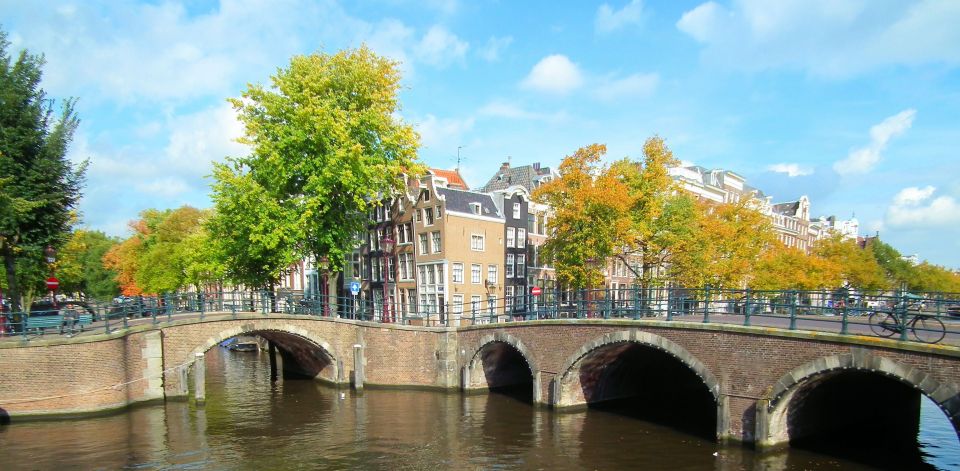
Next up is the Portuguese Synagogue. This is one of those places where seeing the building helps your brain stop treating history like a distant textbook topic.
Here you’re learning about Jewish life and culture in the neighborhood through the lens of a major religious landmark. Even if you know the bare minimum about Amsterdam’s Jewish communities, the guide’s explanation should help you connect the architecture to the people and institutions that sustained community life.
This stop balances the weight of the memorials. It reminds you that the story isn’t only about what was destroyed—it’s also about what existed.





Zuiderkerk: seeing how the city’s maps overlap
You’ll also pass the Zuiderkerk. This is less about Anne Frank as a person and more about Amsterdam as a layered city—religious spaces, civic life, and neighborhoods that have always been interconnected.
Guides often use stops like this to help you understand the area’s shifting makeup. You’re not just collecting names; you’re getting a sense of how the neighborhood’s “center” moved and how different communities coexisted nearby.
If you’re the type who likes to walk away with an internal map of a city, this is the part that helps.
Joods Historisch Museum: turning street-level stories into real artifacts
At the Jewish Historical Museum (Joods Historisch Museum), the tour adds a different kind of grounding. Museum stops work best when they’re not treated like quick photo breaks—and that’s the value of having a guide set the context before you reach the next building.
You’ll connect the city’s Jewish Quarter history to what the museum represents: documentation, memory, and interpretation. This makes the memorials you’ve already seen and the Anne Frank story you’re heading toward feel more coherent.
In short: you leave this stop with a better sense of what you’re looking at when you later encounter references to the community in other places around Amsterdam.
The Dokwerker: public art as a remembrance anchor
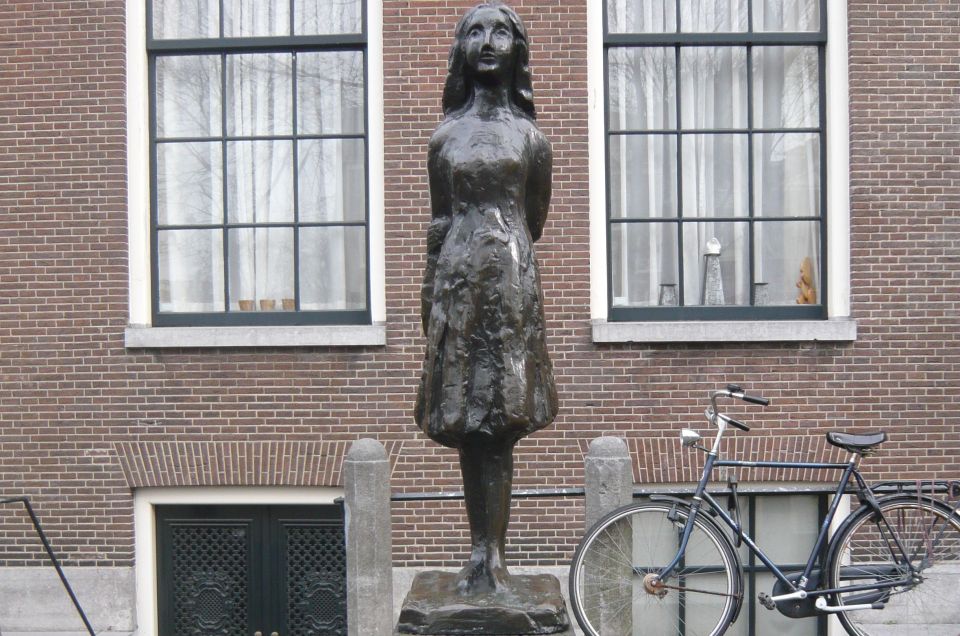
Next is The Dokwerker. This is another moment where the guide helps you read meaning in a public monument.
You’re stepping into the space where memory becomes visible in the streets. For many people, that’s the key to why a walking tour feels different from scrolling content online. You’re standing where something intended to be remembered sits right in the flow of daily life.
In this tour format, you don’t just see it—you get a guided explanation. And that explanation is what turns it from background noise into an anchor moment.
National Holocaust Names Monument: the story becomes personal
The tour also includes the National Holocaust Names Monument. This stop shifts the experience from history as a chapter into history as names—individual lives and the reality that the Holocaust was made of people, not statistics.
A good guide makes this kind of site feel respectful and clear, not heavy in a vague way. The guides associated with this tour are frequently praised for being sensitive about the pacing and tone when discussing what Jewish people endured during World War II.
If you’re traveling with teens or family members, this stop can be one of the most important parts of the day because it gives the story a human shape.
Ending at the Anne Frank House: what you’ll see, and what you’ll need next
The tour ends at the house of Anne Frank. You’ll get to arrive at the landmark as the story reaches its emotional endpoint.
But here’s the planning reality: entrance tickets to the Anne Frank House are not included. So think of the final stop as a guided arrival and orientation, not the full museum experience inside.
My practical advice: if you want to go in, treat it as a separate add-on and plan ahead. If you’re not going inside, you can still use the ending to choose how you want the day to continue—maybe a nearby museum visit, or time for reflective space on your own schedule.
Either way, ending here lands the narrative where it belongs.
The value question: is $25 per person a good deal?
At $25 per person for a 2-hour private walking tour, the value is strong—mostly because of what you’re getting for that time.
You’re not paying only for walking. You’re paying for:
- A local guide focused on Anne Frank’s story in context
- A route that includes major landmarks and multiple remembrance sites
- A pacing that works for questions (and in feedback, guides are praised for answering beyond the basics)
- A private or small-group setting, which often means you won’t feel like a number
The one “cost” to keep in mind is what isn’t included: Anne Frank House entrance tickets and food/drinks. If you plan to add the House visit, your total budget will be higher—but your day becomes more complete because you’ll know what you’re seeing before you walk in.
For people who want a meaningful, guided Anne Frank experience without spending the whole day waiting in lines, this price point is reasonable.
Who this tour suits best (and who might want a different format)
This tour fits best if you want:
- A walking route that mixes major sights and memorials
- Clear storytelling about Anne Frank’s timeline (Germany, hiding in Amsterdam, and how her father shaped the diary’s publication and fame)
- A guide who handles the subject with care
It’s also a good pick if you prefer the Jewish Quarter streets over only indoor attractions. You’ll see how the city holds history in its layout and landmarks.
If you’re looking for a fast, light, “just the highlights” tour, this may feel too serious for your mood. The route includes Holocaust memorial sites and focuses on family and persecution. Plan for a day that’s emotionally weighty, even if the guide keeps things conversational and respectful.
Guide style matters here: names you may hear
The feedback attached to this experience repeatedly highlights guides like Aaron, James, and Andrea for strong delivery—explaining clearly, answering questions, and keeping the pace thoughtful rather than rushed. Aaron is praised for making a sombre subject manageable while still interactive, and James is noted for being articulate and considerate, including adjusting for special needs for family members.
So if you care about how a guide communicates, this tour’s track record suggests you’re likely in good hands.
Should you book the Anne Frank and Jewish Quarter private tour?
I’d book it if you want a guided walk that gives you more than the Anne Frank “headline.” This route helps you understand why the Jewish Quarter mattered, what changed over time, and how the diary became world-famous afterward.
I would double-check your plans about the Anne Frank House entrance if that’s your priority. Since tickets aren’t included, you’ll need to add them yourself if you want to go inside.
If you’re the kind of traveler who values a clear narrative, respectful memorial context, and a local guide who can answer questions, this is one of the better ways to spend two hours in Amsterdam.
FAQ
FAQ
How long is the private Anne Frank and Jewish Quarter tour?
The tour lasts 2 hours.
Where do I meet the guide?
Meet at the Hermitage Pier, in front of the main entrance of the H’ART Museum, next to the Amstel River.
What’s the price?
The price is $25 per person.
Is the Anne Frank House entrance included?
No. Entrance tickets to the Anne Frank House are not included.
What languages is the tour offered in?
The live tour guide offers English, Dutch, and Spanish.
What’s the cancellation and payment flexibility?
You can cancel up to 24 hours in advance for a full refund, and there’s also a reserve now & pay later option to keep plans flexible.