REVIEW · CANAL CRUISES
Amsterdam Open Boat Sightseeing Canal Cruise
Book on Viator →Operated by Blue Boat Company · Bookable on Viator
Canals look better from an open-top boat. This 75-minute cruise gives you water-level canal views plus a running explanation from the captain, so landmarks make sense instead of just passing by.
I really like the small-group setup (max 10). It keeps the vibe calm, and you’re not stuck watching through a crowd like you can be on larger, covered boats. I also like that the boat can slip through tighter waterways, so you get angles of Amsterdam that feel more “local street” than “postcard.”
One thing to consider: the boat can get crowded, and the guide may be soft-spoken—so if you want the commentary, grab a seat where you can hear clearly.
In This Review
- Key things I’d watch for before you go
- Open-top canal views in a 75-minute loop
- Westerkerk and the Canal Ring: the architecture and the UNESCO angle
- From the Amstel to science and museums: what you’ll spot from the water
- Rijksmuseum, Centraal station, and the bridge between eras
- A’DAM LOOKOUT: turning the view into a city map
- Price, group size, and the hearing factor on the small boat
- Should you book this Amsterdam open boat cruise?
- FAQ
- How long is the Amsterdam Open Boat Sightseeing Canal Cruise?
- What is the price per person?
- Is the tour offered in English?
- How many people are in the group?
- Where do I meet for the cruise?
- Does the cruise include food or drinks?
- What’s included in the price?
- What happens if the weather is bad?
- Can I cancel and get a refund?
- Is it accessible for most travelers?
Key things I’d watch for before you go
- Open-top comfort for 360-degree sightlines (best for photos and architecture details)
- Small-group max of 10 for a calmer ride
- Captain narration that can be excellent in the right seat and conditions
- Tight-channel routes that put you closer to canal houses than big-boat tours
- Rain backup plan if conditions are too rough for an open-air cruise
- Prime timing options like earlier departures that avoid harsh glare
Open-top canal views in a 75-minute loop
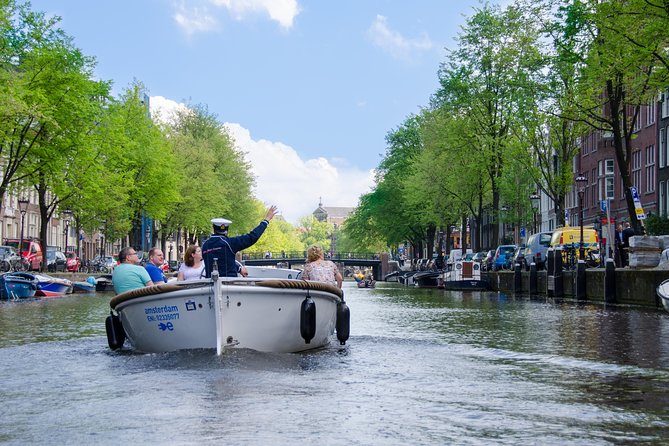
If your goal is to get your bearings fast in Amsterdam, this kind of canal cruise hits the sweet spot. It’s long enough to cover major sights, but short enough that you still have energy for museums or a late dinner afterward.
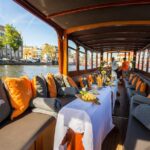
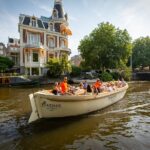
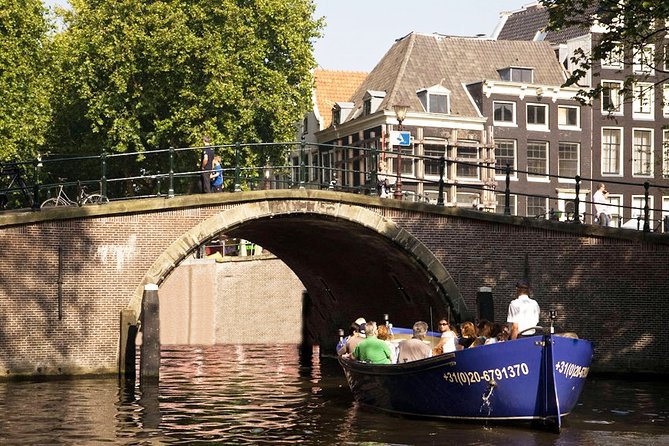
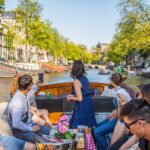
The big draw here is the open-top boat. You don’t get the ceiling-to-your-face feeling, and you tend to see both sides as you glide past historic canal houses, bridges, and waterfront buildings. That matters because Amsterdam isn’t just flat scenery—it’s layers: different centuries, different building styles, and lots of water angles.
You’ll also get personal commentary from the captain. That’s not a “watch a video” deal. It’s the kind of narration that helps you understand what you’re looking at—church architecture, why the canal belt exists, and what makes certain buildings important along the route.
Timing-wise, the cruise is offered multiple times through the day (and it’s a seasonal offering). That flexibility helps you pick a departure that fits your day—especially if you’re trying to work around weather. Amsterdam can be rainy, so if conditions are too bad for the open-air experience, you’re transferred to a regular canal cruise. Translation: you still get on the water.
You can also read our reviews of more boat tours in Amsterdam

Westerkerk and the Canal Ring: the architecture and the UNESCO angle
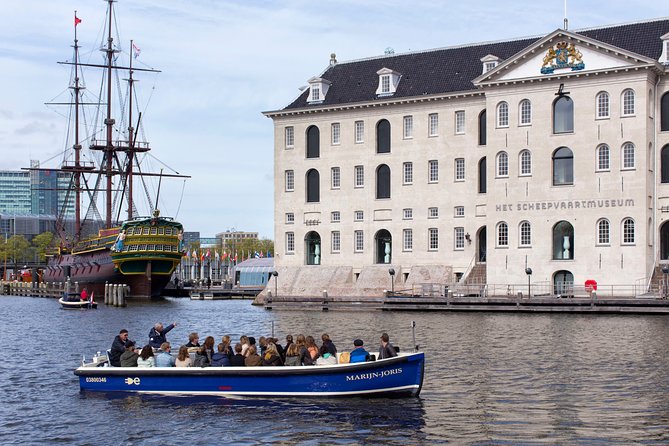
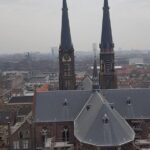
You’ll start seeing major landmarks right away, and one of the first big ones is the Westerkerk (built 1620–1631 in Renaissance style). It’s tied to architect Hendrick de Keyser, who designed it, and then his son Pieter de Keyser completed it and helped bring it to completion in 1631.
From the water, a church like this feels different than it does on foot. You notice the scale—Westerkerk is about 58 meters long and 29 meters wide—and you can appreciate the building layout more easily when it’s framed by canals and bridge lines.
Then comes the Canal District (Grachtengordel), one of Amsterdam’s most important areas and part of the UNESCO World Heritage listing (added in August 2010). This canal belt centers on the four main canals: the Singel, Herengracht, Keizersgracht, and Prinsengracht. You’ll also see how the canals generally run parallel, stepping southeast toward the Amstel.
What makes this stop meaningful is how the canal houses reflect the Dutch Golden Age. Many canal-side buildings date to the 17th century, but they’ve also been restored or rebuilt over time. So when you look at the façades, you can spot changes in style—something you’d miss if you only walked one street at a time.
Practical note: this is where a good seat matters. If the boat is even a little full, positioning can affect how clearly you catch the captain’s explanation and what portion of the canal-side details you can actually see.
From the Amstel to science and museums: what you’ll spot from the water
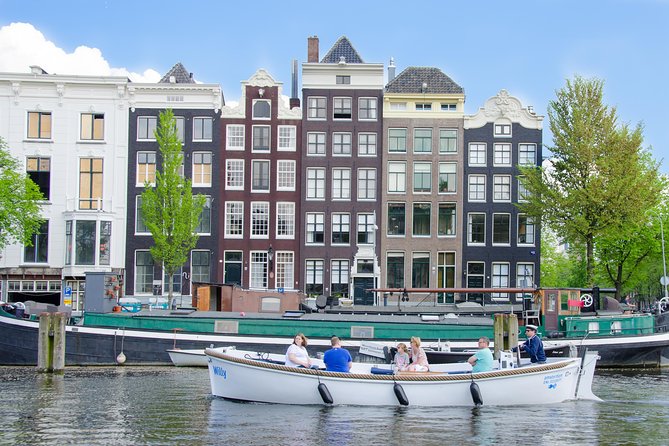
As the cruise moves along, you’ll pass major waterfront anchors. One of the standouts is the InterContinental Amstel Amsterdam Hotel, often called the Amstel Hotel, located on the east bank of the river Amstel.
Even if you’re not staying there, it’s a useful landmark. The building has shown up in the World’s Best Hotels list (in 2007 it was ranked 90th, per the hotel’s background), and it also has a corporate ownership story that includes sale to Morgan Stanley in 2006, purchase in 2011 by Toufic Aboukhater, and acquisition in 2014 by Qatar-based Katara Hospitality. From the water, that kind of background helps you recognize the area as more than “pretty river views”—it’s a long-running part of Amsterdam’s prestige map.
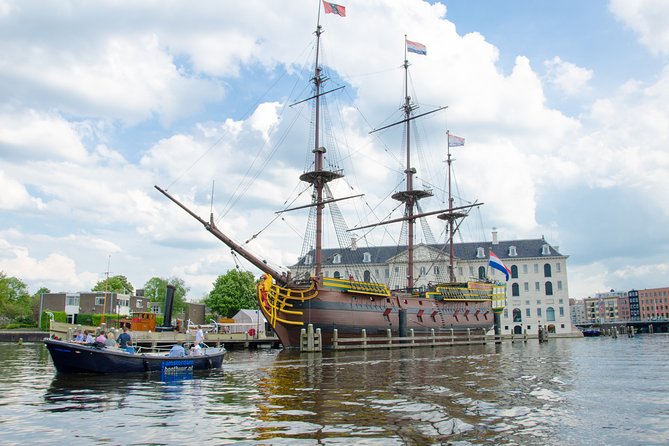
Next, the route brings you near NEMO Science Museum. NEMO is designed as an interactive, informal learning environment where visitors experience how science and technology connect to everyday life. If you like museums that don’t feel like homework, it’s worth keeping in mind—even if you’re just doing the cruise today. The museum also holds a significant historical collection, so it’s not only hands-on experiments; it also preserves science history.
What I like about including places like NEMO on a canal cruise route is that Amsterdam isn’t stuck in “classic only” mode. You get the 17th-century canal story, but you also spot modern civic architecture and the way the city keeps building outward along the water.
Drawback to plan around: open-top means you’ll feel the weather. If you’re going in a cool or rainy period, a light rain layer isn’t optional—it’s comfort.
Rijksmuseum, Centraal station, and the bridge between eras
The cruise isn’t only about canals. You’ll also get sightlines toward some of Amsterdam’s most famous cultural and transport landmarks.
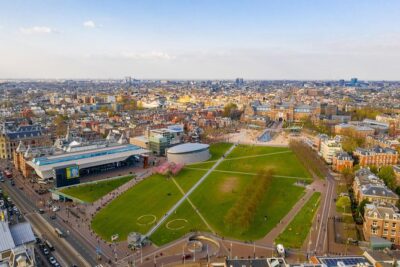
One of them is the Rijksmuseum area. The Rijksmuseum is one of the city’s biggest art and history magnets, with more than 8,000 works from Dutch and European history. The museum’s collection includes major names like Rembrandt, Vermeer, and Van Gogh. Even from the water, it helps to know the scale, because the Rijksmuseum’s prominence is hard to ignore once you understand what’s inside.
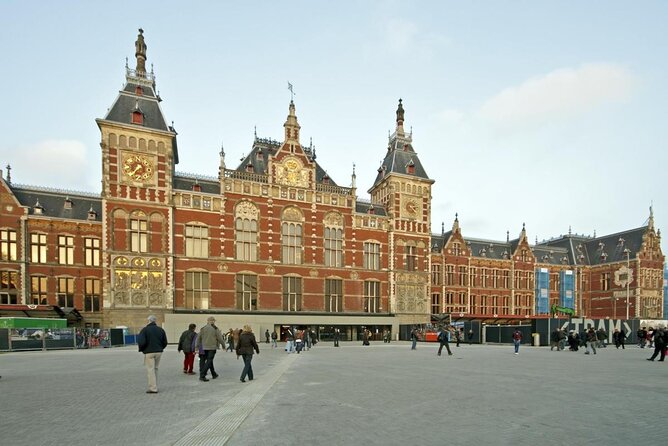
You’ll also see Amsterdam Centraal, designed by Pierre Cuypers—the same architect known for the Rijksmuseum design. The station building is a key example of how Amsterdam merges grand design with practical engineering. The structural design is believed to have been handled largely by railway engineers, while Cuypers focused especially on the station’s decoration.
From a cruise viewpoint, Centraal’s importance isn’t just architectural. It’s a reminder that canals weren’t the only “front door” to Amsterdam—rail and water both shaped how people and goods moved. Seeing Centraal from the canal side gives you a clearer mental map of where the city’s gateways sit.
If the narration is coming through clearly, these moments connect fast: church + canal belt + museum culture + city transport. That’s the value of captain commentary. Without it, you’re still seeing icons, but the order of importance can feel random.
If you can’t hear the guide as well as you’d like, you can still follow the physical story: older buildings and canal houses, then modern civic landmarks, then the big “arrival” infrastructure of Centraal.
A’DAM LOOKOUT: turning the view into a city map
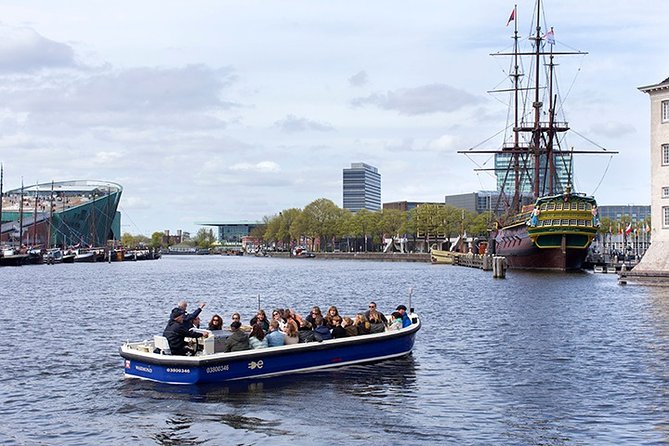
Later in the ride, you may catch sight of A’DAM LOOKOUT, an observation deck on top of the A’DAM Tower in Amsterdam North.
Here’s why this matters during the cruise: A’DAM LOOKOUT is designed for wide panoramic understanding. It highlights views of Amsterdam’s historical center, the port area, and the Dutch polder landscape. It also specifically points out the UNESCO-listed canals from above. On the cruise, you’re getting the water-level version of that same idea—you’re seeing the city’s canal web from street height instead of rooftop height.
The lookout also includes a state-of-the-art interactive exhibition and a free audio tour about Amsterdam’s history and culture. So even if you don’t go up today, it’s a useful follow-up option for later. Think of the cruise as your “first read” of the city, and A’DAM LOOKOUT as your “second read” from the sky.
If you’re choosing when to book your cruise, consider daylight angle. One review-style insight that matches common sense: earlier departures can reduce sun glare, and you’ll often get better visibility across the water. That means the sights feel sharper, and the canal façades look more three-dimensional.

Price, group size, and the hearing factor on the small boat
At $23.40 per person, this is priced like an accessible, high-value city orientation. The price makes sense when you factor in what you get: 75 minutes on the water, small-group time, and personal commentary rather than a purely self-guided audio stream.
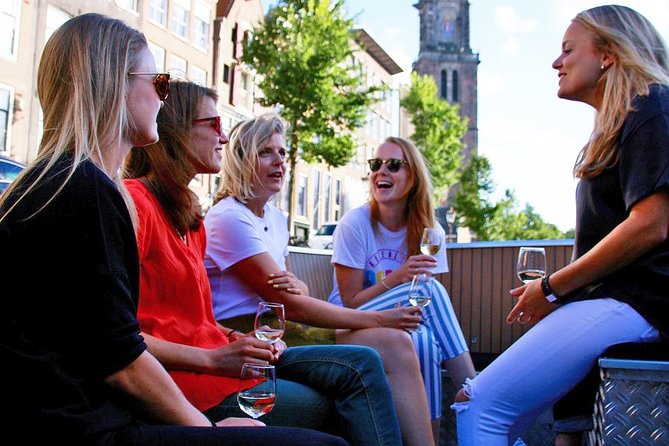
The group size is capped at 10 travelers. In practice, that usually improves the feel of the ride: you’re not shoulder-to-shoulder, and you can often pick a seat that works for hearing and sightlines.
Still, you should know the main trade-offs:
- If the boat runs a bit full, it can be hard to hear the captain clearly, especially if there’s no microphone or if the guide is soft-spoken.
- If you’re short, how high other passengers sit can affect your line of sight in open-air configurations.
My practical advice is simple: arrive with enough time to get a decent spot. Then, if you care about the narration, choose a seat where your head isn’t blocked and where you’re close enough to catch directions and explanations.
Also, the route can include smaller channels. That’s part of the appeal of this style of cruise: you’re not only sticking to wide, obvious waterways. You’re seeing the tighter Amsterdam that’s more about canal life than grand river scenery.
Should you book this Amsterdam open boat cruise?
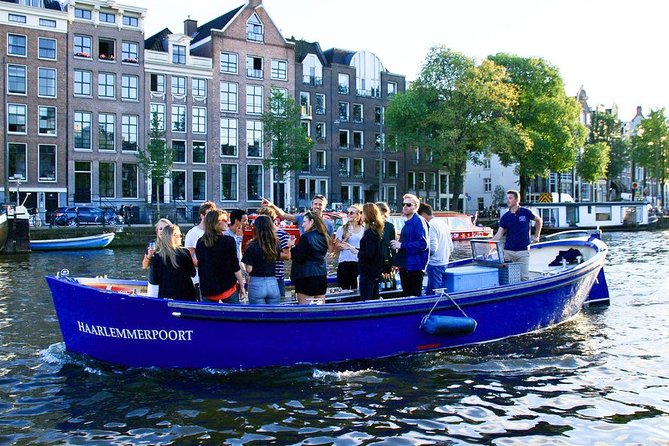
Book it if you want a fast, scenic introduction that also teaches you what you’re looking at—churches like Westerkerk, the UNESCO canal belt, museum districts, and big-city anchors like Rijksmuseum and Amsterdam Centraal. The open-top format is a real advantage, and the small-group max of 10 keeps the experience feeling less like a cattle call.
Skip it or choose a different option if:
- you’re very sensitive to noise or you hate feeling rushed for seating, because crowded conditions can reduce how much you hear
- you’re traveling during rough weather and really need a guaranteed covered ride; the plan is a weather transfer, but it’s still a variable
If your plan includes museums later, this cruise is the perfect “prequel.” It gives you a mental map of Amsterdam’s layout, and suddenly the buildings you’ll visit on foot make more sense.
FAQ
How long is the Amsterdam Open Boat Sightseeing Canal Cruise?
The cruise is about 1 hour 15 minutes.
What is the price per person?
The price is listed as $23.40 per person.
Is the tour offered in English?
Yes. The tour is offered in English.
How many people are in the group?
The maximum group size is 10 travelers.
Where do I meet for the cruise?
Meet at Blue Boat Company, Stadhouderskade 501, 1071 ZD Amsterdam, Netherlands.
Does the cruise include food or drinks?
No. Food and drinks are not included.
What’s included in the price?
You get the 75-minute canal cruise, small groups, and personal commentary from the captain.
What happens if the weather is bad?
If the weather is too bad to make the cruise, you’ll be transferred to a regular canal cruise.
Can I cancel and get a refund?
The cancellation policy states you can cancel up to 24 hours in advance for a full refund. If you cancel less than 24 hours before the start time, the amount paid is not refunded.
Is it accessible for most travelers?
Most travelers can participate, and service animals are allowed. It is also near public transportation.