REVIEW · BIKE & E-BIKE TOURS
Amsterdam: Countryside Bike Tour and Zaanse Schans Windmills
Book on GetYourGuide →Operated by Hop-on Tours · Bookable on GetYourGuide
Windmills on a bike beats bus tours. This half-day ride from Amsterdam Central to Zaandam feels more like local daily life than a checklist stop, and guide Hans keeps the story grounded in what the mills actually did back then. I like the small-group pace and the way you get out of the densest tourist zones.
I also love the mix of hands-on craft and food-adjacent culture: you’ll see a sawmill, a paper mill with a link to the US Declaration of Independence era, then park up for clog-making and a Gouda tasting. One consideration: it’s not built for everyone—limited mobility can be an issue, and the route involves biking and getting on/off at stops.
In This Review
- Key highlights at a glance
- Why this Amsterdam bike day feels different than a typical visit
- Starting at Amsterdam Central: meet Hans and get rolling
- Zaandam to the mills: a quick countryside reset by bike trail
- Inside the industrial stops: sawmill operations and paper-making
- Monet wetlands: biking through water scenery tied to late-1800s art
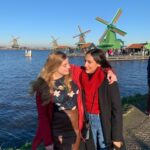
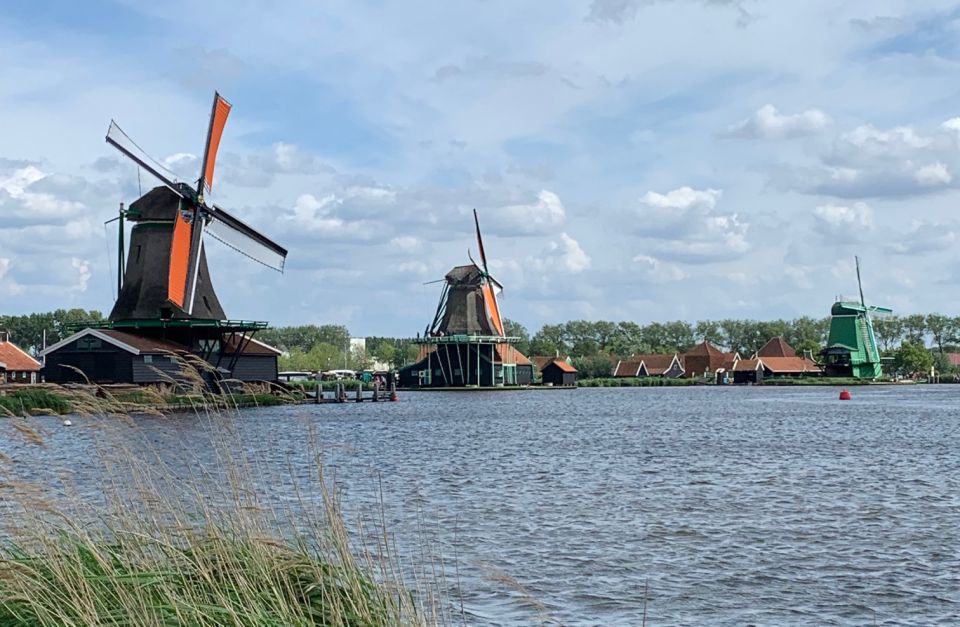
- Zaanse Schans time: windmill country, plus clogs and cheese
- A quick note on the windmill visit
- Domineestuin: a pass-by detail that feels like the real neighborhood
- How hard is the ride, really? Pace, comfort, and bike setup
- Weather reality
- Price and value: what $64 actually buys you
- Who should book this countryside bike tour from Amsterdam?
- Should you book it? My honest take
- FAQ
- Where is the meeting point?
- How long is the tour?
- How big is the group?
- What’s included in the price?
- Are food and drinks included?
- What languages does the guide speak?
- Is there free cancellation?
- Is the tour suitable for everyone?
Key highlights at a glance
- Small group cycling (up to 7) keeps the ride calm and question-friendly
- Working mills: sawmill + paper mill stops teach how industry ran in earlier centuries
- Monet wetlands: you’ll pedal through water-filled scenery tied to paintings from the late 1800s
- Domineestuin: pass an area with authentic wooden houses you don’t see from inside Amsterdam
- Zaanse Schans time includes a clog-making demonstration and a Gouda taste
- One windmill entrance is included, so plan around that single featured stop
Why this Amsterdam bike day feels different than a typical visit
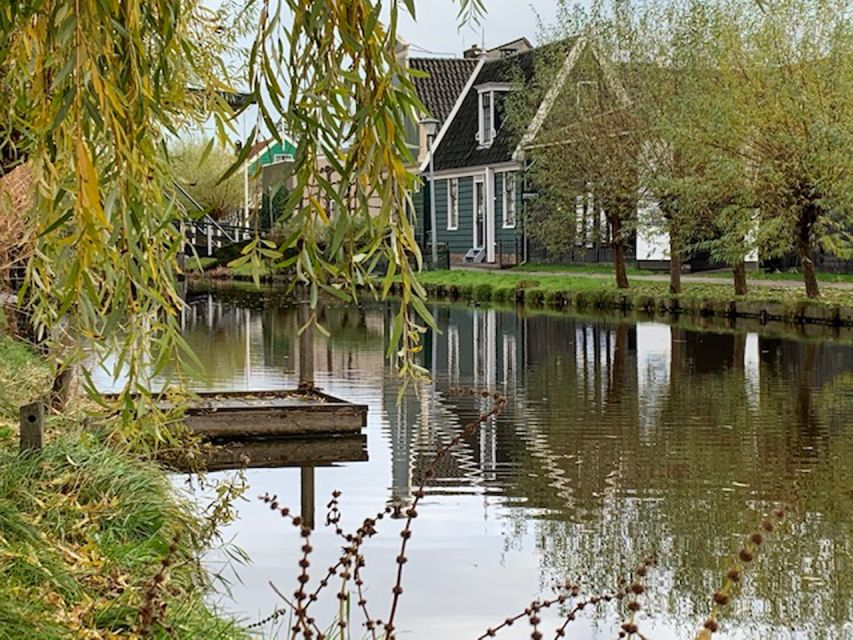
Amsterdam is easy to see on foot, but after a while you start to crave space and “real” surroundings. This tour answers that itch fast: you leave the city by train, then switch to bikes and roll through North Holland’s working countryside at an easy pace.
What makes it click is the way the day is structured. You don’t just look at old windmills from a distance. You learn why they mattered (water management and industry), and then you connect that to other Dutch crafts—paper-making and clogs. It’s a day that feels practical, not museum-only.
And because the group stays small, the guide can slow down where needed, speed up where you’re ready, and keep everyone together. That’s a big deal on bike routes, especially when you’re sharing paths with local riders.
You can also read our reviews of more cycling tours in Amsterdam
Starting at Amsterdam Central: meet Hans and get rolling
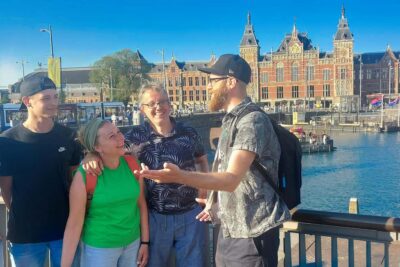
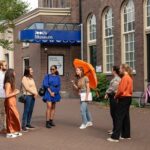
You meet the group at the GVB ticket & information office, right in front of it. From there, the tour handles the transition out of the city with a train ride to Zaandam, which is exactly the kind of sanity-saving detail you want on a half-day.
I like this setup because it keeps the day from turning into a logistics puzzle. You’re not trying to figure out route timing or hopping between transit lines while also carrying a bike. Once you arrive in Zaandam, you’re already in the right part of the region.
Guide Hans is the key here. The day runs smoothly because he manages the group and keeps you moving without turning the tour into a race. Several people specifically point out how he adjusts and supports riders—even nervous ones—so you’re not stuck feeling lost on day one.
Zaandam to the mills: a quick countryside reset by bike trail
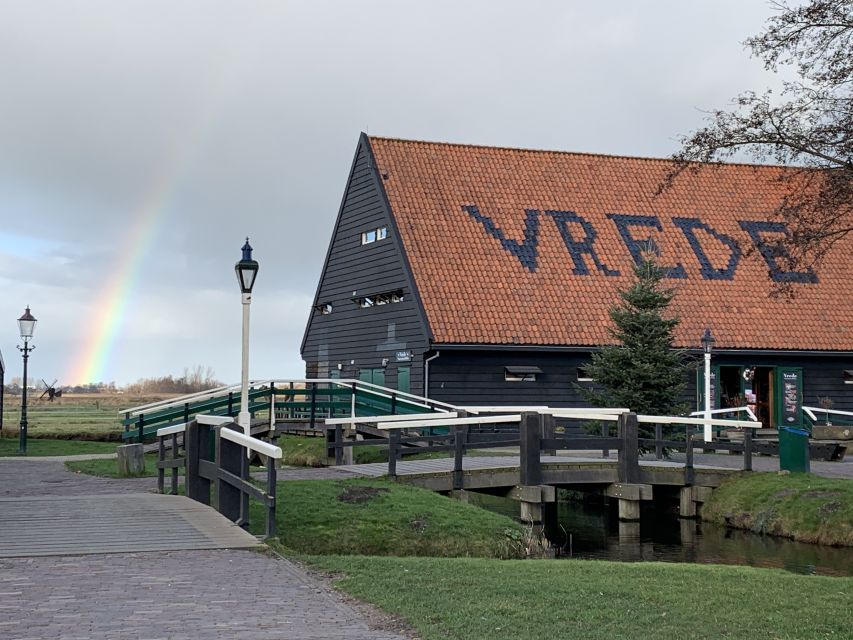
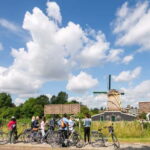
Once you’re on bikes, the pace stays leisurely. You’ll cycle past industrial windmills and wide water areas, and you’ll feel that shift from “city sights” to “work the land” within the first part of the ride.
This matters more than it sounds. When you’re on two wheels, you notice things cars miss: the rhythm of dikes and waterways, the way windmills sit in relation to water control, and how the industrial sites connect to the wider region.
You’ll get narration stops along the way, so you don’t feel like you’re just pedaling between photo points. The guide’s goal is to help you see the area as an engineered system, not just pretty scenery.
Inside the industrial stops: sawmill operations and paper-making
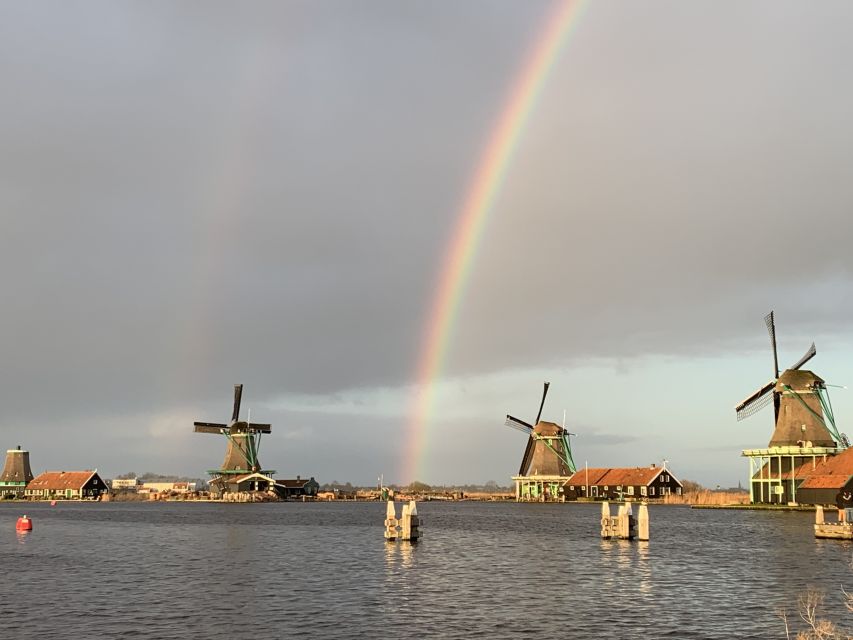
The tour includes an up-close stop at a sawmill. You’re not just passing by—you stop to learn how the operation works and why wind power was so important to these types of industries. It’s the kind of information that makes the windmill look less like a postcard prop and more like the motor behind everyday work.
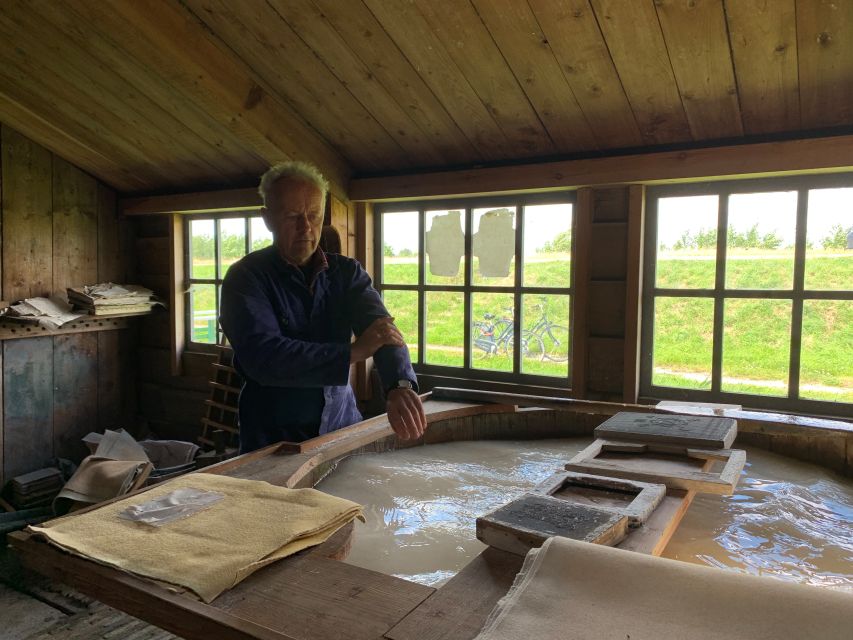
Then comes the paper mill stop, where you learn about paper-making in the 17th century. The tour also connects this craft to the period of the US Declaration of Independence, which is a clever way to make Dutch industrial history feel globally relevant. You don’t need to be a history buff to enjoy this part; it’s about understanding the process and the materials.
A practical note: these mill stops are where the schedule can feel a bit structured. So if you’re someone who likes wandering slowly, bring your patience. The tradeoff is that you get real context, not just pass-by photos.
Monet wetlands: biking through water scenery tied to late-1800s art
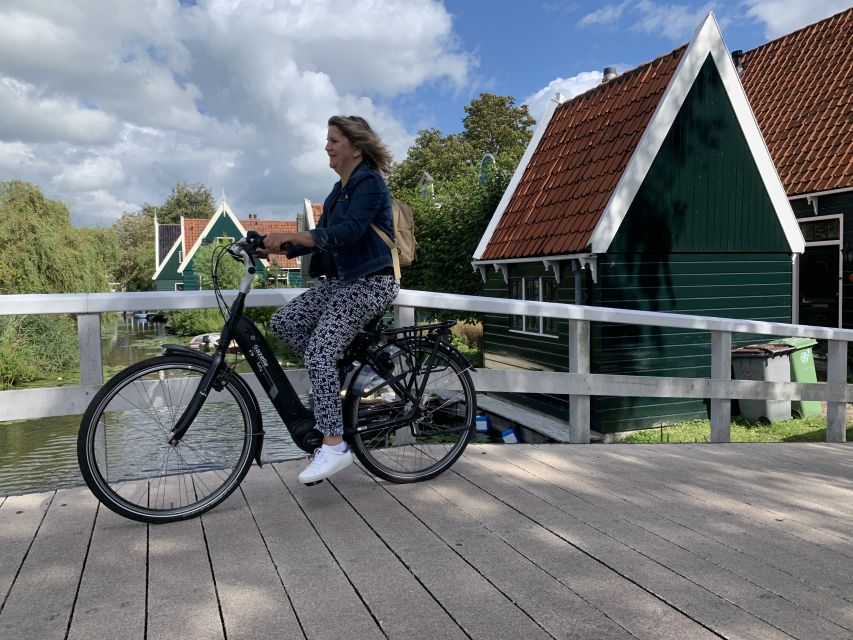
One of the standout ride segments is the stretch through wetlands that were painted by Monet in the late 19th century. This isn’t only a fun fact—it changes how you look at the water.
Wetlands can be easy to ignore from a road. From a bike route, you’ll feel the closeness of the water and the open sky. You’ll also understand why the Dutch focused so hard on managing water and building systems to work with it.
If you’re an art fan, you’ll likely enjoy seeing how the same kinds of views attracted painters long before today’s cameras. And if you’re not, the views still do their job: they give you a breather from buildings and crowds.

Zaanse Schans time: windmill country, plus clogs and cheese
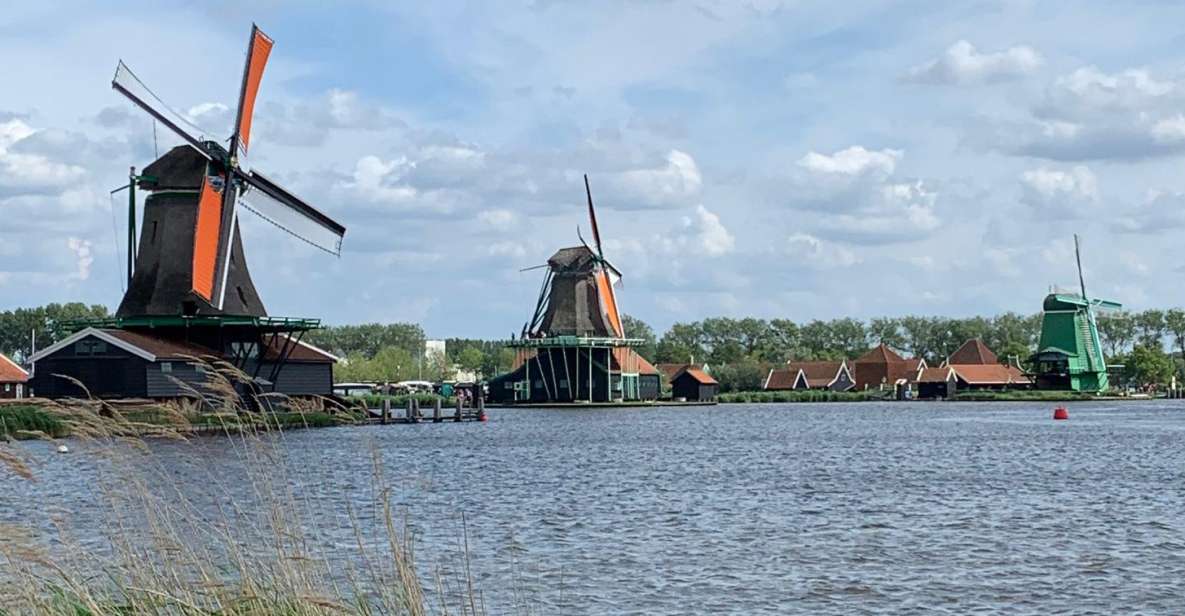
After cycling through the area, you arrive at Zaanse Schans. This is the part where the day can feel a little more “heritage park” than “quiet local road,” so expect more foot traffic than the countryside segments.
That said, it’s also where the tour adds craft and taste, not just architecture. You’ll park your bicycle, then watch a demonstration of how clogs are made. This is one of those experiences that sticks because it’s tangible. You can see the skill and the rhythm behind the craft, instead of just reading about it.
Then there’s the Gouda tasting. Food isn’t included on the tour (so you’ll still want to think ahead for snacks), but this stop gives you a local flavor moment that matches the craft theme of the day. It’s not a big food event. It’s a focused taste that fits the history-and-craft flow.
A quick note on the windmill visit
The tour includes entrance to one windmill. That’s a good compromise for a half-day bike tour—you still get at least one close, inside look, but the schedule doesn’t sprawl into a full-day windmill marathon.
Domineestuin: a pass-by detail that feels like the real neighborhood
On the route you’ll pass the Domineestuin neighborhood, known for authentic wooden houses. You don’t spend hours there, so it won’t satisfy anyone craving a deep neighborhood walk.
But I like that it’s included at all. It adds texture. You start the day with big industry and major crafts, and then you glimpse a more human-scale side of the region—houses that give you a feel for what these areas looked like beyond the windmill row.
How hard is the ride, really? Pace, comfort, and bike setup
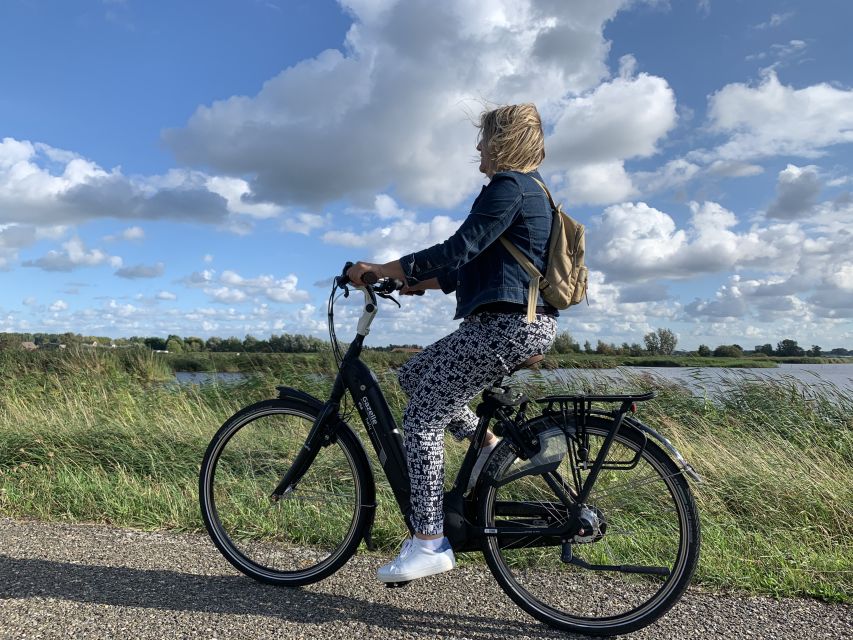
This is a bike tour designed for an easier day out. The ride is described as not at all taxing, with a leisurely pace and enough stops for narration and photo time.
Group size matters here, too. With a limit of 7 participants, you usually won’t feel like a small line of bikes being pulled along by a strict tempo. You can hear the guide well, and the guide can check in with riders.
One detail I appreciate from the overall experience is that bike setup is handled so riders fit correctly. If you’ve ever rented a bike that felt wrong in the first 10 minutes, you know how much that affects enjoyment. Here, people mention that adjustments were taken seriously.
Weather reality
Rain can happen in the Netherlands, and this tour still runs. If the day is wet, waterproof gear becomes a quality-of-life upgrade. A waterproof jacket is a lot better than “just resistant” outerwear because you’ll feel the wind and wet air on a bike.
Price and value: what $64 actually buys you
At $64 per person for about 5 hours, this tour isn’t just paying for a bike. You’re also getting:
- a live guide
- the bicycle tour
- a return train ticket from Amsterdam Centraal to Zaandam
- entrance to one windmill
- stops tied to key Dutch crafts (paper-making and clogs) and a Gouda taste
The value story is strongest if you want more than one kind of experience in a short window. You’re getting cycling, industry history, a heritage-site stop, and a couple of craft moments—plus the train logistics are covered.
The biggest cost offset to watch: food and drinks aren’t included. You’ll likely want to budget for a snack or small meal before or after, and bring water if that helps you stay comfortable.
Who should book this countryside bike tour from Amsterdam?
You’ll probably love it if you:
- want a break from canal crowds without giving up a “guided story”
- like practical history—how people worked, made things, and managed water
- enjoy biking at a relaxed pace with a small group
- want craft stops (clogs) and a simple local taste (Gouda)
You may want to skip or rethink if you:
- have mobility limitations (the tour is not recommended for limited mobility, and it isn’t suitable for people with mobility impairments)
- need a tour that’s more wheelchair-friendly or fully step-free (this one isn’t)
- are traveling with a child under 4 ft 6 in / 140 cm, since it’s not suitable below that height
Should you book it? My honest take
If you’re deciding between another museum hour in Amsterdam and a real change of scenery, I’d lean toward this bike tour. It’s built to deliver a full Dutch-day feeling in half a day: working mills, a craft-and-process mix (paper and clogs), and water scenery tied to Monet—plus windmill time and a Gouda taste.
Book it if you can handle light walking and biking segments and you want your Amsterdam trip to include more than canals and bikes-for-rent. Skip it if mobility is a constraint, because this experience is centered on cycling and getting around at stops.
If you’re flexible on timing and bring basic waterproof gear for weather swings, this is one of the better value ways to see North Holland without losing half your day to transit puzzles.
FAQ
Where is the meeting point?
Meet in front of the GVB ticket & information office.
How long is the tour?
The tour duration is 5 hours.
How big is the group?
It’s a small group limited to 7 participants.
What’s included in the price?
Included are the bicycle tour, a guide, a return train ticket from Amsterdam Centraal to Zaandam, and entrance to one windmill.
Are food and drinks included?
No. Food and drinks are not included.
What languages does the guide speak?
The live tour guide is available in English and German.
Is there free cancellation?
Yes. You can cancel up to 24 hours in advance for a full refund.
Is the tour suitable for everyone?
It’s not recommended for people with limited mobility and is not suitable for people with mobility impairments. It’s also not suitable for anyone under 4 ft 6 in (140 cm).