REVIEW · HISTORICAL TOURS
Amsterdam: Allard Pierson Heritage Collections Entry Ticket
Book on GetYourGuide →Operated by Allard Pierson · Bookable on GetYourGuide
Ancient meets Amsterdam in one museum. I love how the Allard Pierson connects ancient curiosity with the city’s book and map story, and I also enjoy the plaster-cast attic format that makes classical art feel surprisingly hands-on. One thing to consider: the collections cover lots of eras and topics, so if you want one tight theme only, plan your time with intention.
Think of this as a museum for people who like links between cultures, not just objects behind glass. The permanent displays move from early writing and book production to European book history and Amsterdam’s historical role, then the temporary show adds a strong, human focus through Egyptian mummy portraits. If you’re the type who likes to read the clues and connect the dots, you’ll have a good day.
In This Review
- Key highlights to look for
- Entering the Allard Pierson: a museum built around big questions
- Permanent exhibits: from the origins of writing to Amsterdam’s makers
- Maps, atlases, and book history: the Amsterdam angle
- Plaster casts attic and the audioguide: classical art in a new format
- Egyptian and Sudanese galleries, plus the Fayum portraits show
- Face to Face exhibition: 38 Fayum portraits with a 1st–4th century AD voice
- Price, timing, and who this $18 ticket fits
- Should you book the Allard Pierson Heritage Collections entry ticket?
- FAQ
- How long is the ticket valid?
- What’s included with the entry ticket?
- What temporary exhibition is on during the visit?
- Are there English options for visitors?
- Is there free cancellation?
- Is the museum wheelchair accessible?
Key highlights to look for
- Amsterdam book history in action through manuscripts, early print culture, and period everyday texts
- World-class maps and atlases collections that show how geography became knowledge
- The plastercast attic display and the added context from the museum audioguide
- Egyptian and Sudanese collections that broaden what you might expect in an Amsterdam museum
- Face to Face: The People Behind Mummy Portraits running 6 Oct to 25 Feb, featuring Fayum portraits
Entering the Allard Pierson: a museum built around big questions
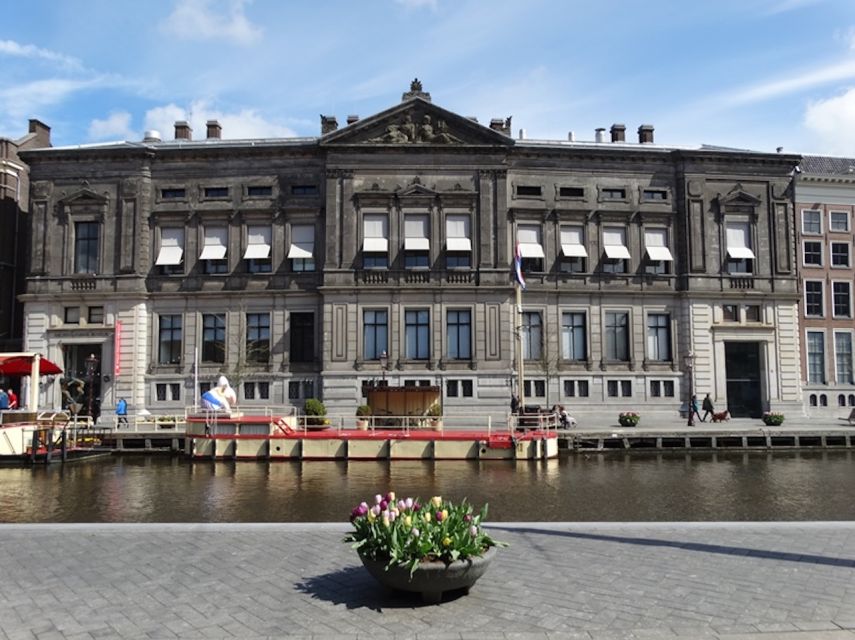
The Allard Pierson doesn’t feel like a standard “pick a wing and wander” museum. The permanent presentation is designed to show how humans keep reaching for answers, then passing that curiosity forward. You’ll see that idea repeated across very different material: writing, maps, everyday books, and objects from ancient worlds.
I like that the museum frames the collections as a conversation between the ancient and the modern world, rather than isolated facts. That approach helps you keep track even when the timelines stretch from the ancient Near East to later European centuries. It also makes the collections easier to use as a backdrop for understanding Amsterdam’s long relationship with knowledge, printing, and publishing.
If you arrive expecting a single-genre museum, you might find it broad. But if you’re curious about how information traveled through time, this place clicks fast.
You can also read our reviews of more tours and experiences in Amsterdam



Permanent exhibits: from the origins of writing to Amsterdam’s makers
In the permanent galleries, the big storyline runs from the origins of writing and early industrial book production through to historical connections with Amsterdam. The museum builds a sense of continuity: the same urge to record, trade, perform, and share ideas shows up again and again.
You’ll encounter examples that point to that range. Expect things like Egyptian hieroglyphs, Greek pottery, Roman glass, medieval manuscripts, 17th-century atlases and books, and cookbooks. That mix matters because it keeps “book history” grounded in everyday life, not just rare documents.
The museum also includes references to historical networks that shaped culture and commerce, including Assyrian merchants and theatre makers connected to Amsterdam. It’s a reminder that knowledge didn’t move only through scholars—it moved through trade, performance, and practical people with a reason to document things.
Maps, atlases, and book history: the Amsterdam angle

One of the strongest reasons to come is the attention to maps and atlases. The museum highlights one of the largest collections of maps and atlases in the world, and that scale changes how you experience cartography. Instead of one or two decorative maps, you’re seeing how mapmaking grew into a serious system for understanding distant places.
The museum also leans into the book history of Amsterdam, so you’re not only looking at ancient objects. You’re learning how the city’s publishing and information culture fits into Europe’s longer story of printing and production. If you’ve ever wondered why Amsterdam became such a hub for books, atlases, and publishing, this is the kind of place that gives you the supporting evidence.
Practical tip: give yourself a little extra time here if you enjoy slow looking. Maps and atlases reward you when you read details, compare styles, and notice how the same themes appear across centuries.
Plaster casts attic and the audioguide: classical art in a new format
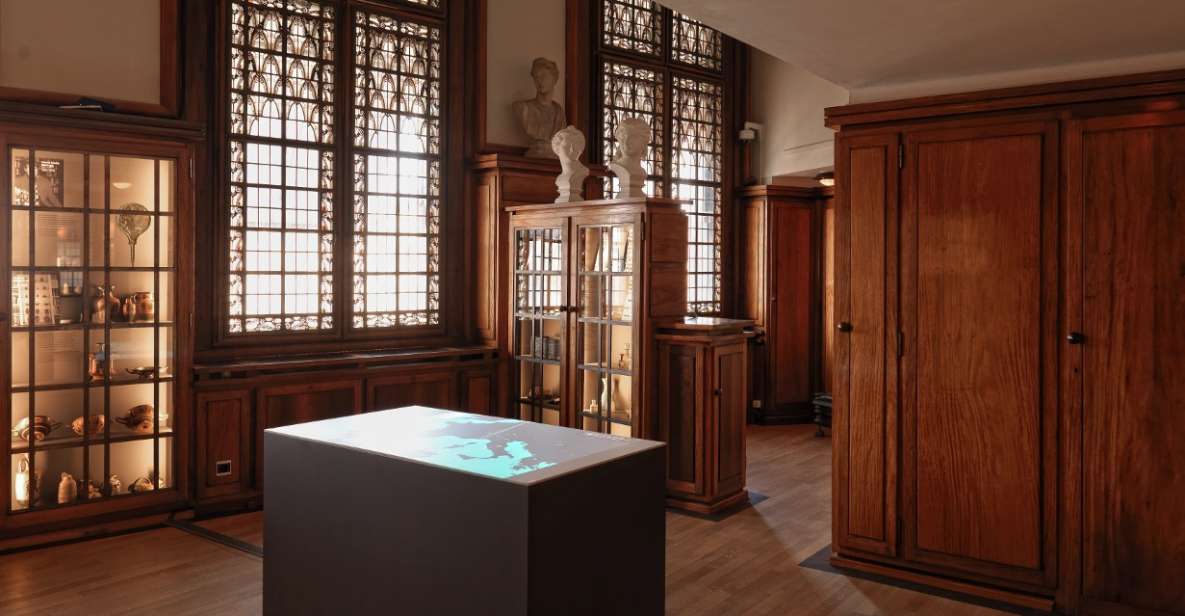
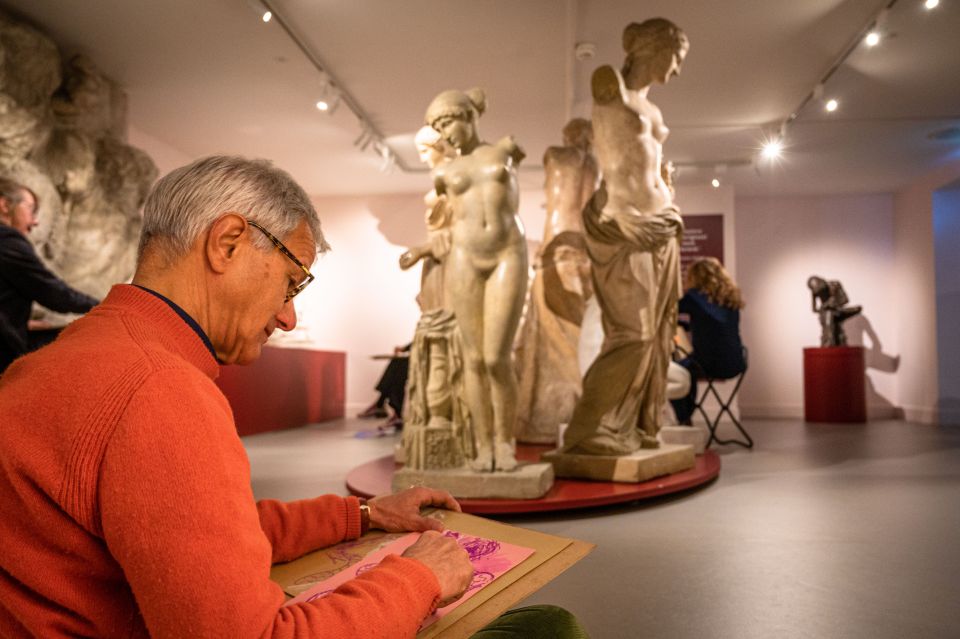
The museum includes an attic space with plaster casts from the Greek and Roman era. This is one of those “format” choices that makes the classical collection feel approachable. You’re not only seeing the end result; you’re seeing a way museums preserve and reinterpret famous classical figures.
What I like is the context built around the plaster casts, supported by an audioguide for the plaster collection. That means you can move at your own pace and get extra background without standing over a wall label trying to piece it together.
This stop works especially well if you’re interested in how museums collect, reproduce, and teach. Plaster casts sit in an interesting place between original ancient art and modern interpretation. That makes them more than copies; they’re part of the museum’s method for turning ancient material into something you can study today.
If you prefer quiet viewing, the attic-style setting may feel like a slower, calmer corner of your visit.
Egyptian and Sudanese galleries, plus the Fayum portraits show
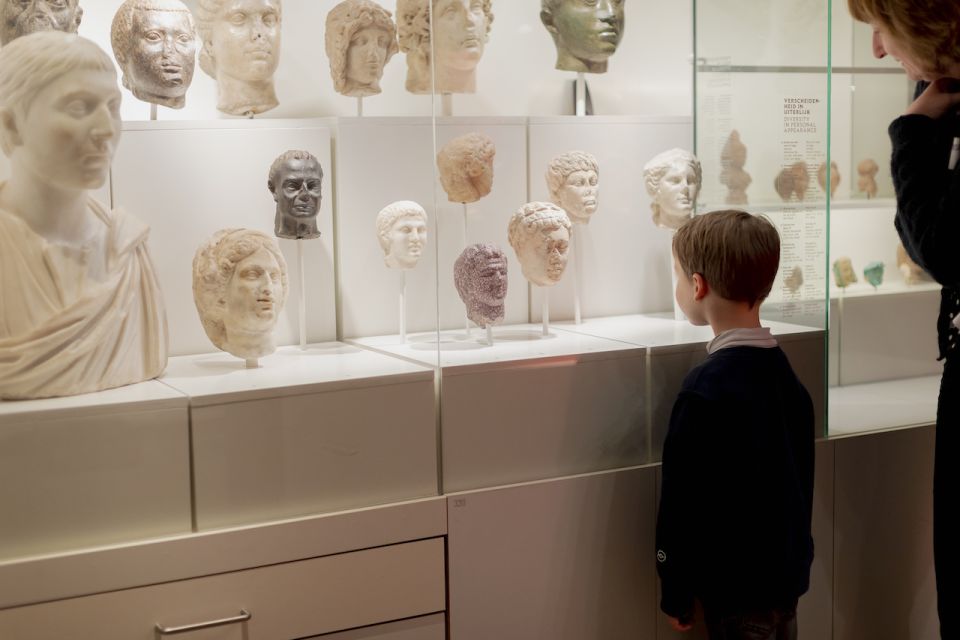
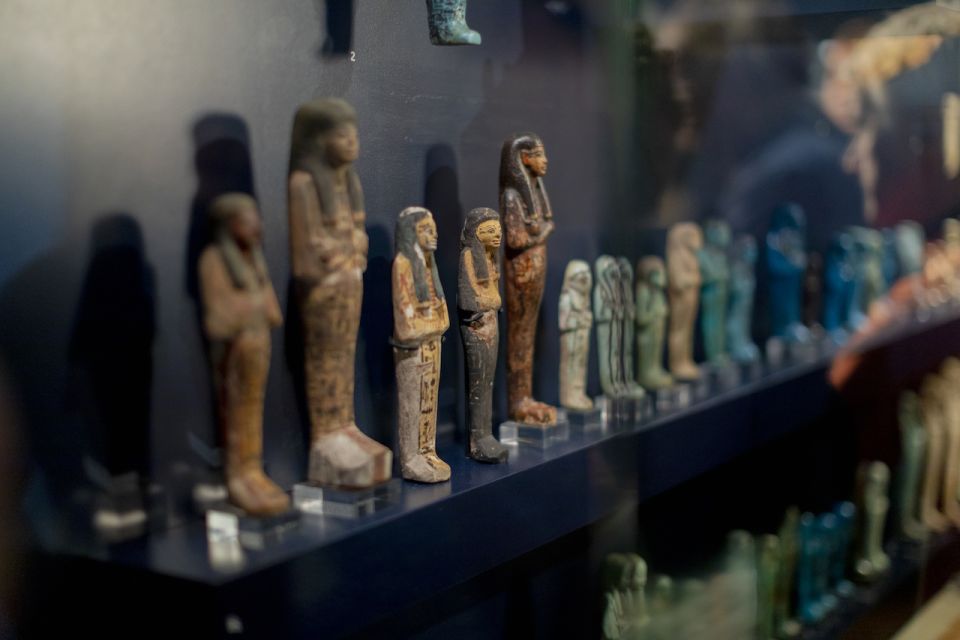
You’ll also find Ancient Egyptian and Sudanese collections, including Egyptian hieroglyphs and other artifacts that broaden the frame beyond Egypt alone. For many visitors, that combination helps avoid the common trap of thinking ancient Egypt means only one narrow slice of culture. Here, you get a wider sense of the region’s connections and visual traditions.
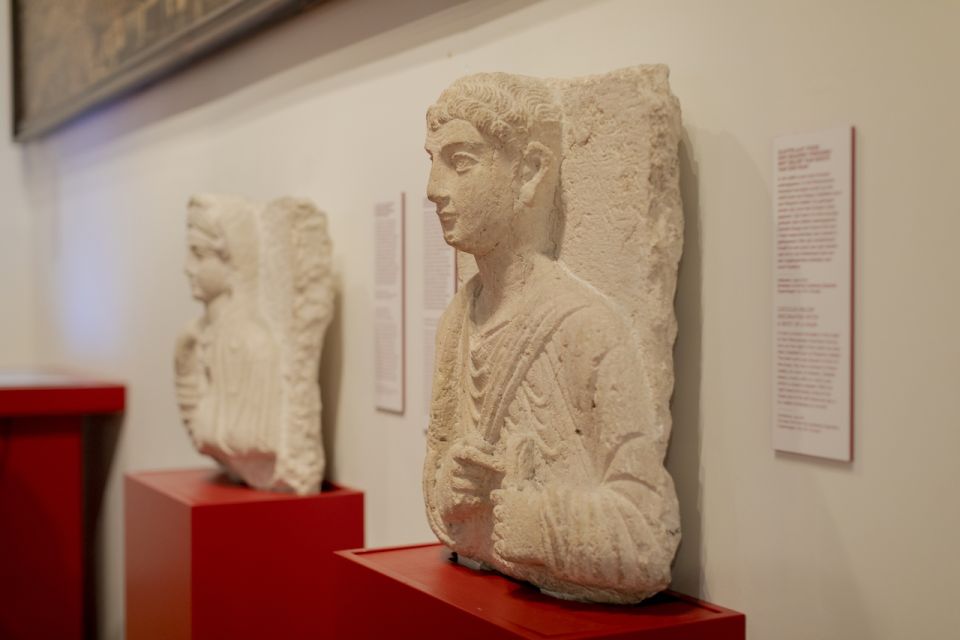
Then, at the same time, you can add the temporary exhibition Face to Face: The People Behind Mummy Portraits (running 6 October to 25 February). This temporary show brings a very human perspective to Roman Egypt through mummy portraits.
The transition works because both parts of your day are about how people made meaning. In the permanent collections, you’re tracking long-running systems of writing, documentation, and knowledge. In the temporary exhibition, you’re looking at individual faces that were meant to last.
You can also read our reviews of more historical tours in Amsterdam






Face to Face exhibition: 38 Fayum portraits with a 1st–4th century AD voice
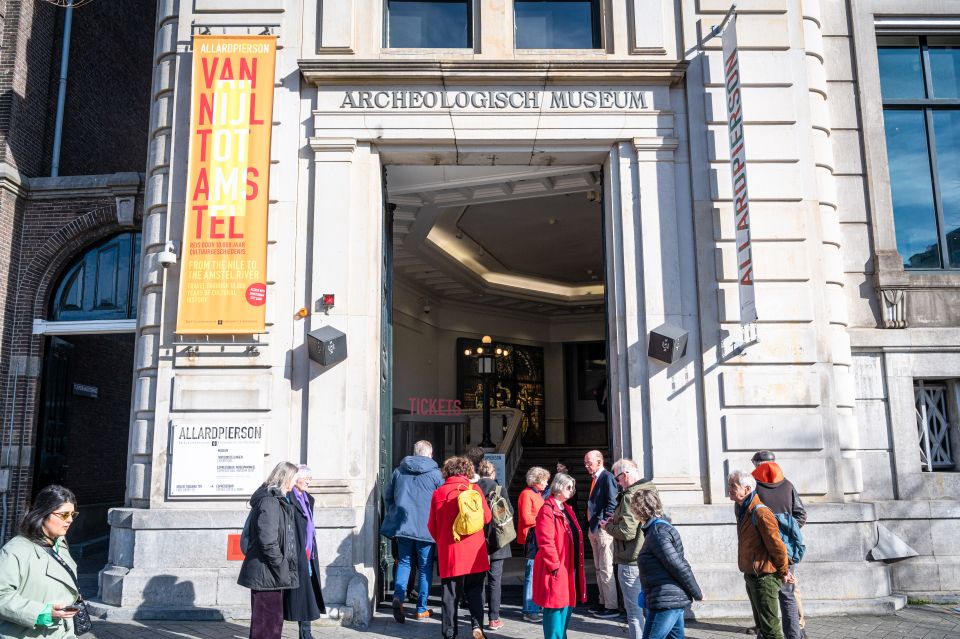
Face to Face is the first exhibition about ancient Egyptian mummy portraits in the Netherlands. The core idea is simple and powerful: these portraits were painted on wooden panels during the Roman period in Egypt (1st to 4th century AD), placed over the faces of mummified people, and many are known as Fayum portraits after the region where most were excavated.
I like that the exhibition doesn’t just show objects; it tracks the people behind the portraits. You’re invited to think about the portrayed individuals, but also the creators, descendants, followers, collectors, archaeologists, and researchers who shaped how we know these faces today.
The exhibition brings together about 38 portraits from all over the world, including masterworks loaned from major institutions such as the Louvre and the J. Paul Getty Museum (along with other international collections). Even if you’re not an Egypt-history specialist, that range gives the display weight, and it’s likely to hold your attention longer than a purely academic presentation.
If you want to get more out of it, focus on noticing what remains consistent across different portraits: the expressions, the style choices, and the sense that each panel represents a specific person.
Price, timing, and who this $18 ticket fits

At $18 per person, you’re paying for both the permanent collections and the temporary exhibition, plus access to the museum shop and cafe. That matters for value. You’re not buying a single-topic exhibit; you’re buying a full day’s worth of connected material.
Your ticket is valid for 1 day, and you’ll need to check availability to see starting times. That’s an advantage if you’re planning a day in Amsterdam and want a flexible entry window without locking your whole schedule to one specific hour.
The museum is listed as wheelchair accessible, and the host or greeter is in English. The experience also includes an audioguide for the plaster collections, which helps you make the most of that portion without rushing.
Who should book this? If you like maps, books, or the way museums connect ancient artifacts to later European culture, you’ll feel at home. It also suits you if you enjoy exhibitions that center people, not only objects—Face to Face does that well.
Who might not love it as much? If you want a deep, single-era museum visit and don’t enjoy variety, the breadth across archaeology, cartography, book history, church history, zoology, and more could feel like a lot.
Should you book the Allard Pierson Heritage Collections entry ticket?
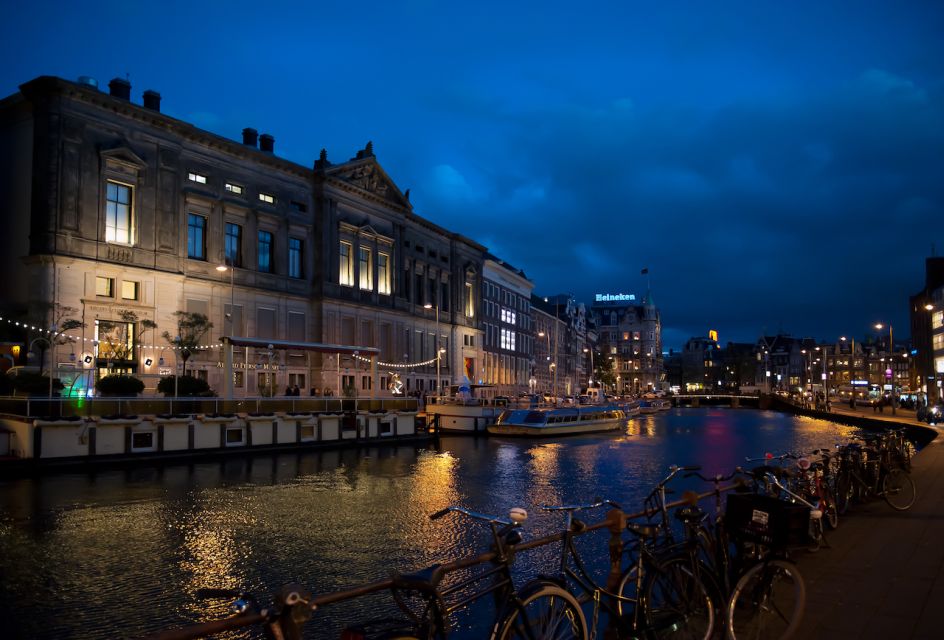
Yes, book it if you want a smart Amsterdam museum day that mixes maps, books, classical art, and Egyptian mummy portraits in one visit. The $18 price is easier to justify here because you get the permanent story plus the temporary Face to Face show during its run, with extra support via the plaster audioguide.
Skip it or reconsider if you only want one specific topic or if you know you’re tired of broad, multi-discipline museum layouts. In that case, you might prefer a smaller, more focused exhibition.
If you’re on the fence, use this rule: if you enjoy reading connections between cultures and time periods, you’ll leave with more than just photos.
FAQ
How long is the ticket valid?
The ticket is valid for 1 day. Starting times depend on availability, so check the available slots when you reserve.
What’s included with the entry ticket?
The ticket includes entry to the permanent and temporary exhibitions. You also get access to the museum shop and cafe, plus an audioguide for the plaster collections.
What temporary exhibition is on during the visit?
The temporary exhibition runs from 6 October to 25 February: Face to Face: The People Behind Mummy Portraits.
Are there English options for visitors?
Yes. The host or greeter is in English, and the listed language for the experience is English.
Is there free cancellation?
Free cancellation is offered, with cancellation allowed up to 24 hours in advance for a full refund.
Is the museum wheelchair accessible?
Yes, the experience is listed as wheelchair accessible.