REVIEW · 3-HOUR EXPERIENCES
Amsterdam: 3-Hour Private Highlights City Tour by Minivan
Book on GetYourGuide →Operated by Camaleon Tours · Bookable on GetYourGuide
Three hours, and Amsterdam clicks into focus. This private highlights tour puts you on the right streets fast with a live guide and a comfortable minivan, with major stops like the Anne Frank House and the UNESCO Canal Belt route. One thing to consider: museum tickets (Rijksmuseum and Van Gogh) are not clearly listed as included, so you should confirm expectations before you rely on entry.
What I like most is the way the tour stays flexible. You tell your guide what you care about, and the itinerary is built around you—short walks for orientation, plus plenty of looking time out the window. In one recent booking, the guide Raphael was praised as excellent and the company Camaleon Tours stayed patient with a larger group request, which is reassuring if your plans aren’t perfectly standard.
You’ll get Spanish or English guiding, hotel pickup and drop-off, and just enough structure to help you feel like you know Amsterdam on day one—even if this is your first visit.
In This Review
- Key highlights to know before you go
- A 3-hour Amsterdam highlights tour that actually feels personal
- From hotel pickup to a smooth city loop
- Museumplein and the art belt: art districts without the decision fatigue
- Jordaan: canalside streets where Amsterdam feels lived-in
- Anne Frank House area: meaningful focus, plan around entry needs
- Dam Square and the Old Church zone: where the city’s center begins
- IJ River crossing: modern Dutch architecture comes into view
- Grachtengordel canal belt: UNESCO views that make the city make sense
- Flower Market stop: a sensory break from big monuments
- Price and value: when $618 for up to 4 is a smart move
- Small watch-outs: tickets, expectations, and a respectful pace
- Who this tour fits best
- Should you book this private Amsterdam highlights minivan tour?
- FAQ
- What’s included in the Amsterdam 3-hour private highlights tour?
- How much does the tour cost and who is it for?
- How long is the tour?
- What languages is the live guide available in?
- Which stops are part of the highlights route?
- Is the flower market stop included?
- Are Rijksmuseum and Van Gogh Museum tickets included?
Key highlights to know before you go
- Private minivan comfort: spacious ride that feels more like a limo than a cramped shuttle
- Customizable route: you can steer what gets emphasis during the 3-hour window
- Iconic sights plus quick walks: Jordaan streets, Dam Square, and canal-belt viewpoints
- Flower market stop: a planned moment for Bloemenmarkt photos and flower-scent vibes
- IJ River area for modern architecture: great contrast to the old center
- Live guide in Spanish or English: context that turns landmarks into stories
A 3-hour Amsterdam highlights tour that actually feels personal
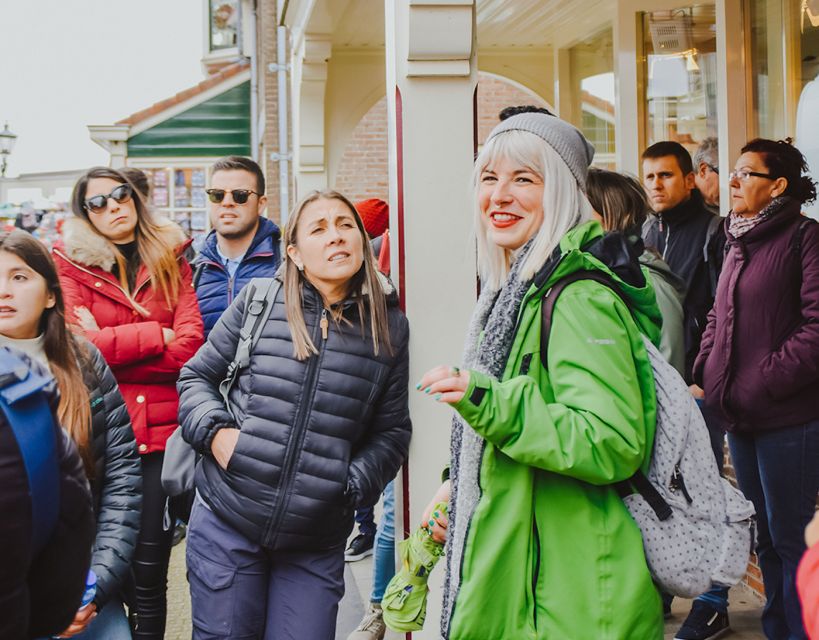
Amsterdam can be intense. Even on a good day, you can spend more time figuring out routes than enjoying what you came for. This tour aims to fix that problem by compressing the big-name sights into a short, guided loop—without forcing you into a packed group bus.
The private format is the real value driver. With up to 4 people per group, the guide can slow down when you want photos, add a few details when something grabs your attention, and adjust the order if your interests lean more toward canals, art areas, or neighborhoods. And because you’re in a minivan, you’re not doing the “long walk + long wait” combo that can drain a first day in the city.
One more practical bonus: the tour is built around short, guided moments in key areas, so you can actually understand what you’re looking at. When you move from Jordaan streets to Dam Square to the canal-belt viewpoints, it feels like a guided orientation of the city’s geography—how the old center sits, how the canals define movement, and how the waterfront shifts toward modern Dutch design.
You can also read our reviews of more city tours in Amsterdam


From hotel pickup to a smooth city loop
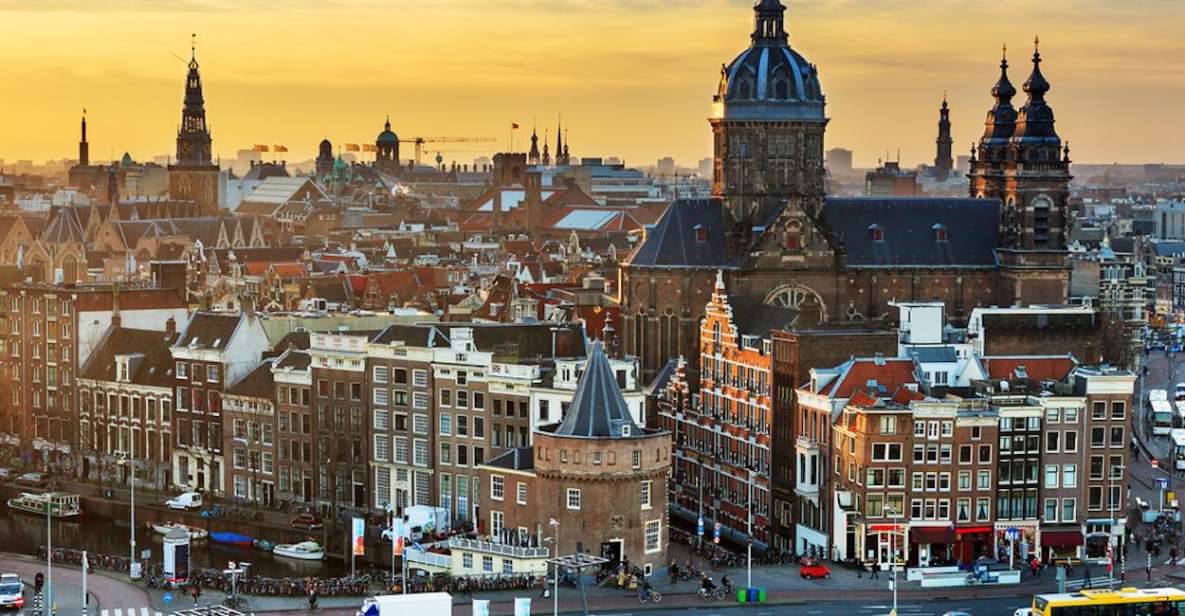
The tour includes hotel pickup and drop-off, which matters in Amsterdam, where trams and narrow streets can slow you down. You’ll wait in the hotel lobby about 10 minutes before your pickup time, then you’re on your way.
Duration is 3 hours, so the best mindset is simple: this is an introduction tour, not a museum marathon. You’ll get guided sightseeing at key spots, plus a few strolls (Jordaan and the old town center areas). If you want deep time inside museums, plan separate visits later—this tour is designed to help you pick priorities.
Also, the guide speaks Spanish and English, which makes it easier to ask questions on the spot. I’d treat that as a feature, not a formality. If you care about architecture, ask about why canals were laid out the way they were. If you care about art, ask what to notice around Museumplein and the museum district.
Museumplein and the art belt: art districts without the decision fatigue
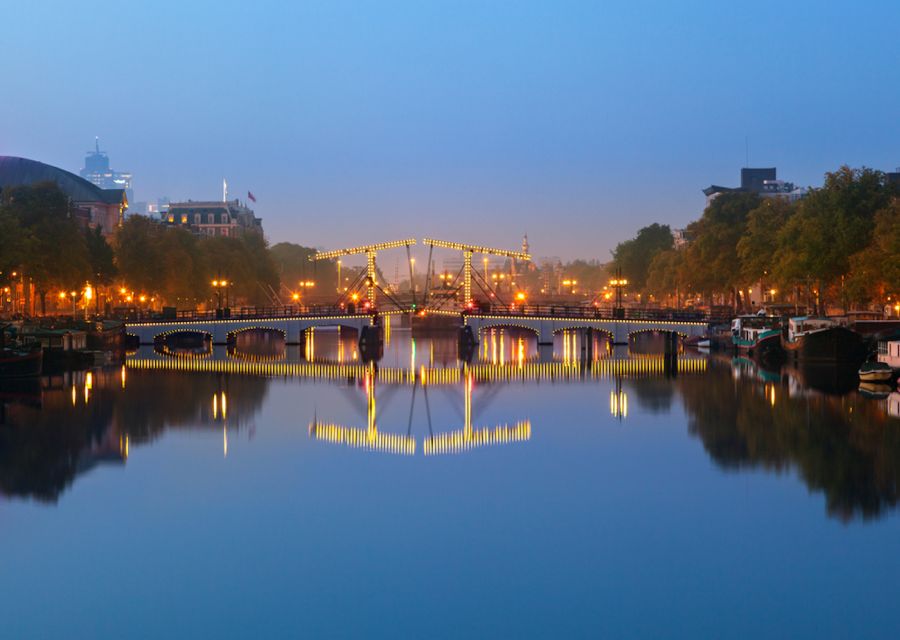
The tour’s first big “art area” stop is Museumplein, the Museum Square zone where you’ll get oriented quickly to Amsterdam’s major museum clustering. From here, you’re in the same orbit as the Rijksmuseum and the Van Gogh Museum—even when you’re not inside, the area gives you context for how Amsterdam thinks about art and culture.
Why this works on a highlights tour: Museumplein is a spatial anchor. You learn where it sits, how the museum district relates to the rest of the city, and what direction you’d walk (or tram) next if you decide to book museum time later.
One note on expectations: a less-than-perfect experience came up around the topic of museum tickets. One guest expected tickets for the Rijksmuseum and Van Gogh Museum to be included, but that wasn’t the case as understood in the booking conversation. The issue was resolved by finding a time before departure, but it meant extra hassle and additional payment. Even if you’re excited to see art, treat museum entry as something you’ll likely manage separately unless your confirmation clearly states otherwise.
If you’re an art lover, use the guide here to ask what you should notice if you do return for a museum visit later. That way the tour doesn’t just show the buildings—it helps you experience them better.
Jordaan: canalside streets where Amsterdam feels lived-in
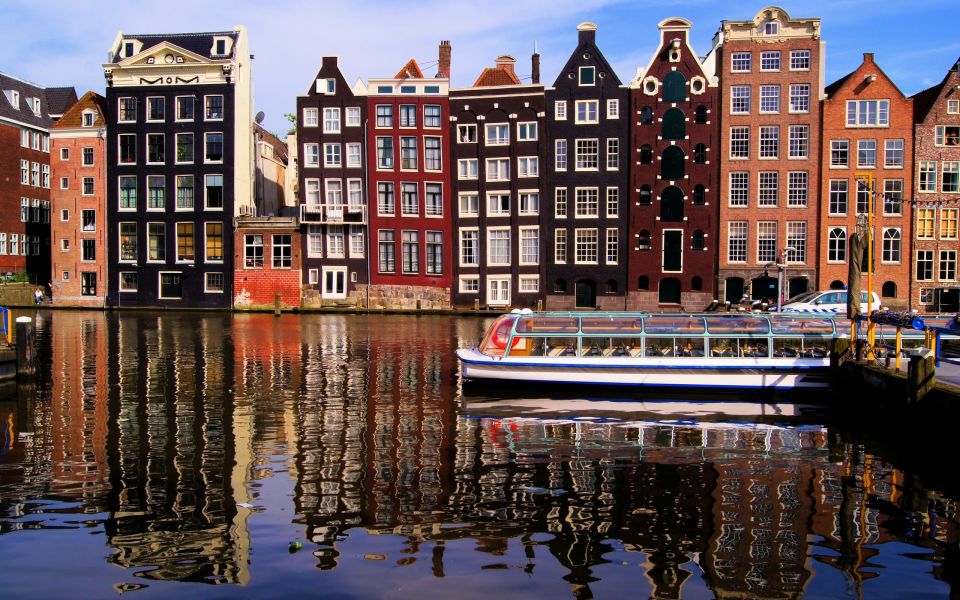
After Museumplein, the route heads to the Jordaan, one of the city’s most photogenic neighborhoods. This is where Amsterdam feels less like a checklist and more like a place where people actually spend time—on bridges, along canal edges, and in narrow lanes where storefronts and apartments sit side by side.
The tour includes guided time in the Jordaan. That matters because it’s easy to wander here and miss the clues. A good guide helps you connect street patterns to how neighborhoods formed, and points out the kind of details you wouldn’t notice at random: the relationship between canals and traffic, why certain corners feel more open, and how the neighborhood’s layout shapes your walking routes.
This is also the segment where you’ll likely get the most “I get it now” reaction. You’ll see the canal logic and the cozy street rhythm in the same stretch, so the city stops feeling like an abstract map and starts feeling like a system.
Practical tip: if you want the best photos, ask the guide where the walk gives you the safest angles for canal and street shots. Since your itinerary is private, you can usually time those moments around lighting and pedestrian traffic.
Anne Frank House area: meaningful focus, plan around entry needs
The tour includes a stop at the Anne Frank House for guided sightseeing. Even if you’re only seeing the area from the outside on a 3-hour loop, the guide’s context can make a huge difference. This is one of Amsterdam’s most emotionally significant places, and it’s worth slowing down for respectful attention.
The main consideration is timing and ticket realities. The tour data you have doesn’t list museum entry as included. And in the earlier mention of ticket confusion during booking, it showed how easy it is to assume entry is part of a highlights package. If Anne Frank House is a must-do inside, I’d plan your timed ticket separately and use this tour segment for the guided orientation and stories so you arrive with understanding.
If Anne Frank House isn’t your top priority, you can still benefit from the stop. A good guide can explain how the surrounding streets fit into the bigger picture of Amsterdam’s growth, canals, and housing patterns. That kind of context makes the rest of the city feel connected rather than random.
You can also read our reviews of more private tours in Amsterdam




Dam Square and the Old Church zone: where the city’s center begins
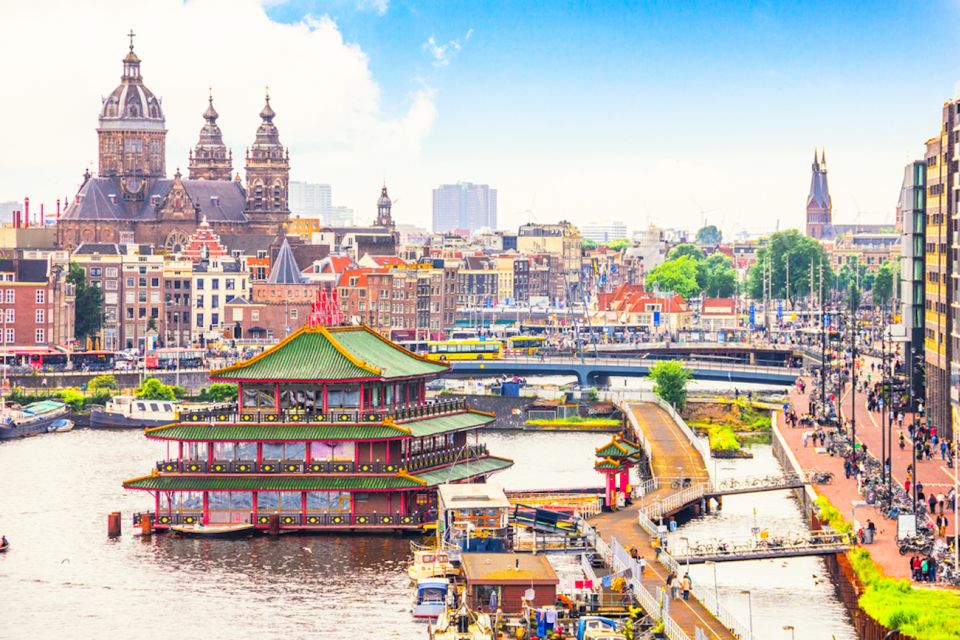
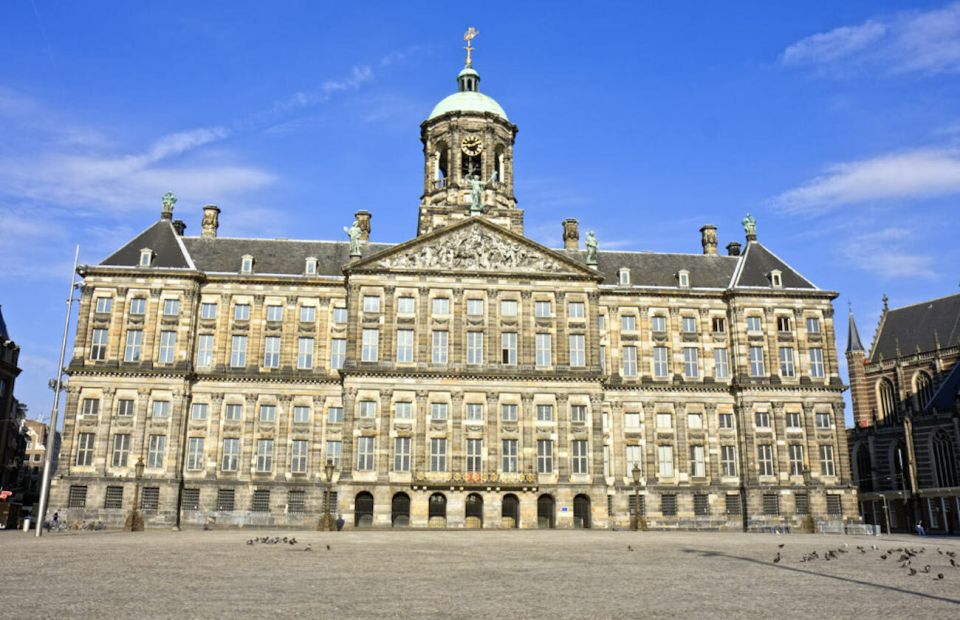
Next up is Dam Square, plus the surrounding old-town area that includes landmarks like the Royal Palace and the Old Church. Dam Square is Amsterdam’s classic focal point: a large open space that works as a reference point for everything else.
This stop is valuable for orientation. You’ll understand where the historical civic core sits relative to the canals and major routes, and you’ll get a sense of how the city organizes movement around the center. It’s also a great place for people-watching, because you can see the mix of locals and visitors who funnel into nearby streets.
What to do with this time: listen for the guide’s explanations of why the square matters. If you want to explore after the tour, Dam Square is a useful starting “compass point.” Many walking routes radiate from here, so the guided introduction gives you a mental map you can use later.
IJ River crossing: modern Dutch architecture comes into view
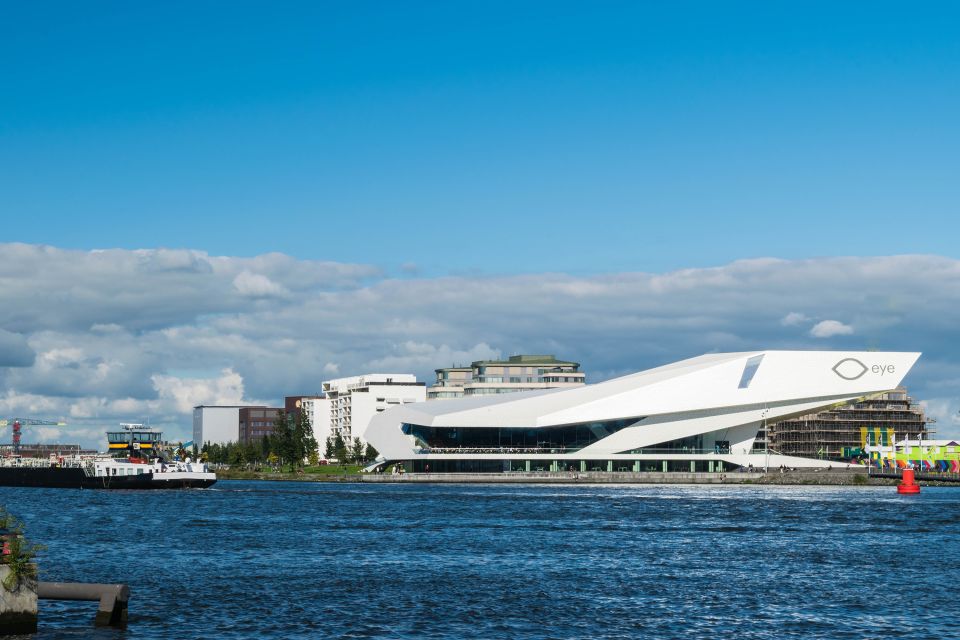
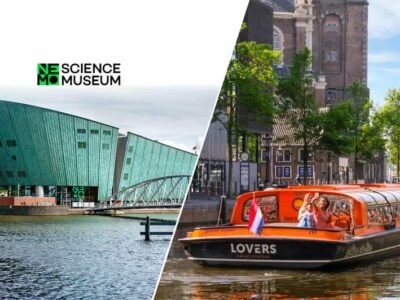
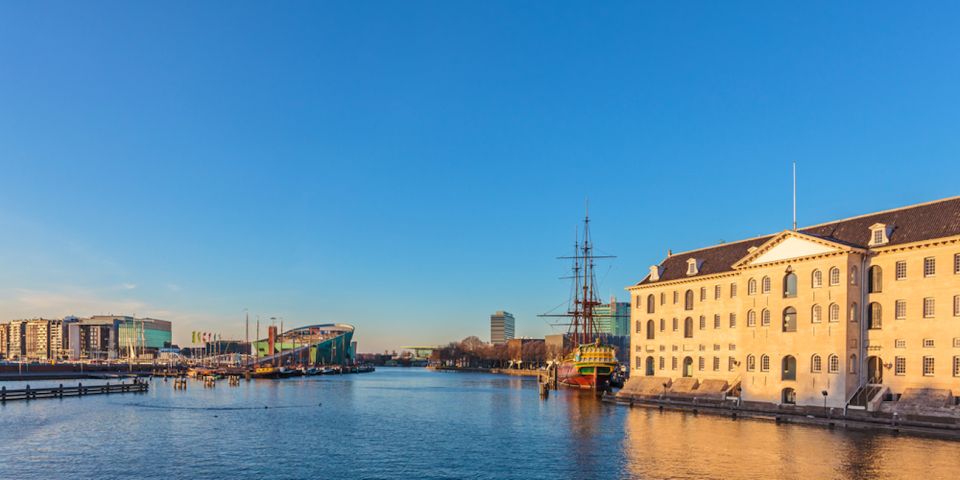
Then the tour crosses the IJ River, shifting you from the old-center vibe toward modern Amsterdam architecture and waterfront identity. The overview specifically points to areas like the island of Java, the Eye Film Theater, and the Nemo museum.
This is a strong contrast moment, and it’s one reason I like this tour format. A lot of first-time itineraries stick to canals and classic facades only. Here, you get the sense that Amsterdam is both historic and forward-looking, and the water becomes a line of transition.
Even if you’re not planning to enter Nemo or the Eye, seeing them from the right vantage point changes how you picture the city. The waterfront design tells a story about Dutch engineering, reuse, and the way Amsterdam has expanded outward while keeping water central to how it works.
If architecture interests you, ask your guide what you should notice: the mix of shapes, how the waterfront relates to the rest of the city grid, and how the river reshaped movement and development.
Grachtengordel canal belt: UNESCO views that make the city make sense
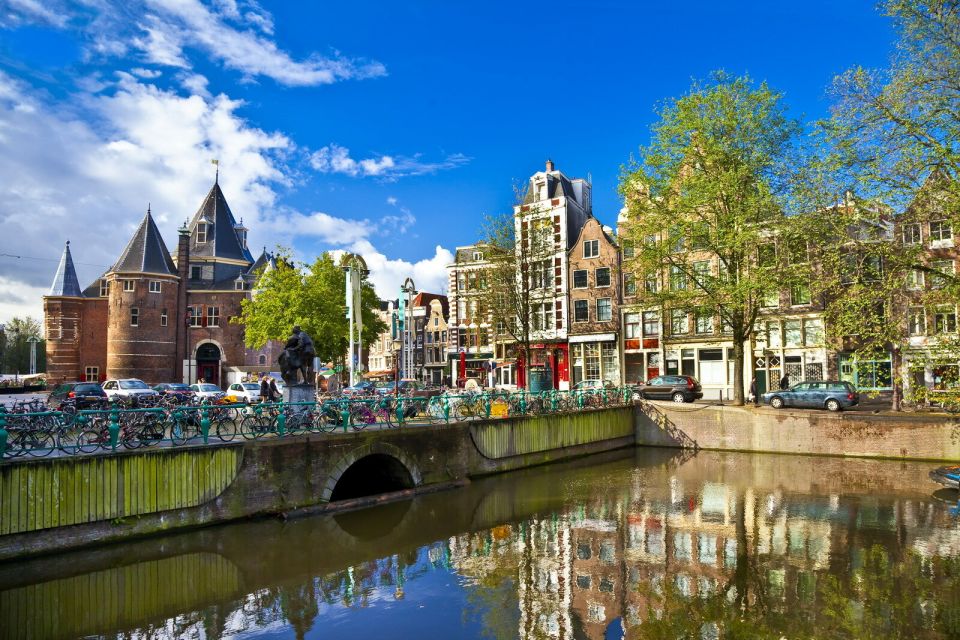
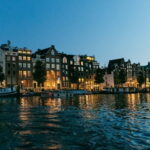
The tour includes Grachtengordel, the Canal Belt area recognized by UNESCO. This is the part that often turns a first-time Amsterdam visitor from “pretty canal photos” to actual understanding.
Why UNESCO matters here: you’re not just seeing water and bridges. You’re seeing an urban plan—an organized layout tied to the city’s growth, wealth, and transportation. A guide helps you read the canal belt as an intentional system, not just a scenic background.
Your tour time includes guided sightseeing along the canal belt route, plus time that typically gives you viewpoints over the water. This is where you’ll appreciate being in a group with guidance. Without that context, it’s easy to miss why certain canal segments feel different, or why some streets feel positioned for views and connections.
And yes—this area also sets you up for a more successful future day. If you later choose to take a canal cruise, or do your own walking loop, you’ll already recognize what you’re looking at and where it sits.
Flower Market stop: a sensory break from big monuments
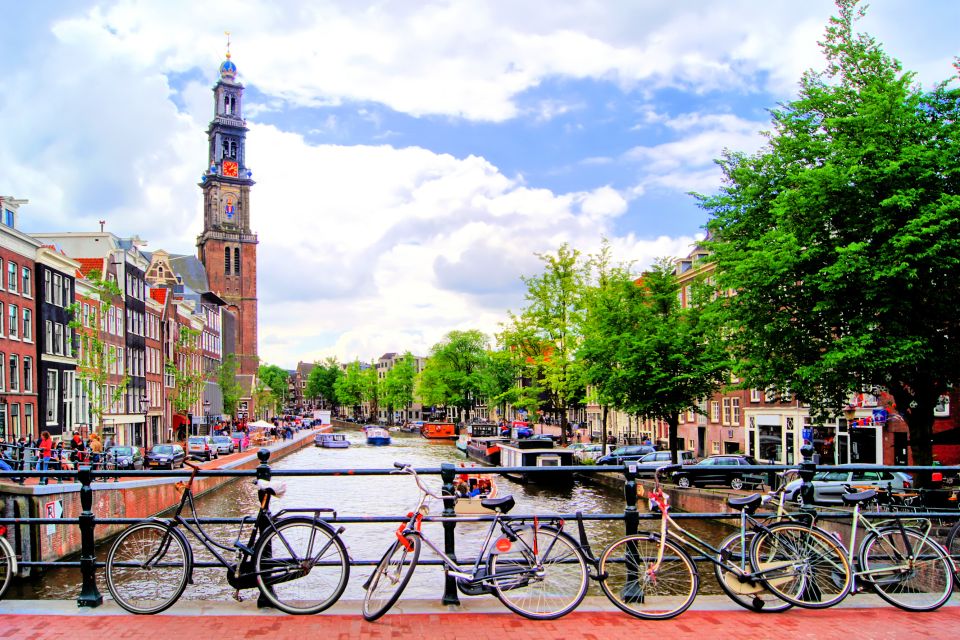
One of the highlights listed is a stop to smell the flowers at the famous flower market—Amsterdam’s floating-flower vibe, often tied to the Bloemenmarkt area.
This works well inside a 3-hour tour because it’s a reset. Monuments and museums all day can blur together. A flower stop adds smell, color, and a more local, everyday Amsterdam feel. Plus, it gives you a quick souvenir option without turning the day into a shopping mission.
If you like photography, this is also a chance for different visuals—bright stalls and close-up details—right when the rest of your tour has focused on architecture and squares.
Price and value: when $618 for up to 4 is a smart move
The price is $618 per group for up to 4 people, with a 3-hour duration. On paper, that can look steep if you’re comparing it to group buses or public transit.
Here’s the honest value math: you’re paying for (1) private guiding, (2) a private minivan, and (3) hotel pickup and drop-off, all in a short time window. If your group includes just two people, it can still be worth it when you’re optimizing for time and comfort. If you’re traveling as a family or a small group of friends, it becomes more clearly cost-effective—because you’re splitting the private experience across multiple people.
The other value piece is customization. Being able to tell the guide what you care about means the tour is less likely to feel like a rigid script. That’s harder to get with group tours, where you’re stuck with the same emphasis for everyone.
My advice: if you’re trying to make the most of a short stay in Amsterdam, this is one of the better ways to do it. If you have multiple full days and you love wandering independently, you might decide to spend your budget on a museum ticket and a canal cruise instead.
Small watch-outs: tickets, expectations, and a respectful pace
The strongest “watch this” point is museum tickets. Your tour overview names major museum areas (Rijksmuseum, Van Gogh Museum), and it includes guided sightseeing around those regions, but the included list only specifies hotel pickup and drop-off, private vehicle, and a live guide. There’s also direct evidence of a mismatch around museum ticket inclusion for at least one booking, which led to extra effort and extra payment.
So do this: when you book, ask for clarity in writing about whether museum entry tickets are included for the Rijksmuseum and Van Gogh Museum. If they’re not included, plan your entry on your own schedule and use this tour to get the orientation and guided context.
Second watch-out: the tour is 3 hours. That’s enough time for major highlights and a couple of walks, but it’s not enough to do long inside visits. If you go in hoping to linger for hours at any one location, you’ll feel rushed.
Finally, keep expectations realistic about the Anne Frank House visit. Even with guided sightseeing, entry logistics are separate from the tour itself. If that site is emotional and important to you, plan your entry time independently so you can move with focus rather than stress.
Who this tour fits best
This private highlights tour is a great fit if you want:
- A first-day orientation that helps you navigate Amsterdam later
- A comfortable ride with a guide who can explain what you’re seeing
- A route that mixes old-town classics with modern IJ River architecture
- A small group setup (up to 4) where customization matters
It’s less ideal if you want a long museum day where tickets and deep time are the whole goal. In that case, you’ll probably enjoy museum-specific bookings more.
Should you book this private Amsterdam highlights minivan tour?
I’d book it if you’re short on time, traveling in a small group, and you want a guided route that connects neighborhoods, canals, and major landmarks into one clear picture. The minivan comfort and private guide format are the standout benefits, and the Jordaan + canal belt combination is exactly the kind of pairing that makes Amsterdam feel understandable fast.
I wouldn’t book it with the assumption that museum tickets are included. Instead, confirm museum entry details in advance, especially for Rijksmuseum and Van Gogh Museum. If you do that, you’ll likely end up with the best kind of first Amsterdam day: organized, guided, and still flexible enough to match your interests.
FAQ
What’s included in the Amsterdam 3-hour private highlights tour?
Hotel pickup and drop-off, a private vehicle (minivan), and a live tour guide are included.
How much does the tour cost and who is it for?
It costs $618 per group, for up to 4 people.
How long is the tour?
The duration is 3 hours.
What languages is the live guide available in?
The live tour guide speaks Spanish and English.
Which stops are part of the highlights route?
The tour includes Museumplein, the Jordaan, Anne Frank House, Dam Square, the IJ River area, and the Canal Belt (Grachtengordel), along with sightseeing in those areas.
Is the flower market stop included?
Yes. The itinerary includes a stop to smell the flowers at the famous flower market.
Are Rijksmuseum and Van Gogh Museum tickets included?
Tickets are not listed as included in the tour inclusions. If you want to enter either museum, confirm ticket arrangements before your tour day.