REVIEW · MUSEUMS
The Upside Down Museum Amsterdam Admission Ticket
Book on Viator →Operated by The Upside Down Amsterdam · Bookable on Viator
You won’t expect a museum to feel like a photo playground. The Upside Down Amsterdam is a 25-room, 1500m2 experience built for big perspective photos and wacky scenes that make you look like you’ve flipped the city.
I love how fast it moves—once you’re in, you’re guided room to room with built-in photo moments—and I love the free digital pictures triggered by the museum’s cameras. One drawback to plan for: it can feel short and slightly rushed if you get caught in queues or crowded photo spots.
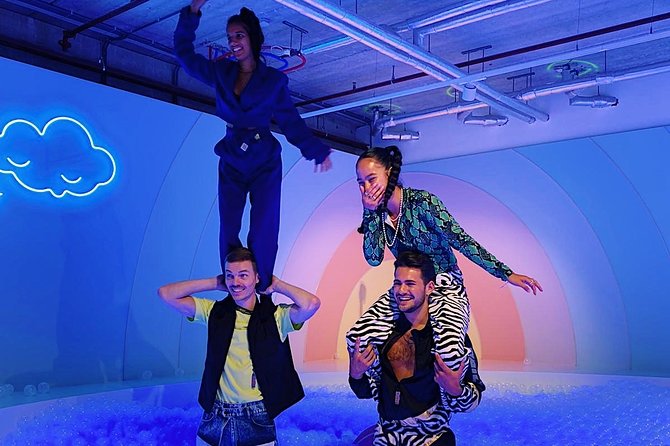
My favorite part is the way the rooms work like themed sets: upside-down houses, a metro-style scene, airplane-style seating, ball pits, trampolines, mirror areas, and portal tunnels that turn normal movement into a shot. It’s built for trying things, not quietly browsing.
The only real watch-out is photo quality and crowding. Some photos look a bit washed out or blurry if the camera timing misses, and busy rooms can make it hard to get clear angles. If you want your shots to come out sharp, time your visit and keep your phone charged.
In This Review
- Key things to know before you go
- The Upside Down Museum in Amsterdam: what this place really is
- Ticket value: timing matters more than you think ($31.18)
- Getting there and planning your hour smoothly
- Stop 1: The Upside Down Amsterdam rooms you’ll want to photograph
- Portal tunnels and the first wow moment
- Upside-down rooms: houses, furniture, and classic Amsterdam-type props
- Mirror areas: extra angles and photo tricks
- Ball pits, trampolines, and the action rooms
- The metro and airplane-type settings
- The club-style and dressing-up moments
- One-way flow: how to make sure you see the best parts
- The museum cameras and your free digital photo download
- Crowds, photo queues, and how to avoid the cramped feeling
- Who this works for (and who should be a bit cautious)
- Café time and what costs extra
- Should you book The Upside Down Amsterdam?
- FAQ
- How long is The Upside Down Amsterdam ticket valid for?
- What do I get with the admission ticket?
- Can I use a mobile ticket?
- Is the experience offered in English?
- Are food and drinks included?
- Are photo prints included?
- Is The Upside Down Amsterdam near public transportation?
- Can I cancel or change the ticket date?
- Is the museum suitable for kids and families?
Key things to know before you go
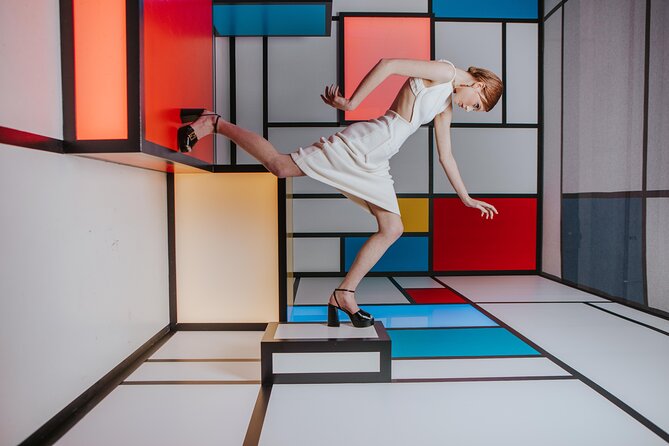
- Free camera photos: Your entry QR code helps set off self-timed cameras in rooms, and you can download the results to your phone afterward.
- One-way flow: You can’t go back to earlier rooms, so don’t linger too long in the first areas if you want everything.
- Go early for breathing room: Starting around 9:30am helps you use the space before it fills up later.
- Crowd pressure affects photos: Some areas get tight, and other people can block your view and the camera angles.
- Bring your own photos too: The free camera shots can vary, so take your own images as insurance.
The Upside Down Museum in Amsterdam: what this place really is
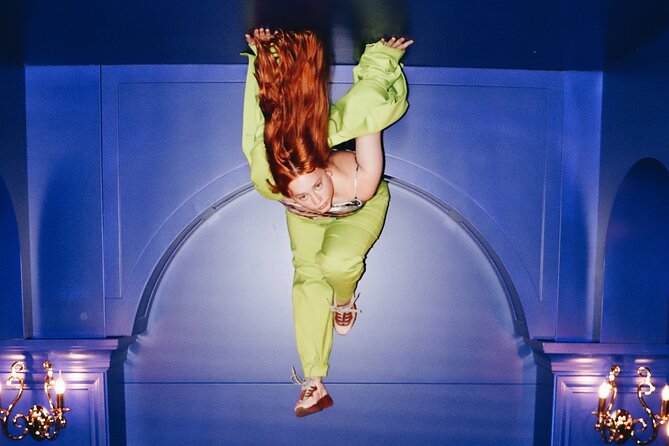
The Upside Down Amsterdam is the kind of attraction that makes sense the moment you step inside. It’s not a long, quiet museum with explanations and artifacts. It’s a room-by-room photo set where the big trick is scale and perspective—tables, chairs, and everyday scenes look wrong in the best way because you’re physically upside down or surrounded by upside-down installations.
In practice, that means you spend your time doing two things: moving through the themed rooms and using angles for photos. You’ll see moments that feel like a nightclub set, a metro ride, an airplane cabin, and homes that look like they’re floating. The ball pits and trampoline-style areas add action, so you don’t just pose—you laugh and move, which makes photos easier and more natural.
The value here is simple: for about an hour, you get a full set of “how did they do that” scenes without needing tickets for multiple attractions. If you’re short on time in Amsterdam, this is one of the most efficient ways to get a fun, Instagram-style memory.
You can also read our reviews of more tours and experiences in Amsterdam

Ticket value: timing matters more than you think ($31.18)
At $31.18 per person for around one hour, the question isn’t whether it’s expensive or cheap—it’s whether you’ll actually use the time well. This ticket works best if you treat it like a timed photo session. You’re paying for entry into a large interactive setup, plus the free digital photos made by the museum cameras.
The free photo part is a real plus. Those pictures are included, and you can download them later. Still, I’d budget for taking your own photos too. In some rooms, you might get better results with your phone camera than with the museum camera system, especially when crowds get in the way.
Also, plan ahead. This is an attraction that books up, with an average booking window of about 10 days in advance, and the later slots can be noticeably busier. If your goal is fewer people in your frame, early time slots are your friend.
Getting there and planning your hour smoothly
The museum is near public transportation, which makes it easy to stitch into an Amsterdam day. If you’re coming from central areas, you don’t need a long taxi run—just a short transit hop and you’re there.
Then comes the small but important mindset: you’re not touring at leisure. The experience is short, and it’s designed as a one-way journey through the rooms. You’ll want to pace yourself so you don’t burn too much time in the first few sets and then rush the later ones.
Practical tips that help:
- Wear shoes you can move in. Some spaces are fun but bouncy or active.
- Make sure your phone battery is strong. You’ll be taking a lot of pictures in a hurry.
- If you can choose a start time, go earlier in the morning. One family even described getting to enjoy the place with far fewer people when they booked the earliest slot.
Stop 1: The Upside Down Amsterdam rooms you’ll want to photograph
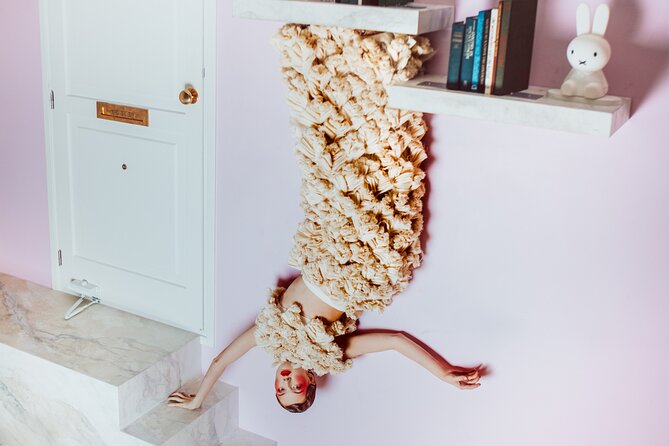
Think of the museum as a set of themed worlds. The trick is that they’re upside down or visually flipped, and each room pushes a different style of photo.
Portal tunnels and the first wow moment
You’ll start with trippy entry scenes that quickly set expectations. Portal tunnels and twisting visual areas are great for quick, dramatic shots—especially if you’re traveling in a small group and can line up poses without people crowding you from all sides.
This early stage is where the experience grabs your attention. Even if you’re not a hardcore photo person, these rooms make you slow down for a second because they look strange in a fun way.
You can also read our reviews of more museum experiences in Amsterdam




Upside-down rooms: houses, furniture, and classic Amsterdam-type props
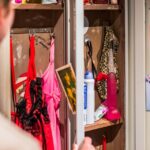
A big chunk of the experience is dedicated to upside-down interiors. Expect scenes where chairs, tables, and everyday objects look like they’re hanging in midair. Some rooms feel like they’re staged like a Dutch set, so you get that “this shouldn’t be possible” perspective.
The upside-down theme is what makes your photos look different from normal travel pictures. You’re not just documenting Amsterdam—you’re documenting a version of the world where gravity seems optional.
Mirror areas: extra angles and photo tricks
Mirror mazes and reflective spaces add a second layer of creativity. If you like photographing from the side or using reflections for depth, these rooms pay off. Just remember: mirrors often mean more people trying to photograph the same angle at the same time, so patience helps.
Ball pits, trampolines, and the action rooms
The ball pit and trampoline-style areas are the spots that turn the museum into an amusement-park mood. They’re also usually the most chaotic, in a good way—laughs, moving bodies, and lots of motion blur if you’re not ready.
From what I’ve learned, kids and “bigger kids” tend to love these moments most. If you want your photos to look crisp, take a few quick test shots first, then plan for a second round when the scene settles.
The metro and airplane-type settings
Some of the most memorable scenes for many visitors are the transport-themed rooms. You’ll see a metro train setting with upside-down furniture elements, and there are airplane-style areas too, with seated, cozy photo opportunities and props that make it feel like a miniature cabin set.
These rooms are useful because they give you natural posing cues. Instead of guessing where to stand, you can frame shots like you’re actually traveling.
The club-style and dressing-up moments
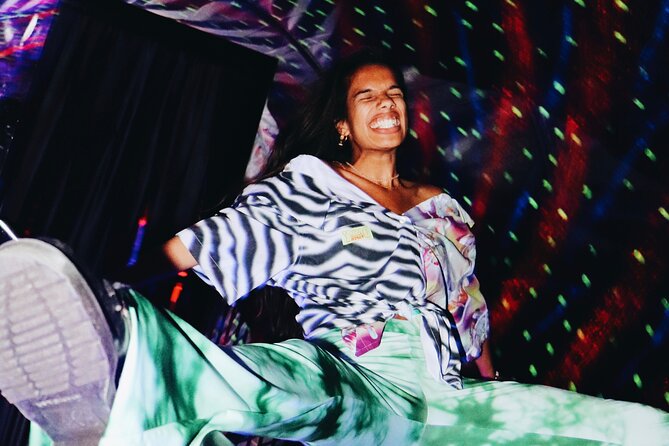
There are also rooms with a club-like vibe and dressing-up elements. The point isn’t costume history—it’s giving you something to interact with while the photo trick does its job. These spaces can be especially fun for groups who like silly photos and props.
One-way flow: how to make sure you see the best parts
You move through a one-way system, meaning you can’t circle back to earlier rooms. So if there’s a must-do area—ball pit, mirror maze, or a transport room—hit it when you see it rather than hoping you’ll “catch it later.” You still get enough time, but you do need to keep momentum.
The museum cameras and your free digital photo download
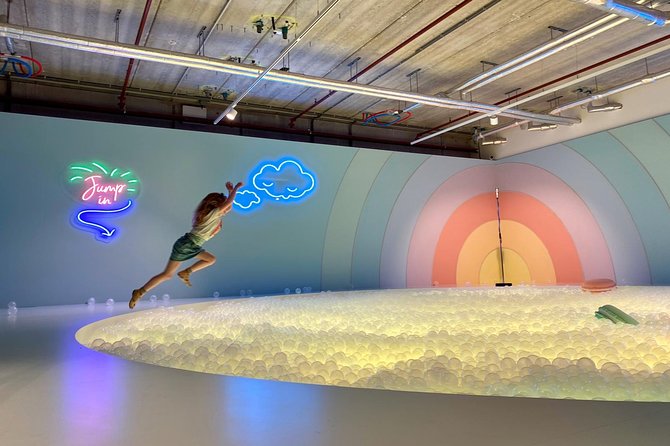
This is the heart of the ticket.
Here’s how it works: your entry QR code helps trigger self-timed cameras in the rooms. After your visit, you can collect and download the digital photos from the museum’s camera setup to your phone.
That sounds perfect, and for many people it is. But quality depends on timing and room conditions. If you’re blocked by other people, if the space is crowded, or if you miss the exact camera cue, your free photos may look washed out, blurry, or not quite sharp enough for your standards.
My practical advice:
- Take your own photos in every room, even if you’re relying on the free download. It’s your backup.
- Use the museum cameras as the “quick capture” and then do your own styling afterward.
- If a room is packed, step to the side and let others clear before you try for the best angle. This gives the camera a clean shot too.
Also, plan for technology glitches. One visitor said they had trouble pulling up the tickets on their phone when they arrived, but staff still let them in after they showed proof of payment. If your phone is acting up, head straight to the desk with your confirmation info.
Crowds, photo queues, and how to avoid the cramped feeling

The museum is popular, and that affects how the experience feels more than the room design itself.
In a perfect world, you get wide breathing space. In reality, certain rooms fill up and become “take turns” zones, especially where cameras are placed and where mirror reflections create high-demand angles. The ball pit and action areas can be busy because everyone wants to be the one mid-jump or mid-splash.
This is why I keep pushing early starts. One family who booked the earliest slot described basically having the place to themselves at first, then noticing a small queue building later. If you want your photos without constant shoulder-to-shoulder timing, aim for the morning.
If you end up visiting later:
- Accept that some photos may take longer.
- Try to get your “must shot” images quickly.
- Keep moving. The one-way route means you’ll otherwise fall behind and feel rushed.
Who this works for (and who should be a bit cautious)
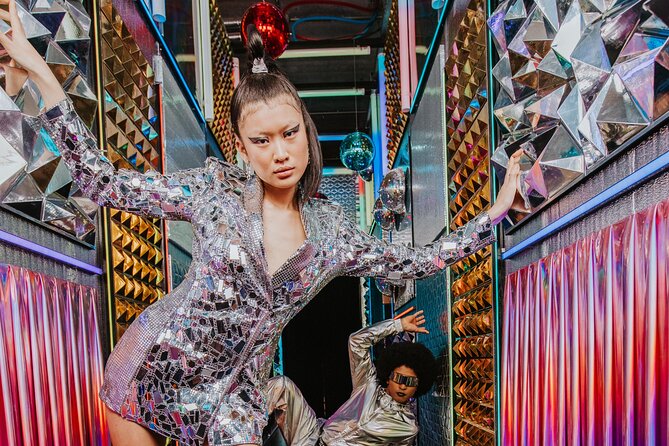
This is a family-friendly experience, and it also works for solo visitors. The photos are fun even when you’re alone because the rooms give you ready-made framing. One solo visitor mentioned staff were very helpful with photos, which is a good sign if you want guidance on how to stand for the upside-down shots.
For families, kids usually love the ball pit and trampoline-style areas, and even toddlers can enjoy the giant plush-type rooms and the playful atmosphere. Adults sometimes surprise themselves here too: if you’re willing to act silly for 10–20 minutes at a time, the experience can be a great mood reset.
One consideration: some setups can make you dizzy, especially in spinning or trickier rooms. If motion or disorientation is a concern for you, take a slow approach in those specific areas, pause if you need, and focus more on still-photo angles than repeated movement.
Café time and what costs extra
Food and drinks are not included with the ticket. That said, there is a café on-site, and people seem to enjoy it—often as a reason to come early and spend a little extra time around the museum before you start the rooms.
Photo prints cost extra. The free part is digital downloads from the museum cameras. Some visitors also mention that you can have photo prints emailed for free, but your safest plan is to treat prints as optional add-ons and budget accordingly.
Should you book The Upside Down Amsterdam?
Book it if you want a fast, fun, highly photo-focused activity that’s easy to fit into an Amsterdam day. It’s especially worth it if you like interactive sets, silly perspective shots, and getting usable digital souvenirs without extra effort.
Skip or reconsider if you hate crowds, don’t like motion tricks, or expect a more traditional museum experience. Also, if you’re very picky about camera-perfect photos, plan to take your own pictures because the free downloads can vary in sharpness.
My bottom line: if you book an earlier time slot and come ready to play with angles, you’ll get good value out of the hour—and you’ll leave with a set of images that actually look different from your average travel day.
FAQ
How long is The Upside Down Amsterdam ticket valid for?
The experience is listed at around 1 hour.
What do I get with the admission ticket?
Your ticket includes admission entry plus free digital pictures from the museum’s installed cameras.
Can I use a mobile ticket?
Yes. The ticket is a mobile ticket.
Is the experience offered in English?
Yes, it’s offered in English.
Are food and drinks included?
No. Food and drinks are not included.
Are photo prints included?
No. Photo prints are not included with the ticket.
Is The Upside Down Amsterdam near public transportation?
Yes, it’s near public transportation.
Can I cancel or change the ticket date?
This experience is non-refundable and cannot be changed for any reason.
Is the museum suitable for kids and families?
It’s described as something most people can participate in, and the experience is widely enjoyed by families, especially for its playful rooms like ball pits and trampolines.