REVIEW · STROOPWAFEL & COOKING WORKSHOPS
Kintsugi Workshop “The art of Imperfection”
Book on Viator →Bookable on Viator
Cracked pottery can look inspiring, not ruined. In Amsterdam, a Kintsugi workshop turns fractures into gold-lined mends, guided with a calm, focused flow that fits into a simple 2-hour slot. I also love the hands-on structure that keeps your hands busy and your mind quiet, and you get a final piece that feels personal and a little daring.
I’m also a fan of the workshop’s wabi-sabi spirit: you’re not trying to erase damage, you’re highlighting it. The session includes a symbolic break and then a patient reassembly, so you leave with both a repaired item and a mindset you can reuse at home.
One consideration: this isn’t really a quick craft. You’ll need steady attention and fairly careful hand work, and the workshop isn’t suitable for kids under 10.
In This Review
- Key highlights at a glance
- Why Kintsugi feels so right in Amsterdam
- The 2-hour flow: from symbolic break to golden repair
- What makes the philosophy practical, not just poetic
- Price and value: is $90.11 fair for a workshop?
- Instructor Annelies and what small-group teaching changes
- Getting there: meeting point, timing, and what to plan
- Who this workshop is best for (and who might skip it)
- What you’ll walk away with (and why it matters)
- Should you book this Kintsugi workshop?
- FAQ
- What is the duration of the Kintsugi workshop?
- Where does the workshop meet in Amsterdam?
- Is the workshop offered in English?
- How much does it cost?
- What’s included in the workshop price?
- Is coffee or tea included?
- Is there a limit on group size?
- Is free cancellation available?
Key highlights at a glance
- Small group (max 6) so you get real guidance, not just a demo
- English workshop with everything explained clearly
- You symbolically break a plate as part of the learning process
- All materials provided, so you can focus on the making
- Gold leaf mending turns cracks into intentional, decorative lines
- Instructor Annelies brings a welcoming, supportive tone
Why Kintsugi feels so right in Amsterdam
Amsterdam is a city that understands design with honesty. You’ll see old brick beside modern glass, and you’ll notice people like materials that show their age. Kintsugi fits that vibe perfectly, because the whole point is to treat damage as part of the story, not a flaw to hide.
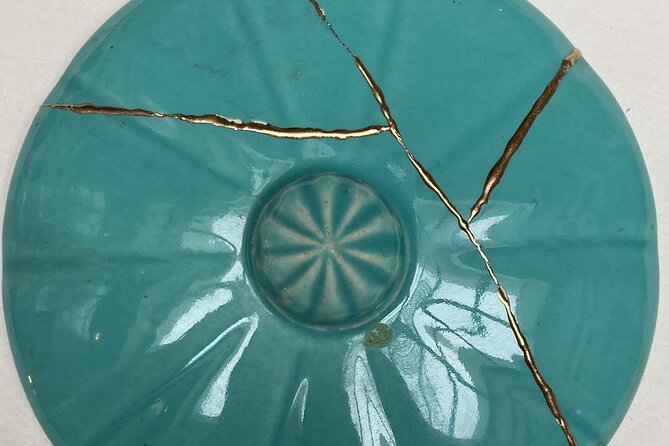
This workshop in particular is built around the Japanese idea behind Kintsugi: repair is transformation. Cracks become a map. Fractures become lines. And the gold leaf work makes those lines look deliberate, almost like the piece decided to evolve.
I also like that it’s not framed as a heavy lecture. The pace is gentle, then focused, then satisfying. By the end, you’re not just watching craft—you’re doing it, which is when it starts to make sense.
You can also read our reviews of more tours and experiences in Amsterdam



The 2-hour flow: from symbolic break to golden repair
The workshop runs about 2 hours, and it follows a simple arc you can mentally keep up with from the first minute.
First, there’s a serene introduction. You get the context for Kintsugi—what it is, why it exists, and how the philosophy connects to beauty in imperfection. This matters because otherwise it can feel like a fancy glue project. The lesson keeps steering you back to the idea that the repair is part of the art.
Next comes the symbolic moment: you break a plate. This isn’t random. It’s a way to shift your mindset from repair-as-cover-up to repair-as-new-start. It also sets the tone for the rest of the session: careful work, quiet focus, and no rushing.
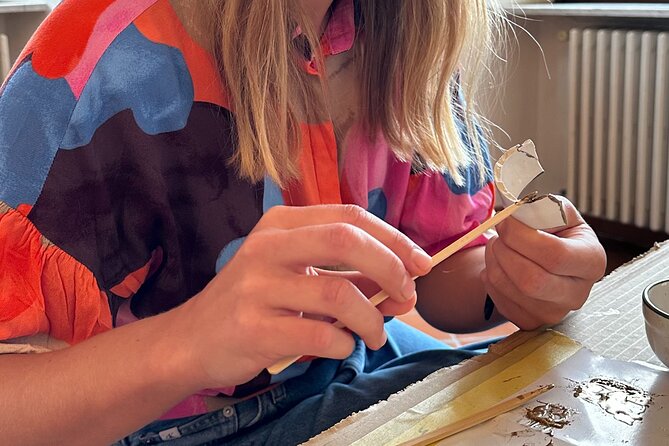
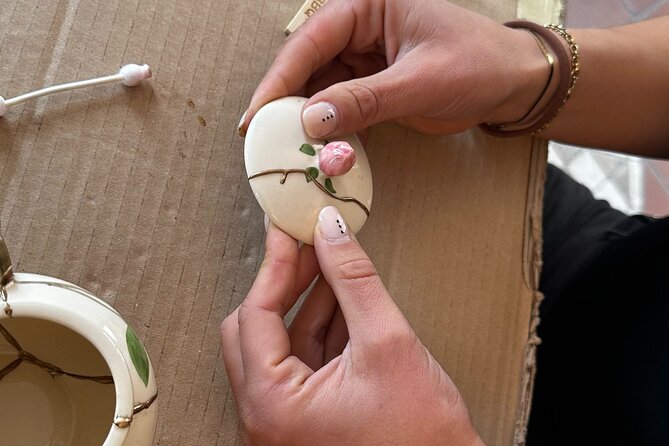
Then you move into the reassembly phase. You patiently put shards back together, piece by piece, guided through the steps needed to get the alignment right. The reward here isn’t just the final look—it’s the slow, methodical concentration you practice while your hands do the work.
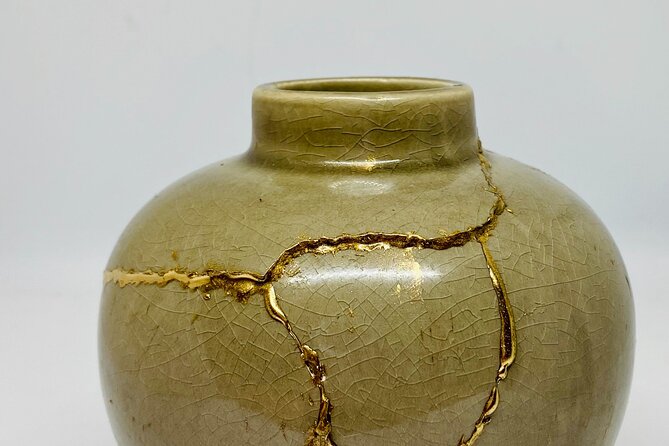
Finally, you see the “Kintsugi look” come together through the gold leaf mending. This is where the repaired areas change from plain damage into bright, decorative lines. Even if your first attempt isn’t perfect, that’s kind of the point. The gold makes the repair visible, and visible repairs are what create the signature Kintsugi effect.
What makes the philosophy practical, not just poetic
Kintsugi gets called an art form and also a metaphor. That could sound like motivational poster talk—but in this workshop, the meaning lands because you experience it physically.
Here’s what’s practical about it:
- You learn to slow down enough to align small pieces correctly.
- You learn to work with constraints, because cracked parts won’t behave like new parts.
- You learn to treat imperfection as information, not as failure.
That last part is the big one. When you’re assembling shards, you can’t pretend the break never happened. The break happened. Your job is to make a new arrangement that respects what’s there.
That mindset follows you out the door. Not in a mystical way—more in a “I can handle this” way. If you’ve ever had something go wrong at home, at work, or in a plan, Kintsugi gives you a framework: accept what’s real, adjust, and build something useful and beautiful anyway.
Price and value: is $90.11 fair for a workshop?
At $90.11 per person, this is a paid experience, not a free demonstration. The good news is the value is pretty direct: you’re paying for instructor time, guided materials, and the full 2-hour learning arc.
Here’s what you get for that price:
- All materials provided, which removes the biggest “craft workshop” annoyance—bringing the wrong supplies or forgetting something.
- A small group setting (maximum 6), which usually means more attention than you’d get in a larger class.
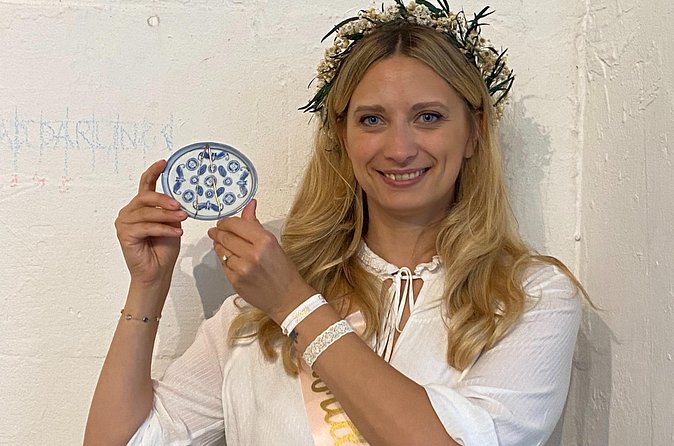
- An activity that ends with an actual repaired art object, not just a takeaway worksheet or watching someone else do the craft.
The one thing you should factor in: coffee and/or tea aren’t included. So if you like to arrive with a caffeine buffer, plan to grab a drink nearby before you head to the meeting point.
Overall, for Amsterdam, this pricing makes sense for a hands-on workshop where you do the symbolic break and the guided repair process.
Instructor Annelies and what small-group teaching changes
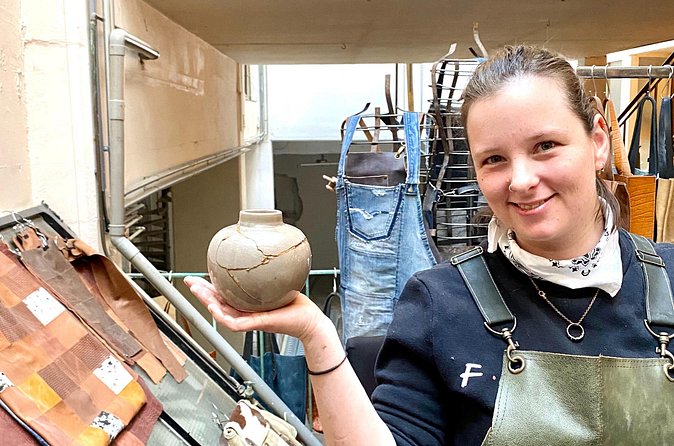
This workshop is capped at 6 travelers, and that number matters more than most people think. In a small group, questions don’t get lost. Corrections can be more precise. You can keep momentum without waiting your turn the whole time.
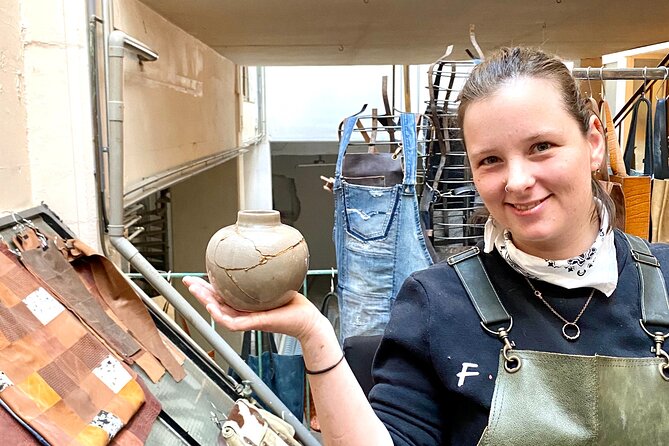
In the experience, you’ll also meet the instructor Annelies, who comes across as warm and welcoming. That matters because Kintsugi requires patience and careful hand work. If the vibe is too rushed, people get tense, and then they start fighting the process instead of learning it.
With a guide who keeps things friendly and steady, it’s easier to do the slow, concentrated parts well—especially the reassembly stage, where attention is everything.





Getting there: meeting point, timing, and what to plan
You meet at Paleisstraat 107, 1012 ZL Amsterdam. The workshop ends back at the meeting point, so you’re not juggling transit right after you finish. That’s a small thing, but it makes the experience feel complete.
Timing is scheduled on Wednesdays from 2:00 PM to 4:00 PM across multiple date ranges shown for the 2025–2026 and 2026–2027 seasons. If you’re planning around other Amsterdam sights, this is a good afternoon slot—late enough to have a morning plan, early enough that you still have evening time.
Also note:
- You’ll receive confirmation at booking.
- You’ll use a mobile ticket.
- It’s near public transportation.
What to bring is simple: not much is required on your end because materials are provided. You should just bring yourself ready to sit, focus, and work carefully for about two hours.
Who this workshop is best for (and who might skip it)
This is a great fit if you want a hands-on Amsterdam activity that feels thoughtful rather than busy. It’s especially good for:
- People who like crafts, design, or hands-on learning
- Anyone who enjoys mindfulness through doing something practical
- Travelers who want a unique souvenir with meaning attached
It also suits people who enjoy the idea of wabi-sabi—beauty that includes imperfection, age, and change.
A few boundaries to take seriously:
- The workshop is not suitable for children under 10.
- It’s set for travelers with moderate physical fitness level. That likely means you can sit and work with care, but you shouldn’t expect a fully hands-off experience.
- Service animals are allowed, which is helpful to know if you rely on one for mobility or comfort.
If you’re looking for something loud, fast, or purely sightseeing-based, this might feel calmer than you expect. But if you want a meaningful making session, it hits the sweet spot.
What you’ll walk away with (and why it matters)
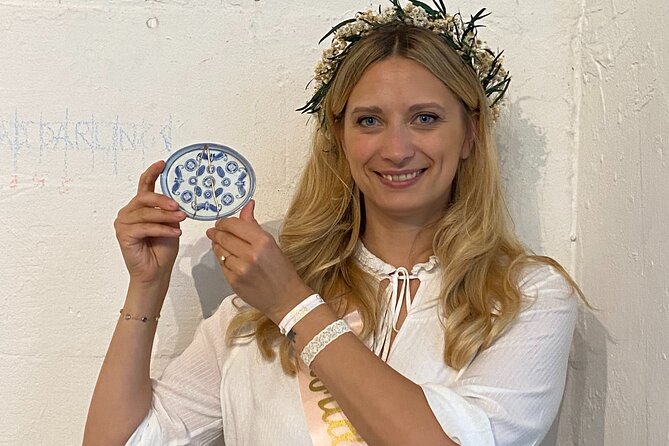
The workshop is built around a repaired object that reflects your effort. The gold-lined repairs aren’t generic decoration. They come from the specific alignment and assembly choices you made while putting shards back together.
That’s part of the value: it’s personal craft. Even if you’re not trying to be an expert, you’ll see your work become visible in the final result.
And because the process is symbolic—starting with that break—you don’t just end with a craft item. You end with a story you can tell. More importantly, you end with a mental habit: noticing cracks without panic, and then choosing what comes next.
Should you book this Kintsugi workshop?
I’d book it if you want a creative Amsterdam experience that’s small-group, guided, and meaningful. The structure is clear: introduction, symbolic break, careful reassembly, then the golden repair effect. At $90.11, the price is easier to justify because materials are included and you do the work yourself in a max-6 setting.
I’d hesitate if you need something kid-friendly for younger than 10, if you hate careful hand work, or if you expect a casual walk-in activity. This workshop asks for patience for the full two hours, and that’s where the payoff lives.
If you’re the type of traveler who likes making something by hand—and prefers calm, reflective activities over loud tourist stops—this one is a strong yes.
FAQ
What is the duration of the Kintsugi workshop?
It lasts about 2 hours.
Where does the workshop meet in Amsterdam?
The meeting point is Paleisstraat 107, 1012 ZL Amsterdam, Netherlands.
Is the workshop offered in English?
Yes, it’s offered in English.
How much does it cost?
The price is $90.11 per person.
What’s included in the workshop price?
All materials needed for the workshop are provided.
Is coffee or tea included?
No, coffee and/or tea are not included.
Is there a limit on group size?
Yes, the workshop has a maximum of 6 travelers.
Is free cancellation available?
Yes. You can cancel for a full refund up to 24 hours in advance of the experience start time. If you cancel less than 24 hours before, you won’t get a refund. Confirmation is received at booking.