REVIEW · AMSTERDAM
Amsterdam: Spanish Tour Unmasking the Redlight District
Book on GetYourGuide →Operated by Friendly Walking Tours Amsterdam · Bookable on GetYourGuide
Every canal has a second story. This Spanish guided walk through the Red Light District connects origins in Amsterdam’s medieval port era to its Golden Age expansion, with landmark stops like St. Nicholas Basilica and Oude Kerk. It is built for people who want the real timeline, not just the reputation.
I especially like the way the tour mixes big-picture context with street-level walking—Zeedijk to Warmoesstraat, plus photo pauses that keep the route interesting. You’ll also pass through key old-town nodes such as Nieuwmarkt Square and De Waag, so the story stays grounded in places you can actually point at.
One drawback to consider: it’s an outdoor experience, and it is not suitable for children under 14 or wheelchair users. If you’re sensitive to being in the middle of Amsterdam’s most adult-focused neighborhood, this is one you should think through before you go.
In This Review
- Key Things to Know Before You Go
- Starting Outside Barbizon Palace: A Straightforward 2-Hour Plan
- St. Nicholas Basilica to Zeedijk: Where the Port Meets the Neighborhood
- Secret Photo Stop and He Hua Tempel: Small Breaks, Big Texture
- Nieuwmarkt Square and De Waag: A City Gate With a New Job
- Walking the Red Light District Canal Network: Old Streets, New Meanings
- Oude Kerk Visit: Why the Oldest Building Changes How You See It
- Warmoesstraat and the Final Side Stop: Atmosphere Without the Noise
- Royal Palace and Dam Square Wrap-Up: Power in the Same Frame
- Price and Practical Value for $31
- Who This Tour Suits Best (and Who Should Skip It)
- Should You Book the Amsterdam Spanish Tour Unmasking the Red Light District?
- FAQ
- What language is the tour guide?
- How long is the walking tour?
- Where do I meet the guide?
- Where does the tour end?
- What is the price per person?
- Is the tour suitable for children?
- Is it wheelchair accessible?
- Is photography allowed?
- Are food or drinks included?
Key Things to Know Before You Go
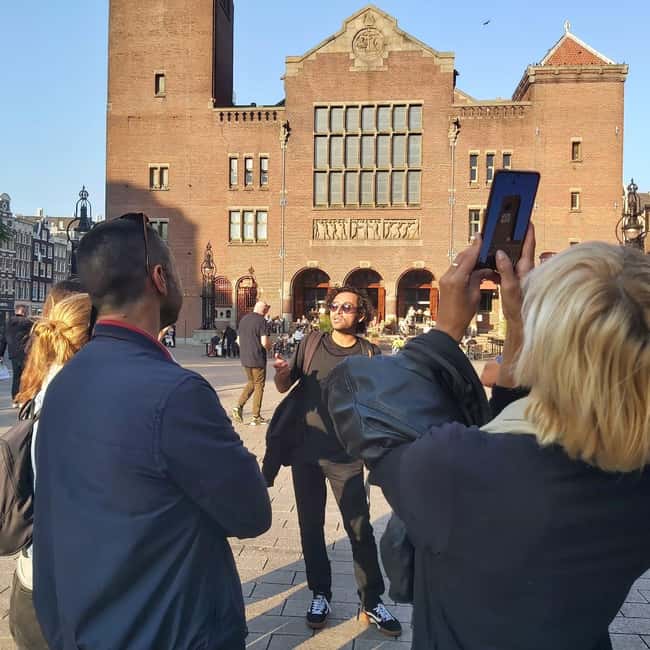
- Spanish-language guide who keeps the pace moving with clear explanations and frequent stops for photos.
- Landmarks that anchor the story: St. Nicholas Basilica, Nieuwmarkt Square, De Waag, and Oude Kerk.
- A street-level route through Zeedijk, Warmoesstraat, and the canal area that defines the district.
- Photo stops built into the 2-hour plan, including a stop at He Hua Tempel and a separate secret photo moment.
- No venue tickets included, so plan for the walk and viewing stops rather than museum-style access.
Starting Outside Barbizon Palace: A Straightforward 2-Hour Plan
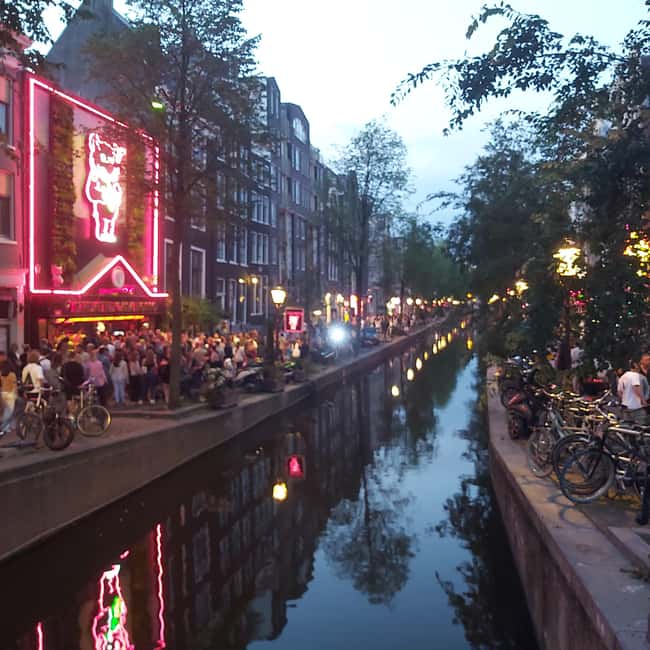
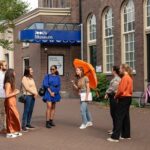
You meet your guide outside the Barbizon Palace Hotel on Prins Hendrikkade street. From there, the tour moves on foot and stays outdoors for the full 2 hours, so comfortable shoes are non-negotiable. If you only do one thing to prepare, do this: wear shoes you can walk in for a steady stretch.
This isn’t a long, wandering day-trip tour that tries to cover everything in Amsterdam. Instead, it is designed to give you one focused narrative: how the Red Light District developed, what pushed it into the spotlight, and why it became linked to progressive attitudes over time. You’ll get that clarity without needing to stop and research on your phone every five minutes.
The guide is Spanish-speaking, so if you prefer English or other languages, you may want to choose a different tour. But if Spanish works for you, it’s a nice bonus to get the story delivered in full, not half-translated.
You can also read our reviews of more tours and experiences in Amsterdam.
St. Nicholas Basilica to Zeedijk: Where the Port Meets the Neighborhood
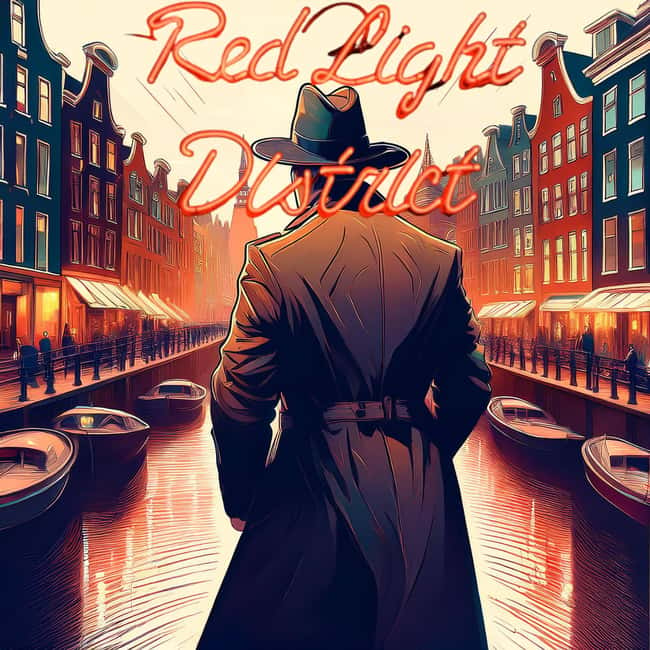
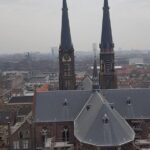
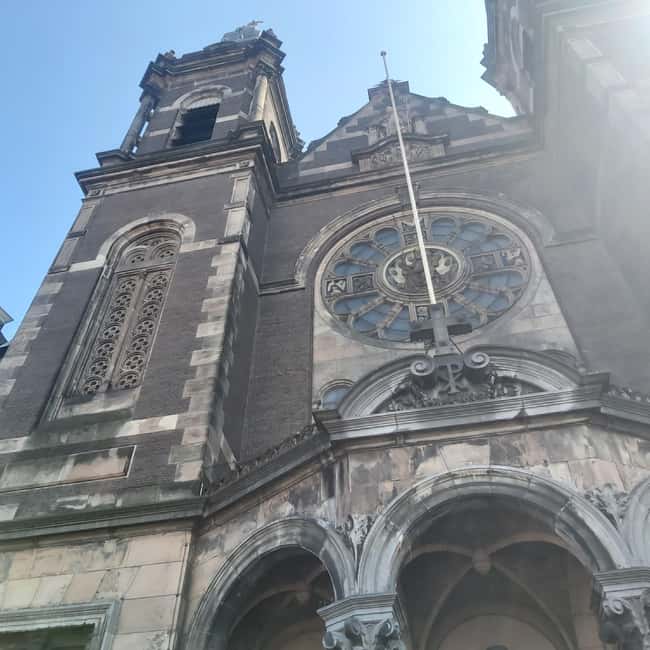
The tour begins at the St. Nicholas Basilica, which is opposite Central Station, and you’ll get an introduction to Amsterdam’s maritime heritage and early development. That matters because the Red Light District story isn’t only about one street or one era. It’s also about a city shaped by ships, trade, and constant movement of people.
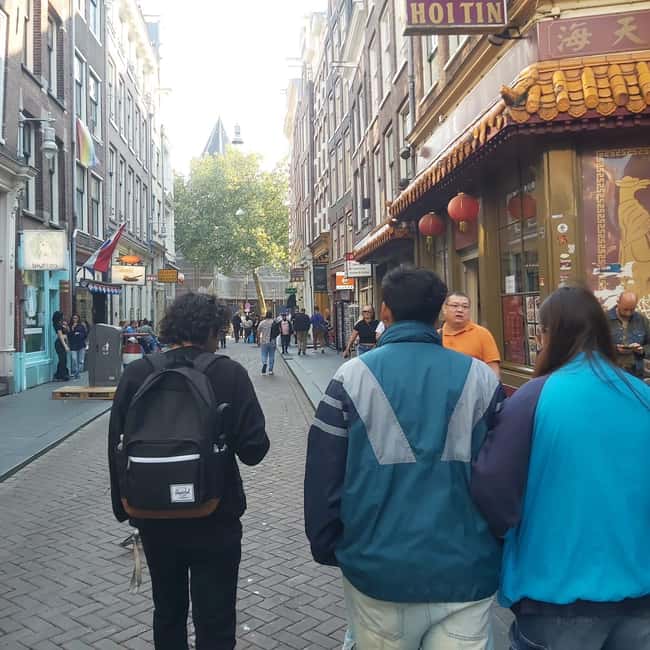
Next comes Zeedijk Street, a key walking stretch (about 15 minutes) tied to Amsterdam’s sailor-driven, multicultural past. You’ll hear how historic bars once catered to sailors coming from around the globe, and how the street’s history connects to the idea of the port turning into a meeting point for cultures and ideas.
I like this part because it gives you cause and effect. Instead of treating the Red Light District like something that appeared out of nowhere, you see how the city’s economy and population pressures helped shape demand for entertainment and vice. It makes the later talk about nightlife feel less like gossip and more like urban history.
Secret Photo Stop and He Hua Tempel: Small Breaks, Big Texture
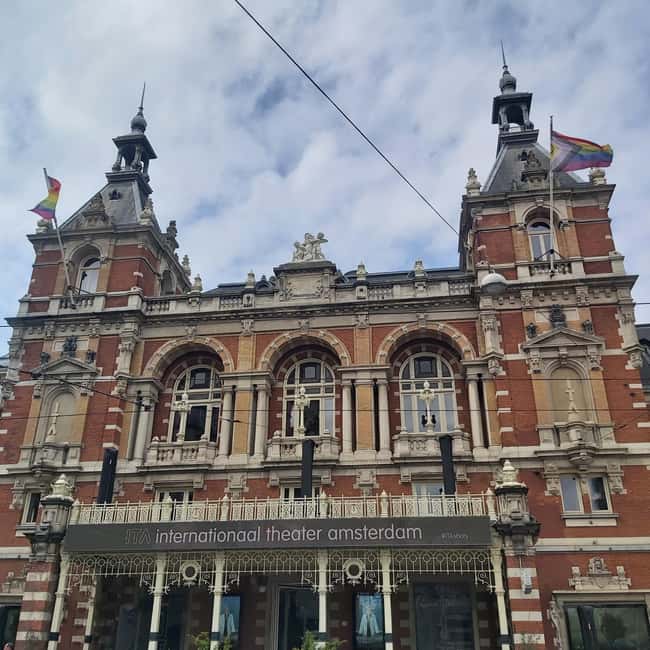
After Zeedijk, you get a secret stop that is mainly a photo moment (around 10 minutes). Even without knowing what it will look like in advance, the point is clear: you get a planned pause to frame the streets and capture the atmosphere without derailing the timing of the tour.
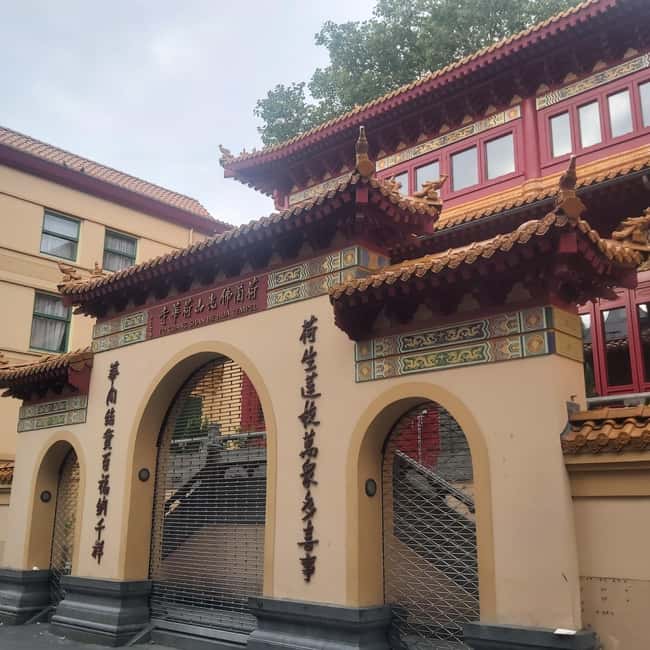
Then there’s He Hua Tempel (another photo stop, about 10 minutes). This is one of those stops that adds contrast to the district’s reputation. You’re in a neighborhood known for its adult side, and yet the city is still a full mix of communities, languages, and landmarks. If you like Amsterdam because it refuses to be one thing only, you’ll probably enjoy this bit.
Photography rules are simple but worth noting. You can bring your camera, and the guide will tell you when it’s okay to take photos. The tour also specifies that photography inside isn’t allowed, which is a good reason to keep your camera ready but your expectations flexible.
Nieuwmarkt Square and De Waag: A City Gate With a New Job
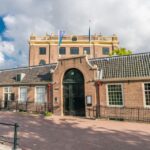
At Nieuwmarkt Square, you’ll stop for photo time (around 10 minutes) and see De Waag, described as a former city gate turned weighing house. This kind of detail is why I like focused walking tours. You start noticing Amsterdam’s buildings as functional objects from the past, not just pretty backdrops.
From De Waag, the tour shifts toward the part of Amsterdam people already know by name. But the guide’s approach here is to connect the architecture and the square to the district’s growth. It’s not only about what the neighborhood does in modern times; it’s about how prosperity led to more people in the city and rising demand for entertainment and vice.
That explanation is part history lesson, part street realism. If you’ve ever wondered how a port city grows into a nightlife magnet, this is where the tour starts giving you the “why.”
Walking the Red Light District Canal Network: Old Streets, New Meanings
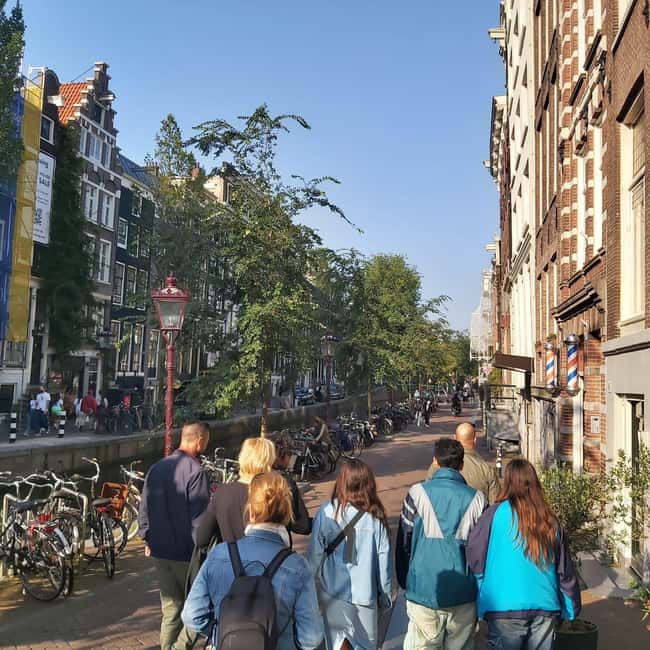
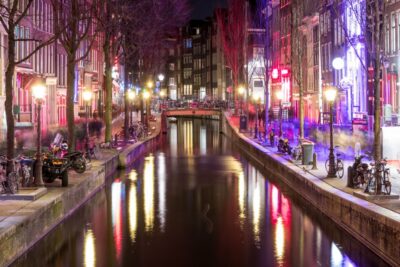
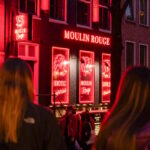
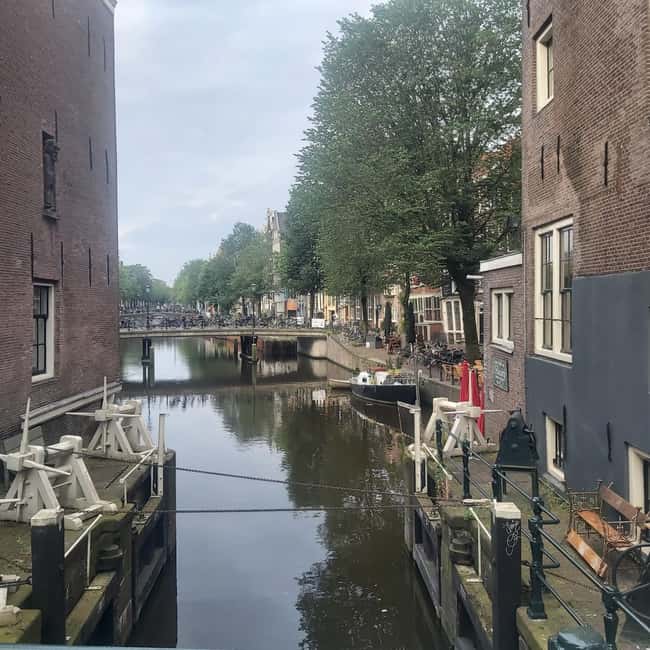
Now you’re entering the heart of the route: a walk (about 20 minutes) along the canal network that forms the district’s core. This is where the tour name makes sense—Unmasking isn’t about sensationalism. It’s about showing you the layers that brought the place into its current identity.
The guide explains the district’s rise in connection with the Golden Age and population growth. You’ll also hear about how the port acted as a melting pot for cultures and ideas, setting the stage for the district’s establishment. In a short time, you get the story arc: medieval development, Golden Age expansion, then the neighborhood’s transformation into something connected to progressive thought.
I want to flag a practical point. This is still a public walking experience in an adult-focused area. The tour rules explicitly say alcohol and drugs are not allowed, which is a respectful boundary and also keeps the experience smoother. If you’re bringing anything to drink, stick to non-alcoholic drinks, which are allowed.

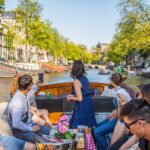

Oude Kerk Visit: Why the Oldest Building Changes How You See It
Next is Oude Kerk, with a visit segment of about 15 minutes. The tour highlights Oude Kerk as Amsterdam’s oldest building, which sets a strong tone the moment you step into the context of centuries.
This stop helps you do something simple but important: compare eras in your head. You’re learning about the Red Light District’s growth through trade, prosperity, and social demand, but you’re also physically near one of the oldest church structures in the city. That contrast makes the history feel less like a lecture and more like walking through time.
If you’re someone who likes to understand cities through their main institutions—churches, gates, squares—Oude Kerk is one of the better-value stops on the route. It gives you an anchor while the guide talks through the district’s evolution and changing reputation.
One more photo-related reminder: photography inside is not permitted, so use the exterior moments and follow the guide’s cues.
Warmoesstraat and the Final Side Stop: Atmosphere Without the Noise
After Oude Kerk comes Warmoesstraat (about a 10-minute walk). Warmoesstraat is part of the neighborhood’s street fabric, and you’ll get more context about what shaped the demand for entertainment and nightlife as Amsterdam grew.
Then comes the final longer segment before wrapping up: a side visit (about 15 minutes). The tour doesn’t spell out the exact nature of this stop beyond it being a special visit moment, so I’d treat it as a last piece of context the guide wants you to absorb without rushing. These kinds of pauses are often where the story turns from facts into interpretation—how the neighborhood became symbolic and why progressive thinking is part of the explanation you’re hearing.
Expect the group to stay moving, but not sprinting. The pacing is built around short walking stretches and planned stops, including those photo moments earlier.
Royal Palace and Dam Square Wrap-Up: Power in the Same Frame
The tour finishes around Dam Square, with the Royal Palace part of the ending experience and the guide discussing its relationship with the Red Light District. This is a smart last move. It pulls your thinking up and out, reminding you the neighborhood is not an isolated theme—it sits next to the seats of authority and major city landmarks.
Your route notes also list Beursplein as the finish point, while the overall activity description says it ends back at the meeting point area. In practice, plan on the tour ending in the general central area after the Dam Square explanation, and then follow the guide’s lead for the exact final walk.
If you like closing a tour with a big landmark, this ending works. It turns the last minutes into a reality check: yes, the district has a reputation—but Amsterdam also places it within the wider city story.
Price and Practical Value for $31
At $31 per person for a 2-hour Spanish guided walking tour, the value is mostly in three places:
- You get a structured route that includes multiple major stops (St. Nicholas Basilica, De Waag, Oude Kerk, Dam Square/Royal Palace).
- The guide provides ongoing context so you’re not just wandering a famous area with no framework.
- You’re paying for the storytelling and walking time, not for museum tickets or venue entries.
The tour does not include food or drinks, and it also notes no entries to any venues. That’s not a dealbreaker, but it changes how you plan your expectations. This is best seen as a guided city-walk experience where the “entry” is observing and learning, not ticketed attractions.
Also, because it’s outdoor-focused, you’ll get the most out of it if you go in ready to walk and pay attention. If you show up hoping for a lot of indoor time, you might feel like the pace is too street-level.
Who This Tour Suits Best (and Who Should Skip It)
This tour fits you well if you want a guided history that connects Amsterdam’s port roots, Golden Age prosperity, and shifting social attitudes to the emergence and evolution of the Red Light District. If you like learning through landmarks—churches, squares, and former city structures—this route hits those targets.
It may not fit you if:
- You need a wheelchair-accessible route (it is listed as not suitable for wheelchair users).
- You’re traveling with children under 14 (it is listed as not suitable for that age group).
- You have mobility constraints that make uneven streets and outdoor walking hard.
It also comes with behavior boundaries: no alcohol or drugs. That’s practical, and it keeps the focus where it should be—on the history and the city.
Should You Book the Amsterdam Spanish Tour Unmasking the Red Light District?
I’d book it if you want a clear, walkable story about how this neighborhood developed from medieval beginnings through the Golden Age, and then how it became tied to progressive thought. The mix of major landmarks and street-level walking gives you structure without turning the experience into a rigid script.
Skip it if you want lots of indoor time, venue tickets, or a more general overview of Amsterdam. This is specifically about one area and its evolution, and you’ll get the most from it by leaning into that focus.
If Spanish is your comfort language, you get an extra layer: the guide leads the discussion in Spanish, which tends to make the pacing feel more natural. And if you care about practical learning—where you’re standing while you learn—this route is built for that.
FAQ
What language is the tour guide?
The guide speaks Spanish.
How long is the walking tour?
The tour lasts 2 hours.
Where do I meet the guide?
Meet outside the entrance to the Barbizon Palace Hotel on Prins Hendrikkade street in Amsterdam.
Where does the tour end?
The activity description says it ends back at the meeting point, and the route details list Beursplein as the finish area.
What is the price per person?
The price is $31 per person.
Is the tour suitable for children?
No. It is not suitable for children under 14 years old.
Is it wheelchair accessible?
No. It is not suitable for wheelchair users.
Is photography allowed?
You may bring a camera, and the guide will advise when you can use it. Photography inside is not allowed.
Are food or drinks included?
No. The tour does not include food or drinks, and there are no entries to venues.