
REVIEW · RIJKSMUSEUM TOURS
Amsterdam Rijksmuseum Tour Semi-Private with 12ppl Max
Book on Viator →Operated by Babylon Tours Amsterdam · Bookable on Viator
The Rijksmuseum clicks faster with the right guide. This semi-private tour (max 8 in the group) turns big museum space into a clear hit list, with guides like Cecilia, Anna, and Monique bringing the art and the era together. You’ll also get a quick run-through of Dutch culture through recognizable stars and surprising objects.
I especially like that admission fees and the guide are wrapped into the price, so you’re not spending energy on logistics once you’re inside. The only real drawback: the museum visit is still lots of walking, and it’s not recommended for wheelchair use or major mobility limits—plus security means no big bags or suitcases.
In This Review
- Key highlights to look for before you book
- A small-group Rijksmuseum that feels doable
- Getting there: Cobra Café meeting point to museum entrance
- How the 2.5 hours work once you’re inside
- Stop 1: Rijksmuseum highlights you can build your visit around
- Rembrandt masterworks and why they matter
- Vermeer’s Milkmaid and the art of everyday life
- Jewish life, guild power, and civic identity
- Beyond paintings: dollhouses, globes, ship replica, and Delft ceramics
- The 19th-century library: where the museum becomes a storybook
- Quiet-room rules and speaking limits
- Guide styles: what you’re likely to experience with names like Anna and Cecilia
- Price and value: is $108.90 worth it?
- Who this Rijksmuseum tour is best for (and who should skip it)
- What to watch out for: closures, bag rules, and seasonal changes
- Should you book this Rijksmuseum semi-private tour?
- FAQ
- How long is the Amsterdam Rijksmuseum semi-private tour?
- What group size should I expect?
- Is museum admission included in the price?
- Where do we meet for the tour?
- Are there restrictions on bags inside the Rijksmuseum?
- Is the tour suitable for wheelchair users or limited mobility?
- What is the cancellation window for a full refund?
Key highlights to look for before you book
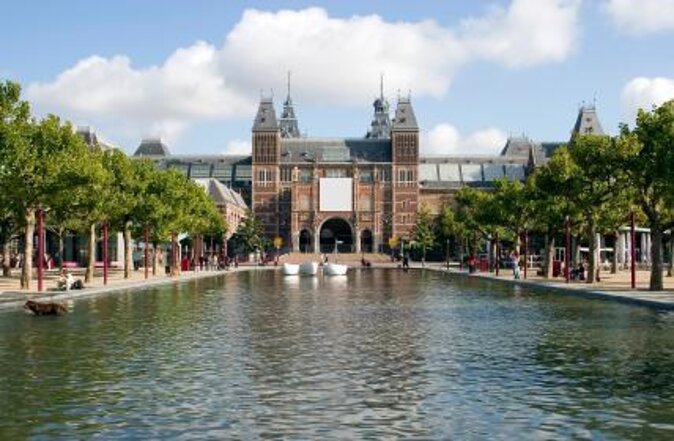
- Semi-private size: never more than 8 people, even though the overall tour cap is 12
- Admission + guide included: you pay for the experience, not just the ticket
- Rembrandt and Vermeer coverage: The Night Watch, The Milkmaid, and more signature works
- The Dutch-life extras: dollhouses, globes, ship replica, Delft ceramics, and a 19th-century library
- Guide storytelling that stays human: multiple guides cited for making centuries-old works feel relatable
- Museum rules matter: bag limits and quiet-room rules can affect how freely you move or talk
A small-group Rijksmuseum that feels doable
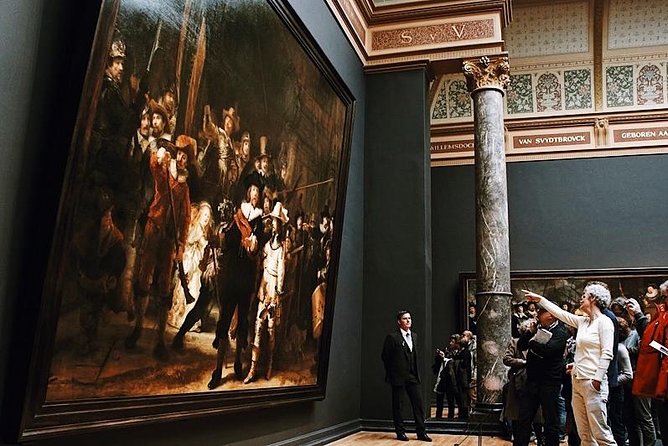
If you’ve seen photos, you already know the Rijksmuseum is a lot. Big rooms, long galleries, and enough paintings to make you wonder if art has secret cheat codes. The big win here is the semi-private group size, capped at 8. That changes everything: your guide can actually answer questions, pace the tour to the group, and steer you toward the works that connect Dutch history over time.
This is also a tour built for people who want structure without turning the museum into a checklist. The focus stays on standout works and the stories around them—Rembrandt’s world, Vermeer’s domestic scenes, and the objects that show how people lived (and how tastes changed). And yes, there’s time for memorable stops beyond the famous paintings, like the 19th-century library and the playful, detailed 17th-century dollhouses.
The other thing I like: you’re not stuck outside the museum wrangling details. The tour includes entrance fees, and you’ll use a mobile ticket, so the day feels smoother once you arrive.
You can also read our reviews of more private tours in Amsterdam


Getting there: Cobra Café meeting point to museum entrance
Your start point is Cobra Café, Hobbemastraat 18 (1071 ZB Amsterdam). It’s a practical choice because it’s close to public transportation, and you’re meeting before you hit the museum’s security rhythm.
Two practical notes based on what matters most on travel days:
- There’s no hotel pickup or drop-off. For most people, Uber or a taxi is the easiest way to get to Hobbemastraat and avoid dragging your day bag around.
- The tour runs on a set start time, so don’t aim to arrive exactly at the minute. Give yourself a little buffer to find the meeting spot, especially since the area has multiple similar-looking buildings near the museum.
Also, you’ll need to provide a mobile phone number (with country code) for the experience to work smoothly. That’s tied to your mobile ticket and confirmation.
How the 2.5 hours work once you’re inside
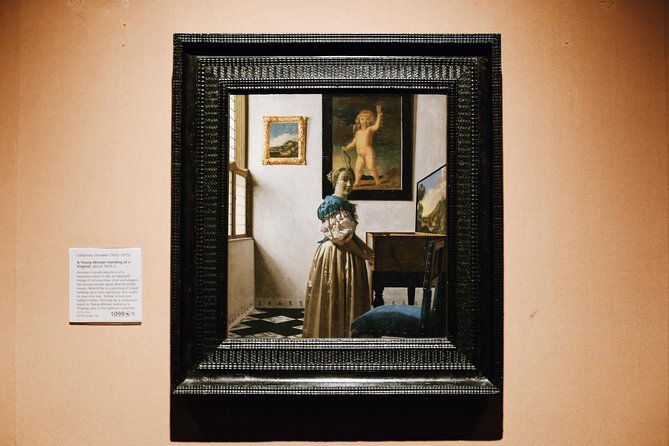
This tour focuses on one main stop: the Rijksmuseum. The time target is about 2 hours 30 minutes, and the guide plan is designed for first-time visitors who want the big landmarks without trying to see everything.
In a museum this size, the goal is not volume—it’s understanding. You’ll get an overview of Dutch history through art and objects, with a guided path that connects themes:
- how powerful families and guilds commissioned art
- how everyday life showed up in interiors and portraits
- how artists reflected social change
- how design and collecting mattered, not just painting
You’ll also hear guidance on museum etiquette and rules. Security can mean lines (even when a tour is timed), and some rooms have quiet or restricted right to speak. Your guide should warn you before entering those spaces, so you’re not caught off guard.
Finally, there’s an important reality check: artwork can be temporarily on loan or under restoration, and some displays can vary by season. That doesn’t make the tour weak—it just means the guide’s emphasis may shift slightly to match what’s on view that day.
Stop 1: Rijksmuseum highlights you can build your visit around
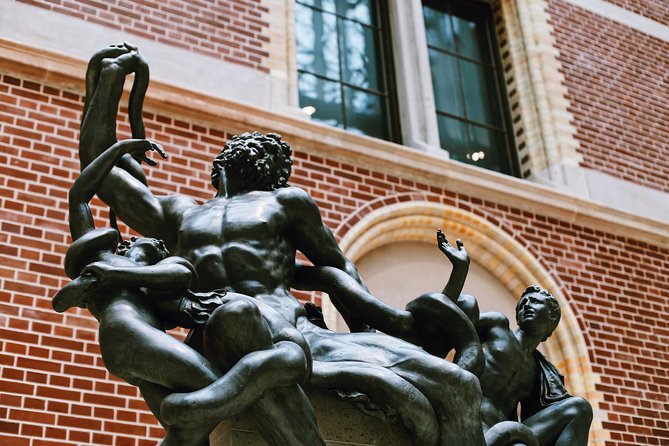
Think of the Rijksmuseum as three museums in one: paintings, decorative arts, and the kind of cultural context that helps you read what you’re looking at. This tour aims to connect those layers so the museum feels coherent, not random.
Rembrandt masterworks and why they matter
Your guided run includes Rembrandt’s big footprint, with stops built around famous works and what they say about the era. The Night Watch is usually the headline for obvious reasons—scale, drama, and composition. But the best part of having a guide is that you don’t just look at the painting; you learn what you’re seeing and how it connects to Dutch society in the 1600s.
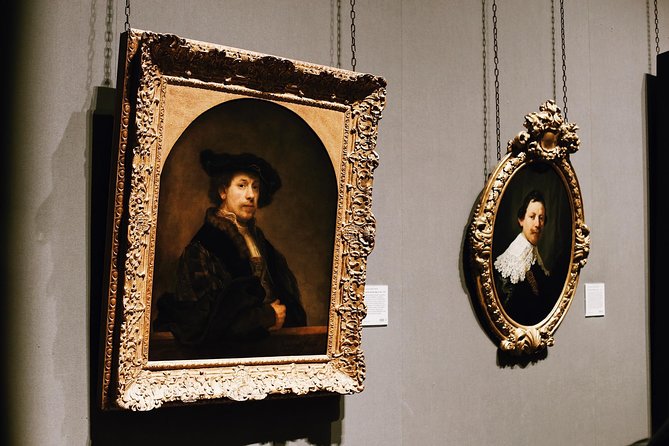
The tour also includes other key Rembrandt masterworks, like The Jewish Bride and The Syndics of the Drapers’ Guild. Those works are different moods from The Night Watch, which is exactly why a guided approach helps. You start seeing the common threads: status, identity, and how artists made messages visible through portraiture.
One of the most repeated strengths in the guide styles described for this tour is storytelling that makes the artist’s choices feel human. Guides such as Anna and Diana are praised for bringing personal detail into the context—how Rembrandt lived, struggled, and shaped the way he made art. That kind of framing turns “famous painting” into “meaning I can follow.”





Vermeer’s Milkmaid and the art of everyday life
The star for many first-timers is Vermeer’s The Milkmaid. The tour doesn’t just point at the work; it explains why Vermeer’s scenes feel so calm and constructed. You’ll get a sense of the attention to domestic life—the way a painting can be intimate without being small.
If you like art that rewards careful looking, this stop is one of your payoff moments. You walk in thinking it’s a single masterpiece, then you leave with a better sense of what the painting is doing in its time.
Jewish life, guild power, and civic identity
The Rijksmuseum’s strength is that it doesn’t separate art from society. That’s why the tour’s selected works are useful. For example:
- The Jewish Bride adds cultural and religious identity to the story
- Syndics of the Drapers’ Guild shows organized civic power through commissioned portraiture
Even if you only know Dutch history through bits and pieces, the guide helps you connect the dots so the museum feels less like museum-speak and more like a timeline you can understand.
Beyond paintings: dollhouses, globes, ship replica, and Delft ceramics
A lot of museum tours stop after the famous paintings. This one keeps going into the objects that make Dutch culture feel real. You’ll see 17th-century dollhouses, plus details like globes, a ship replica, and Delft ceramics.
These items matter because they’re not filler. They show how people collected knowledge, how they represented the world in miniature, and how craftsmanship sat next to curiosity. Dollhouses, in particular, are fascinating because they blend domestic life with ambition: you can almost see how a household displayed taste and status.
If you’re traveling with kids, this is a smart portion of the tour. A 9-year-old in one account was described as enthralled by the older works and religious context, which tells me the guide doesn’t treat the experience as only for adults who read placards.
The 19th-century library: where the museum becomes a storybook
One of the unique inclusions here is the 19th-century library. You’re not usually expecting a library moment in an art tour. Yet the description of this museum stop makes sense: a library is a visual map of ideas. It adds another layer to how Dutch culture stored and spread knowledge.
It’s also a welcome shift from the visual focus of paintings. If you get museum fatigue (and many people do), this segment gives your brain a different type of input.
Quiet-room rules and speaking limits
Rijksmuseum has some areas where the right to speak is restricted or the environment is kept very quiet. Your guide should tell you before you enter those spaces. The practical takeaway for you: don’t plan to keep a loud group conversation going in those rooms. It’ll slow you down and likely make the experience less pleasant for everyone.
Guide styles: what you’re likely to experience with names like Anna and Cecilia
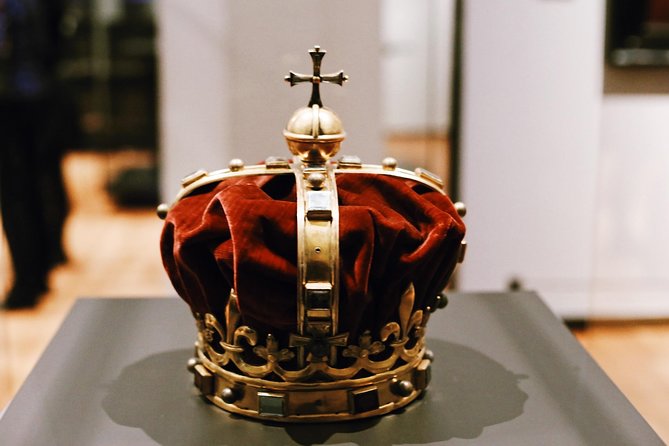
The biggest reason people rate this tour so highly is not just the collection—it’s how the guide handles it. Across the guide names mentioned (Monique, Cecilia, Anna, Tea, Janet, Diana, Jo, Anita, Angelo, and Massima), the common thread is clear:
- they explain art choices and context, not just facts
- they answer questions
- they keep the group engaged without making it feel like a lecture
Some guides are specifically praised for making centuries-old paintings feel funny and fresh, or for focusing on behind-the-scenes style detail around Rembrandt. Others were noted for teaching how art techniques developed in relation to social climate.
So here’s the practical advice for you: when your guide asks what you want to see, lean into it. If you care most about painters, say so. If you’re also interested in everyday life objects like Delft ceramics or dollhouses, tell them early. In a group this size, those preferences can shape what the guide emphasizes.
Price and value: is $108.90 worth it?
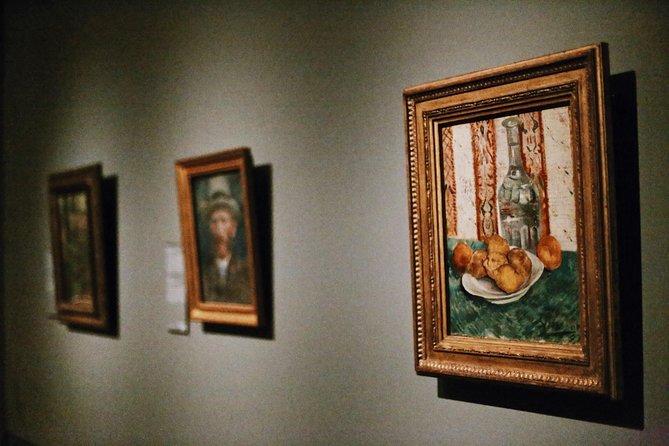
At $108.90 per person for about 2.5 hours, you’re paying for a guided interpretation plus the museum entry itself. Since entrance fees and all guide service time are included, you’re not just buying a ticket and hoping you’ll “figure it out” inside the galleries.
Here’s how I’d think about value before booking:
- If you’d normally pay for museum admission anyway, the marginal cost is mainly the guide’s time and expertise.
- The semi-private size helps with “time per person.” In a larger group, you’d likely lose questions and attention. Here, your guide can stay responsive.
- The Rijksmuseum is huge. Without guidance, many people rush the highlights or miss the connections between works and objects.
This is a strong option if you have limited time in Amsterdam and you want your museum visit to feel structured. If you love exploring completely on your own, you can always go independent. But if you want the museum to make sense while you’re standing in front of it, this price is easier to justify.
Who this Rijksmuseum tour is best for (and who should skip it)
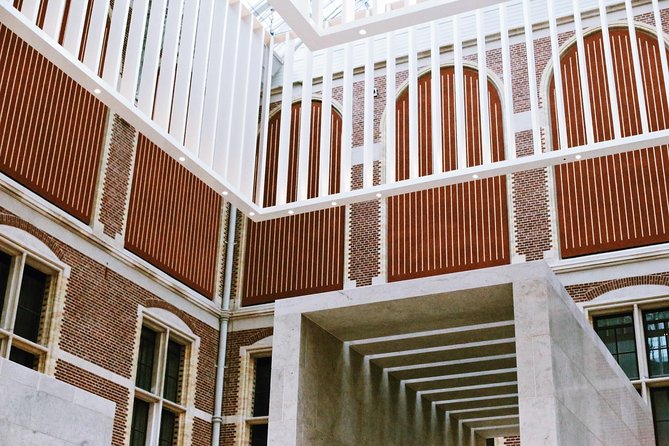
This tour fits best when you:
- love art and want the stories behind famous paintings
- want a first-timer-friendly path through the museum
- prefer smaller groups where questions are welcome
- want more than just paintings, including objects like dollhouses and ceramics
It may not be the best choice if:
- you have limited mobility or need wheelchair-friendly routes (this tour is not recommended for wheelchair use or walking disabilities)
- you hate museum rules around bags and quiet rooms
- you want total freedom to linger for hours in one gallery (this is a guided 2.5-hour experience, not an open-ended wander)
One more scheduling thought: the tour is often booked around 47 days in advance. If your dates are set, don’t wait for inspiration. Amsterdam museum slots get tight.
What to watch out for: closures, bag rules, and seasonal changes
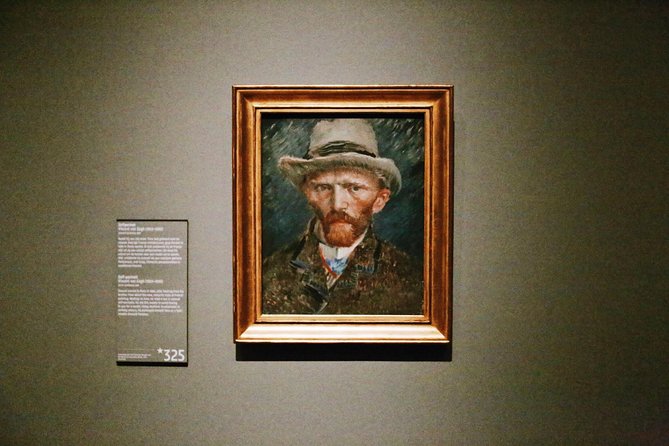
Even great museum plans can change. The Rijksmuseum can have occasional closures, and the tour notes say that if opening time is delayed by more than 1 hour from the tour start, you’ll be offered an appropriate alternative. In those cases, refunds or discounts aren’t provided.
For your day-of experience, the more immediate issues are:
- Bags: no large bags or suitcases inside. Only handbags or small thin bag packs through security.
- Dress: appropriate dress is required for entry into some sites.
- Quiet rooms: some spaces restrict speech.
If you show up with a big daypack or suitcase, you can lose time at the start. So pack light if you can.
Should you book this Rijksmuseum semi-private tour?
Yes—if you want your Rijksmuseum visit to feel organized, meaningful, and not overwhelming, this is a smart way to spend your time. The value is strong because admission fees and a professional guide are included, and the semi-private cap of 8 keeps the experience personal.
Book it especially if you’re a first-time Amsterdam visitor, an art lover who wants context, or someone who would like the museum beyond just The Night Watch and The Milkmaid. The dollhouses, ceramics, and the 19th-century library are the kind of stops that tend to make this tour memorable, not just “educational.”
Skip or reconsider if mobility is a major concern, because the experience involves walking and it isn’t recommended for wheelchair use.
FAQ
How long is the Amsterdam Rijksmuseum semi-private tour?
It runs about 2 hours 30 minutes.
What group size should I expect?
This is semi-private with a maximum of 8 guests. The overall tour has a maximum of 12 travelers.
Is museum admission included in the price?
Yes. All entrance fees are included, along with the guided tour.
Where do we meet for the tour?
Meet at Cobra Café, Hobbemastraat 18, 1071 ZB Amsterdam. The tour ends at the Rijksmuseum (1071 ZB Amsterdam).
Are there restrictions on bags inside the Rijksmuseum?
Yes. No large bags or suitcases are allowed inside. Only handbags or small thin bag packs can go through security.
Is the tour suitable for wheelchair users or limited mobility?
The tour is not recommended for those with walking disabilities or using a wheelchair.
What is the cancellation window for a full refund?
You can cancel up to 24 hours in advance for a full refund.