REVIEW · RIJKSMUSEUM TOURS
Amsterdam: Rijksmuseum Private Tour
Book on GetYourGuide →Operated by Orange Adventures · Bookable on GetYourGuide
Dutch Masters come alive in a private room.
A 2-hour guide-led visit at the Rijksmuseum turns famous paintings into readable stories, with hands-on explanation of how the work was made and what it meant to people in the 1600s. I especially like how the tour zeroes in on The Nightwatch in the Honorary Gallery, and how the guide walks you through painting techniques as well as hidden meaning in the scenes. One thing to consider: the Rijksmuseum can be crowded, and if the guide has another group after you, the final moments can feel a bit rushed.
What you’re really paying for here is focus.
This is a private setup for up to two people, with a live guide (often Rolf Schreuder) who can adjust to your interests and keep the pacing friendly—while still fitting in the big highlights of the Dutch Golden Age. Just be ready to think like a 17th-century reader: paintings weren’t wall decorations only; they were visual teaching tools.
In This Review
- Key highlights you’ll remember
- Rijksmuseum in Two Hours: A Smart Way to See the Dutch Masters
- Meeting Inside the Museum (And Why Your Timing Matters)
- Honorary Gallery Focus: Seeing The Nightwatch Like a Story
- From Medieval Art to Dutch Innovation: What Actually Changed
- Rembrandt, Vermeer, Frans Hals: How Techniques Become Clues
- Dutch Power, Maritime Pride, and Everyday Scenes
- Crowd Reality and Pacing: The Only Possible Downside
- Price and Value: $235 for Up to 2 People
- Should You Have the Amsterdam Card?
- Who This Private Tour Fits Best
- Book It or Skip It?
- FAQ
- How long is the Rijksmuseum private tour?
- What does it cost?
- Are Rijksmuseum entrance tickets included?
- Where do I meet the guide?
- Is this a private group tour?
- What languages are available for the guide?
- Is the Rijksmuseum tour wheelchair accessible?
- Can I cancel and get a full refund?
- Do I have to pay right away?
- Does an Amsterdam Card help with museum access and transport?
Key highlights you’ll remember
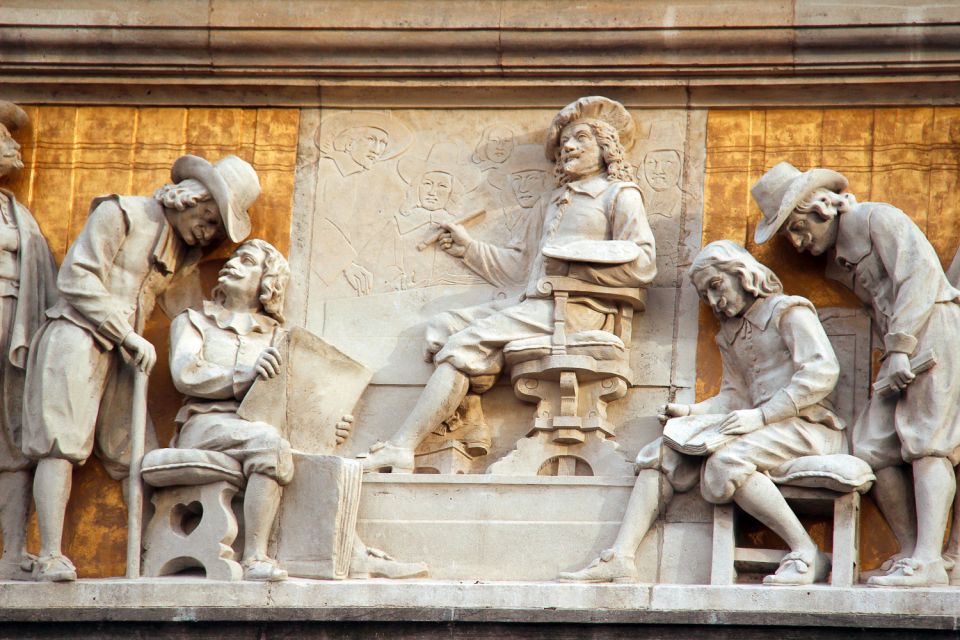
- The Honorary Gallery and Rembrandt’s The Nightwatch: one of the museum’s most famous sights, explained in a way that helps you “read” it
- Technique talk that changes how you look: brushwork, lighting, and composition are explained in plain language
- A clear bridge from Medieval art to Flemish and Dutch Masters: you’ll understand what changed and why
- Big-name coverage with context: Rembrandt, Vermeer, Frans Hals, and more, tied to daily life and politics
- Private group pacing for up to 2: the guide can slow down for the paintings you care about most
Rijksmuseum in Two Hours: A Smart Way to See the Dutch Masters
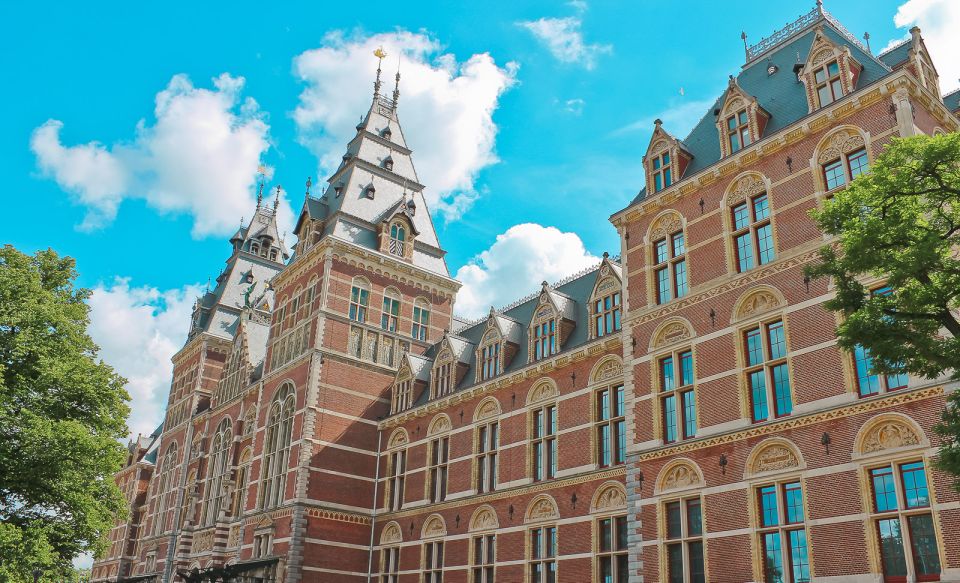
The Rijksmuseum is huge, and even when you love art, “wander and hope” can turn into fatigue fast. A private 2-hour format helps you do something more useful: look closely, in the right order, with someone who knows where the museum’s story starts.
I like that this tour treats paintings as information, not just decoration. When the guide explains technique, you start noticing details you’d otherwise miss—how light shapes faces, how gestures guide your eye, and why an artist chose a particular scene. That shift alone can make the rest of your museum visit more enjoyable.
You’ll also get cultural context that explains the mood of the Dutch Golden Age. The tour connects painting choices to the era’s real life—how Dutch power grew at sea and how artists aimed their work at people who weren’t kings or emperors.
You can also read our reviews of more private tours in Amsterdam

Meeting Inside the Museum (And Why Your Timing Matters)
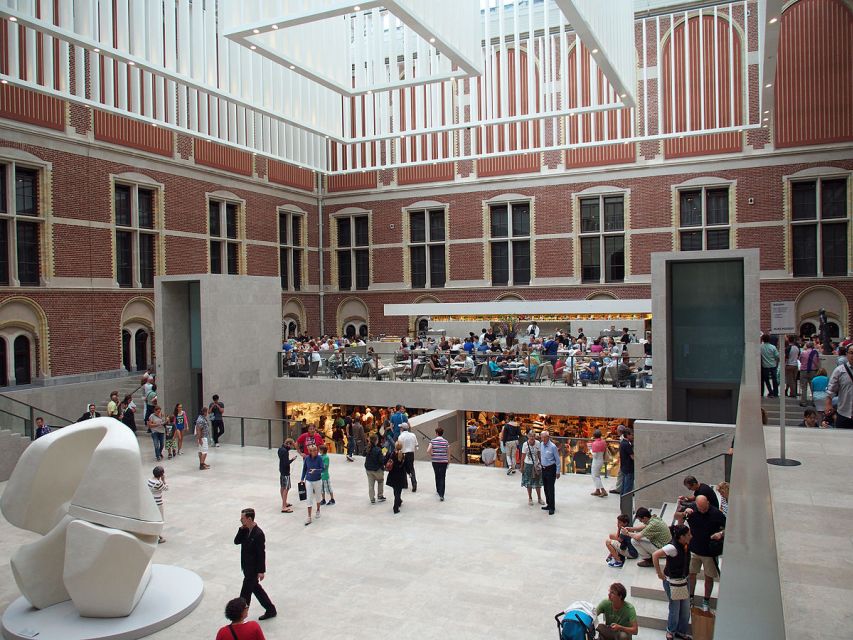
You meet your guide inside the Rijksmuseum after you’ve made your way in. Look for the round info counter, then go about 10 meters to the right—there’s a small sign that reads meeting point.
That matters because the museum gets busy, and you’ll lose time if you’re hunting around once you’re already inside. If you can, plan to arrive with a buffer so your tour start feels calm, not sprinty.
This tour also includes advice on skip-the-line options, or at least how to make waiting easier. Entrance tickets are not included, so you’ll want your ticket sorted before you step into the meeting rhythm. (It’s a small detail, but it’s the difference between a smooth start and a stressful one.)
Language is another practical factor. The live guide can work in Dutch, English, or German, so you can choose the language that keeps the art talk clear.
Honorary Gallery Focus: Seeing The Nightwatch Like a Story
If you come to the Rijksmuseum for one painting, it’s usually The Nightwatch. This tour builds around it by taking you to the Honorary Gallery so you see it in the most meaningful way possible: not just from a distance, but with explanation that helps you connect parts of the scene.
What helps is that the guide doesn’t treat the painting like a museum poster. Instead, you get a walkthrough of what you’re looking at—how the composition leads your eye, how figures relate to each other, and what the setting communicates. Once someone gives you a framework, the painting stops feeling like a single loud moment and starts feeling like a carefully built page.
It also helps to know why this painting matters within the larger Dutch tradition. The tour’s approach links Rembrandt’s work to the era’s broader taste for narrative and meaning, not just spectacle.
And yes, crowding can be real around this kind of masterpiece. The upside of a private guide is that you’re not trapped guessing how to get the best view while juggling other visitors.
From Medieval Art to Dutch Innovation: What Actually Changed
One of the smartest parts of this experience is the way it sets up the transition in art style and subject matter. You’ll hear about the difference between Medieval art and what came next—how Flemish and Dutch Masters brought new ideas into how stories were shown and how people recognized themselves in the images.
For me, the key value here is understanding the change in audience. In the 17th century, many people learned by seeing. A painting could function like reading a book or following a visual cartoon. That means the painter wasn’t only making something beautiful; he was organizing meaning that normal viewers could decode.
This tour also frames why the Dutch became so driven by storytelling in paint. It wasn’t just myth and history. Common life gained attention—ordinary people, familiar settings, and everyday emotions moved to the front of the stage.
When you see those patterns while you walk through galleries, the museum stops feeling random. You start spotting why one painting feels more intimate than another.
Rembrandt, Vermeer, Frans Hals: How Techniques Become Clues
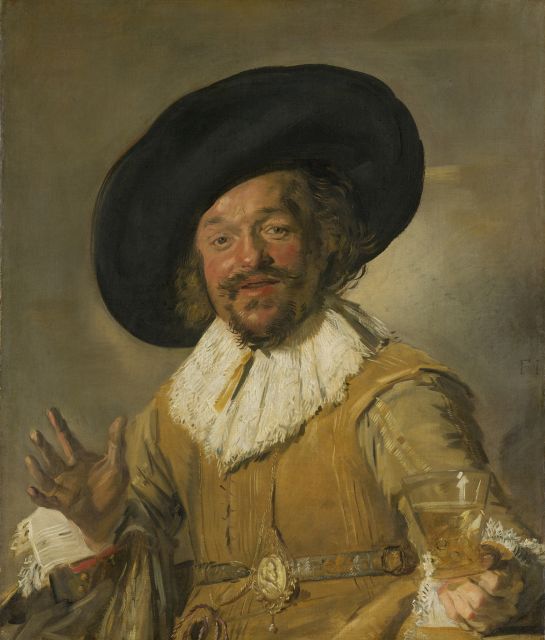
The tour’s center of gravity is the Dutch Masters of the 1600s, including Rembrandt, Vermeer, Frans Hals, and more. The difference between an ordinary highlight visit and this one is the emphasis on how paintings are built.
The guide talks about technical aspects, so you understand why things look the way they do. That includes practical visual skills: learning to spot how light is used to shape faces, how color and texture create depth, and how composition directs attention.
Then comes the second layer: hidden meaning. You’re not just told what a painting shows—you’re guided toward the clues inside it. The guide may also ask you questions as you look, which is a sneaky good way to make the information stick. Instead of listening passively, you’re actively comparing details between works.
If you’ve ever stood in front of a painting and thought, I know what I’m seeing, but I don’t know why it’s important, this style fixes that. It gives you a set of “reading tools,” so each new canvas adds to your understanding rather than starting over.




Dutch Power, Maritime Pride, and Everyday Scenes
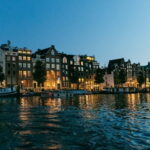
The tour doesn’t keep Dutch painting in an art-only bubble. You’ll connect art to the era’s big story—how the Dutch ruled the waves, and how that growth followed the earlier footsteps of Spain and Portugal.
That political shift matters because it changes what society values. When power and trade expand, so does civic pride. Artists respond. You’ll hear how those forces show up in art themes and in the way painters choose who deserves attention.
Another theme you’ll get: common scenes coming forward. Earlier traditions often leaned heavily on kings, queens, mythological and historical events. In the Dutch Golden Age, scenes from daily life gain a bigger role. That’s one reason the paintings feel more human to modern eyes.
I find this context makes the museum less intimidating. Instead of asking, What is this supposed to mean?, you can ask, Why would this have mattered to people then?
Crowd Reality and Pacing: The Only Possible Downside
Let’s talk about the one caution. The Rijksmuseum can be crowded, and private tours still run on time. In some cases, if the guide has another appointment afterward, the end of your session can feel slightly rushed.
You can plan around this. Decide ahead of time what you want most: if The Nightwatch is your must-see, treat the rest of the tour as valuable context rather than an obligation to see everything. If you’re the type who needs every detail, know you’ll likely want to return later or add self-guided time.
Also, build in mental stamina. Two hours in a big museum isn’t long, but it is enough to absorb a lot if the pace works. If you’re traveling with older relatives or anyone who tires easily, this private format can be a win, since the guide can slow down when needed.
Price and Value: $235 for Up to 2 People
At $235 per group for up to two, the price isn’t “cheap,” but it can be good value when you compare what you get. You’re buying guide time and attention, not just access to galleries. With a larger group tour, you usually fight the crowd for meaning. Here, you get a tighter focus on the Dutch Masters and the techniques behind them.
A useful way to think about it: you’re paying for a guided interpretation of masterpieces like Rembrandt’s The Nightwatch and the broader Dutch Golden Age story. If you’re the kind of visitor who enjoys learning while you look—especially if you want technical painting explanations—this can feel like money well spent.
Entrance tickets are not included, so budget for them separately. If you already planned to come to the Rijksmuseum anyway, this tour can act like a “guided lens” that makes the ticket time go further.
Should You Have the Amsterdam Card?
If you’re going to do more than one museum, the Amsterdam Card can change the math. The tour info specifically notes it provides unlimited museum access and includes public transport, including the train service from the airport to Amsterdam city centre and trams in town.
So if your trip includes museums beyond the Rijksmuseum—especially ones you might not otherwise fit in—you may find the card saves both money and logistical stress. Even if you don’t buy the card, it’s worth checking because it can affect your overall schedule.
One practical tip: if you have the card, your day can stay flexible. You can shift museum priorities without worrying that another admission will blow up the budget.
Who This Private Tour Fits Best
This is a great fit for small groups, art lovers, and anyone who wants a guided way to “read” 17th-century painting. Because it’s private for up to two, you can ask questions in the moment and tailor attention to what interests you most—Rembrandt’s storytelling style, Vermeer’s quieter focus, Frans Hals’ portrait energy, or the bigger Dutch culture context.
It also tends to work well for mixed ages when the guide’s approach stays interactive and clear. The tour structure supports that because the explanations include both historical context and practical visual clues.
And since the experience is wheelchair accessible, it’s a solid option if you need an accessible museum visit that still stays structured instead of exhausting.
Book It or Skip It?
I’d book this tour if you want to see the Rijksmuseum with a plan and with meaning. The strongest reason is the combination of private guidance and a focus on Dutch painting techniques, not just “who painted what.” If you care about understanding the how and the why—then two hours is a smart way to get a lot out of the museum fast.
I’d skip (or at least consider postponing) if you’re the type who prefers to wander without structure and you don’t care much about technique or historical context. In that case, you might feel the tour is guiding you through a museum you’d rather explore freely.
If you do book, show up with one priority: either The Nightwatch or the Dutch Golden Age story. Everything else becomes easier once you have that anchor.
FAQ
How long is the Rijksmuseum private tour?
The tour is described as a 2-hour private tour of the Rijksmuseum.
What does it cost?
The price is $235 per group up to 2 people.
Are Rijksmuseum entrance tickets included?
No. Entrance tickets are not included.
Where do I meet the guide?
You meet your guide inside the museum after you enter. Meet at the round info counter area; about 10 meters to the right there is a small sign that reads meeting point.
Is this a private group tour?
Yes. It’s a private group experience (up to 2 people per group).
What languages are available for the guide?
The live guide can conduct the tour in Dutch, English, and German.
Is the Rijksmuseum tour wheelchair accessible?
Yes. The activity is listed as wheelchair accessible.
Can I cancel and get a full refund?
Yes. Free cancellation is available up to 24 hours in advance for a full refund.
Do I have to pay right away?
No. You can reserve now and pay later, with the option to pay nothing today.
Does an Amsterdam Card help with museum access and transport?
Yes. The tour info notes that the Amsterdam Card provides unlimited museum access and includes public transport, including train service from the airport to Amsterdam city centre and trams in town.