REVIEW · RIJKSMUSEUM TOURS
Amsterdam Rijksmuseum PRIVATE TOUR with a Local Private Guide
Book on Viator →Operated by Withlocals · Bookable on Viator
The Rijksmuseum shrinks fast with the right guide. I like that this is truly private, so you set the pace and can ask lots of questions while you see Dutch masters across eras. I also love the skip-the-line setup paired with the guide handling prebooking, so you spend less time waiting and more time looking closely at paintings like The Tree of Jesse and the big Golden Age stars. If you end up with a guide such as Rolf, Anna, or Martin, you’ll likely get that teacher-level art history feel that makes the museum easier to follow.
One catch to plan for: museum entrance tickets are not included in the tour price, and you pay 20 EUR per person in cash to the host.
In This Review
- Key highlights before you go
- Why a Private Guide Changes Rijksmuseum in 2 Hours
- Price and Logistics: What You Pay vs What You’ll Still Owe
- Meeting at Hobbemastraat and Getting Inside Smoothly
- The 2-Hour Route That Turns Rijksmuseum Into a Story
- Medieval Times: The Tree of Jesse and religious intensity
- Renaissance Era: Lucas van Leyden and the bridge to the Golden Age
- Golden Age: Hals, Vermeer, and Rembrandt in one sweep
- 18th century: clocks, furniture, porcelain animals, and domestic life
- 19th century: The Battle at Waterloo and the scale of ambition
- Getting the Most From Your Guide: How to Ask Better Questions
- Carbon Neutral and a Real Human Pace
- After the Museum: Using Your Guide for Amsterdam Tips
- Who Should Book This Rijksmuseum Private Tour
- Should You Book This Rijksmuseum Private Tour?
- FAQ
- How long is the Rijksmuseum private tour?
- Where do we meet for the tour?
- Is the Rijksmuseum entrance ticket included in the tour price?
- Does the guide handle the museum ticket prebooking?
- Is this tour private or shared with strangers?
- Is skip-the-line included?
- What’s included with the booking besides the guide?
- What happens if I need to cancel?
- How does confirmation work after booking?
Key highlights before you go
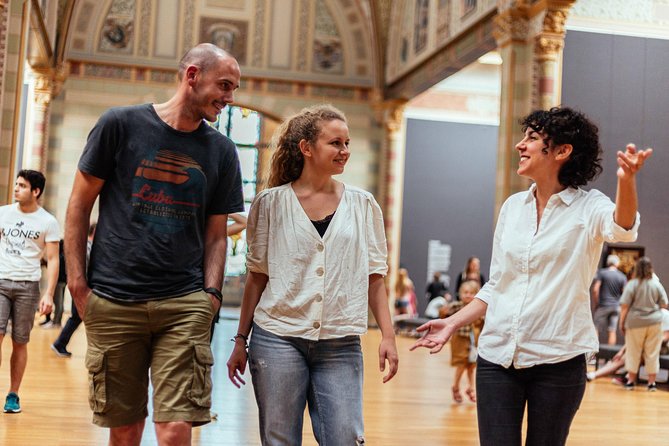
- Private guide, private pacing: You won’t get swept into a one-size-fits-all script.
- Skip-the-line value: Less time in queues means more actual looking time inside.
- Dutch art timeline in 2 hours: Medieval to 19th century, with major style changes explained.
- Specific artworks and objects: Expect named works and memorable details, not vague “highlights.”
- Carbon neutral experience: This comes included in the booking.
- Local follow-up tips: Your guide adds Amsterdam recommendations after the museum portion.
Why a Private Guide Changes Rijksmuseum in 2 Hours
The Rijksmuseum can feel like it’s trying to win a marathon. Even when you have a ticket, the sheer number of rooms and styles can make you bounce around without a clear thread. A private guide gives you that thread. In two hours, you’re not trying to “see it all.” You’re learning how to see the big ideas that connect the art, the building, and Dutch society.
I especially like the way this tour moves in eras, not random corridors. You start with the religious intensity of the medieval rooms, then you watch how art thinking shifts through the Renaissance into the Golden Age. That structure matters because Dutch painting isn’t just about famous names. It’s also about what people valued—religion, civic life, trade, home interiors, and power.
If you’re paired with a guide like Rolf, the vibe is often art history explained with energy, almost like a lecture you can walk with. If your guide is Anna or Martin/Marten, the strength tends to be context: how the artists’ styles and subjects connect to the bigger story of the Netherlands. Either way, you get momentum. You’re not stuck reading wall text for two hours and then wondering why your feet hurt.
You can also read our reviews of more guided tours in Amsterdam



Price and Logistics: What You Pay vs What You’ll Still Owe
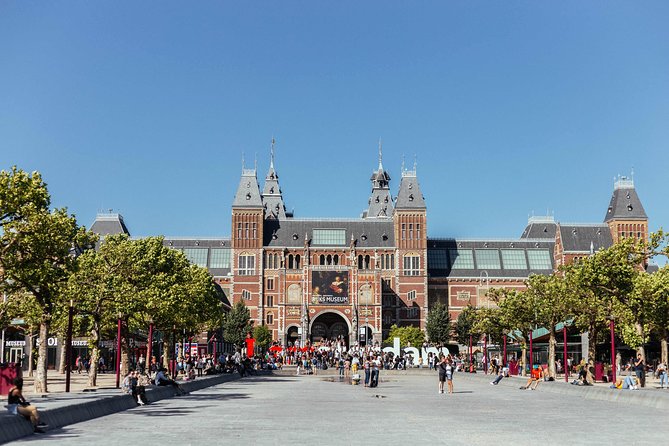
This tour costs $141.87 per person and runs about 2 hours. That price is for the private walking tour and the guide. The museum entrance is separate.
Here’s the math you should mentally run before you go:
- Tour price: $141.87 per person
- Museum ticket: 20 EUR per person in cash (paid to the host)
- Extra feature: group discounts may apply depending on how you book
So is it good value? For the right traveler, yes—because you’re paying for time saved and for a guide who helps you pick the right “targets” inside a huge museum. If you only have a short window in Amsterdam, or if you’re the type who gets lost in big museums, the private format can be worth more than it sounds.
If you’re more of a wanderer who likes to take breaks and read everything, you might prefer a self-guided ticket. But if your goal is to make the museum make sense fast, this is built for that.
Meeting at Hobbemastraat and Getting Inside Smoothly
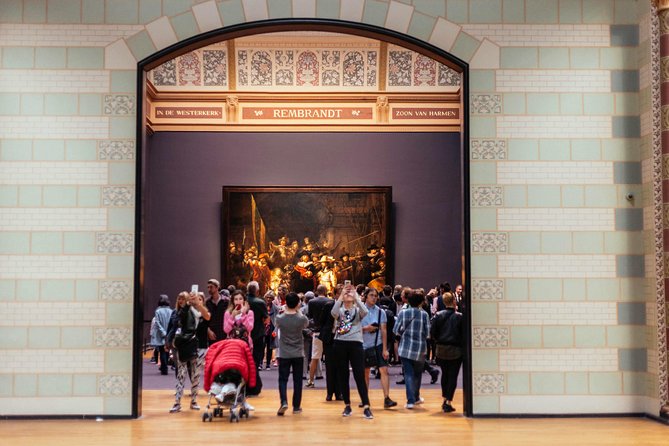
You meet at Hobbemastraat 18, 1071 ZB Amsterdam. The tour ends back at the same meeting point. It’s also listed as near public transportation, which is useful in Amsterdam where “close” can mean a pleasant walk rather than a stressful ride.
Practical tip: arrive a bit early. With anything timed, a few minutes lost to finding the right entrance or matching your group can make the tour feel shorter than it is. One of the minor frustrations that can happen with timed museum tours is timing mismatch—starting later than expected or feeling like the clock is driving. So show up ready, and treat the 2-hour mark as a strong guideline, not a guarantee of “every second.”
Also, since you pay the 20 EUR cash museum ticket portion separately, make sure you have the right money on you. This is the kind of detail that turns a smooth museum day into a scramble.
The 2-Hour Route That Turns Rijksmuseum Into a Story
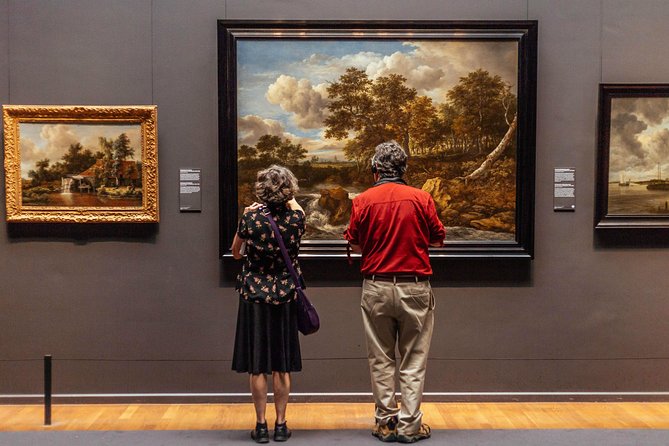
The best part of this tour is that it’s not just a list of famous works. It’s a guided path through how Dutch art evolved—plus what to notice while you’re standing in front of each piece.
You’ll cover:
- Medieval Times
- Renaissance Era
- Golden Age
- 18th century
- 19th century
And it stays focused. You won’t be sent to every room. You’ll be sent to the rooms where the art can be explained as a progression.
Medieval Times: The Tree of Jesse and religious intensity
The tour starts in the medieval section with religious works, including The Tree of Jesse—connected to Geerten tot St. Jans and the world of faith-focused imagery.
What I like about starting here is that it sets the tone. Medieval paintings in the Rijksmuseum are dense with meaning. When you understand the religious themes first, later changes in style and subject matter feel more dramatic. Instead of “art history trivia,” you get a real sense of what was being communicated and why.
You can also read our reviews of more private tours in Amsterdam
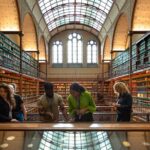



Renaissance Era: Lucas van Leyden and the bridge to the Golden Age
Next comes the Renaissance era, where you’ll hear how this period lays groundwork for the Golden Age. A named highlight here is Lucas van Leyden, described as the Rembrandt of the 16th century.
Even if you don’t know much about Renaissance art, this segment helps you connect the dots. You start to notice shifts in technique, storytelling style, and how artists handled realism and human expression. It’s the bridge segment, and it matters because it explains why the Golden Age doesn’t appear out of nowhere.
Golden Age: Hals, Vermeer, and Rembrandt in one sweep
Then you hit the museum’s big weight class: the Golden Age. This is where the tour leans into the big three—Hals, Vermeer, and Rembrandt.
What makes this section work on a private tour is that you aren’t just seeing famous faces or compositions. You’re learning what the guide wants you to notice. That might include how the artists handled light, emotion, and everyday life scenes—or how Dutch identity shaped what got painted.
In a museum this size, the Golden Age can become overwhelming if you’re trying to see everything at once. A private guide keeps it human. You focus on the most important works and the “why” behind them.
18th century: clocks, furniture, porcelain animals, and domestic life
The tour then turns to the 18th century, where the Rijksmuseum is not only about paintings. You’ll see objects like:
- clocks
- handmade furniture
- marble vases and fireplaces
- life-size porcelain animals
This is a smart shift. It reminds you the museum isn’t a painting-only experience. Dutch wealth and craftsmanship show up in household objects, decorative arts, and the design of everyday spaces.
Also, it helps break up your brain after staring at canvases for a while. If you’ve been museum-saturated, this segment can feel like a reset.
19th century: The Battle at Waterloo and the scale of ambition
Finally, the tour reaches the 19th century and a major draw: the museum’s biggest painting, Battle at Waterloo.
Large paintings can be hard to enjoy if you approach them like a selfie target. A guide helps you treat the whole canvas like a scene with logic and motion. You’re not just looking at size—you’re looking for what the painter is trying to communicate, and how that kind of subject fits the era.
Getting the Most From Your Guide: How to Ask Better Questions
A private museum guide is at its best when you steer the conversation a little. You don’t need to be an art expert. You just need to ask smart, simple questions.
Here are question prompts that fit this tour’s structure and what your guide is likely to cover:
- Which of these paintings best shows the change from medieval beliefs to Golden Age thinking?
- What should I notice first: faces, objects, lighting, or symbolism?
- If I only remember one artist’s style, which one is the key and why?
- How does the museum building itself fit into the story of Dutch art and identity?
- Can you compare Dutch art themes to what we’d see in the US at the time?
In one of the guides associated with this experience, the strengths included weaving Dutch history and even Dutch commerce into the narrative. That kind of framing helps if you like history as much as art.
If your guide is someone like Anna or Marten/Martin, the common thread tends to be that they tailor explanations to your background and interests. So don’t be shy about saying: I want more context, or I want to focus on technique, or my family prefers shorter answers.
Carbon Neutral and a Real Human Pace
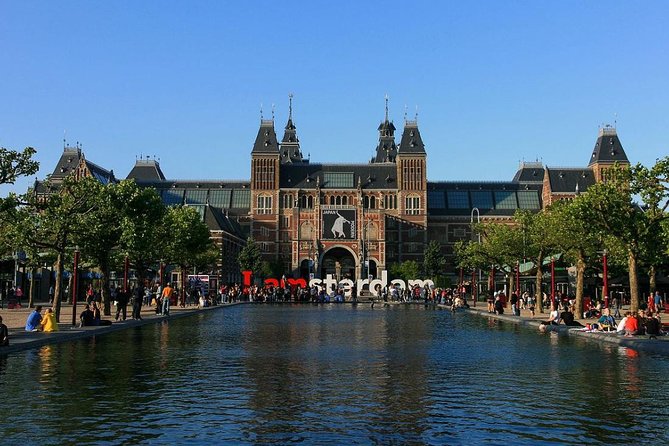
The booking includes a carbon neutral experience, which is a nice bonus if you care about travel footprint. But the bigger day-to-day win is pace.
A private tour means you don’t have to keep up with a crowd. You can linger in front of a painting that hits you, then move on when you’ve absorbed what you came for. Two hours flies in a place this big, but it should still feel like a controlled sprint, not chaos.
Small reality check: if your guide is trying to cover a lot and you need more time in one room, you might feel the pressure of the schedule. That’s the tradeoff of a fixed-duration route. The fix is simple: tell your guide where you want to pause, early.
After the Museum: Using Your Guide for Amsterdam Tips
After the museum portion, you’ll get local recommendations from your private guide. This is where the tour can quietly level up your whole day. Rijksmuseum is just one piece of Amsterdam, and the best guides know how to connect art time to real street time.
Because your tour ends back at the meeting point, your guide’s recommendations can act like a menu of options:
- a calm walk to decompress
- a nearby neighborhood route
- a place to stop for snacks or a quick reset
If you want an easy “stretch your legs” option, Vondel Park is a common go-to idea people use when they have time to breathe between museum and dinner.
Who Should Book This Rijksmuseum Private Tour
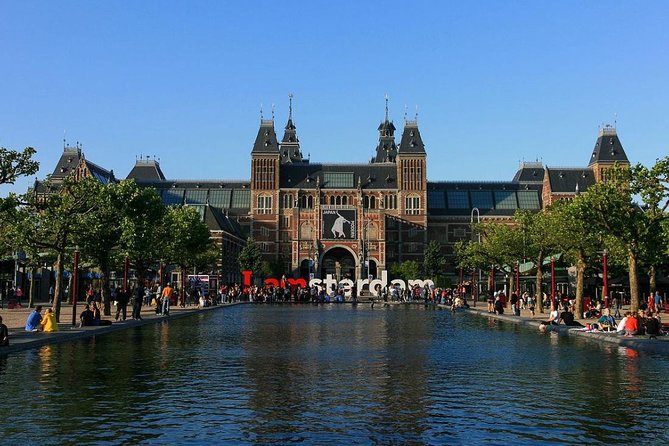
This is a great fit if:
- You have limited time and want the museum’s main storyline without getting lost
- You care about meaning and context, not only famous names
- You’re traveling with family and want someone to keep attention focused
- You prefer asking questions to reading wall labels in silence
- You want a guide who can match your interests as you go
It may be less ideal if:
- You want full museum autonomy and plan to wander for hours
- You hate timed experiences and hate the feeling of moving on after you’ve just gotten comfortable
- You don’t want any extra steps (because tickets are paid separately in cash)
Should You Book This Rijksmuseum Private Tour?
I’d book it if you want a fast, guided path through major Dutch art eras and you value that private format. The standout reason is simple: you’re paying to make the museum make sense quickly. Add the skip-the-line advantage, and you’re more likely to walk out feeling you actually saw something meaningful.
There is one practical risk you should keep in mind: entrance tickets are not included in the tour price and are handled separately. In a worst-case scenario, ticket availability or guide coordination can become a problem. The good news is that most outings are rated highly overall, with a 4.8 average and 94% recommended, so the typical experience tends to deliver.
My decision rule:
- Book it if your priority is focus and context in a short time.
- Skip it if your priority is wandering freely and reading every label at your own speed.
FAQ
How long is the Rijksmuseum private tour?
It runs about 2 hours.
Where do we meet for the tour?
You meet at Hobbemastraat 18, 1071 ZB Amsterdam, Netherlands.
Is the Rijksmuseum entrance ticket included in the tour price?
No. Entrance tickets are not included and you pay 20 EUR per person in cash to the host.
Does the guide handle the museum ticket prebooking?
Yes. The guide takes care of prebooking even though the entrance ticket is not included in the price.
Is this tour private or shared with strangers?
It’s private. It’s only your group and you walk with a private guide.
Is skip-the-line included?
Yes. This includes a skip-the-line admission ticket.
What’s included with the booking besides the guide?
You get a private local guide, a private walking tour, and the experience is listed as carbon neutral.
What happens if I need to cancel?
This experience is non-refundable and cannot be changed for any reason.
How does confirmation work after booking?
You receive confirmation at the time of booking.