REVIEW · RED LIGHT DISTRICT TOURS
Amsterdam Red Light District tour with a local guide
Book on GetYourGuide →Operated by Your Amsterdam's Red Light District guide · Bookable on GetYourGuide
Amsterdam’s Red Light District tells stories in plain sight. I like the guide’s humor and clear delivery, and I like the walk from Zeedijk Street into the Old Church area to see how the district formed over time. One possible drawback: if you’re not near the front, you may find it a bit hard to hear.
You’ll get a local, street-level view of how Amsterdam built its reputation around sex work, then how it collided with tourism, law, and public opinion. Along the way, you’ll also hear about the coffee shop culture and the wider political issues that shape what you see today.
For $40 for a 2-hour English guided walk, it’s a solid value if you want context, not just sightseeing. Keep in mind the meeting point can vary by option, and the tour loops back to where you started.
In This Review
- Key things I’d pay attention to before you go
- Red Light District with a local viewpoint: what you’re actually walking through
- Price, timing, and small-group pacing (and why $40 makes sense)
- Zeedijk Street first: old sailor quarter to modern rules
- The Red Light District core near Old Church: the oldest building sets the tone
- Coffee shops, smartshops, and what people argue about in public
- Hidden-gem claims, translated into real street skills
- Picture stops and shop time: what the best guides handle well
- What you should expect on the ground (no sugarcoating, no drama)
- Who this tour suits best (and who might want a different plan)
- Should you book it? My take on value and fit
- FAQ
- How long is the Amsterdam Red Light District tour?
- Is the tour in English?
- How much does it cost per person?
- Where does the tour start?
- Is it a small group?
- What’s the cancellation policy?
Key things I’d pay attention to before you go
- Zeedijk Street context: why the sailor quarter matters to the start of prostitution in the city
- Old Church stop: Amsterdam’s oldest building as the heart of the district
- Napoleon-to-medieval storytelling: what the area may have looked like across eras
- Coffee shops and smartshops: how these fit into the district’s everyday culture
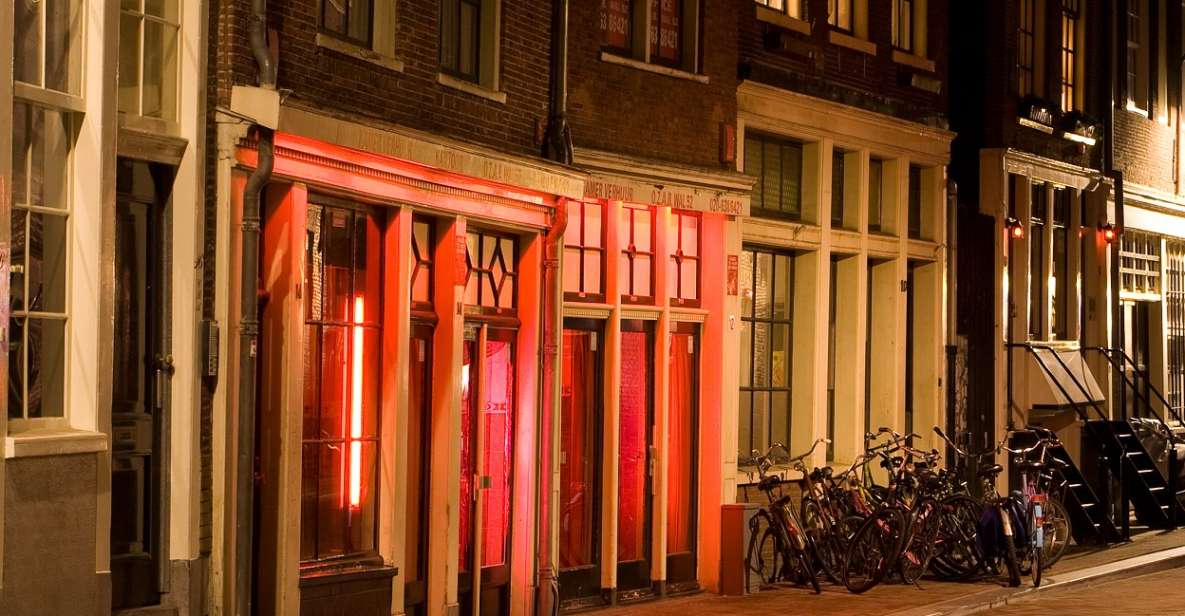
- Indoor prostitute street: a specific lane you’ll learn how to interpret
- Photo time and shop stops: you can usually pause, look, and snap pictures
Red Light District with a local viewpoint: what you’re actually walking through
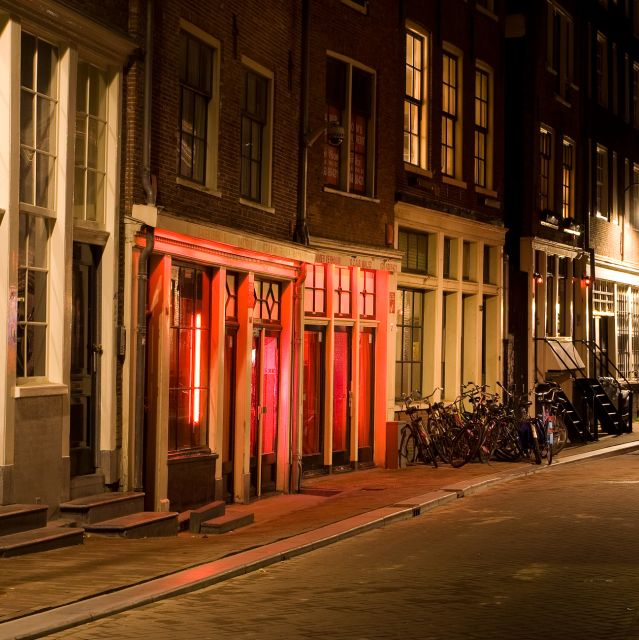
Amsterdam’s Red Light District has a reputation you’ve probably heard in movies and on social media. What I like about this tour is that it treats the area like a real neighborhood with real history—messy, legal, emotional, and very human—without acting shocked by it.
The guide brings a local perspective, not a lecture hall vibe. The pace stays practical: you walk, you look, and then you learn what you’re seeing. And yes, the area is visually unmistakable, but the stories behind it are what make the time worth it.
You can also read our reviews of more guided tours in Amsterdam



Price, timing, and small-group pacing (and why $40 makes sense)
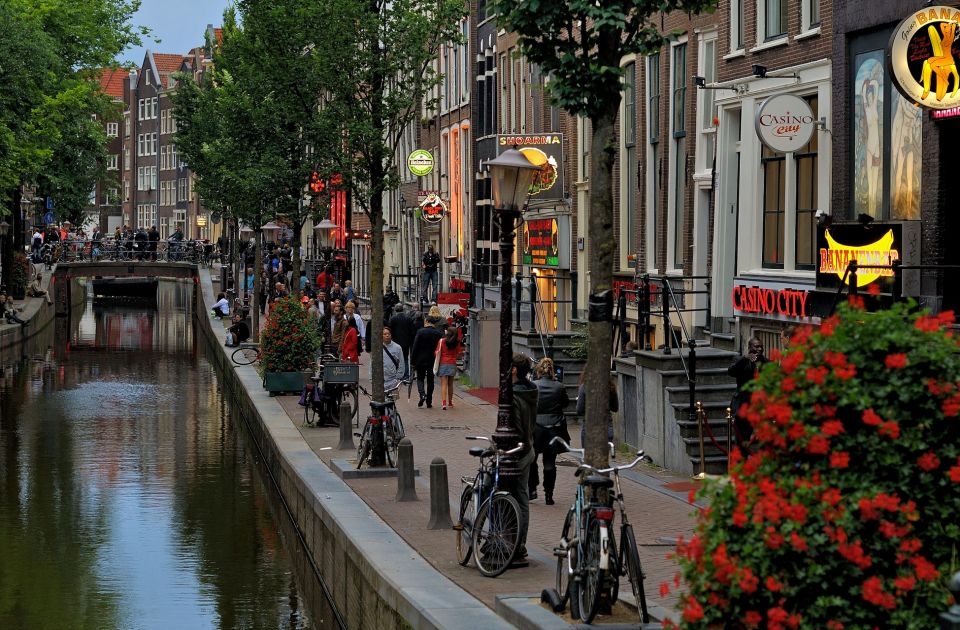
This tour costs $40 per person and runs for 2 hours. That’s a sweet spot in Amsterdam. You get enough time to cover the main sights and still absorb context, without feeling like you’ve been dragged around for half a day.
It’s a small group, which matters in a place like this. Narrow streets, crowds, and constant movement are part of the experience, and a smaller group keeps the walk manageable. It also helps with the one common downside from people’s experiences: if sound is an issue, you’ll want to stay closer to the guide’s voice.
A quick planning note: the meeting point may vary depending on the option booked, and the tour ends back at the start. If you’re trying to line up dinner reservations, give yourself a buffer.
Zeedijk Street first: old sailor quarter to modern rules
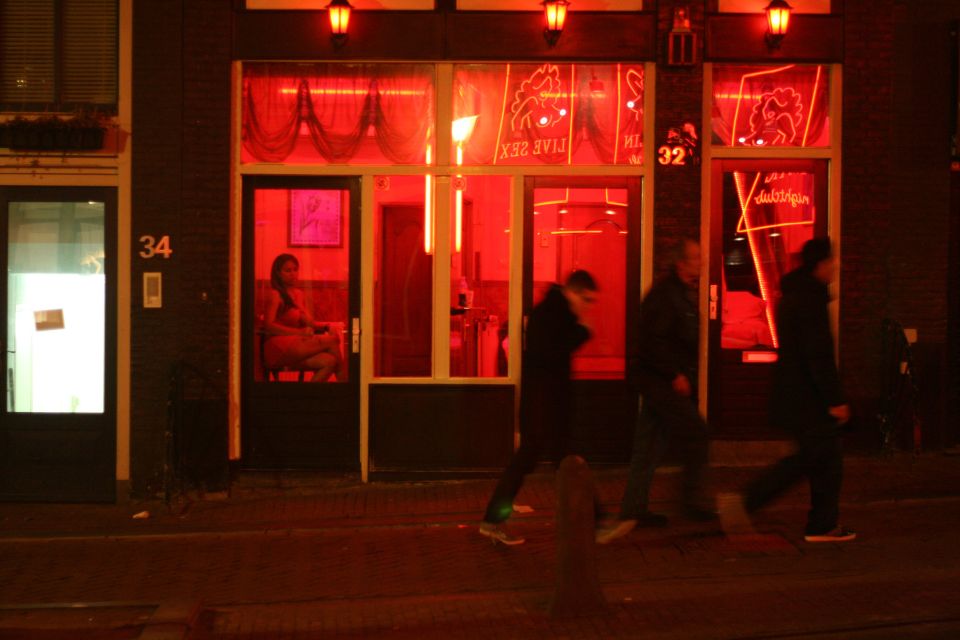
Most people picture the Red Light District as a cluster of red-lit windows. This tour starts by putting that cluster into a bigger setting, beginning with Zeedijk Street, known as an old sailor neighborhood.
Here’s what I found useful: the guide doesn’t treat prostitution as a random modern invention. Instead, you hear how it originally started in Amsterdam and how the district grew alongside the city’s trade and seafaring life. It’s not just moral commentary—it’s cause and effect.
Then the tour jumps backward in time. You’ll hear what the area used to look like during Napoleon and medieval periods. Even if you can’t picture every detail perfectly, the “then and now” comparison helps you understand why Amsterdam’s layout and lanes feel the way they do today.
The Red Light District core near Old Church: the oldest building sets the tone
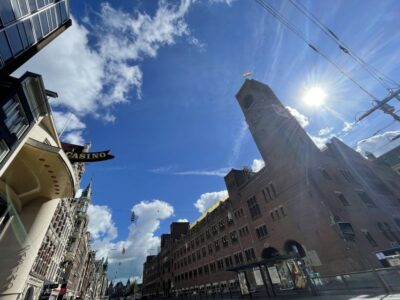
After Zeedijk, you walk toward the Old Church, described as Amsterdam’s oldest building, and you reach the center of the district. This is where the tour shifts from background story into “now you’re here” reality.
You’ll pass by landmarks and street features that help you read the area like a map:
- A former town hall
- The narrowest street of Amsterdam
- The indoor prostitute street you’ll learn about specifically
The value here is interpretation. You don’t just look at the windows or the signs. You learn how this space became what it is, and how today’s rules and pressures shape what you see on the street.
Coffee shops, smartshops, and what people argue about in public
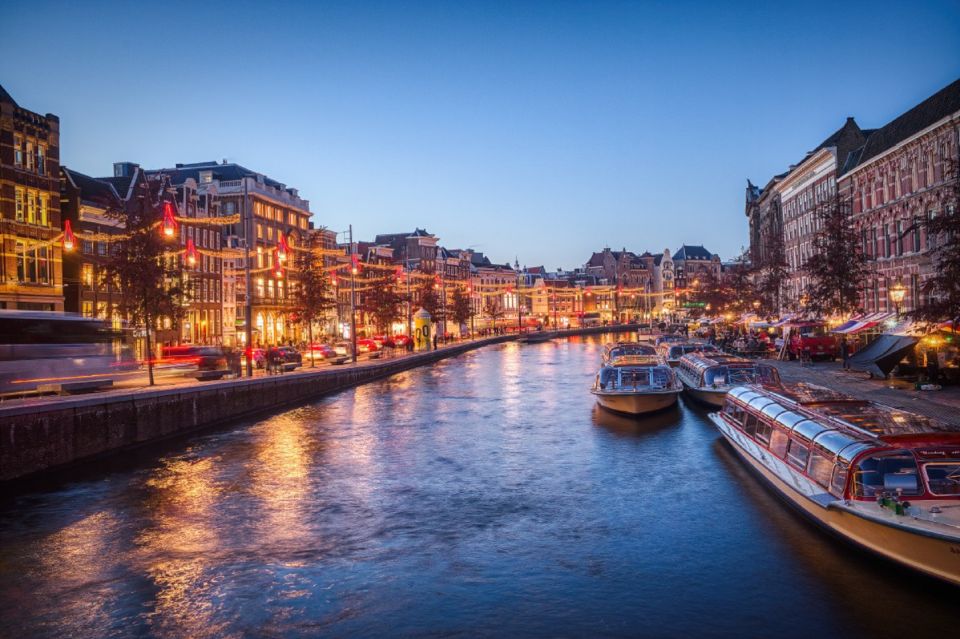
One reason this tour feels different from a generic photo-walk is that it includes the everyday culture you’ll notice while you’re there. The guide explains coffee shop culture and also mentions smartshops, so you get a fuller picture of the district’s commercial life.
But the tour doesn’t stay at “here’s what it looks like.” You also hear about current situation and political issues connected to the Red Light District. That matters because Amsterdam is proud of liberal attitudes—but not everything stays static. Laws, policing, and public debate keep moving, and the district changes with that.
If you’re the type who likes to understand a place beyond the stereotypes, this part is the payoff. You start connecting dots between storefronts, street behavior, and the larger conversations happening in the city.




Hidden-gem claims, translated into real street skills
The tour promises hidden gems locals know about, and I’d translate that into one practical thing: you learn how to spot the smaller details that most people miss.
You’ll get a better sense of the streetscape—what’s old, what’s evolved, and what’s there for a reason. That’s a “local skill,” and it pays off even after the tour ends. When you walk around on your own afterward, the area stops feeling like one big blur.
Also, from people’s experiences with this guide, you may get extra context detours, like the harbor or Chinatown-type areas, when the timing fits. Even when those stops are brief, the point is the same: the district didn’t appear in isolation.
Picture stops and shop time: what the best guides handle well
In a neighborhood like this, you might worry the tour will be all movement and no time to look. The better versions of this experience give you a little breathing room.
People who enjoyed the tour highlighted that the guide leaves time to take pictures and that you can visit a few shops along the way. That’s important because some sights are easiest to understand up close—signs, street corners, and the rhythm of the block.
If you care about photos, here’s how to make it work: don’t stand far back assuming you’ll catch up later. Move closer, angle your body toward the guide when explanations start, then step a bit aside to shoot once you know what you’re seeing.
What you should expect on the ground (no sugarcoating, no drama)
This is a walking tour through one of Amsterdam’s most sensitive and highly charged areas. You should expect:
- A mix of historical storytelling and modern street reality
- A close look at the commercial side of the district
- Honest talk about the district’s history and its current situation
The key is tone. A lot of value comes from the guide’s ability to explain without turning it into awkward spectacle. When delivery is strong, the whole thing feels more like a guided walk through a complex city topic than a voyeur trip.
The one caution worth repeating: sound. If the group spreads out, it can get hard to hear. My practical advice is simple—stay near the guide and watch for the moments when the explanation starts getting specific. Those are the moments you don’t want to miss.
Who this tour suits best (and who might want a different plan)
This tour is a good match if you:
- Want context for what you’re seeing in the district
- Like history mixed with real-world cultural explanations
- Are curious about the role of politics and policy in city life
- Prefer a walking format with a guide who can answer questions
It’s less ideal if you:
- Dislike discussing sex work and related politics at all
- Need a quiet, low-stimulation experience
- Get stressed in busy areas and hate crowd movement
If you’re just looking for quick landmarks, you might feel this is more talking than you expected. If you want understanding, it’s exactly the kind of tour that turns a headline into something you can actually “read” with your eyes.
Should you book it? My take on value and fit
With a price of $40 for 2 hours, this is one of the easier ways to spend time in Amsterdam in a meaningful way. The value comes from getting local framing: you learn why the district developed, what the streets connect to, and how everyday culture like coffee shops and smartshops fits into the bigger picture.
I’d book it if you’re comfortable walking through a real neighborhood and you want a guide who can handle the topic with humor and clarity. It also helps that it’s English and runs in a small group, which makes it more manageable.
One final tip: if you’re sensitive to noise or you worry you might miss details, position yourself early. Stay close, pay attention when the guide points out specific streets and landmarks, and you’ll leave with a much sharper understanding than a self-guided wander.
FAQ
How long is the Amsterdam Red Light District tour?
It’s a 2-hour guided walking tour.
Is the tour in English?
Yes, the live tour guide speaks English.
How much does it cost per person?
The price is $40 per person.
Where does the tour start?
The meeting point may vary depending on the option booked, and the tour ends back at the meeting point.
Is it a small group?
Yes, there’s a small group option available.
What’s the cancellation policy?
You can cancel up to 24 hours in advance for a full refund.