REVIEW · MUSEUMS
Amsterdam: Once Upon a Time Clock Exhibition Ticket
Book on GetYourGuide →Operated by Once Upon a Time · Bookable on GetYourGuide
Fairy tales, but make it mechanical. The Once Upon a Time clock exhibition on Amsterdam’s Museumplein is a great excuse to slow down and look closely at gilded-bronze timepieces while an audio guide explains the stories behind the scenes.
I like the craft focus here: 19th-century French clockmakers build these objects like theater—ornate, detailed, and meant to reward your attention. I also like that you can plan it simply with a 1-day entry and take your time through multiple rooms of clocks.
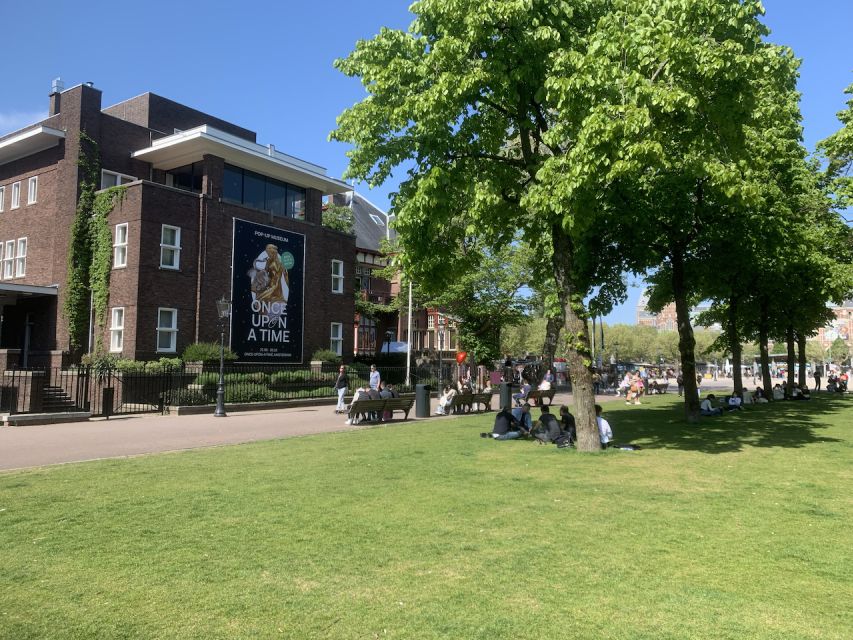
One thing to consider: the location is specific, and if you miss the exact building with the Once Upon a Time banner, you might waste time walking the Museumplein. I’d bring your eyes up first for that sign—between the Moco Museum and the Van Gogh Museum.
In This Review
- Key points to know before you go
- Once Upon a Time clocks: what you’re really buying for $19
- Finding the building on Museumplein (so you don’t waste your time)
- Inside the exhibition: gilded-bronze clocks with built-in stories
- Using the audio guide: the fastest way to understand what you’re seeing
- The café break: a simple win after your clock time
- Timing and planning: how to fit a 1-day ticket into a museum day
- Accessibility reality check (important)
- Who should book this exhibition
- Should you book the Once Upon a Time clock exhibition ticket?
- FAQ
- FAQ
- What’s included with the Once Upon a Time clock exhibition ticket?
- Are food and drinks included in the café?
- Where is the meeting point?
- How long is the ticket valid?
- What languages are available for the audio guide?
- What languages can the host or greeter speak?
- Is this exhibition suitable for wheelchair users?
- Is free cancellation available?
Key points to know before you go
- Museumplein setting: you’ll be in the exact stretch of Amsterdam where major museums live, between Moco Museum and Van Gogh Museum
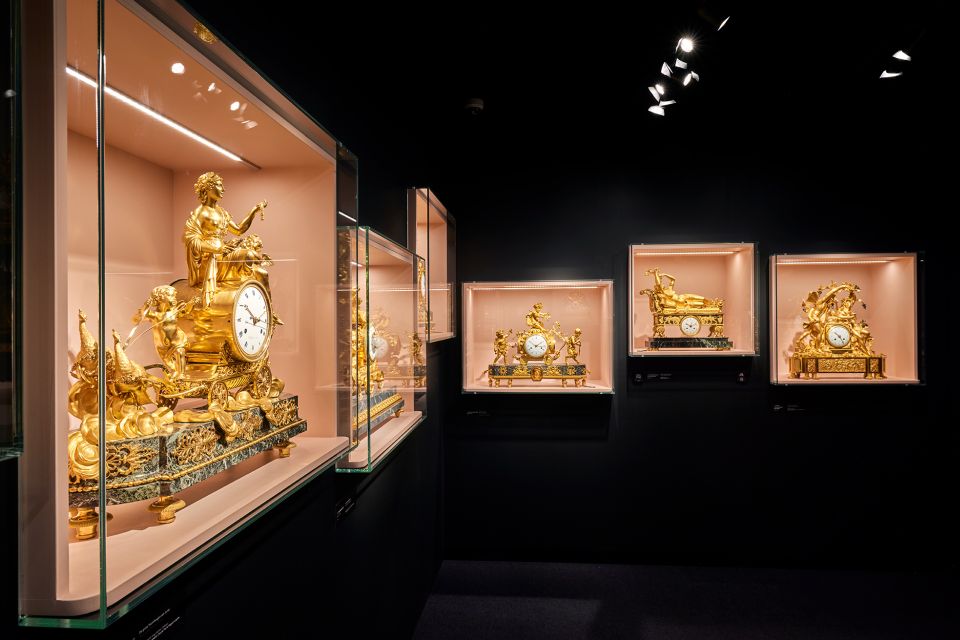
- Clock craftsmanship focus: 19th-century French clockmakers, plus gilded-bronze pieces you can inspect slowly
- Audio guide does the heavy lifting: learn what you’re seeing (Dutch, English, French, German)
- Fairytale story themes: displays include tales of antiquity and creatures like rare animals
- Café stop after your walk: included access lets you sit with a hot drink and look over the square
- Not wheelchair accessible: not suitable for wheelchair users or people with mobility impairments
Once Upon a Time clocks: what you’re really buying for $19
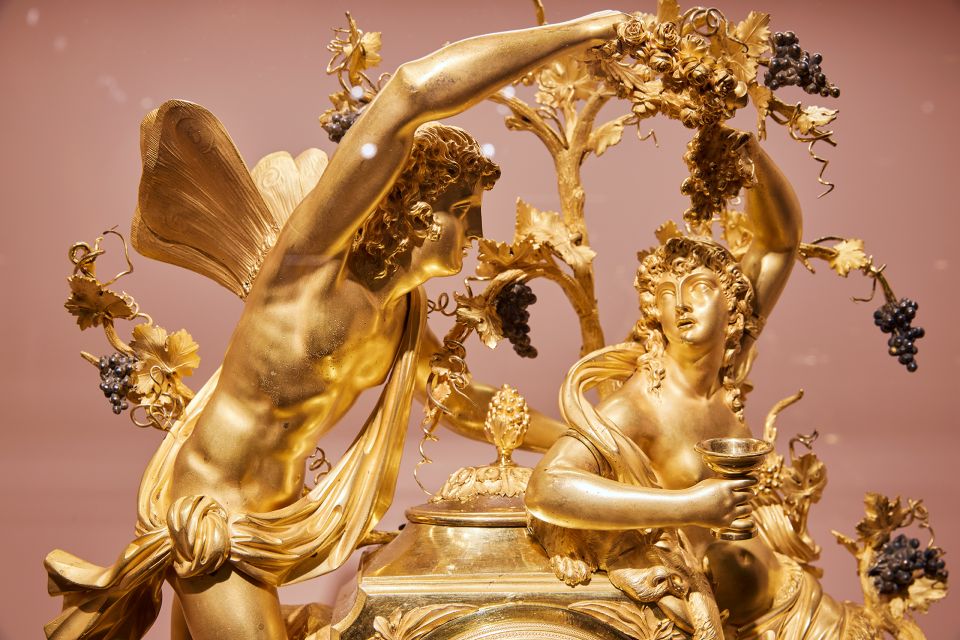
At $19 per person, this ticket is best thought of as a focused museum experience, not a long tour bus day. You’re paying for a set entry into the Once Upon a Time exhibition, an audio guide, and access to the museum café. That combo matters in Amsterdam, where a short, high-quality visit can be more satisfying than trying to squeeze in too many stops.
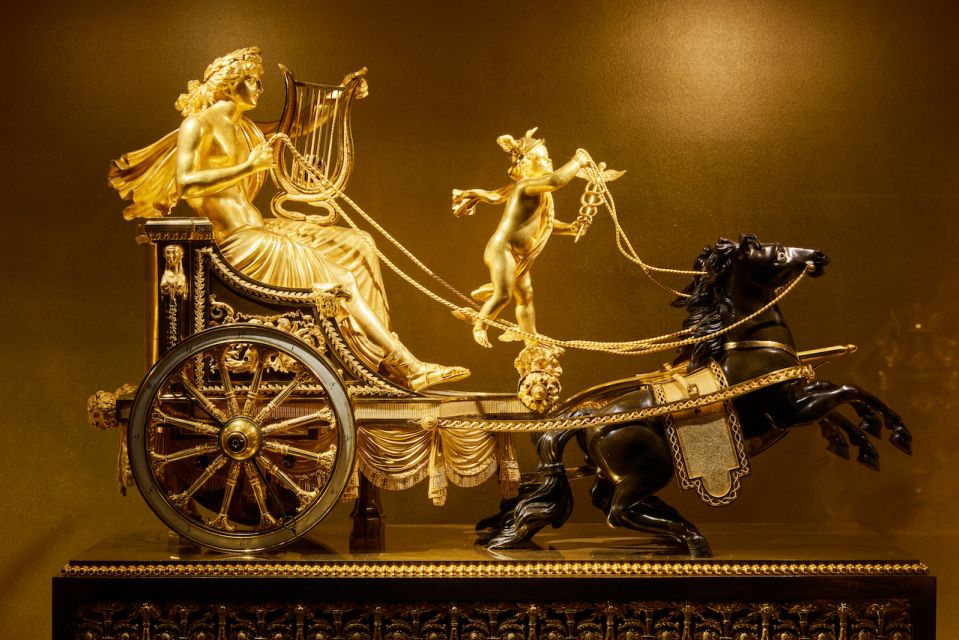
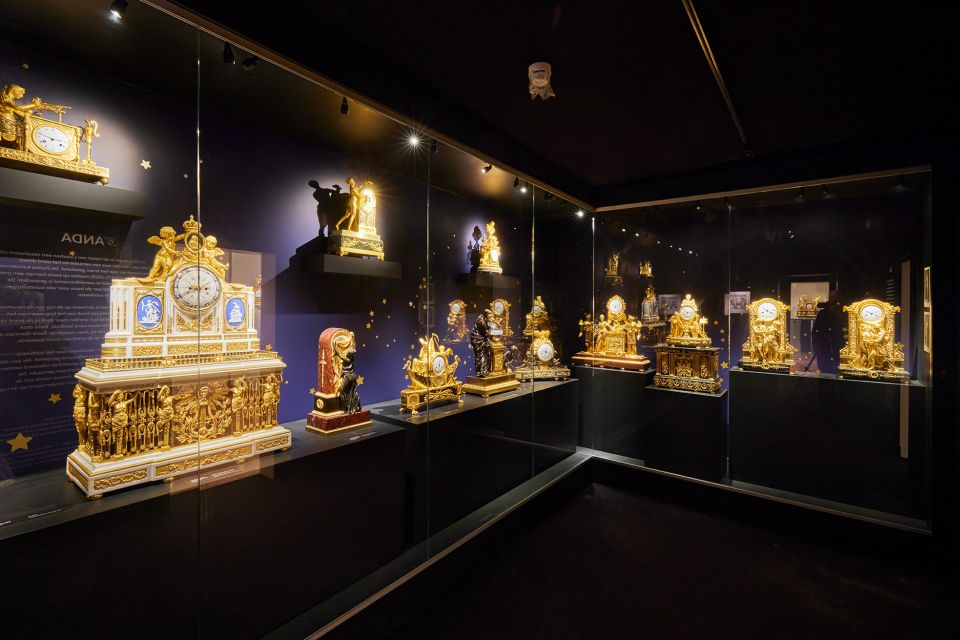
The big draw is the visual impact of gilded-bronze clockwork. These are not wall clocks and forget-it souvenirs. They’re ornate timepieces that use light, form, and storytelling details. And because the audio guide explains what you’re looking at, you don’t have to be a clock expert to enjoy the artistry. You can just follow the clues room by room.
The other value point: the exhibition is in Museumplein, one of the easiest places to move around in central Amsterdam. Even if you only have part of a day, you can pair this with a nearby museum or simply keep walking on the same museum stretch.
You can also read our reviews of more tours and experiences in Amsterdam



Finding the building on Museumplein (so you don’t waste your time)
This is a small but important reality: there are a lot of big names around Museumplein, and the exhibition is not in the middle of a giant lobby that screams its name from every angle.
Your start point is very specific. Look for the building with the Once Upon a Time banner, located between the Moco Museum and the Van Gogh Museum. If you arrive and you’re not sure, don’t guess in random directions—scan first for that banner. Having a clear landmark saves you from the most common headache: walking the wrong side of the square and losing precious visiting time.
Also, keep your eyes open for the host/greeter. The exhibition staff can help in Dutch and English, which is useful if you’re trying to confirm you’re at the right entrance.
Inside the exhibition: gilded-bronze clocks with built-in stories
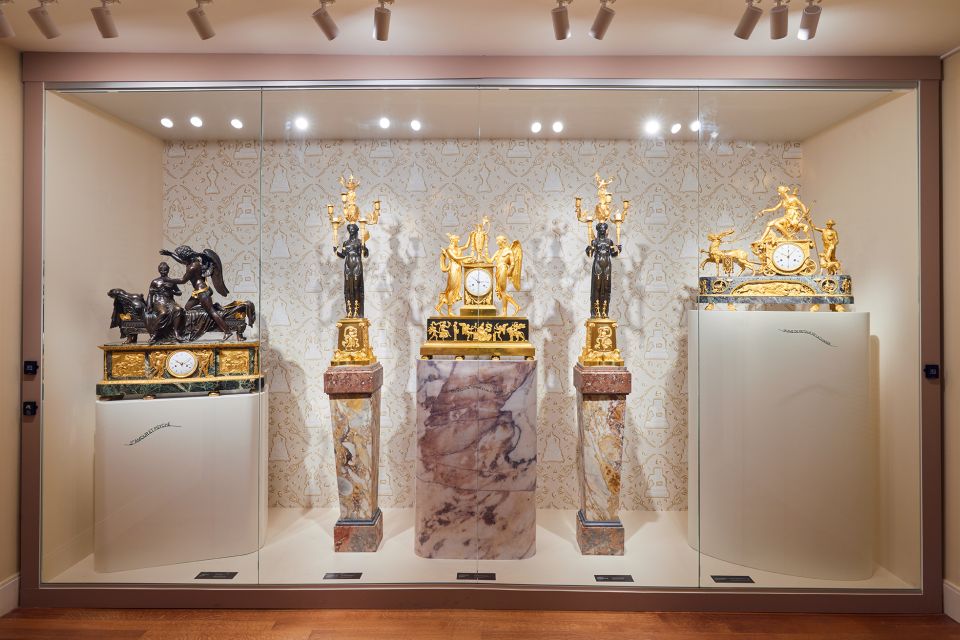
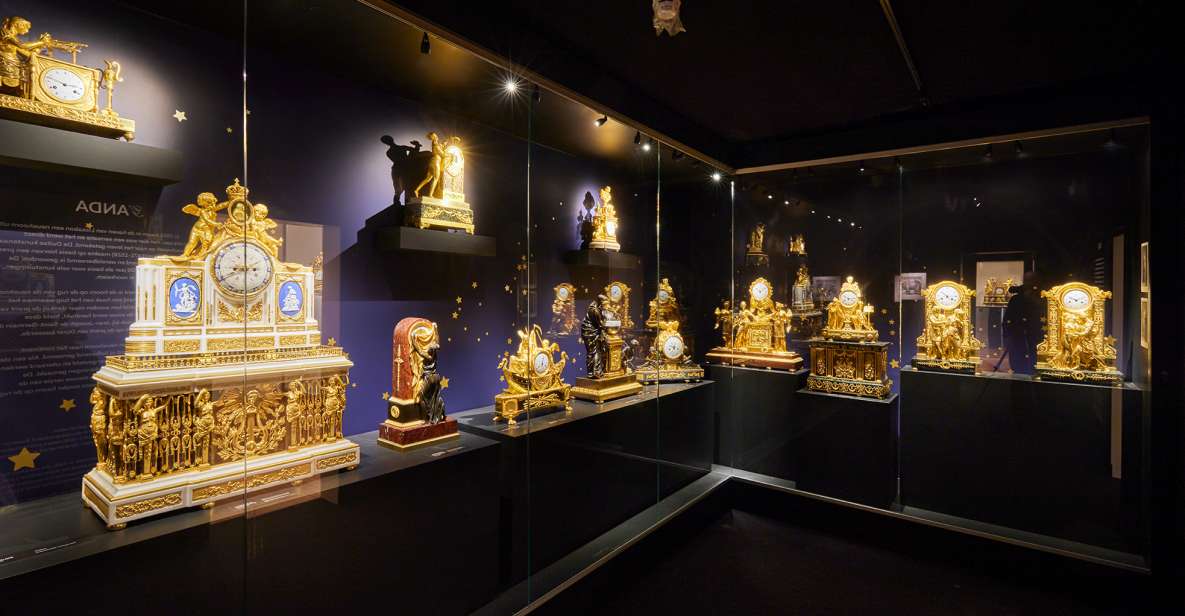
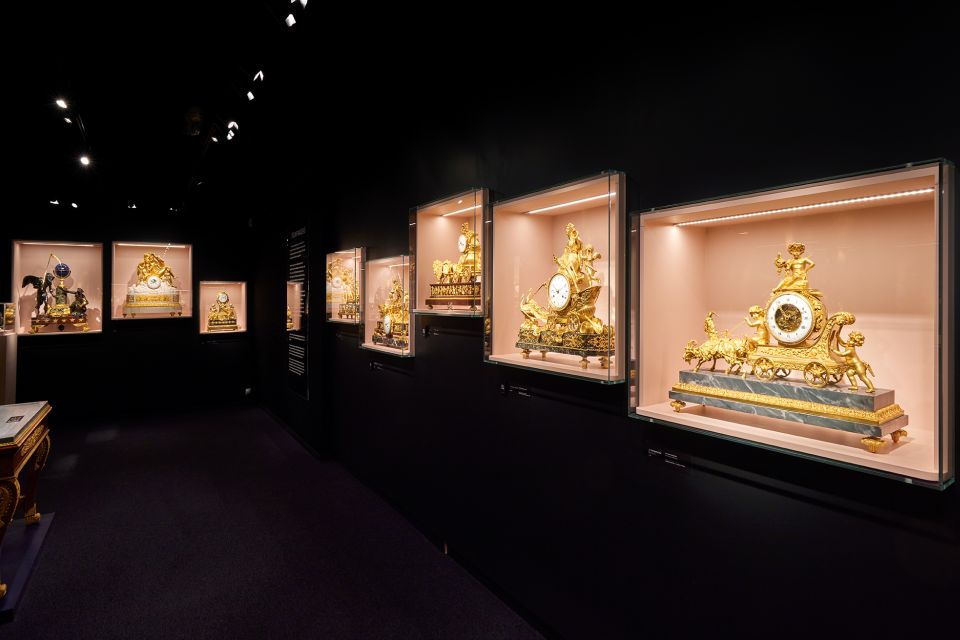
Once you’re in, the experience is essentially a slow walk through rooms of clocks. You’ll see a collection described as shining and gilded-bronze, with pieces tied to themes like tales of antiquity and rare animals. That mix is what makes the exhibition feel like more than just mechanical art.
Here’s how I suggest you approach the galleries:
1) Start wide, then get close. From a few steps back, you get the overall design. Then move in and look for the small scene details that the audio guide is likely referencing.
2) Treat the clocks like characters. Many of these timepieces are built around imagery—animals, story figures, or narrative elements. When you look for the story cues, the craft becomes easier to appreciate.
3) Let the French clockmaker angle guide you. The exhibition highlights the work of brilliant French clockmakers from the 19th century. That means you’re not just seeing decorations; you’re seeing design decisions that had to work in metal and mechanism.
This is also where the exhibition format helps. You’re not rushed by a strict schedule. The ticket gives you a simple day window, and the gallery setup lets you move at your own pace. If you like to linger, this plays well.
Using the audio guide: the fastest way to understand what you’re seeing
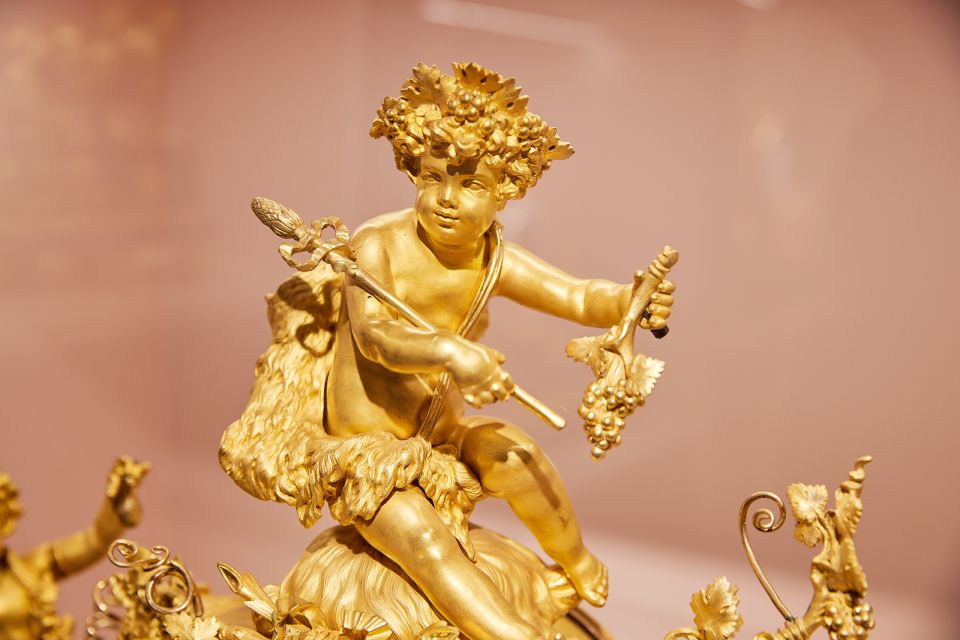
The audio guide is included, and that’s a big part of the value. It’s available in multiple languages: Dutch, English, French, and German. So you can match your comfort level without needing a live group explanation.
Practically, you’ll get the most out of the audio guide if you don’t start it blindly. Instead:
- Read the clock or display label if there is one visible to you.
- Then press play and listen to the story connection.
- After that, look back at the clock with the narrative in mind.
The guide’s job is to explain the stories depicted in the clocks. That’s how a viewer turns ornament into meaning. Without it, a gilded object is still pretty—but with it, each clock becomes a scene with a reason.
The café break: a simple win after your clock time
When you finish the gallery, you’ll have included access to the museum café. You don’t get food or drinks included, but you can buy a hot drink and take a seat.
This matters because Museumplein is an open, outdoor-friendly part of Amsterdam. You walk through a focused indoor exhibition, and then the café gives you a place to reset without immediately jumping into the next thing. The café also offers good views over the main square, which is a nice reward if you’ve been staring at small details inside.
If you’re the kind of person who likes to break up the day—exhibition, then a drink, then a stroll—this added café access makes the ticket feel more complete.
You can also read our reviews of more museum experiences in Amsterdam






Timing and planning: how to fit a 1-day ticket into a museum day
Your ticket is valid for 1 day, and you should check availability for starting times. That’s good news if you’re flexible, because you can choose a time slot that matches your energy level that day.
Here’s a practical way to plan it on a Museumplein day:
- Pick a time when you’re not rushing between major sights. Clocks reward patience.
- Pair it with something nearby if you want, since you’re already in the museum zone.
- Leave time for the café after, so you don’t feel you have to stand up and move on immediately.
Even though it’s a single exhibition, it’s not a five-minute photo stop. Plan it as a proper hour or two of looking, depending on how much you use the audio guide.
Accessibility reality check (important)
This experience is not suitable for wheelchair users and is also not suitable for people with mobility impairments, based on the provided information. If you need step-free access or mobility support, it’s worth treating this as a clear mismatch and choosing another activity on Museumplein that better fits your needs.
Who should book this exhibition
I think this ticket is a strong match if you want:
- A museum visit with story-driven objects
- A calm, detail-focused indoor experience in central Amsterdam
- An audio guide that helps you understand the scenes, not just translate labels
- Something more creative than a standard art museum stop
If you want a typical walking tour with lots of social interaction or a big guided group moving pace, this may feel more self-directed. But if you like controlling your own rhythm—listen, look, pause, repeat—this fits well.
Also, the exhibition themes (tales of antiquity and rare animals) can be a good option for families who enjoy imaginative visuals, as long as accessibility is not an issue for anyone in your group.
Should you book the Once Upon a Time clock exhibition ticket?
Yes—if you like ornate craftsmanship, story elements, and a museum that’s easier to enjoy because the audio guide does so much of the interpretation for you. At $19, the value is strongest when you actually use the guide and slow down through the rooms, because the ticket includes both the exhibition access and café break.
Hold off if accessibility is a concern, since the information clearly says it’s not suitable for wheelchair users or people with mobility impairments. And if you’re the type who hates hunting for a specific entrance, arrive with a clear landmark mindset: go straight to the building with the Once Upon a Time banner between the Moco Museum and the Van Gogh Museum.
FAQ
FAQ
What’s included with the Once Upon a Time clock exhibition ticket?
Your ticket includes entry to the Once Upon a Time exhibition, an audio guide, and access to the museum café.
Are food and drinks included in the café?
No. Food and drinks are not included. You can access the café, but you’ll need to purchase what you want.
Where is the meeting point?
Meet at the building with the Once Upon a Time banner, between the Moco Museum and the Van Gogh Museum.
How long is the ticket valid?
The ticket is valid for 1 day. You should check availability to see the starting times.
What languages are available for the audio guide?
The audio guide is included in Dutch, English, French, and German.
What languages can the host or greeter speak?
The host or greeter is listed as speaking Dutch and English.
Is this exhibition suitable for wheelchair users?
No. It is not suitable for wheelchair users.
Is free cancellation available?
Yes. You can cancel up to 24 hours in advance for a full refund.