REVIEW · ANNE FRANK & WWII HISTORY TOURS
Amsterdam: Dutch WWII Resistance Museum Entry Ticket
Book on GetYourGuide →Operated by Verzetsmuseum Amsterdam · Bookable on GetYourGuide
Nazi occupation met quiet defiance here. The Dutch WWII Resistance Museum in Amsterdam focuses on how ordinary Dutch people pushed back during Nazi rule, using stories, photos, and wartime objects to bring the 1940s into focus—without turning it into vague history class. You’ll see Dutch resistance in action, from day-to-day coping to courageous, organized risk.
I especially love how the exhibits center on everyday heroes and the dilemmas people faced, not just big names. I also like the audio guide format, offered in many languages, so you can hear the details at your own pace while moving through the rooms.
One consideration: this is heavy subject matter. If you want upbeat city sightseeing, plan for a slower rhythm and plenty of breaks.
In This Review
- Key things to know before you go
- Dutch WWII Resistance Museum in Amsterdam: What You’ll Be Walking Into
- From Strikes to Espionage: The Museum’s Resistance Storyline
- “Everyday Heroes” and the Weight of Real Dilemmas
- Wartime Rooms, Photo Walls, and Exhibit Details That Matter
- The Dutch East Indies Section: Why It’s Not Just a Europe Story
- Using the Audio Guide (and QR Stations) Like a Pro
- Timing Your Visit: How Much Time You Actually Need
- Price and Value: Is $21 Worth It?
- Getting In: Meeting Point and What to Bring
- Who This Museum Fits Best (and Who Might Want Another Plan)
- Final Thoughts: Should You Book the Dutch Resistance Museum Ticket?
- FAQ
- What is included with the Amsterdam Dutch WWII Resistance Museum entry ticket?
- How long does the visit take?
- What languages are available for the audio guide?
- Is the museum wheelchair accessible?
- Where do I show my ticket?
- Is a guide included?
- How much does the ticket cost, and can I cancel?
Key things to know before you go
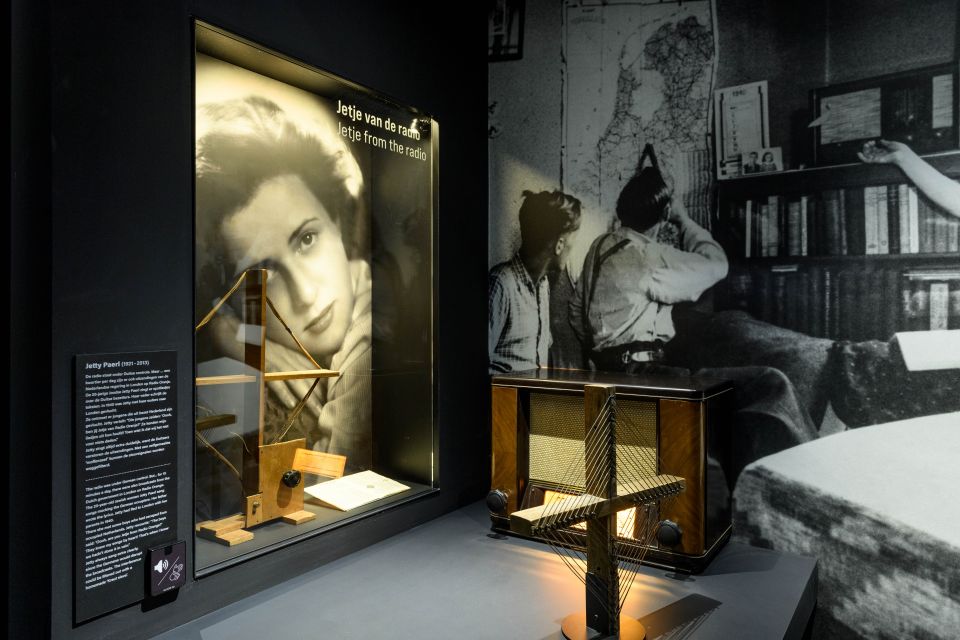
- Personal documents and objects help explain the hard choices made under occupation, not just events on a timeline.
- Many forms of resistance are covered, from strikes and forged documents to underground papers and espionage.
- A dedicated section on the Dutch East Indies connects Dutch WWII history with the Japanese occupation and terror.
- Audio guide options let you focus on what interests you most, including interactive stations with audio prompts.
- Plan real time: even though it’s one ticket for a day, you’ll likely want a couple of hours to do it justice.
Dutch WWII Resistance Museum in Amsterdam: What You’ll Be Walking Into
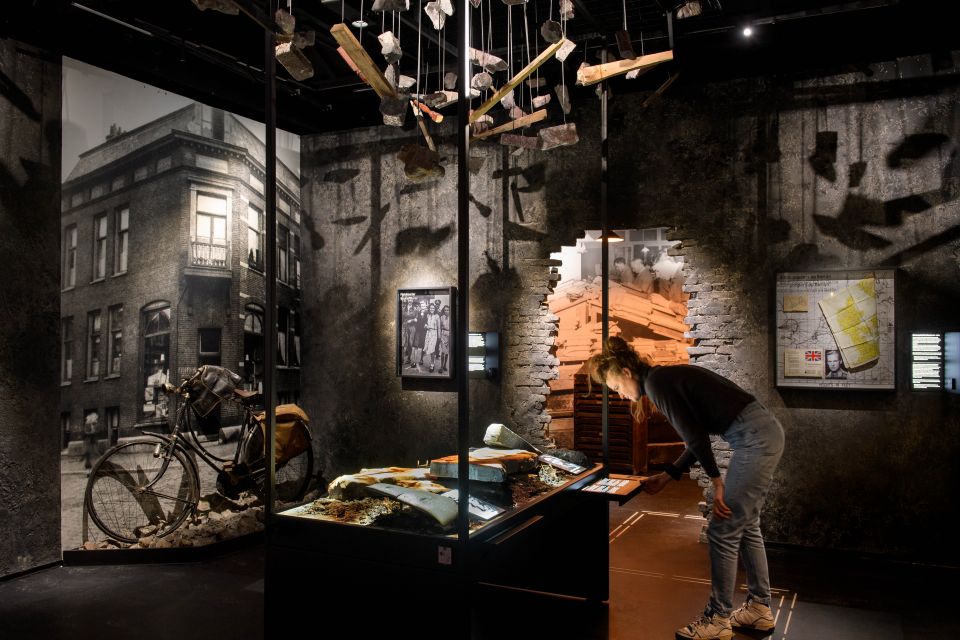
The Dutch WWII Resistance Museum (Verzetsmuseum Amsterdam) is one of those places that makes time feel smaller. One moment you’re in modern Amsterdam, and the next you’re in rooms designed to recreate the pressure of the occupation years. The museum’s core idea is simple: resistance did not only mean weapons. It also meant hiding people, spreading information, and finding ways to keep going when fear was the default setting.
The museum organizes WWII Dutch resistance into clear themes. You’ll see how civil life changed under occupation and how different groups—sometimes organized, sometimes spontaneous—responded to Nazi control. The result is not a single straight story, but a set of linked stories, with enough detail to make you feel the stakes.
A big part of the impact comes from how the museum presents both the exceptional and the everyday. You’re not only shown heroic acts; you’re also shown the worries people carried and the compromises people were pressured into. That makes it feel honest, even when the material is heartbreaking.
You can also read our reviews of more tours and experiences in Amsterdam



From Strikes to Espionage: The Museum’s Resistance Storyline
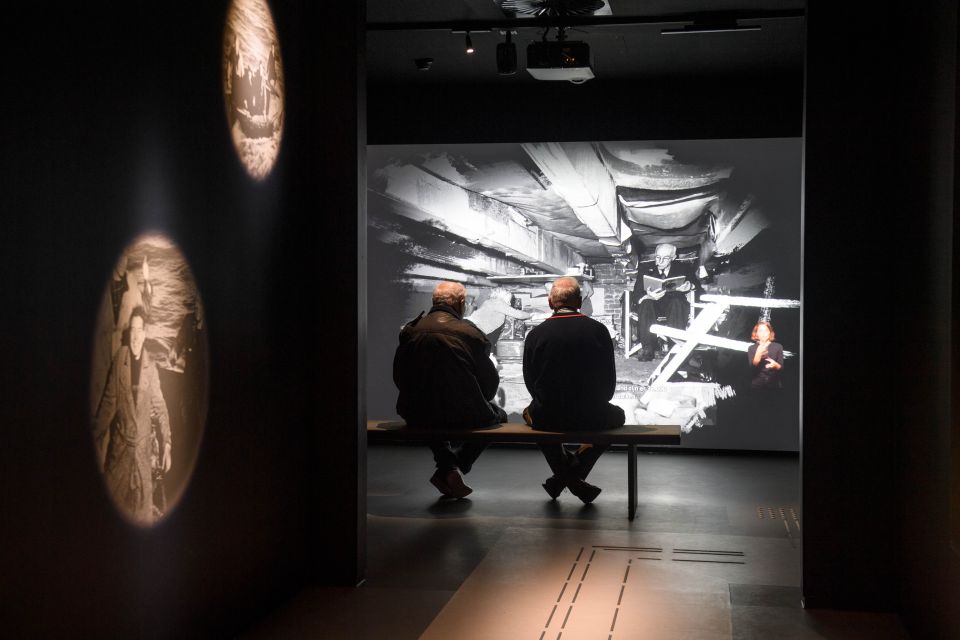
A common reason people love this museum is that it refuses to narrow resistance to one stereotype. Instead, it maps out a range of actions, so you can understand resistance as a spectrum.
Here’s what you should expect to see emphasized throughout the exhibition:
- Strikes and work stoppages as a form of refusal
- Forging documents to help people avoid Nazi systems
- Helping people go into hiding, including people at high risk
- Underground newspapers to counter propaganda and keep information flowing
- Escape routes and support networks
- Armed resistance and other direct attacks
- Espionage, including information gathering in dangerous conditions
This structure matters because it helps you spot what resistance actually looked like. It wasn’t always dramatic in the Hollywood sense. Often it was quiet, risky, and dependent on trust—exactly the kind of thing that makes historical accounts feel real.
The museum also covers collaboration, which adds an uncomfortable but important dimension. You’ll see how occupation forced people to make decisions under impossible constraints. That theme—dilemmas, pressure, and consequences—runs through many of the exhibits and personal documents.
“Everyday Heroes” and the Weight of Real Dilemmas
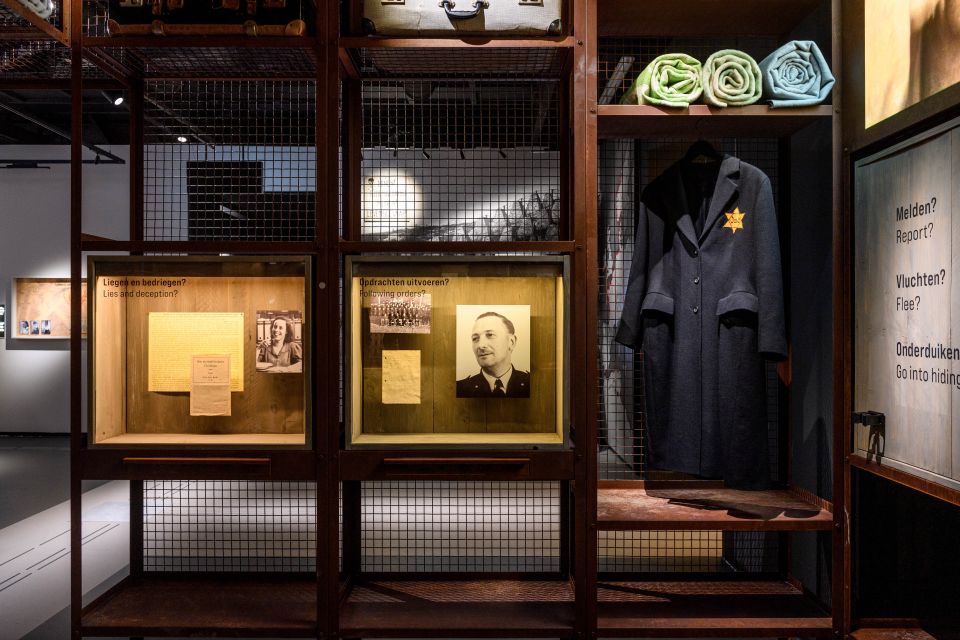
One of the museum’s strengths is how it treats people as individuals rather than symbols. You’ll encounter personal documents that show how people were confronted with dilemmas once the occupation tightened its grip. The choices weren’t always clean-cut. Sometimes the options were survival, secrecy, loyalty, betrayal, or doing nothing—and the outcomes could be brutal.
This approach is likely why so many visitors rate the experience highly. It’s educational, but it’s also emotionally pointed. You come away understanding that resistance required more than courage—it required nerve, planning, and often help from others who were just trying to stay alive.
Even when you’re not an expert in WWII, the museum’s pacing helps. The layout supports a walk-through that feels like following leads: one station, then the next. You keep learning how one form of resistance connected to others.
Practical note: if you’re sensitive to intense stories, you might want to move more slowly through the most difficult sections. The museum’s design makes it easy to pause and take in what’s in front of you rather than rushing past.
Wartime Rooms, Photo Walls, and Exhibit Details That Matter
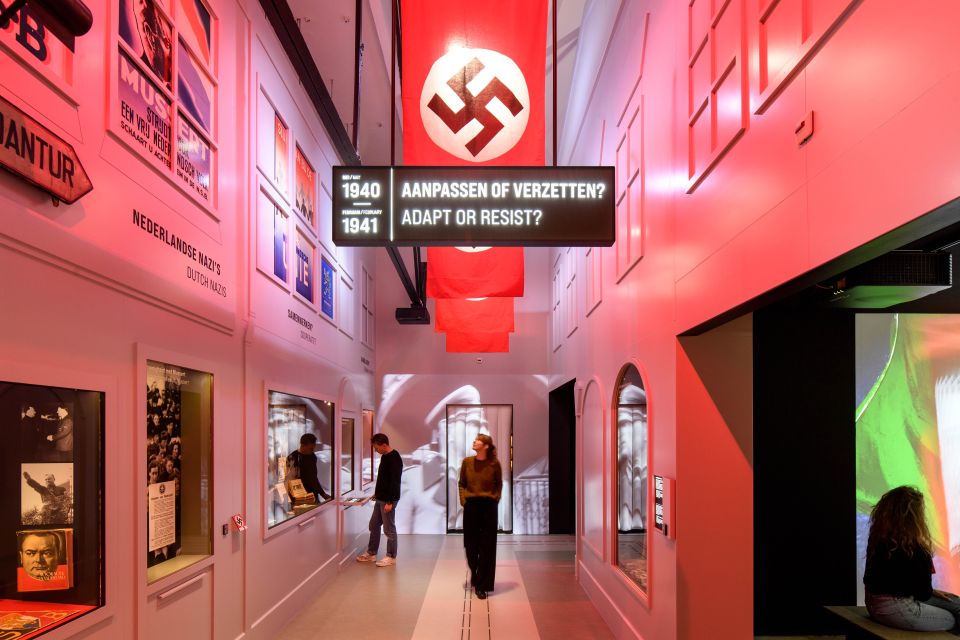
Expect a visual style built to trigger memory and atmosphere. The museum uses photos and displays to evoke the war years. As you move through rooms, the walls full of images help set the tone and make the story feel lived-in rather than abstract.
A helpful detail: the museum doesn’t only rely on reading text. Many exhibits include audio layers, plus interactive elements. From the way the audio is described and how stations are set up, you can pick what to listen to and in what order.
You should also pay attention to the artifacts and documents. The point is not to admire them like museum trophies—it’s to see the mechanics of resistance and occupation. Objects here become evidence of what people did, what they feared, and what they needed to survive.
The Dutch East Indies Section: Why It’s Not Just a Europe Story
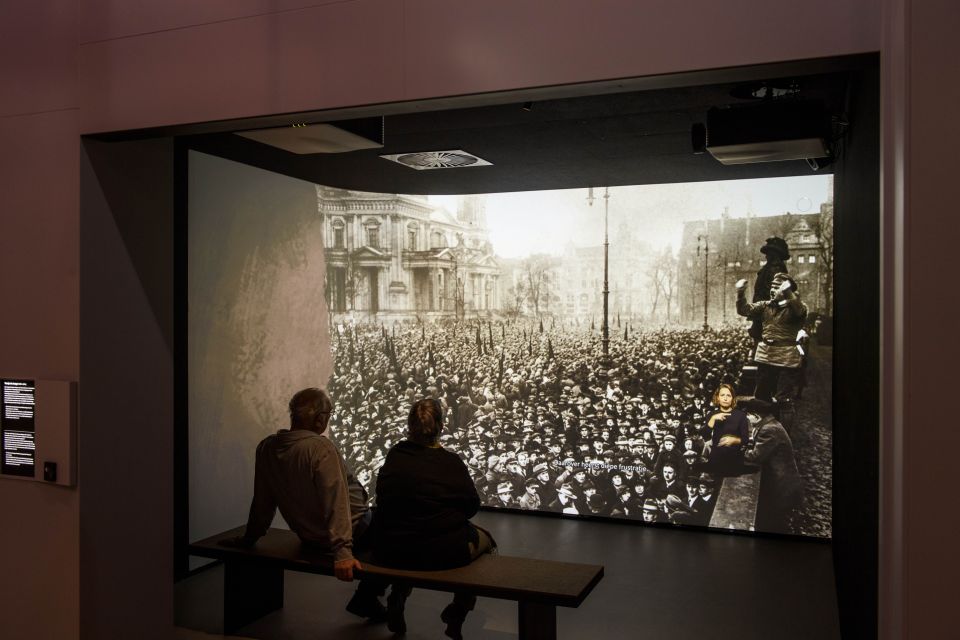
If you associate Dutch WWII with Europe only, the museum will broaden your view. There is a dedicated section focused on the former Dutch colonies in the Dutch East Indies. It connects Dutch WWII history to the experiences of people under the Japanese regime, including the terror they faced.
This matters for two reasons:
- It shows that Dutch history during WWII wasn’t contained by geography.
- It links the Dutch experience to a wider World War II context many visitors may not know in enough detail.
The exhibits here follow the same museum approach: stories and evidence presented in a way that helps you understand what ordinary people endured, even if you only have general knowledge of the war.
If you like museums that expand your mental map of WWII, this section is a strong reason to choose this stop in Amsterdam instead of relying on a single famous name.
You can also read our reviews of more museum experiences in Amsterdam






Using the Audio Guide (and QR Stations) Like a Pro
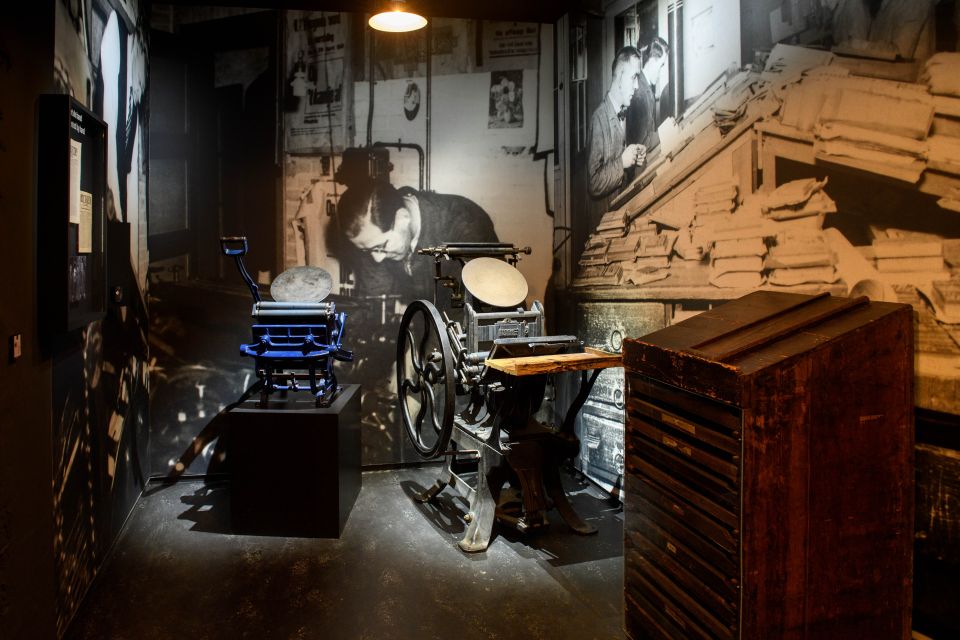
The ticket includes an audio guide. It’s offered in Dutch, English, French, German, Italian, Spanish, and Portuguese, so you can switch into a language comfort zone quickly.
What I find useful about this setup is control. You’re not locked into one forced route of information. The museum’s audio system appears to support choosing what you hear at each exhibit—some stations use QR codes and the audio can be triggered or selected from your device.
How to make it work for you:
- If you like structure, listen to most stations in sequence.
- If you like storytelling, prioritize the personal documents and the sections that follow one theme of resistance.
- If you’re short on time, focus on the big thematic rooms first, then go back for details where something catches your attention.
Also, don’t underestimate the audio itself. It’s a core part of the experience, and it’s one of the reasons the visit can feel complete without needing a human guide.
One more practical tip: bring your energy level. This museum works best when you’re not sprinting. The audio plus interactive elements reward patience.
Timing Your Visit: How Much Time You Actually Need
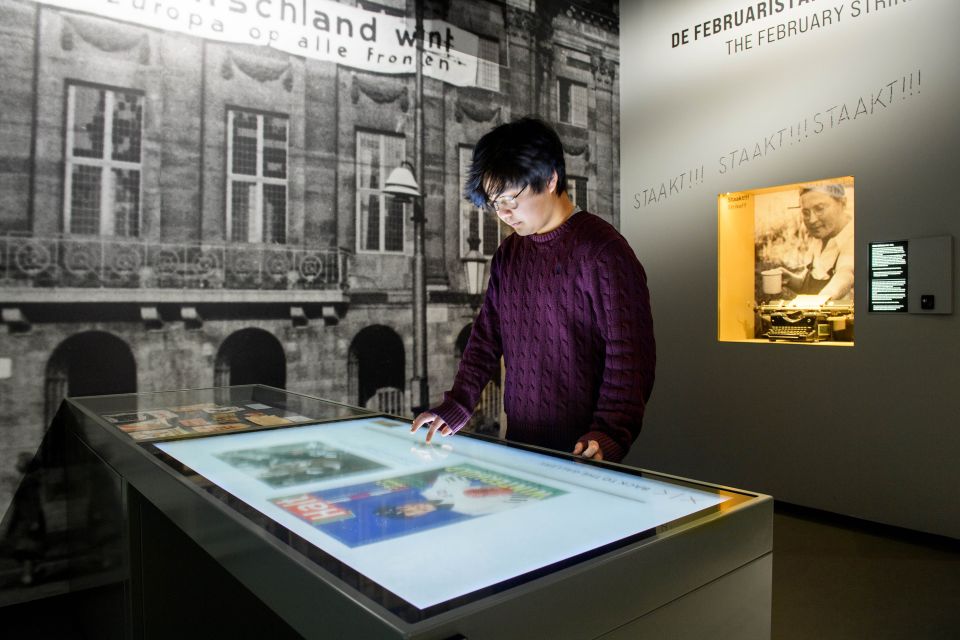
Your ticket is valid for 1 day, but the museum experience is more meaningful when you plan it as a real block of time. Many visitors spend around 2 to 3 hours to do it thoroughly.
So how should you schedule it?
- If you’re pairing it with other Amsterdam sights, treat it like a half-day anchor.
- If you want to read more and listen more, plan closer to the longer end.
- If you only have an hour or so, you might still learn a lot, but you’ll have to skip sections intentionally.
If you’re traveling with someone who wants the details (history lover, student, or anyone who prefers facts over vibes), giving this museum extra time is a smart move. It’s the kind of place where stopping to read one more artifact can turn into 20 minutes without you noticing.
Price and Value: Is $21 Worth It?
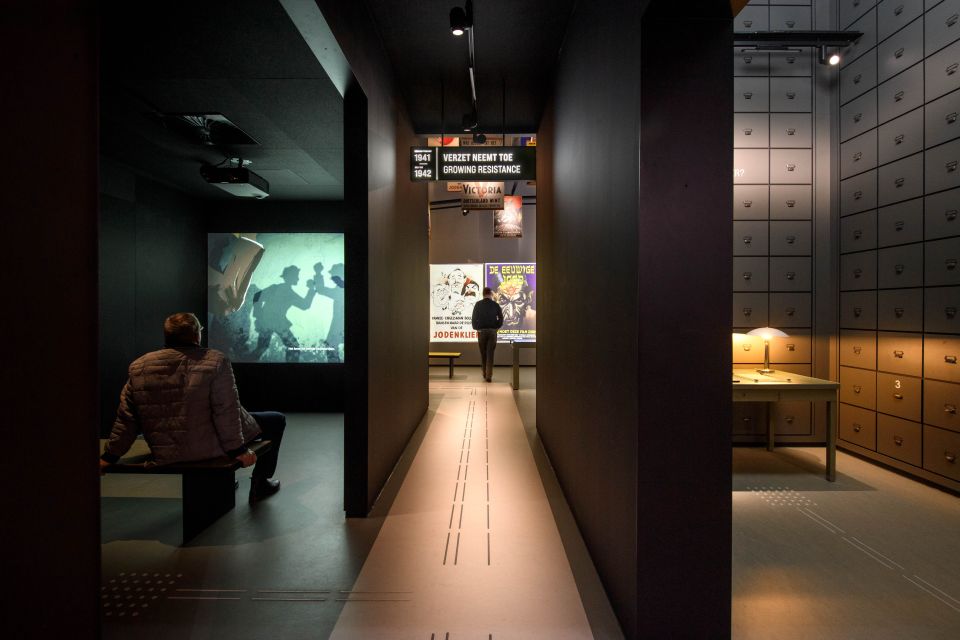
At about $21 per person, this museum tends to feel like good value, especially because the ticket includes entry plus an audio guide. You’re paying for a self-guided, language-supported experience that covers multiple angles of resistance and occupation—from Europe to the Dutch East Indies.
If you compare it to paying for a guided tour on top of museum entry, the bundled audio adds practical value. It also keeps the experience flexible: you can spend longer where you care most and shorten the rest.
Also consider emotional value. Museums like this can change how you understand a place and a country. Even if WWII museums aren’t your usual thing, this one offers a Dutch-specific lens and a variety of resistance methods, not just one famous story.
Getting In: Meeting Point and What to Bring
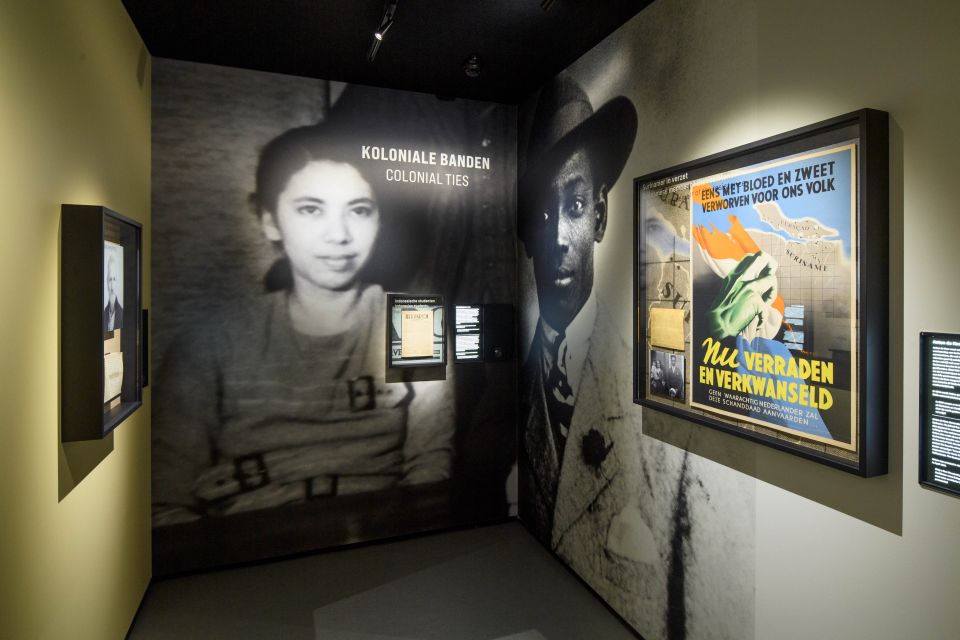
Check in is simple. You’ll need to show your ticket(s) at the museum counter. That’s the key step.
What to bring:
- Your ticket confirmation
- A charged phone (optional, but handy for maps or language support)
- A willingness to slow down for the heavier parts
Food and drinks are not included, so plan a meal around your visit.
Who This Museum Fits Best (and Who Might Want Another Plan)
This museum is a strong choice if you:
- want a Dutch WWII story told through real resistance actions
- like museums with personal documents, objects, and audio support
- want to go beyond the usual Europe-only WWII narrative thanks to the Dutch East Indies section
- prefer an exhibit flow you can control through the audio guide
It might be less ideal if you’re in Amsterdam hunting for mostly light, casual culture. This place is serious and can feel emotionally heavy. That doesn’t make it bad—it just means you should match your schedule and mood to it.
Final Thoughts: Should You Book the Dutch Resistance Museum Ticket?
I think this is a book-worthy experience for most Amsterdam visitors who want something real and specific. It’s not only about Nazis and dates. It’s about how people lived under pressure and how resistance took many practical forms—often risky, often quiet, often dependent on other regular people.
Book it if you can spare at least a couple of hours and you’re ready for an honest look at occupation and the choices people faced. If you’re looking for a quick, upbeat stop between canal walks, you may want a different museum for that day.
FAQ
What is included with the Amsterdam Dutch WWII Resistance Museum entry ticket?
Your ticket includes entry to the museum and an audio guide.
How long does the visit take?
The activity is listed as 1 day, and many visitors report spending around 2 to 3 hours inside.
What languages are available for the audio guide?
The audio guide is available in Dutch, English, French, German, Italian, Spanish, and Portuguese.
Is the museum wheelchair accessible?
Yes, the experience is wheelchair accessible.
Where do I show my ticket?
Show your ticket(s) at the museum counter when you arrive.
Is a guide included?
No. A guide is not included with this ticket.
How much does the ticket cost, and can I cancel?
The price is listed as about $21 per person. Free cancellation is available up to 24 hours in advance for a full refund.