REVIEW · CANAL CRUISES
Amsterdam Small-Group Canal Cruise With Dutch Snacks and Drink
Book on Viator →Operated by Sebi Boat Tours · Bookable on Viator
You can sip Amsterdam history in two hours. This small-group cruise sails the UNESCO canal belt and the Jordaan with Sebi, plus Dutch snacks and drinks on a vintage-style covered boat. The one catch: it’s a tight 2-hour loop, so don’t expect long wandering breaks on land.
I love how the boat stays low and nimble in the city’s smaller waterways, making the sights feel close instead of distant. You also get a real sense of how Amsterdam grew, from church landmarks to WWII remembrance sites. If you hate alcohol, plan around the fact that the selection includes wines, gins, and beers, though you do have non-alcohol options too.
In This Review
- Key reasons this cruise is so popular
- Two hours on Keizersgracht 198: what you’ll actually do
- Why a max of 10 people changes the whole canal experience
- Sebi’s food-and-drink rhythm: cheese first, then hot bites
- UNESCO canal belt into the Jordaan: how the route reads from water
- Westerkerk and the Anne Frank House area: famous sights without the stampede
- Amstel, bridges, maritime museums, and the zoo area
- NEMO for kids, an LGBT+ monument, and Amsterdam’s oldest areas
- Price and value: is $89.53 fair for this much included?
- Who should book this cruise, and who might not love it
- Should you book this Amsterdam small-group canal cruise?
- FAQ
- How long is the canal cruise?
- How much does the tour cost?
- What group size should I expect?
- Is the tour offered in English?
- Where does the tour start and end?
- Is a mobile ticket used?
- What if the weather is bad?
- Are service animals allowed?
Key reasons this cruise is so popular
- Up to 10 people means quiet enough to ask questions and actually hear the stories.
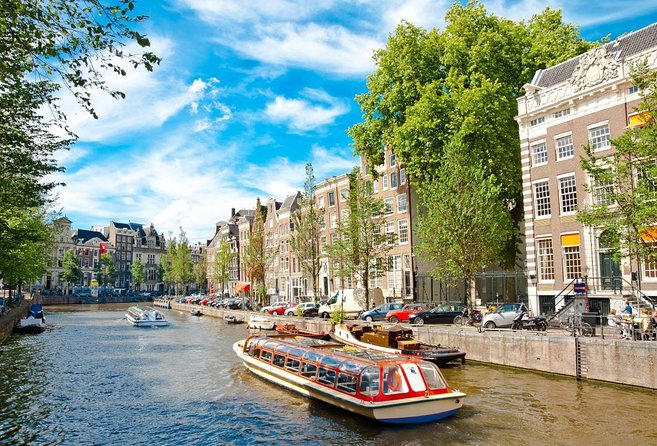
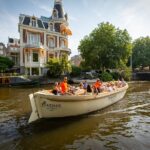
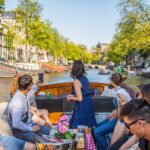
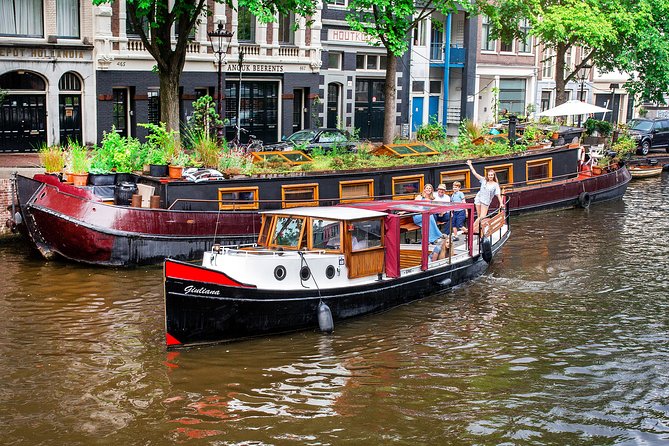
- A vintage covered boat (Giuliana) lets you get close to the water for better photos and that “you’re in the canals” feeling.
- Local snacks plus hot Dutch bites keep the tour from feeling like just cruising and looking.
- Route flexibility can shift with the day, adding extra scenery when possible.
- Iconic stops by name include Westerkerk, the Anne Frank House area, NEMO, and the National Maritime Museum.
Two hours on Keizersgracht 198: what you’ll actually do
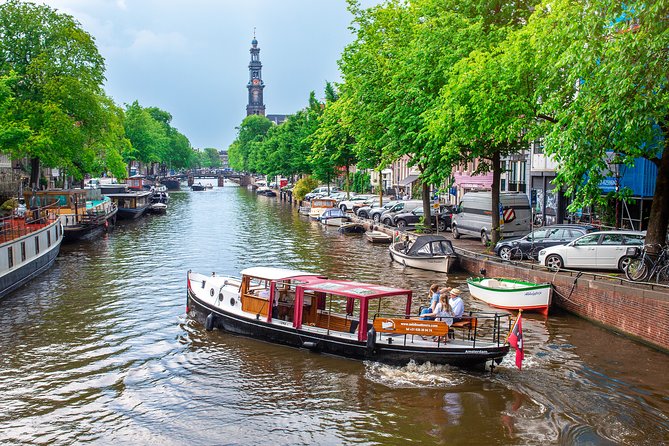
This starts where many locals pass through: Keizersgracht, near the address Keizersgracht 198 (1016 DW Amsterdam). The cruise ends back at the same meeting point, so you’re not solving transit or walking across town afterward. Expect about 2 hours total, with morning or afternoon departures available and the tour conducted in English.
Here’s the practical reality: the time adds up fast on a canal cruise. You’ll be on the water for the bulk of the experience, with a few moments that feel like mini “checkpoint sightseeing” as you approach different districts and landmark areas. The pacing works best if you want to see a lot of Amsterdam in one sitting without turning your day into a checklist of museum tickets and line queues.
The boat’s size and style matter for how you experience the city. Because this is not a giant sightseeing barge, you can glide into narrower canal stretches where bigger boats can’t easily go. That’s how you get that close-to-the-water perspective that makes Amsterdam’s canal system feel personal instead of postcard-flat.
You can also read our reviews of more boat tours in Amsterdam

Why a max of 10 people changes the whole canal experience
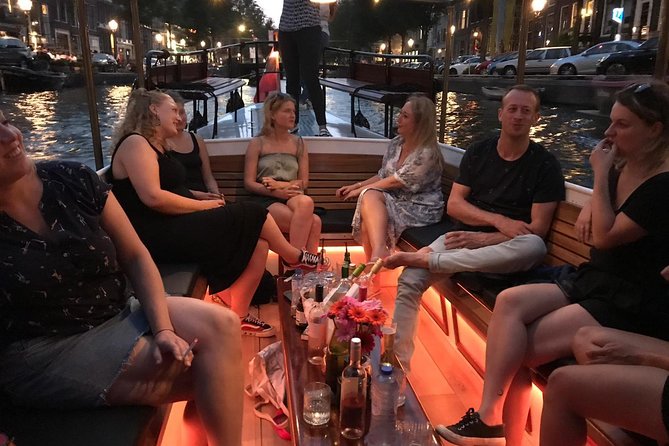
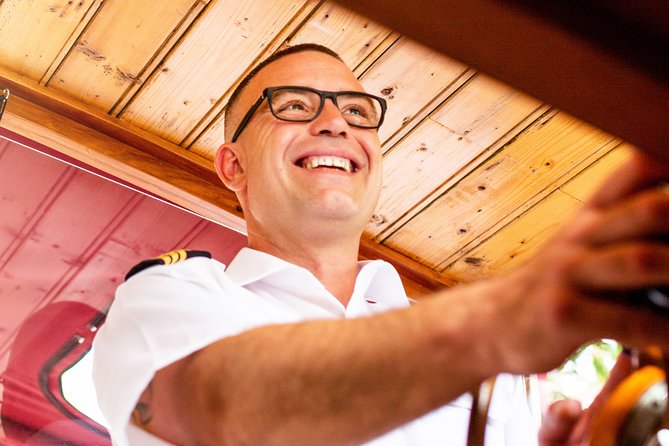
One of the biggest upgrades here is the group size: maximum of 10 travelers. That small number quietly changes everything. When there are only a handful of people onboard, you can hear Sebi’s explanations over the normal background sounds of the boat. You also get time for real questions, not just a rushed “one fact per landmark” presentation.
It also affects how you feel on the cruise. With a small group, the experience comes off more like you’ve joined a friend for a canal walk that happens to float. Several reviews stress the personal, comfortable atmosphere and the sense of being treated like VIPs rather than one more ticket number.
There’s also the simple sightseeing benefit: fewer people often means better viewing positions along the boat. You’re not constantly squeezed behind strangers holding phones overhead. And some canals are so narrow that the boat’s low position gives you a “touch the water” feeling, which makes even well-known canal scenes feel fresh.
Sebi’s food-and-drink rhythm: cheese first, then hot bites
Let’s talk about what’s included, because this is not just a sightseeing ride with a tiny cookie. The cruise includes Dutch snacks and drinks for the whole journey, and the best part is the rhythm.
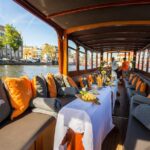
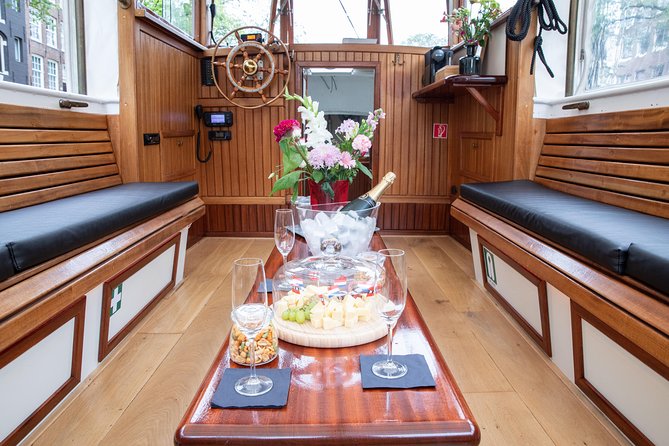
You start with cold classics like cheese and fruit, and you’ll have drink choices that include wine, plus options like beer and gin, along with soft drinks and water. Reviews highlight that the selection feels broad rather than an afterthought, with snacks appearing throughout instead of all at once at the start.
Then comes the mid-tour moment that makes people remember the cruise: about 20 minutes into the ride, Sebi stops to pick up hot Dutch appetizers from a local restaurant. Depending on the day and what’s available, this can include items like bitterballen, cheese soufflé bites, and spring rolls. The point isn’t just food; it’s the break in the motion. You’re still on the water, still cruising, but the tour gets a warm, local-food beat.
If you’re thinking about value, this is where it matters. For a 2-hour activity, you’re not paying just for boat time. You’re paying for a guided canal route plus food and drinks that actually feel substantial, including hot bites.
UNESCO canal belt into the Jordaan: how the route reads from water
From the moment you cast off, the tour is built around how Amsterdam looks when you’re moving through it, not standing still. You sail through the UNESCO heritage canal belt and the Jordaan district, then you transition toward the Amstel River and major nearby areas.
The UNESCO canal belt matters because Amsterdam’s canal system is not random decoration. It’s tied to how trade, wealth, and city planning shaped the city. Seeing it from the water helps you understand the canals as infrastructure—arteries of movement and daily life—rather than just pretty geometry.
The Jordaan segment is usually what people feel in their bones even if they can’t name it. The Jordaan is a mix of old streets and canal-edge buildings that feel woven into the waterways. From the boat, you get a clean view of how those neighborhoods press up against the water, with façades that seem made for reflections.
Along the way, you’ll pass areas tied to Amsterdam’s layered story: the red light district, the maritime area, and other key canal stretches that reveal how different the same city looks depending on which waterways you use. From the water, these zones don’t feel like separate worlds. They feel like neighbors.
One more practical note: the low, close-to-water perspective gives you better chances for photos and details. Multiple reviews mention the ability to get close to the water across canals, which is a big deal when you’re trying to capture the “Amsterdam in motion” look.
Westerkerk and the Anne Frank House area: famous sights without the stampede
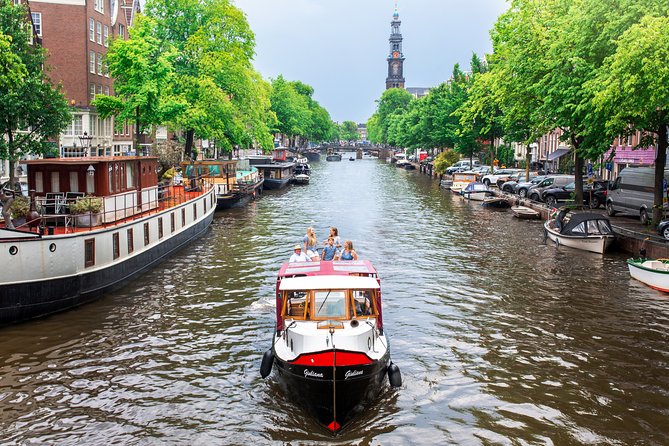
Two landmarks anchor the tour in a way that helps first-timers get their bearings fast. You’ll see Westerkerk, described as Amsterdam’s biggest and most famous church and a key reference point for the tour’s flow.
Seeing a major church from the water is different from seeing it at street level. From canals, the spires and the surrounding canal-edge buildings create strong lines in your view. The cruise perspective also helps you place Westerkerk within the city’s canal network—how it sits in relation to waterways that historically shaped where people went and what they built.
Then there’s the WWII reminder: the house and now museum where Anne Frank went into hiding. From the water, you’re not stepping into exhibits or dealing with museum queues during the cruise portion. Instead, you approach the site with context and location awareness. That makes the visit feel more connected if you plan to see the museum afterward.
I like this approach for two reasons. First, it gives meaning to where you are in the city. Second, it keeps the cruise from feeling like a “just look” activity. Even when you’re only briefly passing by, you get stories that help the places land.


Amstel, bridges, maritime museums, and the zoo area
Amsterdam’s heart shows up when the route reaches the Amstel River. River time feels calmer than the canal belt, and it also gives you wider sightlines. The Amstel acts like a spine: it helps you understand the city’s geometry beyond the tight canal system.
You’ll also pass Amsterdam’s most famous bridge as part of the tour. Even if you already know the postcard version, seeing it in motion with canal-edge buildings and river views around it gives you a better sense of scale.
The maritime side is a standout if you like trade and ships more than selfies. The tour includes the National Maritime Museum area, tied to one of Europe’s biggest maritime collections. This is the kind of stop that gives you a thread to pull later if you visit the museum.
And then there’s the zoo segment. The cruise may include passing by the zoo area with scenery that can look especially good on a nice day. Reviews mention routes shifting to take in the zoo when conditions are right, which is exactly the kind of small flexibility that makes a tour feel alive rather than copy-pasted.
NEMO for kids, an LGBT+ monument, and Amsterdam’s oldest areas
Not every stop is about monuments. Some are about how Amsterdam lives now, especially if you’re traveling with kids or you like mixing old and new.
You’ll pass NEMO Science Museum, a science-and-technology museum primarily dedicated to children. Even if your main goal is canals and history, this is a nice reminder that Amsterdam isn’t only about the 1600s. It’s a living city with modern learning built into the waterfront.
Another meaningful stop in the route is a monument dedicated to the LGBTQ+ community in Amsterdam. From the water, you get a respectful view of how public memory and community pride show up in the city’s landscape.
You’ll also see areas tied to older Amsterdam, including:
- the oldest part of Amsterdam
- the city’s oldest and most famous flea market area
- and a stretch of canal known for being one of the more well-endowed canals, with Keizersgracht as the start and finish point
The flea market and oldest-area segments are useful for a different reason. They help you see that Amsterdam isn’t only grand canal houses and museum façades. It’s also a place where everyday life, markets, and neighborhood routines have long been part of the story.
Price and value: is $89.53 fair for this much included?
At $89.53 per person for about 2 hours, this cruise isn’t the cheapest way to see Amsterdam from the water. But it is one of the better “value per hour” options when you factor what’s included.
You’re getting:
- a small-group setup (max 10)
- guided storytelling in English
- Dutch snacks and drinks included throughout
- plus hot Dutch bites mid-tour, picked up at the local restaurant
Many standard canal cruises sell boat time first and food second, often with very small “starter” snacks or just a drink ticket. Here, the food rhythm is part of the experience, and reviews consistently point to it as a highlight. The small boat also means you’re more likely to see canals that larger boats can’t access as easily.
If you’re the type who wants a lot of Amsterdam in one stop, without juggling tickets and transit afterward, this price starts to make sense fast. You’re paying to save decision time and get a guided route plus local food in one package.
Who should book this cruise, and who might not love it
This tour is a strong fit for:
- first-timers who want orientation and stories in a short window
- couples and small groups who prefer a quieter boat experience
- people who enjoy Dutch snacks and drinks more than bland sightseeing
- families with kids around 10, since NEMO and the zoo area show up in the route
It may not be the best choice if you want a slow, meandering canal day with lots of time to hop off repeatedly and linger. This is a moving experience by design. Also, while non-alcohol choices are available, the drink setup includes alcoholic options, so if that’s a dealbreaker for you, you should know that up front.
One more practical point: this experience needs good weather. If conditions are poor, the operator will offer another date or a full refund, so it’s best to treat it like a weather-dependent activity and not your only plan.
Should you book this Amsterdam small-group canal cruise?
I think you should book this if you want Amsterdam’s canal system with real guidance, close-up views, and food that feels genuinely Dutch instead of token. The small-group size, the restored vintage-style boat (Giuliana, electric), and the snack rhythm with hot bites are the core reasons this works.
If your ideal canal cruise is mostly about standing on deck and doing a long, relaxed wander, you might prefer a longer cruise or a different style tour. But for two hours that pack in major sights like Westerkerk and the Anne Frank House area, while keeping the vibe intimate, this is a smart pick.
FAQ
How long is the canal cruise?
It runs for about 2 hours.
How much does the tour cost?
The price is $89.53 per person.
What group size should I expect?
The tour has a maximum of 10 travelers.
Is the tour offered in English?
Yes, it is offered in English.
Where does the tour start and end?
It starts at Keizersgracht 198, 1016 DW Amsterdam, Netherlands, and ends back at the same meeting point.
Is a mobile ticket used?
Yes, the tour uses a mobile ticket.
What if the weather is bad?
The experience requires good weather. If it’s canceled due to poor weather, you’ll be offered a different date or a full refund.
Are service animals allowed?
Yes, service animals are allowed.