REVIEW · AMSTERDAM
Amsterdam: Oude Kerk Entry Ticket
Book on GetYourGuide →Operated by Oude Kerk Amsterdam · Bookable on GetYourGuide
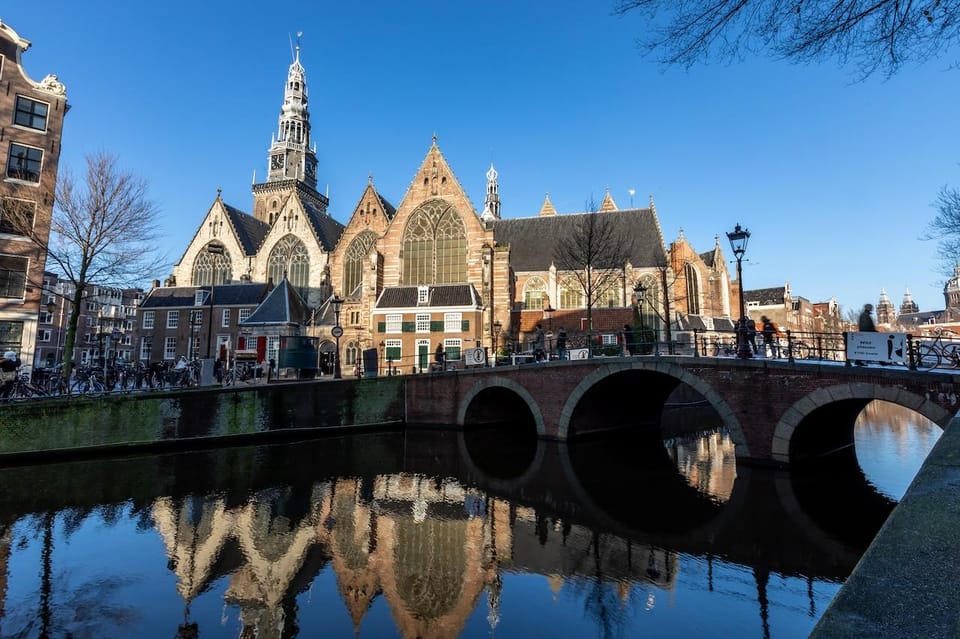
You’ll feel the age fast. The Oude Kerk (Old Church) is Amsterdam’s oldest building, and it doesn’t treat that age like a quiet backdrop. Instead, it turns the space into a stage for rotating contemporary art and music, so you’re walking through centuries while the present talks back.
I love how the building tells a story in layers: it started as a small wooden chapel around 1250, then grew into a wider hall church around 1570. I also like that the art isn’t just dropped in for decoration—artists and musicians create new works for this specific location, with installations that can either adapt to the old architecture or intentionally clash with it.
One thing to consider: because some contemporary works and sound/music programs can be intense, the experience may feel eerie or heavy if you’re sensitive to darker atmospheres.
In This Review
- Quick hits before you go
- Entering the Oude Kerk: what the building does to your mindset
- Using the audioguide effectively (so you don’t miss the best parts)
- Rotating contemporary exhibitions: how the art works inside a 700-year room
- The church as a real-life Amsterdam hub (not just a religious stop)
- The Iron Chapel and famous names resting here
- If the tower is open, consider climbing for the views
- Break time at Koffieschenkerij (coffee in the church annexe)
- Price and value: is $16 worth it?
- How long to plan and when to go
- Who should buy this ticket (and who might skip it)
- Should you book the Amsterdam Oude Kerk entry ticket?
- FAQ
- What does the Oude Kerk entry ticket include?
- Are there contemporary art exhibitions?
- Which languages are available for the audioguide?
- How long is the ticket valid?
- Is food included with the ticket?
- Is a guide included?
- Is the Oude Kerk wheelchair accessible?
- Is free cancellation available?
- Can I reserve now and pay later?
- Is there a tower visit as part of this experience?
Quick hits before you go
- Amsterdam’s oldest building gives you real, walk-in history within the historic city centre
- Rotating contemporary exhibitions use the church as a working art space, not just a venue
- Exclusive commissions: artists and musicians create works for this location
- The Iron Chapel and social “everyday life” details go beyond religion and dates
- Coffee in the annexe courtyard (at Koffieschenkerij) is a calm reset between galleries
- Tower views may be possible if access is offered during your visit—worth checking on the day
Entering the Oude Kerk: what the building does to your mindset
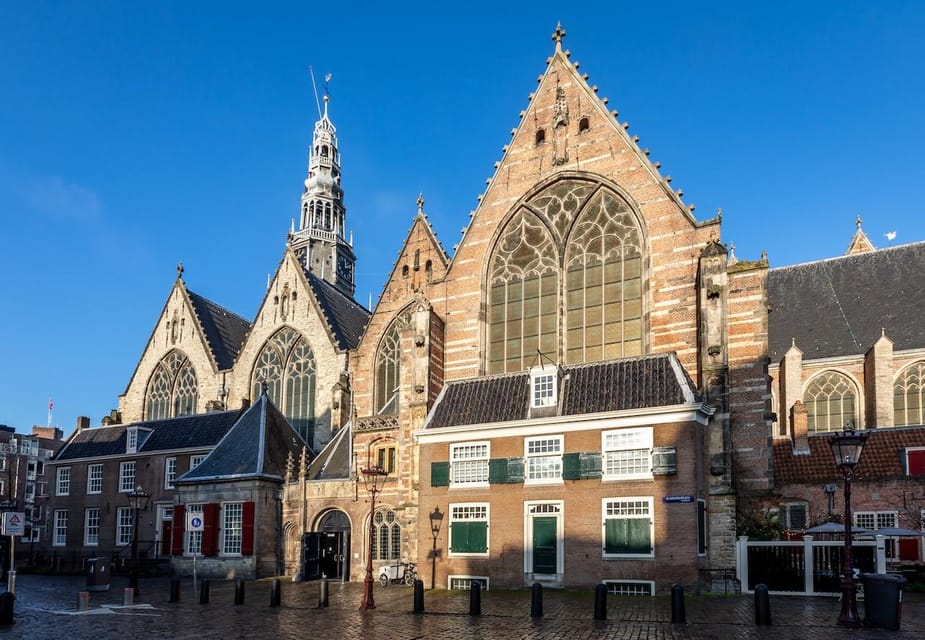
When you walk into the Oude Kerk, the first surprise is how normal it feels for a church that old. This isn’t a dead monument. The space has long functioned as a public meeting place, and you can still feel that practicality in how the church is used today.
The church invites you to read two timelines at once. On one hand, there’s the early origin story: a small chapel from around 1250 that later developed into a larger hall church structure around 1570. On the other hand, there’s the present-day concept that artists create work exclusively for this setting. That pairing changes how you look at the room. Instead of thinking only about religious architecture, you also start noticing how the acoustics, proportions, and shadows shape modern installations.
If you like “art that has a reason,” this is the kind of venue where the reason is the room itself. The church is an important (inter)national monument, so the stakes are real: the art program isn’t trying to replace the past—it’s trying to create a conversation with it.
You can also read our reviews of more tours and experiences in Amsterdam

Using the audioguide effectively (so you don’t miss the best parts)
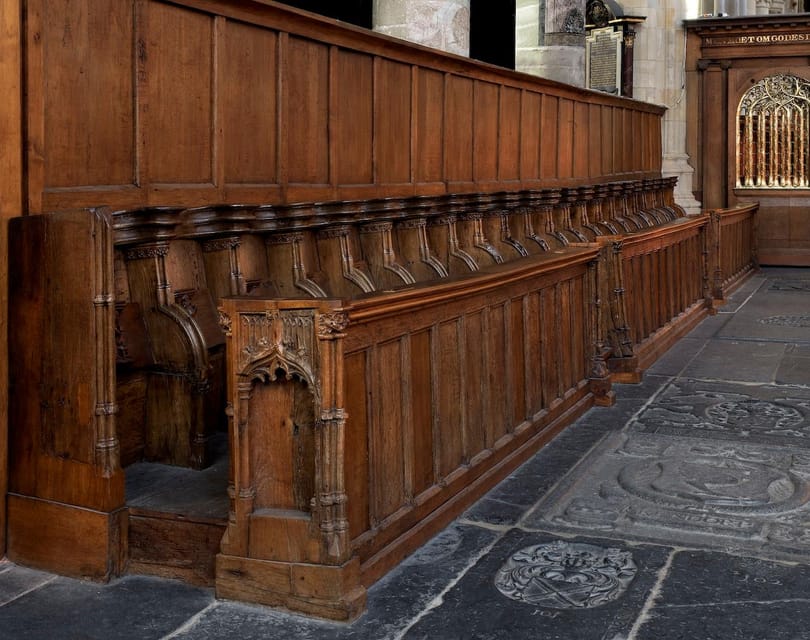
Your ticket includes an audioguide, and it’s offered in Dutch, English, German, French, Spanish, or Italian. That matters because the Oude Kerk’s story isn’t only about what the building looks like. It’s also about what happened there—trade, concerts, public life, and personal milestones.
Here’s how I’d use it to get the most value from your visit:
- Start with the audioguide early so you know what terms and areas to pay attention to.
- When you reach the contemporary exhibitions, switch your listening mode from facts to contrasts: notice where the art feels like it belongs, and where it intentionally doesn’t.
- If there’s any sound component (music series or installations), keep your pace slow for a minute. Sound changes what you think you’re seeing.
The big win: you’re not stuck just staring at objects. You’re getting context that helps the old and new make sense together, instead of feeling like two separate attractions.
Rotating contemporary exhibitions: how the art works inside a 700-year room
What makes the Oude Kerk stand out is the rule that artists create new works exclusively for the location. That means you’re not just viewing a show that happened to be staged in a historic building. The program is designed around interplay—ancient heritage in one direction, contemporary questions in the other.
A few practical things to watch for:
- Look for installations that either adapt to the space or contrast with it. In the Oude Kerk, those choices matter because the church isn’t neutral white walls. It’s stone, history, and scale.
- Pay attention to the way music series fit into the architecture. The program includes music like Silence, Monuments, plus performances and artist talks, so the church’s acoustics become part of the “exhibit.”
- Expect a layered experience: history is the foundation, but the contemporary program is the engine.
One note from experience patterns you might run into: some of the art and sound work can be emotionally intense. If you read toward the darker end of contemporary performance—somber tones, strong atmospheres—you may feel totally at home. If you’re easily spooked by mood and sound, keep that in mind and take breaks.
The church as a real-life Amsterdam hub (not just a religious stop)
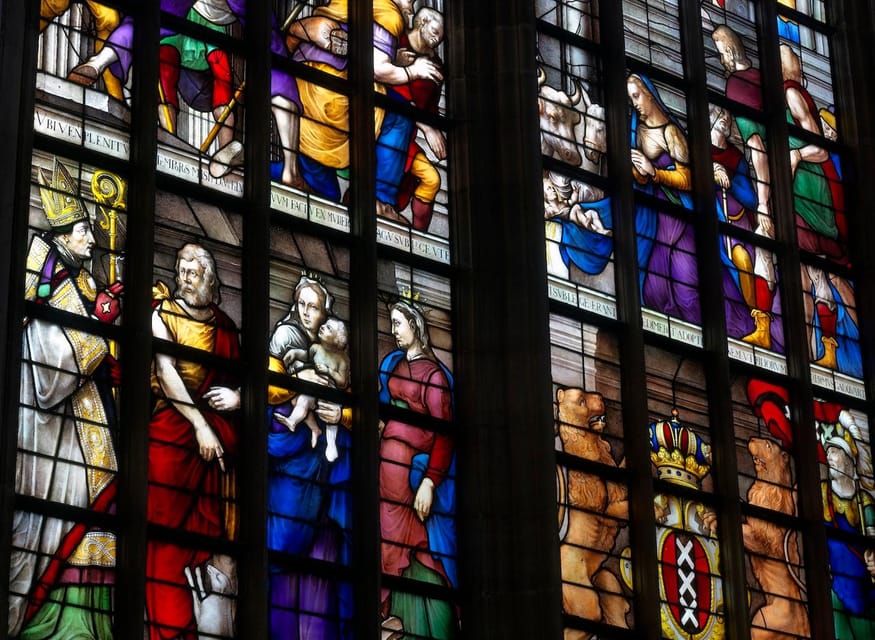
Yes, the Oude Kerk is a church. But it’s also been a public space for centuries, and that’s where the visit becomes more than “old building + photos.”
This is the kind of place where everyday city life mixed with the sacred:
- Fishermen would mend their nets and sails here.
- Important city papers were kept in the Iron Chapel.
- Couples signed their marriage certificates in the Oude Kerk.
- It was a setting for trade and concerts, and it still carries that social function today.
That matters for you because it changes what you should look for. You don’t only hunt for the “wow” moment of architecture. You look for the human details that make Amsterdam feel like a living city rather than a museum.
When you understand the Oude Kerk as a social machine—an old place where people handled real needs—it makes the contemporary art feel more grounded. The present works inside the same mindset: this is a shared place for community meaning.
The Iron Chapel and famous names resting here
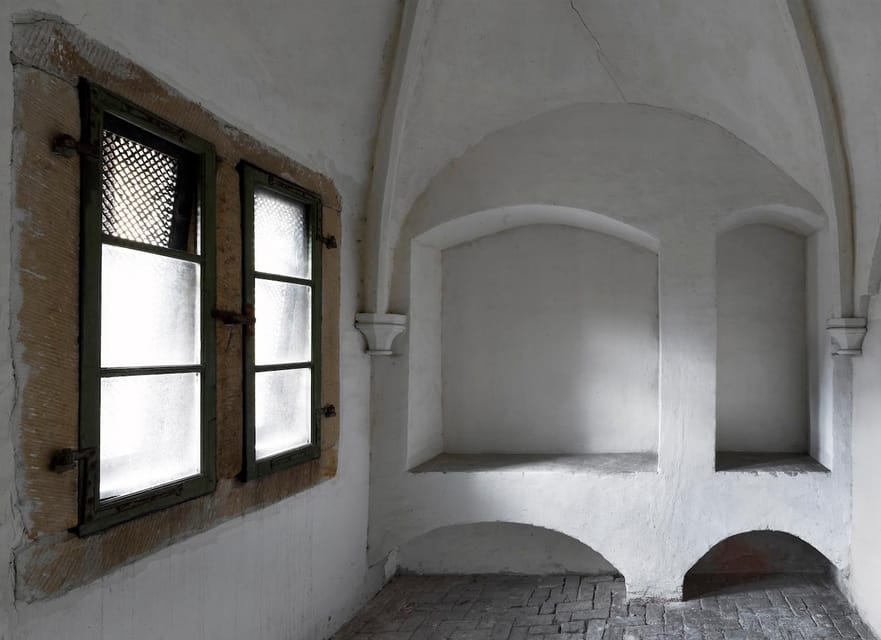
The highlights call out that many renowned Amsterdammers are laid to rest here. That’s not a detail to skip. When a church includes notable burials, the atmosphere can shift from “tourist viewing” to something closer to “quiet presence.”
You can also connect this to the Iron Chapel, where for centuries city papers were kept. That’s a great example of why this place isn’t one-dimensional. It’s a religious building that also served as an information hub—almost like a civic archive before modern systems.
If you’re the kind of visitor who likes to understand what made Amsterdam work day-to-day, spend a little extra time with these areas. They help you see how the city’s identity formed in physical locations, not just through stories.



If the tower is open, consider climbing for the views
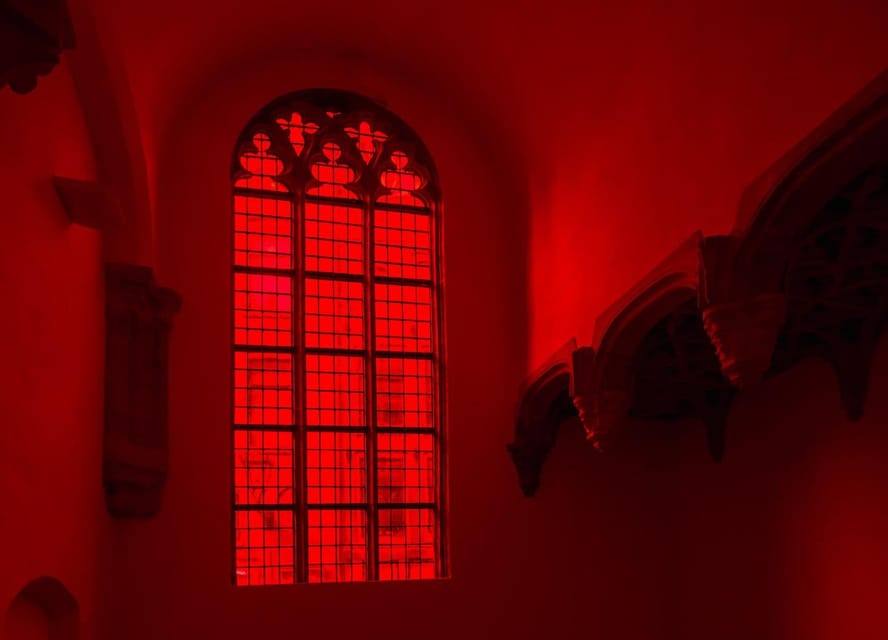
One of the standout reactions people have is about the tower climb and the view over Amsterdam. The catch is simple: your ticket data confirms entry to the church and exhibitions, not tower access specifically.
So do this on the day: look for signs about tower entry, ask at the desk whether the tower is open, and only then decide. If it is available, it’s the kind of add-on that can turn a cultural stop into a full-sensory one—because looking back over the city helps you place the church in context.
Break time at Koffieschenkerij (coffee in the church annexe)
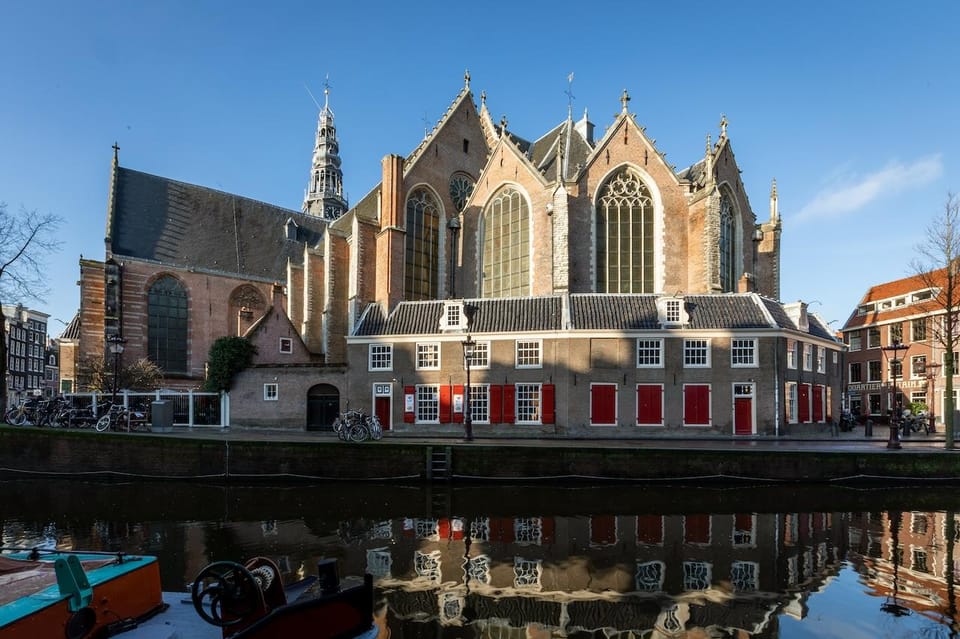
You’ll find a calm pause at Koffieschenkerij in a historical annexe of the Oude Kerk. It’s a nice option when you’ve done enough looking for a while and want something warm, quiet, and not another museum room.
The menu includes coffee, teas, lemonade, and cake, and there’s a beautiful courtyard garden that’s open daily. What I like about this plan is that it keeps your visit balanced: art and history can feel heavy, and the courtyard gives you room to reset before you head back out into the city.
This part isn’t included in your ticket, so treat it as a bonus you choose when it fits your pace.
Price and value: is $16 worth it?
At $16 per person, the value depends on what kind of visitor you are.
Here’s what you’re actually getting for that price:
- Entry to the church plus the exhibitions
- An audioguide in multiple languages
- Access to a program that mixes contemporary art with Amsterdam’s long-running public-life identity
If you’re the type who enjoys museums where the setting matters—where contemporary art is created with the building in mind—this price feels fair. You’re paying for the combination: architecture that’s old enough to anchor your thinking, plus rotating shows that keep the experience from turning into a single static “check the box.”
If you’re only looking for a quick exterior photo and a brief glance inside, you might feel like you could get the basics elsewhere for less. But if you plan to actually listen and walk the space slowly, the audioguide and the rotating exhibitions do real work for your time.
Also, the ticket is valid for 1 day, which is helpful if your schedule is flexible.
How long to plan and when to go
The ticket is built around a 1 day window, not a strict timed tour. That gives you freedom to match your rhythm.
My practical advice:
- Plan for at least enough time to do the main church areas and one round through the exhibitions.
- If there’s a sound-heavy program (music, installations), build in extra minutes. Sound needs space to land.
- If you want the courtyard, don’t cram it. Give yourself a real break instead of treating it like a snack stop.
As for timing within the day, aim for a period when you can move at a calm pace. The Oude Kerk is in the historic city centre, and you’ll feel the pull of other sights around it—so scheduling this early in your day often makes it easier to stay focused.
Who should buy this ticket (and who might skip it)
Buy this ticket if you:
- Like art that responds to its location, not art that just happens to be inside a venue
- Want Amsterdam history that includes everyday civic life—trade, concerts, marriage moments, and public functions
- Enjoy audioguides and learning while you walk
Skip or reconsider if you:
- Know you dislike darker mood contemporary installations and sound-focused performances
- Prefer purely historical churches without rotating modern programming
- Only want a short stop and you’re not interested in audio context or exhibitions
With an average 4/5 rating across 51 ratings, there’s clear general satisfaction—especially around the idea that the Oude Kerk isn’t “just old,” it’s active.
Should you book the Amsterdam Oude Kerk entry ticket?
I think it’s a strong book if you want a cultural stop that feels specific to Amsterdam. The value comes from the mix: an extremely old building, contemporary art made for the space, and social history that makes the church feel like part of how the city lived.
Book it if you’ll use the audioguide and take time with the exhibitions. Don’t book it if you want a purely religious heritage visit with no modern programming.
If you’re unsure, check what’s on display when you go. The contemporary program is the wildcard, and it can swing the emotional tone from thoughtful to intense depending on the installation and music night.
FAQ
What does the Oude Kerk entry ticket include?
Your ticket includes entry to the church and exhibitions, plus an audioguide.
Are there contemporary art exhibitions?
Yes. The church hosts rotating contemporary art exhibitions as part of its program.
Which languages are available for the audioguide?
The audioguide is available in Dutch, English, German, French, Spanish, or Italian.
How long is the ticket valid?
The ticket is valid for 1 day.
Is food included with the ticket?
No. Food and drinks are not included.
Is a guide included?
No guide is included with the ticket.
Is the Oude Kerk wheelchair accessible?
Yes, it is wheelchair accessible.
Is free cancellation available?
Yes. You can cancel up to 24 hours in advance for a full refund.
Can I reserve now and pay later?
Yes. Reserve now & pay later is available.
Is there a tower visit as part of this experience?
The provided details confirm church entry and exhibitions. Some visitors highlight tower views, so it’s worth checking on-site whether tower access is offered during your visit.